
 English
 русский
 Français
 Español
 Deutsch

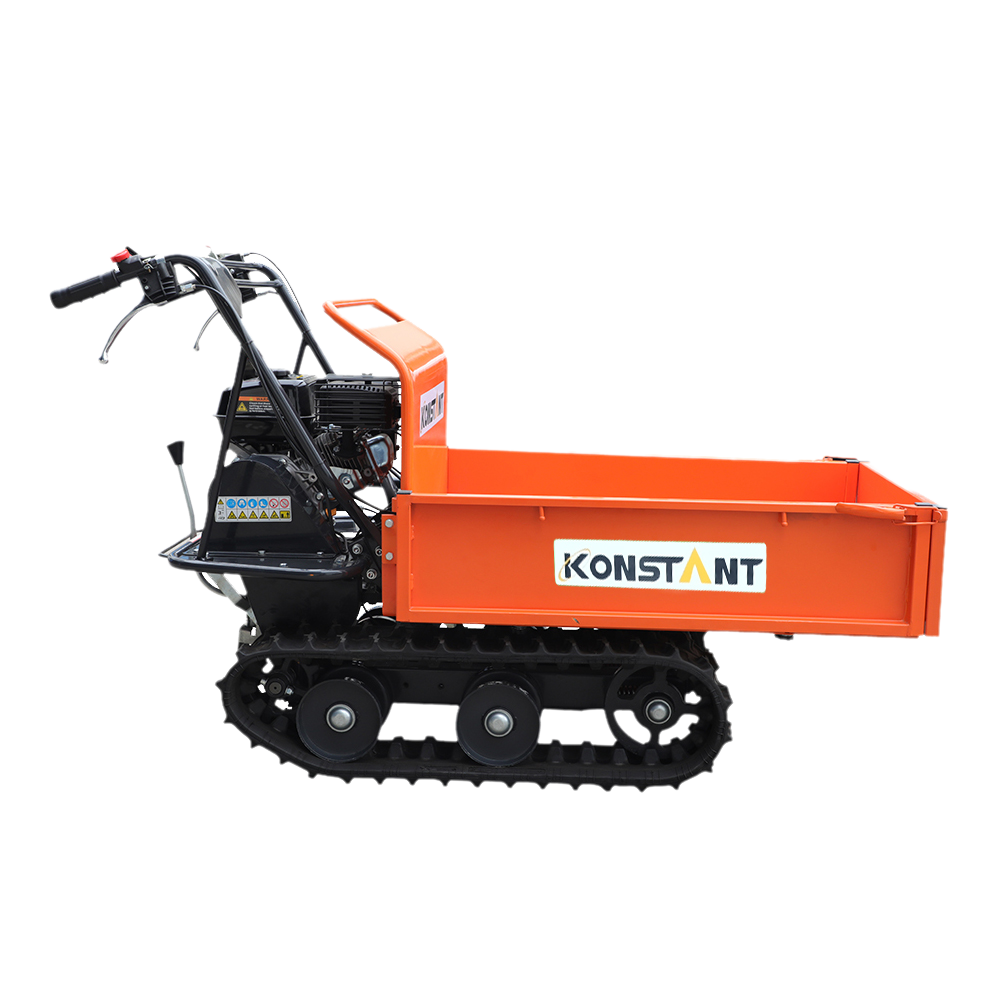
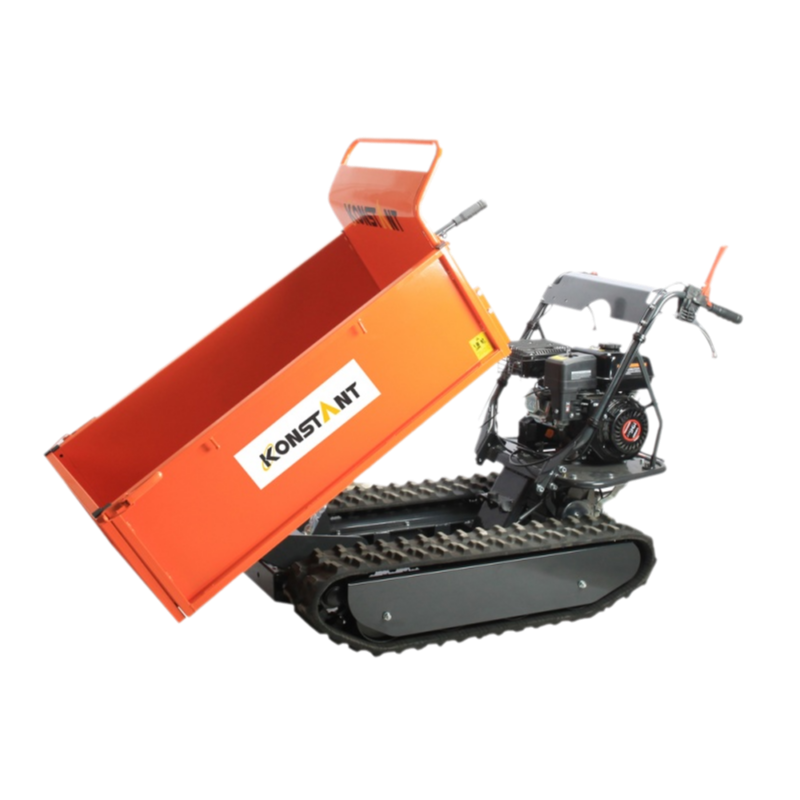
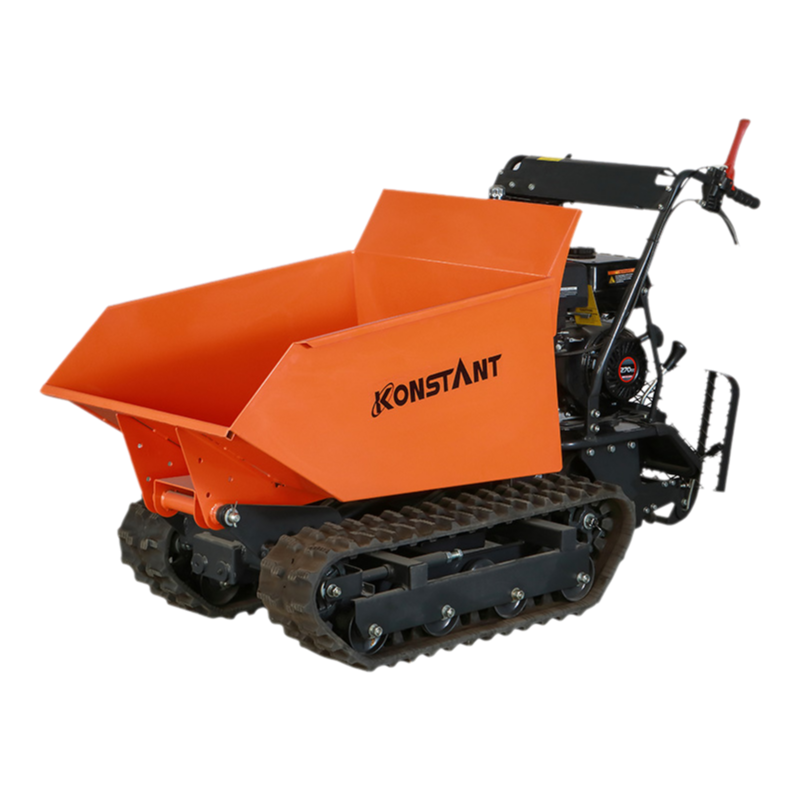
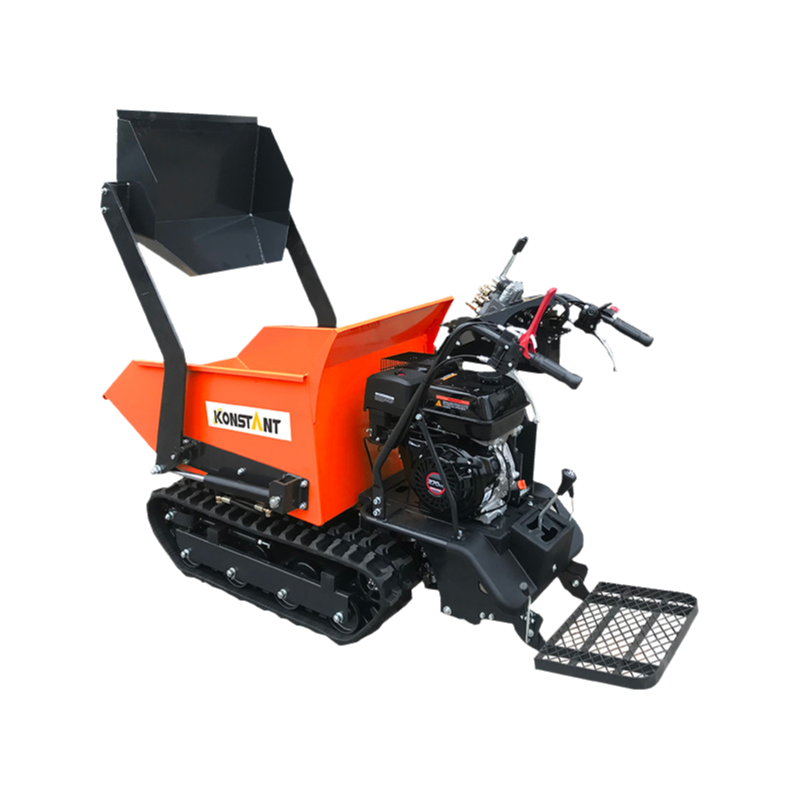
Provide you with the latest enterprise and industry news
Can a Concrete Buggy Manufacturer Improve Construction Workflow
Update:20-02-2026
Posted by Admin
Content
- 1 How a Concrete Buggy Manufacturer Actually Helps Construction Projects Save Time and Money
- 1.1 Why the manufacturer matters more than you might think
- 1.2 What to look for at the factory level (quick checklist)
- 1.3 Features that actually matter in everyday use
- 1.4 How to test a sample unit — a practical test plan
- 1.5 Procurement terms that prevent headaches
- 1.6 Maintenance approach that keeps machines rolling
- 1.7 Practical procurement timeline for a medium project
- 1.8 KPIs you should track after deployment
- 1.9 A short field story — what went right
- 1.10 Checklist: what to require before you sign
How a Concrete Buggy Manufacturer Actually Helps Construction Projects Save Time and Money
If you work on construction sites, you know the little things add up. Moving concrete from mixer to pour point is one of those tasks that looks simple on paper — until you're hauling wheelbarrow after wheelbarrow across mud or up a slope. A good concrete buggy cuts that friction. But buying the right machine starts with choosing a sensible manufacturer: the company behind the product affects delivery, spare parts, testing, training and long-term costs.
Why the manufacturer matters more than you might think
Buying a piece of kit is not just about specs. It's also about how it was made and how the maker supports it after sale.
Two identical-looking buggies can behave very differently if one came from a plant with disciplined assembly, inline testing, and spares control, while the other is assembled quickly with inconsistent checks. The difference shows in five ways on site:
- How long the unit takes to get ready for work after delivery (unpacking, charging, quick tests).
- How often it needs a visit from a technician versus a simple on-site part swap.
- Whether spare parts are standardized or you must wait on bespoke items.
- How predictable battery and range performance are under real loads.
- How clear and useful the documentation and training are for operators.
A good concrete buggy manufacturer builds with that whole lifecycle in mind. They don't just ship machines; they think about how those machines will be used, repaired, and kept moving across season after season.
What to look for at the factory level (quick checklist)
If you can visit a plant or review evidence remotely, these are the things that indicate a maker runs a controlled operation:
- Logical assembly flow. Frames, drivetrains, electricals, batteries and final tests arranged in sequence so each operator's work is validated before the unit moves on.
- Inline quality checks. Torque readings, wiring inspections, and test bench logs tied to serial numbers.
- Functional test benches. Full-load run, braking test, battery charge/discharge checks shown in a test report.
- Batch-tracked electronics and batteries. Batch IDs for cells and controllers in case of recall or field issues.
- Spare parts organization. A clear spare-parts list and recommended on-site kit packaged with delivery.
- Packing standards. Crates, separators, corrosion inhibitor paper if units go by sea.
If a manufacturer can't show these basics, they may still build workable units — but you should expect more hands-on work on delivery day.
Features that actually matter in everyday use
Technical specs are useful, but on a muddy slope the following features determine whether a buggy is a help or a headache.
Battery and BMS behavior
Don't just note voltage and Ah on a sheet. Ask:
- What cell supplier is used and can they provide a datasheet?
- How does the Battery Management System handle charge balancing?
- Is there thermal monitoring? (critical for tough climates)
- Practical test: run a loaded cycle test on a sample unit and record range under your typical payload.
Charger compatibility and cycle time
Fast chargers sound good, but site power and battery longevity matter. Ask the manufacturer for:
- Recommended charging regime
- Charger specs and cable plug type
- A sample charging session record
Drive train durability
Look at mountings, bearing choices, gearbox type and protection. If the motor mount is a thin plate with a couple of tack welds, that's a red flag. Practical check: listen for gearbox noise during a loaded test.
Frame and weld quality
Check weld bead consistency and heat tinting. Ask for surface treatment — galvanizing or robust powder coat — especially if the site is coastal or often wet.
Brake system and safety
Test braking under full load. Play with the controls to see if the emergency park works as expected. Brakes that fade under load cause both delays and safety incidents.
Ergonomics and operator protection
Small things matter: handle angle, vibration damping, and visibility of control LEDs. Comfortable handles reduce operator fatigue and mistakes.
Ease of service
Can you swap a battery or a motor without special tools? Are service points clearly labeled? If the answer is no, foresee longer MTTR (mean time to repair).
How to test a sample unit — a practical test plan
Never accept a batch without a validated sample. A short, hands-on test reveals many real-world problems. Here's a simple acceptance checklist you can use on-site:
- Unpack and visual check — packaging damage, obvious defects, correct serial number.
- Battery check — confirm full charge, inspect for swelling or leakage, verify BMS status.
- Charger test — verify the supplied charger works on site voltage and completes a full charge cycle.
- Load run — operate the unit over a representative route with a full load, record battery percentage used and any heating.
- Range / cycle test — measure how many loaded trips you get per charge under expected conditions.
- Brake and control test — emergency stop, parking brake, control responsiveness.
- Noise and vibration — note unusual sounds at start and under load.
- Documentation review — check that manuals, parts lists and maintenance schedule are consistent with what you saw.
Record each result with photos and times and require the manufacturer to sign acceptance of these results if you plan a bulk order.
| Task | Manual Barrow | Electric Buggy (well-made) | Practical Gain |
|---|---|---|---|
| Move 1 m³ soil 50 m | 6 labor-hours | 2.5 labor-hours | ~58% labor saved |
| Load/unload per trip | Manual shovel and lift | Hydraulically assisted tipping | Faster cycles, less fatigue |
| Uphill short runs | High operator fatigue | Sustained performance | Better crew endurance |
| Battery/maintenance | None | Replaceable modules, routine checks | Predictable maintenance window |
Procurement terms that prevent headaches
Put simple, enforceable items into contracts and purchase orders. These protect you and make vendor comparison objective.
- Pilot acceptance clause. Deliver 1–3 units for site trials. Only release full payment after acceptance criteria are met.
- Spare parts kit with batch. Specify parts (brake pads x4, seals x2, fuses, motor belts, spare charger lead).
- Lead time caps. For critical parts (battery module, controller), set a max permitted time (e.g., 7–10 working days).
- Functional test logs per serial number. Each unit must have a signed test bench log showing load test, braking test and battery charge cycle.
- Training and documentation. One on-site training day plus digital manuals and a one-page quick-start card for each operator.
- Warranty and remedy timelines. Specify response time windows (e.g., acknowledgement within 24 hrs, on-site visit offered within 72 hrs for critical issues).
These items might add slight cost or negotiation time, but they pay back quickly in fewer surprises.
Maintenance approach that keeps machines rolling
Maintenance shouldn't be heroic — it should be routine and documented.
Daily quick checks
Visual inspection for loose bolts, fluid leaks, unusual noises.
Verify battery state and charge connection integrity.
Weekly checks
Clean battery terminals and connectors.
Inspect tires/wheels and bearings for wear.
Monthly checks
Test brakes and emergency stop.
Check torque on key fasteners and inspect welds for hairline cracks.
Quarterly / 6-month
Replace wearable items per supplier guidance (brake pads, dust seals).
Rebalance tires and review battery health logs.
Have a simple logbook per unit where operators or technicians mark checks. If your manufacturer offers a parts kit subscription, sync reorder points with your maintenance plan.
Small suppliers vs established factories — pros and cons
You'll meet big factories and small shops. Both have roles depending on your needs.
Smaller makers
Pros: Quick custom changes, often lower times on small batches, more responsive at design level.
Cons: May lack local parts stocking, fewer formalized test regimes, higher risk on scale-up.
Established factories
Pros: Better spare-parts network, formal QA, field-proven test benches and batch traceability.
Cons: Larger MOQ, potentially slower to accept minor custom tweaks.
If your project is a single small job, a nimble supplier can be fine. For multi-site rollouts or long-term fleet use, prefer manufacturers with proven logistics and QA processes.
Practical procurement timeline for a medium project
If you plan to buy a fleet (say 10–50 units), follow this timeline to reduce surprises:
- T-minus 12 weeks — shortlist manufacturers and request datasheets, spare lists, and sample test logs.
- T-minus 10 weeks — order 2–3 pilot units for on-site trials.
- T-minus 8 weeks — perform pilot: run acceptance tests, collect performance data, train operators.
- T-minus 6 weeks — finalize specs, sign full purchase order with acceptance and spare-parts terms.
- T-minus 4–2 weeks — manufacturer completes batch tests and prepares shipping.
- Delivery + commissioning week — receive, quick acceptance and handover, logging serial numbers.
- Post-delivery month — monitor KPIs (cycles per shift, downtime, spare usage) and review with manufacturer.
This schedule gives time for real validation and avoids being forced to accept a large shipment that doesn't meet site reality.
KPIs you should track after deployment
To make the investment accountable, monitor a short list of indicators:
Cycles per charge under standard load.
Downtime per month caused by buggy issues.
Parts consumption rate for wear items (pads, seals).
Mean time to repair (MTTR) when a unit fails.
Operator satisfaction / reported fatigue (simple survey).
Review these monthly for six months and quarterly thereafter. If MTTR is high, examine spare parts availability or technical support response times.
A short field story — what went right
A regional contractor ordered 30 units after a successful pilot. They tightened the contract with a spare-parts kit and a 72-hour on-site response clause. During the heavy season, two battery modules failed (from a supplier batch issue). The manufacturer shipped replacements same week and provided an on-site technician to replace modules and recalibrate BMS. Downtime per affected unit was under 48 hours. The contractor reported project continuity and a net labor saving that covered the premium paid for the spare-kit contract.
The point: tests and agreements that look like paperwork matter when trouble happens.
Checklist: what to require before you sign
- Pilot units and formal acceptance criteria.
- Test bench reports per serial number.
- Spare kit included or stocked locally.
- Training included and manuals in local language.
- Clear warranty and SLA timelines.
- Packing and transport protection clauses.
If you tick those boxes, you're buying a supportable fleet — not just a machine.
A concrete buggy is a simple machine, but the supplier behind it determines how simple your life is after delivery. Pick a partner who understands the whole job: production realities, spares logistics, testing discipline and operator training. That combination is where the biggest on-site savings come from — fewer surprises, less downtime, and crews that finish earlier without extra effort.
Related products

Latest Updates
-
How Tracked Mini Transport Machines Perform on Muddy and Uneven Ground
Construction sites, landscaping work, and outdoor material movement often take place where the groun...
-
Mini Dumper Purchases: Include the Charging Plan in the Enquiry
A battery powered mini dumper may be selected for its size and payload, while charging is left as a ...

-
Welcome To Visit Us
No.30, Third Furong Road, Wuxi City, Jiangsu. 214100, China.
-
Call Us
Phone: +86 181-1889-1139
Phone: +86 181-1889-2139
-
Contact Us Online
E-mail: sales@konstantpm.com
E-mail: marketing@konstantpm.com
Copyright WUXI KONSTANT POWER TECH CO., LTD All Rights Reserved
 China Mini Dumpers Manufacturers Power Wheelbarrow Factory