
 English
 русский
 Français
 Español
 Deutsch

Provide you with the latest enterprise and industry news
Home / News / Industry news / How Tracked Mini Transport Machines Perform on Muddy and Uneven Ground
How Tracked Mini Transport Machines Perform on Muddy and Uneven Ground
Update:12-10-2026
Posted by Admin
Content
- 1 Why Soft Wet Ground Makes Material Movement Harder
- 2 How Continuous Tracks Help Keep the Machine Moving on Soft Surfaces
- 3 Conditions Where Mud Exceeds What the Machine Can Handle
- 4 How Tracked Machines Behave on Rough and Irregular Outdoor Surfaces
- 5 Moving Across Gentle Slopes and Small Changes in Level
- 6 Why Walking the Intended Path Before Travel Matters
- 7 Kinds of Work That Fit Tracked Mini Transport Machines
- 8 Factors That Change How Well the Machine Performs on Difficult Ground
- 9 Habits That Support Safer Operation on Soft or Broken Ground
- 10 Practical Place of Tracked Mini Transport on Challenging Outdoor Surfaces
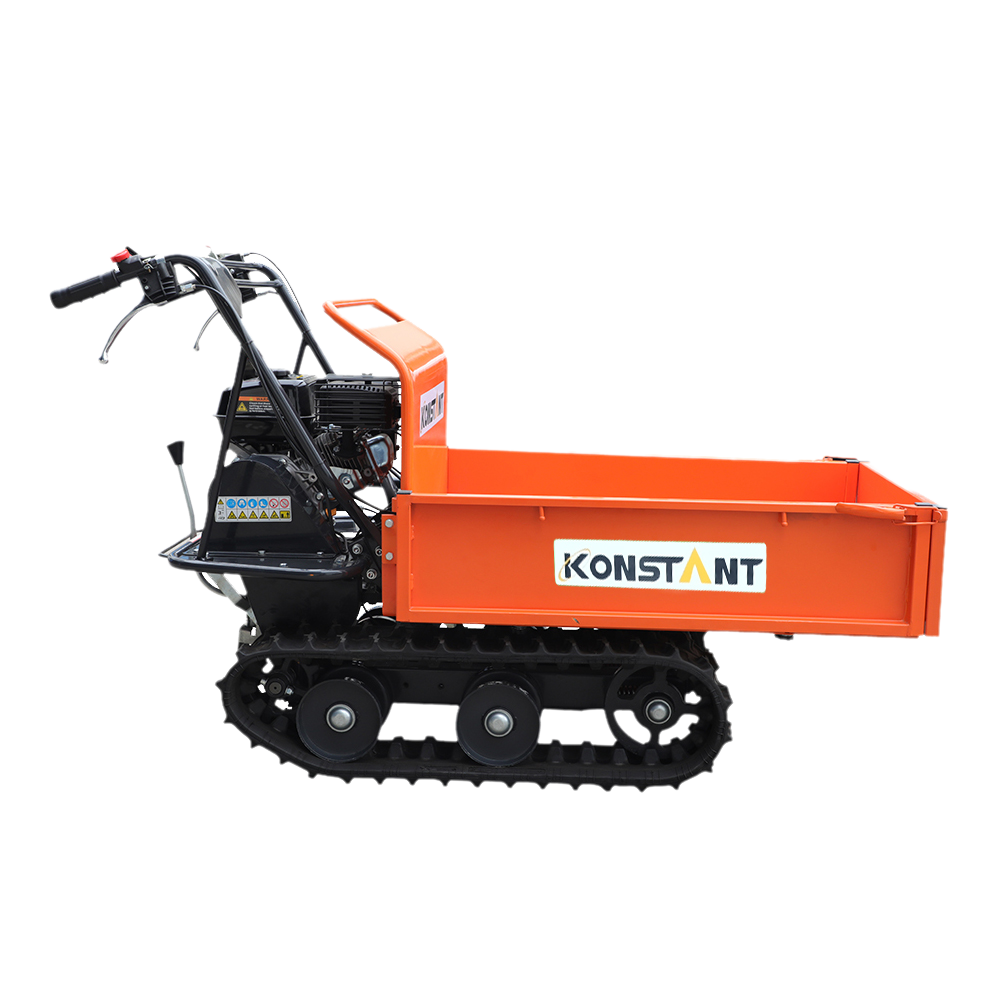
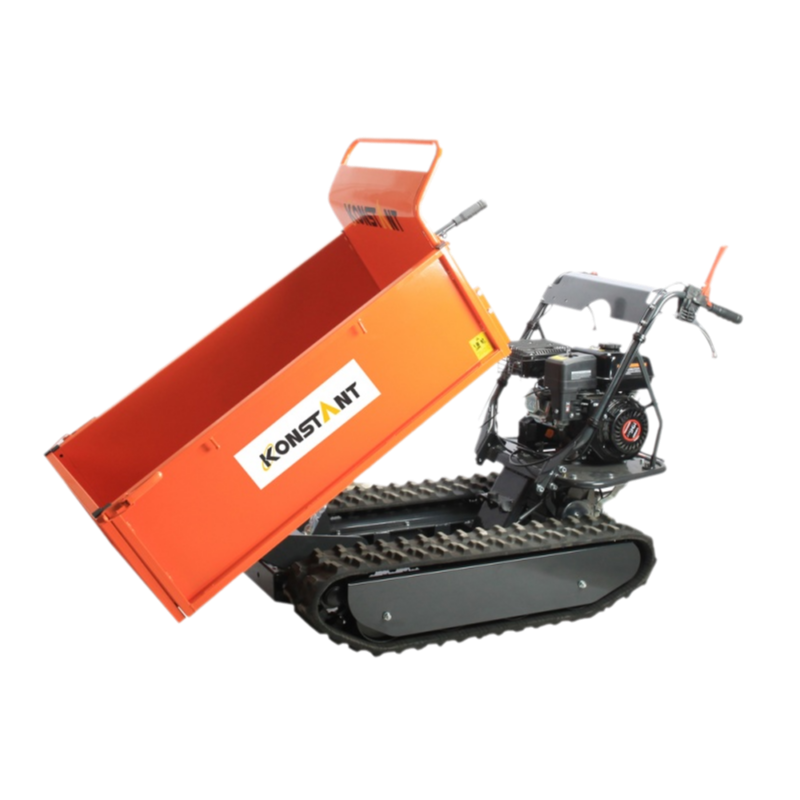
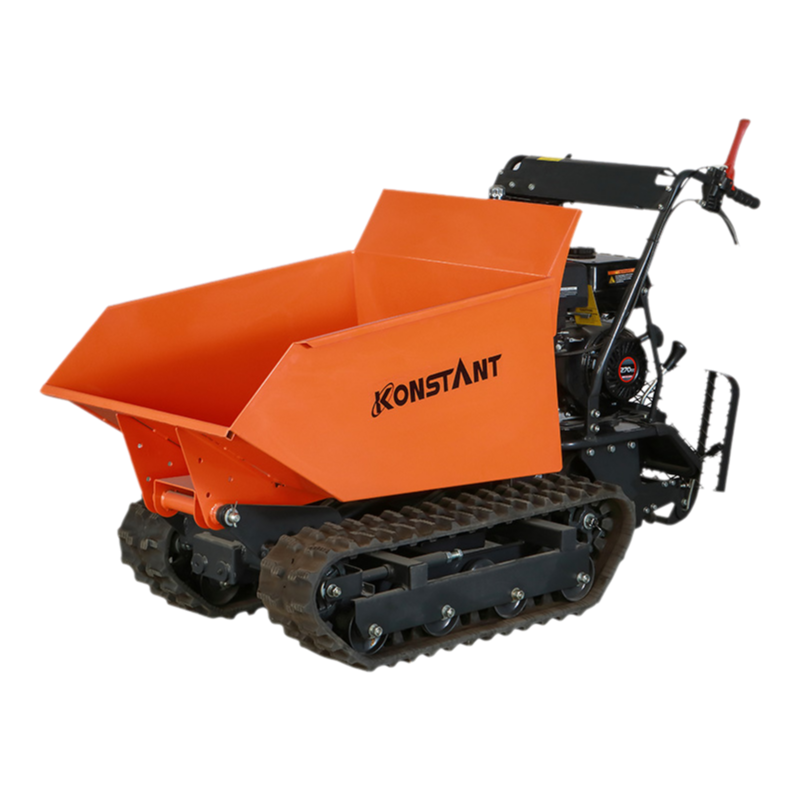
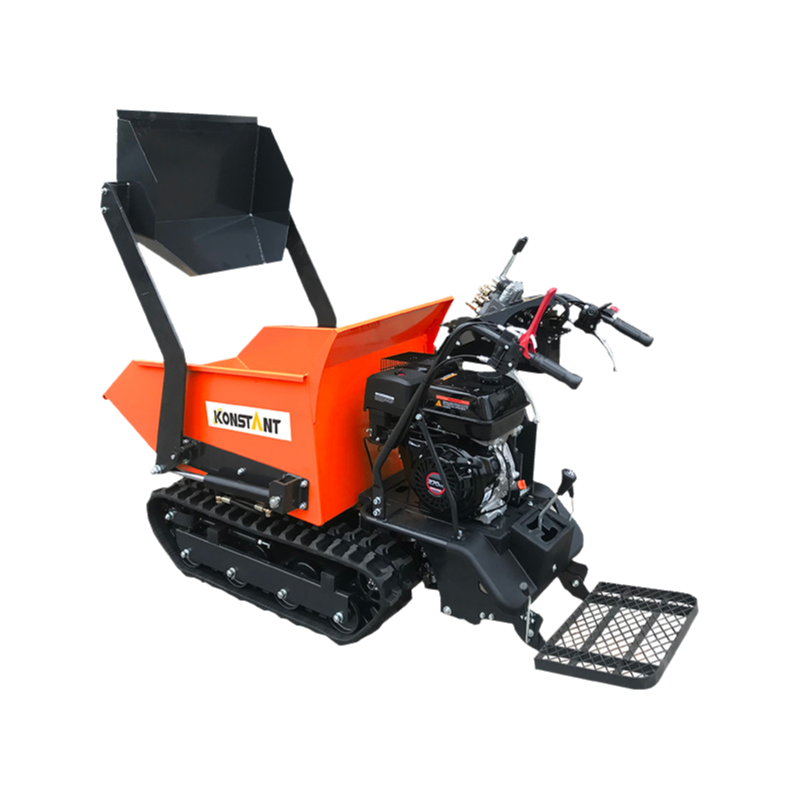
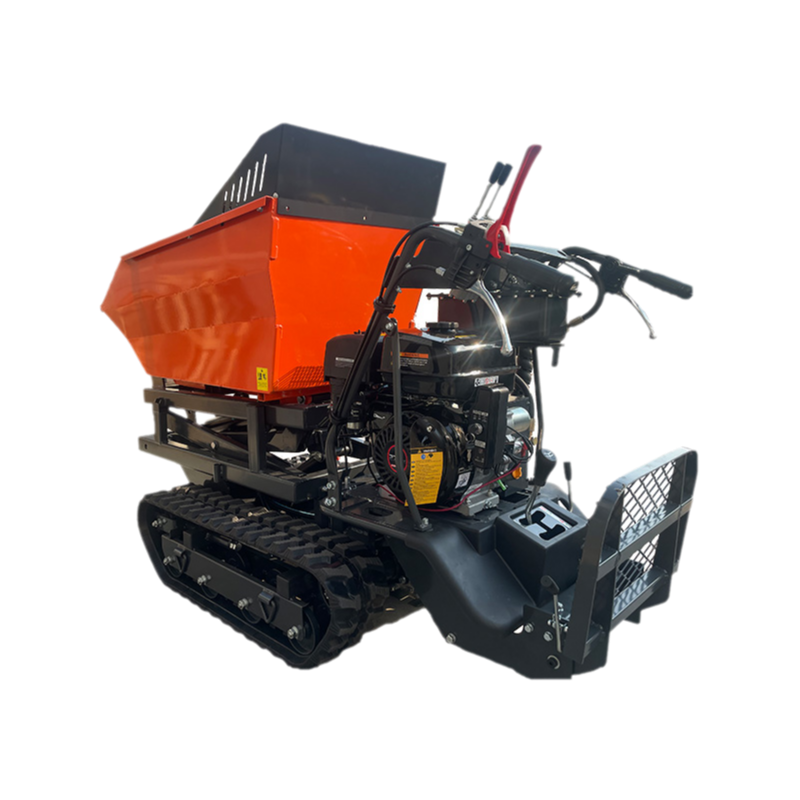
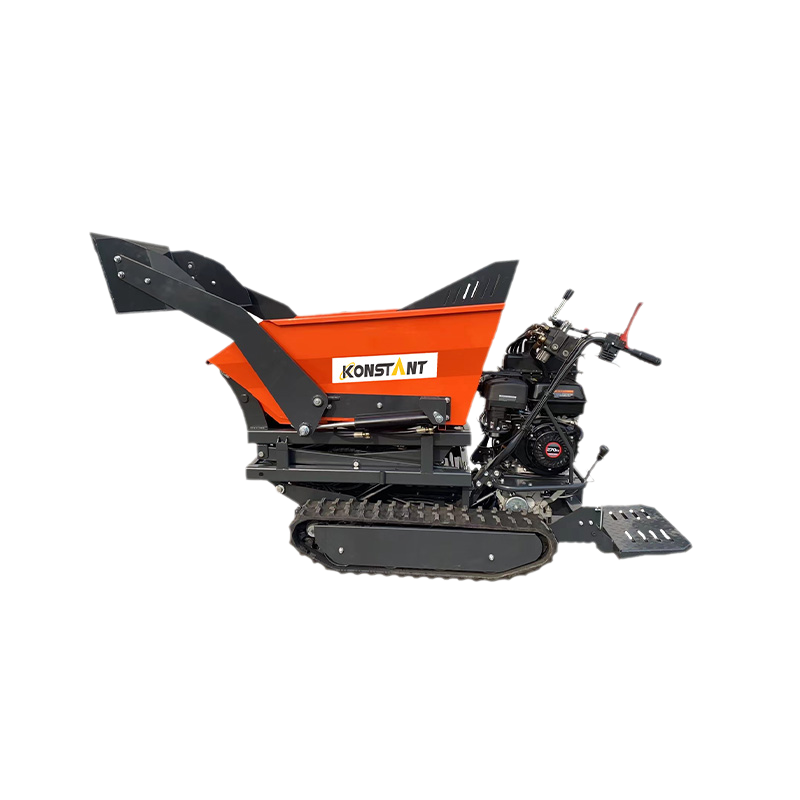
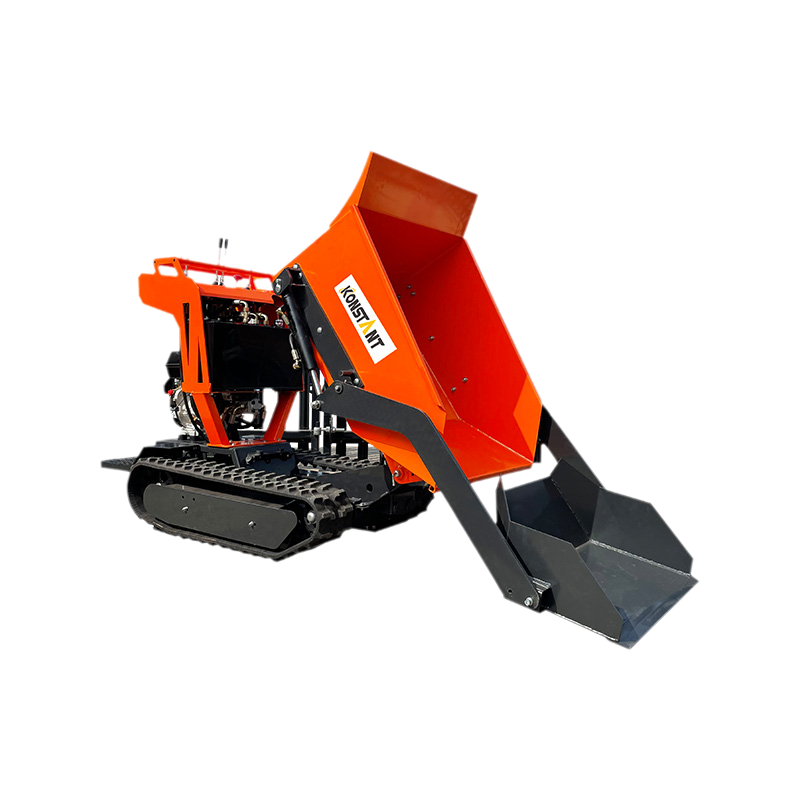
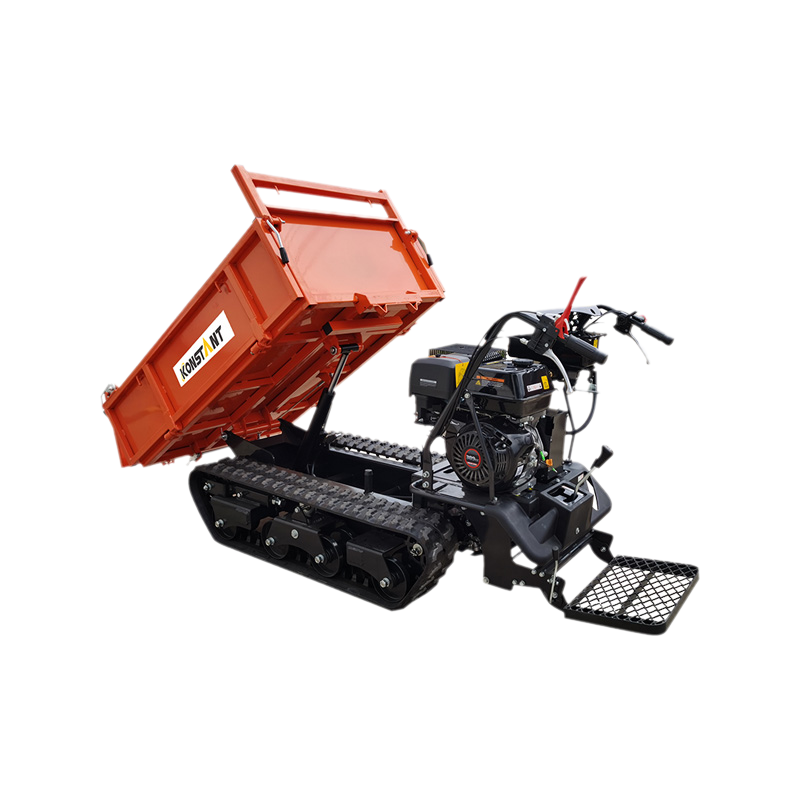
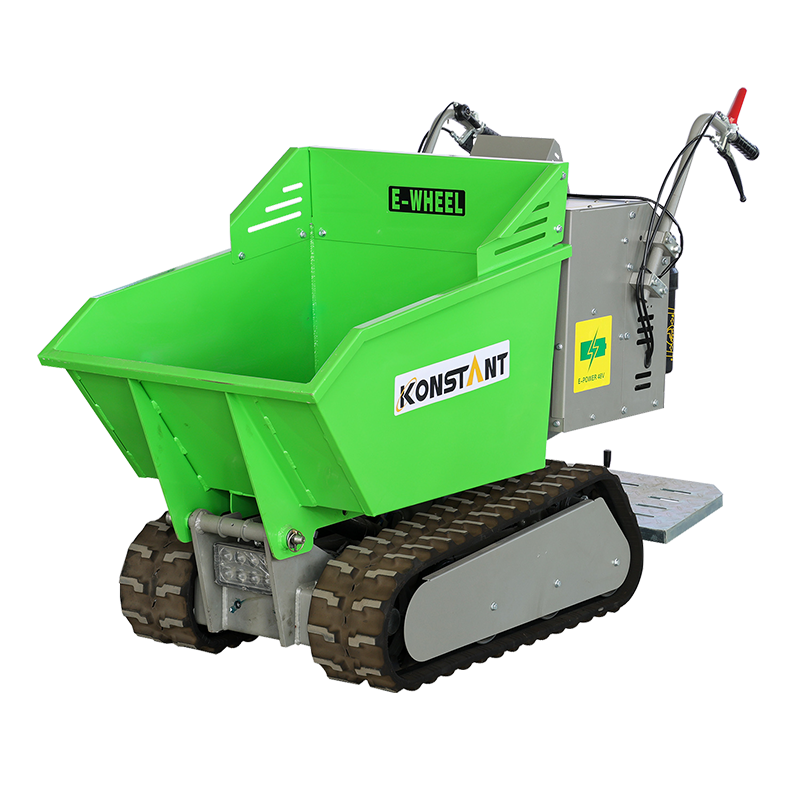
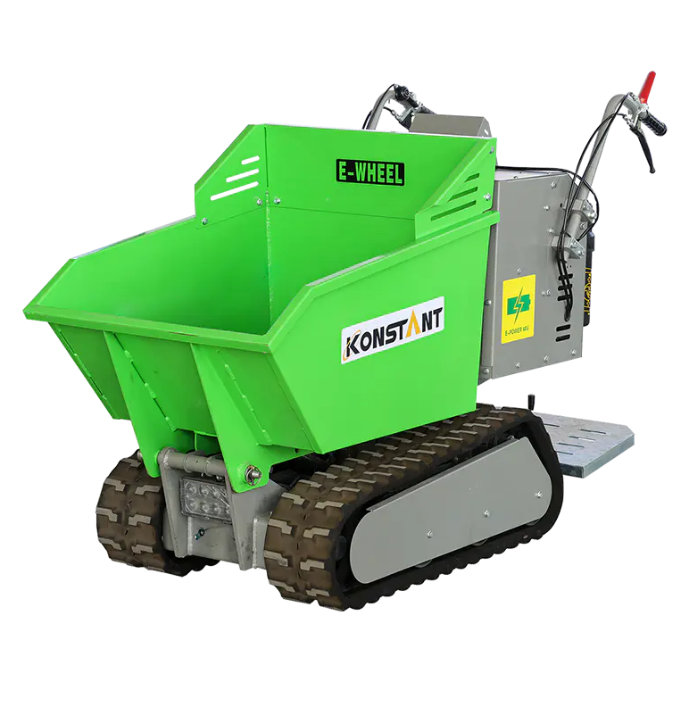
Construction sites, landscaping work, and outdoor material movement often take place where the ground is soft, wet, or broken. After rain the surface turns slippery. Loose soil gives way under weight. Standing water and uneven patches make ordinary wheeled equipment slip, sink, or stop altogether. These conditions slow progress and raise the chance of getting stuck. Crawler Mini Dumper machines address some of those difficulties through continuous tracks that spread weight and keep better contact with soft or irregular ground.
Why Soft Wet Ground Makes Material Movement Harder
Mud reduces the firm surface that wheels need for grip. Tires can spin without moving forward, dig themselves deeper, or make steering unreliable. When the top layer is slick and the soil underneath stays soft, a machine can bog down quickly. The weight of the load and the path chosen across the site add further pressure. Ground that looks workable from a distance can still stop movement once the machine begins to press into it.
How Continuous Tracks Help Keep the Machine Moving on Soft Surfaces
Tracks spread the weight of the machine over a longer contact area than wheels. This larger footprint lowers the pressure on any single point of soft ground and helps the machine stay closer to the surface instead of sinking. The continuous band of track also supplies more consistent grip when the ground is slippery. Wheeled machines concentrate weight on smaller patches and tend to dig in or slide more easily. Tracks therefore improve flotation and traction in many muddy situations. They do not remove every limit. Extremely deep or soft conditions can still bring progress to a halt.
Conditions Where Mud Exceeds What the Machine Can Handle
Deep mud, standing water, thick sticky sludge, and ground that cannot support the weight create higher risks. How deep the soft layer runs, what the soil underneath is like, and whether any slope is present all affect whether the machine can cross. Routes that seem manageable can change after more rain or after several passes have softened the surface further. Checking the ground before work starts and staying away from areas where firmness cannot be confirmed remains a practical step.
How Tracked Machines Behave on Rough and Irregular Outdoor Surfaces
Gravel paths, dirt tracks, grassy areas, construction zones, and ground with mild rises and dips are common places for short-distance material movement. The continuous track surface keeps contact across small irregularities and supplies traction where wheels might bounce or lose grip. These machines therefore suit transport across a range of outdoor surfaces that have been checked for major hazards. The design helps, yet it does not turn every uneven patch into an easy route.
Moving Across Gentle Slopes and Small Changes in Level
Mild slopes, shallow changes in elevation, and small obstacles test balance and control. Tracks can help the machine keep moving across such features, but they do not remove the possibility of sliding, tipping, or losing stability. Sharp turns, sudden changes in direction, or travel across slopes that lack firmness raise the chance of problems. Choosing routes that stay on more stable ground and avoiding abrupt maneuvers support steadier operation.
Why Walking the Intended Path Before Travel Matters
Uneven ground is not automatically safe to cross. Loose stones, hidden soft spots, sudden drops, and patches of weak soil can appear without clear warning. Walking the route, noting potential hazards, and deciding whether the path needs adjustment or whether the work method itself should change reduces the likelihood of unexpected stops or instability.
Kinds of Work That Fit Tracked Mini Transport Machines
On construction and renovation sites the machines move sand, gravel, bricks, and similar materials through narrow passages and across temporary dirt surfaces that have not yet been paved. In landscaping and garden work they carry soil, mulch, and green waste across areas where the ground may still be soft or under preparation. Moisture in the grass, softness of the soil, and any need to limit surface disturbance still require prior assessment. On farms, in orchards, and at other outdoor locations the same short-distance transport role appears when ground conditions limit the use of wheeled alternatives. Suitability continues to depend on the specific terrain, the nature of the material, and the design of the machine itself.
Factors That Change How Well the Machine Performs on Difficult Ground
Soil type, moisture level, softness, and the ability of the ground to support weight all alter the outcome. The same machine can move readily on firm dry soil and then struggle once the surface turns deep and slippery. The weight of the load and how evenly it sits affect balance and the pressure placed on the tracks. Stacking material unevenly or exceeding the working capacity raises the chance of tipping or loss of control. Track condition also matters. Worn surfaces, packed mud, and neglected components reduce grip and increase the effort required to keep moving. Regular cleaning and inspection according to the operating guidance help maintain reliable contact with the ground.
| Factor | Influence on Mobility and Stability | Practical Consideration |
|---|---|---|
| Ground softness and moisture | Determines whether tracks stay on the surface or sink | Check after rain or in low-lying areas |
| Load weight and placement | Affects balance and ground pressure | Keep material even and within working limits |
| Track surface condition | Controls grip and continuous contact | Clear mud and inspect for wear |
| Slope and surface changes | Tests traction and lateral stability | Prefer gradual routes over abrupt shifts |
| Underlying soil strength | Supports or fails under repeated passes | Assess before committing to a path |
Habits That Support Safer Operation on Soft or Broken Ground
Walking the route in advance reveals deep holes, soft patches, steep sections, and standing water. Loading material evenly and staying inside the designed capacity keeps the machine balanced. Steady movement without sudden acceleration or sharp turns reduces the chance of sliding or tipping. When the time comes to unload, choosing a firm and level spot avoids placing the machine on unstable ground at a critical moment. After work, clearing accumulated mud from the tracks and checking the main components helps keep the machine ready for the next use.
Practical Place of Tracked Mini Transport on Challenging Outdoor Surfaces
Tracked designs improve traction and weight distribution on muddy, soft, or uneven ground, giving them a useful role in construction, landscaping, and outdoor material movement. Actual results still depend on the specific condition of the terrain, the size and placement of the load, the presence of slopes, and the design of the machine. Decisions about suitability work when based on the main working environment, the materials that need moving, and the access conditions of the site rather than on the presence of tracks alone. Matching the equipment to real operational needs, following steady operating habits, and maintaining the machine in good order support continued productivity.
WUXI KONSTANT POWER TECH CO., LTD develops practical tracked transport equipment and remains available for further product inquiries.
Related products

Latest Updates
-
How Tracked Mini Transport Machines Perform on Muddy and Uneven Ground
Construction sites, landscaping work, and outdoor material movement often take place where the groun...
-
Mini Dumper Purchases: Include the Charging Plan in the Enquiry
A battery powered mini dumper may be selected for its size and payload, while charging is left as a ...

-
Welcome To Visit Us
No.30, Third Furong Road, Wuxi City, Jiangsu. 214100, China.
-
Call Us
Phone: +86 181-1889-1139
Phone: +86 181-1889-2139
-
Contact Us Online
E-mail: sales@konstantpm.com
E-mail: marketing@konstantpm.com
Copyright WUXI KONSTANT POWER TECH CO., LTD All Rights Reserved
 China Mini Dumpers Manufacturers Power Wheelbarrow Factory