
 English
 русский
 Français
 Español
 Deutsch

Provide you with the latest enterprise and industry news
Home / News / Industry news / Ride on Mini Dumper Use in Landscaping, Farming, and Light Construction
Ride on Mini Dumper Use in Landscaping, Farming, and Light Construction
Update:17-07-2026
Posted by Admin
Content
- 1 Why is material movement becoming a shared challenge across different outdoor tasks?
- 2 How does a ride on mini dumper support landscaping tasks?
- 3 What role does it play in farming environments?
- 4 How is it used in light construction work?
- 5 What makes compact transport important in mixed outdoor environments?
- 6 How does operator positioning influence work experience?
- 7 Typical Use Patterns Across Different Work Areas
- 8 How does terrain affect performance in real use?
- 9 Why is repeated short-distance transport so important?
- 10 How does it fit into evolving outdoor work practices?
- 11 How does workload distribution change with compact transport?
- 12 How does daily repetition shape long-term use?
Material movement is a constant part of outdoor work. Soil needs shifting. Stones need relocation. Harvest materials need transport. Small construction zones also require repeated carrying tasks. These actions seem simple, yet they take time and energy when repeated across a full working day.
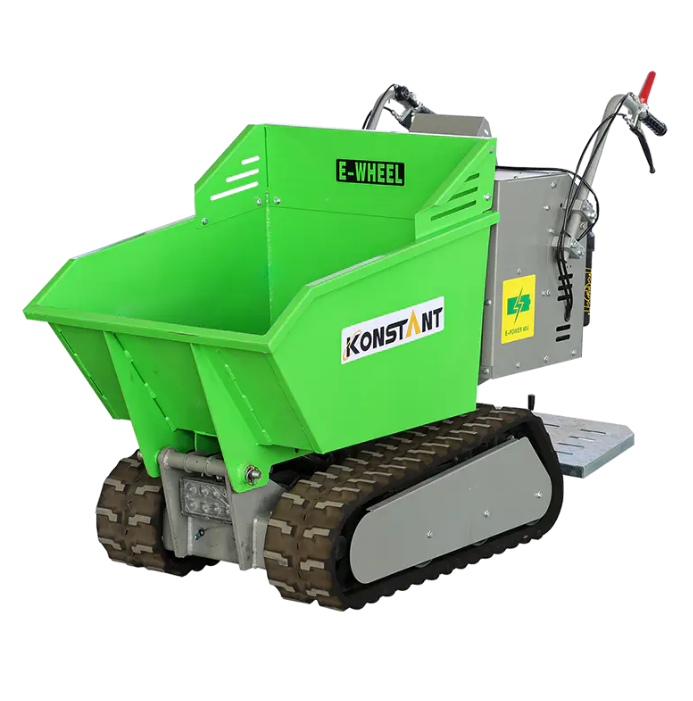
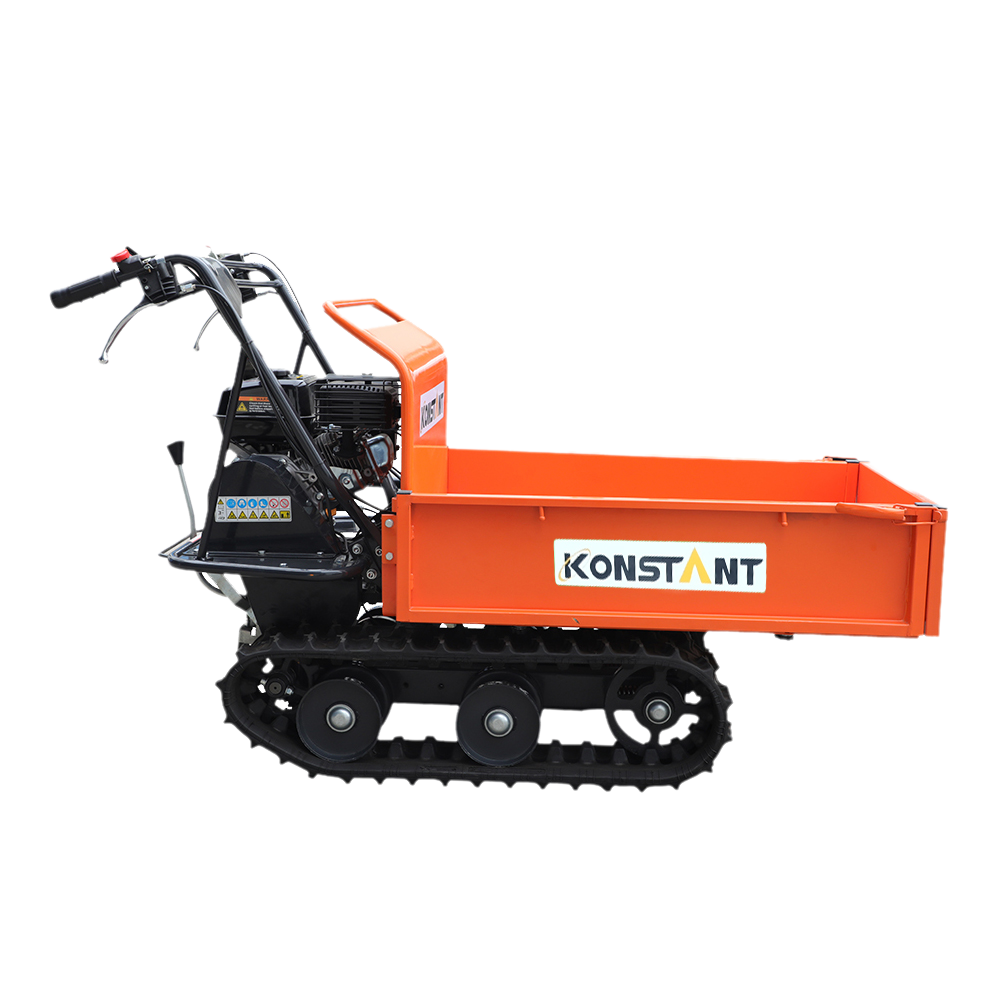
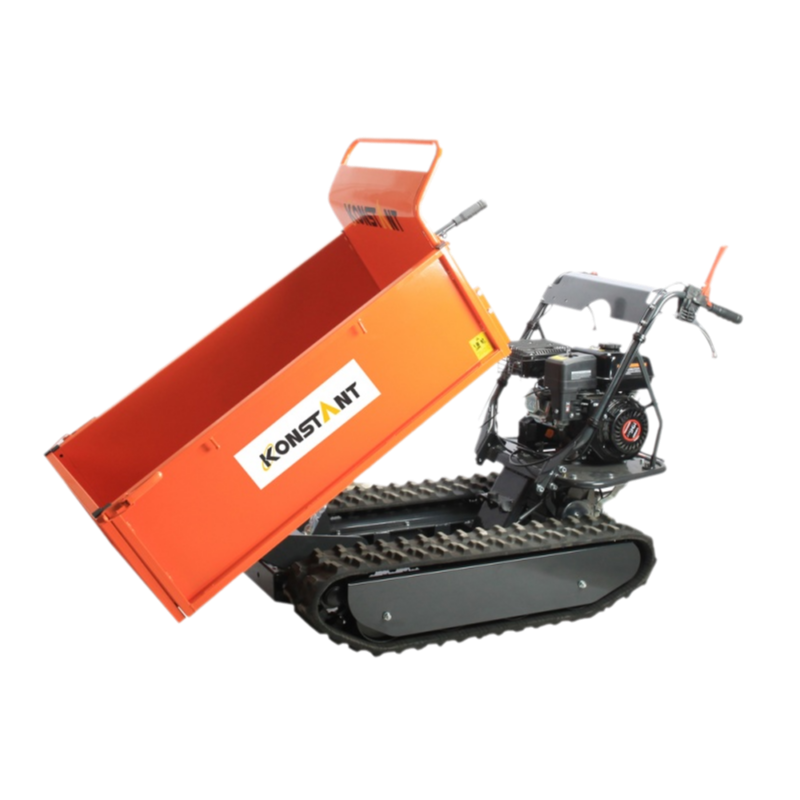
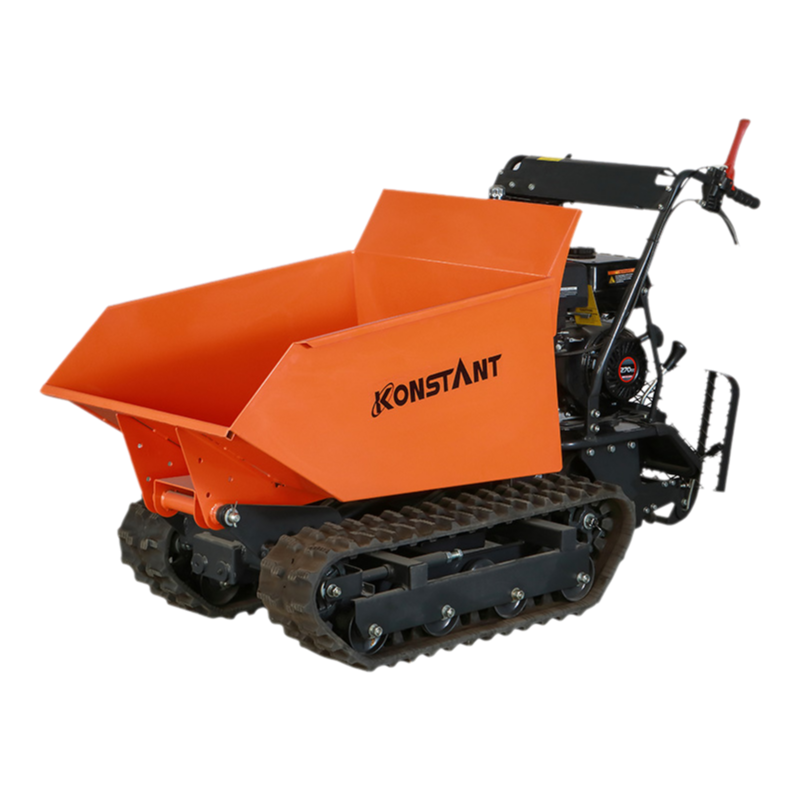
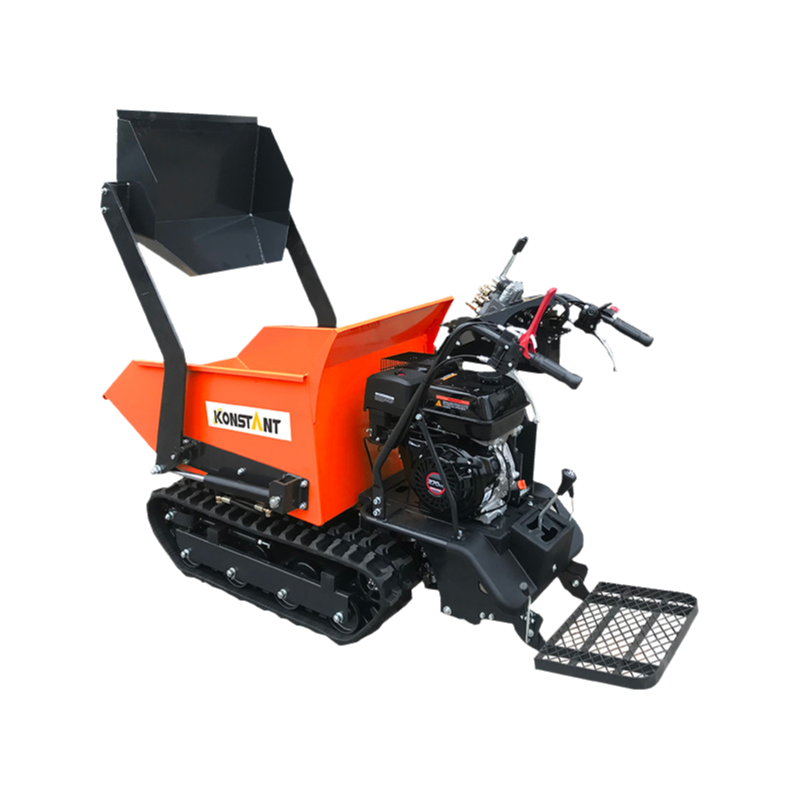
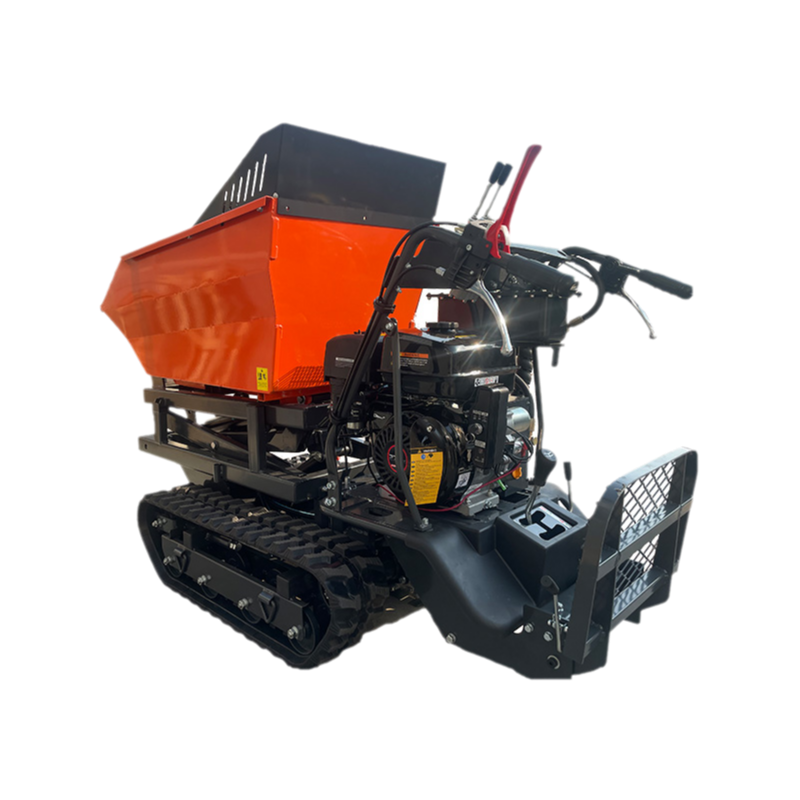
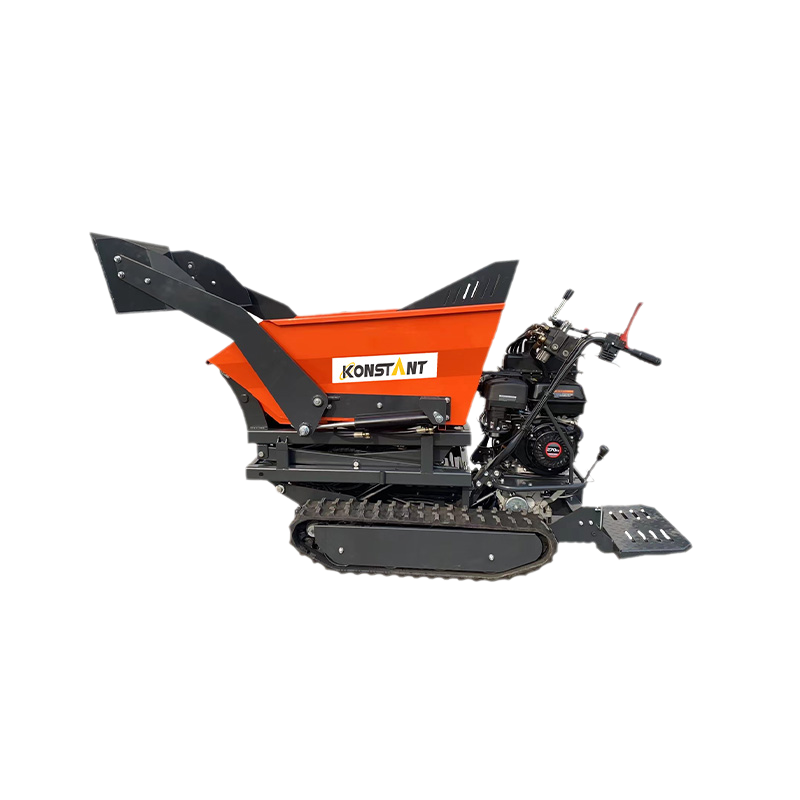
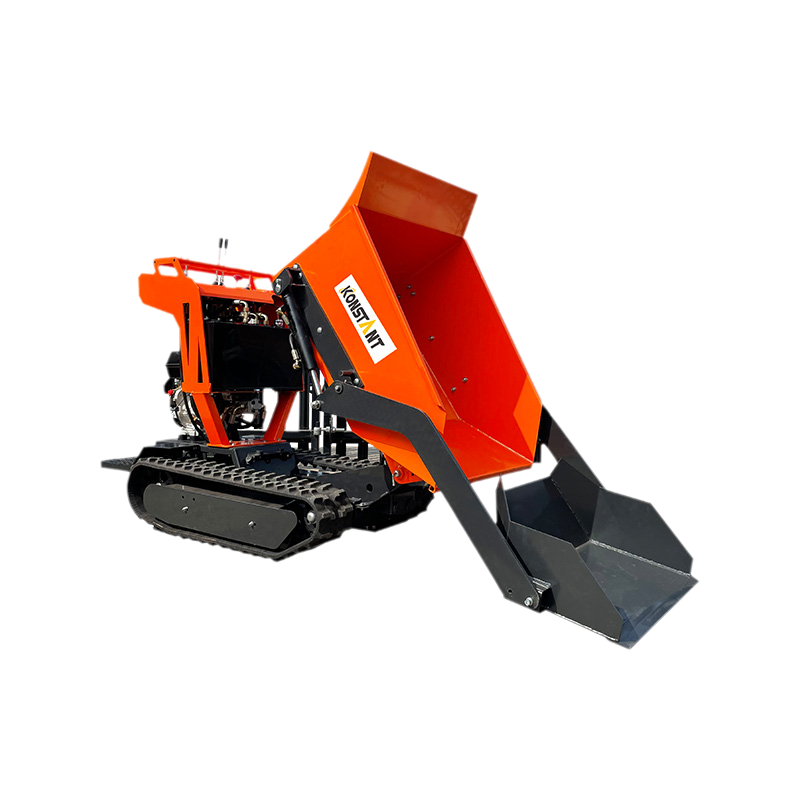
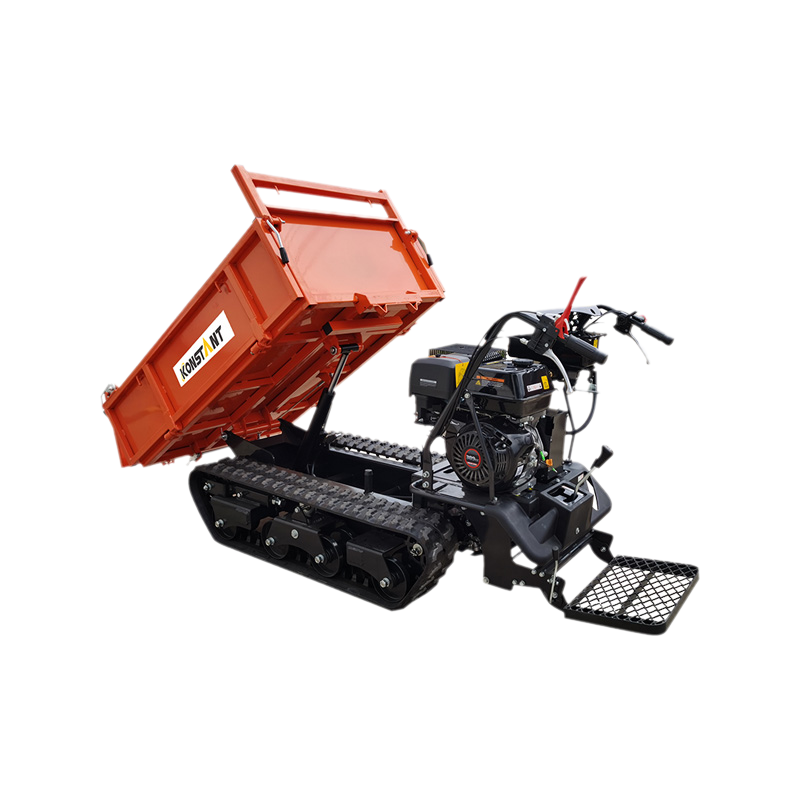
A ride on mini dumper appears in this environment as a compact transport machine designed for continuous movement across short distances. The operator sits on the machine and guides the load through uneven or narrow areas. The focus is not speed alone. It is steady movement under changing conditions.
In recent industry conversations, this type of equipment is often mentioned in relation to multi-scenario use. Landscaping, farming, and light construction all share similar transport patterns. That overlap is shaping how this equipment is being adopted.
Outdoor work environments look different at first glance. A garden, a farm, and a construction site do not feel the same. Yet the movement pattern inside them is often similar.
Materials are rarely moved once. They are moved many times. Short distances repeat throughout the day. The ground is often uneven. Paths are not always fixed.
Landscaping work involves soil shaping and plant relocation. Farming includes feeding materials, harvested crops, and ground preparation. Light construction brings in sand, debris, and mixed building materials.
These differences fade when viewed through transport behavior. All three environments rely on repeated short-haul movement. That is where the mini dumper becomes relevant.
How does a ride on mini dumper support landscaping tasks?
Landscaping work is closely tied to surface changes. Soil is moved, reshaped, and redistributed. Plants and decorative materials are placed across different zones. The layout often changes during the process.
A mini dumper helps reduce the number of manual carrying trips. Instead of multiple hand movements, materials can be grouped and moved in one cycle.
Common landscaping movements include:
- Soil redistribution across garden areas
- Transport of mulch and planting materials
- Removal of green waste
- Movement of decorative stone or gravel
The machine follows narrow garden paths and uneven terrain with controlled motion. This makes it easier to maintain the flow of work without frequent pauses.
Landscaping projects often evolve while they are being built. This means transport needs change during the process. A flexible machine fits this shifting pattern.
What role does it play in farming environments?
Farming involves continuous cycles of movement. Materials change with seasons and tasks. Feed, soil additives, crops, and organic waste all need transport at different times.
The working ground is often uneven or soft. Pathways may not be fixed. This creates a need for controlled movement across variable surfaces.
A ride on mini dumper helps manage these conditions by providing steady transport across short distances. It reduces repeated lifting and carrying, which is common in farm routines.
Typical farming applications include:
- Transporting harvested crops from field to storage
- Moving feed materials across animal zones
- Carrying soil or compost for field preparation
- Clearing organic waste after seasonal work
The machine becomes part of daily rhythm rather than a special tool. It fits into repeated cycles without requiring complex setup.
How is it used in light construction work?
Light construction sites often involve mixed materials. Sand, small stones, debris, and tools move across different areas. The space is active, with multiple tasks happening at the same time.
Movement is not linear. It happens in small bursts. Materials are transported from storage to working points and back again.
A ride on mini dumper helps manage this flow. It acts as a bridge between storage zones and active work areas.
Common uses include:
- Transport of construction fill materials
- Removal of waste from working zones
- Movement of tools and small equipment
- Support for repair and modification tasks
In these environments, timing matters. Delays in material movement can slow down multiple tasks. A compact transport solution helps maintain continuity.
What makes compact transport important in mixed outdoor environments?
Outdoor work does not follow fixed paths. Space is shared between movement, storage, and active work. Large machines may not fit into these areas.
Compact transport tools are designed for this type of environment. They move through narrow passages and uneven surfaces without requiring major changes to the site layout.
A ride on mini dumper supports:
- Movement in narrow or temporary paths
- Navigation across uneven ground
- Reduced disruption to ongoing tasks
- Flexible routing during work changes
This adaptability is important because outdoor environments are not static. They shift throughout the work cycle.
How does operator positioning influence work experience?
Unlike ground-pushed tools, a mini dumper allows the operator to sit and control movement. This changes the nature of repeated transport.
Instead of walking back and forth, the operator guides the machine while carrying the load. This reduces physical repetition and helps maintain a more stable working rhythm.
Comfort in this context is not about luxury. It is about reducing strain during long cycles of movement.
Key aspects include:
- Stable seating during movement
- Direct control over direction
- Reduced walking distance during repeated tasks
- Easier handling on uneven surfaces
Over time, this changes how work is organized. Transport becomes part of a controlled cycle rather than manual effort.
Typical Use Patterns Across Different Work Areas
| Work Area | Material Type | Movement Style | Transport Purpose |
|---|---|---|---|
| Landscaping | Soil and gravel | Short repeated trips | Site shaping and placement |
| Farming | Organic materials | Seasonal cycle movement | Feeding and harvest support |
| Light construction | Mixed site materials | Continuous short routes | Material and waste handling |
| Outdoor maintenance | General supplies | Intermittent transport | Repair and support tasks |
How does terrain affect performance in real use?
Outdoor terrain is rarely smooth. Even prepared sites have uneven patches. Some areas are soft. Others are compact. Small slopes are common.
A ride on mini dumper is often used in these mixed conditions. Its movement is designed for steady control rather than high-speed travel.
Terrain changes affect:
- Stability during load movement
- Ease of directional control
- Smoothness of transport cycles
- Operator response during turns
Instead of avoiding uneven ground, the machine is used within it. This supports continuous workflow across different surface types.
Why is repeated short-distance transport so important?
Many outdoor tasks do not involve long-distance travel. Instead, they involve repeated short movement.
This repetition defines the workload more than distance itself. Moving materials ten meters many times can take more effort than a single long transport cycle.
A ride on mini dumper reduces the impact of repetition by grouping loads and reducing physical carrying.
The benefit is not only time-related. It also affects consistency. Work becomes more predictable when transport cycles are stable.
How does it fit into evolving outdoor work practices?
Outdoor work is gradually shifting toward mixed equipment use. Instead of relying only on manual effort or large machines, more intermediate tools are being used.
A mini dumper fits into this middle layer. It supports tasks that are too repetitive for manual handling but do not require large machinery.
This position makes it adaptable across industries. Landscaping, farming, and light construction all benefit from this balance.
Worksites are also becoming more dynamic. Tasks overlap more frequently. A flexible transport solution helps manage these overlapping needs.
How does workload distribution change with compact transport?
Workload in outdoor environments is not evenly distributed. Some periods require intense movement. Others are quieter.
Without support, these peaks create fatigue and slowdowns. Repeated lifting and walking contribute to this pattern.
A mini dumper shifts the workload from physical carrying to guided movement. This changes how energy is used across the day.
Instead of constant physical strain, effort becomes more controlled and directional.
How does daily repetition shape long-term use?
Outdoor transport is not a one-time task. It repeats every day. Materials move continuously across different stages of work.
Tools that support repetition become part of routine behavior. Operators become familiar with movement patterns. Workflow becomes smoother over time.
A ride on mini dumper gains value through this repetition. Its role is not defined by a single task but by continuous use across many small tasks.
This creates a steady rhythm in outdoor operations, where movement becomes predictable and structured rather than irregular and tiring.
Related products

Latest Updates
-
What Is a Mini Dump Truck on Tracks Used For
A small machine sitting on continuous tracks carries a tipping body that lifts to empty its load. Th...
-
How Tracked Mini Transport Machines Perform on Muddy and Uneven Ground
Construction sites, landscaping work, and outdoor material movement often take place where the groun...

-
Welcome To Visit Us
No.30, Third Furong Road, Wuxi City, Jiangsu. 214100, China.
-
Call Us
Phone: +86 181-1889-1139
Phone: +86 181-1889-2139
-
Contact Us Online
E-mail: sales@konstantpm.com
E-mail: marketing@konstantpm.com
Copyright WUXI KONSTANT POWER TECH CO., LTD All Rights Reserved
 China Mini Dumpers Manufacturers Power Wheelbarrow Factory