
 English
 русский
 Français
 Español
 Deutsch

Provide you with the latest enterprise and industry news
Home / News / Industry news / What is the difference between an electric Mini Dumper and a fuel Mini Dumper?
What is the difference between an electric Mini Dumper and a fuel Mini Dumper?
Update:31-10-2025
Posted by Admin
Content
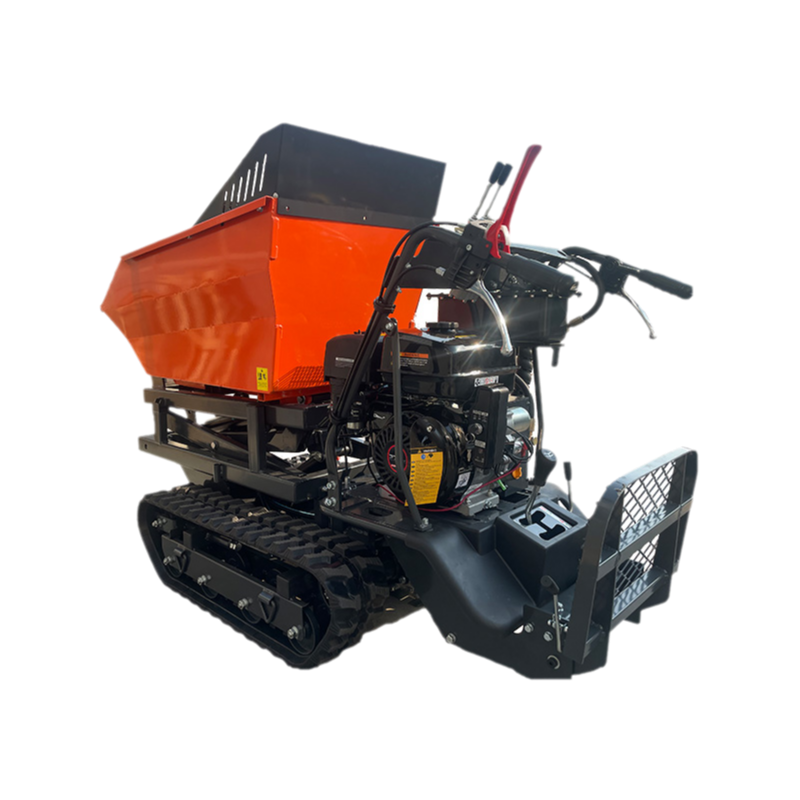
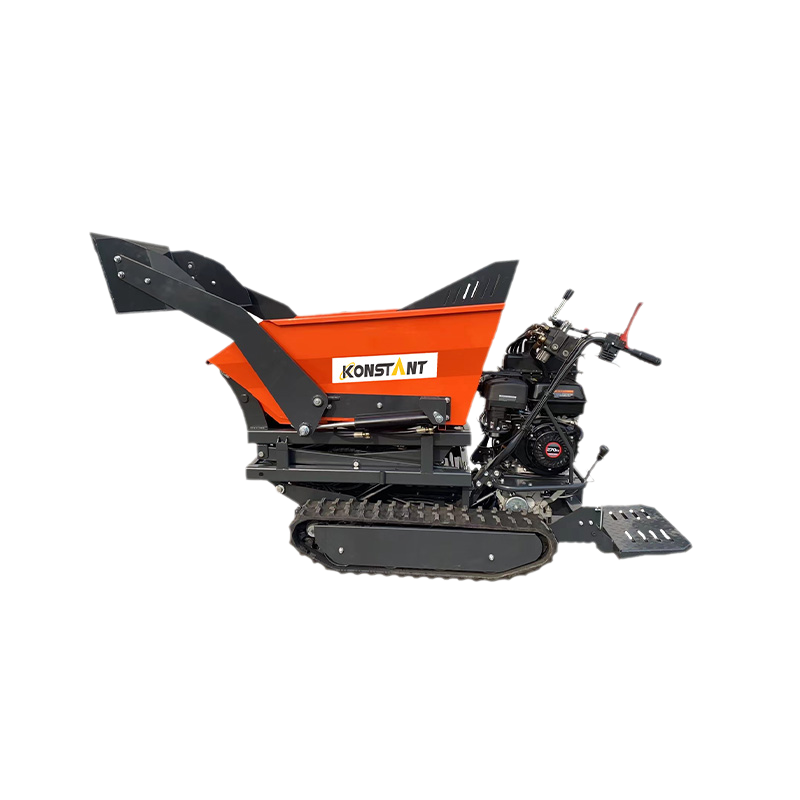
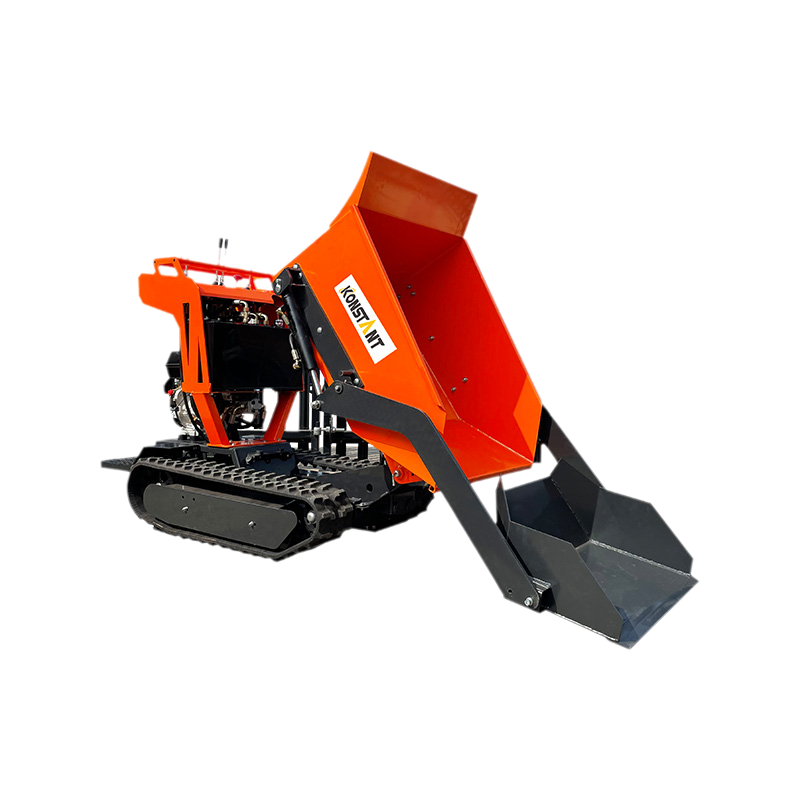
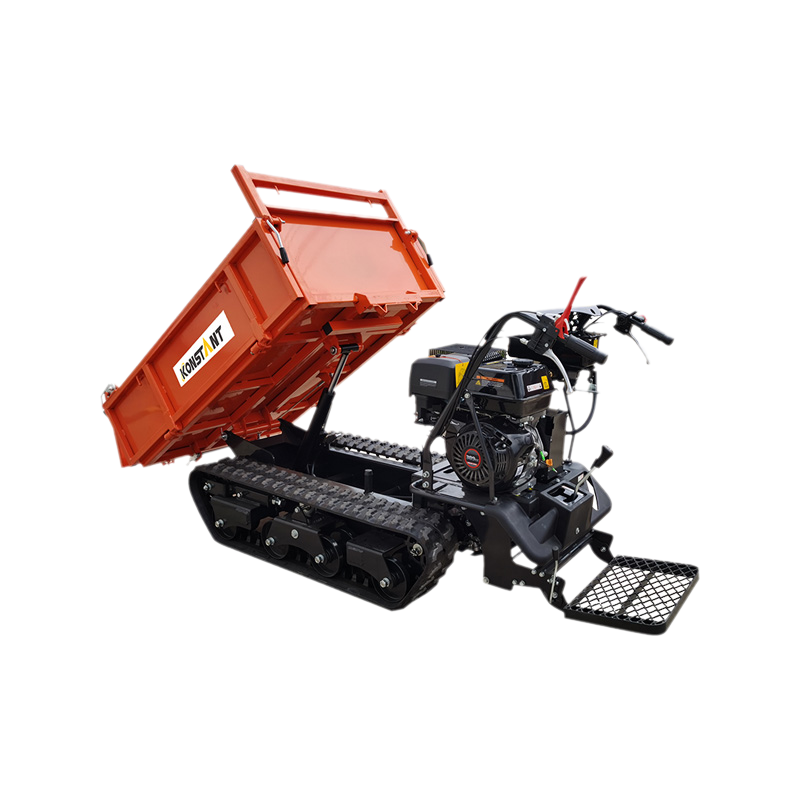
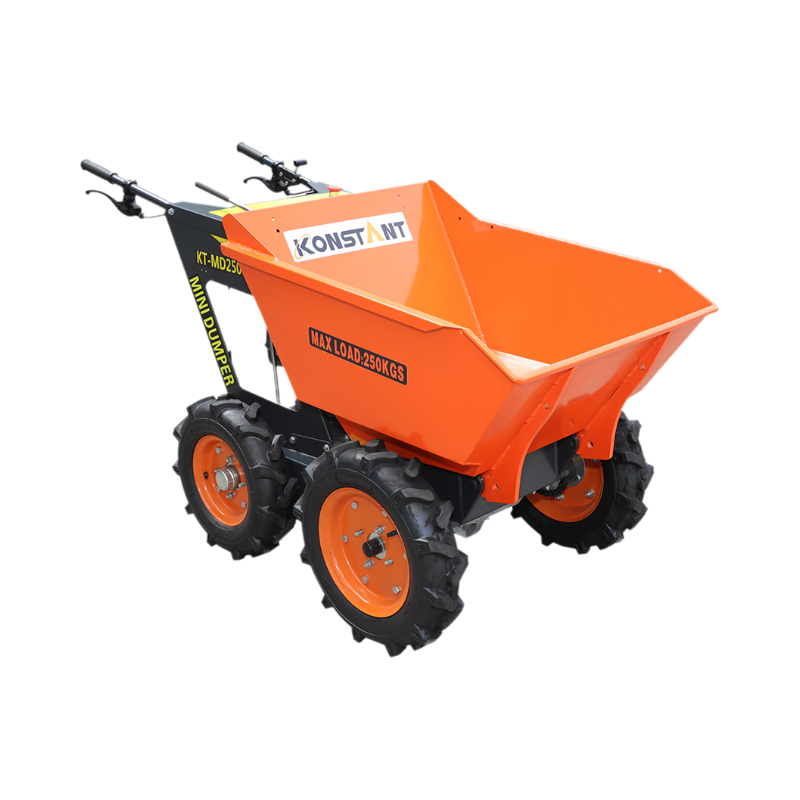
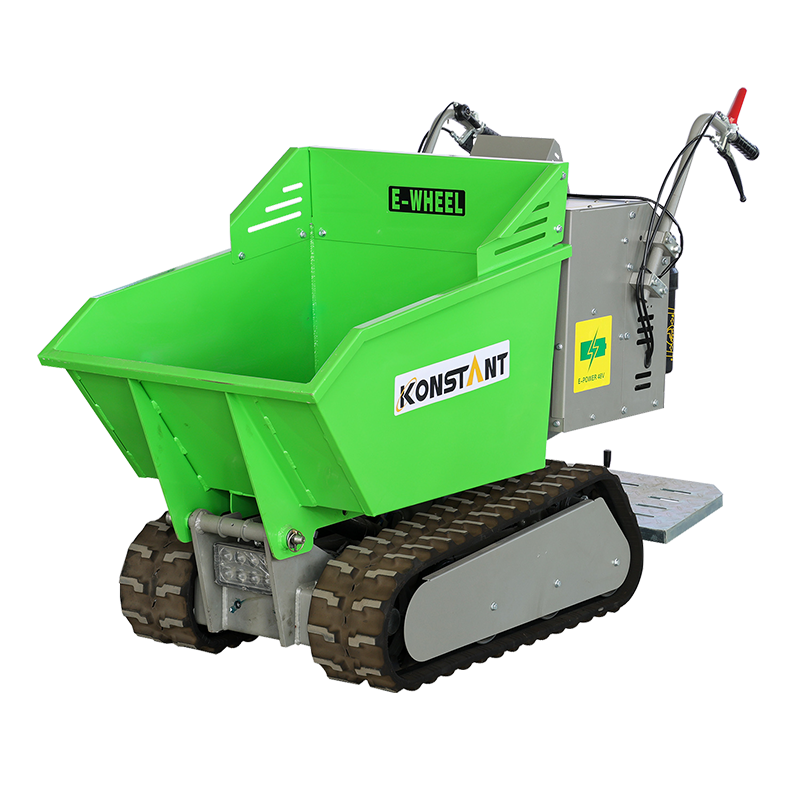
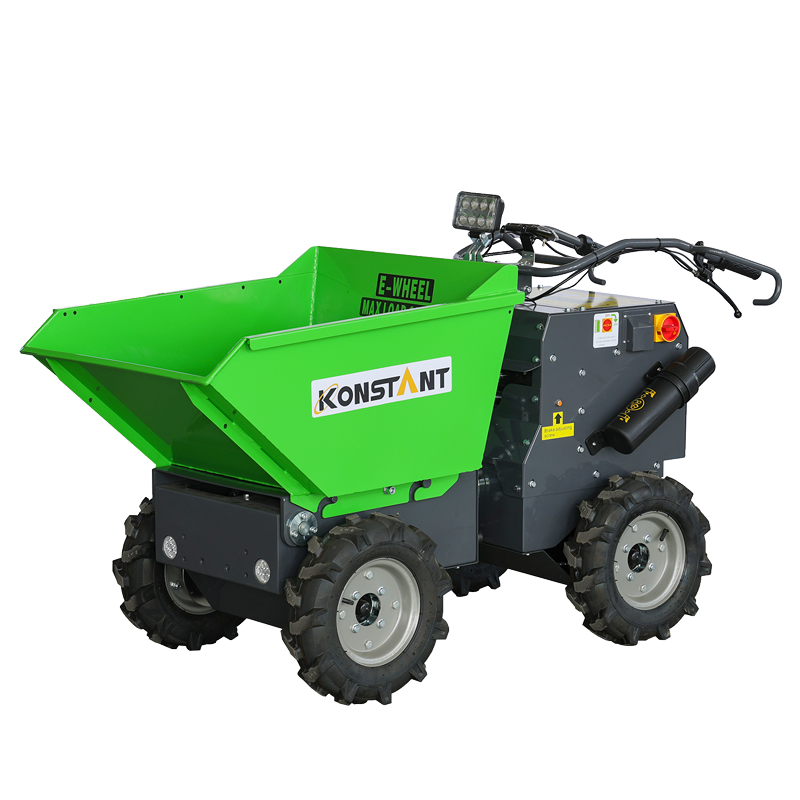
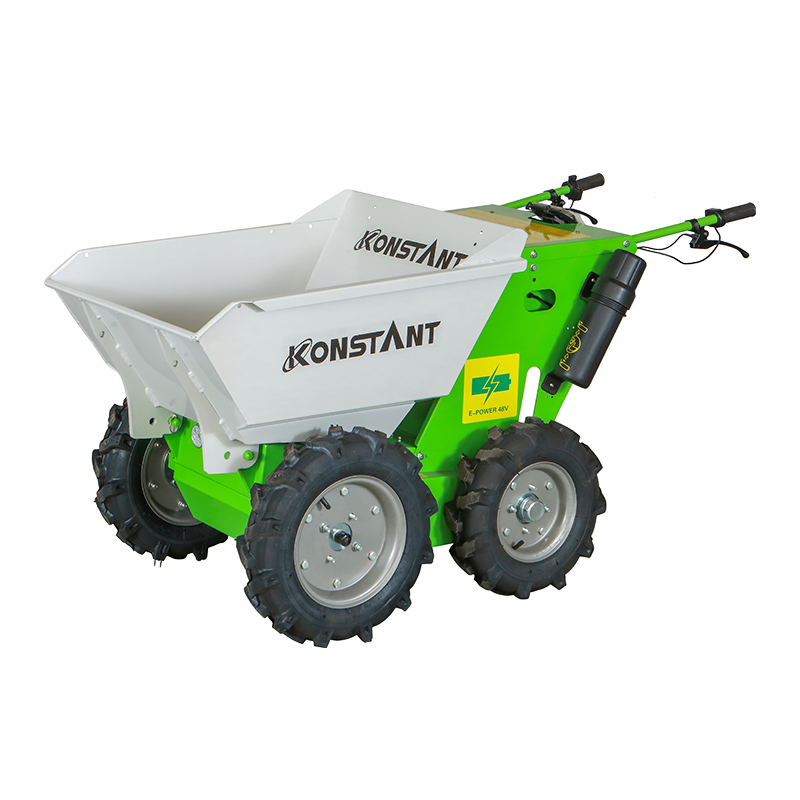
The difference between an electric Mini Dumper and a fuel Mini Dumper
|
Electric Mini Dumper |
Fuel Powered Mini Dumper |
|
|
Power source |
1000–2000 W permanent magnet brushless motor with lithium ion battery pack, zero emissions |
4–6 L diesel/gasoline engine, meeting Euro 1 emission standards |
|
Operating efficiency |
High motor efficiency, low energy consumption, ideal for short duration, high frequency tasks; maintenance mainly battery management |
Higher fuel consumption, requires regular oil and filter changes, resulting in higher maintenance costs |
|
Noise & vibration |
Smooth motor operation, low noise, suitable for noise sensitive landscaping or municipal projects |
Engine generates higher noise and vibration, requiring additional noise control measures |
|
Typical applications |
Suitable for indoor, underground, or environmentally sensitive sites; quick start stop capability improves productivity |
Suited for long duration, high load work or remote sites lacking charging infrastructure; range limited by fuel refueling |
What is the typical service life and maintenance recommendations for a mini dumper?
1. Checking protective devices: Before using the vehicle, ensure that the left, right, and rear side guards are properly installed to prevent accidental contact with mechanical components during loading or dumping.
2. Tilt and vibration monitoring: Utilize the vehicle body angle sensor and six-axis vibration monitoring system to ensure that the container's tilt angle does not exceed safety thresholds during dumping or uneven road conditions, preventing rollover accidents.
3. Standard operating procedures: Check the fuel/battery level, hydraulic oil, and coolant level before starting. During operation, use the foot pedals to control forward and reverse to avoid sudden acceleration or braking that could cause loss of control. After dumping, immediately reset the container and confirm that the locking device is engaged.
4. Daily maintenance tips: Regularly replace the hydraulic oil and oil filter; check the hinges and fastening bolts of the protective covers for looseness; and perform leak and current tests on the battery and fuel systems to ensure safe operation in harsh environments.
Related products

Latest Updates
-
What Types of Materials Can a Petrol Wheelbarrow Move
Moving material around a job site is just part of the work in a lot of outdoor trades. Constructio...
-
Why Does Terrain Matter When Choosing a Battery Operated Wheel Barrow
A Battery Operated Wheel Barrow can make material transport easier in many working environments. I...

-
Welcome To Visit Us
No.30, Third Furong Road, Wuxi City, Jiangsu. 214100, China.
-
Call Us
Phone: +86 181-1889-1139
Phone: +86 181-1889-2139
-
Contact Us Online
E-mail: sales@konstantpm.com
E-mail: marketing@konstantpm.com
Copyright WUXI KONSTANT POWER TECH CO., LTD All Rights Reserved
 China Mini Dumpers Manufacturers Power Wheelbarrow Factory