
 English
 русский
 Français
 Español
 Deutsch

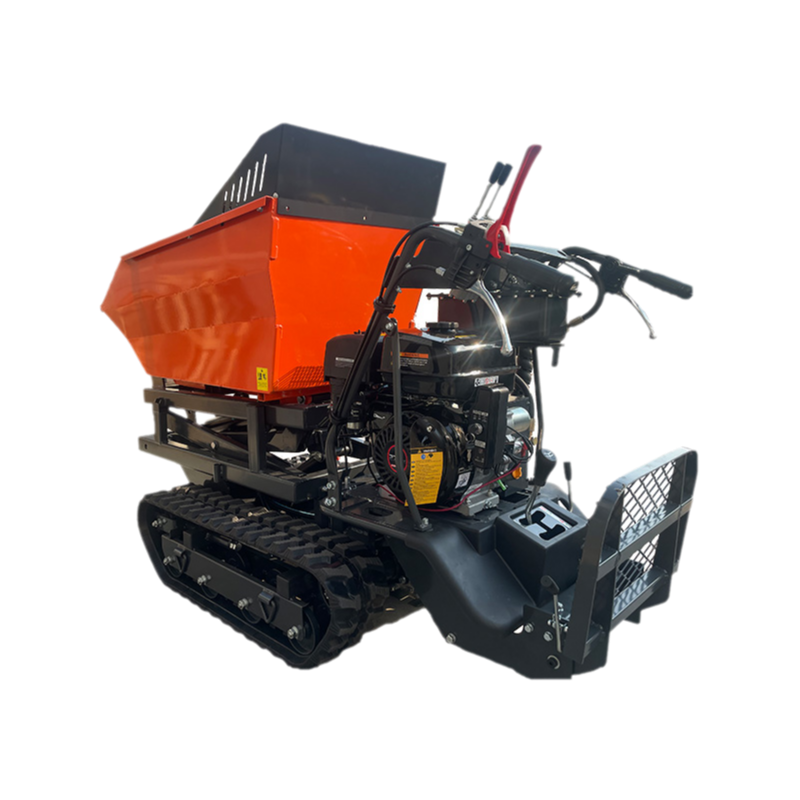
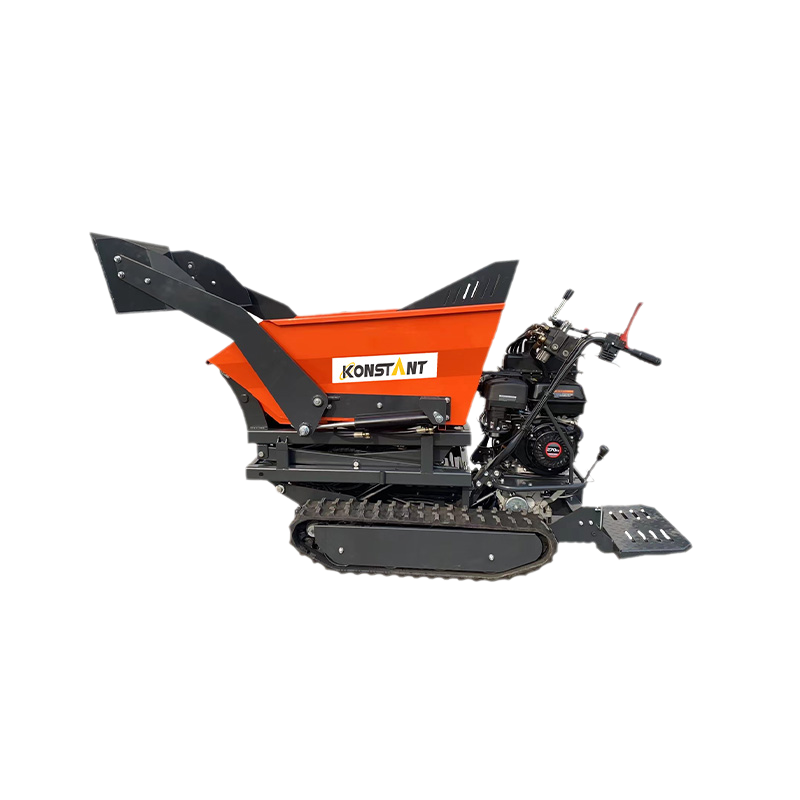
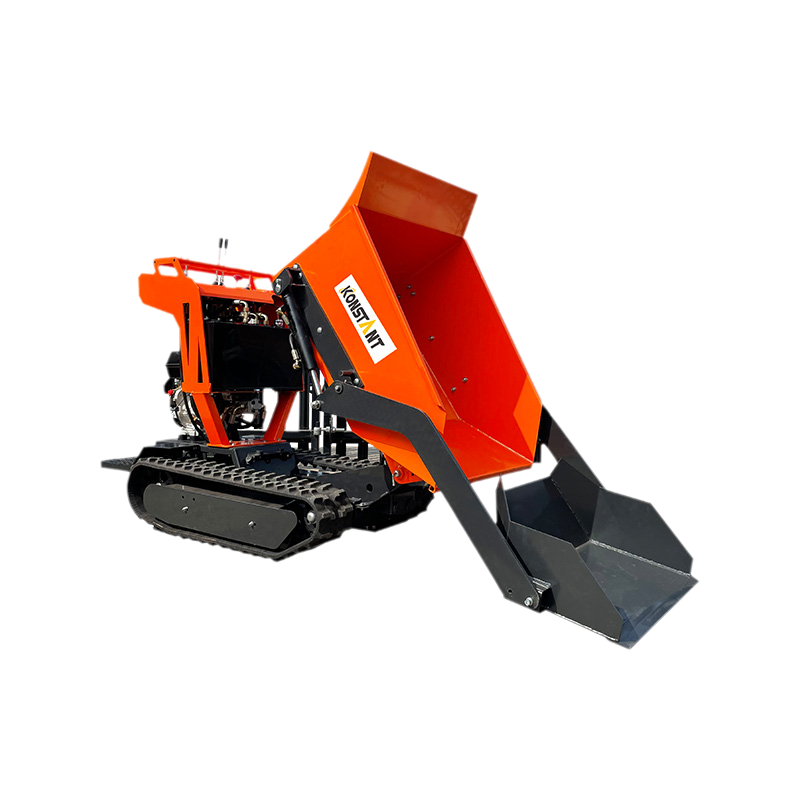
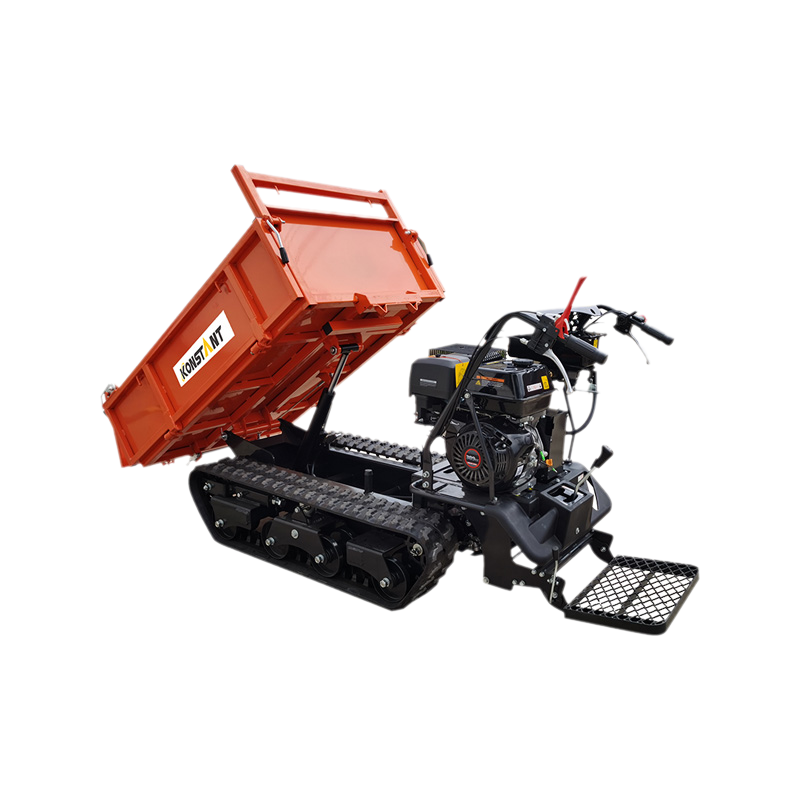



Provide you with the latest enterprise and industry news
Can an Electric Wheelbarrow Factory Boost Workflow
Update:13-02-2026
Posted by Admin
Content
- 1 How Can an Electric Wheelbarrow Factory Help Construction Teams Work Smarter
- 2 Why the manufacturer matters more than the machine alone
- 3 How thoughtful product design reduces on-site labor effort
- 4 What to inspect when you visit a production plant
- 5 Why construction teams prefer certain factories
- 6 Tips for coordinating supply and delivery with your supplier
- 7 Common challenges and practical ways to reduce them
- 8 Practical procurement checklist — what to request before you sign
- 9 Storage, staging, and site handling practices
- 10 Maintenance thinking: design for the life of the tool
- 11 Sustainability and responsible production
- 12 How to evaluate supplier responsiveness during a project
- 13 Checklist: actions to start now
How Can an Electric Wheelbarrow Factory Help Construction Teams Work Smarter
Electric Wheelbarrow Factory is a small phrase with big implications: the choice of where you source powered site transport equipment affects schedules, crew fatigue, and how predictable a job really is. Pick the right production partner and the workday hums along; pick poorly and simple tasks turn into a chain of small interruptions. This piece is written for project managers, and field supervisors who want practical guidance — no buzzwords, no overpromising — on what to look for in a manufacturer and how to align production and delivery with real-world installation rhythms.
Why the manufacturer matters more than the machine alone
At glance, a wheelbarrow is just a bucket and two wheels. Add an electric motor, battery and controls, and it becomes a tool that can either save hours or cause headaches. The difference is rarely a single technical spec; it's the combination of design choices, production quality, and the supplier's ability to support projects across their life cycle.
A reliable manufacturer does several things that matter to the site:
- produces components consistently so parts fit without adjustment
- packages and labels shipments to match construction phases
- communicates early about schedules and any risks to delivery
- provides clear guidance on safe operation and basic troubleshooting
When these elements are in place, crews spend time moving material instead of fixing tools. That's the baseline benefit: reduced friction during the workday, which is the sort of efficiency that compounds across a project.
How thoughtful product design reduces on-site labor effort
A production facility that understands installers'daily routines will build small features into its machines that add up to large savings in time and energy.
Designs that fit the crew's workflow
Consider ergonomics and handling: a machine that balances well when empty, that allows quick loading and unloading, and that grants straightforward access to controls shortens the learning curve for operators. Smooth handoffs between crew members and consistent machine behavior keep the pace steady.
Modularity and serviceability
When common wear items are easy to access and replace, maintenance becomes a short, planned task rather than an unplanned line-stopping event. Simple modular components that remove without heavy tools let on-site technicians handle quick fixes during a shift, preserving uptime.
User-centered controls
Controls that are simple, clear, and robust prevent operator errors. Crew members work in dust, noise, and varying light; interfaces that clearly indicate battery status, drive mode, or a minor fault reduce the likelihood of confusion and the need for repeated checks.
Load handling and compatibility
Machines designed to work with standard trays, buckets, or attachments used on site eliminate improvisation. When the equipment fits the existing site kit, crews don't need to adapt parts or invent makeshift carriers, and load cycles proceed without interruption.
The core point: small production choices reduce the mental and physical load on crews, which in turn shortens work cycles and improves predictability.

What to inspect when you visit a production plant
A factory tour is an investment of time that pays back in fewer surprises later. When you walk a production line, focus on practical signals of consistent manufacturing and sensible quality control.
Observe production consistency
Look for repeatable work practices. Are similar parts moving along similar processes? Are measurements checked in an organized way? Consistency on the floor usually translates to fewer fitting issues in the field.
Ask about cleaning and storage of components
Components stored in a tidy, protected area tend to arrive on site ready to use. If a plant's raw materials or finished goods are exposed to dust or stacking damage, expect more on-site sorting and cleaning.
Review packaging and staging procedures
Good factories prepare shipments with the installer in mind. Shelves, crates, or pallets that are grouped by job phase make staging on site faster. Ask to see packing lists and labeling approaches — clarity here reduces confusion on arrival.
Check the testing area and final checks
A basic verification routine where machines are started, charged, and run briefly before packing is a strong sign. Look for clear acceptance criteria and documentation that accompanies each shipment.
Talk to the technical team
A short conversation with factory technicians can reveal how the plant handles variations, custom requests, and minor design changes. Responsiveness and practical problem-solving are more valuable than technical hype.
Why construction teams prefer certain factories
Over time, project crews learn which suppliers reduce headaches and which add them. The difference is usually process and partnership rather than miraculous product features.
Predictable deliveries
Teams value a supplier who consistently honors schedules and communicates early when things change. Predictability allows project scheduling to be realistic rather than aspirational.
Simplicity of handover
A supplier that provides clear documentation — quick start guides, charging instructions, handling cautions — shortens the period between unpacking and productive use. Time saved here is time earned on the clock.
Practical support
When a service question comes up, a factory that answers promptly or provides a simple fix procedure helps keep the tool moving. This practical support reduces the likelihood of work-arounds that introduce risk.
Capacity for modest customization
Projects sometimes require small changes — a mounting flange here, a guard there. Suppliers willing and capable of minor customization without long times enable better integration into specific project workflows.
Choosing a partner is rarely about a single purchase: it's about the cumulative effect of dozens of small interactions over the life of a project.
Tips for coordinating supply and delivery with your supplier
A strong relationship between site and manufacturer turns logistics from a source of friction into a planning advantage. Consider the following practical steps when placing orders and scheduling deliveries.
Sequence shipments to match installation phases
Rather than taking full deliveries early and wrestling with storage, arrange for staged shipments aligned with installation windows. This reduces handling and preserves space on site.
Confirm labeling and packing preferences in advance
Ask the supplier to mark crates with the intended installation area or phase. A clear packing list tied to the delivery sequence eliminates time spent sorting parts before work starts.
Set a single contact person for day-to-day communication
A single, agreed contact streamlines clarifications. Avoid multi-threaded communications that create small misunderstandings and delay responses.
Agree tolerance for minor changes
Construction always encounters small on-site realities that differ from drawings. If the supplier is willing to accommodate minor changes quickly, the project avoids downtime while awaiting new parts.
Prepare a simple acceptance checklist
A short arrival checklist keeps inspections efficient: verify count, inspect packaging for damage, and confirm obvious fit. Immediate documentation of issues expedites corrective action.
These coordination habits keep logistics tight and prevent wasteful pauses during the installation sequence.
Common challenges and practical ways to reduce them
No supplier relationship is without occasional problems. The difference between a minor hiccup and a major delay lies in how issues are handled.
Delivery timing mismatches
Late arrivals stall labor; early arrivals tax storage. Avoid both by embedding realistic times into the schedule and making contingency plans for short-term storage near the site.
Communication gaps
Misunderstood specifications or last-minute changes create rework. Prevent these by confirming orders in writing and by keeping a concise record of agreed changes with timestamps.
Product compatibility
When a part doesn't drop into place as intended, crews resort to improvisation. Reduce this risk with clear drawings, compatibility checks during procurement, and pre-approval of any non-standard attachments.
Unexpected damages in transit
Damage slows activity. Address it quickly: mark damaged goods, photograph packaging and parts, and trigger the supplier's remedy procedure immediately. Suppliers that accept responsibility and provide clear remediation reduce downtime.
Training gaps
Operators unfamiliar with new machines slow down the workflow. Suppliers that offer clear, short operational training materials or quick-start guides lower the barrier to efficient use.
Handling these challenges requires buy-in from both parties: realistic scheduling and clear, rapid communication.
Practical procurement checklist — what to request before you sign
When you finalize supplier selection, include the following practical elements in procurement discussions:
- Staging and delivery plan: Set staged delivery dates aligned with construction phases.
- Packing and labeling standards: Request clear identification of crates and parts.
- Acceptance and remedy clauses: Spell out how defects or shortages will be handled and in what timeframe.
- Basic technical documents: Quick-start guides, maintenance basics, and handling notes packaged with each shipment.
- Trial batch or pilot order: If uncertainty exists, a small initial order helps validate fit and function without risking the full schedule.
- Communication protocol: Single contact points and preferred communication channels (email, messaging app, scheduled calls).
These elements convert vague assurances into actionable contract elements and make post-order coordination far more efficient.
Storage, staging, and site handling practices
On-site procedures turn delivered parts into installed systems. Good staging habits cut the time between arrival and installation.
- Keep materials near the point of use but protected from weather and heavy traffic.
- Label staging areas clearly to match installation zones.
- Limit movement of parts by pre-planning the sequence of installation.
- Protect finishes with simple coverings until final assembly to avoid cosmetic touch-ups that consume time.
- Assign a materials steward who is responsible for inventory, small repairs, and interface with the supplier.
These small operational rules reduce wasted motions and limit damage-related delays.
Maintenance thinking: design for the life of the tool
A factory that manufactures with maintenance in mind gives users a leg up long after installation.
- Design for access: make regular checks and small repairs easy without removal of major components.
- Provide spare part lists: clearly itemized kits for common wear parts speed up fixes.
- Offer maintenance guidance: short, illustrated checklists for pre-shift and post-shift checks help crews catch issues before they become delays.
When routine upkeep is simple, teams perform it more consistently and the tool stays in service longer between overhauls.
Sustainability and responsible production
Environmental responsibility is increasingly part of procurement decisions. Suppliers who reduce packaging waste, use recyclable materials where possible, and operate efficient production processes contribute to a project's sustainability profile. Ask about packaging recyclability and whether the supplier offers guidance for end-of-life disposal of consumables. These conversations are practical and help avoid surprises during project closeout.
How to evaluate supplier responsiveness during a project
A supplier's responsiveness is a good predictor of how small problems will be resolved. Evaluate it through:
- Speed of reply to simple technical questions
- Willingness to provide concise documentation when needed
- Clarity of delivery updates and advance notice of changes
- Practicality of remedial proposals when issues occur
Prompt, practical responses mean fewer interruptions and smoother problem resolution.
Checklist: actions to start now
If you want immediate impact, begin with these steps:
Map the next installation phase and coordinate a delivery window with the supplier.
Ask the supplier for a concise packing list formatted for rapid on-site acceptance.
Request a short, one-page operator guide to accompany the delivery.
Set a single on-site contact responsible for acceptance and immediate communication with the supplier.
Reserve a protected, labeled staging area close to the installation zone.
These small moves reduce friction and create measurable improvements within a short period.
An electric wheelbarrow is one of those tools that either keeps a day flowing or becomes a recurring source of delays. The manufacturer you choose — not just the machine's technical spec sheet — determines how often and how easily your crew can keep moving. Look for a production partner who understands packaging, scheduling, and what happens on the ground when crews are asked to perform. When supplier processes are aligned with installation realities, the daily work becomes less about troubleshooting and more about steady progress.
Related products

Latest Updates
-
Can Wheelbarrow Function Support Different Types of Work
Moving materials from one place to another is part of many types of outdoor work. A gardener may n...
-
What Types of Materials Can a Petrol Wheelbarrow Move
Moving material around a job site is just part of the work in a lot of outdoor trades. Constructio...

-
Welcome To Visit Us
No.30, Third Furong Road, Wuxi City, Jiangsu. 214100, China.
-
Call Us
Phone: +86 181-1889-1139
Phone: +86 181-1889-2139
-
Contact Us Online
E-mail: sales@konstantpm.com
E-mail: marketing@konstantpm.com
Copyright WUXI KONSTANT POWER TECH CO., LTD All Rights Reserved
 China Mini Dumpers Manufacturers Power Wheelbarrow Factory