
 English
 русский
 Français
 Español
 Deutsch

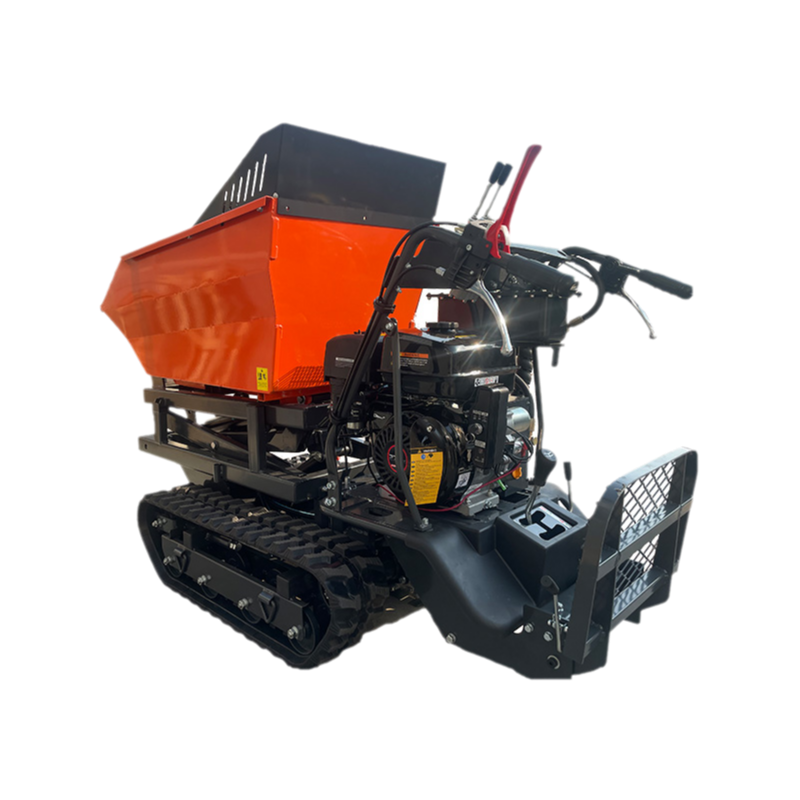
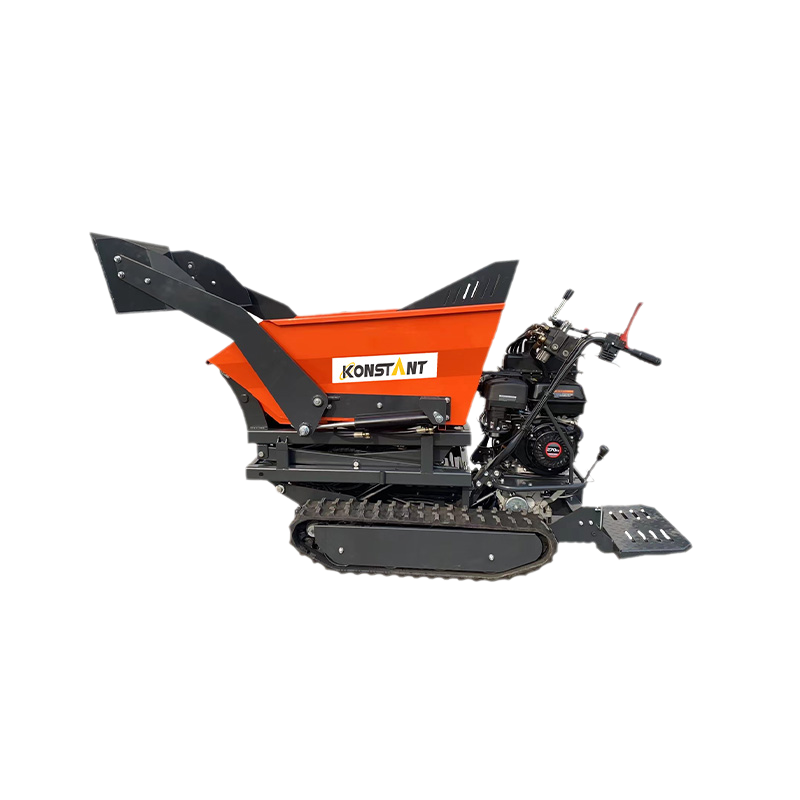
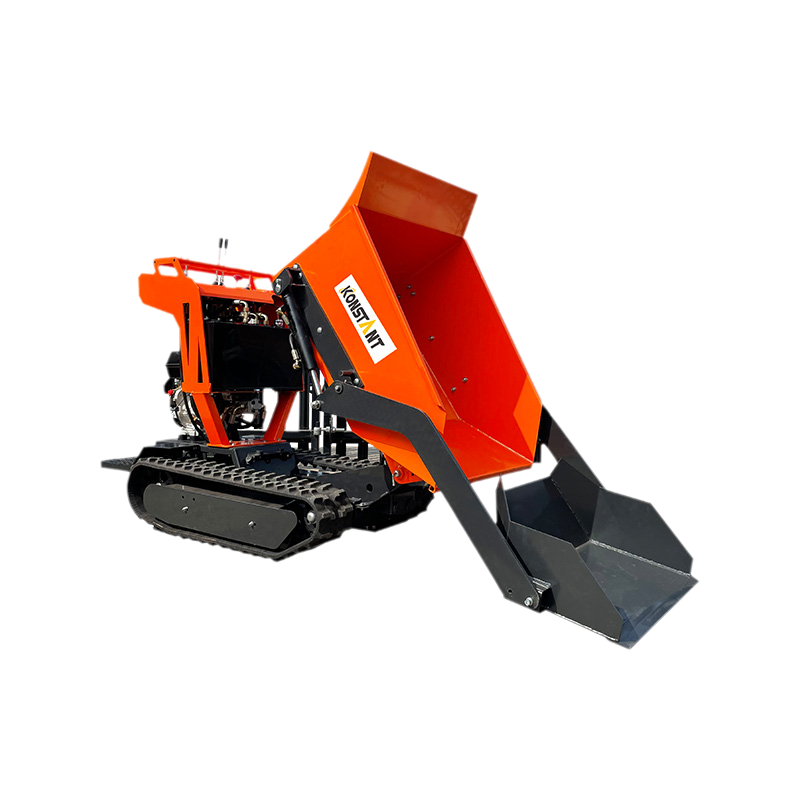
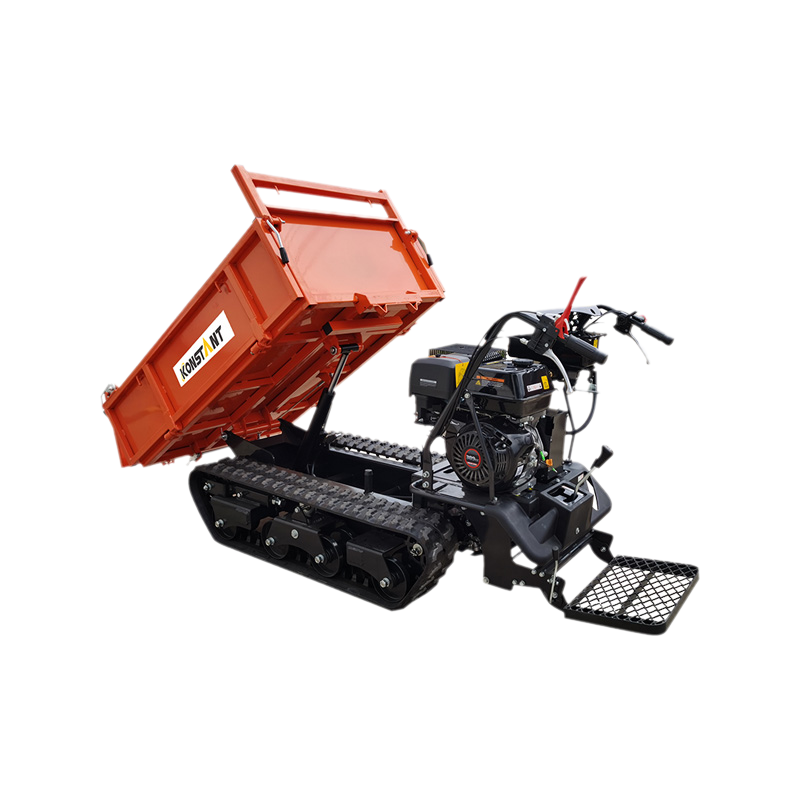
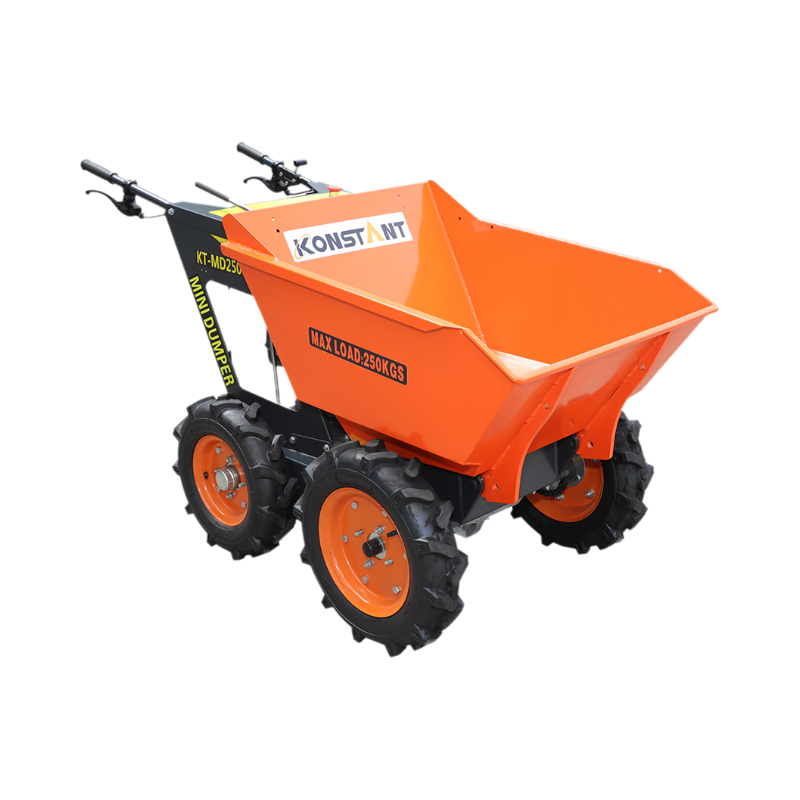
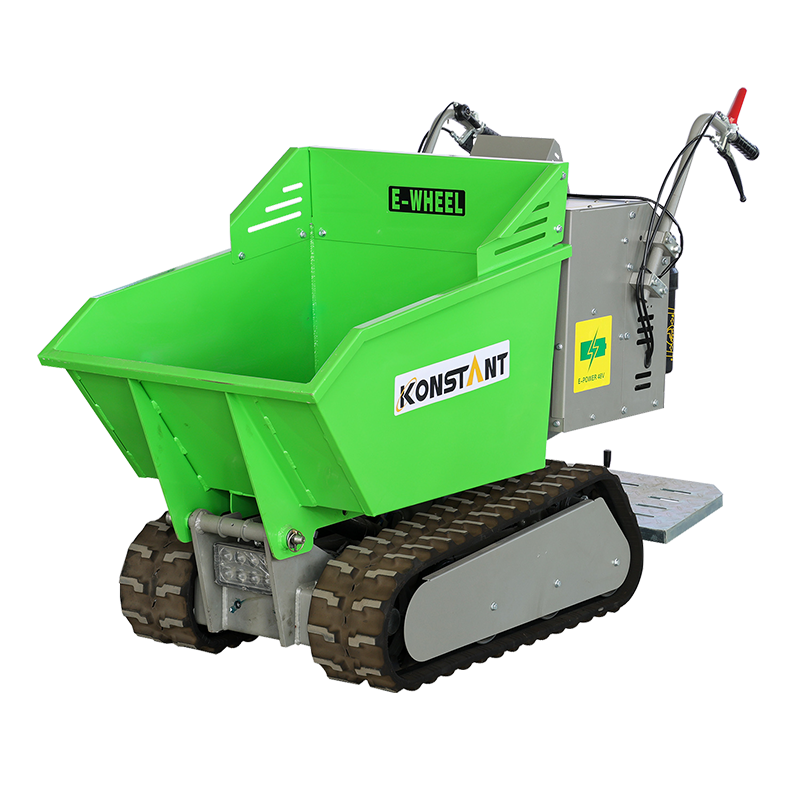
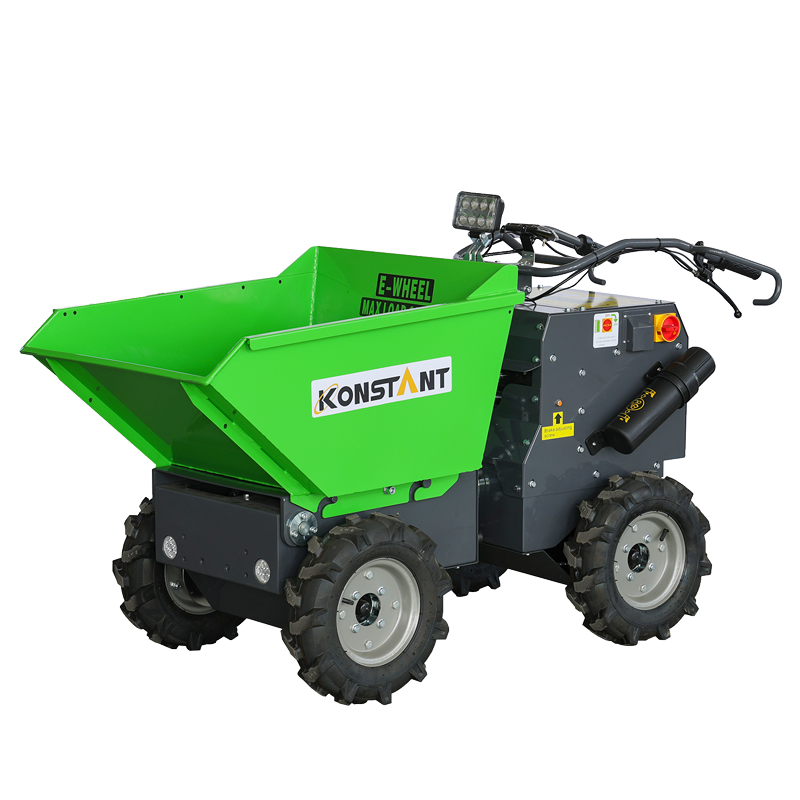
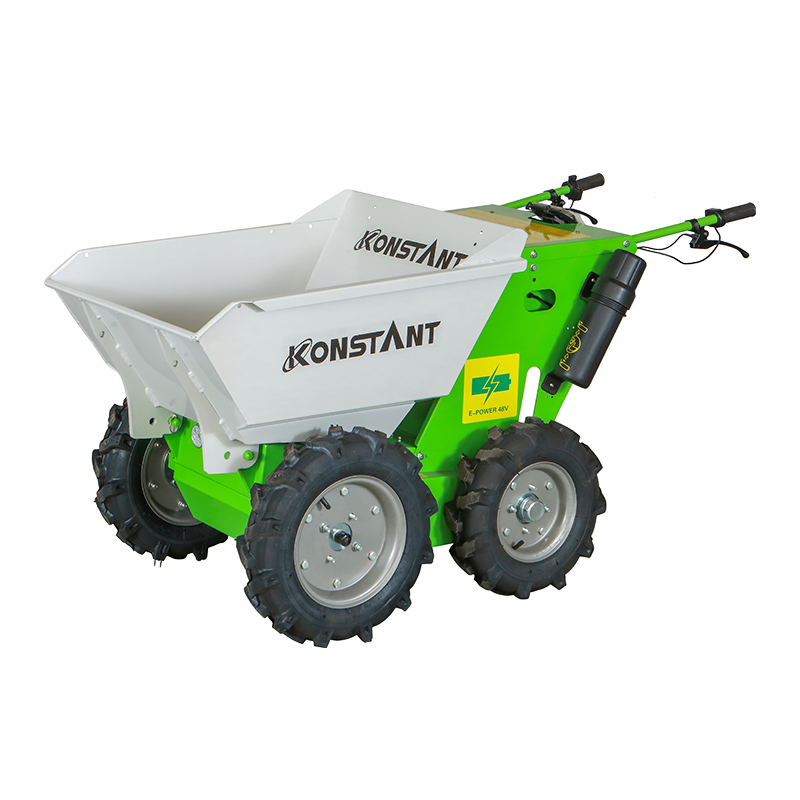
Provide you with the latest enterprise and industry news
How Is the Electric Mini Dumper Reshaping Job Site Efficiency
Update:09-02-2026
Posted by Admin
Content
- 1 Electric Mini Dumper: Why Compact Electric Haulers Are Shaping Small-Scale Construction and Landscaping
- 1.1 Why the shift toward compact electric equipment is happening now
- 1.2 Real situations where a mini dumper pays back quickly
- 1.3 What efficiency gains look like in practice
- 1.4 Which features matter good — a buyer-oriented checklist
- 1.5 Battery realities — planning for power
- 1.6 Tracks or tires — which should you pick
- 1.7 Safety, training and quick-start habits
- 1.8 Case snapshots — quick reads from real-like scenarios
- 1.9 Common buyer mistakes and how to avoid them
- 1.10 Routine checks that keep uptime high
- 1.11 The rental opportunity and resale realities
- 1.12 Environmental and regulatory nuance
- 1.13 Emerging trends worth watching
- 1.14 Short buyer's decision framework — a one-page guide
- 1.15 Fit the machine to the work, not the other way around
Electric Mini Dumper: Why Compact Electric Haulers Are Shaping Small-Scale Construction and Landscaping
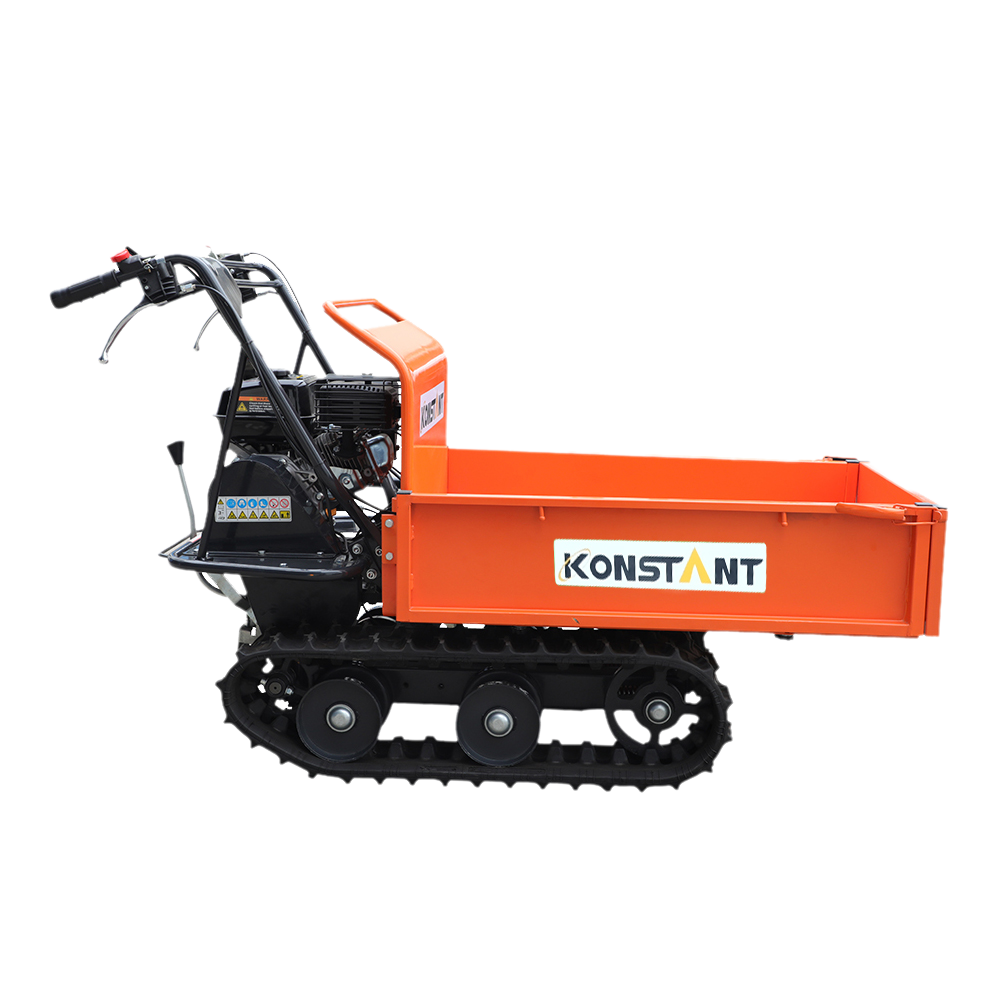
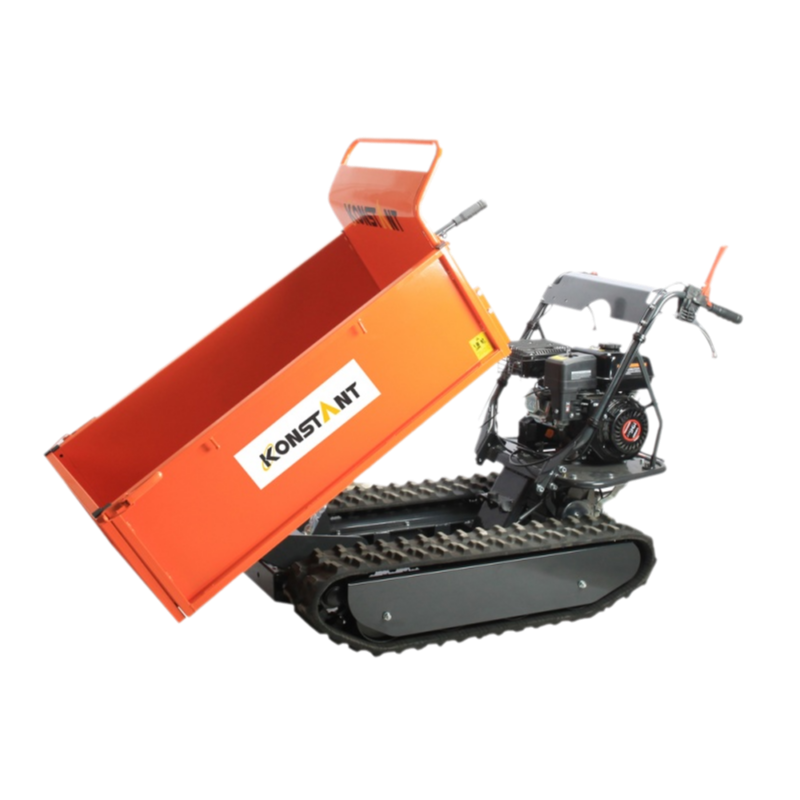
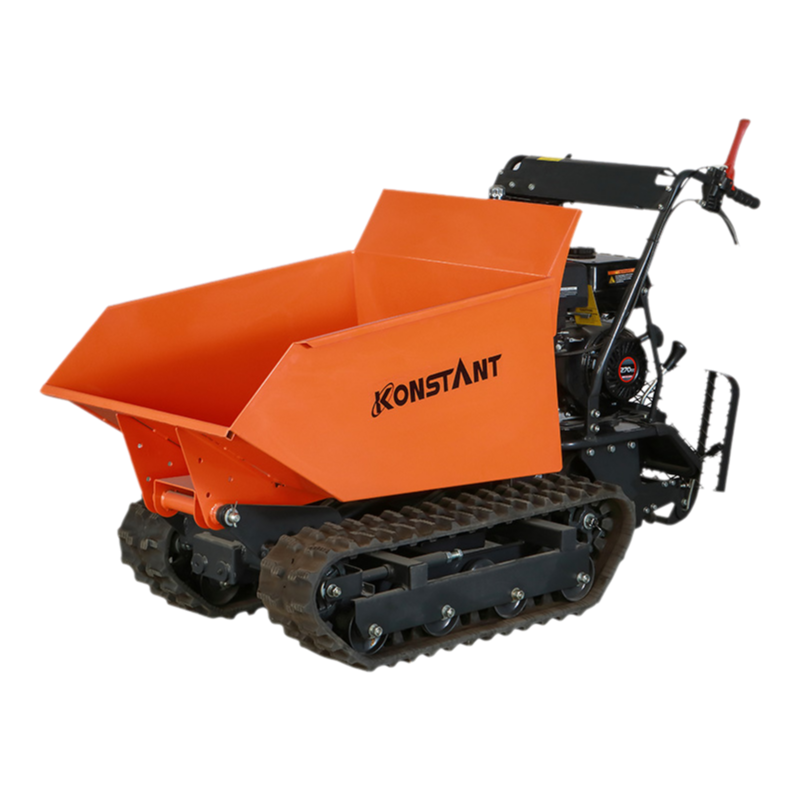
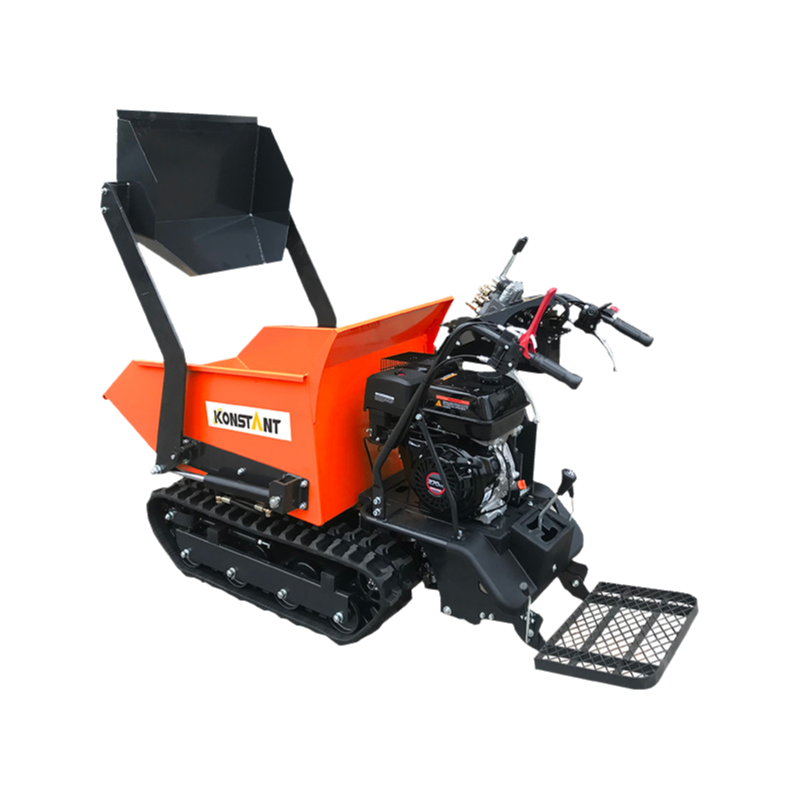
Electric mini dumpers have quietly moved from specialty tools to practical fixtures on many job sites. They show up where space is tight, noise matters, and repeated manual trips are costly in both time and tired backs. If you work in landscaping, small-scale civil works, renovation, or any business that moves material by hand, these machines deserve a closer look.
Why the shift toward compact electric equipment is happening now
A few practical forces are in play. Cities are getting denser, renovation projects are more common, and clients expect quick turnarounds with minimal disturbance. At the same time, labor costs and safety pressures make repetitive wheelbarrow work less attractive. Those pressures create an opening for machines that are small enough to operate in tight conditions but capable enough to move serious loads.
Electric drives matter too. Aside from lower noise and point-of-use emissions, they change the maintenance equation. No fuel lines, no carburetors to tune, fewer exhaust-related parts — that matters when you need predictable uptime without specialist servicing. The result is a machine that fits closer to a tradesman's toolkit than a full-blown fleet vehicle.
One more subtle change: buyers are getting more pragmatic about value. They look beyond headline specs and ask: how will this behave on my job, every day, when the gate's 90 centimeters wide and the path slopes? The market is responding with machines designed for real site constraints, not just brochure figures.
Real situations where a mini dumper pays back quickly
Think of three common scenarios.
- A garden renovation behind a townhouse. The gate is narrow, the path is mostly paved, and debris must be removed while neighbors still live next door. A small electric dumper shuttles rubble and brings in topsoil without waking half the block.
- A municipal park crew re-seeding a lawn. They need to move soil and mulch across soft turf. A tracked electric dumper distributes weight and keeps damage minimal compared to a heavy truck or repeated wheelbarrow trips.
- A greenhouse operation moving potting mix down long aisles. Exhaust-free operation matters in an enclosed space, and a compact dumper that fits between benches saves hours of manual labor.
All three examples show the same pattern: where human effort is repetitive, where access is constrained, and where environmental factors limit equipment choice, a built-for-purpose mini dumper often converts labor into productive machine cycles.
What efficiency gains look like in practice
Switching from hand-carry to machine shuttle does three practical things.
- Cycle time shrinks. One worker can move more material in less time; or two workers can achieve more complex tasks because they're not spent from manual hauling.
- Reliability improves. Predictable cycle times make planning easier. Want the planting team to start at 9:30? If the dumper routine is known, handoffs become smoother.
- Risk of injury drops. Less heavy lifting equals fewer strain incidents, which shows up in reduced short-term absenteeism and fewer medical or compensation claims.
There's also an intangible benefit: morale. Teams that aren't strapped into continuous lifting tend to be sharper on detail work; the finish is often better.
Which features matter good — a buyer-oriented checklist
When you evaluate machines, don't be distracted by an impressive top load number alone. Ask specific, practical questions.
- Real-world payload vs. rated payload. How does the machine perform when loaded and driven up a moderate incline? A test run on your slope is worth more than a spec sheet.
- Drive type and surface fit. Tracks give better flotation on soft ground; pneumatic tires roll faster on firm surfaces. Match traction to your common conditions.
- Battery plan and charging reality. How long does a full charge last under typical loads? How long to recharge? Can batteries be swapped if your workday requires continuous operation?
- Dumping method and clearances. Can it discharge into the containers you use (skips, trucks, wheelbarrows)? How high and how far does it reach when dumping?
- Maneuverability and transportability. Will it fit through gates? Can it be loaded onto existing trailers? Does its turning circle fit the alleys you deal with?
- Operator ergonomics. Controls should be intuitive. Simple wins: fewer mistakes, less training, lower replacement costs when employees rotate.
- Serviceability and parts. Who supplies wear parts? How fast are batteries and motors replaced? Local support reduces downtime.
- Safety features. Emergency stops, incline warnings, and stability aids are not extras; they reduce incidents and help cover compliance needs.
Put these into a simple scoring sheet and weigh them for your typical project mix, not the outlier job.
Battery realities — planning for power
A battery that performs on day one often behaves differently after repeated cycles. Temperature, depth-of-discharge, and charging habits affect longevity. Some practical notes:
- Keep batteries charged in a dedicated, ventilated area.
- Avoid deep discharges when possible — partial charging between shifts extends life.
- If you need multi-shift usage, consider swappable battery packs rather than relying on fast-charging that stresses cells.
- Check how the manufacturer handles warranty periods and end-of-life recycling; that's part of lifecycle cost.
Operational planning should include a charging map: where, when, and how many machines can charge simultaneously without tripping breakers or creating hazards.
Tracks or tires — which should you pick
It depends on your ground. Tracks spread the load, reducing turf damage and improving traction on soft or muddy terrain. They're often slower but reduce surface repairing costs after work. Tires, especially large flotation tires, work well on hard-packed sites and are cheaper to replace. Think holistically: a cheaper wheel model that routinely damages lawns could cost more in remediation than a tracked unit.
Safety, training and quick-start habits
Even small machines can bite if poorly used. A few practical rules make a big difference:
- Always brief operators with a short checklist: center of gravity tips, tip-back risks on slopes, correct load limits, and emergency stop locations.
- Use signage and cordons when dumping or moving near other workers.
- Keep wheelbases and dump paths clear of trip hazards and loose material.
- Schedule short refreshers; a 15-minute session every month beats a serious incident later.
Small, repeatable habits reduce accidents.
Case snapshots — quick reads from real-like scenarios
These are composite stories based on common outcomes across many sites.
Courtyard retrofit: A contractor reported halving the manual labor time moving debris through a narrow gate after introducing a compact electric dumper. The project finished faster, neighbors were less bothered, and the team avoided a couple of muscle strains that would have cost lost hours.
Park maintenance: A municipal crew reduced lawn damage by switching from wheeled machines to a tracked dumper when spreading mulch. The upfront cost was offset by reduced turf repair and fewer complaints.
Greenhouse nursery: Using an exhaust-free dumper avoided air quality concerns inside an enclosed greenhouse. The machine fit existing aisles, cut labor time, and improved throughput for potting and bagging tasks.
Each case shows how different site needs point to specific machine choices.
Common buyer mistakes and how to avoid them
Buyers repeat a handful of missteps. If you know them in advance, you can steer clear.
- Ignoring charging logistics. No chargers on-site, no backup plan, and an undercharged fleet equals downtime. Plan chargers, outlets and dedicated charging windows.
- Picking the wrong traction type. Tracks on paved sites or wheels on mud reduces performance. Match traction to predominant ground conditions.
- Overlooking transport requirements. If a machine won't fit through standard gates or onto the trailer you have, it's a problem. Confirm transport dimensions early.
- Underestimating duty cycle. If you need continuous multi-shift operation, swappable batteries or extra packs are essential.
- Skipping operator training. Even intuitive machines need a quick induction to prevent damage and accidents.
A short trial period on a real site can reveal many hidden issues before procurement.
Routine checks that keep uptime high
Daily and weekly checks are cheap insurance. A suggested cadence:
- Daily: Visual inspection, battery state, tire or track condition, quick functional check of dump and drive.
- Weekly: Bolts, hydraulic fluids, contacts, charger inspections.
- Monthly: Full battery performance review, software updates if applicable, wear-part inventory check.
Document checks in a simple log. It helps when troubleshooting and proves due diligence for insurance or compliance.
The rental opportunity and resale realities
Rental companies increasingly stock compact electric dumpers because they appeal across user types: contractors, municipal teams, even homeowners for bigger garden jobs. For rental operators, modular battery systems and easy-to-service designs matter because they minimize downtime between hires.
For buyer-owners, resale matters too. Machines with a clear service history and modular parts usually keep value better. Buy from suppliers who can demonstrate parts availability and a path for refurbishment.
Environmental and regulatory nuance
In many urban contexts, quieter, zero-tailpipe machines reduce conflict with neighbors and meet local ordinances that restrict emissions or noise. That creates a business case beyond operator comfort. Check local rules — some city programs offer incentives for low-emission equipment. That can change total-cost calculations quickly.
Battery disposal and recycling are also practical concerns. Work with suppliers who offer clear end-of-life guidance for battery packs; it avoids regulatory headaches later.
Emerging trends worth watching
A few developments are pushing the market forward:
- Swappable battery ecosystems. These help fleets run continuous shifts without complex charging infrastructure.
- Telematics for small equipment. Simple diagnostics, battery state, and maintenance alerts help managers plan better.
- Accessory modularity. Platforms that accept different trays, pumps or tools increase a unit's utilization.
- Improved energy density. Longer run-times and better thermal management without heavy increases in weight.
These aren't overnight game-changers, but they raise the baseline of what buyers should expect in future models.
Short buyer's decision framework — a one-page guide
If you need to decide quickly, use this practical filter:
- Will it fit my access points? Yes / No
- Is the traction (tracks/wheels) suited to the sites? Yes / No
- Battery plan workable for my shift patterns? Yes / No
- Can it dump into my containers? Yes / No
- Is training straightforward for my crews? Yes / No
- Are spare parts available locally? Yes / No
If you answer “No” on one or more, ask the supplier for a workaround or consider another model.
Fit the machine to the work, not the other way around
Electric mini dumpers are not magic. They won't replace heavy equipment where large volumes and long haul distances are required. But for the many small, recurrent jobs where access, noise, and repetitive handling matter, they change the calculus. Choose based on daily patterns, not round-number specs. Try before you buy. Train the crew. Plan the charging.
When those steps are followed, the machine moves from a curiosity to a predictable, productivity-driving tool that reduces manual strain, improves scheduling, and helps crews get the job done with less fuss.
Related products

Latest Updates
-
What Types of Materials Can a Petrol Wheelbarrow Move
Moving material around a job site is just part of the work in a lot of outdoor trades. Constructio...
-
Why Does Terrain Matter When Choosing a Battery Operated Wheel Barrow
A Battery Operated Wheel Barrow can make material transport easier in many working environments. I...

-
Welcome To Visit Us
No.30, Third Furong Road, Wuxi City, Jiangsu. 214100, China.
-
Call Us
Phone: +86 181-1889-1139
Phone: +86 181-1889-2139
-
Contact Us Online
E-mail: sales@konstantpm.com
E-mail: marketing@konstantpm.com
Copyright WUXI KONSTANT POWER TECH CO., LTD All Rights Reserved
 China Mini Dumpers Manufacturers Power Wheelbarrow Factory