
 English
 русский
 Français
 Español
 Deutsch

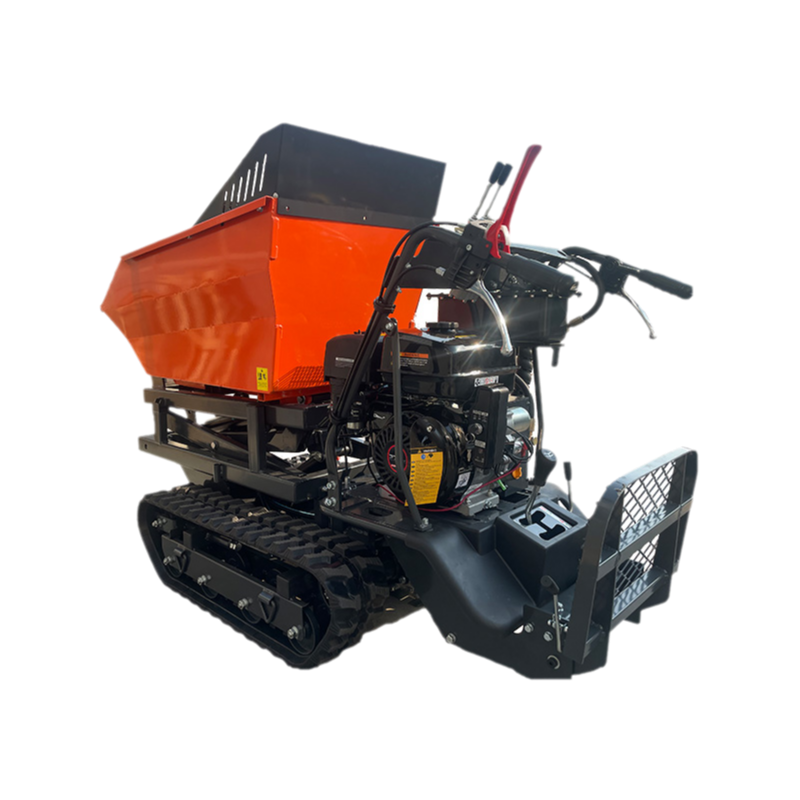
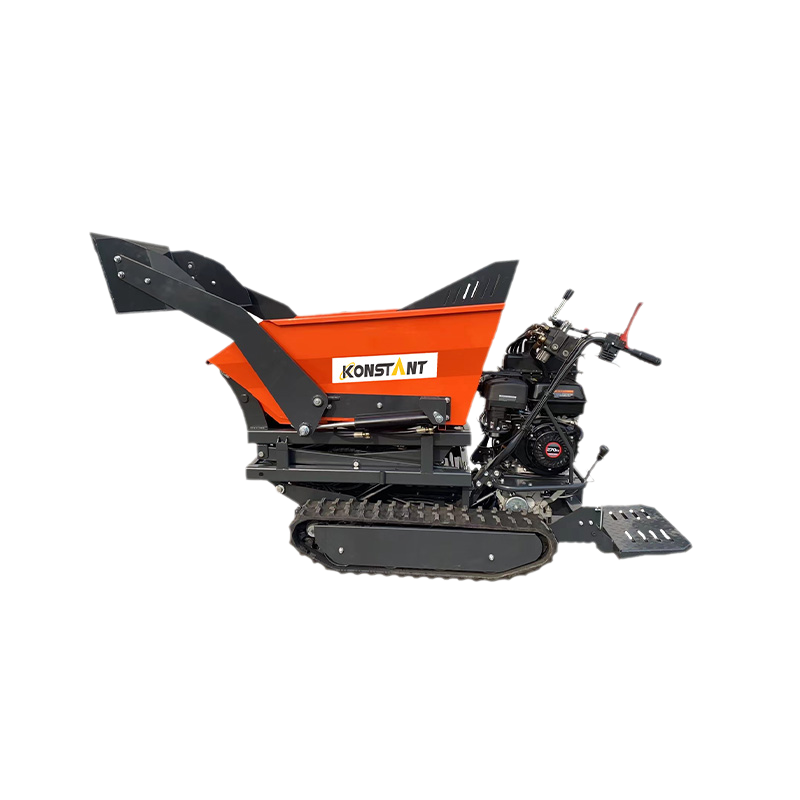
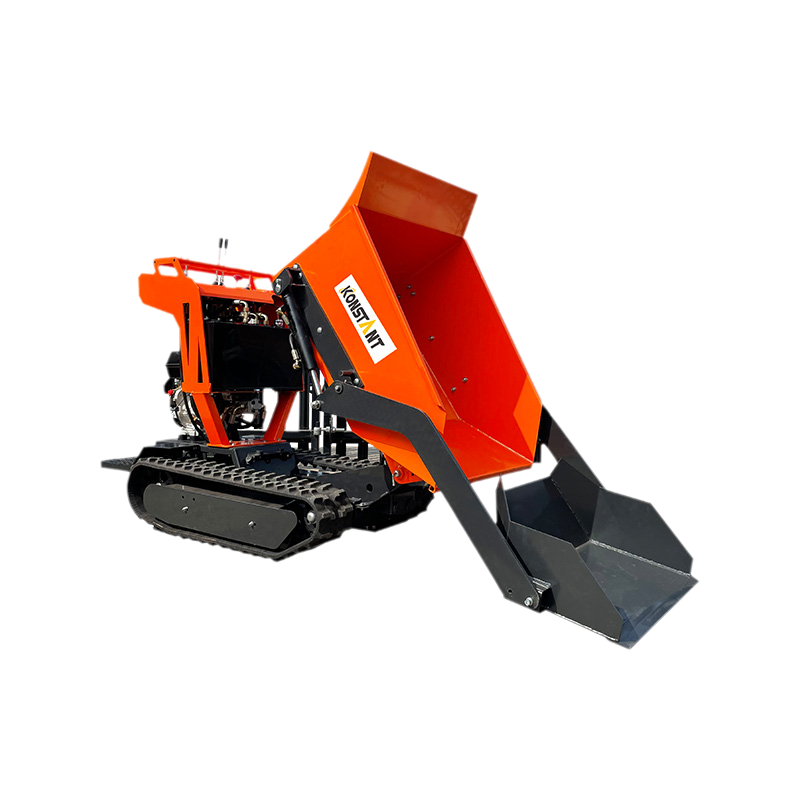
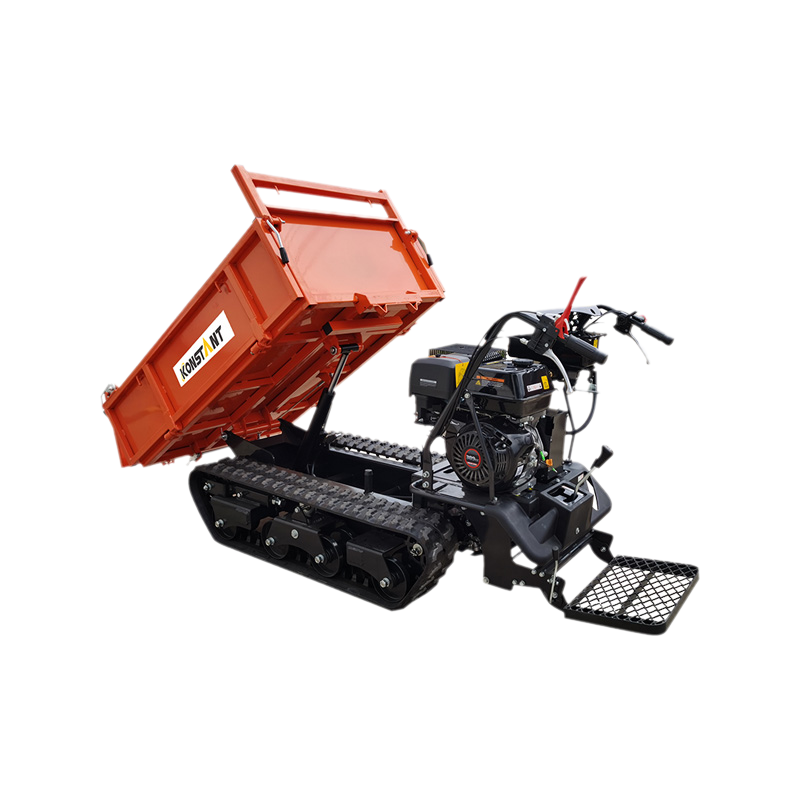
Provide you with the latest enterprise and industry news
How to Choose an Electric Skid Steer Factory
Update:06-02-2026
Posted by Admin
Content
- 1 What Buyers Should Know Before Working With an Electric Skid Steer Factory
- 1.1 Why talk to the factory, not only to dealers
- 1.2 What should you ask before you place an order
- 1.3 How factories map machines to different real-world applications
- 1.4 Which design and component features actually matter day-to-day
- 1.5 Case scenarios: how factory choices influence outcomes
- 1.6 Indoor logistics and facilities
- 1.7 Mixed-terrain small contractor
- 1.8 Why direct factory contact helps reduce operational surprises
- 1.9 How factory choices affect long-term operating cost
- 1.10 Comparing factories — specific non-price signals to evaluate
- 1.11 Procurement checklist: concrete questions to bring to the factory
- 1.12 Commissioning and acceptance: what the factory should supply
- 1.13 Warranty, spare parts, and service structures
- 1.14 Sustainability and end-of-life considerations
- 1.15 Pricing and TCO modeling
- 1.16 Sample interaction timeline for efficient procurement
- 1.17 FAQ — quick answers to recurring questions
- 1.18 Checklist to take to factory conversations
What Buyers Should Know Before Working With an Electric Skid Steer Factory
Electric skid steers have moved well beyond a curiosity for early adopters: they are now a mainstream option for landscapers, municipal crews, indoor facility operators, and contractors who need compact, emission-free lifting and loading. As interest increases, so does the number of factories producing these machines. That's good—more choice—but it also raises an important question for procurement teams: how do you pick the right factory rather than the quote?
Why talk to the factory, not only to dealers
Dealers and local distributors are valuable: they stock machines, they handle local paperwork, and they provide service in the field. But factories hold the engineering and production knowledge. A factory conversation answers feasibility questions, clarifies realistic times, and reveals what can be customized without months of re-engineering.
Practical benefits of direct factory dialogue:
- Clearer lead-time realism. Factories can show where bottlenecks live: a specific battery supplier, a hydraulic pump, or paint curing schedules.
- Customization scope. You'll learn whether requested changes are part of configurable options or require engineering sign-off.
- Testing transparency. Factories can share end-of-line test procedures or sample test data—useful to avoid surprises at commissioning.
- Spare parts planning. Learn whether spares are stocked locally, centrally, or require long-lead imports.
As you prepare for procurement, treat the factory as a technical partner: ask for process maps, inspection points, and a simple production timeline for your order.
What should you ask before you place an order
As a buyer, go into the conversation armed with specific, practical questions. Here are the categories to cover and exact questions that tend to reveal how mature a factory's processes are.
Production scope and current availability
- Which models are in continuous production and which are built to order?
- What is the monthly output per model line?
- Are there stock units available for immediate delivery?
Customization and engineering boundaries
- Which changes are considered “configurable” (e.g., paint color, seat type, coupler) versus “engineered” (chassis width, arm geometry)?
- What is the typical time for a configurable change versus an engineered change?
- Will changes require additional safety validation or documentation?
Lead time and supply chain clarity
- What are the critical components driving times (batteries, controllers, hydraulic valves)?
- Is there a documented plan for expedited orders and what are the costs?
- Can the factory provide a stepwise schedule showing procurement, assembly, testing, and shipment milestones?
Quality control and testing
- What in-process inspections are performed?
- What end-of-line tests are standard (load cycles, battery performance, leak testing)?
- Can sample test certificates be provided for production lots?
Documentation and compliance
- What documentation accompanies each unit (manuals, wiring diagrams, inspection reports, conformity certificates)?
- How does the factory handle regional regulatory differences (CE, other local requirements)?
Asking these questions up front reduces ambiguity and lets you compare factories on the same factual footing.
How factories map machines to different real-world applications
Electric skid steers get used in a surprisingly wide set of tasks. A good factory will help you match model choices and options to your real job needs.
Typical application buckets
- Landscaping & turf work: needs low ground pressure, turf-friendly tires, compact footprint. Quiet operation and gentle torque are valued.
- Municipal & facility maintenance: prioritises noise control, sealed electricals and attachments for street cleaning or snow removal.
- Agriculture & nurseries: benefits from higher lift capacity, rugged undercarriage, and corrosion resistance.
- Indoor light-industrial: prefers quiet, zero emissions, and easy charging/ battery swap options.
Attachment strategy and compatibility
Attachment systems matter. A universal quick coupler opens the aftermarket choices, while proprietary couplers can limit options and raise long-term costs. Ask the factory:
- Which attachments are tested as a package?
- Are couplers compatible with major aftermarket tool vendors?
- Does the factory provide hydraulic maps and tested performance curves for common tools?
Environmental and regional adjustments
Factories that understand regional needs will offer sensible options: cold-weather battery management, salt-spray resistant coatings for coastal use, or dust sealing for dry and gritty environments. These are often configurable and cost-effective when discussed early.
Which design and component features actually matter day-to-day
Some spec sheets read like marketing lists. Focus on the elements that affect uptime, operator effectiveness, cost of ownership, and maintenance.
Chassis and structural choices
Look for:
- Reinforced mounting for booms and buckets (reduces cracking and fatigue).
- Accessible panels and logical routing for wiring and hoses (easier service).
- Balanced weight distribution to avoid loading the front or stressing the drivetrain.
Why this matters: a small incremental improvement in frame layout translates into lower maintenance and fewer field repairs.
Battery system and charging strategy
Battery choice is central:
- Chemistry: LFP (lithium iron phosphate) tends to offer a safer thermal profile and longer cycle life in many applications; other chemistries may provide higher specific energy but different tradeoffs.
- BMS features: a capable Battery Management System with thermal maps, cell balancing, and diagnostic outputs helps fleets avoid surprises.
- Charging options: ask about compatible fast-charge standards and whether the factory offers optional onboard charging or integrated chargers.
Hydraulics and attachment support
Hydraulic flows and control scheme influence how well attachments perform:
- Is there a high-flow option and what are its continuous vs peak ratings?
- How does the factory protect tools (pressure relief, thermal protection)?
- Are couplings standardized and easy to source locally?
Operator ergonomics and control layout
Real productivity gains often come from operator comfort:
- Sightlines to bucket/attachment edges
- Intuitive joystick layout rather than a tangle of levers
- Digital readouts for diagnostics and charging state
| Capability area | What to check | Good sign from factory | Red flag |
|---|---|---|---|
| Production capacity | Monthly output per model; stock vs built-to-order | Published capacities, stable published times | Vague, shifting, or noncommittal timelines |
| Customization scope | Which options are configurable without re-engineering | Clear list of configurable options and estimated times | Every change requires engineering review and long times |
| Battery & BMS | Chemistry, usable capacity, BMS diagnostics | LFP or equivalent with diagnostic outputs and charge strategy | No detailed BMS data or vague battery specs |
| Hydraulic performance | Continuous vs peak flow, tested attachment cycles | Documented hydraulic map, test cycles reported | No hydraulic test data; unknown attachment impacts |
| QC & testing | In-process inspections, end-line tests, traceability | End-of-line reports available; traceability of critical parts | Minimal QA description; no test certificates |
| Spare parts support | Local stocking, shipped kits | Local stocking partners or kits | Parts only shipped internationally with long delays |
| Documentation & compliance | Manuals, wiring diagrams, certificates | Full documentation with compliance records | Minimal or missing documentation |
| After-sales & training | Commissioning plan, training, warranty workflow | Commissioning visit, training package, clear warranty process | Vague or no defined after-sales plan |
Case scenarios: how factory choices influence outcomes
To make this concrete, here are three short scenarios and what to check on the factory side.
Urban landscaper with tight access
Needs: narrow chassis, turf tires, quick coupler for landscape rake.
Factory checks:
- Narrow-track chassis option and steering angle specs
- Turf tire options and recommended ground pressure settings
- Quick coupler standard and tested attachment list
Outcome if done right: minimal turf disturbance, faster cleanups, fewer callbacks.
Indoor logistics and facilities
Needs: quiet operation, easy charging, dust protection.
Factory checks:
- Low-noise drive motors, noise attenuation options
- Onboard charger specs, battery swap options
- Sealed controls and dust filtration for HVAC and warehouse settings
Outcome: machines that can run day shifts inside without noise complaints or indoor emissions issues.
Mixed-terrain small contractor
Needs: rugged undercarriage, higher hydraulic flow, field-repairability.
Factory checks:
- Wear plate options, undercarriage protection
- High-flow hydraulic option with cooler sizing
- Local parts kit and maintenance consumables
Outcome: fewer site stoppages, quicker field fixes, predictable schedules.
Why direct factory contact helps reduce operational surprises
When you work through a dealer only, critical technical clarifications sometimes get lost or oversimplified. Direct factory engagement reduces ambiguity:
- Engineers can confirm the limits of what the machine can safely do.
- Factory can advise on reasonable acceptance thresholds for commissioning tests.
- You get clear information on spare parts times and which parts to keep in stock.
A practical tip: request a short technical call with the factory's engineering lead. Explain one or two real-world tasks you'll use the machine for and ask whether the proposed configuration suits those tasks without modifications.
How factory choices affect long-term operating cost
The purchase price is only a sliver of the real cost. The factory's choices—component suppliers, test coverage, and build standards—affect maintenance frequency, spare parts costs, energy use, and ultimately resale value.
Components and sub-suppliers matter
A robust drivetrain, reputable hydraulic pumps, and a thoughtful BMS reduce the frequency of component failures. Factories that disclose major sub-suppliers and their part numbers make future parts sourcing predictable.
Testing reduces field failures
A factory that runs hydraulic cycle tests, battery endurance runs, and thermal checks will catch issues earlier. Ask for sample test logs or an outline of the end-of-line test protocol.
Standardized parts reduce spare kit complexity
When factories use commonly available bearings, seals, and fittings, your stocklist becomes manageable. If a factory relies on proprietary items, prepare for longer and higher spare costs.
Energy and charging outcomes
Understand usable battery capacity and how many hours or work cycles you can expect per charge under a realistic load profile. That shapes charger investment, runtime planning, and labor scheduling.
Comparing factories — specific non-price signals to evaluate
Here are the practical signals that indicate whether a factory is worth deeper engagement.
Communication and technical depth
Are questions answered with data (test numbers, supplier names) or with generic statements? The former shows technical accountability.
Proof of past cooperation
Ask for references from customers with similar tasks. Were deadlines met? Did custom requests become headaches or smooth adjustments?
Service network transparency
Does the factory have designated service partners in your region? If not, what is the expected turnaround on spare parts from factory shipping?
Warranty and claim handling
Request a sample warranty claim flow: expected timelines, responsibilities, and contact points. Factories with pro forma flows and response SLAs are easier to work with.
Procurement checklist: concrete questions to bring to the factory
- Which models are stock vs built-to-order?
- Who are your major sub-suppliers for battery cells, controllers, and hydraulics?
- Describe your end-of-line testing and provide example test sheets.
- What customization options do not require full engineering rework? Provide times/costs.
- What spare parts are stocked locally and what times apply?
- How do you support warranty and out-of-warranty repairs in our region?
- Provide two references with similar applications and contact details.
- What documentation accompanies each unit (wiring diagrams, maintenance manual, inspection certificates)?
- What charging regimes and infrastructure do you recommend for continuous operation?
- Can you provide baseline energy consumption and expected cycles per charge under a specified load profile?
Get written responses where possible—verbal assurances fade.
Commissioning and acceptance: what the factory should supply
A smooth handover includes:
- Pre-shipment configuration to your specs
- A commissioning plan with performance acceptance criteria
- An initial parts kit (filters, belts, typical wear items)
- Operator familiarization and a technician handover
- Test data and calibration records
Agree the acceptance protocol in contract terms to avoid disputes during commissioning.
Warranty, spare parts, and service structures
Ask for:
- Warranty scope and exclusions in writing
- Typical spare part times for items you'll likely need
- Local service partners or training for your technicians
- Troubleshooting support and remote diagnostics options
A sustainable relationship depends on clear expectations about post-sale support.
Sustainability and end-of-life considerations
More buyers demand clarity on battery recycling, take-back programs, and the factory's approach to hazardous materials. Documented recycling paths for batteries and a transparent policy on materials handling help your organization meet sustainability targets.
Pricing and TCO modeling
Price comparisons are useful, but always model total cost of ownership:
- Purchase price and financing terms
- Expected maintenance schedule and parts costs
- Energy cost per operating hour
- Expected useful life and estimated resale value
Project these numbers across a 3–5 year horizon to reveal meaningful differences.
Sample interaction timeline for efficient procurement
- Initial inquiry: request model sheets, production capacity, and stock status.
- Technical Q&A: clarify battery specs, hydraulic flow, and attachment interface.
- Formal quote: demand itemized quote including parts kit, shipping, and testing fees.
- References check: contact customers and verify delivery performance.
- Contract signoff: include delivery milestones and acceptance criteria.
- Pre-shipment inspection: request photos/video of final test run.
- Commissioning: run performance tests onsite and accept if criteria met.
Keeping stakeholders aligned to this timeline reduces procurement friction.
FAQ — quick answers to recurring questions
Q: How long should I expect times?
A: Stock units can ship in weeks. Custom orders range based on component availability: typically from a few weeks to several months. Ask the factory to identify critical path components.
Q: Does battery chemistry matter?
A: Yes. It affects cycle life, thermal tolerance, and charging behavior. Match chemistry to your charging practices and ambient conditions.
Q: Are aftermarket attachments compatible?
A: Depends on the coupler standard. Ask the factory for coupler specs and a compatibility list.
Q: What documentation should arrive with each unit?
A: Assembly and wiring diagrams, inspection certificates, safety documents, maintenance schedules, and any regional compliance certificates.
Checklist to take to factory conversations
- Confirm model availability.
- Request end-of-line test procedure and example reports.
- Ask for local stocking options.
- Verify which changes are configurable vs full engineering changes.
- Obtain sample commissioning and acceptance criteria in writing.
- Confirm battery chemistry, BMS capabilities, and recommended charger specs.
- Get references and check past project delivery performance.
- Understand warranty claim flow and expected response times.
Selecting the right electric skid steer factory is a procurement decision with real operational consequences. By asking the right questions, verifying test practices, and focusing on long-term cost drivers rather than sticker price alone, you protect project schedules and improve machine uptime.
A factory that gives you clear time data, documented testing, spare parts visibility, and practical answers about customization is a partner. Treat your procurement conversations as technical evaluations, not just sales calls. That approach pays back in fewer surprises on site, better scheduling, and equipment that performs consistently under real work conditions.
Related products

Latest Updates
-
What Types of Materials Can a Petrol Wheelbarrow Move
Moving material around a job site is just part of the work in a lot of outdoor trades. Constructio...
-
Why Does Terrain Matter When Choosing a Battery Operated Wheel Barrow
A Battery Operated Wheel Barrow can make material transport easier in many working environments. I...

-
Welcome To Visit Us
No.30, Third Furong Road, Wuxi City, Jiangsu. 214100, China.
-
Call Us
Phone: +86 181-1889-1139
Phone: +86 181-1889-2139
-
Contact Us Online
E-mail: sales@konstantpm.com
E-mail: marketing@konstantpm.com
Copyright WUXI KONSTANT POWER TECH CO., LTD All Rights Reserved
 China Mini Dumpers Manufacturers Power Wheelbarrow Factory