
 English
 русский
 Français
 Español
 Deutsch

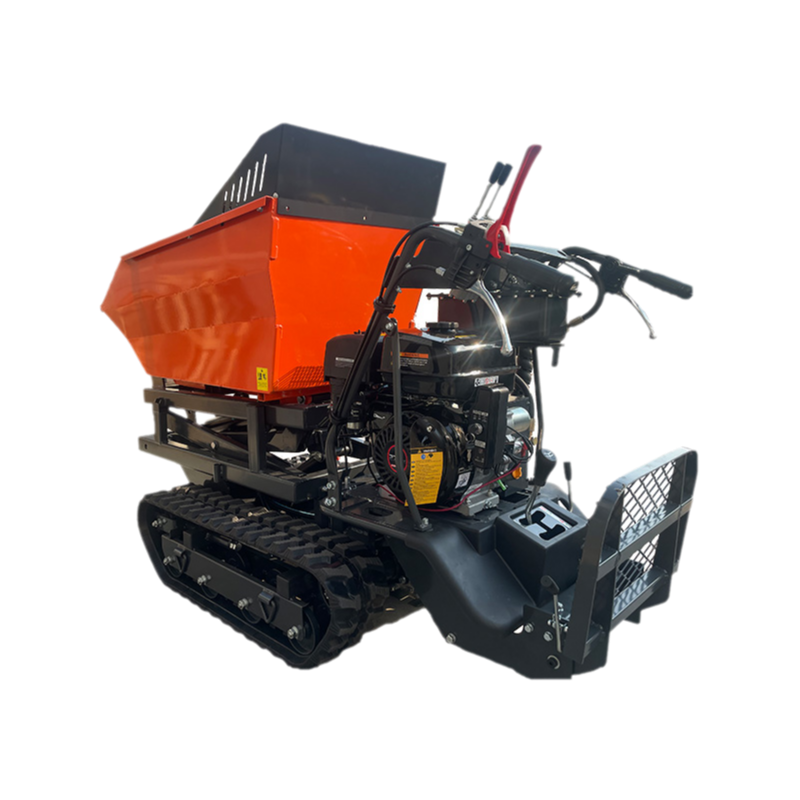
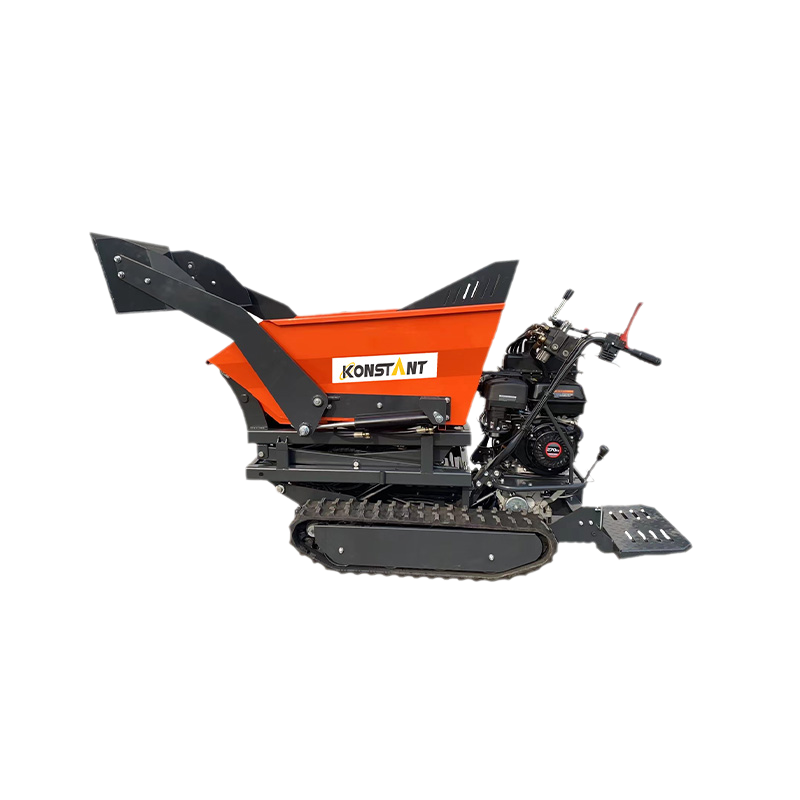
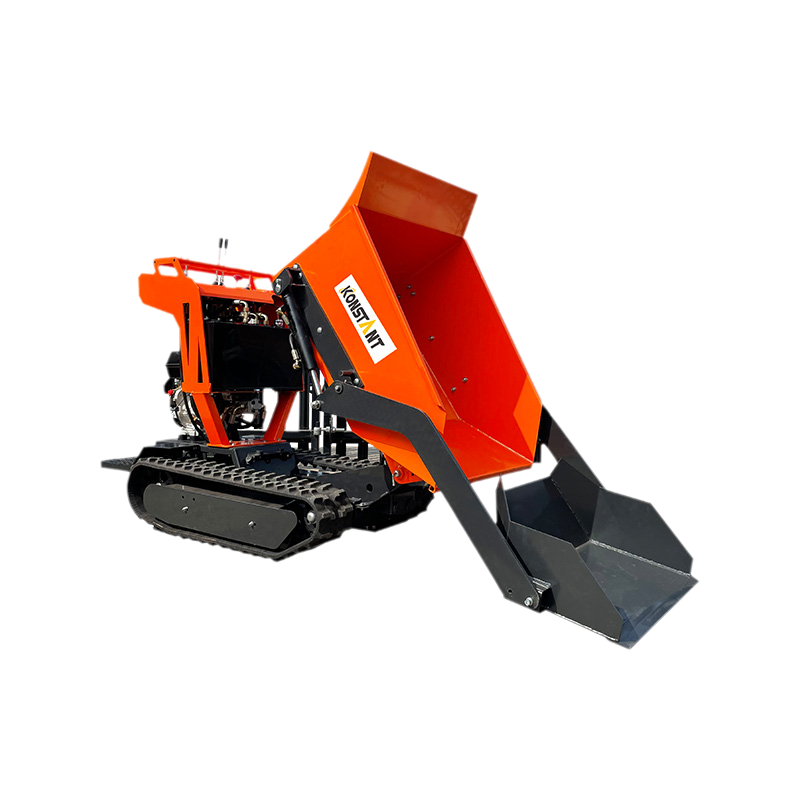
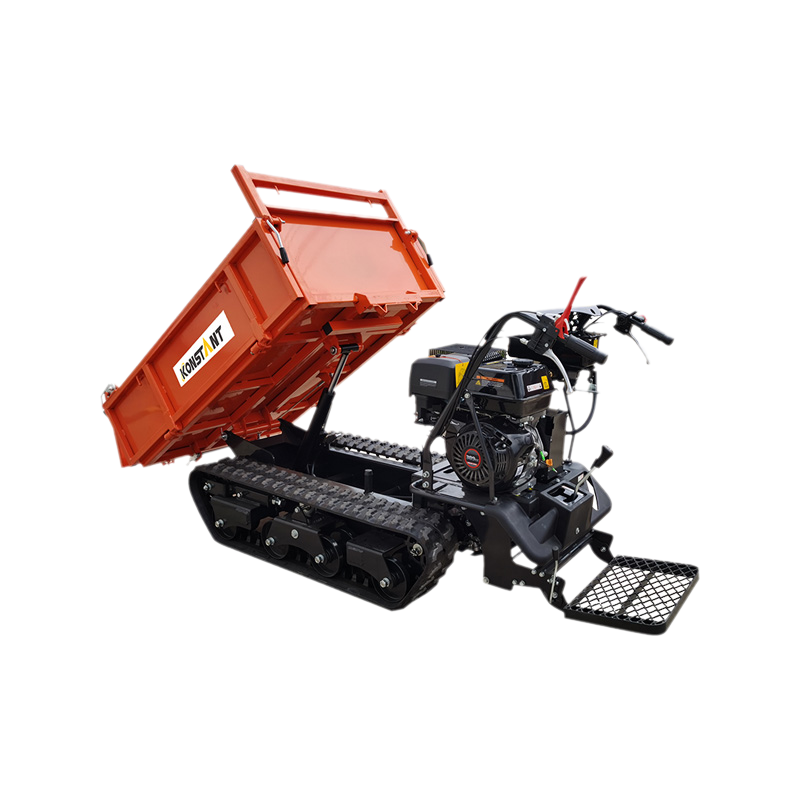
Provide you with the latest enterprise and industry news
What Makes a Motor Wheelbarrow Manufacturer Reliable
Update:02-02-2026
Posted by Admin
Content
- 1 Choosing and Working with a Motor Wheelbarrow Manufacturer: A Practical Guide for Contractors and Buyers
- 2 Why the supplier matters more than the spec sheet
- 3 What reliable manufacturers do: production discipline and traceability
- 4 Design details that affect daily work (and are often overlooked)
- 5 A practical comparison table: features and daily implications
- 6 How to run a meaningful on-site demo or trial
- 7 Maintenance strategy: routines that save time and money
- 8 Spare parts and logistics: how to avoid long downtime
- 9 Training and safe operation: practical steps
- 10 Commercial considerations: warranties, contracts, and trials
- 11 Finding manufacturers who can customize and support you
- 12 Checklist for procurement teams
Choosing and Working with a Motor Wheelbarrow Manufacturer: A Practical Guide for Contractors and Buyers
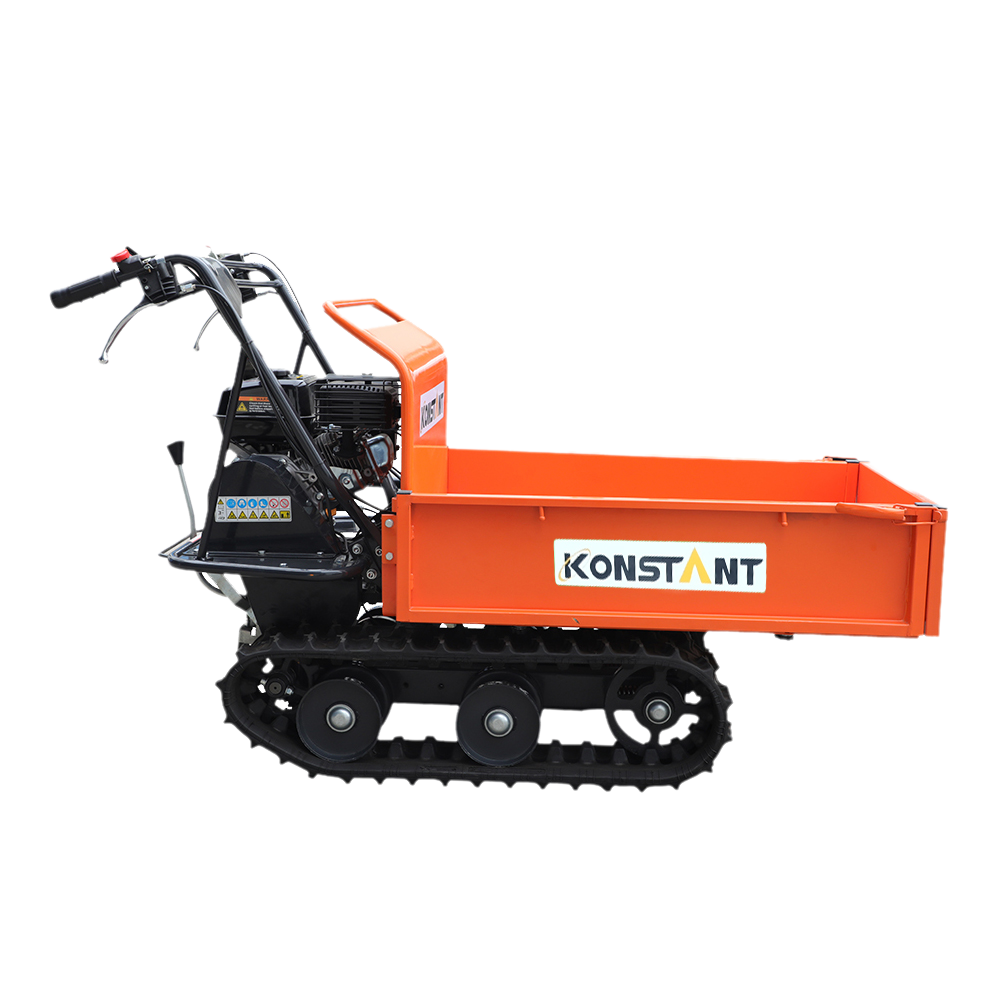
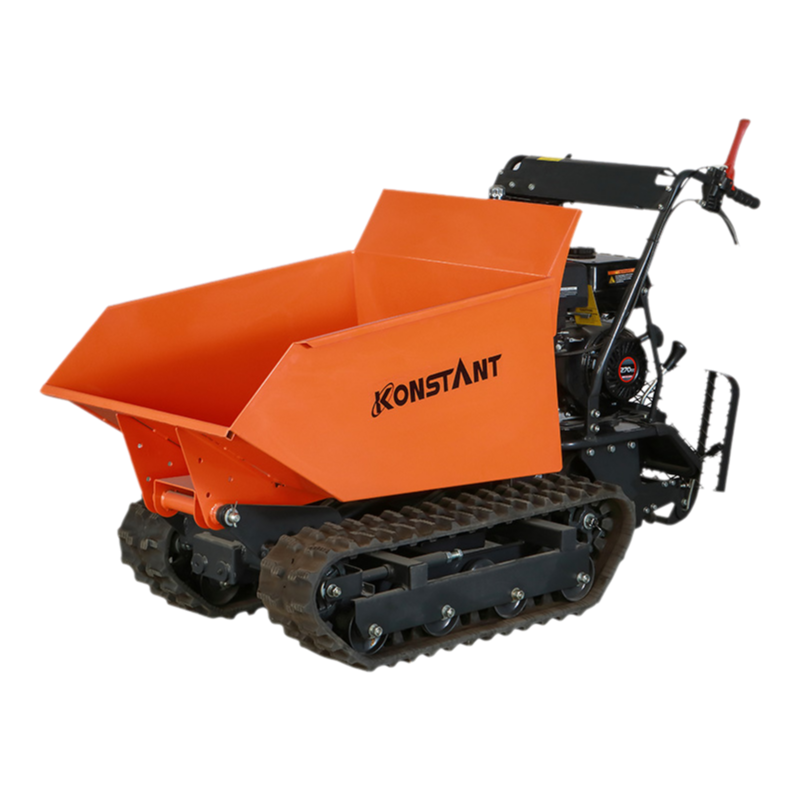
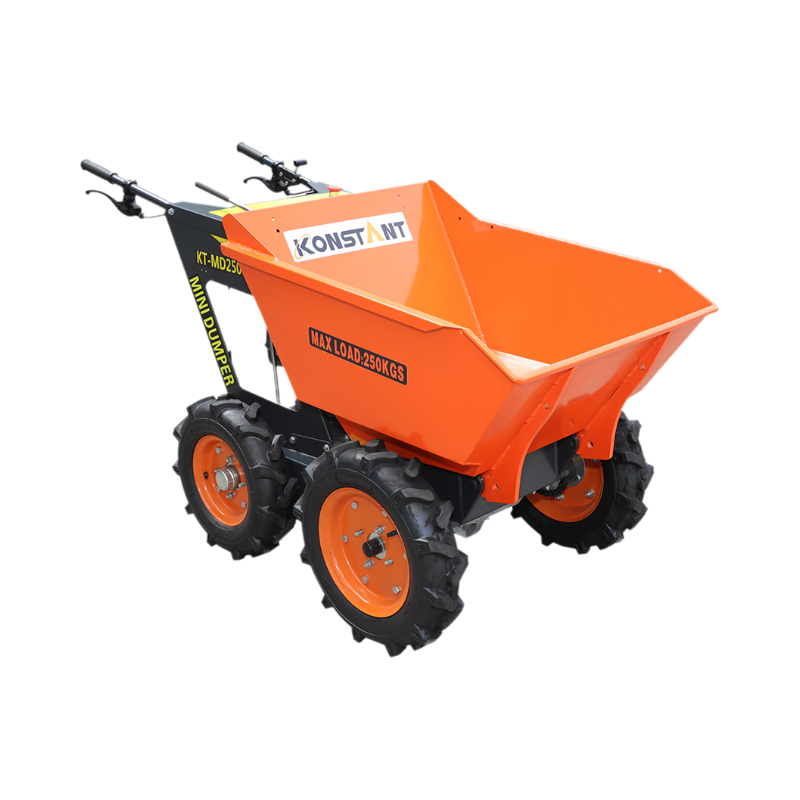
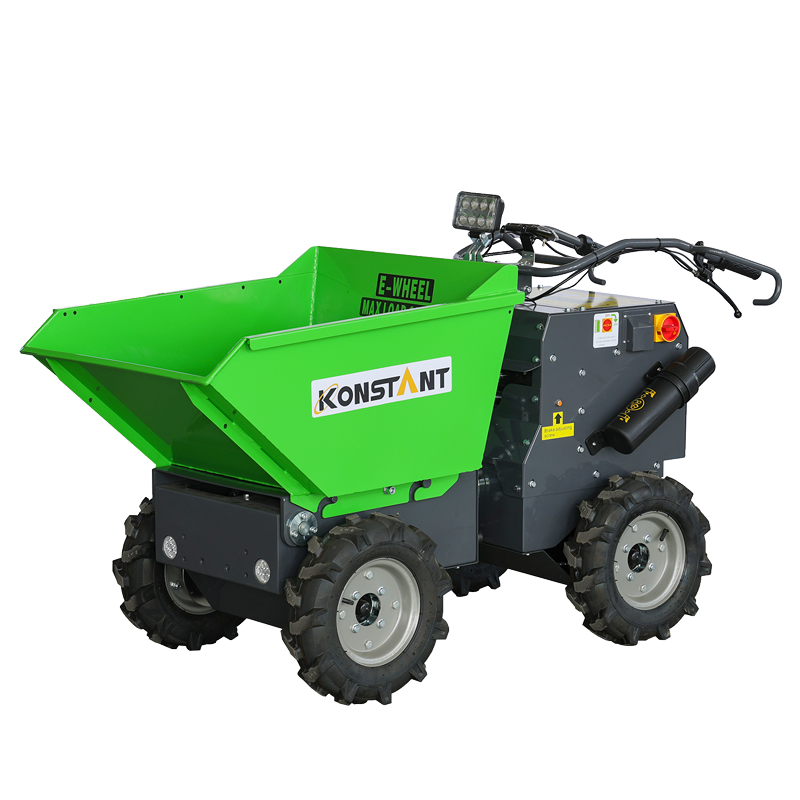
If you move soil, rubble, or materials on a jobsite, a motorized wheelbarrow can change the daily rhythm of work. But the machine is only part of the equation: the factory behind it matters just as much. A thoughtful Motor Wheelbarrow Manufacturer will influence uptime, maintenance costs, operator safety, and how easily a machine fits real workflow needs.
Why the supplier matters more than the spec sheet
When a machine fails on day three, the spec sheet is not the conversation you want. What you really need is someone who stands behind the product and has systems in place to reduce surprises. Good suppliers do several practical things well:
- They document production and quality control so every unit is predictable.
- They keep common spare parts available or at least reachable with short times.
- They train operators and provide clear maintenance instructions.
- They accept responsibility for defects and make support fast and fair.
In contrast, a low-price supplier with poor documentation can cost you more in downtime, missed deadlines, and unexpected repairs than the initial purchase saved.
Example: a mid-sized landscaping firm bought a supposedly "heavy-duty" motor barrow from a cheap seller. The welds on the bucket started cracking after two weeks of hard use. The seller was slow to respond; spare parts took three weeks. The crew went idle while waiting. The real cost was lost labor and forced overtime, not the five-hundred-dollar savings at purchase.
That story is common enough to be a warning: treat supplier selection as part of risk management.
What reliable manufacturers do: production discipline and traceability
A reliable manufacturer treats each unit as part of a reproducible process. Look for these signals when you evaluate potential suppliers:
- Material certificates and batch records. For structural components—chassis, bucket, welded frames—ask to see material grades and heat numbers. They show the factory knows its steel batches and can trace back if a batch proves problematic.
- First-piece and in-line inspections. Before a production run, the piece should be measured and recorded. Periodic in-line sampling prevents drift as tooling wears.
- Welding records and qualified welders. For load-bearing fabrications, ask whether the factory follows qualified welding procedures and whether welders are certified for the processes they use.
- Functional testing before shipment. Machines should be run under load and tested for steering, braking, and tipping functions. A short run test replicates field use better than a visual inspection only.
- Parts lists and diagrams. Clear spare-parts diagrams cut down search time when something breaks. A good manufacturer supplies part numbers and expected life estimates for consumables.
You don't need to inspect every shop floor in detail. A factory that supplies this documentation quickly is generally running a disciplined operation.
Design details that affect daily work (and are often overlooked)
Manufacturers can make clever improvements—or costly compromises. The following design features are the ones that affect your daily operations.
Chassis and center of gravity
Machines that place the load close to the axle feel more stable. The combination of a low center of gravity and a well-braced frame reduces rollover risk and lets operators drive confidently over uneven ground.
Tipping mechanism and locking
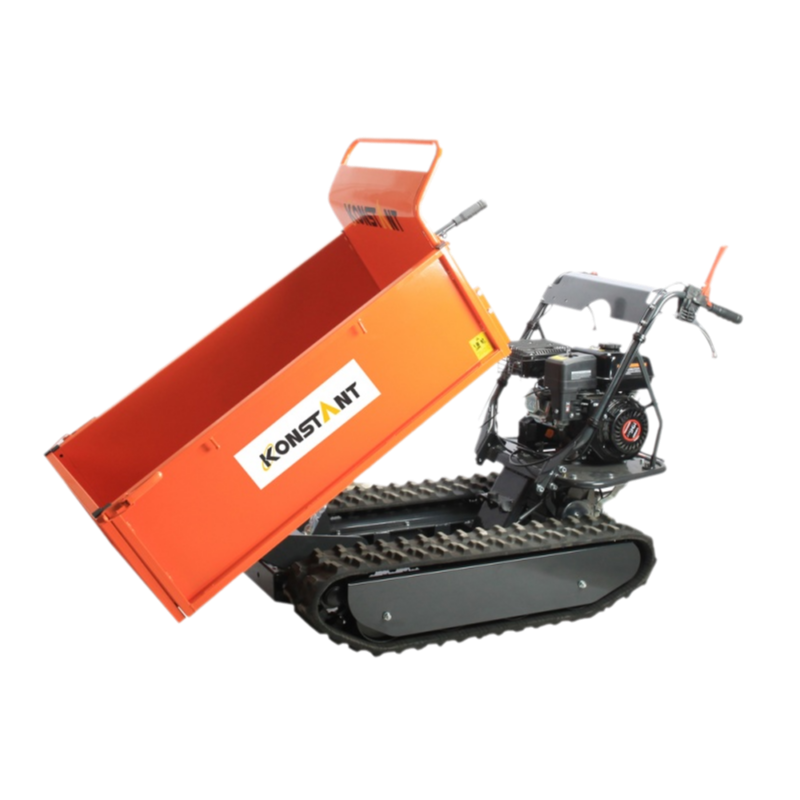
A secure, easily operated tipping release saves time. Look for positive locks and fail-safe designs: if the latch fails, the bucket should not drop unexpectedly.
Drive unit accessibility
Motors and gearboxes that are quick to reach make routine checks simple. A service panel that removes with two bolts is better than a full disassembly that takes hours.
Battery and fuel management
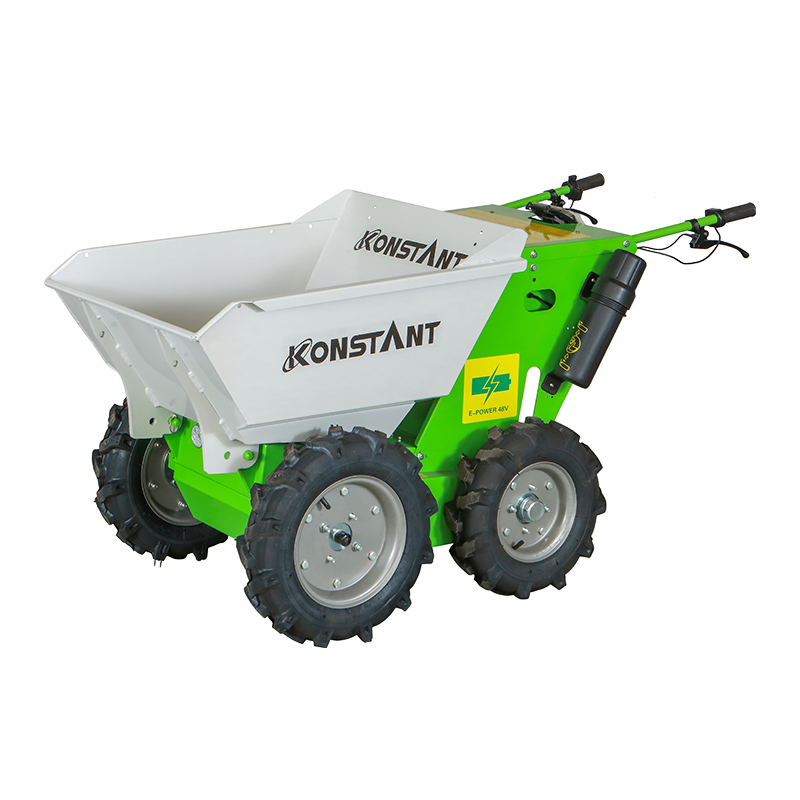
If it's electric, battery trays that slide out and lock are far more convenient than batteries that must be lifted out. For combustion engines, the fuel cap location, a shutoff valve, and easy drain access matter when you're cleaning or storing machines.
Tyre and track choices
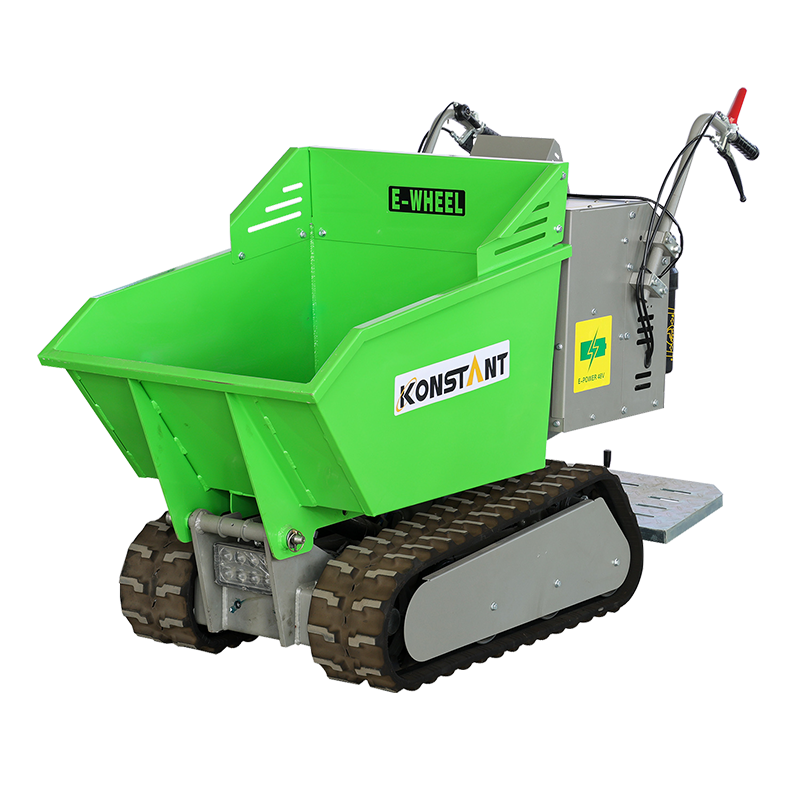
Wide pneumatic tyres reduce ground pressure and are gentler on lawns; solid tyres avoid punctures but transmit more vibration. Some manufacturers offer modular solutions—tyres for summer lawns; tracks for soft terrain.
Operator controls
Simple throttles that modulate smoothly reduce jerky movements and accidental over-speed in tight spaces. Tipping levers should be within comfortable reach and clearly labeled with safety warnings.
Protection for electronics
Outdoor machines encounter moisture and grit. Sealed connectors, protected ECU boxes, and routing that keeps wires away from heat sources reduce electrical failures.
These design matters are practical. When they're considered during procurement, machines stay usable longer and need fewer emergency repairs.
A practical comparison table: features and daily implications
| Feature | Daily Implication | What to check with the manufacturer |
|---|---|---|
| Low center-of-gravity chassis | More stability on slopes; less tipping risk | Ask for axle-to-bucket distances and load position illustrations |
| Quick-swap battery tray | Faster turnaround between shifts; less downtime | Confirm tray dimensions and swap procedure |
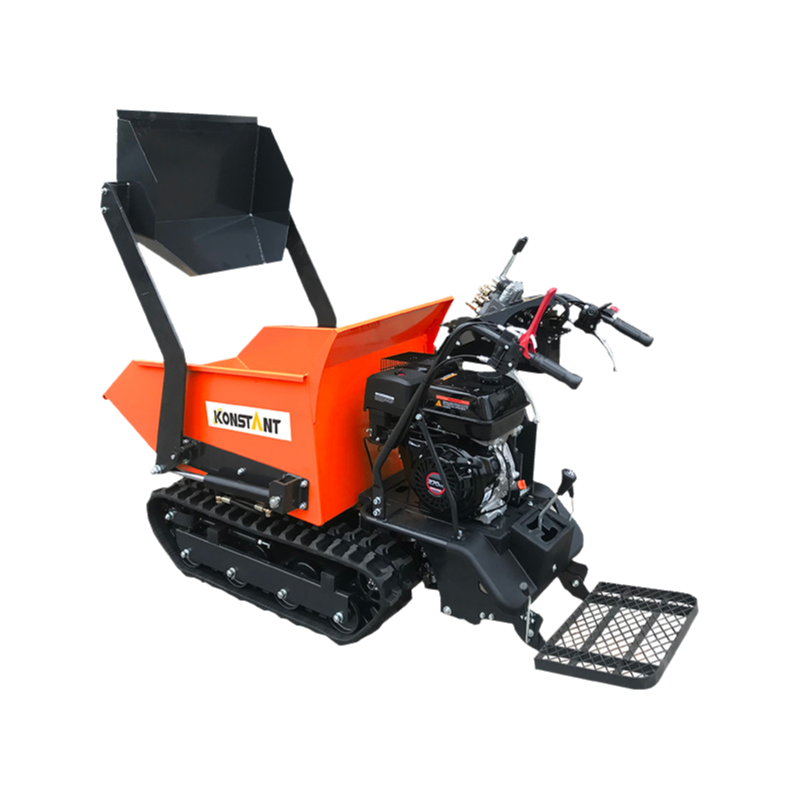
| High-tip bucket option | Easier emptying into skips/hoppers | Check tip height and locking mechanism |
| Sealed electrical connectors | Reduced water ingress failures | Request IP rating and connector spec |
| Modular attachments (forks, auger) | More versatile use, fewer machines needed | Verify mounting standards and torque limits |
| Pneumatic vs solid tyres | Traction vs puncture resistance | Get tyre spec and tread recommendations |
| Accessible grease points | Shorter servicing time | Ensure grease points are labeled and reachable |
| Track drive option | Better grip on soft ground | Validate track pitch and maintenance needs |
How to run a meaningful on-site demo or trial
Specifications tell part of the story. A short field trial tells much more. Here's a practical demo checklist to run on your site with your materials.
- Load and empty cycles: Run the machine through ten loaded trips over your typical route. Time the round trips, note operator comfort, and inspect the chassis and welds for signs of stress.
- Terrain variety test: Include ramps, tight turns, and at least one slope to test torque, braking, and stability.
- Charging/refueling routine: If electric, run one battery to half charge and then do a full charge cycle to see real timings. If combustion, measure time between fuel stops.
- Noise and vibration: Stand two meters from the operator and note typical noise levels in decibels; inspect for vibration transmitting into handles (which causes fatigue).
- Service access trial: Change a filter, check grease points, remove any covers that might need regular opening. If it takes too long, factor in labor cost for routine tasks.
- Operator feedback: Let multiple operators of different experience levels try the unit. Their reactions often reveal ergonomic issues or control quirks.
- Document issues: Take photos and notes. Minor concerns raised during demo should be part of contractual acceptance criteria.
A demo that uses your actual materials and routes is worth the extra time. It avoids the common mistake of buying on published specs alone.
Maintenance strategy: routines that save time and money
A simple, consistent maintenance routine prevents small problems from snowballing into machine-stopping failures. Here's a practical program to implement as soon as your fleet arrives.
Daily (end-of-shift)
- Wipe off mud and debris from the frame and motor housing.
- Check tyre pressure or track tension.
- Inspect for loose fasteners on critical joints.
- Confirm battery charge and note runtime hours.
Weekly
- Grease pivot points and inspect hydraulic hoses for chafe.
- Check belt tension and condition in drive assemblies.
- Tighten visible bolts and fasteners to torque specs.
Monthly
- Test brakes and emergency stops under moderate load.
- Inspect battery connectors and clean corrosion.
- Verify electrical fuses and look for heat discoloration around wiring.
Quarterly or by hours
- Replace wear parts (seals, belts) before they fail based on factory intervals.
- Flush hydraulic fluid if applicable and check for metal particles.
- Conduct a load test to ensure the chassis has not developed fatigue.
Document everything. A simple logbook or digital report that lists hours, issues found, and actions taken keeps maintenance predictable and can validate warranty claims if needed.
Spare parts and logistics: how to avoid long downtime
A broken tyre or worn drive belt should not mean a week out of service. Plan spare parts as deliberately as you plan crews.
- Keep consumables on hand. Tyres, filters, belts, seals, and common bolts are cheap relative to downtime. For fleets, a one- to two-week supply of consumables is prudent.
- Agree on times in writing. Ask suppliers to state realistic delivery times for critical items and hold them to it.
- Regional stocking. If a manufacturer does not have local spares, consider a distributor who holds inventory. Even a small regional stock reduces shipping delays.
- Standardize where possible. Choosing models that share parts across a fleet reduces the variety of spares you need. One tyre type for all units simplifies logistics.
- Consider repair kits. For common failures, a field repair kit (with replacement seals, o-rings, and grease) gets you mobile again quickly.
Proactive spare parts planning reduces emergency calls and keeps crews productive.
Training and safe operation: practical steps
Machines are safer and last longer when operators know how to use them properly. Training need not be elaborate; it should be practical and documented.
- Basic course (half-day): Controls, load balancing, tipping safety, and charge/refuel routines.
- Hands-on session: Operators practice in a controlled area with an instructor correcting bad habits.
- Checklists: A pre-shift checklist—lights, brakes, tyre condition, battery level—should be used daily.
- Incident reporting: A simple form for near-misses encourages learning and prevents repeat events.
- Refresher training: Short refreshers every six months or after incidents keep skills sharp.
Record training attendance and operator competency. If multiple crews share machines, this documentation avoids disputes after incidents.
Commercial considerations: warranties, contracts, and trials
Buying from a manufacturer is a commercial arrangement. Read contracts carefully and avoid vague promises.
- Acceptance criteria: Define the conditions under which a unit is accepted after delivery and testing. Include demo test results—don't accept machines that fail your trial.
- Warranty terms: Clarify what is covered, for how long, and what voids warranties (unauthorized modifications, misuse).
- Spare parts SLA: Insist on a spare-parts service-level agreement for critical components with explicit times.
- Pilot runs and pilot buy: For fleets, buying one or two units as a pilot can validate vendor claims before scaling procurement.
- Return and replacement policies: If a machine is unusable after short use due to manufacturing defect, have a documented path for replacement.
A clear commercial framework prevents misunderstandings and speeds remedial actions when things go wrong.
Finding manufacturers who can customize and support you
Not every maker will adapt a chassis to your constraints. If you need custom attachments, corrosion-resistant finishes, or different drive options, use these channels:
- Trade shows and industry fairs: See machines in person, ask tough questions, and arrange demonstrations.
- Industry referrals: Contractors often share suppliers who back their machines adequately.
- Authorized dealers: Regional dealers sometimes coordinate custom work with factories and handle local warranty processing.
- Direct factory discussions: For fleet buys, negotiate modifications directly with the manufacturer and document the changes formally.
When you need a custom solution, prepare a clear specification: duty cycle, materials, access constraints, environmental exposures. The clearer your brief, the more accurate the factory's proposal will be.
Checklist for procurement teams
Use this short checklist as a last-minute guide before you commit.
- Have you run a demo with your materials and your route?
- Did you confirm production documentation and part traceability?
- Are spare-part times clear and acceptable?
- Is the maintenance plan simple and practical for your crew?
- Have operators received hands-on training and a checklist?
- Does the commercial contract include acceptance criteria and SLAs?
Motorized wheelbarrows are deceptively simple machines that deliver real productivity improvements—when they are chosen and supported wisely. Prioritize manufacturers that combine disciplined production, clear documentation, practical design details, and rapid spare-part support. Run honest trials, plan maintenance, and train operators. Do those things and a small machine will repay its cost many times over in fewer trips, more reliable schedules, and less crew fatigue.
Related products

Latest Updates
-
What Types of Materials Can a Petrol Wheelbarrow Move
Moving material around a job site is just part of the work in a lot of outdoor trades. Constructio...
-
Why Does Terrain Matter When Choosing a Battery Operated Wheel Barrow
A Battery Operated Wheel Barrow can make material transport easier in many working environments. I...

-
Welcome To Visit Us
No.30, Third Furong Road, Wuxi City, Jiangsu. 214100, China.
-
Call Us
Phone: +86 181-1889-1139
Phone: +86 181-1889-2139
-
Contact Us Online
E-mail: sales@konstantpm.com
E-mail: marketing@konstantpm.com
Copyright WUXI KONSTANT POWER TECH CO., LTD All Rights Reserved
 China Mini Dumpers Manufacturers Power Wheelbarrow Factory