
 English
 русский
 Français
 Español
 Deutsch

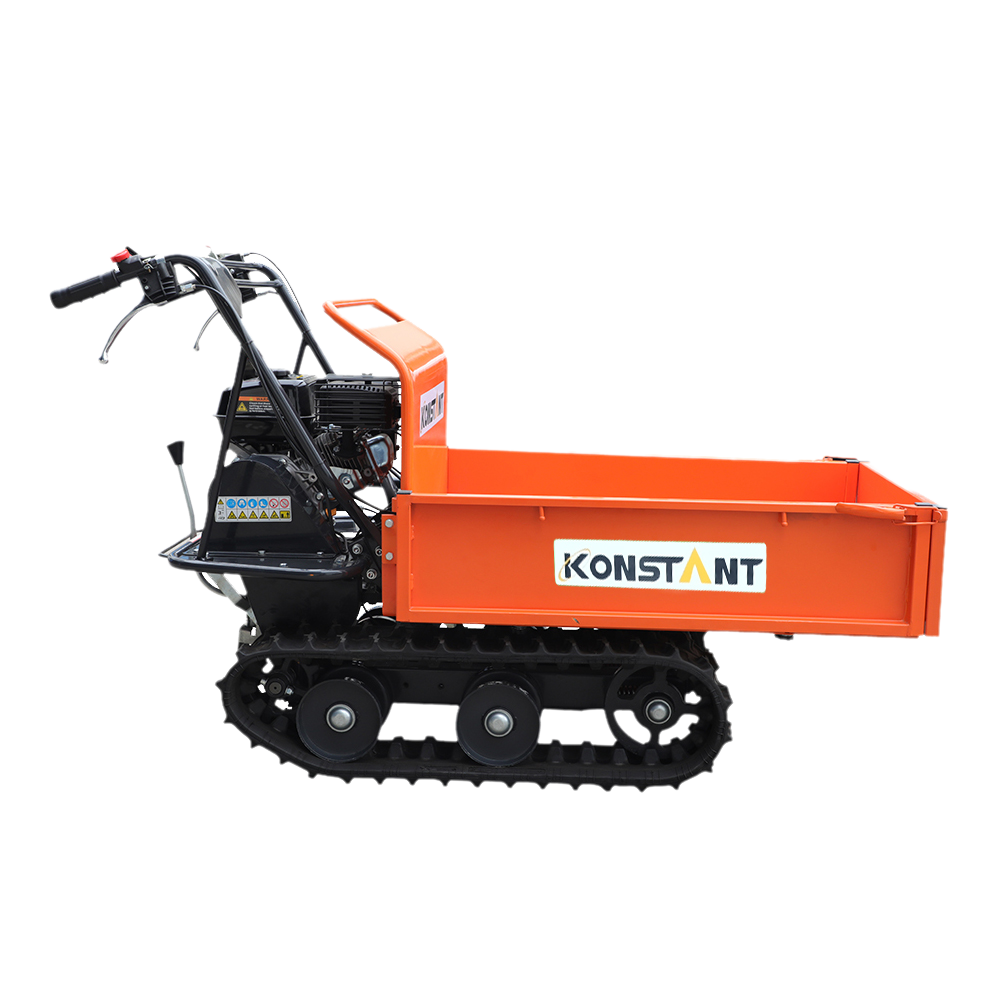
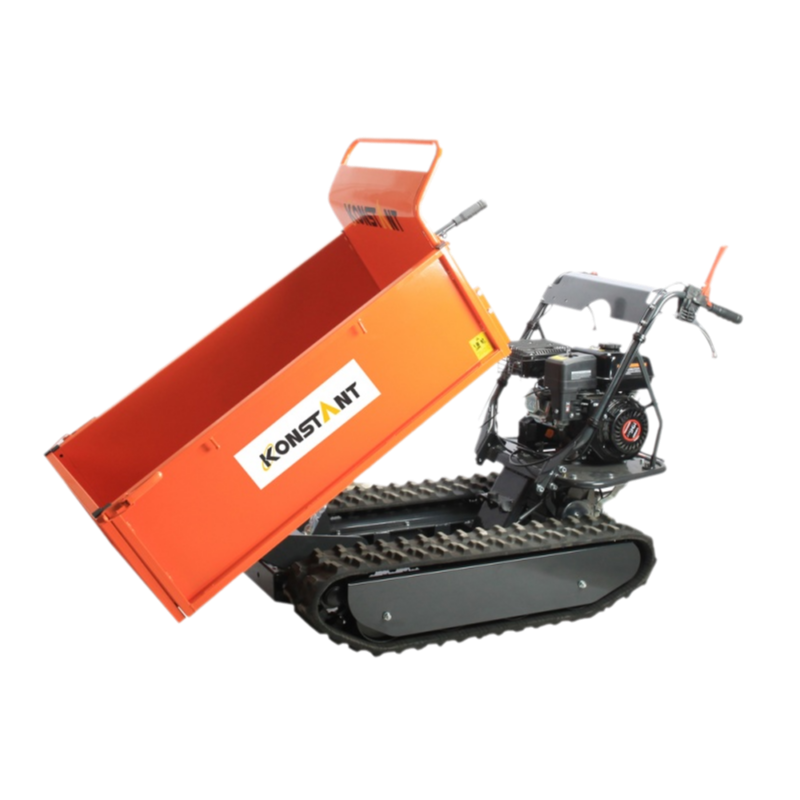
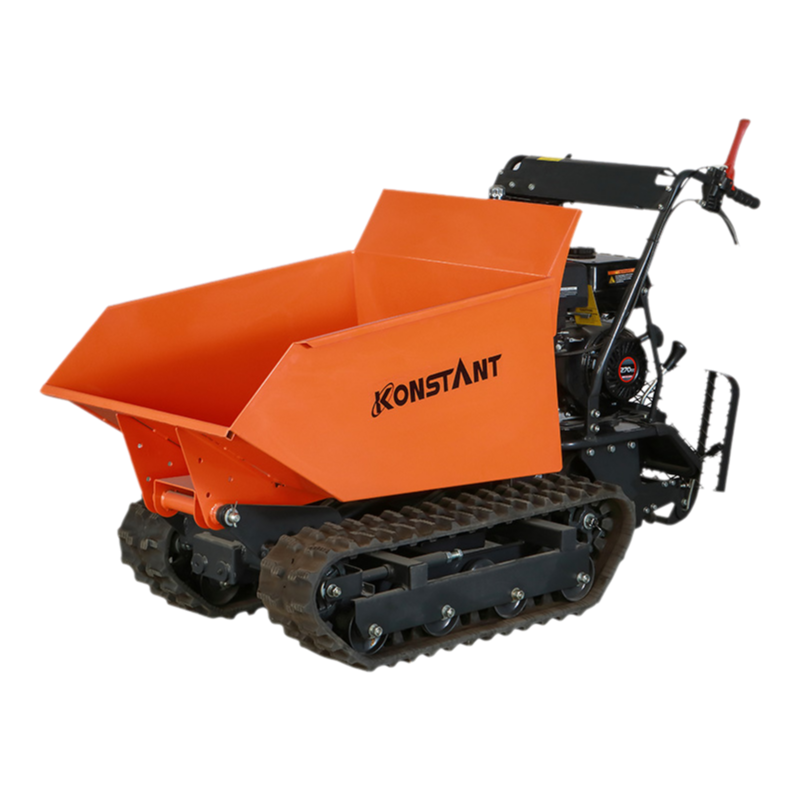
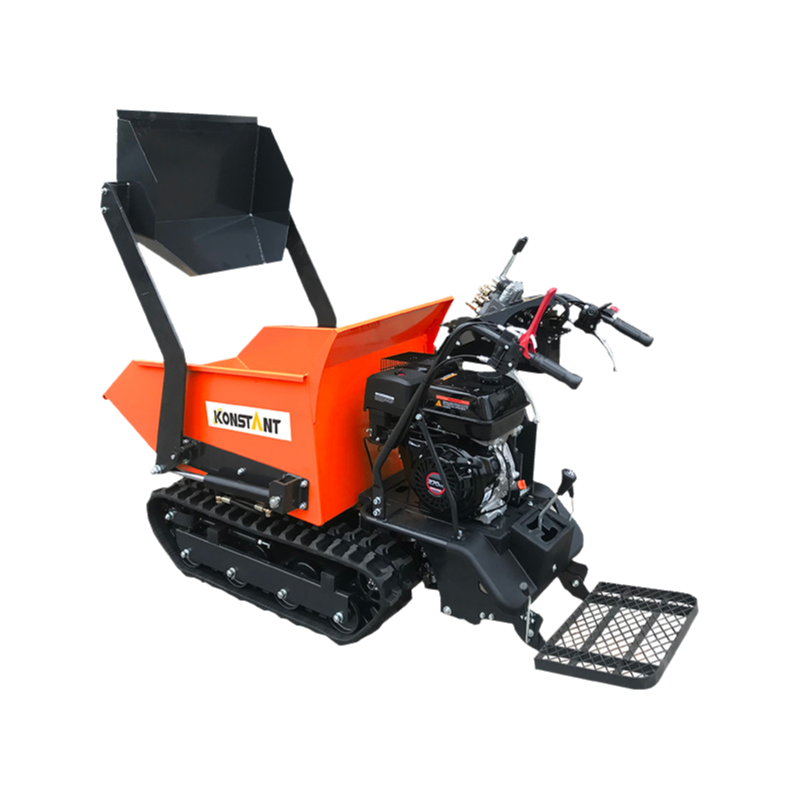
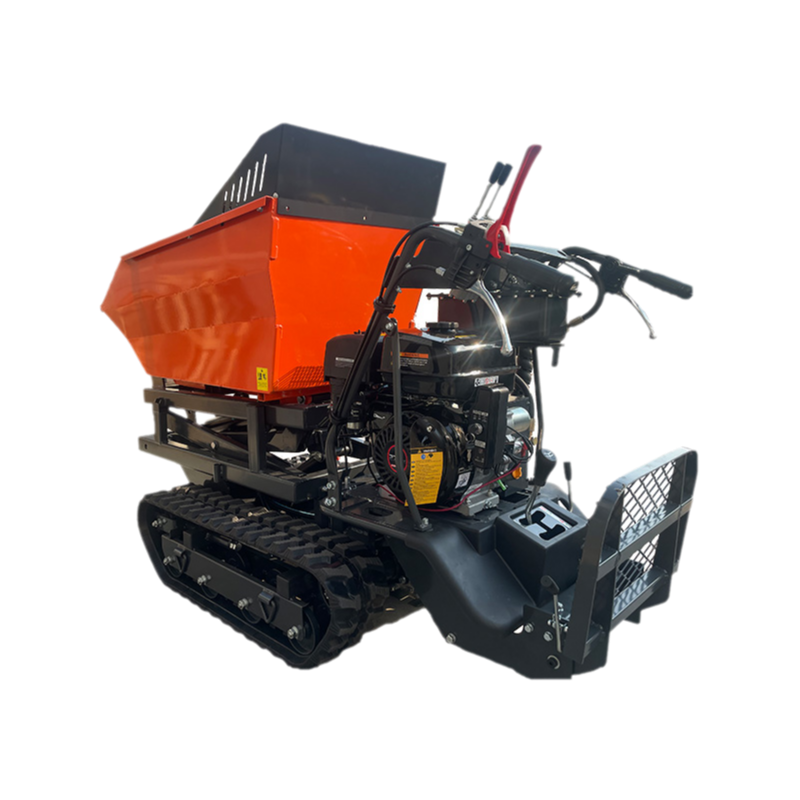
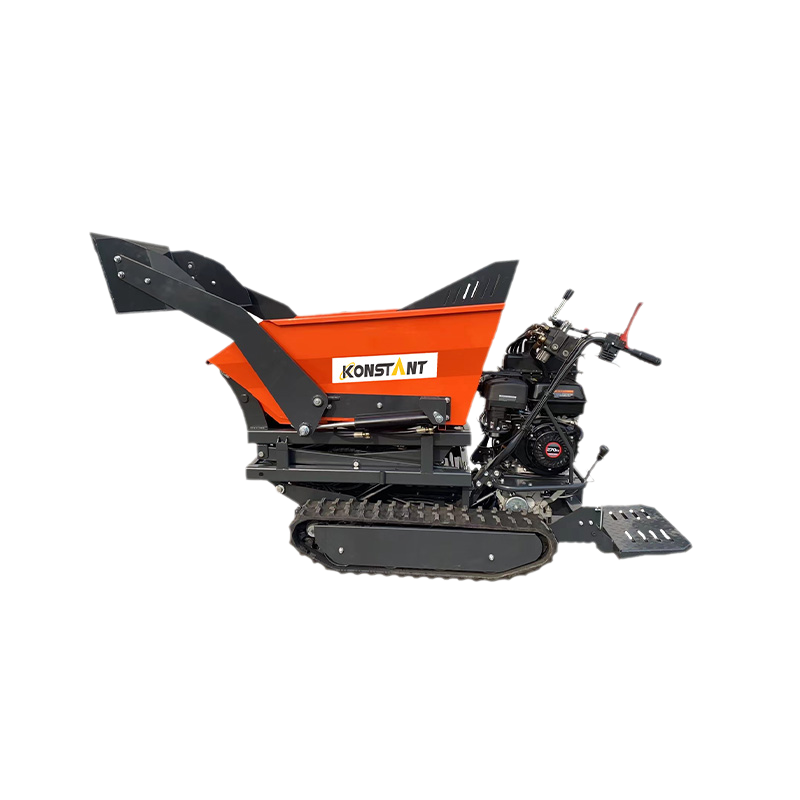
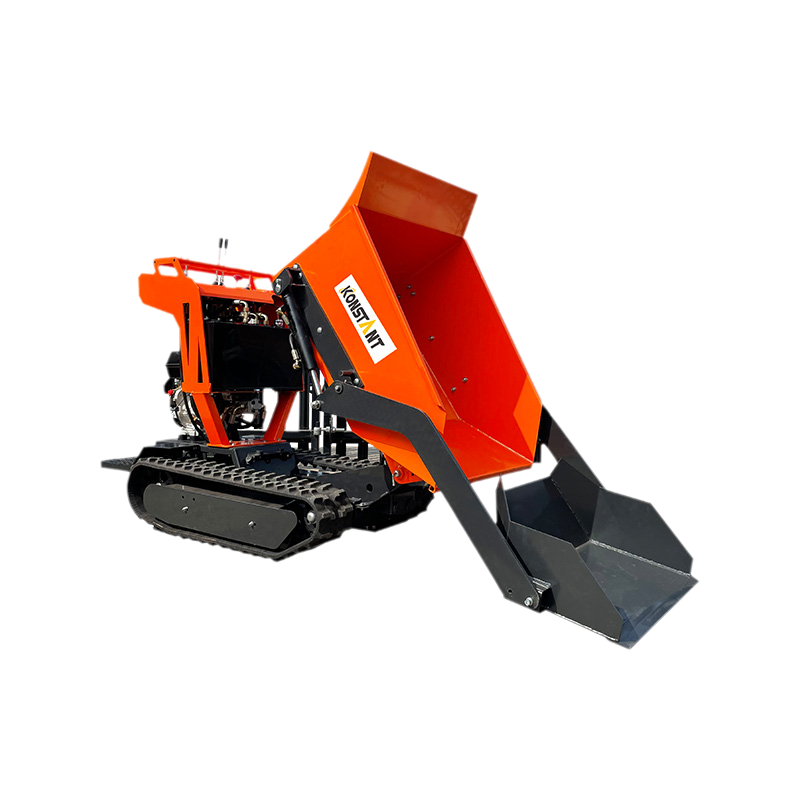
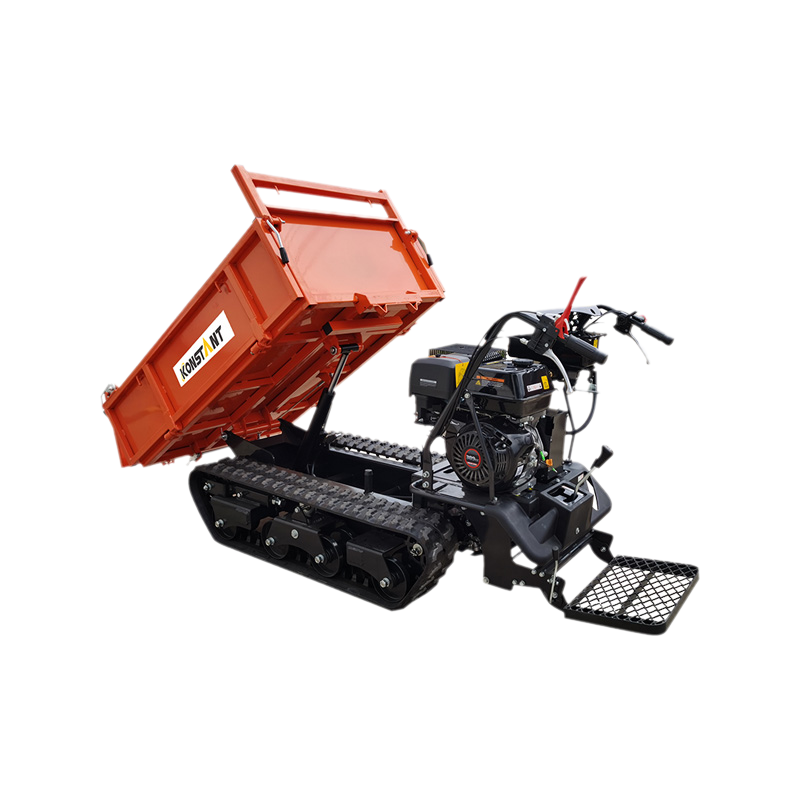
Provide you with the latest enterprise and industry news
What Makes an Electric Mini Dumper Practical on Job Sites
Update:30-01-2026
Posted by Admin
Content
- 1 How Electric Mini Dumper Fits into Modern Jobsite Workflows
- 2 Why compact electric transport matters now
- 3 What makes an electric mini dumper practical for small job sites
- 3.1 How electric mini dumpers handle tight spaces and challenging layouts
- 3.2 Which industries commonly use electric mini dumpers
- 3.3 Why contractors choose electric mini dumpers for urban projects
- 3.4 When an electric mini dumper is a better fit than fuel equipment
- 3.5 Practical tips for choosing the right electric mini dumper
- 3.6 Safety, operator training, and compliance
- 3.7 Cost considerations and total cost of ownership
- 3.8 Comparison table: matching scenarios to dumper features
- 3.9 FAQs contractors ask before buying
- 3.10 Fit the machine to the job, not the hype
How Electric Mini Dumper Fits into Modern Jobsite Workflows
Electric mini dumpers are changing how small and medium jobs manage material movement. Compact, quieter, and easier to maneuver than larger machines, they suit a wide range of sites where access, noise, and emissions are concerns. This guide explains practical reasons contractors and site managers choose electric mini dumpers, how they perform in tight spaces, which industries use them, why they make sense in urban projects, when they outperform fuel-powered alternatives, and how to pick the right model for a given workload. It includes hands-on selection tips, safety and maintenance advice, and a comparison table to speed purchasing decisions.
Why compact electric transport matters now
Material handling used to be a straightforward choice: a tracked dumper or wheelbarrow for small loads, a truck for large ones. Two current realities have shifted that calculus. First, sites are more constrained. Urban infill, renovations, interior fit-outs, and landscaped yards have narrow gates, tight corners, and fragile finished surfaces. Second, clients and regulators place growing emphasis on site impact: lower noise, reduced fumes, and less vibration keep neighbors and tenants happy and help meet local rules.
Electric mini dumpers solve both problems. They are designed to move payloads efficiently over short distances while fitting through standard gates and between obstacles. Because they run on battery power they eliminate tailpipe emissions at the point of use and operate at lower sound levels. For many contractors the result is a machine that increases daily productivity without complicating logistics.
What makes an electric mini dumper practical for small job sites
A few machine traits determine whether a dumper will be genuinely useful day to day.
Compact footprint and turning radius
Small sites reward machines that can turn in a limited space. Electric mini dumpers are typically narrower than garden tractors and have a tighter turning circle than conventional dumpers, enabling access through narrow gates and along terraces.
Balanced payload and frame design
A well designed chassis keeps the center of gravity low so the dumper handles uneven ground safely. Machines optimized for small sites carry practical loads without being heavy to lift, which reduces soil compaction and simplifies transport between locations.
Simple controls and single-operator operation
Most models use intuitive controls for forward, reverse, and tipping. Low training time matters when crews rotate among tasks. A straightforward control scheme reduces operator errors and speeds work.
Ease of transport
Lightweight options that fit on a small trailer avoid the need for a full truck and driver. A machine that can be moved easily between sites reduces idle time and the total cost of ownership.
Durability for rough conditions
Even small jobs have abrasive materials: rubble, wet soil, mixed debris. Choose machines with corrosion-resistant finishes in exposed components and sealed electricals to minimize service issues.
Taken together, these traits mean crews spend less time lifting, shuttling, and waiting, and more time completing billable work.
How electric mini dumpers handle tight spaces and challenging layouts
A machine's maneuverability is the feature contractors evaluate first. In confined environments, operator visibility, turning geometry, and load handling determine daily usefulness.
Narrow gates and stairwells
Some electric dumpers are engineered to fold or remove components for transport through tight passes. Others have slim profiles that clear standard gates. If access is via steps, consider tracked models or those with special attachments for stair climbing.
Indoor and semi-enclosed areas
Electrical operation removes combustion by-products, making these machines suitable for basements, warehouses, or indoor renovation works. Batteries produce no exhaust and electric motors emit less noise and vibration, which reduces disruption in occupied buildings.
Ramps, slopes, and uneven ground
Electric drivetrains offer consistent torque at low speeds, which helps hauling up shallow slopes. Careful specification of wheel type—pneumatic versus solid—affects traction and ground sensitivity. For steep or very uneven terrain, choose machines with a low center of gravity and secure tipping-locks.
Tight turning and load placement
A dumper that can pivot on a compact axis reduces the need for repositioning. For precise material placement near a foundation or within a landscaping bed, hydraulic tip control and responsive steering let operators position loads without repeated adjustments.
In practice, the machine is the one that matches access realities on day one rather than the spec sheet for ideal conditions.
Which industries commonly use electric mini dumpers
Electric mini dumpers have a place in a variety of sectors where material movement is frequent and space is restricted.
Construction and renovation
Small construction teams use them for moving sand, mortar, bricks, and debris. Interior fit-outs benefit from electric options for basement or indoor transfer where exhaust would otherwise be trapped.
Landscaping and horticulture
Nurseries, urban landscapers, and grounds maintenance crews value compact models that fit through garden gates and can deliver soil, mulch, or stone with minimal plant disturbance.
Municipal maintenance and parks
Crews working in parks and pedestrian zones select electric units to avoid noise and fumes in sensitive public spaces. The lower sound profile also reduces complaints during early-morning operations.
Agriculture and small holdings
Vegetable growers and small farmers use compact dumpers to shift feed, compost, and harvest material in narrow aisles.
Industrial facilities and warehouses
Where internal logistics involve short-distance shuttling, electric mini dumpers move materials safely without adding ventilation burdens.
Each sector emphasizes slightly different specs—tipping height, battery life, or wheel type—but the central benefit remains the same: efficient, localized movement without large machinery overhead.
Why contractors choose electric mini dumpers for urban projects
Urban jobs amplify two constraints: community sensitivity and access limitations.
Noise and working hours
Many municipalities limit work hours or set noise thresholds for construction. Electric units produce lower decibel levels than comparable combustion machines and permit work during periods when noise restrictions apply. That may help crews keep a schedule without special permits.
Emissions and indoor use
Electric propulsion eliminates onsite exhaust, which is essential for enclosed jobs and increasingly desirable when clients seek greener project credentials. For interior waterproofing or basement renovations, a battery-powered dumper is often the safest, simplest choice.
Reduced site footprint and maneuvering
Urban sites favor compact equipment that moves through gates and keeps lanes clear. Smaller machines reduce the need for blocking sidewalks or arranging temporary access closures.
Regulatory and client expectations
City authorities and property managers often prefer low-impact equipment. Demonstrating lower noise and no emissions can speed approvals and improve relations with neighbors.
These advantages translate into tangible scheduling and permitting benefits, reducing the administrative friction that otherwise delays small urban works.
When an electric mini dumper is a better fit than fuel equipment
Electric is not always the singular answer, but in specific conditions it outweighs fuel options.
Short-distance repetitive hauling
When materials are moved in many short cycles—such as moving spoil from a basement to a local skip—electric drivetrains excel. No refueling stops and instant torque suit frequent starts and stops.
Indoor or low-ventilation sites
Indoors or in tight ventilation contexts, electric units remove the need for complex exhaust control. That simplifies site setup and reduces ventilation costs.
Noise-sensitive environments
Work near residential windows or occupied premises benefits from quieter operation. Even a few decibels lower can prevent complaints.
Lower daily running complexity
Electric machines remove fueling logistics and reduce fire hazard from stored fuel. Charging can tie into existing site electrical infrastructure, and scheduled charging during breaks or off-hours keeps the machine available.
Shorter-term projects with frequent transport
If a team moves between small sites days, an electric dumper that is easy to transport, moves silently, and needs less onsite fuel management can be more economical in practice.
However, for very heavy duty, continuous long-haul tasks where refueling speed and range are critical, fuel machines may still be preferred. The choice depends on real-world duty cycles, not just advertised load capacity.
Practical tips for choosing the right electric mini dumper
Selecting equipment is a mix of matching machine capability to the primary tasks and preparing for edge cases. Use this shortlist as a practical buying guide.
Assess actual site access
Measure gate widths, stair openings, and narrow passages on site visits. Confirm the machine dimensions allow safe passage including trailer loading.
Match payload to daily cycle
Identify how many loads per day and the typical load weight. Machines listed with higher nominal payloads may still reduce productivity if they slow travel speed or require frequent charging.
Check tipping height and dump style
Different tasks need different dump geometries. High-tip models empty into dumpsters or hoppers; low-tip models discharge in-place. Pick the variant that matches your disposal or placement routine.
Consider wheels and ground interaction
Pneumatic tires offer better traction and cushioning. Solid tires reduce puncture risk in debris-heavy sites. Track-drive models may suit very rough or slippery conditions.
Plan battery strategy and charging infrastructure
Confirm battery capacity and realistic runtime under load. Establish charging routines—spare batteries, onsite charging stations, or swapping schedules—to avoid idle time.
Inspect maintenance accessibility
Look for machines with simple access to service points—the more quickly seals, filters, and electrical connections can be checked, the faster routine work and repairs happen.
Ask about attachments and versatility
Some models accept forks, buckets, or auger systems that broaden the machine's usefulness. Consider future-proofing by selecting a chassis that supports modular add-ons.
Review transport and storage logistics
Confirm whether the machine fits existing trailers or if special loading gear is required. Lightweight, compact machines avoid added transport expense.
Validate service and spare parts supply
Fast local support and reasonably priced spares limit downtime. Ask potential suppliers about typical times and common consumables.
Field-test before full commitment
If possible, arrange a short rental or demo on site with your typical load material. Real use highlights issues that specs alone won't reveal.
This checklist focuses on how the machine will be used each day rather than on a single specification.
Safety, operator training, and compliance
Electric mini dumpers introduce control simplicity, but safety still matters. Address the following to minimize incidents.
Operator training
Provide hands-on training sessions covering control use, load balancing, tipping procedures, emergency stop, and battery handling. Training should include maneuvering in representative confined spaces.
Load security and tipping avoidance
Train operators to center loads, avoid sudden turns with a raised bed, and follow the manufacturer's rated capacities. Use weight limits conservatively when ground is uneven.
Battery handling and electrical safety
Follow manufacturer guidance for charging, storage temperature range, and battery transport. Lithium batteries require specific charging protocols and fire safety planning; lead-acid batteries need ventilation and spillage precautions.
Ground protection and site safety
In sensitive landscapes or finished floors, use trackpads or wide tires to reduce surface damage. Plan for crossing thresholds and avoid steep, slippery slopes.
Maintenance safety procedures
Lock out power before service. Regularly inspect electrical connections and charging cables for wear. Replace damaged components promptly.
Regulatory compliance
Check local rules on battery storage, charging outdoors, and transporting lithium batteries. Some jurisdictions require specific documentation or fire suppression provisions.
A strong safety program combines formal training, practical on-the-job supervision, and regular equipment checks.
Cost considerations and total cost of ownership
Initial price is only one part of the economic picture. Total cost of ownership includes fuel or electricity costs, maintenance, transport, downtime, and residual value.
Electric operating costs
Electricity cost per shift is typically lower than equivalent diesel fuel costs for the same duty, and simpler charging logistics reduce downtime between fills. Factor in charger efficiency and real-world duty cycles.
Maintenance and wear parts
Electric motors have fewer moving parts than internal combustion engines, which can reduce routine maintenance. Still, tracks or wheels, hydraulic systems, and electronics require service. Compare maintenance schedules and warranty terms.
Depreciation and resale
Compact machines that remain in demand in your area retain value. Track the resale landscape so you can plan replacement cycles and recoup part of the purchase.
Financing and tax incentives
Some regions offer incentives for electric equipment or preferential leasing terms. Check local schemes, which can shift the purchase calculus.
Operational productivity gains
Evaluate the productivity impact: fewer trips, less rework, and faster site cycles save labour hours and may reduce total project cost, often outweighing differences in upfront price.
A practical approach is to build a three- to five-year model that includes energy, service, downtime cost and expected resale to inform procurement decisions.
Comparison table: matching scenarios to dumper features
| Work Scenario | Key Constraints | Recommended Dumper Features |
|---|---|---|
| Small urban renovation | Narrow access, low noise tolerance | Narrow chassis, low decibel motor, electric drive, compact trailerable |
| Landscaping in gardens | Sensitive ground, varying terrain | Wide pneumatic tyres, low ground pressure, modest payload |
| Basement excavation | Indoor use, low ventilation | Battery power, compact height, non-marking tyres |
| Roadside maintenance | Frequent on/off trips, public exposure | Quick charge or spare battery, easy towing, bright safety lights |
| Small farm chores | Mixed materials, rough paths | Robust chassis, tracked option or large tread tyres, high torque |
| Event setup/tear-down | Fast transport between sites | Lightweight, foldable or modular design, rapid charging |
FAQs contractors ask before buying
How long will a charge last under load
Runtime depends on payload, terrain, and driving style. Real-world runtimes often differ from manufacturer claims. Ask for demo testing under your typical load patterns.
Are spare batteries practical
Having a spare battery can extend operational time, but factor in spare battery cost, charging space, and handling needs. For many crews, a swap strategy is effective.
Can these machines tow other equipment
Many models accept small trailers or implements but check coupling ratings and local transport rules. Never exceed rated towing or towing on steep slopes.
What about theft and site security
Electric machines are valuable and compact. Use immobilizers, secure storage, and GPS trackers for high-value sites or overnight storage.
Is operator certification required
Requirements vary. Provide documented in-house training and retain records. For rental operations, validate operator competence before handover.
These practical answers help procurement teams move from interest to shortlist quickly.
Fit the machine to the job, not the hype
Electric mini dumpers are practical tools where space, noise, and emissions matter. They yield real productivity gains on short-haul, repetitive tasks, and reduce onsite complexity compared with fuel-based alternatives. The right choice depends on honest analysis of site access, typical loads, and daily cycles. Test in your conditions, plan charging and maintenance, and invest in operator training. When those elements are aligned, a compact electric dumper becomes an everyday asset that saves time and simplifies work on small-to-medium projects.
Related products

Latest Updates
-
Can a Hydraulic Mini Dumper Improve Material Movement on Uneven Ground
Material movement is part of almost every outdoor project. Construction crews move soil and debris...
-
What Factors Influence the Choice of a Mini Dumper Power Barrow
Moving materials is a routine part of construction, landscaping, agriculture, renovation, and othe...

-
Welcome To Visit Us
No.30, Third Furong Road, Wuxi City, Jiangsu. 214100, China.
-
Call Us
Phone: +86 181-1889-1139
Phone: +86 181-1889-2139
-
Contact Us Online
E-mail: sales@konstantpm.com
E-mail: marketing@konstantpm.com
Copyright WUXI KONSTANT POWER TECH CO., LTD All Rights Reserved
 China Mini Dumpers Manufacturers Power Wheelbarrow Factory