
 English
 русский
 Français
 Español
 Deutsch

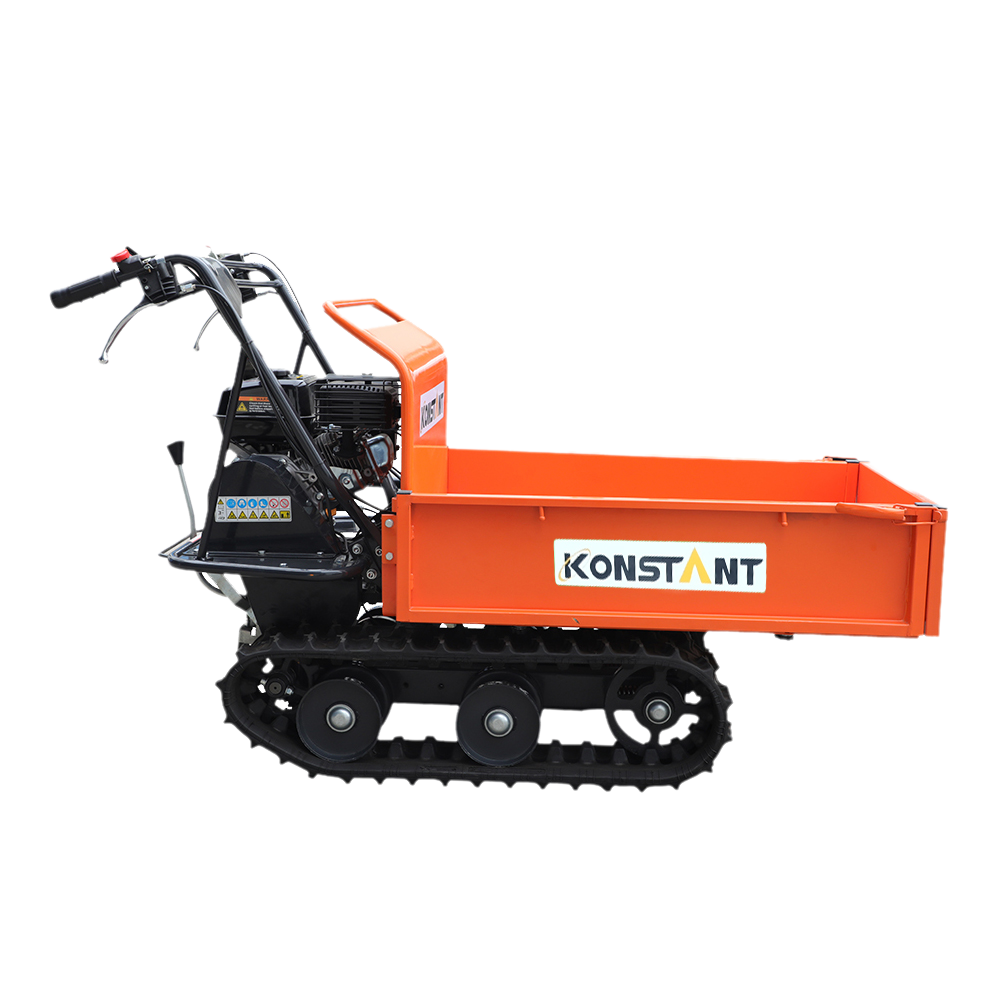
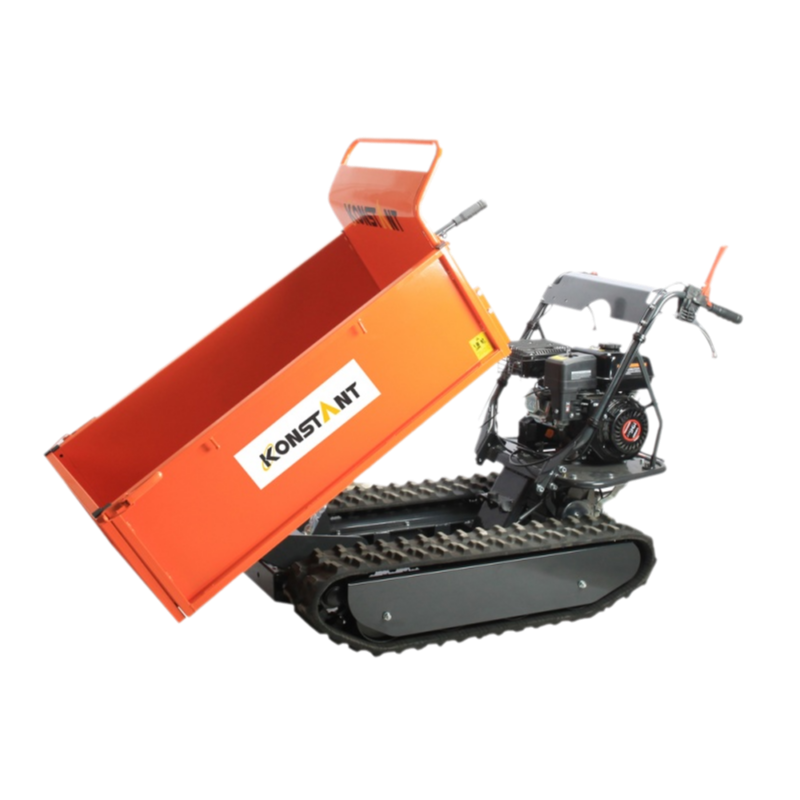
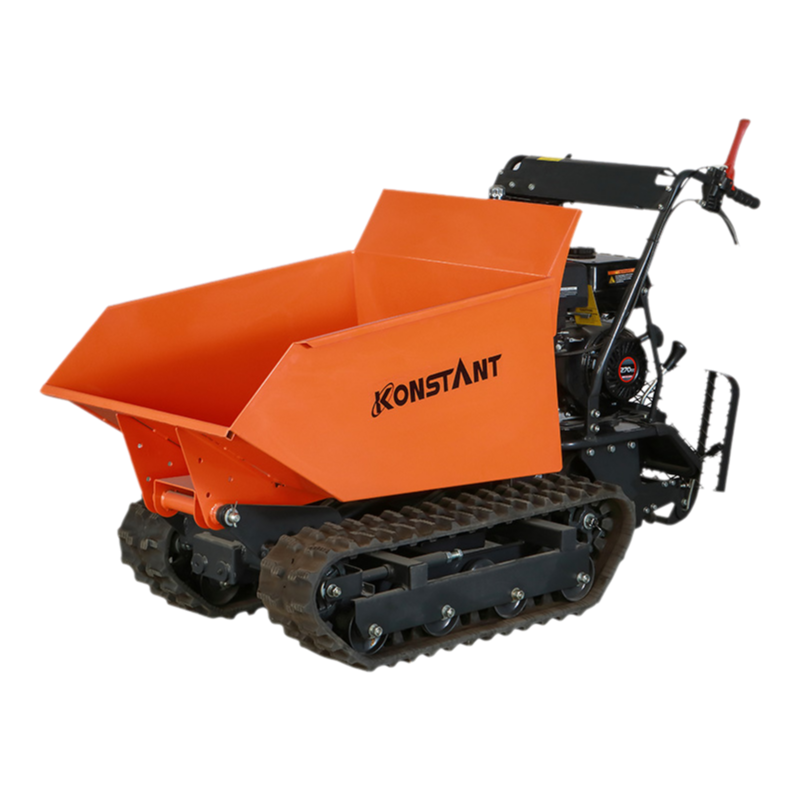
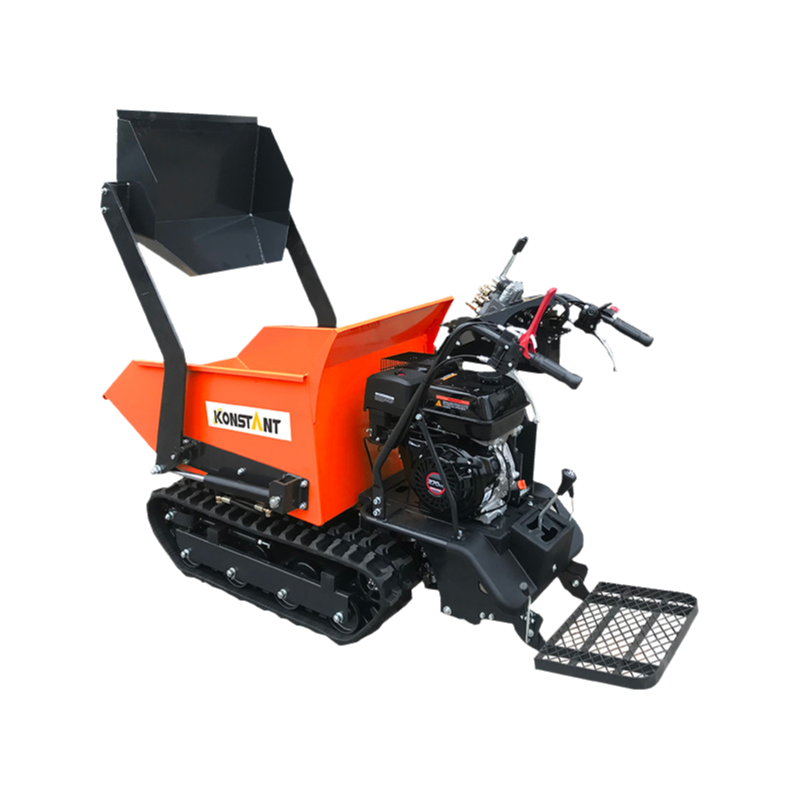
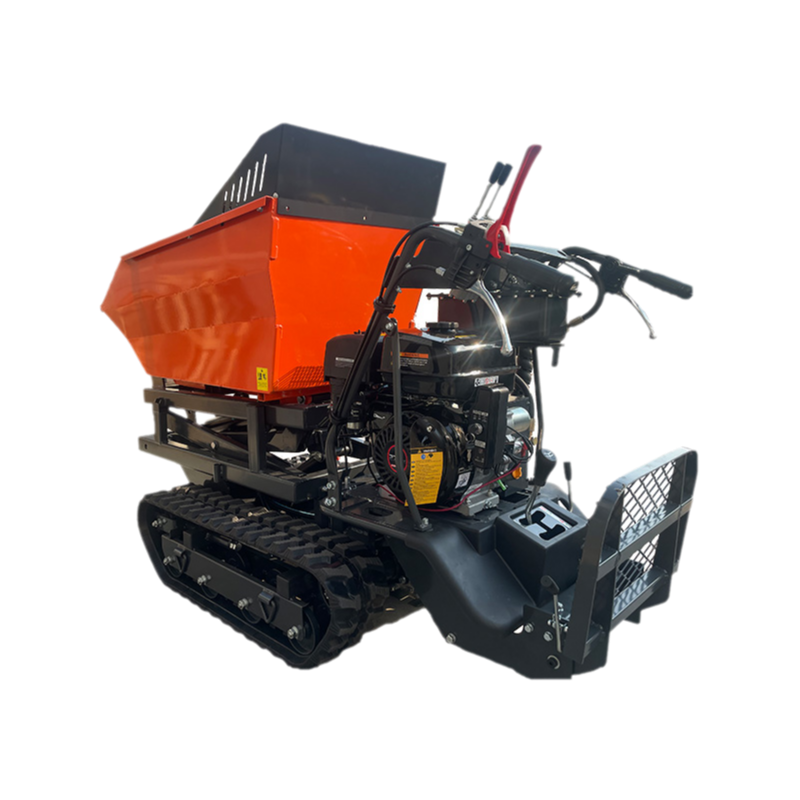
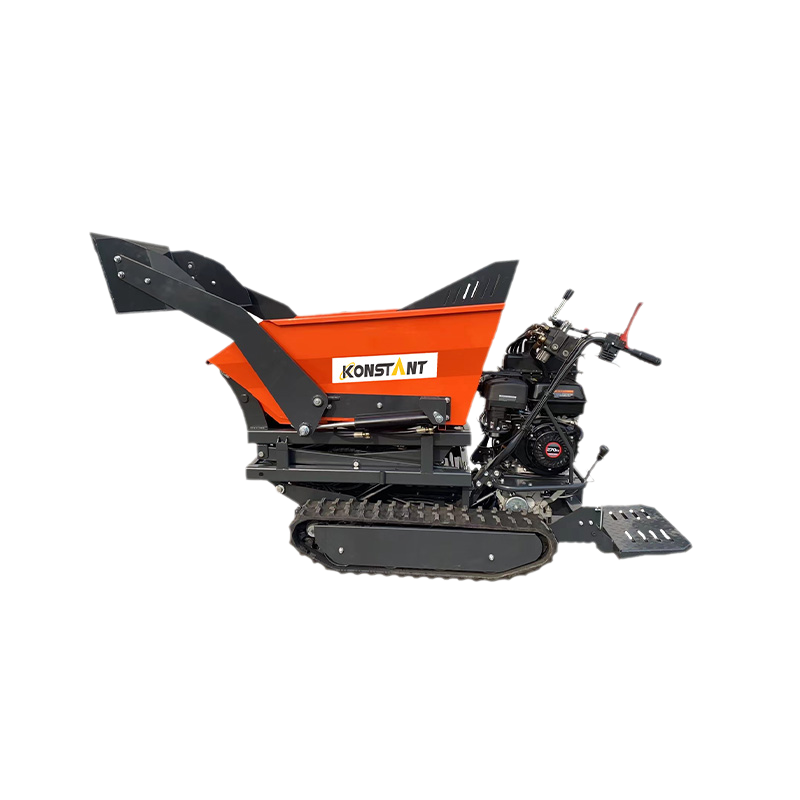
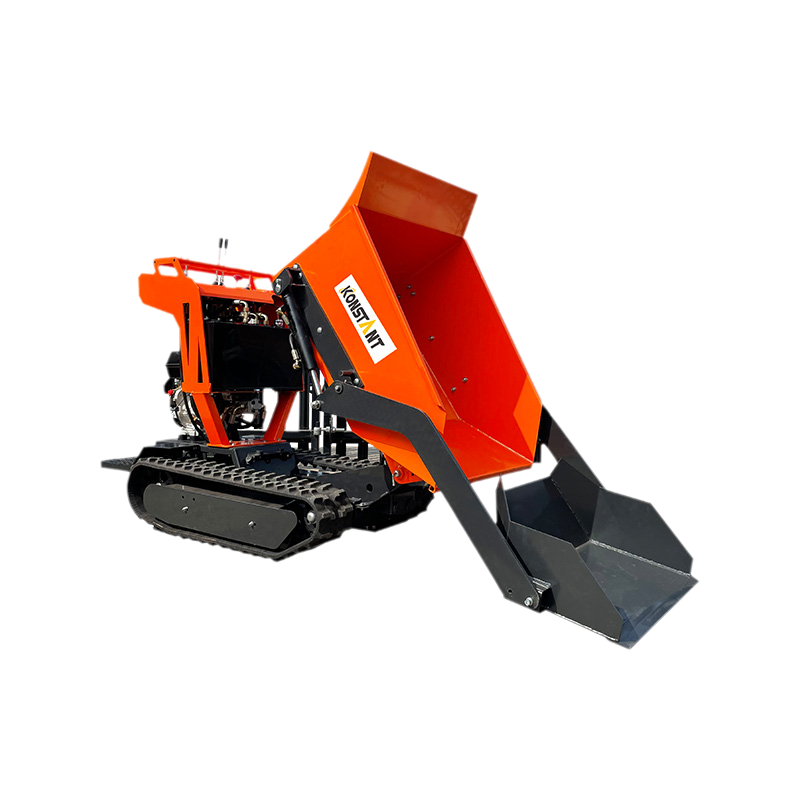
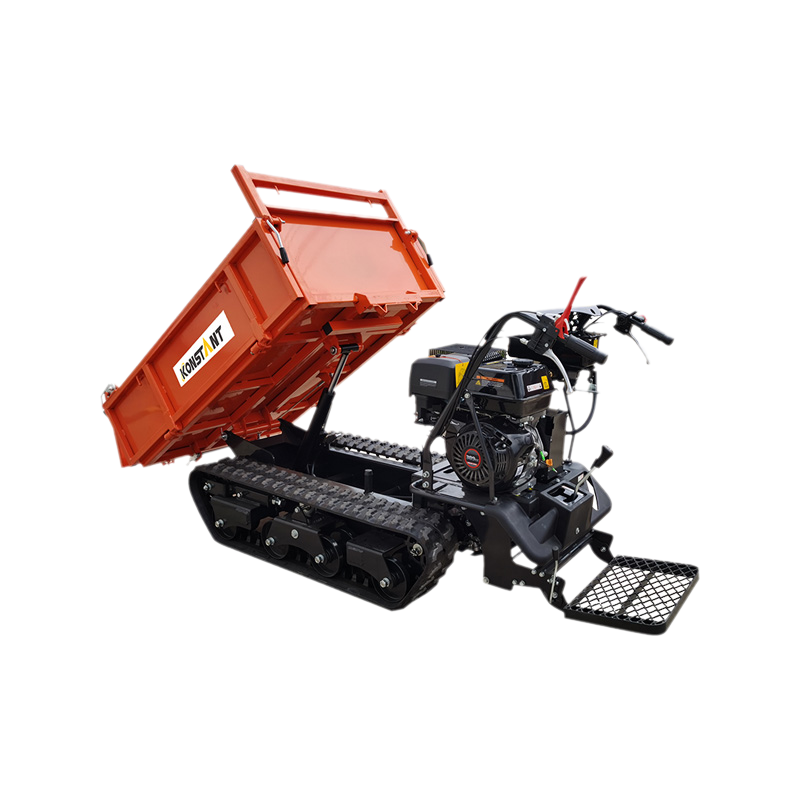
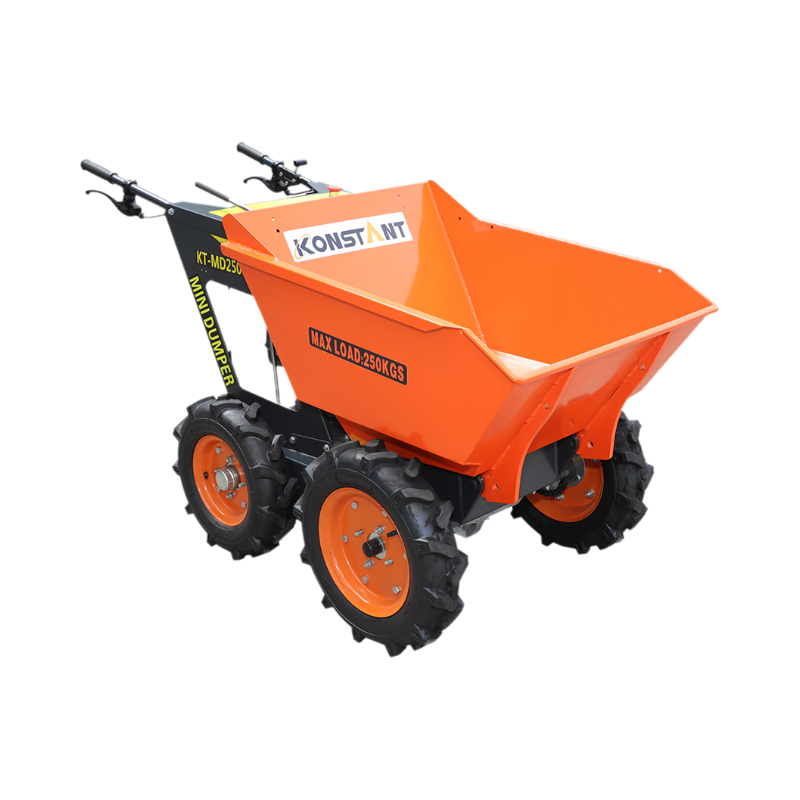
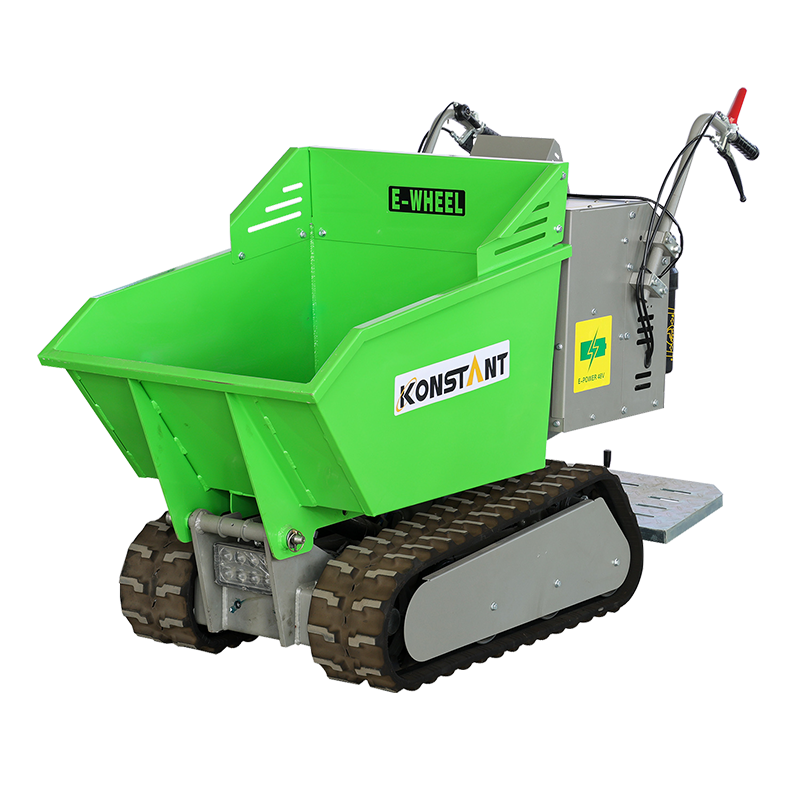
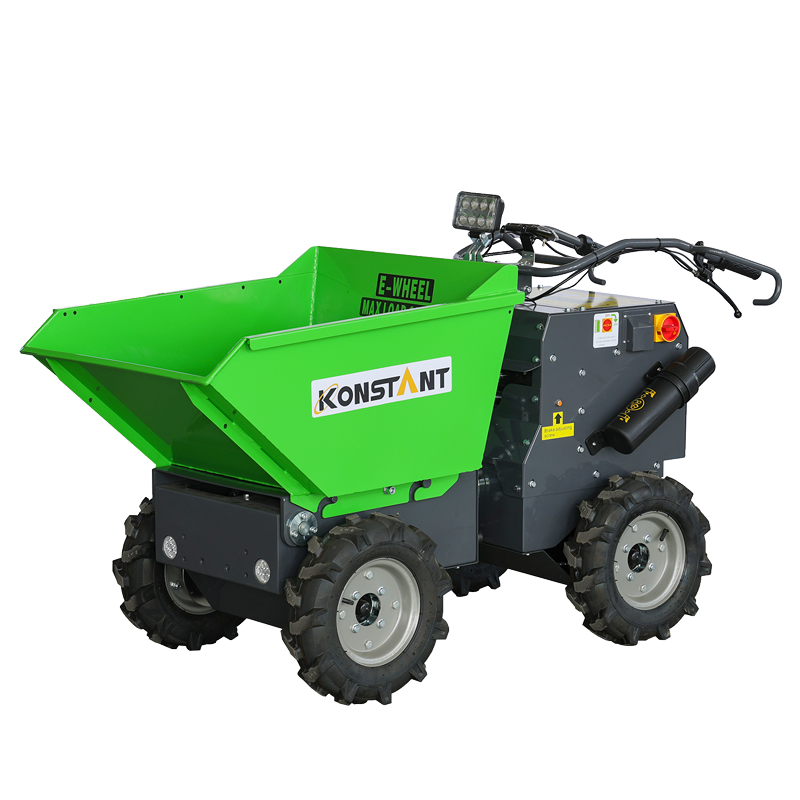
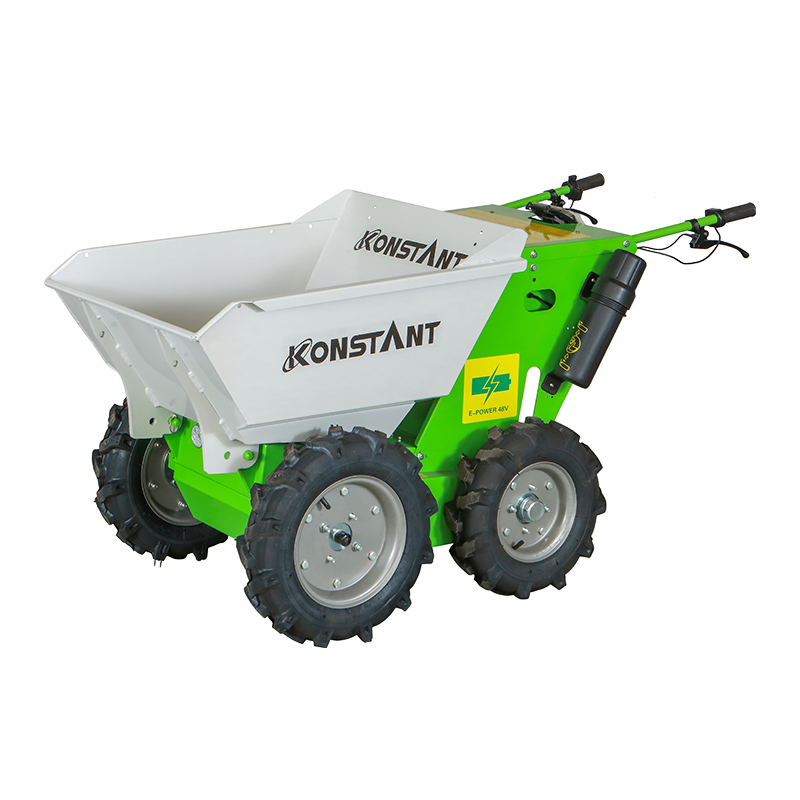
Provide you with the latest enterprise and industry news
Does an Electric Powered Wheel Barrow Mini Dumper Improve Efficiency
Update:13-03-2026
Posted by Admin
Content
- 1 Why an Electric Powered Wheel Barrow Mini Dumper Makes Site Life Easier
- 2 The moral: the machine is only as useful as the processes that surround it.
- 3 The five-minute startup routine every operator should memorize
- 4 Daily, weekly, monthly maintenance rhythms that actually work
- 5 Troubleshooting: the ordered checklist to follow when things go wrong
- 6 Handling slopes and uneven ground — safe technique, not heroics
- 7 Battery care that keeps you working longer
- 8 Storage and transport — small choices that prevent damage
- 9 Simple training plan that sticks
- 10 Procurement checklist — what to ask for
- 11 Small changes that deliver big returns
- 12 Case fix that cost little but worked well
- 13 Paste into your morning brief
- 14 Keep it human, and the machine will follow
Why an Electric Powered Wheel Barrow Mini Dumper Makes Site Life Easier
An Electric Powered Wheel Barrow Mini Dumper is one of those tools that quietly changes a workday. Put one on a site with the right routines and people, and the crew moves more material, gets fewer aches, and finishes tasks faster. Put one out without thought, and you'll watch operators push limits, batteries die at the worst moment, and small inefficiencies turn into lost hours. This piece is written for the people who actually live with these machines — site managers, foremen, landscaping contractors, rental house staff, and workshop engineers — and it focuses on practical, field-proven advice. No marketing fluff, just things you can use tomorrow.
A short story from a job that sums it up
A small landscaping crew took on a garden reboot with a tight timetable. They were given a compact electric dumper with a modest battery and a single operator who hadn't used the model before. On day one, they left the unit outside overnight, shoved it into use cold the next morning, and ran hard until the battery sagged mid-afternoon. The crew limped through the last half of the job, swapping manual wheelbarrows and losing time.
On day two they changed tack: the dumper was charged in a sheltered spot overnight, warmed slowly in the morning, the operator followed a short startup checklist, and they rotated the battery with another charged pack during lunch. The dumper ran the critical runs, the operator saved his strength for detail work, and the job finished on time.
The moral: the machine is only as useful as the processes that surround it.
What this machine actually does
Call it a powered wheelbarrow or a mini dumper — either way, the unit's job is simple: move loads safely and with less human strain. It does not replace planning, site prep, or basic safe practices. It makes repetitive transport easier, reduces the number of trips, and cuts operator fatigue when used correctly.
Key practical roles:
- Replace repeated shoulder-slogging with arms-and-control-focused work.
- Carry awkward or heavy loads up and down paths where larger machinery cannot access.
- Deliver materials to tight spots without repeated manual handling.
Limitations you should accept up front:
- Battery range (real-life use) and charge time matter; plan for them.
- Slopes and loose ground change behaviour — safe methods beat quick hacks.
- The dumper reduces but does not eliminate the need for good manual handling practice.
The five-minute startup routine every operator should memorize
Make this a ritual. It's short and prevents more problems than a day's worth of fixes.
- Visual check — quick walk around: look for obvious damage, debris caught in wheels, or loose fittings.
- Battery check — confirm the battery is charged and connected properly; ensure charger area is tidy and dry.
- Controls check — cycle the drive control and dumper function at low speed to confirm responsiveness.
- Safety check — ensure guards are in place, emergency stop is functional, and brakes behave predictably.
- Warm-up — if it's cold, let the machine idle gently for a short period while the battery and motor stabilize.
This routine takes less than five minutes, and the tiny investment of time avoids the bigger cost of a stuck job.
Daily, weekly, monthly maintenance rhythms that actually work
You don't need an expensive maintenance plan to keep units running. Use a simple rhythm and a short log.
Daily
- Check battery state and visual condition.
- Inspect tires/wheels for lodged debris and correct pressure or tension if adjustable.
- Wipe down grime from controls and visible hydraulic or mechanical joints.
- Confirm dump mechanism works smoothly at low speed.
Weekly
- Inspect fasteners and visible bolts; tighten loose ones.
- Clean battery terminals and inspect cables for wear.
- Check brake function thoroughly.
- Grease pivot points if the machine has grease nipples.
Monthly
- Check hydraulic fluid condition (if equipped) and top up if indicated by the manual.
- Inspect the charge station and cables for wear and replace worn leads.
- Confirm wheel bearings and axles show no unusual play.
- Run a short load test to validate lifting and dumping under realistic conditions.
Record these items on a laminated form kept with the machine. A one-line entry each day — name, date, state OK or note — makes follow-up simple.
Troubleshooting: the ordered checklist to follow when things go wrong
When a problem happens, follow this ordered checklist. It avoids replacing parts that were not the root cause.
- Is the battery actually charged and properly seated? Check the indicator and remove/reseat if needed.
- Are the drive controls sending commands? Confirm the throttle or joystick moves and returns; check the deadman switch.
- Any fault lights or error codes? Consult the manual; many errors are simple interlocks.
- Is there an obvious mechanical jam? Look under the unit — stones and debris in the drive train are common.
- Check hydraulics visually (if present): leaks, low fluid or disconnected hoses explain many dumping problems.
- Listen to the motor: a whining or grinding can indicate motor load issues, worn bearings, or belt slip.
- Swap batteries: a suspect battery can mimic motor faults. If a fresh battery cures it, retire and test the old battery.
Do these in order. Most failures are battery, controls, or simple jams.
Handling slopes and uneven ground — safe technique, not heroics
Slopes are where operators get into trouble. Use predictable, simple techniques.
- Plan the load: keep heavy material low and balanced toward the center. A high, off-centre pile is a tipping hazard.
- Drive straight up and down whenever possible; traverse slopes only when necessary and extremely slowly.
- Descend facing downhill with controlled braking; avoid sudden braking which shifts the center of mass forward.
- Use a walking pace when negotiating rough terrain; trust traction rather than speed.
- When dumping on a slope, choose a level spot or move the unit to a more stable area if possible.
Teach these habits in short, practical sessions during toolbox talks.
Battery care that keeps you working longer
Batteries are your consumable. Treat them like a vital tool, not a mystery.
- Charge in a protected area away from rain, direct sun, or freezing cold. Batteries last longer when kept in moderate conditions.
- Avoid full deep discharge routinely; recharge before charge lamps flash fully depleted.
- Rotate batteries if you have spares: it evens wear and avoids having a single pack always drained.
- Follow the manufacturer's charge cycles — quick top-ups are preferable to long, irregular recharges when recommended.
- Store batteries partially charged for longer-term storage.
If a battery shows rapid capacity loss, tag it and schedule testing; don't gamble mid-job.
Storage and transport — small choices that prevent damage
Where and how you store the unit matters for readiness.
- Indoor storage is best: dry, ventilated, and safe from vandalism.
- If outdoor storage is unavoidable, keep the dumper covered and off the ground where possible. Long exposure to wet or salty air accelerates corrosion.
- Secure the dumper during transport; use tie-downs to prevent tipping in transit.
- Protect the charge points and connectors with caps during storms or dusty work.
- Label the control panel with the last maintenance check date; this avoids accidental use of a unit mid-repair.
Small investment in a decent cover and organized charging corner repays with fewer surprises.
Simple training plan that sticks
You don't need a university course to get competent drivers. A focused, two-hour program plus a supervised shift usually does it.
- Classroom — controls, safety, and key limitations (slope rules, battery basics).
- Hands-on — controls practice, loading/unloading exercises, and safe dumping drills.
- Job shadow — the trainee works under supervision on real tasks.
- Short assessment — sign-off card covering startup routine and five safety behaviors.
Keep the materials short and visual: laminated start cards and a quick troubleshooting flowchart on the machine.
Procurement checklist — what to ask for
When you buy or spec a dumper, get written answers to these points so bids are comparable.
- Nominal payload and usable tipping capacity — not marketing numbers, but what the manufacturer recommends for safe use.
- Battery type, expected cycles, and warranty coverage — ask for manufacturer test conditions.
- Service and support options — on-site start-up help or local reseller availability matters.
- Accessories available: extra batteries, chargers, cover, and transport brackets.
- User manual and maintenance guide — ensure these are included in digital and paper form.
- Training support — does the supplier offer short starter sessions?
- Safety features — brake type, emergency stop behavior, interlocks.
Small changes that deliver big returns
Try these practical tweaks and measure the effect.
- Label batteries with dates and keep a rotation board — reduces downtime when a pack fails unexpectedly.
- Insulate the charging area in cold climates — a modest investment reduces charge time variance.
- Use quick-release no-tool panels for cleaning the undercarriage — saves an hour per week.
- Keep a small spare-parts kit with you on big jobs: a set of wheel bolts, fuses, and hose clamps fixes many on-site stops.
- Run short debriefs after each job to collect operator notes on battery life, handling, and any odd noises.
These actions require tiny budgets and small habit changes, but they cut many common stoppages.
Case fix that cost little but worked well
On a restoration job, a crew kept having the dumper stall when navigating rubble. The fix was simple: they fitted a larger, softer tread rear wheel from a local supplier and adjusted luggage straps to secure the load. That single change kept traction higher, reduced stalls, and saved hours of interruption per day. Sometimes inexpensive, site-focused fixes outperform major retrofits.
Paste into your morning brief
- Battery charged and seated; spare battery available.
- Five-minute startup routine completed.
- Load planned and balanced before moving.
- Slope plan confirmed and speed limits set.
- Operator signed off on the start card.
- Daily log entry recorded (operator name, hours, any faults).
Keep it human, and the machine will follow
Electric mini dumpers reward consistency more than cleverness. The machines themselves are robust; what breaks is the surrounding human routine: rushed starts, poor storage, ignored batteries, and no spares. Tighten the human side — training, a short startup card, a spare battery, and a simple maintenance rhythm — and the unit will pay for itself in reduced fatigue, fewer trips, and faster completion.
Related products

Latest Updates
-
What Makes a Small Tracked Dump Truck Practical for Construction Work
Short-distance movement of soil, sand, gravel and demolition debris is a constant requirement on man...
-
What Causes Reduced Performance in an Electric Mini Dumper
Electric mini dumpers sometimes lose speed, range or climbing ability after a stretch of ordinary us...

-
Welcome To Visit Us
No.30, Third Furong Road, Wuxi City, Jiangsu. 214100, China.
-
Call Us
Phone: +86 181-1889-1139
Phone: +86 181-1889-2139
-
Contact Us Online
E-mail: sales@konstantpm.com
E-mail: marketing@konstantpm.com
Copyright WUXI KONSTANT POWER TECH CO., LTD All Rights Reserved
 China Mini Dumpers Manufacturers Power Wheelbarrow Factory