
 English
 русский
 Français
 Español
 Deutsch

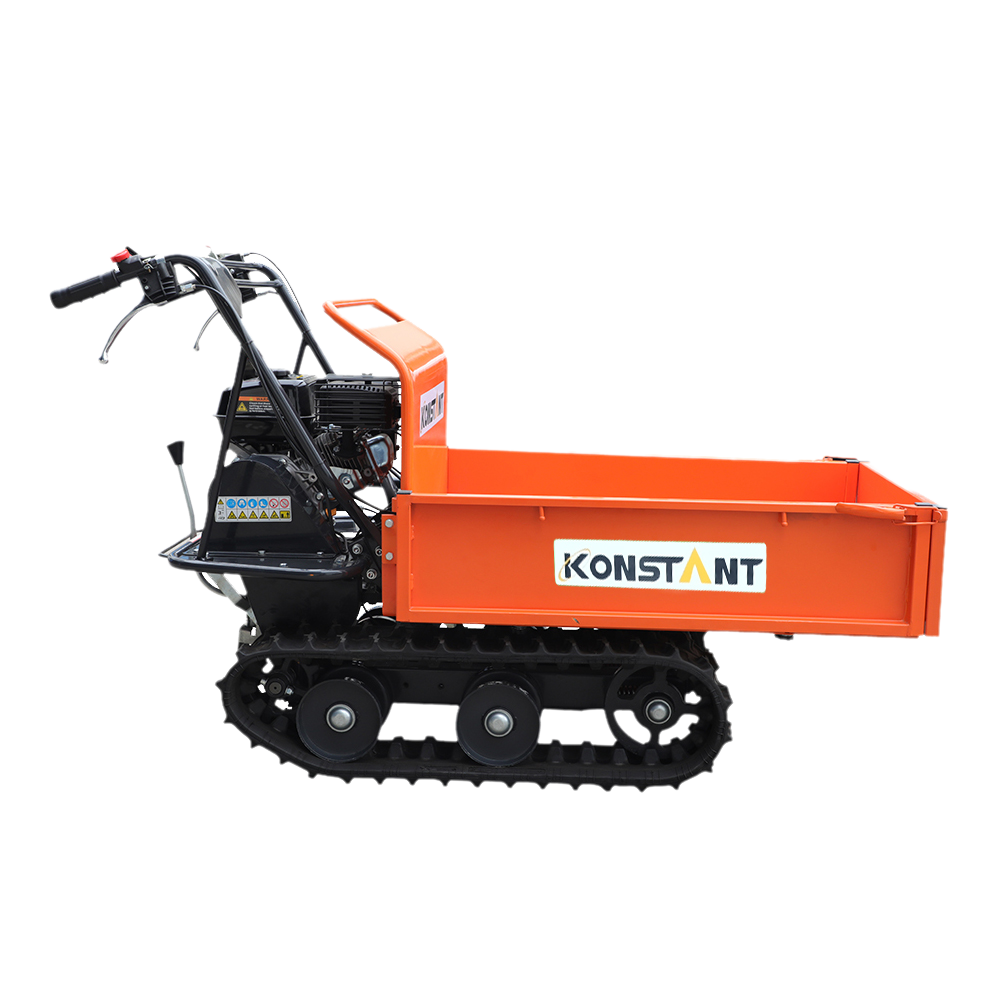
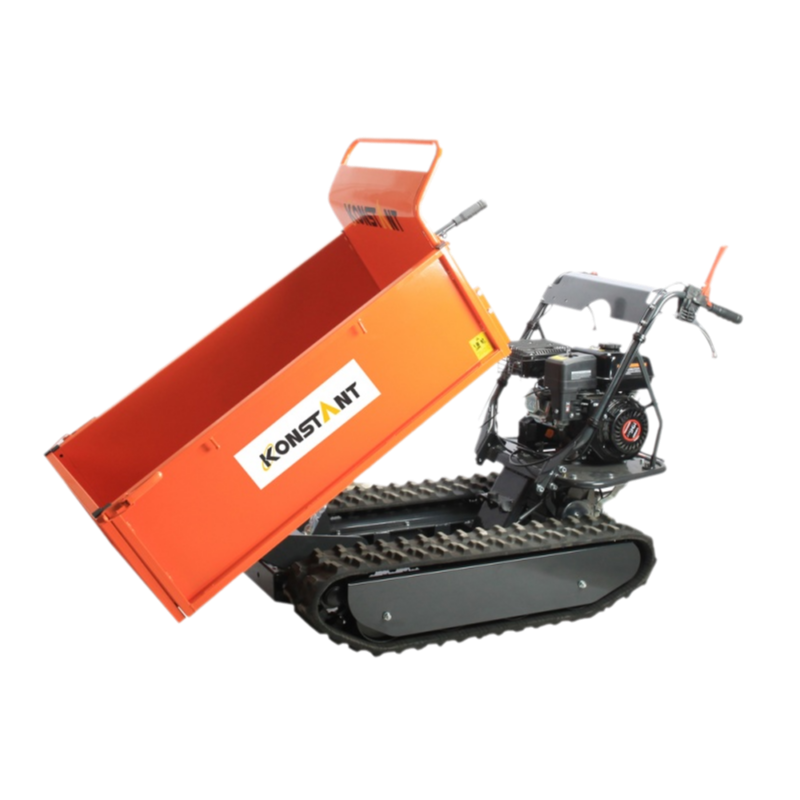
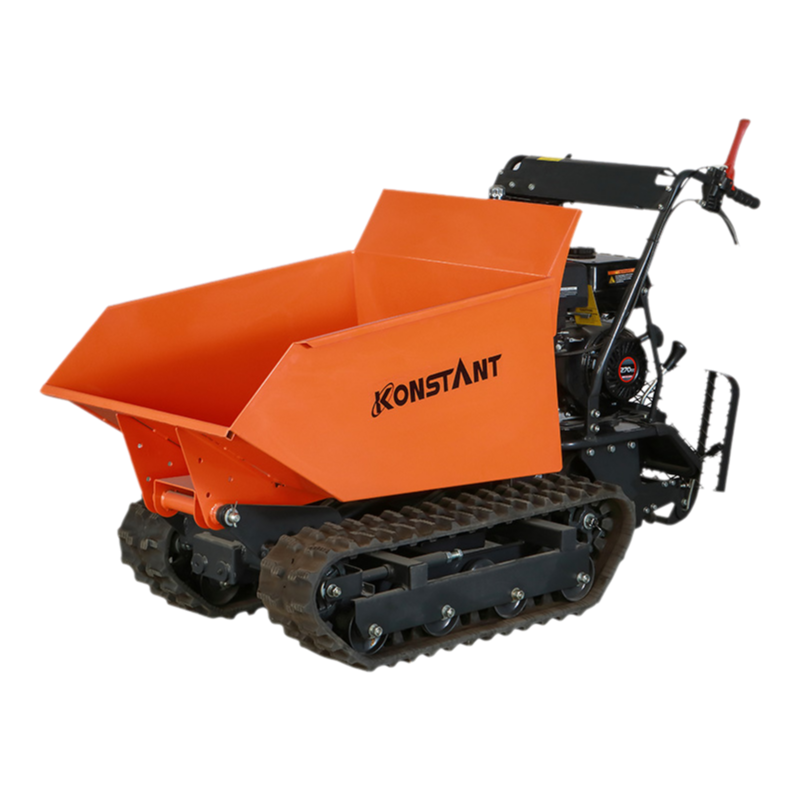
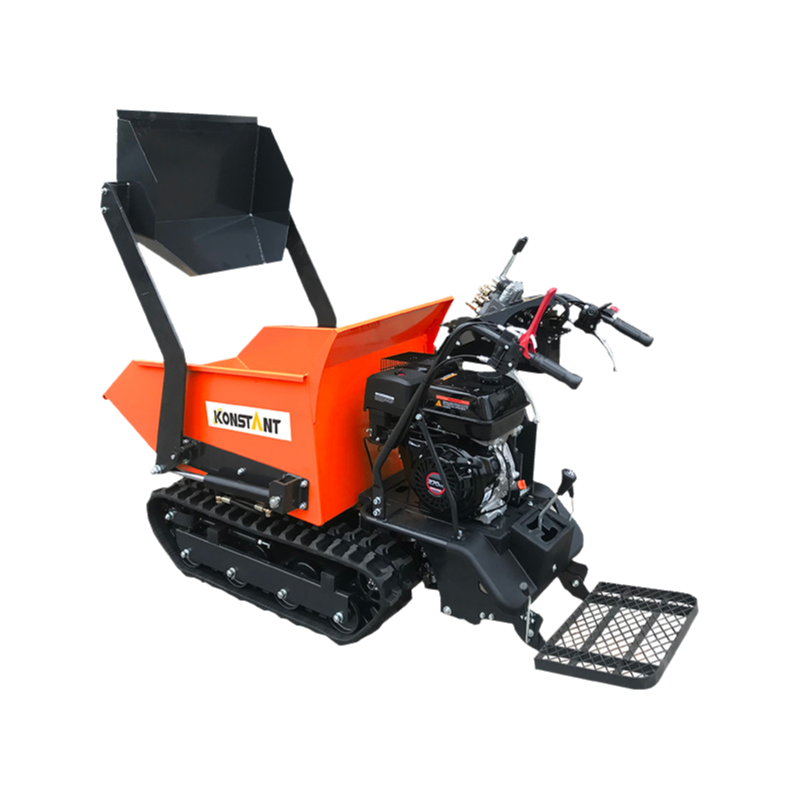
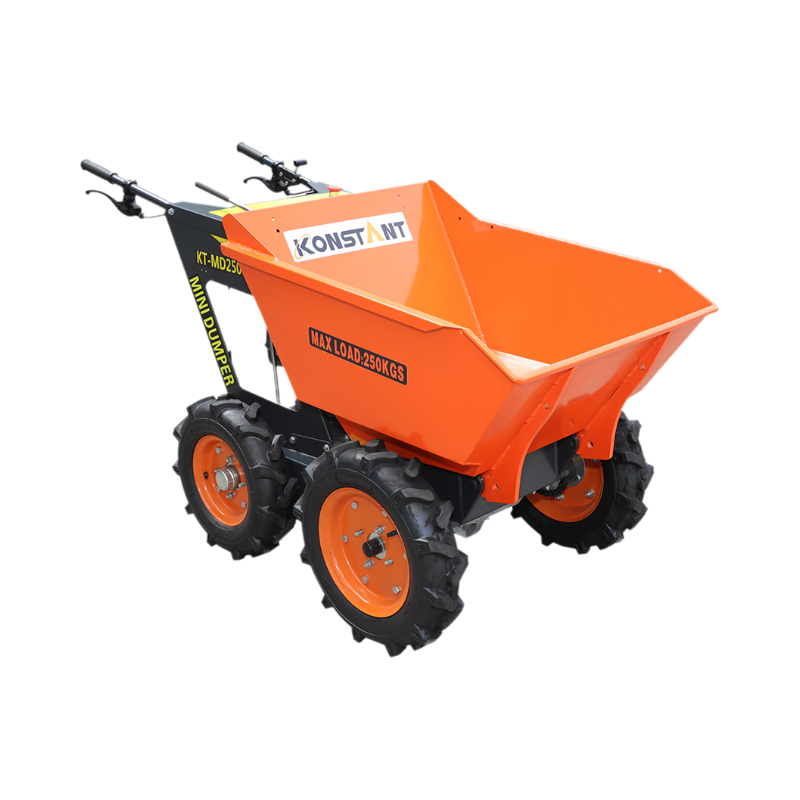
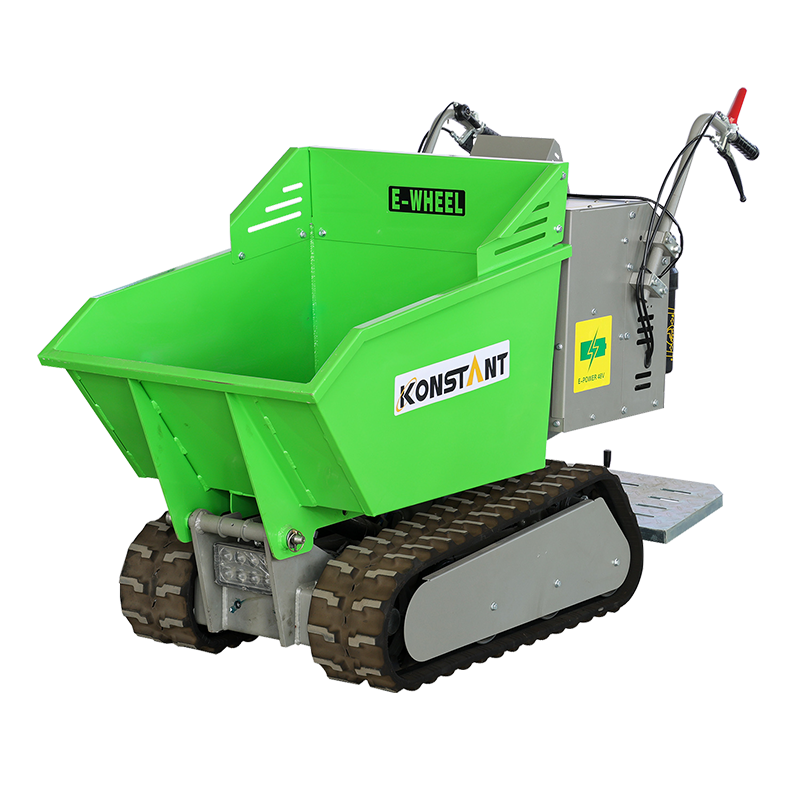
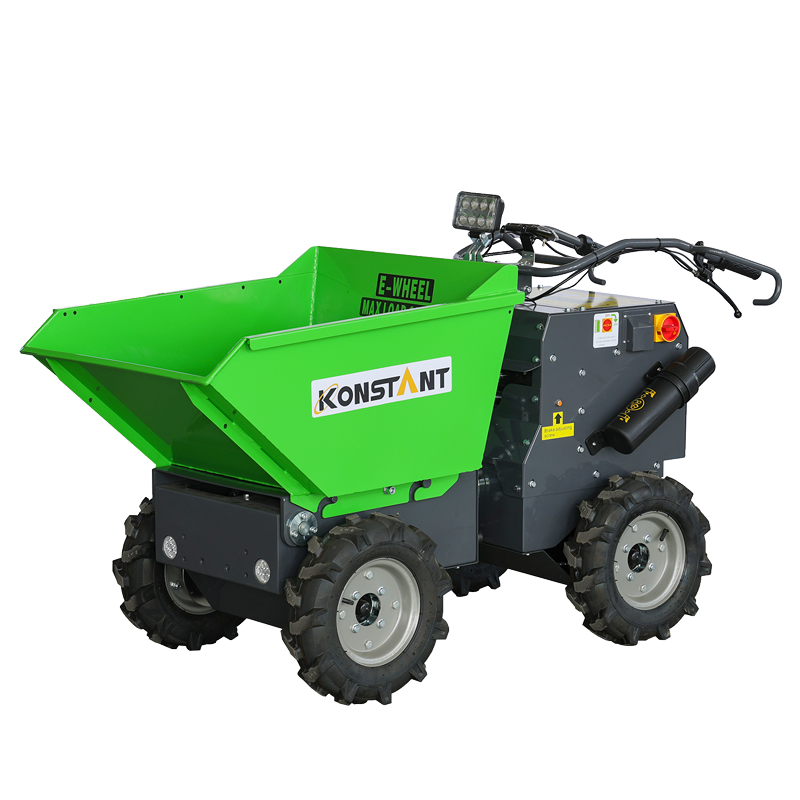
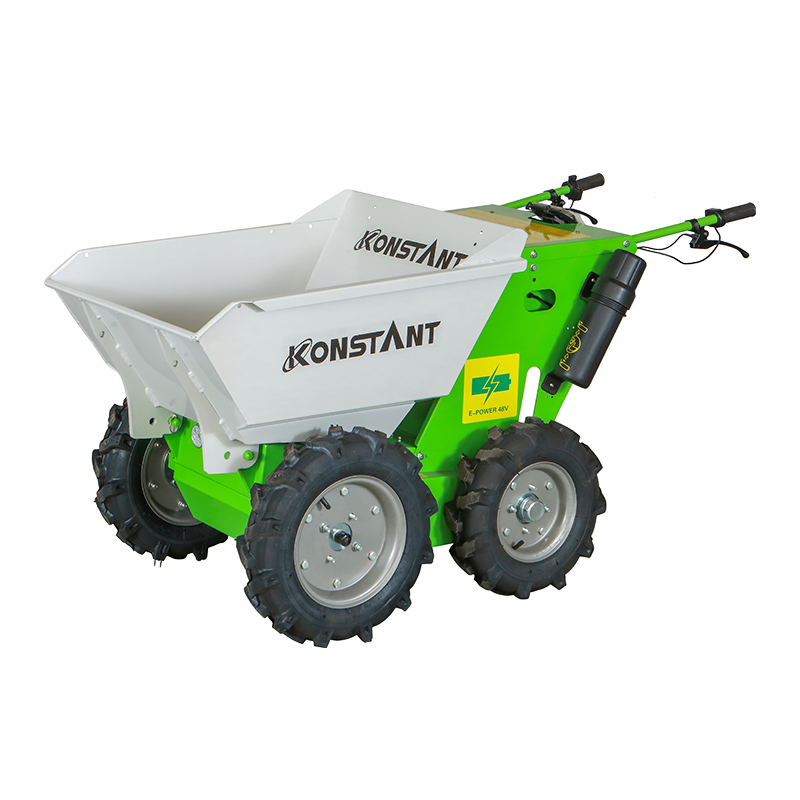
Provide you with the latest enterprise and industry news
How Does Electric Garden Loader Improve Outdoor Work Efficiency
Update:24-04-2026
Posted by Admin
Content
- 1 How Powered Site Handling Is Changing Outdoor Work
- 2 Why site managers keep paying attention
- 3 What daily work looks like in real use
- 4 How workflow becomes steadier
- 5 Where it fits without forcing the site to adapt too much
- 6 What buyers usually ask before they decide
- 7 Why this kind of support is becoming more relevant
How Powered Site Handling Is Changing Outdoor Work
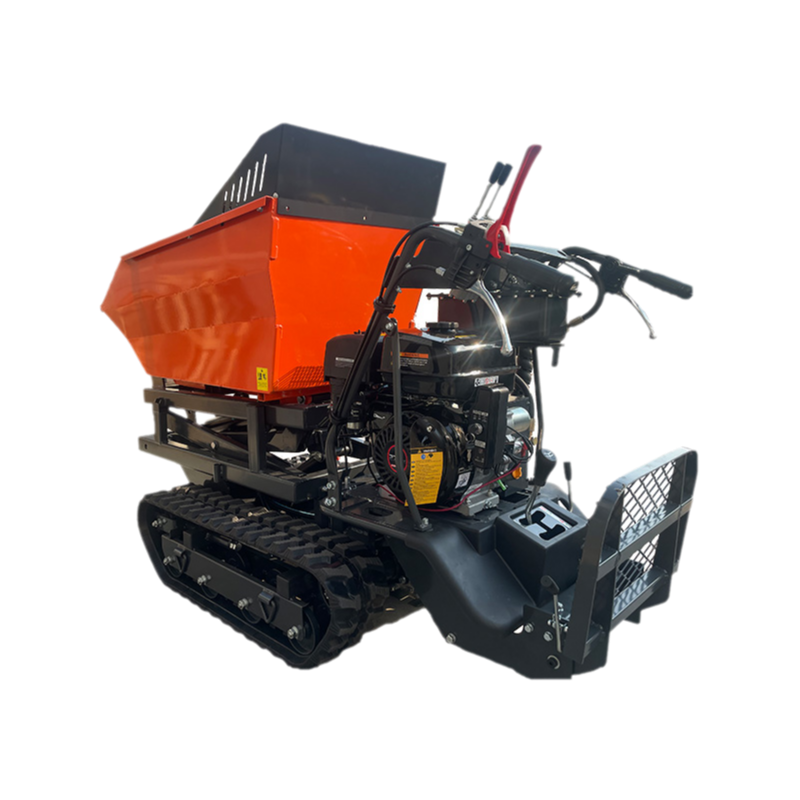
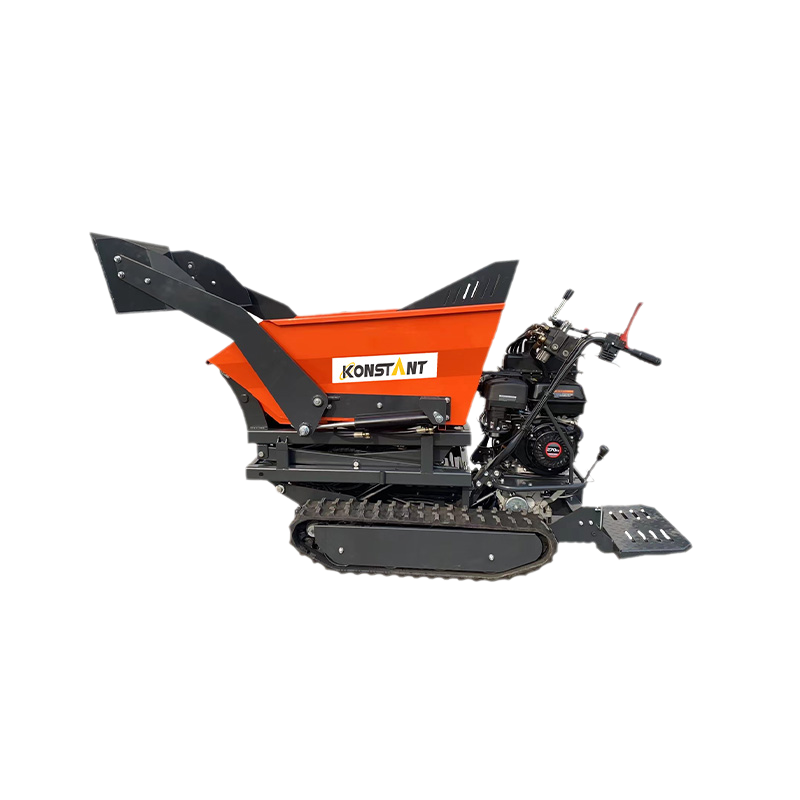
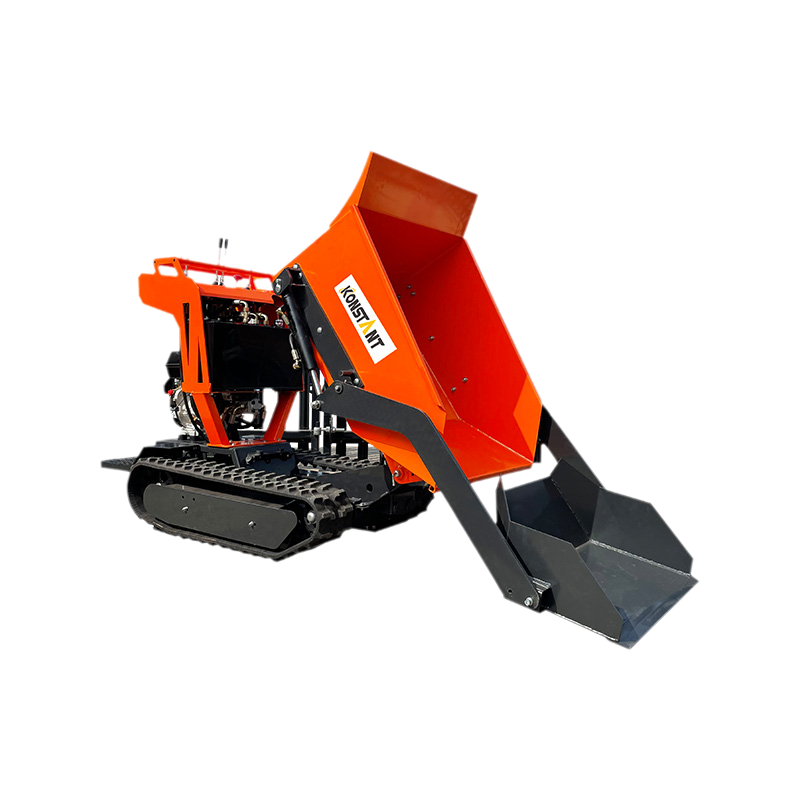
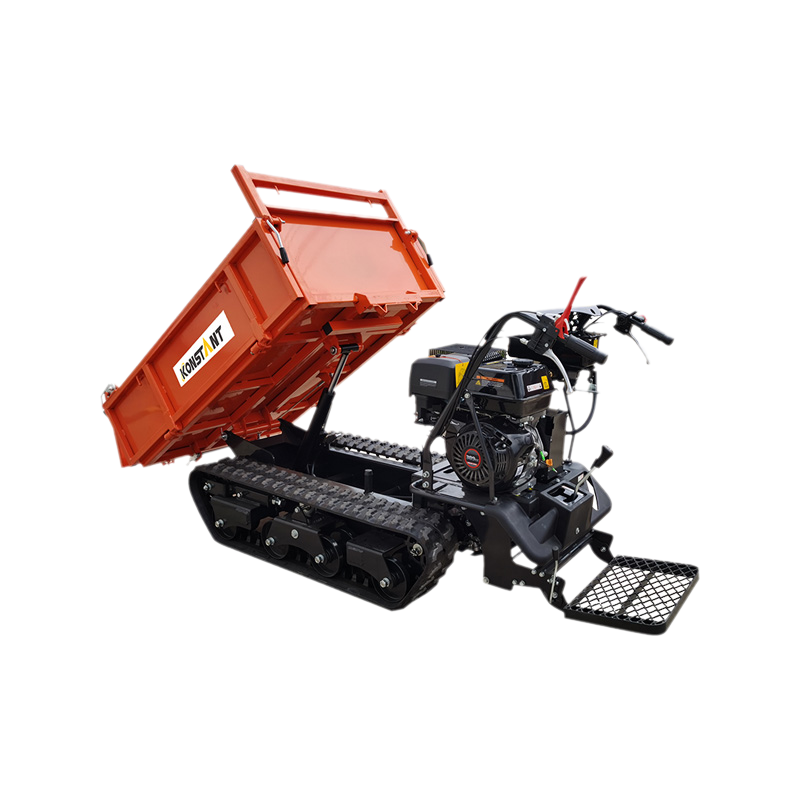
In many project sites, the pace of work depends less on one dramatic tool and more on whether daily movement stays organized. Soil, compost, mulch, cuttings, stones, and mixed materials all need to move from one place to another without creating unnecessary strain. That is where the Electric Garden Loader enters the discussion for many buyers. It is not being chosen because it changes the nature of outdoor work. It is being considered because it gives teams a more manageable way to handle repeated transport tasks that would otherwise slow the job down.
For contractors, nursery operators, and property maintenance teams, the real question is often simple: does a machine reduce repeated lifting, or does it add another layer of work? A unit that fits the site, turns predictably, and supports steady movement can make a difference in how the day unfolds. That is why powered handling equipment continues to draw interest from people who manage compact work areas, shared spaces, and mixed outdoor projects. The value is practical. It shows up when the crew has to keep moving without losing time to carrying, sorting, or making repeated trips.
Why site managers keep paying attention
One reason this type of equipment keeps coming up is that outdoor projects rarely involve just one task. A team may begin the morning with soil transport, move to planting, shift to cleanup, and finish with small material placement. Manual carrying can work for a short stretch, but over the full day it tends to create fatigue and interrupt rhythm. When workers are tired, even simple jobs feel heavier.
An Electric Garden Loader is often discussed in this context because it can take over part of that movement burden. It does not replace planning, skill, or supervision. It simply helps the crew keep a steadier pace. A site manager looking at this kind of machine usually wants to know whether it helps with the kind of small, repeated transport that fills many outdoor workdays. If the answer is yes, the machine becomes easier to justify.
There is also a scheduling angle. Many outdoor projects have limited work windows. Weather, customer access, and daylight all matter. When a team can move materials with fewer trips and less physical strain, the rest of the project has a better chance of staying on schedule. That is one of the reasons buyers keep comparing handling equipment before they make a purchase decision.
What daily work looks like in real use
The day-to-day role of this kind of machine is usually more ordinary than people expect. It is not about dramatic lifting or industrial-scale hauling. It is about the kind of repeated movement that happens in every outdoor project. Soil has to be shifted. Mulch has to be delivered. Waste has to be gathered. Plants, containers, and tools need to move between work zones without turning every transfer into a separate effort.
In that sense, the Electric Garden Loader fits where the work is repetitive but not extreme. A nursery may use it to move planting materials between beds. A maintenance crew may use it to clear debris after trimming. A property team may use it to carry soil or small aggregate across a work zone. The point is not that the machine does one dramatic job. The point is that it quietly handles many smaller ones without making the operator repeat the same lifting cycle all day.
That practical use is what makes the machine appealing in smaller operations. Large projects have bigger equipment and more formal logistics. Smaller teams do not always have that luxury. They need something that supports flexibility. A machine that helps move materials without asking for complex setup or special conditions often feels easier to adopt.
How workflow becomes steadier
Outdoor work tends to slow down when material movement becomes the bottleneck. A planting team can prepare beds quickly, but if the soil is still sitting far away, the work pauses. A cleanup crew can clear branches, but if the debris has to be carried by hand in small loads, the job stretches out. A powered transport tool helps remove some of those pauses.
That is why many project supervisors talk about the Electric Garden Loader in workflow terms rather than only in equipment terms. They are asking whether the machine helps the site move from one task to the next with fewer delays. If workers can shift materials in a more direct way, the whole site feels more coordinated. This matters in places where several people are working in the same area and each one depends on the next stage being ready.
It also affects labor use. A crew does not become more capable simply because a machine is added, but the work can become more balanced. Instead of spending time on repetitive carrying, workers can focus on shaping, placing, trimming, or finishing. That shift in task distribution often makes the site feel calmer and more organized. The machine does not replace the crew. It helps the crew spend energy where it matters more.
Another point worth noticing is that smoother workflow often reduces mistakes. When people are less rushed by heavy transport, they can handle materials more carefully. That matters in spaces where plants can be damaged easily or where surface materials need to be placed with some accuracy. In that way, a simple transport aid can influence the quality of the whole job.
Where it fits without forcing the site to adapt too much
Not every worksite needs the same arrangement. A residential yard has different limits from a nursery. A community green space has different traffic than a private renovation project. A small maintenance team may need something compact and easy to steer, while a project with wider paths may need more transport support over longer distances.
The Electric Garden Loader is often considered because it can fit into several of these situations without demanding a complete change in the site layout. It is not being treated as a universal answer. It is being viewed as a practical option for places where material has to move regularly and where manual carrying has become a burden. That is a narrower role, but it is a useful one.
For buyers, this flexibility matters. They are usually trying to avoid equipment that only works under narrow conditions. A machine that can handle several kinds of outdoor transport, within reasonable limits, is easier to justify. The site can keep using its existing paths and work habits instead of rebuilding everything around the machine. That makes adoption less disruptive.
It is also why many buyers look closely at maneuverability, turn radius, and general handling behavior before making a decision. In compact spaces, the value of the machine depends not only on what it can carry, but on how easily it can move through the site. A tool that is difficult to position may slow the job more than it helps. A tool that feels balanced and controllable is easier to keep in daily use.
What buyers usually ask before they decide
People comparing equipment for outdoor work often ask the same practical questions. How easy is it to operate during a normal workday? Can it move through narrow areas without constant correction? Does it help reduce repeated lifting, or does it simply shift the strain into another form? These questions are more useful than broad promises because they connect directly to daily use.
For many buyers, the Electric Garden Loader becomes interesting when the answer to those questions is steady and practical. They are not looking for something flashy. They want something that helps the work continue without creating new frustration. They also want to know whether the machine will still feel useful after the week, when the novelty has worn off and the real routine begins.
Maintenance is another point that matters. Outdoor equipment lives in a tough environment. Dust, moisture, surface movement, and frequent loading all affect how a machine behaves over time. Buyers want to know whether upkeep is manageable and whether the machine can stay in service without creating too much downtime. In real projects, a tool that is easy to keep ready is often more valuable than one that looks more impressive at glance.
Why this kind of support is becoming more relevant
Outdoor work is changing in small but important ways. Teams are under more pressure to do more with fewer repeated steps. Customer expectations are higher. Work windows are tighter. Labor is often shared across several tasks. In that setting, tools that help organize movement and reduce strain are getting more attention.
That is why the Electric Garden Loader keeps appearing in discussions around landscaping, nursery work, and yard maintenance. It supports a kind of work that still depends on human judgment but benefits from mechanical help in the background. The machine is not the story by itself. The story is how the site becomes easier to manage when transport does not dominate the day.
For buyers and project managers, that practical benefit is enough to warrant a closer look. They are trying to reduce wasted motion, save energy for more skilled tasks, and keep the site moving in a predictable way. If a machine contributes to those goals without creating complexity, it earns a place in the conversation.
In the end, outdoor equipment is judged by what happens on the ground, not by what it promises in a brochure. If it helps the team keep moving, reduces repeated strain, and fits the site without creating extra trouble, it has done its job. That is why this kind of machine remains relevant across many types of outdoor work.
Related products

Latest Updates
-
What Makes a Small Tracked Dump Truck Practical for Construction Work
Short-distance movement of soil, sand, gravel and demolition debris is a constant requirement on man...
-
What Causes Reduced Performance in an Electric Mini Dumper
Electric mini dumpers sometimes lose speed, range or climbing ability after a stretch of ordinary us...

-
Welcome To Visit Us
No.30, Third Furong Road, Wuxi City, Jiangsu. 214100, China.
-
Call Us
Phone: +86 181-1889-1139
Phone: +86 181-1889-2139
-
Contact Us Online
E-mail: sales@konstantpm.com
E-mail: marketing@konstantpm.com
Copyright WUXI KONSTANT POWER TECH CO., LTD All Rights Reserved
 China Mini Dumpers Manufacturers Power Wheelbarrow Factory