
 English
 русский
 Français
 Español
 Deutsch

Provide you with the latest enterprise and industry news
Why Use a Garden Loader for Outdoor Work
Update:20-04-2026
Posted by Admin
Content
- 1 Why Compact Transport Tools Fit Better Than People Expect
- 2 Why movement becomes the real bottleneck
- 3 Why small spaces need a different approach
- 4 How soil and material handling becomes easier
- 5 Why daily outdoor work becomes less tiring
- 6 Why equipment choice depends on the site, not just the job
- 7 Why some outdoor crews prefer compact transport
- 8 Maintenance and long-term use
- 9 Why electric-powered tools fit the modern outdoor workspace
- 10 What this says about outdoor work today
Why Compact Transport Tools Fit Better Than People Expect
Outdoor work often looks simple from a distance. A pile of soil needs to be moved, some gravel needs to get from one end of the site to the other, and a few tools need to travel back and forth while the job is underway. In practice, though, those small movements can take more time and energy than people expect. Once the ground is uneven, the path is narrow, or the working area is already crowded, carrying everything by hand starts to slow the day down.
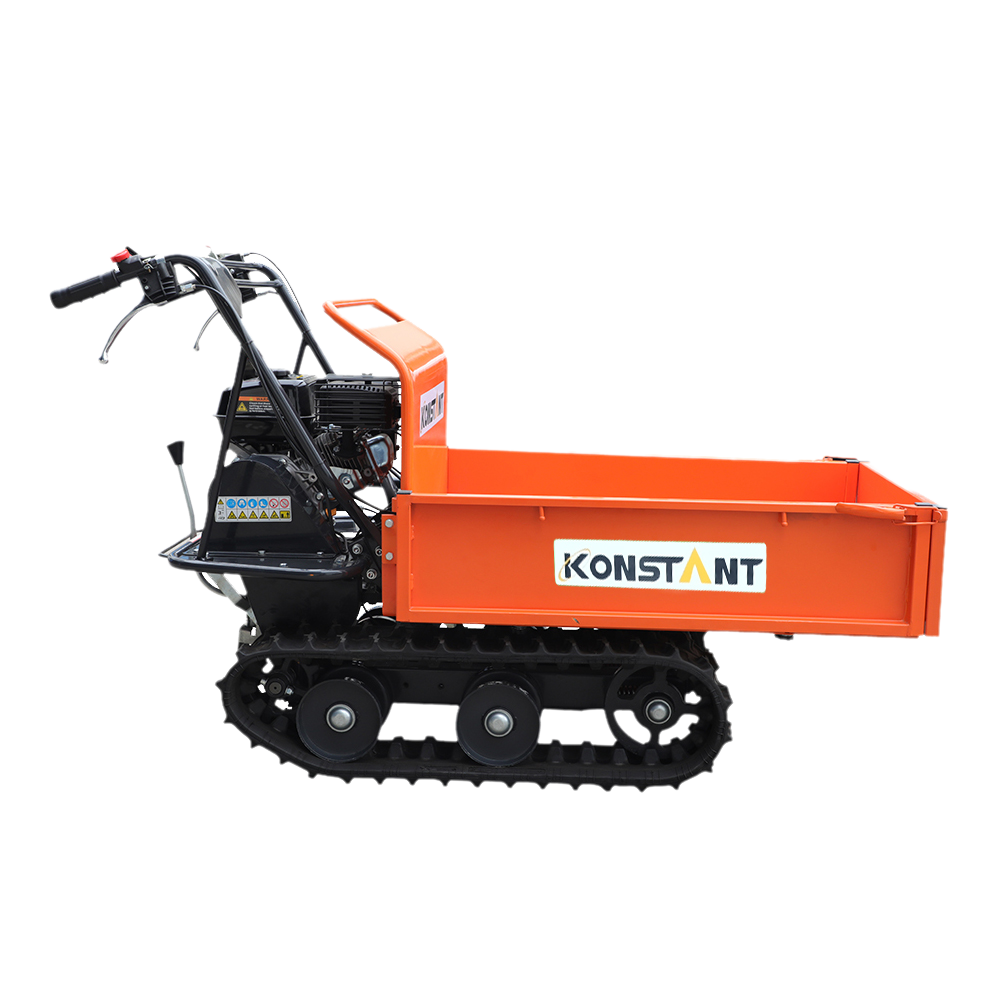
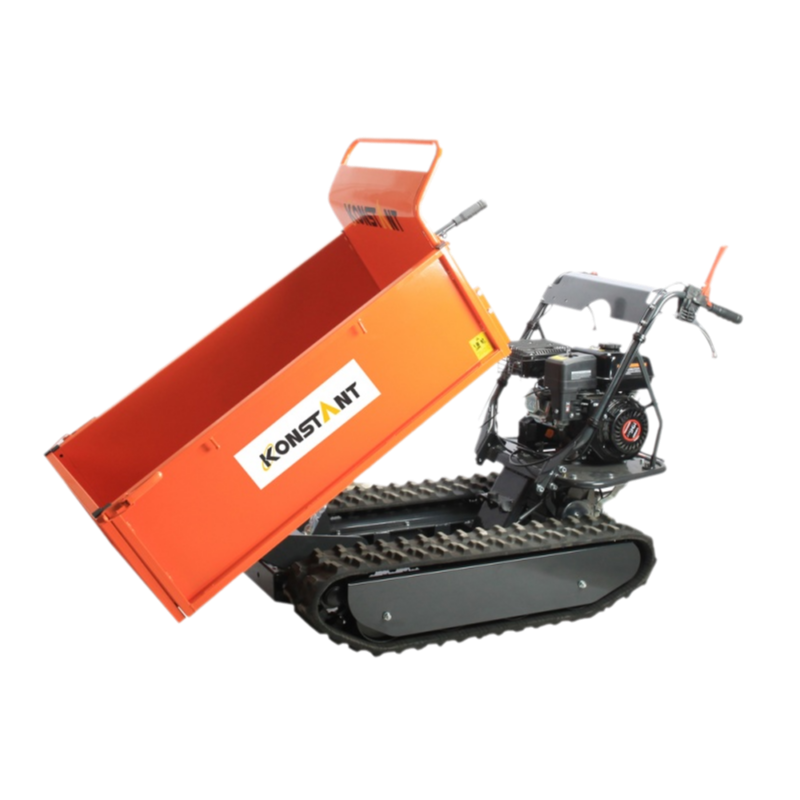
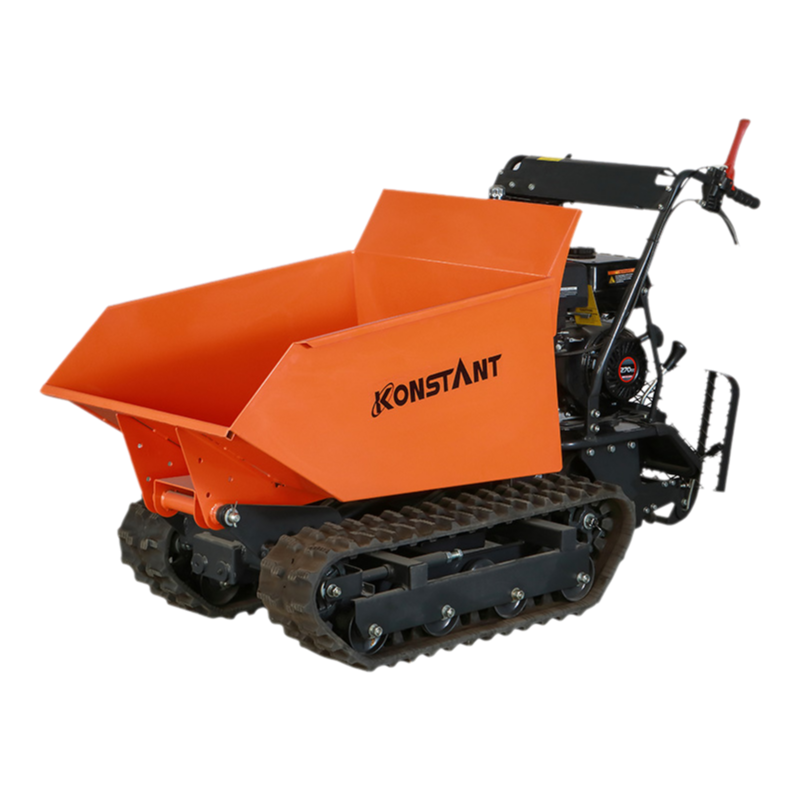
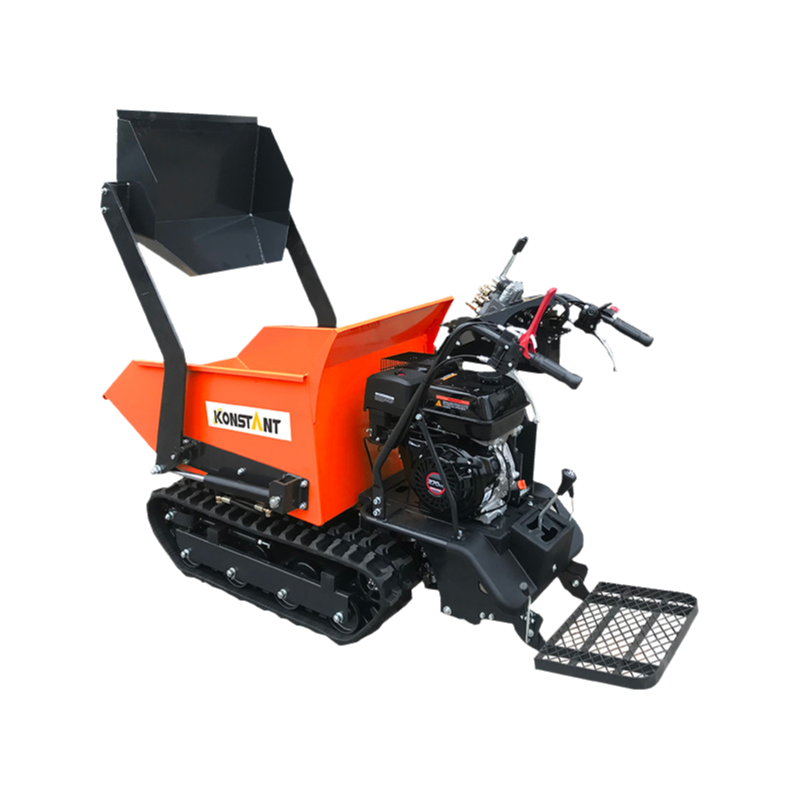
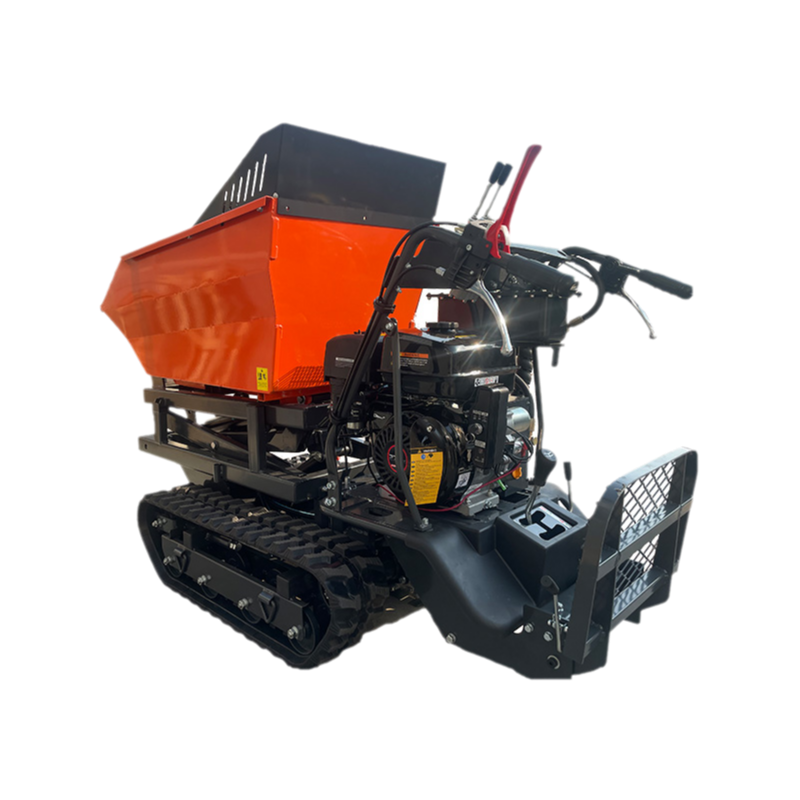
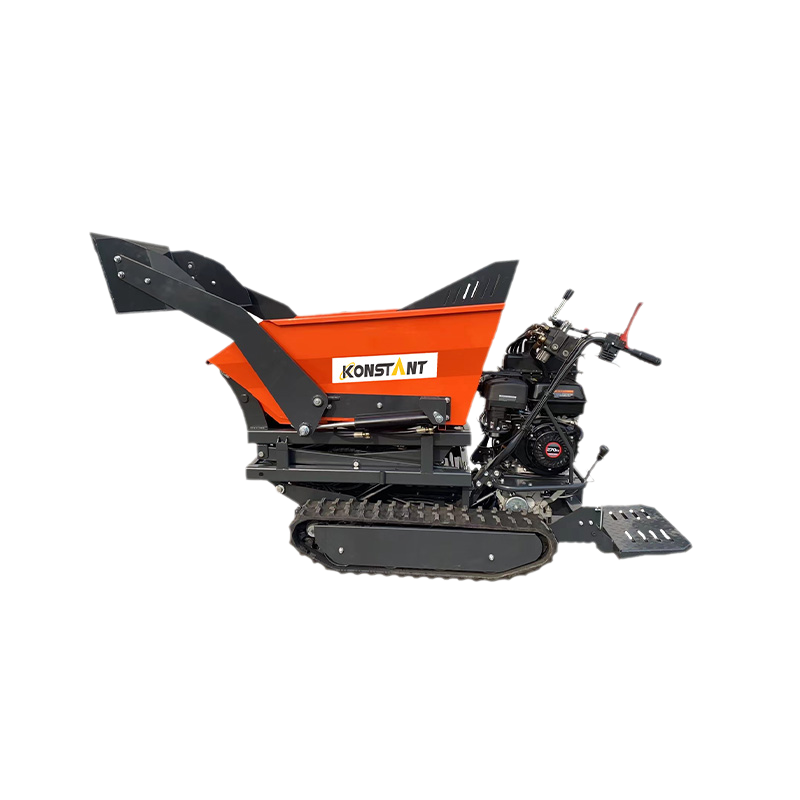
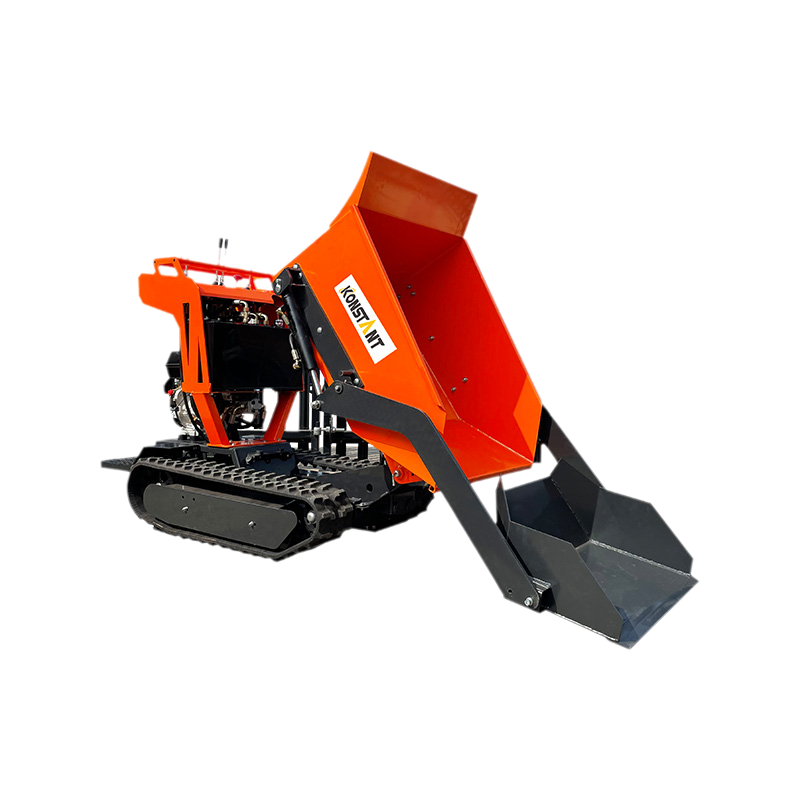
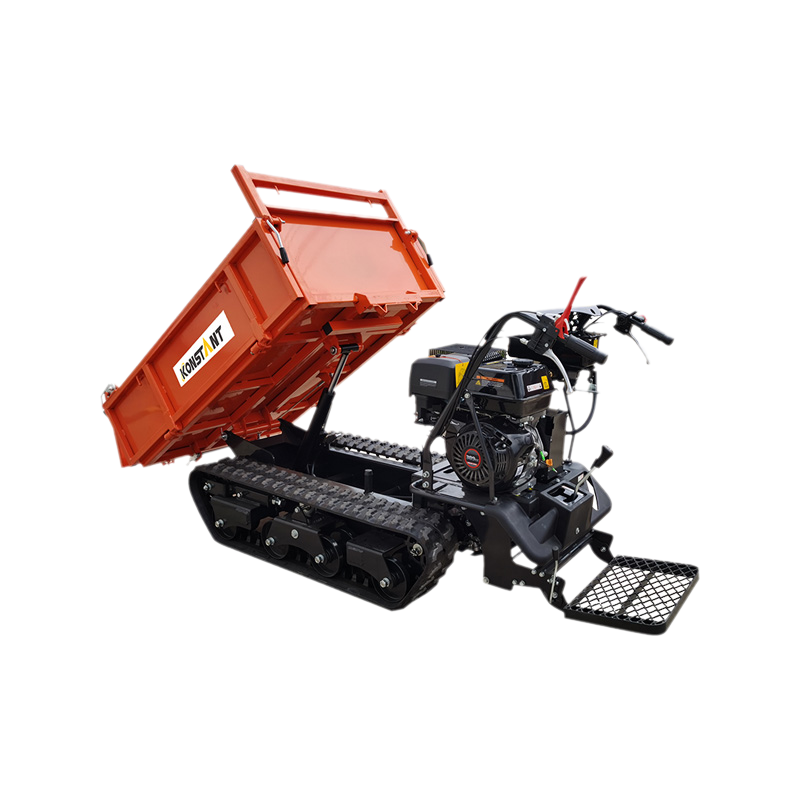
That is one reason compact transport equipment has become more useful on smaller sites. A Garden Loader can step into the middle of that routine and reduce a lot of the repeated lifting that usually wears people out. It does not need to replace every other method. It only needs to handle the awkward part of the work more smoothly than a person can do alone.
The value of this kind of machine is usually not dramatic at glance. It does not solve every problem on a site. It does, however, make the day feel easier to manage. That matters more than many teams realize, because the rhythm of outdoor work often depends on how quickly materials can move without creating extra strain.
Why movement becomes the real bottleneck
In many outdoor projects, the tiring part is not the task itself but the movement around it. Soil has to be shifted to a new bed. Mulch has to be brought closer to the planting area. Stones, tools, and waste all need to go somewhere else before the next part of the job can begin. If every one of those steps depends on manual carrying, the process becomes slower and more physically demanding very quickly.
The problem is even clearer in spaces that are not wide open. A narrow path between plants, a sloped section of ground, or an area with soft soil can all make transport harder. Workers may need to make more trips than expected. They may need to stop and adjust their route. They may need to slow down because one hand is busy and the load is awkward.
A compact machine helps because it reduces the number of separate trips and gives the site a more steady flow. It is easier to move one controlled load than to repeat the same carrying motion over and over. That change may seem small, but on a long workday it adds up.
Why small spaces need a different approach
Not every site has room for larger machinery. In fact, many outdoor spaces are designed in a way that makes large equipment impractical. There may be narrow walkways, planted sections that need to stay protected, or paths that curve around structures. In those places, a bigger machine can create more problems than it solves.
That is where compact transport tools stand out. They are easier to steer in tight areas and easier to position where the work is actually happening. Instead of forcing the team to change the layout of the site, the equipment adapts to the layout already in place.
A Garden Loader becomes especially useful in this kind of setting because it can move materials without demanding a wide operating area. This is not only helpful in residential plots. It also matters in public green spaces, small maintenance zones, and renovation work where access is limited.
The more irregular the site, the more useful a compact machine can become. The fewer the clear paths, the more value there is in something that can move cleanly through the gaps that already exist.
How soil and material handling becomes easier
Soil is one of the common materials moved in outdoor work, and it is also one of the easiest to underestimate. A single load can be much heavier than it looks, especially if it is damp or packed tightly. The same is true for gravel, compost, mulch, and other landscaping materials. Once these materials need to be carried repeatedly, the task becomes physically tiring.
A Garden Loader makes this job more manageable by taking over part of the transport process. Instead of carrying everything by hand, the work can be divided more cleanly. That helps the crew save energy for the parts of the project that really need attention, such as placement, shaping, and finishing.
The benefit is not only about the weight. It is also about keeping the site organized. When material is moved in smaller, more controlled batches, there is less clutter around the work zone. The project tends to feel more orderly. That kind of control matters on jobs where several things are happening at once.
Another advantage is that the surrounding area is less likely to be disturbed. A compact machine can move through the site without leaving a large footprint behind it. That is important in planted areas or soft ground where the surface needs to stay as intact as possible.
Why daily outdoor work becomes less tiring
One of the clearest effects of using compact equipment is a drop in physical strain. Outdoor work already asks a lot from the body. People bend, lift, carry, and walk across uneven ground all day. If the material transport side of the work can be reduced, the rest of the day becomes easier to handle.
That change is often noticed in small ways . Workers may not feel as worn out at the end of the day. They may spend less time resting between trips. They may also find it easier to keep pace when the task list changes during the day. Those small differences can make the whole job site feel less exhausting.
A Garden Loader helps here because it takes over the repetitive part of the movement. It does not remove the need for judgment or skill. It simply reduces the amount of strain tied to short-distance transport. That makes the tool useful not only for professionals but also for property owners who handle their own outdoor projects.
For teams that repeat similar work across multiple locations, this kind of comfort matters even more. Less strain means more consistency. More consistency usually means fewer slowdowns.
Why equipment choice depends on the site, not just the job
A lot of buying decisions go wrong because people think only about the task, not the environment. Two sites may both need to move soil, but one has firm, flat access while the other has narrow paths and soft ground. Those two situations do not call for exactly the same solution.
That is why choosing outdoor transport equipment should start with the actual conditions on the site. Terrain matters. Path width matters. How often the machine will be used matters too. Some sites need a tool for frequent short trips. Others need something that can handle heavier material in fewer moves.
The good fit is usually the one that matches the working rhythm of the space. If the site is tight, a compact design is more useful. If the work changes often, flexibility becomes more important. If the ground is not stable, control matters more than raw size.
A Garden Loader is often considered in this way because it fits a wide range of outdoor conditions without requiring major changes to the site itself.
Why some outdoor crews prefer compact transport
There is a simple reason many crews prefer compact transport equipment once they start using it: it makes the day feel easier to handle. When materials move with less delay, the rest of the project has a better chance of staying on schedule. That does not mean every task becomes faster in a dramatic way. It means fewer minutes are lost to repeated carrying and awkward movement.
In places with limited room, that matters even more. Workers can guide material around plants, structures, or narrow turns without needing to clear a wide space . That flexibility is useful in both residential work and light commercial maintenance.
A Garden Loader also helps reduce the amount of backtracking. Instead of taking several long walks with smaller loads, the team can move material in a more direct way. That saves time, but it also keeps the site from feeling scattered.
In practical terms, that means less waiting, less fatigue, and a smoother pace for the day.
Maintenance and long-term use
Like any piece of site equipment, compact transport tools work better when they are cared for properly. Outdoor use exposes them to dirt, moisture, and rough surfaces. That means cleaning and inspection are part of the normal routine, not optional extras.
Regular checks help identify wear early. Cleaning keeps material buildup from affecting movement. Proper storage when the machine is not in use helps protect it from unnecessary exposure. These are simple habits, but they matter over time.
A Garden Loader that is maintained consistently is easier to trust during busy work periods. The team knows what to expect from it. It starts to feel like part of the routine instead of another item that needs extra attention.
That reliability is valuable because outdoor work rarely goes exactly as planned. When the equipment is ready, the site can respond more calmly to changes.
Why electric-powered tools fit the modern outdoor workspace
Another reason compact transport equipment has become more common is the broader move toward electric-powered tools. In many environments, quieter operation and lower disruption are useful. This is especially true in residential areas, shared spaces, and locations where work has to continue around people or nearby activity.
Electric systems also fit the trend toward simpler operation. Workers and property owners often want tools that are easy to handle and do not require a lot of complicated setup. In that sense, compact powered transport fits the direction many outdoor projects are already taking.
A Garden Loader sits naturally in this shift because it supports movement without creating the same level of disturbance as larger machines. That makes it easier to use in places where the work has to remain practical and unobtrusive.
What this says about outdoor work today
The growing interest in compact transport tools says something broader about outdoor work. People are paying more attention to the amount of effort tied up in movement. They are noticing that a job can be slowed down not because the task itself is difficult, but because the materials are hard to move.
That is a useful change in thinking. It pushes teams to look at the working process as a whole. Instead of focusing only on the final result, they start looking at how the site functions every day. If movement is easier, the rest of the job tends to go more smoothly. If movement is difficult, everything else gets harder to manage.
A Garden Loader fits into that larger picture by making one part of the work more practical. It does not need to be the center of the project. It only needs to reduce friction where friction used to be common.
Outdoor projects are often defined by small repeated movements. Soil, gravel, plants, tools, and waste all need to travel from one place to another. When those movements are hard, the whole job feels heavier. When they are easier, the work becomes more manageable and less tiring.
That is why compact transport tools continue to gain attention in gardens, yards, and other outdoor spaces. They offer a simple answer to a common problem: how to move materials without wearing people out or disrupting the site layout.
In that sense, a Garden Loader is more than just a convenience. It is a practical way to make outdoor work fit the space, the pace, and the conditions that real jobs usually bring.
Related products

Latest Updates
-
What Makes a Small Tracked Dump Truck Practical for Construction Work
Short-distance movement of soil, sand, gravel and demolition debris is a constant requirement on man...
-
What Causes Reduced Performance in an Electric Mini Dumper
Electric mini dumpers sometimes lose speed, range or climbing ability after a stretch of ordinary us...

-
Welcome To Visit Us
No.30, Third Furong Road, Wuxi City, Jiangsu. 214100, China.
-
Call Us
Phone: +86 181-1889-1139
Phone: +86 181-1889-2139
-
Contact Us Online
E-mail: sales@konstantpm.com
E-mail: marketing@konstantpm.com
Copyright WUXI KONSTANT POWER TECH CO., LTD All Rights Reserved
 China Mini Dumpers Manufacturers Power Wheelbarrow Factory