
 English
 русский
 Français
 Español
 Deutsch

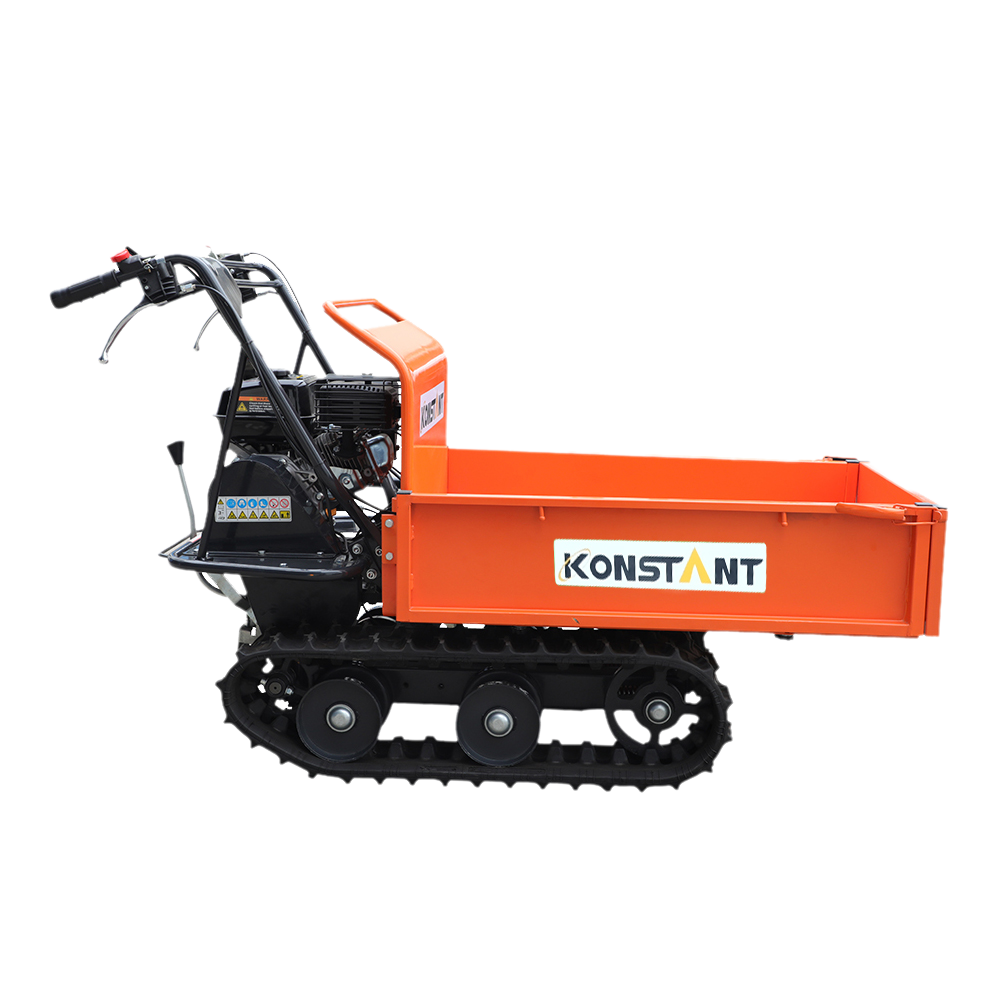
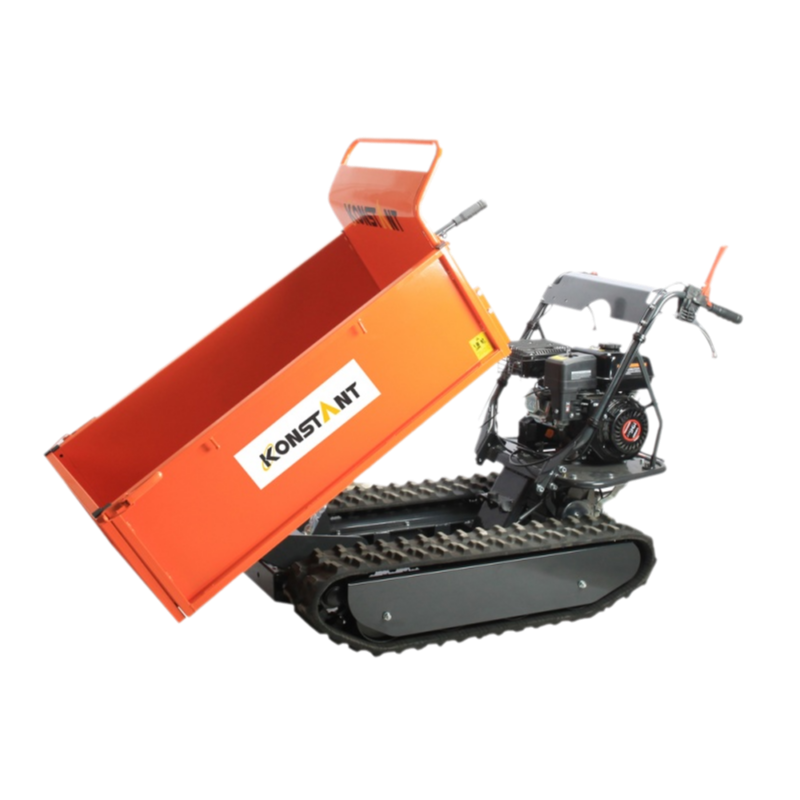
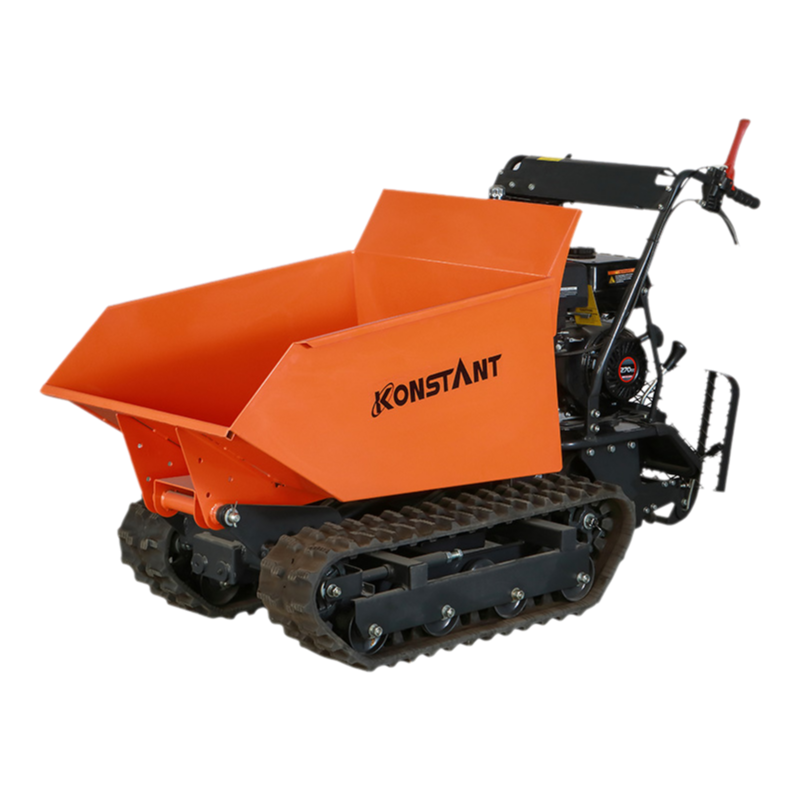
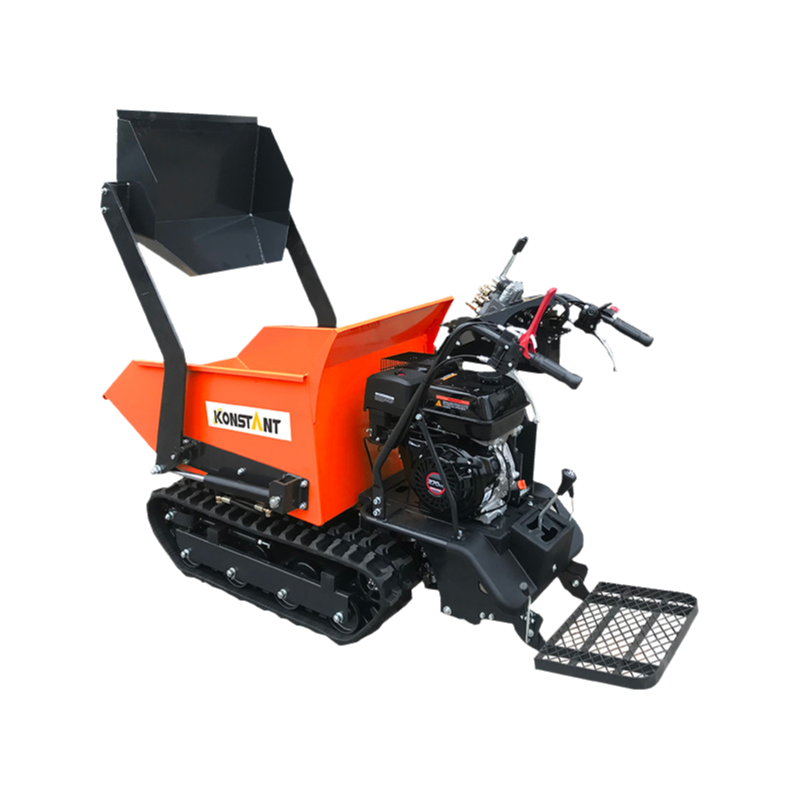
Provide you with the latest enterprise and industry news
What Makes Compact Haulers Useful on Small Worksites
Update:17-04-2026
Posted by Admin
Content
- 1 Why Compact Haulers Are Getting More Attention on Small Job Sites
- 2 Why small worksites think differently about transport
- 3 The value of reducing repeated lifting
- 4 Why compact movement matters in tight spaces
- 5 How this kind of equipment changes the feel of a workday
- 6 Where compact haulers show up beyond construction
- 7 Matching the machine to the site conditions
- 8 Why maintenance is part of the conversation
- 9 Why electric-powered options are getting more attention
- 10 The wider change happening in site workflow
Why Compact Haulers Are Getting More Attention on Small Job Sites
On a busy worksite, the easiest way to slow everyone down is to make material movement harder than it needs to be. When workers spend too much time carrying loads by hand, or when a larger machine cannot fit comfortably into the space, the whole rhythm of the job starts to feel heavier. That is one reason compact transport tools have been drawing more interest from site managers, contractors, and maintenance teams.
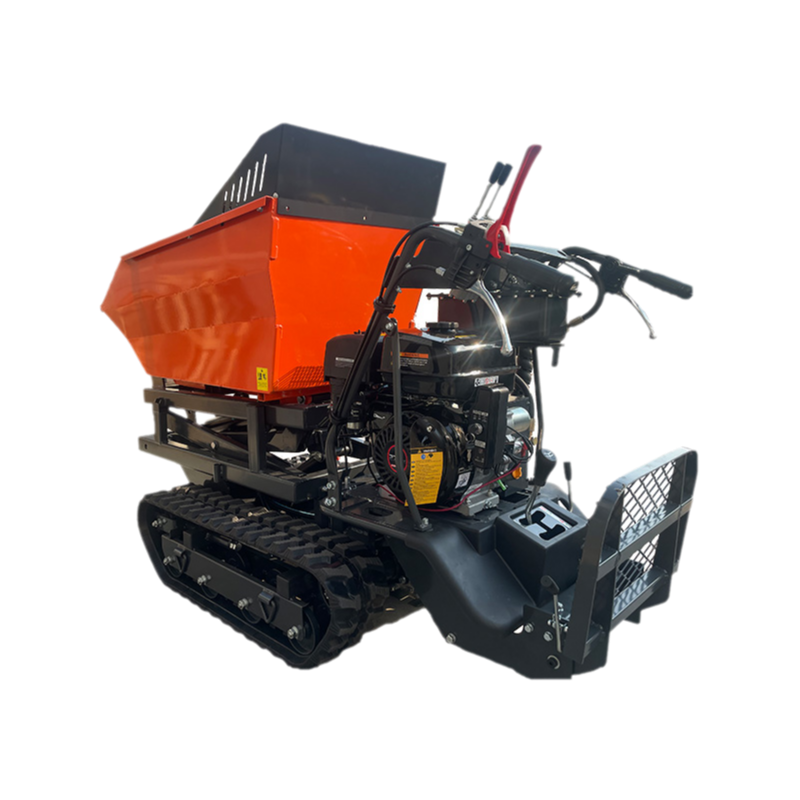
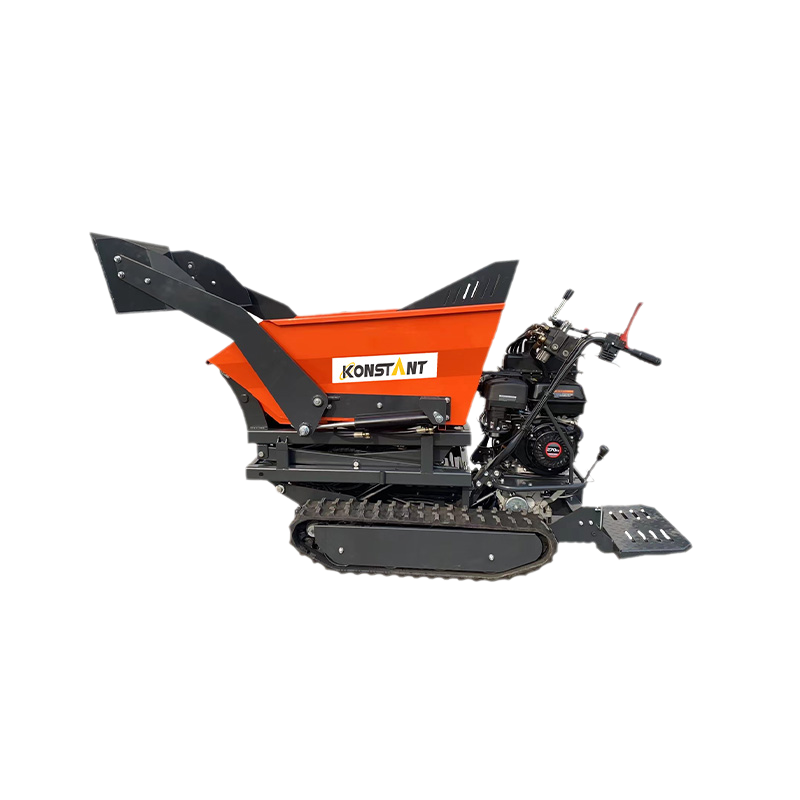
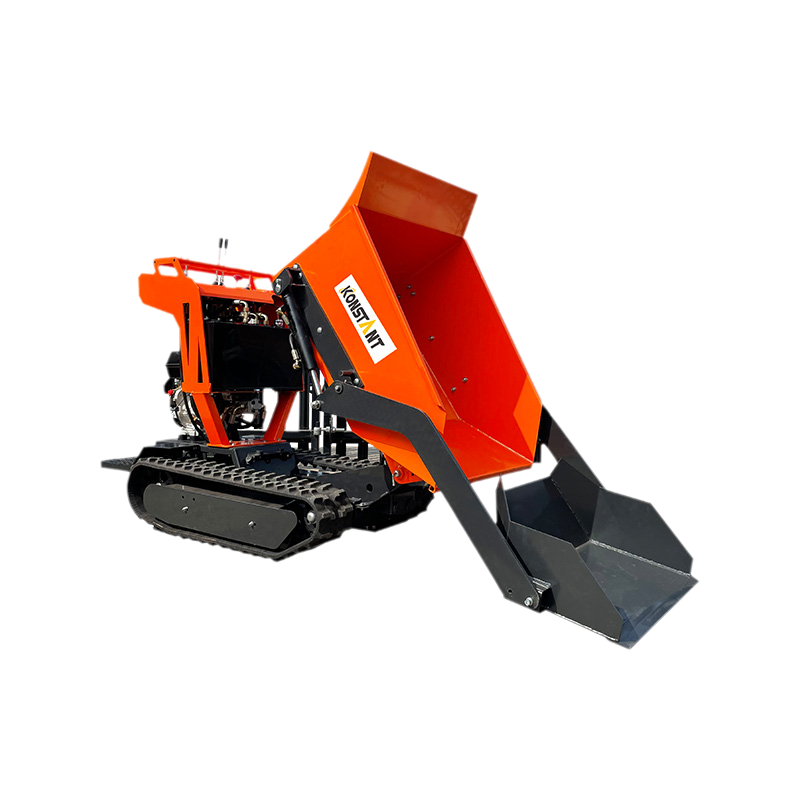
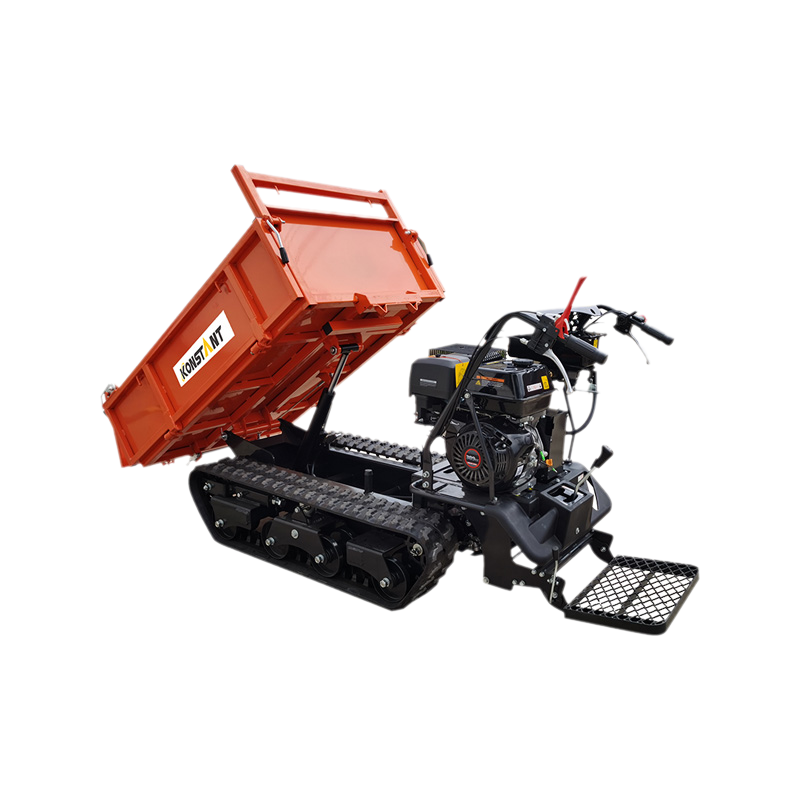
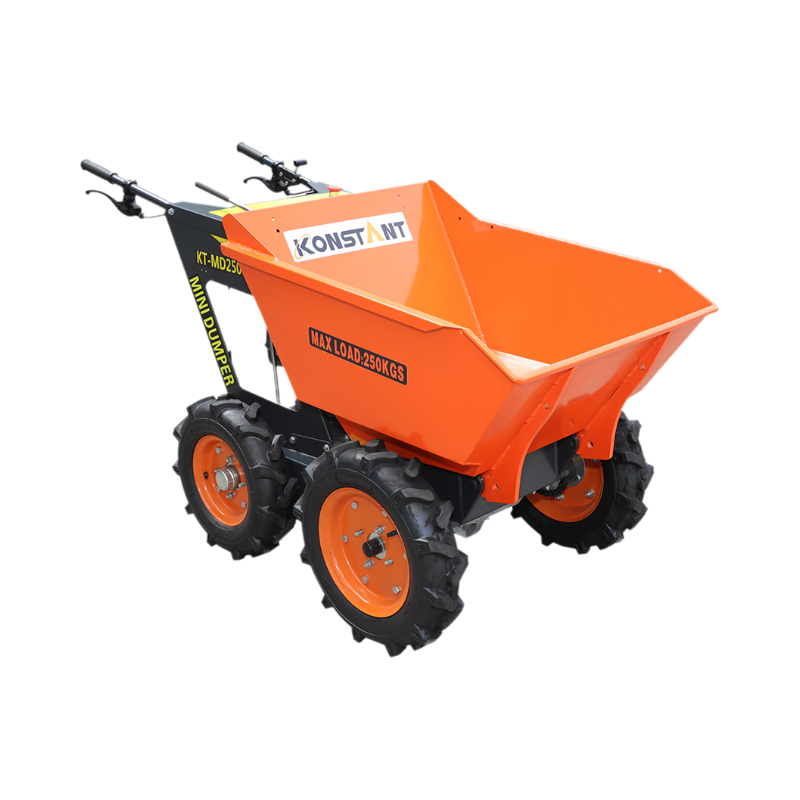
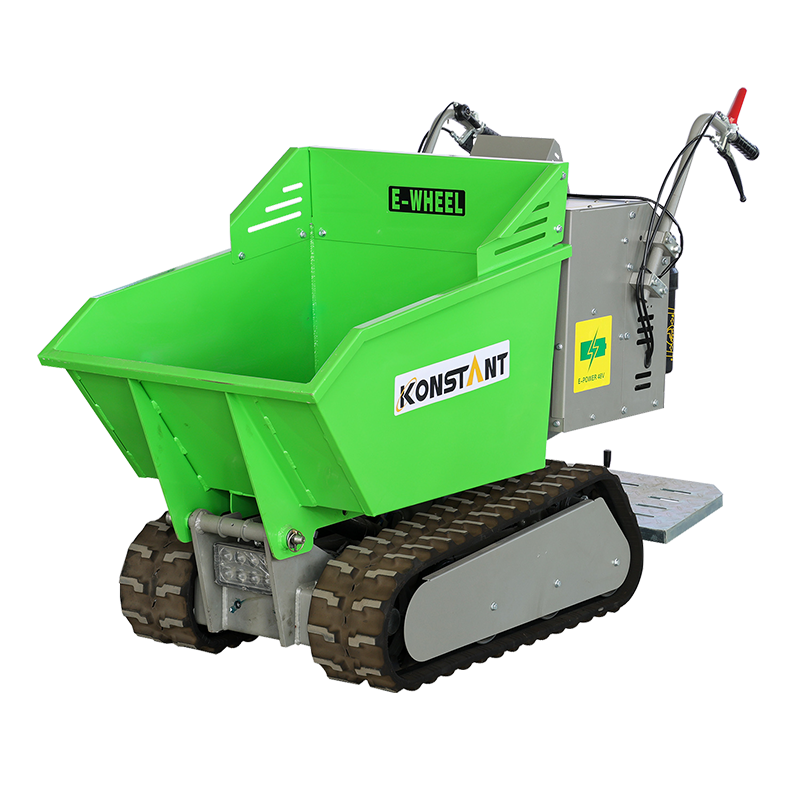
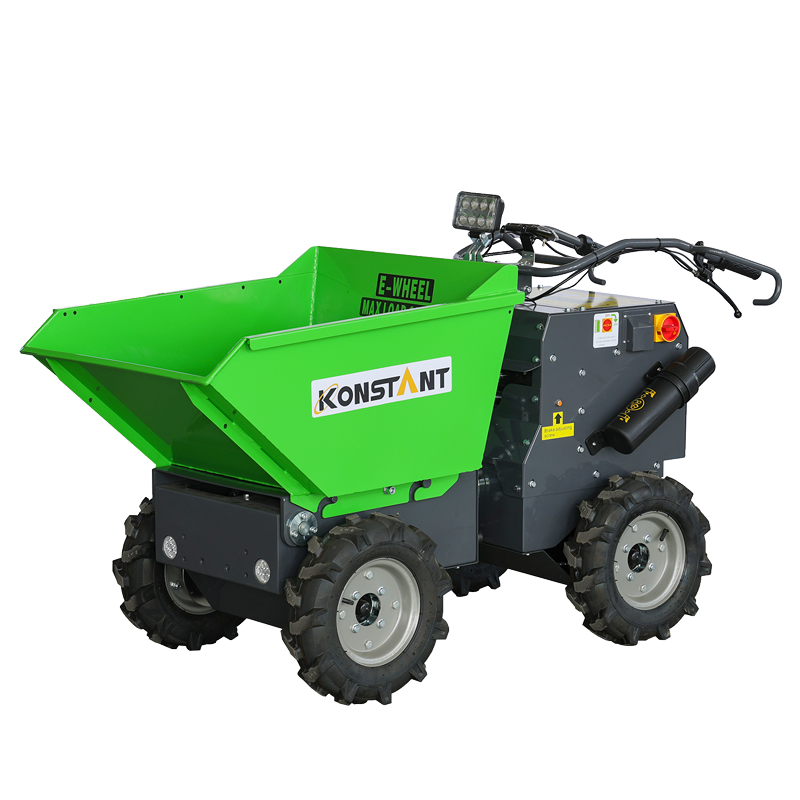
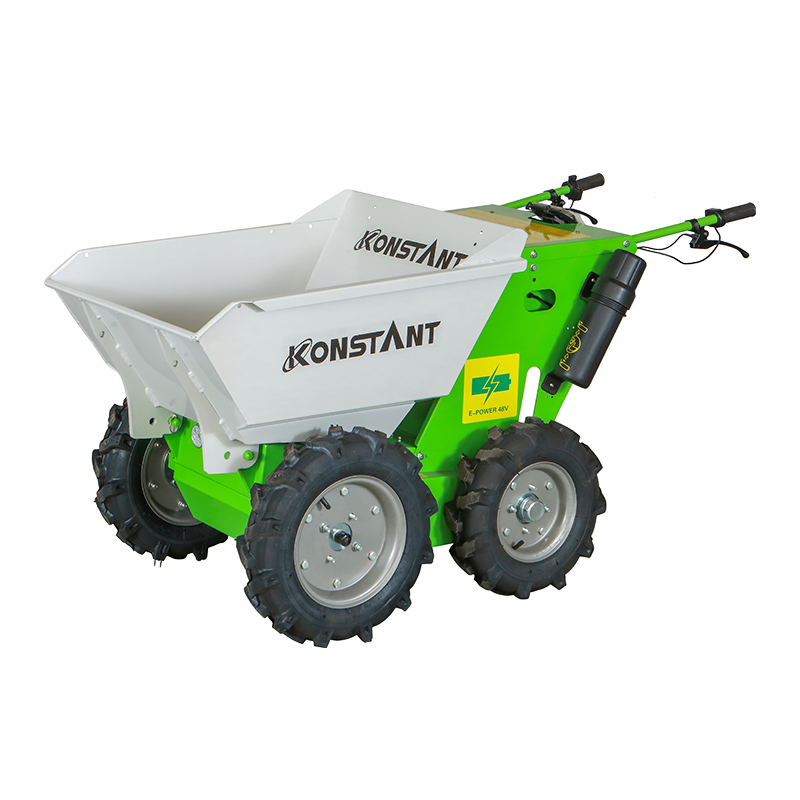
A small, powered material carrier can do more than move loads from one point to another. It can change how a site is organized. It can reduce the amount of walking, lifting, and backtracking that happens during a normal day. It can also make awkward spaces feel more manageable. In that sense, the Electric Mini Dumper is not just a transport tool. It is part of a broader shift toward simpler, more flexible site movement.
What makes this shift interesting is that it is not driven by a single big trend. It comes from many small pressures that site teams already know well. Narrow access ways. Uneven ground. Frequent short trips. Shared working zones. Tight schedules. When those conditions show up together, a compact hauler starts to make more sense than a larger machine that needs extra space and careful planning.
Why small worksites think differently about transport
Large construction sites often have room for big machinery, open turning paths, and clearly separated work zones. Smaller sites usually do not. They may have narrow walkways, partially finished surfaces, or areas where one team has to wait for another team to finish moving materials before continuing work. In that kind of setting, transport becomes less about power and more about control.
Manual movement can still work in small spaces, but it has limits. Repeated lifting wears people down. Carrying materials back and forth takes time that could be used elsewhere. If the load is awkward or the terrain is uneven, the task becomes even slower. That is why many teams look for something in between full manual handling and large-scale equipment.
A compact carrier gives them that middle ground. It is small enough to move through tighter areas, but capable enough to take over part of the daily load. The result is not just less physical strain. It is a more orderly way of working. Materials get where they need to go with fewer interruptions, and the site feels a little less crowded in the process.
The value of reducing repeated lifting
One of the changes people notice when they start using a battery-powered hauler is how much less they need to lift by hand. That sounds obvious, but in practice it matters a great deal. Repeated lifting is tiring. It also increases the chance of awkward movements, dropped materials, and delays when a load is heavier than expected.
On smaller sites, that reduction in manual effort often changes the whole pace of the day. Workers can focus more on placement and coordination instead of spending energy on transport. A load that would normally require two or three manual trips can often be handled in a more controlled way. That saves time, but it also helps people keep their energy for tasks that actually need judgment and skill.
The Electric Mini Dumper fits into this kind of workflow because it takes over the repetitive part without forcing the team to reorganize the entire site. It is a practical answer to a practical problem. The machine does not need to be dramatic to be useful. It just needs to make common tasks easier.
Why compact movement matters in tight spaces
Space is one of the biggest constraints on a small job site. Materials are stacked in one area. Tools are stored in another. Workers need room to pass. Someone is always waiting on something else to move . In those conditions, the ability to maneuver smoothly becomes as important as the load itself.
A compact transport tool helps because it can move where larger equipment struggles. It does not need wide paths or generous turning circles. It can operate in narrow zones, around obstacles, and in areas where the site layout changes from day to day. That flexibility is useful not just in construction but also in renovation, landscaping, and maintenance work.
The Electric Mini Dumper is often chosen for exactly that reason. It does not ask the site to become more open. It adapts to the site that already exists. That makes it easier to use in places where access is irregular or partially blocked by ongoing work.
This kind of mobility also reduces hesitation. Workers do not need to pause and rethink every move because the machine is too large for the space. The machine fits the task, which keeps the workflow moving.
How this kind of equipment changes the feel of a workday
It is easy to talk about transport in terms of efficiency, but the daily experience matters too. A site that constantly requires heavy lifting and awkward carrying feels tiring even before the day is over. A site with smoother material movement tends to feel more manageable. That change in atmosphere is one of the reasons compact equipment gets so much attention from crews once they start using it.
When materials move with less friction, other tasks become easier to coordinate. A worker waiting for supplies does not have to stand around as long. A small team can keep pace better because transport no longer dominates the schedule. Even the site layout can feel more organized because loads are moving with less clutter and fewer detours.
The Electric Mini Dumper contributes to that feeling by taking over a role that is often underestimated. It keeps the day from being broken into too many short, tiring transport trips. That alone can make a real difference when the site is busy.
Where compact haulers show up beyond construction
Although people often connect these tools with building work, they are useful in other settings as well. Landscaping teams, garden crews, farm workers, and maintenance staff all deal with short-distance material movement. In those cases, the needs are similar: keep loads moving, avoid unnecessary strain, and work within limited space.
On a landscape job, the materials may include soil, mulch, plants, or stones. On a farm, the loads may be supplies, feed, or general materials that need to be moved across uneven ground. In a maintenance setting, the job may involve tools, replacement parts, or cleanup materials. The details change, but the transport problem stays familiar.
That is why the Electric Mini Dumper has gained attention in more than one field. It is not limited to a single kind of work. It suits environments where the job is physically active, the paths are narrow, and the material has to move often but not always over a long distance.
Matching the machine to the site conditions
Choosing the right transport tool is not just about picking something that can carry a load. It is about matching the tool to the actual conditions of the site. Terrain matters. Space matters. The kind of material being moved matters too.
Some sites have smoother ground and more predictable routes. Others have slopes, rough patches, or changing surfaces. Some need frequent small trips. Others need fewer but heavier movements. A machine that works well in one setting may not feel right in another if the site conditions are very different.
That is why people evaluating a compact carrier usually look at maneuverability, load behavior, and ease of handling before anything else. If the machine is difficult to turn, hard to position, or awkward to stop and start, it can create as many problems as it solves. If it feels balanced and manageable, it becomes part of the site routine much faster.
The Electric Mini Dumper is often viewed through this practical lens. It is not chosen because it sounds impressive. It is chosen because it fits the kind of movement many smaller sites actually need.
Why maintenance is part of the conversation
Any piece of worksite equipment has to be maintained if it is going to stay useful. That does not mean maintenance has to be complicated. It means the team should know what to check, when to clean, and how to notice early signs of wear.
For compact electric equipment, basic care often includes keeping the moving parts clean, checking the handling condition after rough use, and paying attention to the power system so the machine is ready when needed. These are simple habits, but they matter. A small transport tool is often used in demanding environments, so small issues can turn into larger ones if nobody pays attention.
The Electric Mini Dumper benefits from the same kind of regular care. The more predictable the maintenance routine, the more dependable the machine feels during daily use. That is important on sites where delays affect the rest of the schedule.
Why electric-powered options are getting more attention
There is also a broader trend behind the rising interest in compact powered transport tools. More sites are looking for equipment that is quieter, more adaptable, and easier to use in places where large machines are not practical. Electric power fits that direction well.
In many settings, a quieter machine is easier to use around other workers. It can also be more comfortable in residential or shared environments where noise matters. That makes electric transport tools a practical fit for renovation, urban work, and smaller project sites where disruption has to stay under control.
The Electric Mini Dumper sits inside that shift toward more flexible working methods. It gives teams a way to move materials without bringing in a bigger machine than the site really needs.
The wider change happening in site workflow
What is happening here is bigger than one product category. Worksites are becoming more aware of how much time and energy gets spent on movement alone. The question is no longer only how to complete the task, but how to make the whole process easier to manage from start to finish.
That is why compact haulers are being taken more seriously. They support the routine parts of a job without forcing the crew to slow down around transport. They make tight spaces more workable. They reduce repeated lifting. They help teams keep a cleaner flow of work across the day.
And in many cases, that is enough. The machine does not have to change the entire site. It just has to make the daily movement of materials less of a burden.
Small sites often have the difficult material movement problems because space is limited and tasks overlap. That is where a compact powered hauler proves its value. It helps reduce manual strain, improves movement in narrow areas, and supports a more controlled workflow without requiring major changes to the site layout.
The Electric Mini Dumper is part of that practical shift. It is useful not because it tries to solve everything at once, but because it handles one of the tiring parts of the job in a cleaner, more manageable way. For many teams, that is exactly what makes it worth paying attention to.
If you look closely at what makes a worksite run smoothly, transport usually sits near the center of the answer. When movement becomes simpler, the rest of the day tends to follow.
Related products

Latest Updates
-
How Tracked Mini Transport Machines Perform on Muddy and Uneven Ground
Construction sites, landscaping work, and outdoor material movement often take place where the groun...
-
Mini Dumper Purchases: Include the Charging Plan in the Enquiry
A battery powered mini dumper may be selected for its size and payload, while charging is left as a ...

-
Welcome To Visit Us
No.30, Third Furong Road, Wuxi City, Jiangsu. 214100, China.
-
Call Us
Phone: +86 181-1889-1139
Phone: +86 181-1889-2139
-
Contact Us Online
E-mail: sales@konstantpm.com
E-mail: marketing@konstantpm.com
Copyright WUXI KONSTANT POWER TECH CO., LTD All Rights Reserved
 China Mini Dumpers Manufacturers Power Wheelbarrow Factory