
 English
 русский
 Français
 Español
 Deutsch

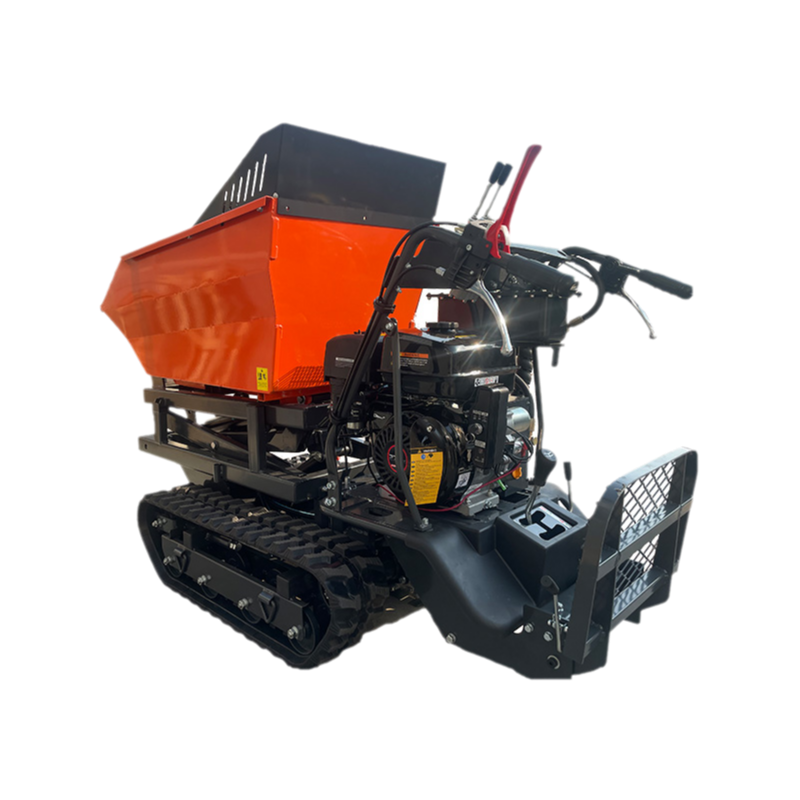
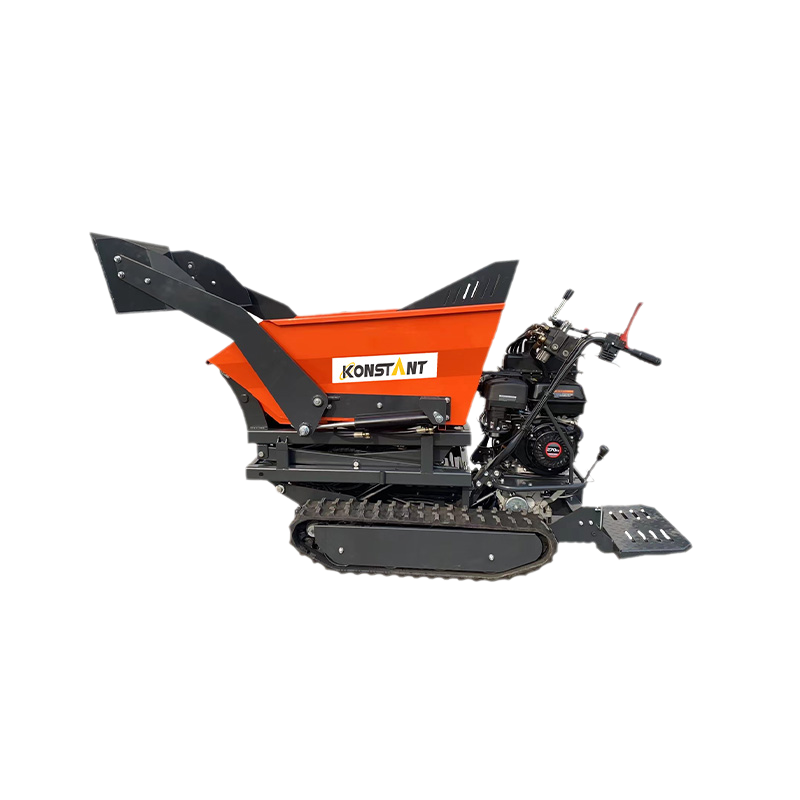
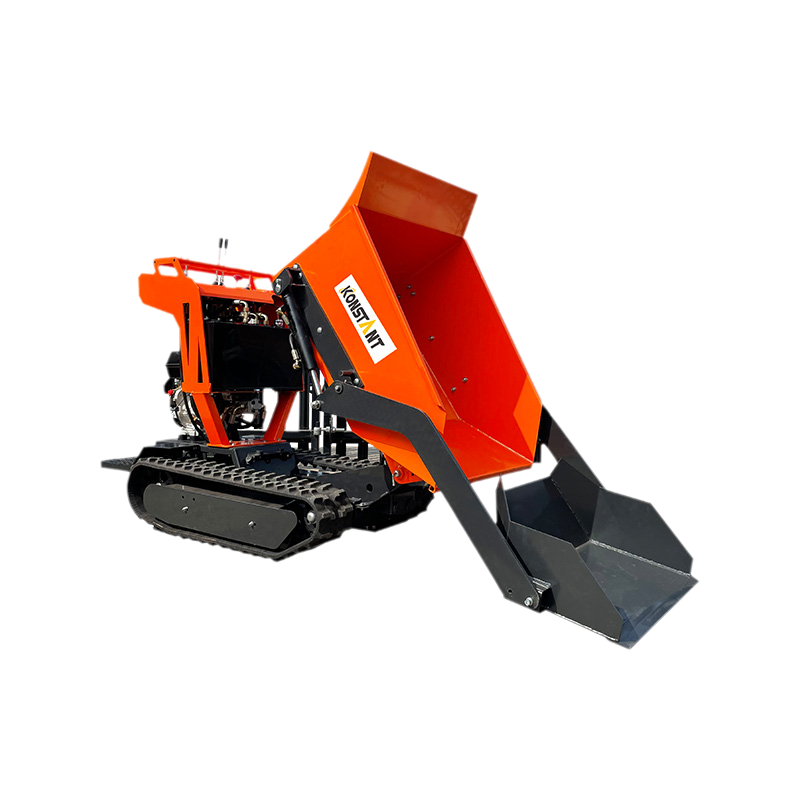
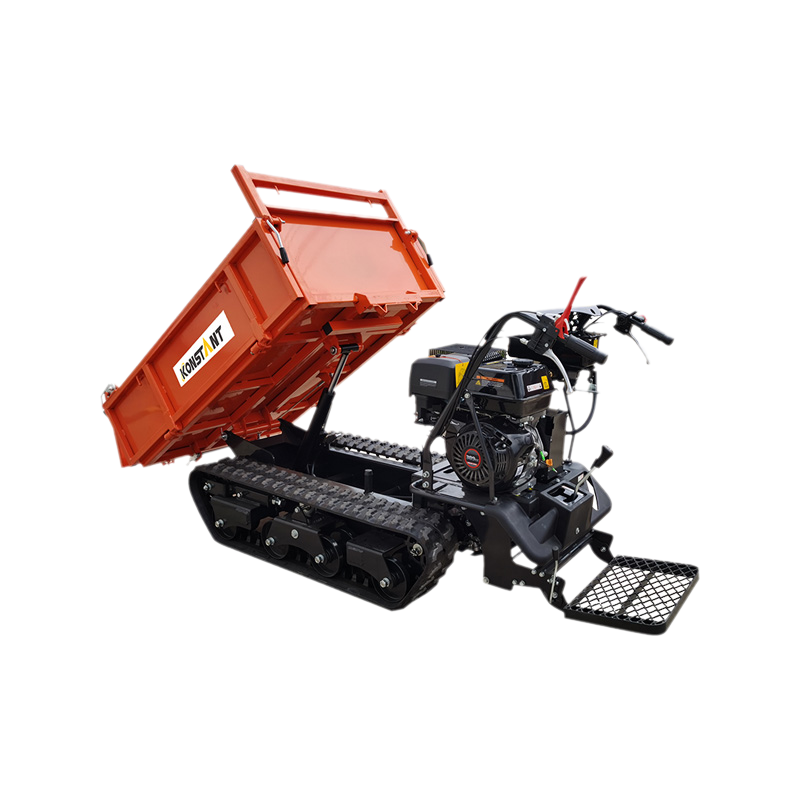
Provide you with the latest enterprise and industry news
What Are the Most Common Power Barrow Parts That Need Replacement
Update:29-05-2026
Posted by Admin
Content
- 1 Why do some parts wear faster than others in daily use?
- 2 Drive system components under continuous working pressure
- 3 Wheel barrow components and track wear in different terrain conditions
- 4 Handle system and gradual change in control response
- 5 Bearing wear and reduction in smooth rotation
- 6 Common Power Barrow Parts and Real Wear Behavior
- 7 Brake system changes during long-term operation
- 8 Frame stress and long-term structural fatigue
- 9 Why operating environment changes wear speed?
- 10 Small performance changes that appear before replacement
- 11 Why wear develops gradually instead of suddenly?
- 12 Maintenance role in extending service life
- 13 Final perspective on replacement behavior in power barrows
Power barrows are designed for environments where the ground is rarely stable and the workload changes throughout the day. Construction sites, small farms, landscaping projects, and general material transport all expose the machine to repeated vibration, uneven surfaces, and shifting loads. Over time, these working conditions gradually affect certain components more than others.
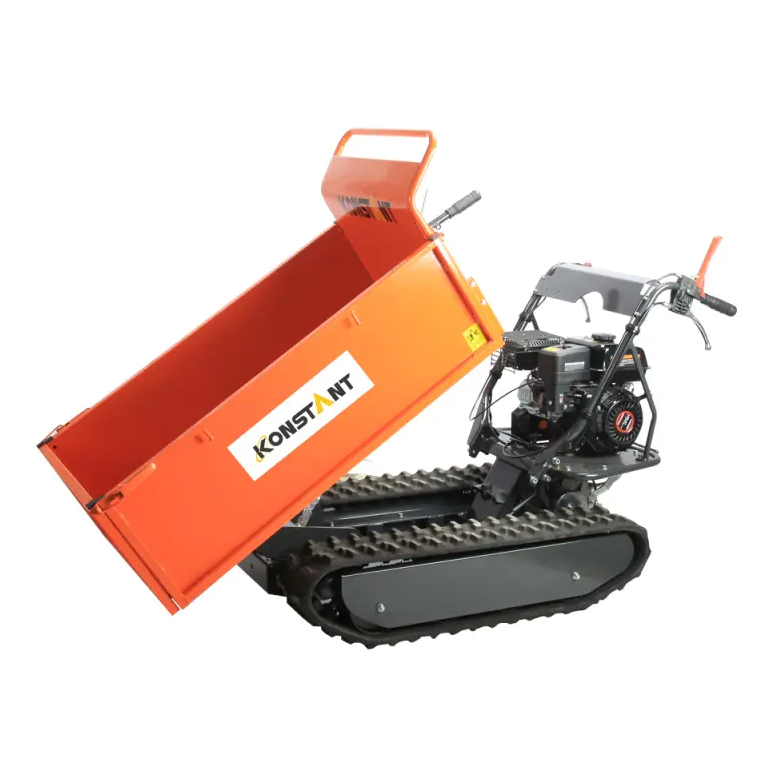
Unlike sudden breakdowns, some part replacements are the result of slow and continuous wear. The machine keeps functioning, but its behavior changes slightly. Movement may feel less smooth, response may become slower, or control may require more effort. These subtle differences are usually the sign that some components are reaching the end of their normal service life.
Why do some parts wear faster than others in daily use?
A power barrow runs on multiple connected parts, yet not all of them take the same amount of strain during work. Some components keep moving non‑stop as long as the machine is turned on. Others mainly hold the whole structure steady and only bear outside pressure occasionally. This difference in how hard each part works is why some wear out much quicker than others.
Parts that move constantly, carry heavy loads or touch the ground face more friction and vibration every day. After long‑term use, this ongoing stress slowly wears down their surface and affects how well they function. Users may not spot these small changes right away, but they become obvious once the machine has been used heavily in real‑world working conditions.
Most of the time, the warning signs aren't obvious damage. Instead, you'll feel small changes when operating the machine. Things like extra resistance, slow response or slight shaking can mean certain key parts are wearing out and will need replacing soon.
Drive system components under continuous working pressure
The drive system is one of the important working sections in a power barrow because it converts engine output into actual movement. Every time the machine starts, moves, or carries a load, this system is active. Because of this constant engagement, it naturally becomes one of the frequently replaced areas over time.
As usage continues, internal friction gradually increases. This does not immediately stop the machine, but it changes how smoothly power is transferred into motion. Operators may begin to notice that acceleration feels less consistent, especially when the machine is carrying heavier loads or moving across uneven ground.
In real working conditions, repeated starting and stopping cycles also add stress. When the machine frequently changes direction or speed, internal components inside the drive system experience additional strain. Over time, this accumulation leads to a gradual decline in responsiveness, which is often the point where replacement becomes necessary.
Wheel barrow components and track wear in different terrain conditions
Ground contact components such as wheels or tracks are in direct contact with soil, gravel, mud, and uneven surfaces throughout operation. Because they are always interacting with the environment, they experience constant abrasion that slowly changes their surface condition.
At the beginning, wear is almost unnoticeable. The machine still moves normally, and grip feels stable. However, after extended use, especially in muddy or loose soil, traction gradually becomes less reliable. The surface may appear smoother, and movement on slopes or soft ground may feel less controlled than before.
In uneven terrain, this wear becomes more noticeable. Small changes in surface grip can affect how confidently the machine moves through challenging areas. Operators often realize the difference only when comparing current performance with earlier operation, rather than from a single moment of failure.
Handle system and gradual change in control response
The handle system plays a key role in connecting operator input to machine movement. Because it is used continuously during operation, even small changes in its responsiveness can influence overall control quality.
Over time, repeated movement and vibration can cause the handle to feel slightly less precise. Direction changes may not feel as sharp, and the feedback from the machine may seem less direct than before. These changes are usually gradual, developing slowly across many working cycles.
Operators often notice this during longer sessions rather than short tasks. When the machine is used continuously, small differences in control response become easier to detect. Although the machine still functions normally, the feeling of reduced precision often indicates that internal components in the control system are beginning to wear.
Bearing wear and reduction in smooth rotation
Bearings keep rotating parts supported and cut down friction between moving components. Though they don't stand out visually, they're critical for keeping the whole machine running smoothly in every functional part. Since bearings work non‑stop whenever the machine is in use, they take constant mechanical stress over long periods.
When bearings start to wear down, early signs are usually hard to notice at first. The machine might make a little more noise while running, or its movement won't feel as smooth as it used to. Resistance can also slowly build up, especially when carrying heavy loads or working non‑stop for long stretches.
These issues don't happen overnight. They develop gradually as the inner surfaces of bearings lose their polished finish from constant use. Once you can clearly feel these small problems during regular work, it's time to plan for bearing replacement in routine maintenance.
Common Power Barrow Parts and Real Wear Behavior
| Component Area | Main Function | Early Wear Behavior | Long-Term Effect on Operation |
|---|---|---|---|
| Drive system | Transfers engine power into movement | Slight delay in response, uneven acceleration | Reduced smoothness under load |
| Wheels / tracks | Ground contact and traction support | Gradual loss of grip on soft ground | Less stability on uneven terrain |
| Brake system | Controls stopping and holding position | Slower stopping response on slopes | Reduced control in downhill movement |
| Handle system | Direction and movement control | Less precise feedback during operation | Reduced steering accuracy over time |
| Bearings | Supports rotation and reduces friction | Increased noise or resistance | Less fluid motion under continuous use |
| Frame contact points | Structural load distribution | Minor stress marks from vibration | Gradual structural fatigue over long use |
Brake system changes during long-term operation
Brake parts aren't working all the time when the machine is moving, but they're crucial for stopping it and keeping it in place—especially on hills or bumpy ground. Since brakes have to engage over and over again, usually when the machine is carrying a load, they slowly wear down with regular use.
As brakes wear out, they might not respond as fast as they used to. You might need more distance to bring the machine to a full stop, or it might feel wobbly when you're holding it still with a heavy load. These changes don't happen all at once, but they're easier to notice when you're working on tough terrain where you need precise control.
In work settings, how well the brakes work is tied directly to safety and how confident you feel operating the machine. That's why even small changes in brake performance are usually taken seriously.
Frame stress and long-term structural fatigue
The frame of a power barrow does not move during operation, but it carries all working forces including load weight, vibration, and terrain impact. Every cycle of use applies stress to the same structural points, which slowly builds up over time.
In early stages, this stress is not visible. However, after long-term use, small marks or slight structural changes may appear in areas that experience repeated pressure. These changes do not usually affect immediate function, but they reflect the overall working history of the machine.
Machines used frequently on rough or uneven terrain tend to show these signs earlier due to continuous vibration and irregular load distribution.
Why operating environment changes wear speed?
Not all machines wear at the same rate. The working environment plays a major role in how quickly parts need replacement.
Common influencing factors include:
- terrain type (flat, muddy, rocky)
- load consistency
- frequency of daily operation
- exposure to moisture or dust
- operator handling style
A machine used in soft soil or muddy conditions will typically require earlier attention to wheels, drive systems, and bearings compared to one used on stable ground.
Small performance changes that appear before replacement
Before any part fails, there are usually early indicators. These signs are subtle but consistent if observed over time.
Operators may notice:
- slightly slower movement response
- reduced smoothness during operation
- minor vibration changes
- less precise steering feel
These early signs are often more useful than waiting for visible damage. They help identify which components are gradually approaching replacement stage.
Why wear develops gradually instead of suddenly?
Most power barrow components do not fail without warning. Instead, they go through a long process of gradual change caused by repeated mechanical stress. Friction slowly increases, material surfaces change over time, and small mechanical gaps may develop after long use cycles.
Because this process is slow, it is often easier to notice changes through daily operation rather than technical inspection alone. Operators who work with the machine regularly are usually the to detect differences in behavior.
This gradual wear pattern is one of the reasons why routine observation is often more effective than waiting for visible damage.
Maintenance role in extending service life
Regular maintenance does not stop wear completely, but it helps slow down its progression. Cleaning, inspection, and proper operating habits reduce unnecessary stress on components and help maintain more stable performance over time.
Machines that receive consistent maintenance usually show more predictable wear behavior. This makes replacement planning easier and reduces unexpected interruptions during work.
Even with proper maintenance, however, all mechanical parts eventually reach the point where replacement becomes necessary due to long-term use.
Final perspective on replacement behavior in power barrows
Power barrow part replacement is a gradual process shaped by movement, load, environment, and time. Components involved in motion and control tend to show early signs of wear, while structural parts change more slowly over longer periods of use.
In real working conditions, the key is not reacting only when failure occurs, but understanding how performance changes step by step. Observing these gradual shifts allows operators to manage maintenance more effectively and keep the machine operating in a stable condition over time.
Related products

Latest Updates
-
Mini Dumper Purchases: Include the Charging Plan in the Enquiry
A battery powered mini dumper may be selected for its size and payload, while charging is left as a ...
-
Can Wheelbarrow Function Support Different Types of Work
Moving materials from one place to another is part of many types of outdoor work. A gardener may n...

-
Welcome To Visit Us
No.30, Third Furong Road, Wuxi City, Jiangsu. 214100, China.
-
Call Us
Phone: +86 181-1889-1139
Phone: +86 181-1889-2139
-
Contact Us Online
E-mail: sales@konstantpm.com
E-mail: marketing@konstantpm.com
Copyright WUXI KONSTANT POWER TECH CO., LTD All Rights Reserved
 China Mini Dumpers Manufacturers Power Wheelbarrow Factory