
 English
 русский
 Français
 Español
 Deutsch

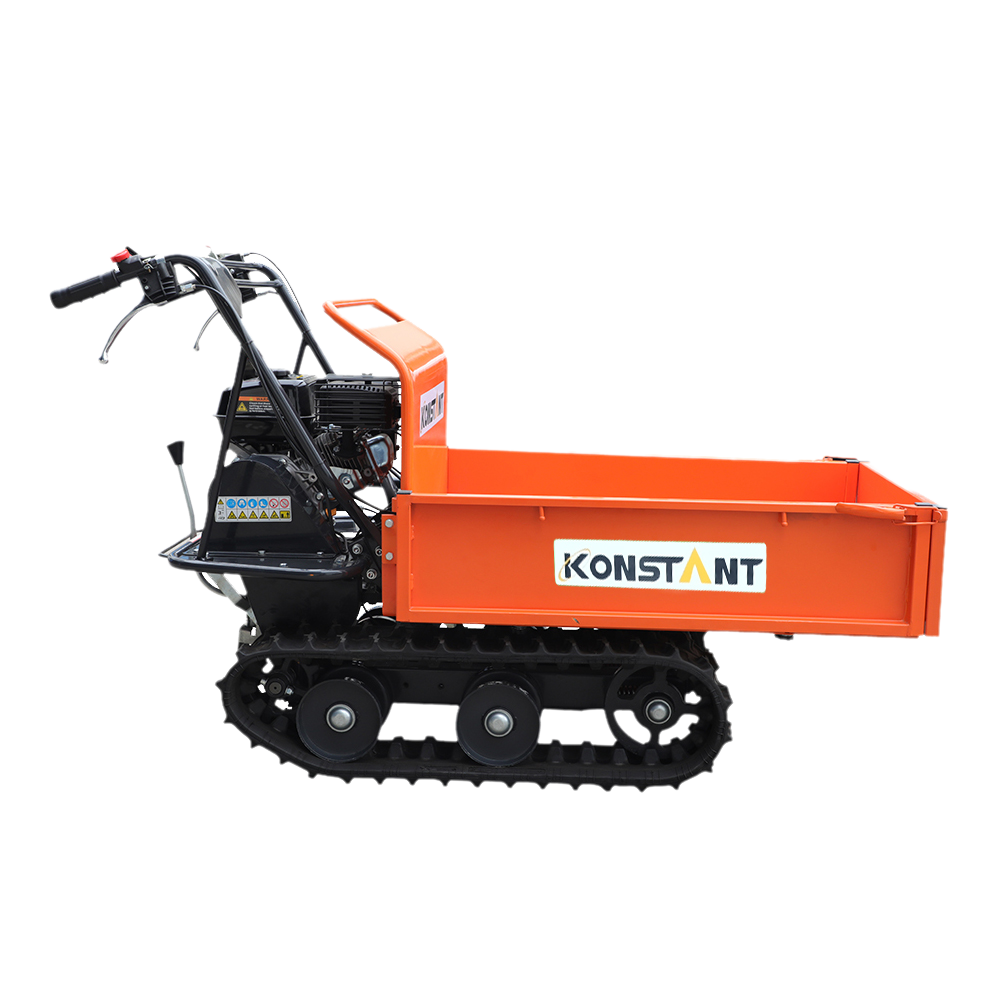
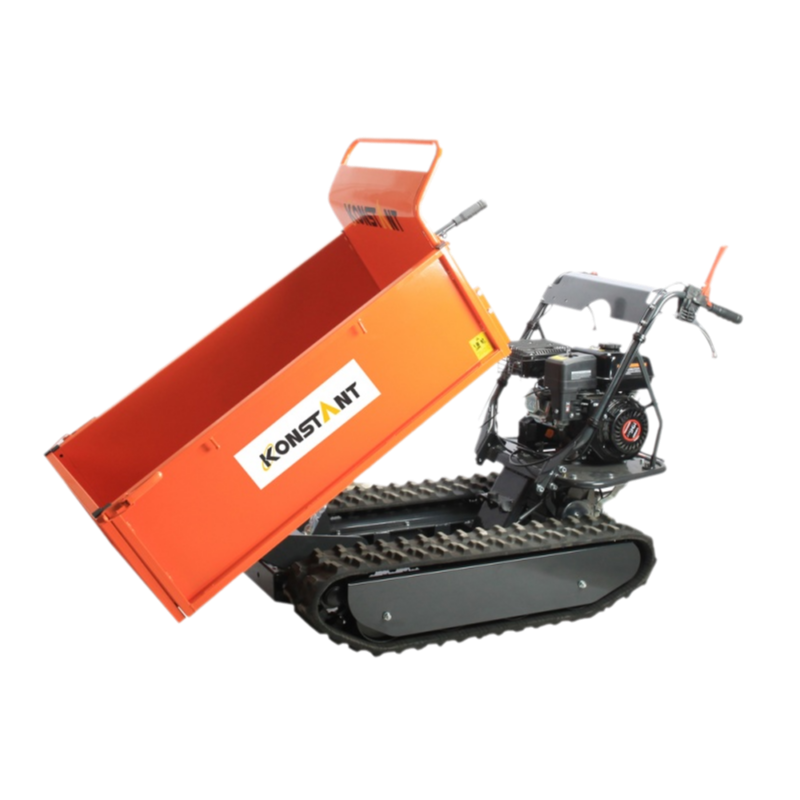
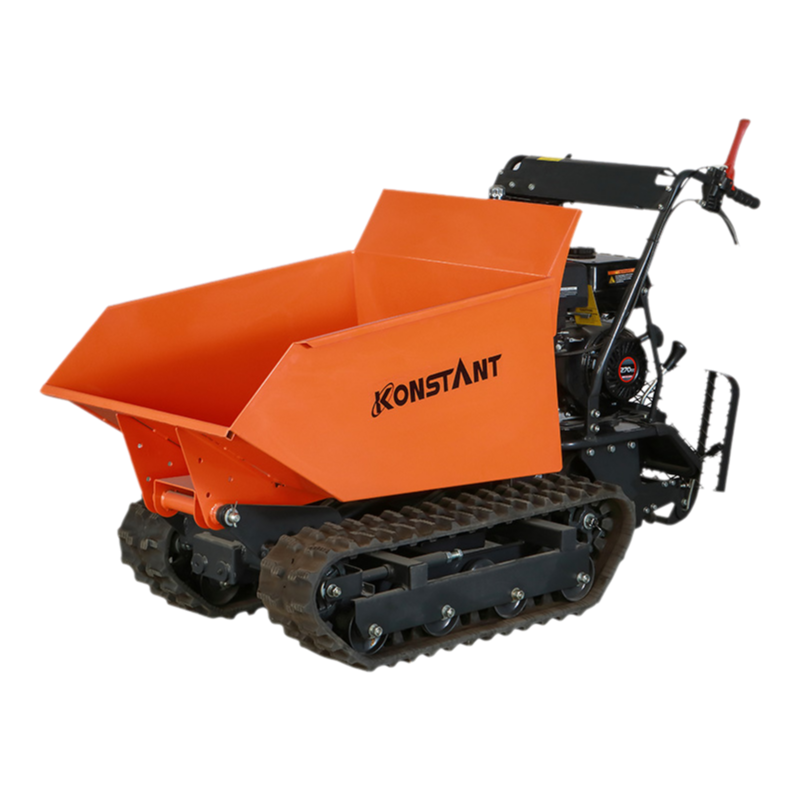
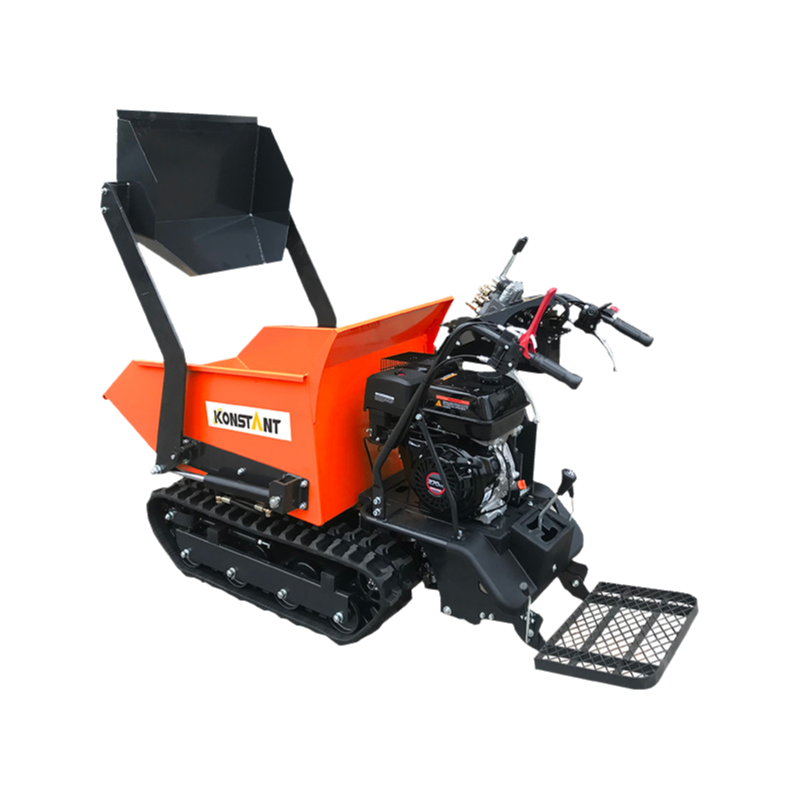
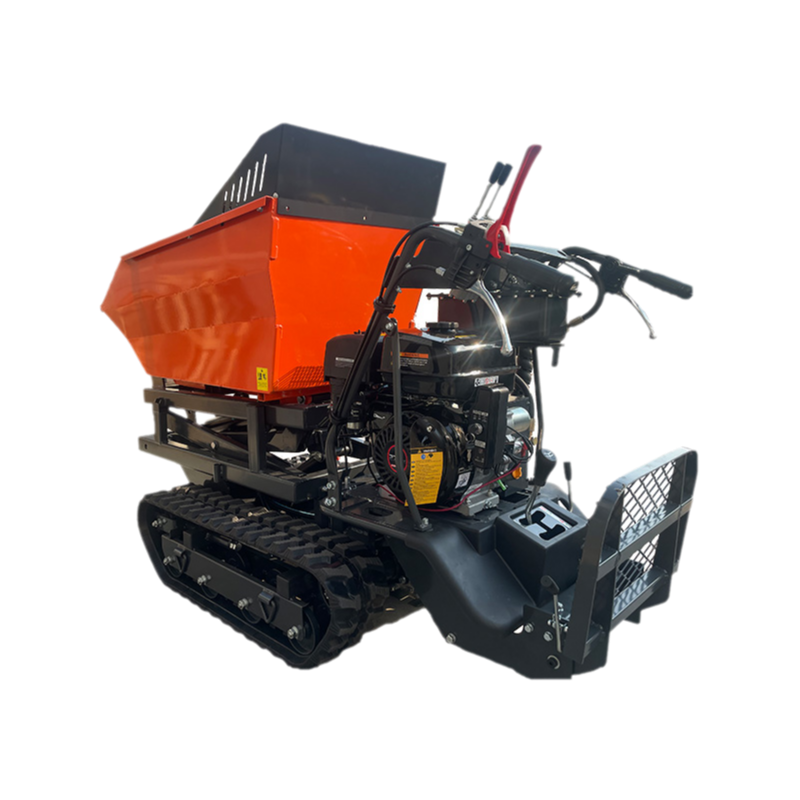
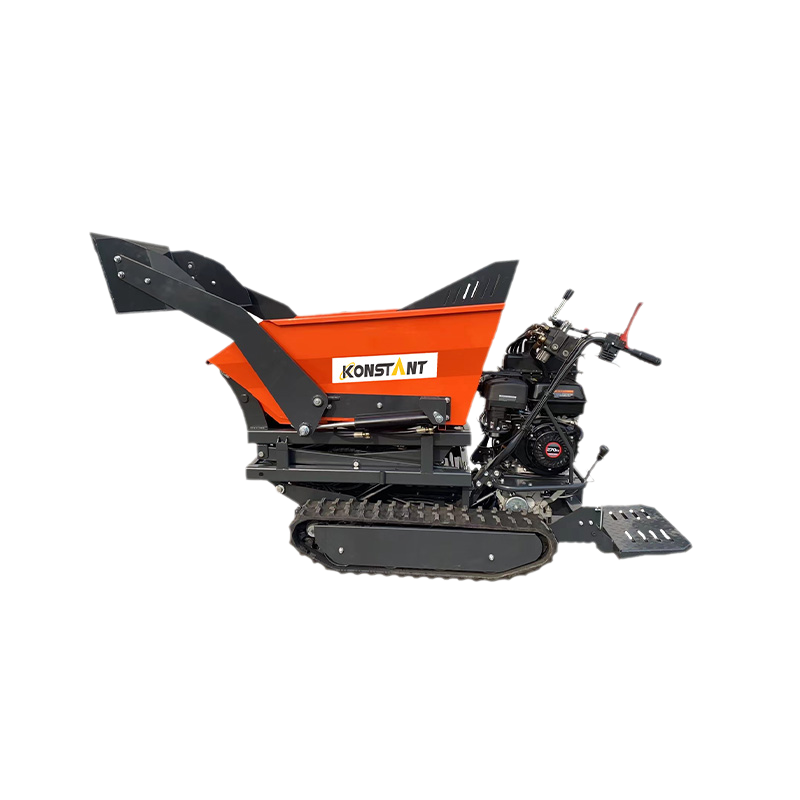
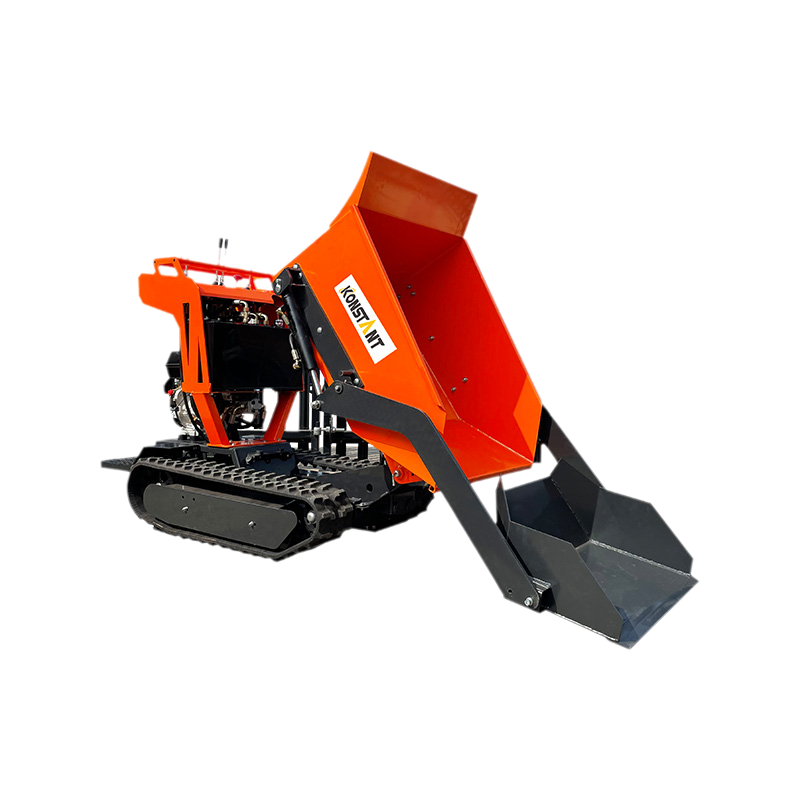
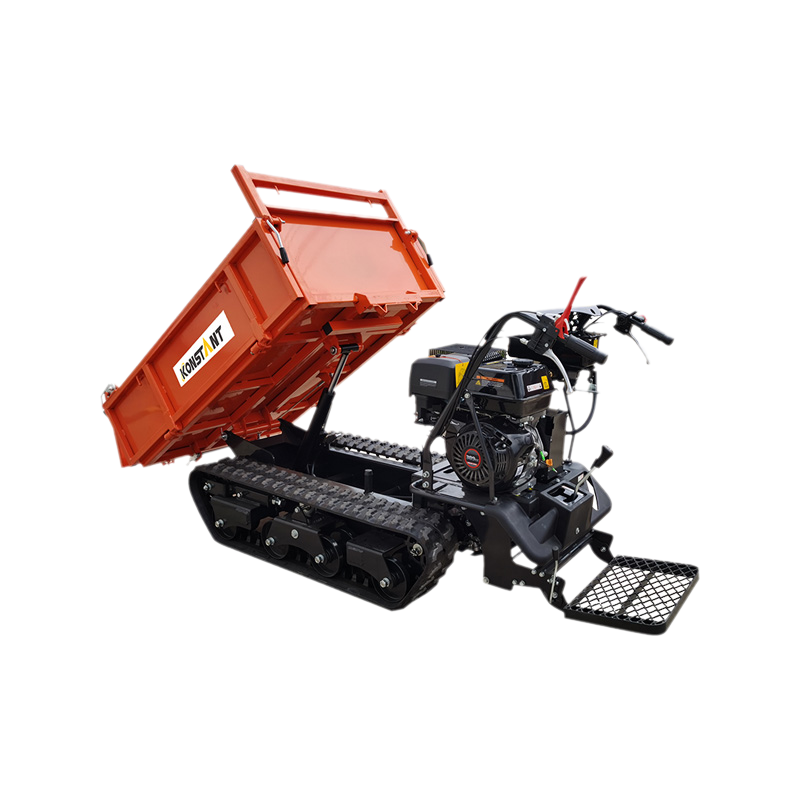
Provide you with the latest enterprise and industry news
How to Choose a Reliable Gas Wheel Barrow Manufacturer or Supplier
Update:01-06-2026
Posted by Admin
Content
- 1 What should you understand before comparing suppliers?
- 2 Why does manufacturing consistency matter so much?
- 3 How can you evaluate a Gas Wheel Barrow Manufacturer?
- 4 Manufacturer vs Supplier Comparison in Practical Sourcing
- 5 What role does a supplier play in real purchasing decisions?
- 6 How does real working environment influence selection?
- 7 Why do long-term users focus more on behavior than specifications?
- 8 What should you observe during communication with suppliers?
- 9 How does production stability affect long-term cooperation?
- 10 Why do small differences matter more in real use?
- 11 How should buyers approach final selection?
- 12 Final perspective on choosing the right partner
Gas wheel barrow is used in many working environments where manual transport is no longer efficient. Construction sites, small farms, landscaping projects, and material handling tasks all rely on stable equipment supply. Because of this, choosing a manufacturer or supplier is not only about product appearance. It is about long-term consistency, support, and practical performance in real working conditions.
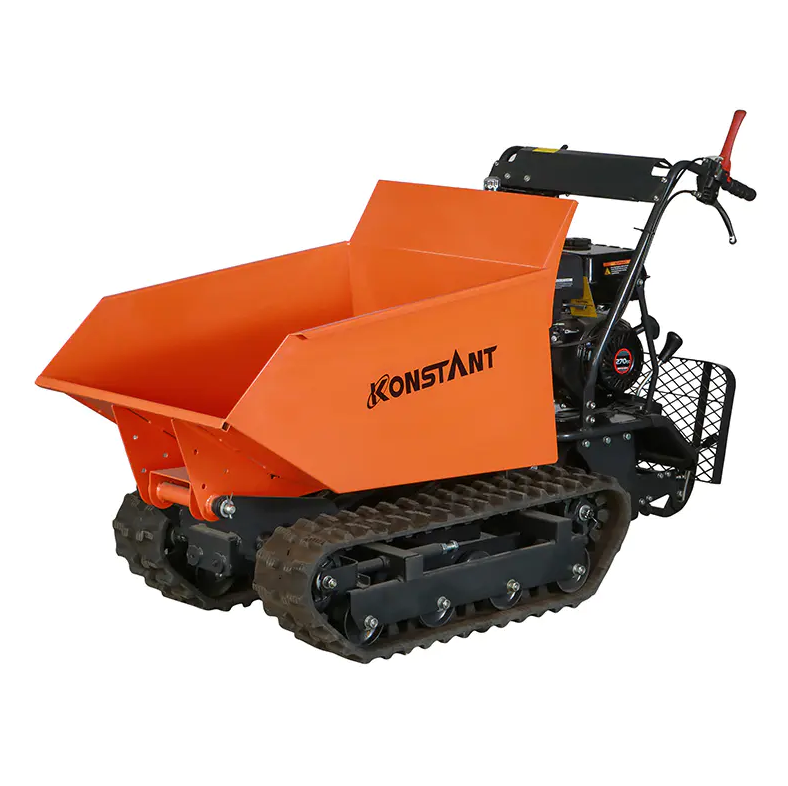
Many buyers realize this after experience in the field. A machine that looks similar on paper can behave differently once it is used daily. That is why supplier selection becomes a key part of equipment planning, not just a purchasing step.
What should you understand before comparing suppliers?
Before looking at catalogs or product lists, it helps to understand how the equipment will actually be used. A gas wheel barrow is not a standalone tool. It becomes part of daily workflow, often in environments with uneven ground, variable loads, and long operating hours.
Different suppliers may focus on different production styles or service approaches. Some prioritize volume, while others focus on stability or long-term cooperation. This difference is not always visible at glance, but it becomes clearer after use.
In practice, many buyers also compare sourcing channels such as Manufacturer and general Supplier options to understand whether they need factory-level production support or trading flexibility.
Why does manufacturing consistency matter so much?
A gas barrow is made up of multiple systems working together, including power, transmission, structure, and control. If one part is inconsistent, the entire machine experience can feel different.
Consistency in manufacturing usually affects:
- how stable the machine feels during movement
- how evenly power is delivered under load
- how parts fit and perform over time
Even small differences in assembly quality can find to noticeable changes in field performance. That is why many long-term buyers prefer suppliers with stable production routines rather than occasional output variations.
How can you evaluate a Gas Wheel Barrow Manufacturer?
A Gas Wheel Barrow Manufacturer is often responsible for the full production process. This includes assembly, structural design, and quality control before shipment. When evaluating a manufacturer, the focus is usually not on marketing claims, but on repeatable production behavior.
One way to understand this is to look at how they handle consistency across batches. If products remain stable in structure and operation over time, it often reflects a more controlled production system.
Another point is communication clarity. Manufacturers who understand application scenarios tend to respond more practically when discussing real usage conditions, not just product descriptions.
Manufacturer vs Supplier Comparison in Practical Sourcing
| Aspect | Manufacturer | Supplier / Trading Channel | What Buyers Usually Notice |
|---|---|---|---|
| Production control | Direct control over assembly | Depends on sourcing network | Stability across batches |
| Product variation | Usually more consistent | May vary between sources | Uniformity of machine feel |
| Communication | Technical and production focused | Sales and sourcing focused | Depth of product understanding |
| Custom support | More flexible in adjustments | Limited or indirect | Adaptation to specific needs |
| Delivery structure | Planned production cycles | Flexible shipment options | Speed vs consistency balance |
What role does a supplier play in real purchasing decisions?
A Gas Wheel Barrow Supplier often acts as a bridge between production and end users. They may work with multiple factories or product lines, which gives flexibility in sourcing different configurations.
This can be useful when buyers need different versions for different environments. However, it also requires careful attention to consistency. Not all sourced products behave the same in real use, even if they look similar externally.
For this reason, buyers often focus on whether the supplier can maintain stable product behavior across repeated orders.
How does real working environment influence selection?
Selection is not only about product structure. It is also about how the machine behaves in real conditions. Gas barrows are often used in uneven terrain, muddy soil, or mixed working environments.
In these conditions, buyers tend to observe:
- whether movement feels stable under load
- how the machine responds on slopes
- whether control remains consistent during long operation
- how easily the machine adapts to different surfaces
A reliable supplier or manufacturer is usually the one whose equipment performs predictably in these changing environments.
Why do long-term users focus more on behavior than specifications?
At the beginning, many buyers focus on written specifications. Over time, experience shifts attention toward behavior in real use.
Machines that look similar on paper may feel different in operation. Some respond smoothly under continuous load, while others feel less stable during longer working cycles.
This is why experienced users often rely on practical feedback such as movement stability, control response, and maintenance frequency instead of only relying on product descriptions.
What should you observe during communication with suppliers?
Communication is often an early indicator of how reliable a supplier or manufacturer may be. It is not about speed alone, but about how they respond to practical questions.
Useful signs include:
- clear explanation of product structure
- understanding of working environments
- realistic expectations about performance
- consistent responses across different inquiries
When communication feels grounded in real usage scenarios, it usually reflects deeper product familiarity.
How does production stability affect long-term cooperation?
Long‑term business partnerships rely heavily on steady, consistent product quality. Most buyers don't just place one‑off orders; they keep purchasing multiple batches over months or years.
If product performance shifts from batch to batch, it can mess up their regular work process. This matters a lot for businesses running several machines at the same time.
A reliable gas barrow maker or supplier avoids these uncertainties by keeping their production standards consistent all the time.
Why do small differences matter more in real use?
Minor differences might look unimportant on paper, but they can greatly change how the machine performs in real‑world work.
For instance, a tiny shift in weight balance can make handling harder on rough ground. Even slight changes in how controls respond can tire operators out during long working days.
These small details become far more obvious the longer the machine is used, especially in tough working conditions where it runs non‑stop all day long.
How should buyers approach final selection?
Final selection is usually a combination of observation and comparison. Instead of focusing on a single feature, buyers often look at overall behavior patterns.
They may consider how stable the machine feels during movement, how predictable it is under load, and how consistent it remains across different working conditions.
In many cases, the decision is influenced more by long-term reliability expectations than by initial appearance or short-term performance impressions.
Final perspective on choosing the right partner
Choosing a gas barrow manufacturer or supplier is not only about finding a product. It is about selecting a partner whose equipment behaves consistently in real environments.
Whether working with a Gas Wheel Barrow Manufacturer or a Gas Wheel Barrow Supplier, the key point is stability over time. Machines that perform predictably in different conditions reduce uncertainty in daily operations.
In real applications, reliability is not defined by one moment of performance. It is defined by how the equipment continues to behave after repeated use in changing and sometimes demanding working conditions.
Related products

Latest Updates
-
How Tracked Mini Transport Machines Perform on Muddy and Uneven Ground
Construction sites, landscaping work, and outdoor material movement often take place where the groun...
-
Mini Dumper Purchases: Include the Charging Plan in the Enquiry
A battery powered mini dumper may be selected for its size and payload, while charging is left as a ...

-
Welcome To Visit Us
No.30, Third Furong Road, Wuxi City, Jiangsu. 214100, China.
-
Call Us
Phone: +86 181-1889-1139
Phone: +86 181-1889-2139
-
Contact Us Online
E-mail: sales@konstantpm.com
E-mail: marketing@konstantpm.com
Copyright WUXI KONSTANT POWER TECH CO., LTD All Rights Reserved
 China Mini Dumpers Manufacturers Power Wheelbarrow Factory