
 English
 русский
 Français
 Español
 Deutsch

Provide you with the latest enterprise and industry news
What Maintenance Does an Electric Mini Dumper for Sale Require
Update:05-06-2026
Posted by Admin
Content
- 1 Why Does An Electric Mini Dumper Need Regular Attention?
- 2 What Should Be Checked During Daily Use?
- 3 How Should The Battery Be Looked After?
- 4 What Kind Of Cleaning Actually Makes A Difference?
- 5 How Do Moving Parts Change With Use?
- 6 How Does Loading Practice Affect Maintenance?
- 7 What Environmental Conditions Change Maintenance Needs?
- 8 How Can Electrical Connections Stay Stable?
- 9 What Signs Suggest Maintenance Is Coming Due?
- 10 How Should Maintenance Be Organized In Practice?
- 11 Why Do Small Habits Matter More Than Big Repairs?
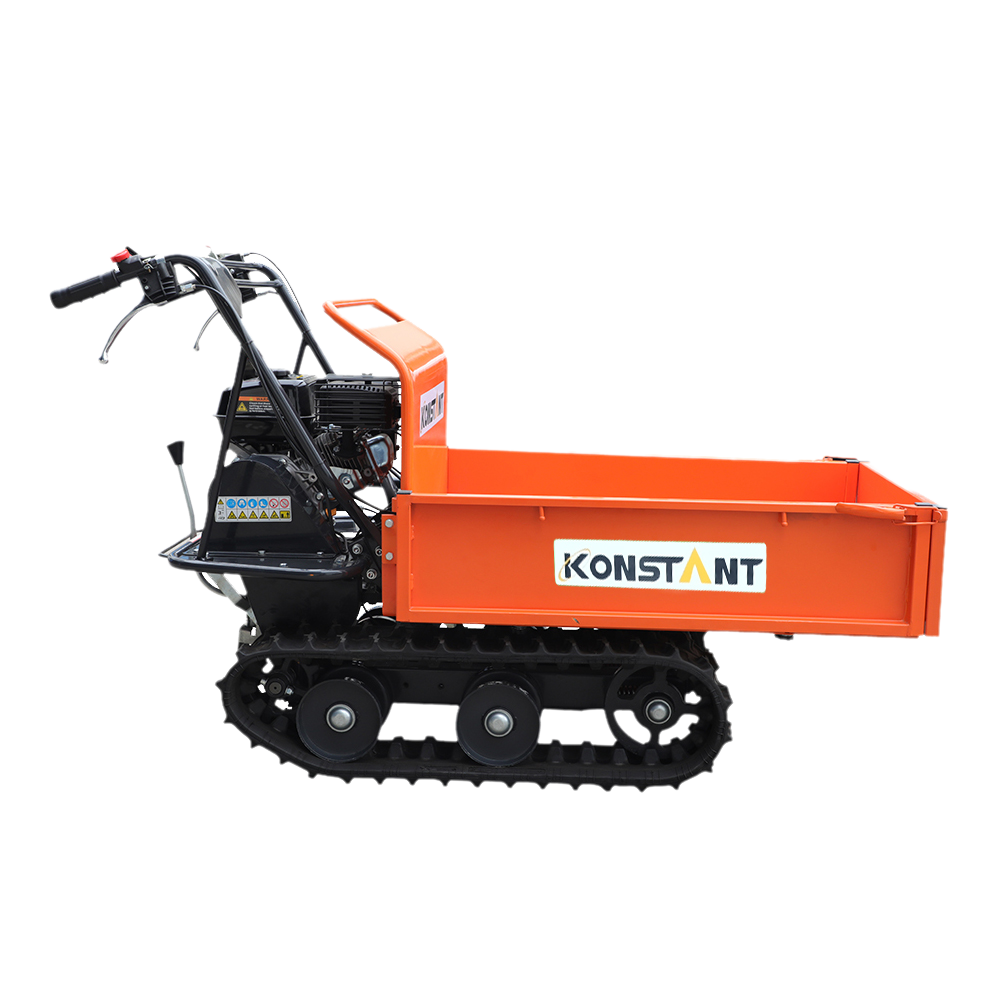
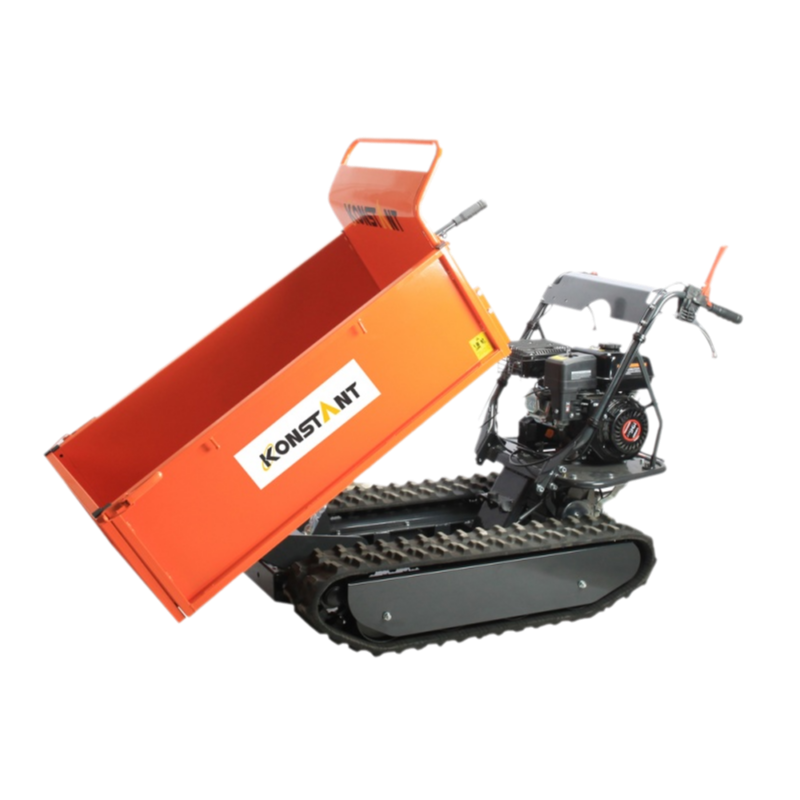
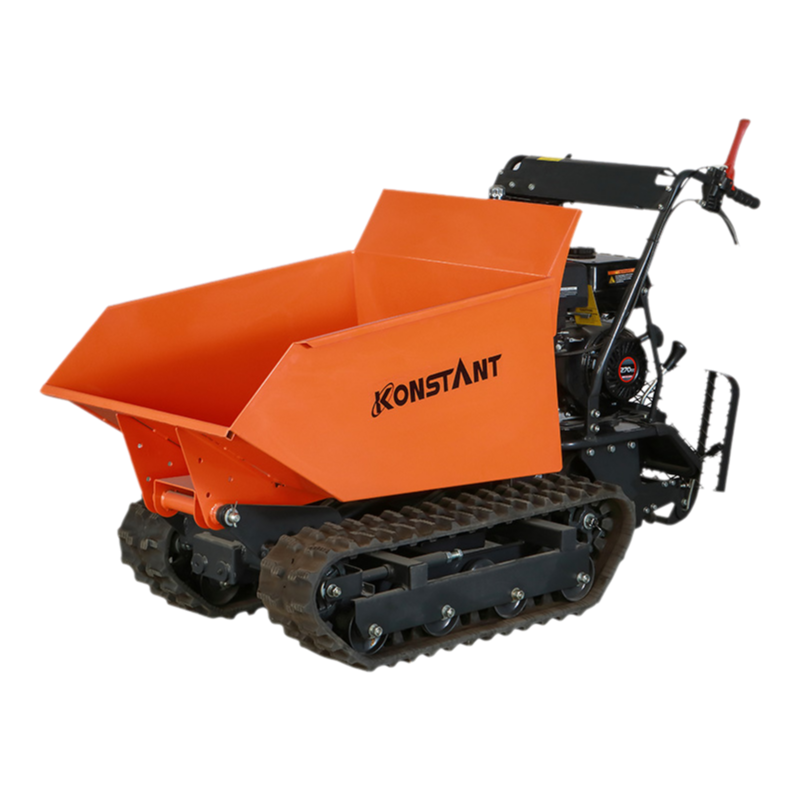
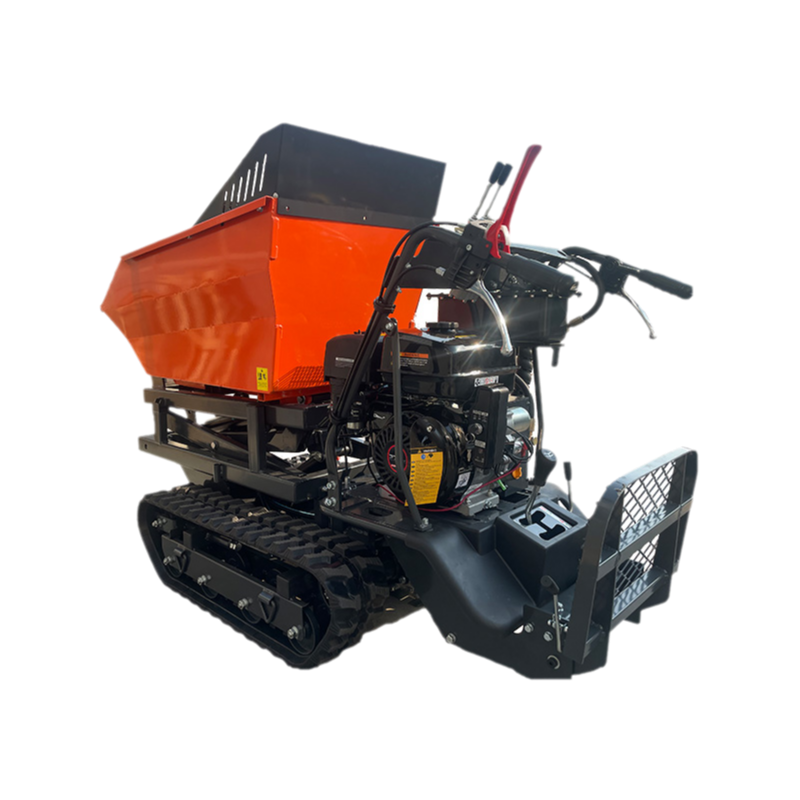
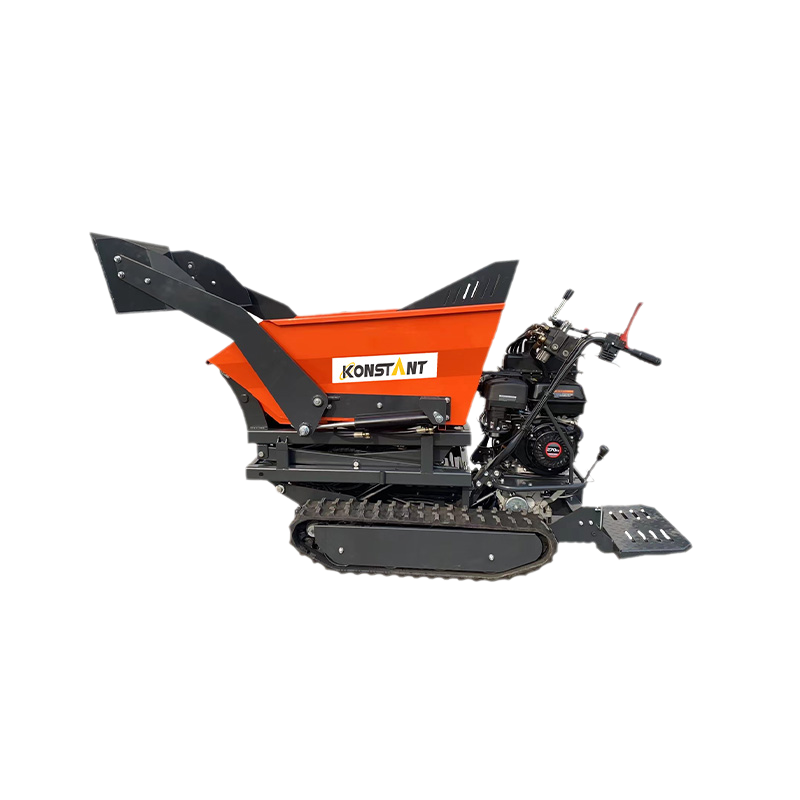
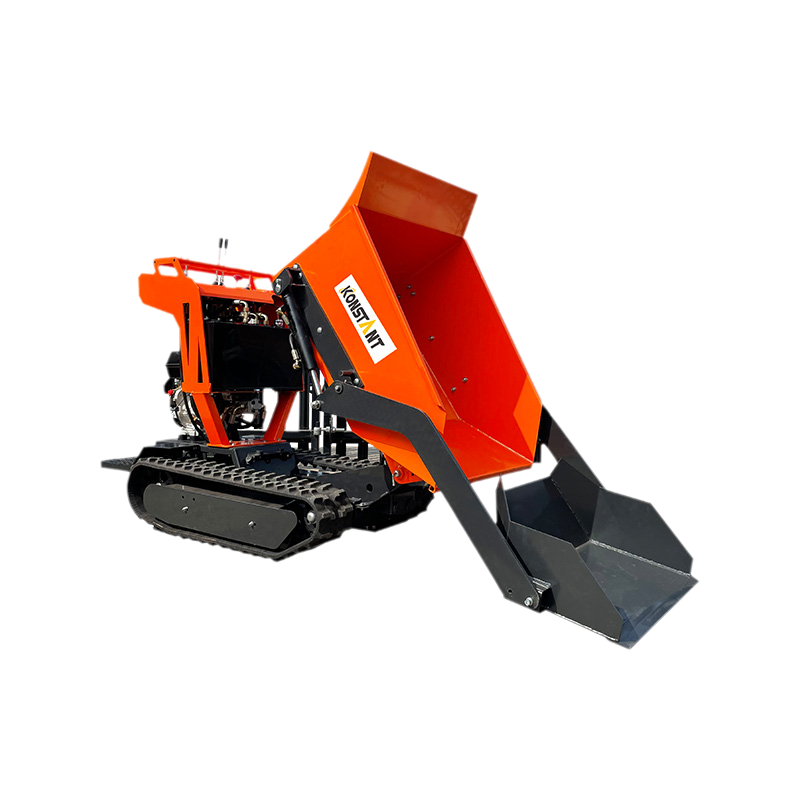
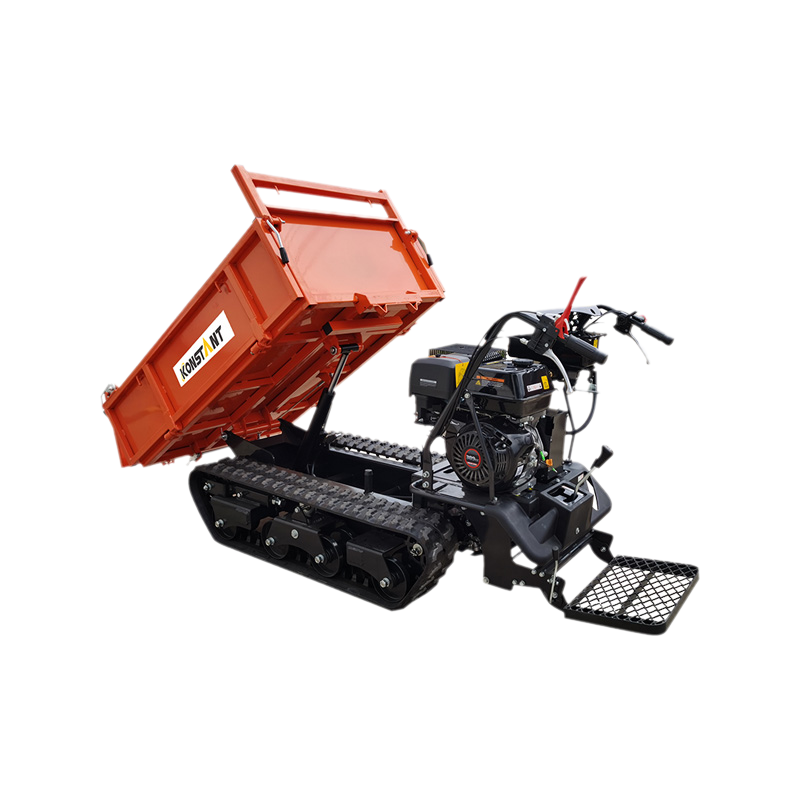
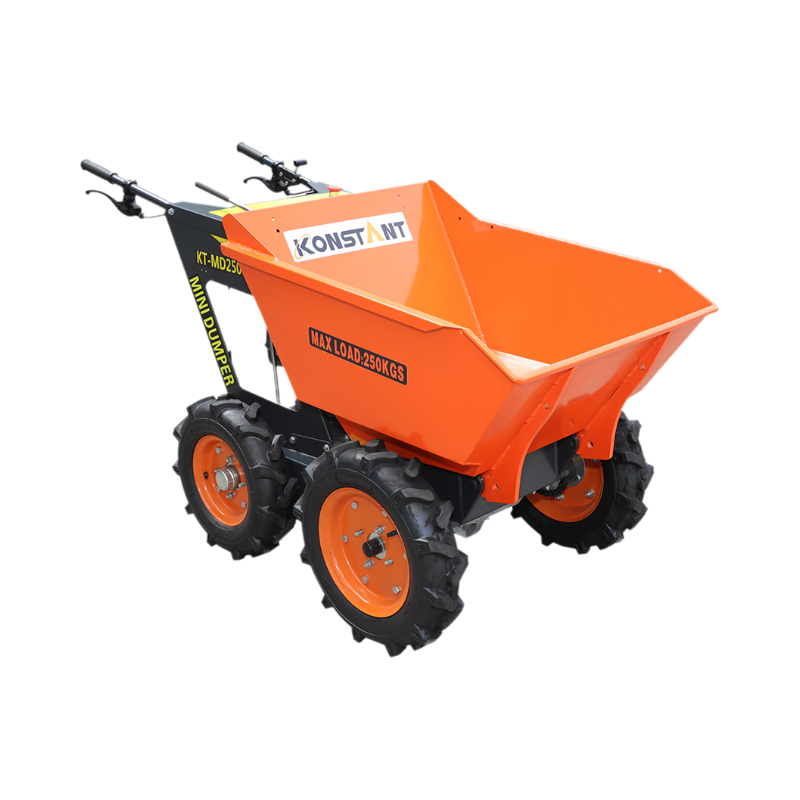
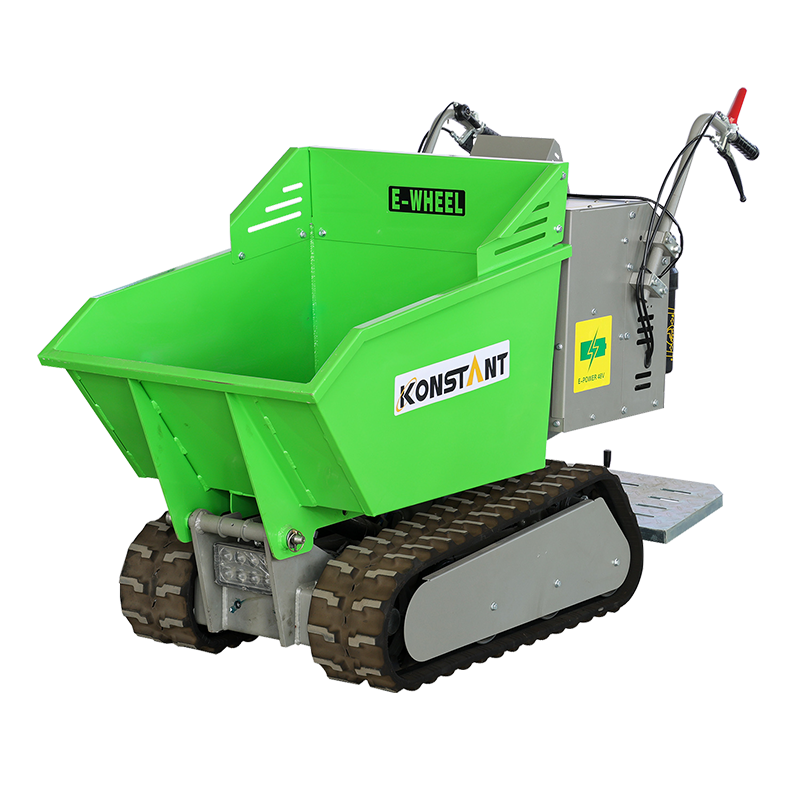
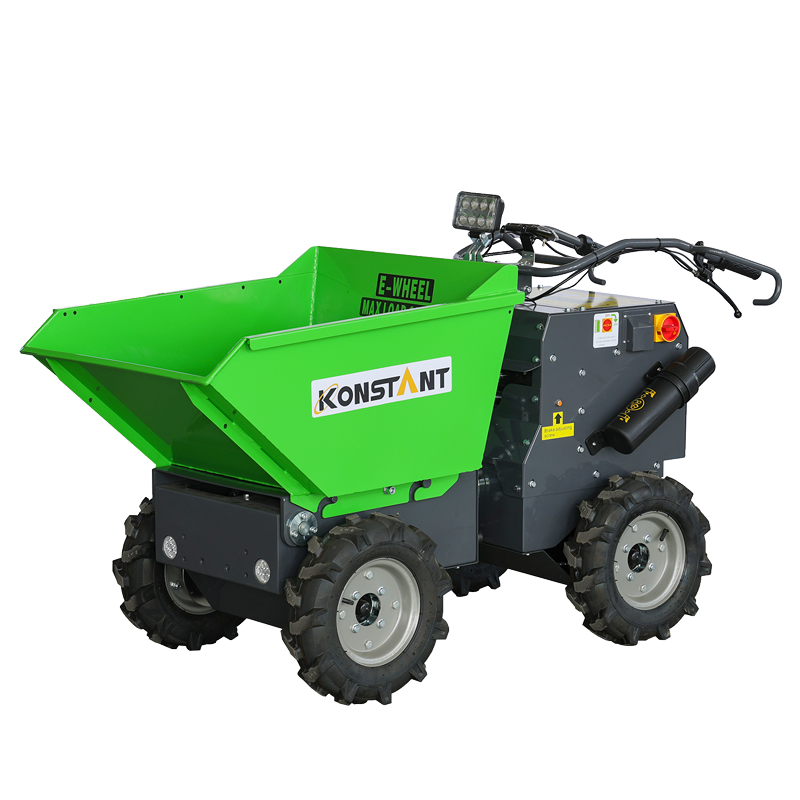
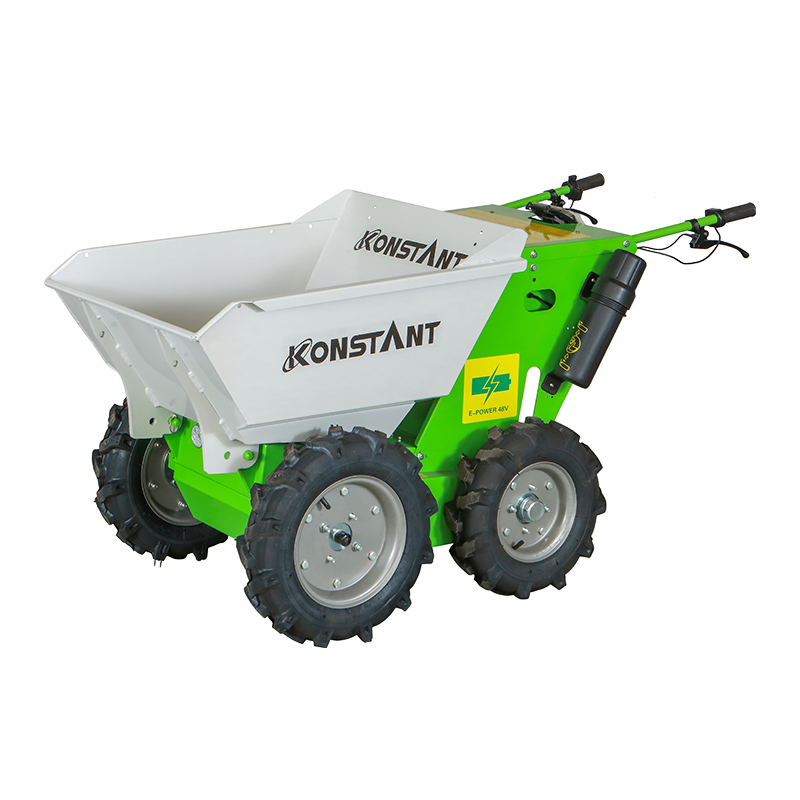
An Electric Mini Dumper for Sale usually looks straightforward at glance. A compact frame, a loading bucket, a set of controls, and an electric drive that replaces fuel-based operation. On site, it moves soil, gravel, tools, and waste back and forth without much attention from anyone watching.
Still, anyone who has used one for a while knows it does not stay "the same" on its own. The machine slowly reacts to the way it is used, the ground it travels on, and the environment it works in. Maintenance is less about strict rules and more about noticing small changes before they grow.
Why Does An Electric Mini Dumper Need Regular Attention?
In daily work, the dumper is rarely used in ideal conditions. It rolls over uneven paths, sits in dust, gets exposed to rain, and often carries loads that are not perfectly balanced.
Nothing dramatic happens at the beginning. It still moves. It still lifts. Everything seems normal.
Then small things start to shift. A slight hesitation when moving off. A different feeling in the handle. A bit more noise when the bucket tips. These are not failures, but they are early signals.
Regular maintenance helps because it:
- Keeps operation feeling consistent over time
- Reduces gradual wear that is hard to notice day by day
- Makes small issues easier to catch and fix
Most problems do not appear suddenly. They develop quietly through repetition.
What Should Be Checked During Daily Use?
A lot of useful maintenance actually happens without tools or formal steps. It happens in moments before and after work.
Before starting, a quick look around the machine is often enough. The body, bucket, and wheels or tracks can show whether anything unusual has happened since last use. Sometimes soil or small stones get stuck in places that affect movement.
After finishing work, another short check helps close the cycle. This is when leftover material, dust buildup, or minor wear is easiest to notice.
Some simple habits include:
- Looking for dirt stuck around moving parts
- Checking if the bucket moves smoothly when empty
- Noticing any new marks or scratches
- Listening briefly during a short movement test
These checks are not technical. They are more about familiarity with how the machine normally feels.
How Should The Battery Be Looked After?
The battery is the quiet center of an electric mini dumper. It does not show wear in the same way mechanical parts do, so changes are easier to miss.
Most of the time, it simply needs stable conditions rather than complex handling.
What helps in real use:
- Avoid leaving it unused for long periods without checking
- Keep connection points clean instead of letting dust build up
- Charge in a steady and predictable way rather than random cycles
- Pay attention if working time feels noticeably shorter than before
Temperature also plays a role. Hot afternoons and cold mornings affect performance more than many expect. The machine usually keeps working, but the balance changes slowly.
What Kind Of Cleaning Actually Makes A Difference?
Cleaning is often delayed because the machine still works even when dirty. That is where small issues start to build up.
On site, dust and soil are constant. They settle in corners, around joints, and inside the loading area. Over time, this buildup becomes harder to remove.
A practical approach is not about deep cleaning every time, but about small and regular action:
- Removing loose dirt after each job
- Wiping down surfaces where material sticks
- Clearing the bucket so residue does not harden
- Checking tight spaces where dust collects
It does not need to be perfect. Consistency matters more than intensity.
How Do Moving Parts Change With Use?
Every movement in a mini dumper creates slow wear. Wheels or tracks, lifting areas, and support points all go through repeated stress.
At first, everything feels smooth. That is normal. Changes come later.
Some signs worth paying attention to:
- Movement feels slightly heavier than usual
- The bucket motion is not as smooth as before
- Small vibrations appear during travel
- A faint change in sound during operation
These changes are often gradual. People get used to them without noticing.
When something feels "different," even slightly, it usually deserves a closer look.
How Does Loading Practice Affect Maintenance?
What goes into the dumper matters almost as much as how it runs.
Different materials behave differently. Soil spreads evenly. Gravel shifts during movement. Mixed waste can create uneven pressure inside the bucket.
If loading is not balanced, one side may carry more stress than the other. Over time, that affects movement and wear.
Simple habits help reduce this:
- Spread material more evenly when possible
- Avoid dropping heavy loads from height
- Clear leftover material after unloading
- Watch for uneven wear inside the bucket
It is less about strict rules and more about reducing unnecessary strain.
What Environmental Conditions Change Maintenance Needs?
An electric mini dumper does not work in controlled conditions. It works wherever the job is.
That means the environment becomes part of the maintenance story.
Dusty sites fill gaps quickly. Wet ground brings moisture into hidden spaces. Cold conditions change how materials respond. Heat affects how long the machine feels stable during use.
Because of this, maintenance routines often shift naturally:
- Dry, dusty places need more frequent cleaning
- Wet environments need closer attention to moisture buildup
- Rough terrain increases wear on movement areas
The machine reacts to where it is used, even if the design stays the same.
How Can Electrical Connections Stay Stable?
Even though everything is electric, the system still depends on physical contact points. These connections need to stay clean and firm.
Over time, vibration and movement can loosen things slightly. Dust can also settle in areas where contact is important.
Simple checks help keep things steady:
- Make sure plugs and connectors feel secure
- Keep connection areas free from dust and moisture
- Watch for any interruptions during operation
- Check if performance changes after repeated use
These steps are quick, but they prevent unexpected interruptions during work.
What Signs Suggest Maintenance Is Coming Due?
Machines often give hints before real issues appear. The challenge is noticing them early.
Some common signals include:
- Movement feels less smooth than before
- A slight delay when starting or stopping
- More vibration during travel
- Dirt collecting faster than usual in certain areas
- Reduced working consistency across the day
None of these signs point directly to failure. They simply suggest the machine is changing and needs attention.
How Should Maintenance Be Organized In Practice?
Instead of thinking in strict schedules, it is often easier to think in areas of attention.
| Area | What To Notice | Simple Action |
|---|---|---|
| Surface | Dirt, marks, wear | Clean and observe |
| Movement | Smoothness, sound | Check and adjust |
| Battery | Stability, usage time | Monitor regularly |
| Loading Area | Residue buildup | Clear after use |
| Environment | Dust, moisture | Adapt routine |
This kind of structure stays flexible. It can change depending on the site and workload.
Why Do Small Habits Matter More Than Big Repairs?
In real use, maintenance is not a single event. It is a collection of small habits.
A quick wipe after work. A short inspection before starting. A few seconds listening for changes in movement.
These actions are easy to skip because the machine still works. But over time, they make a clear difference in how stable it feels.
An electric mini dumper does not usually fail suddenly. It changes slowly. Maintenance is simply about noticing those changes early enough to stay ahead of them.
Related products

Latest Updates
-
What Causes Reduced Performance in an Electric Mini Dumper
Electric mini dumpers sometimes lose speed, range or climbing ability after a stretch of ordinary us...
-
How to Operate a Crawler Mini Dumper Safely
Safe Operation Practices for Compact Tracked Material Transporters Compact tracked machines that mov...

-
Welcome To Visit Us
No.30, Third Furong Road, Wuxi City, Jiangsu. 214100, China.
-
Call Us
Phone: +86 181-1889-1139
Phone: +86 181-1889-2139
-
Contact Us Online
E-mail: sales@konstantpm.com
E-mail: marketing@konstantpm.com
Copyright WUXI KONSTANT POWER TECH CO., LTD All Rights Reserved
 China Mini Dumpers Manufacturers Power Wheelbarrow Factory