
 English
 русский
 Français
 Español
 Deutsch

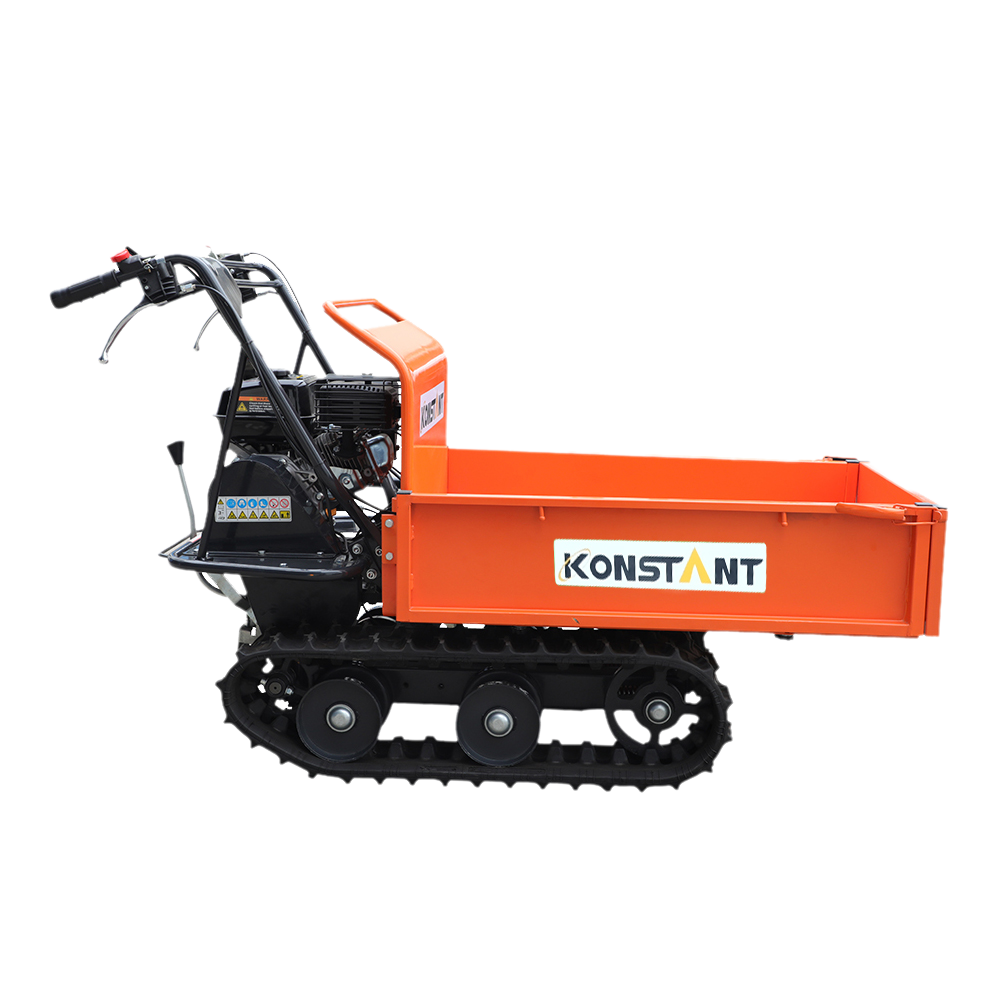
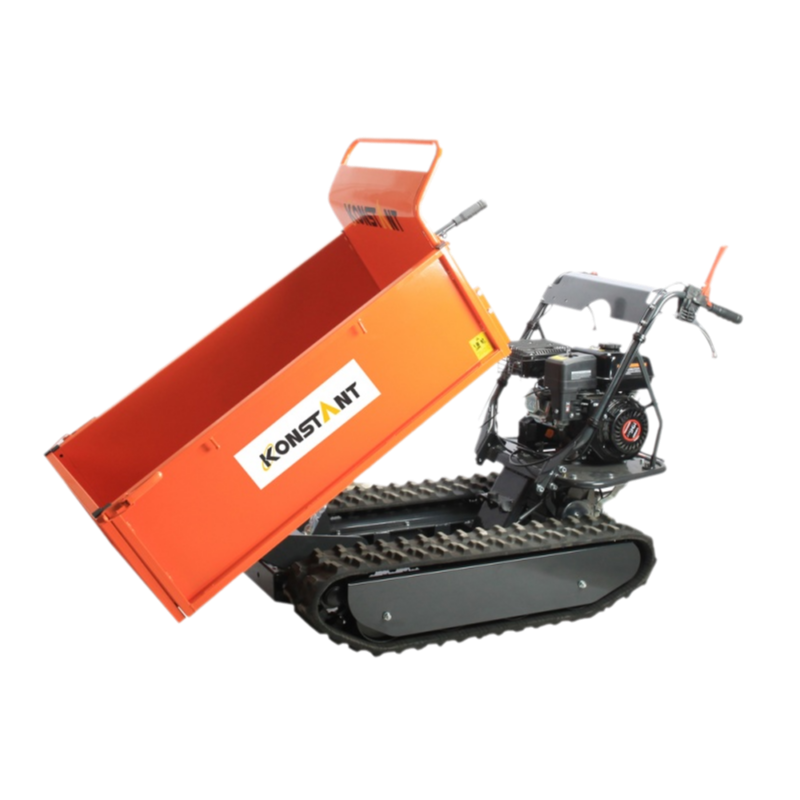
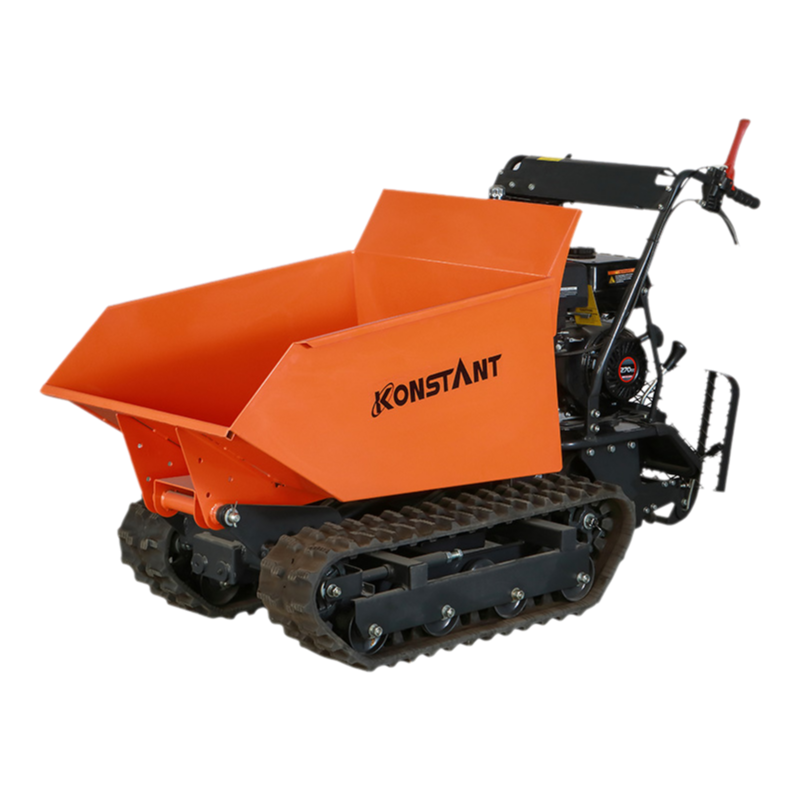
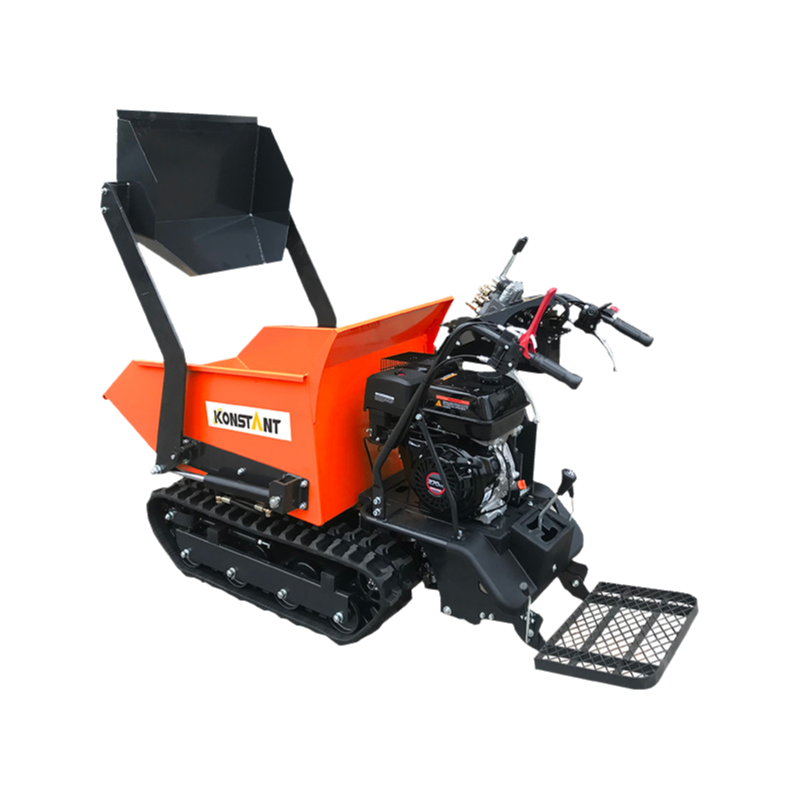
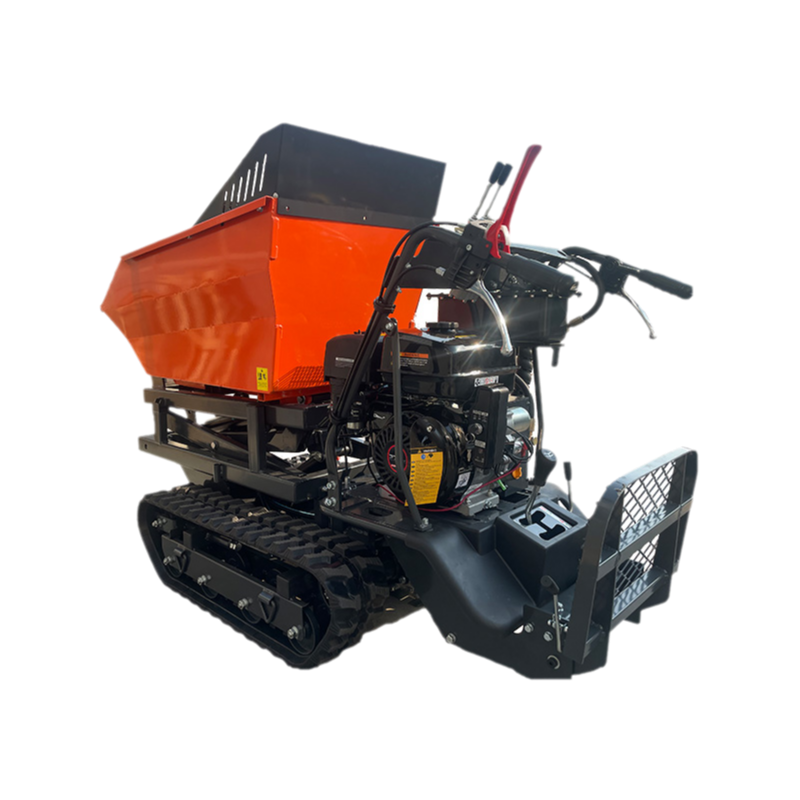
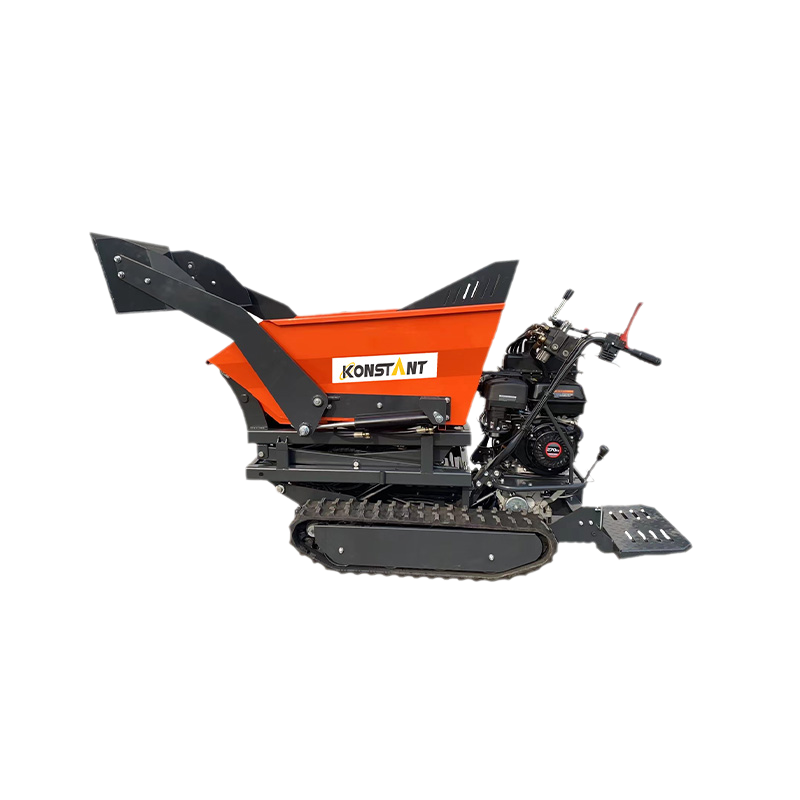
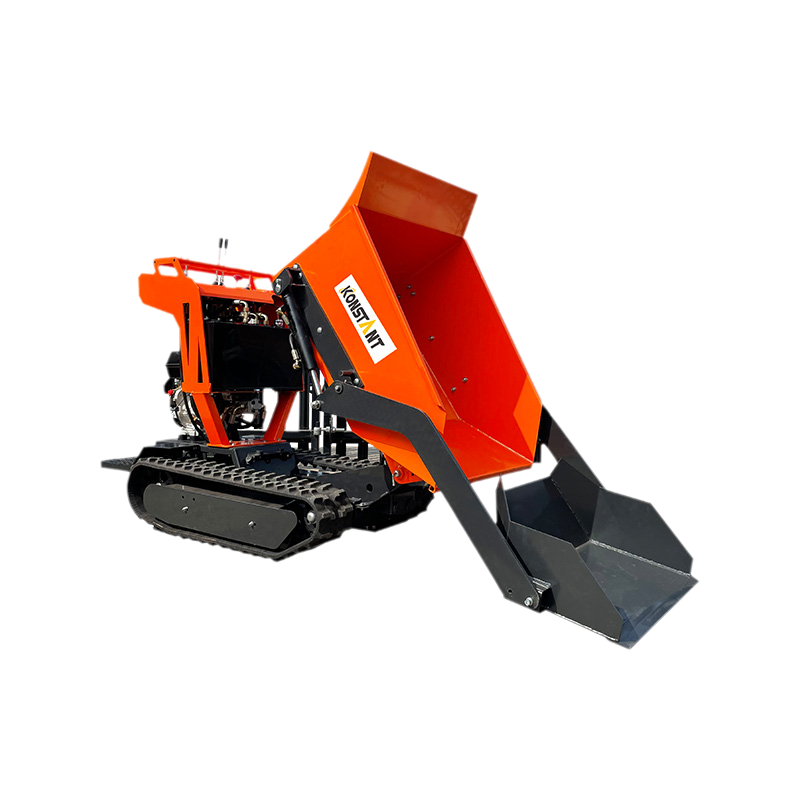
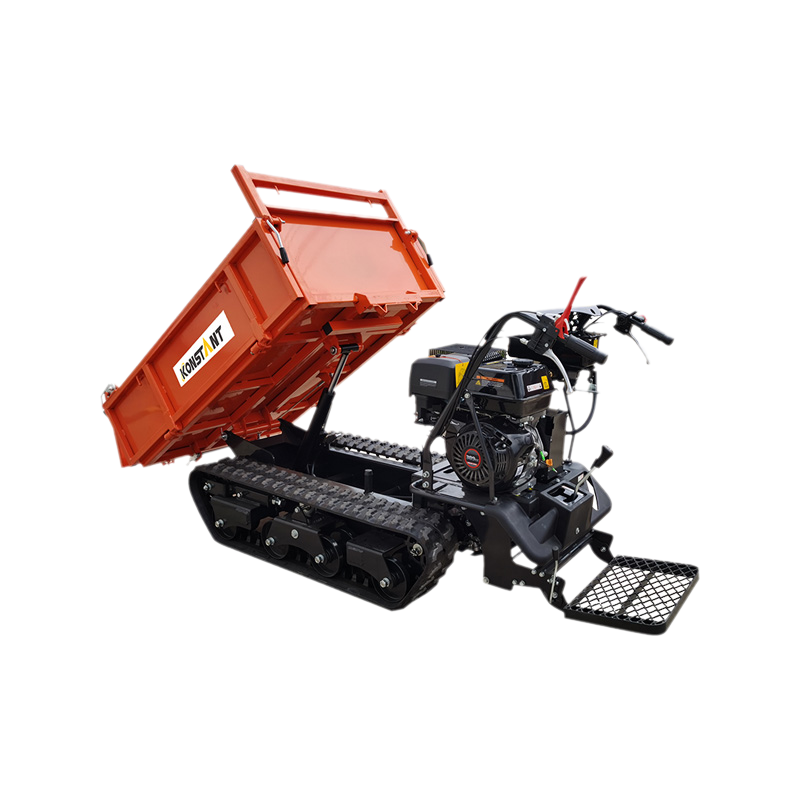
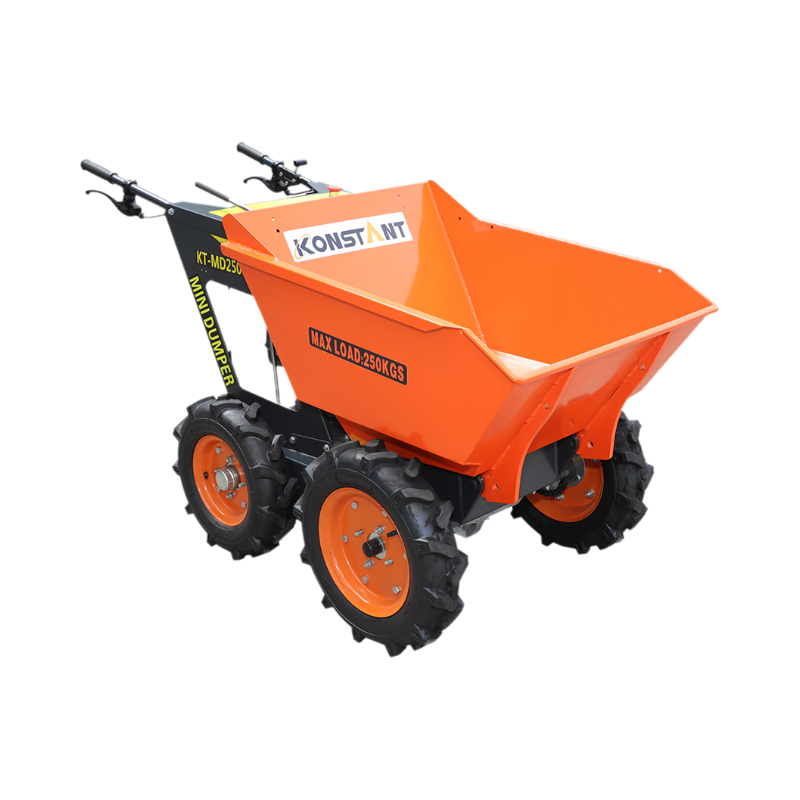
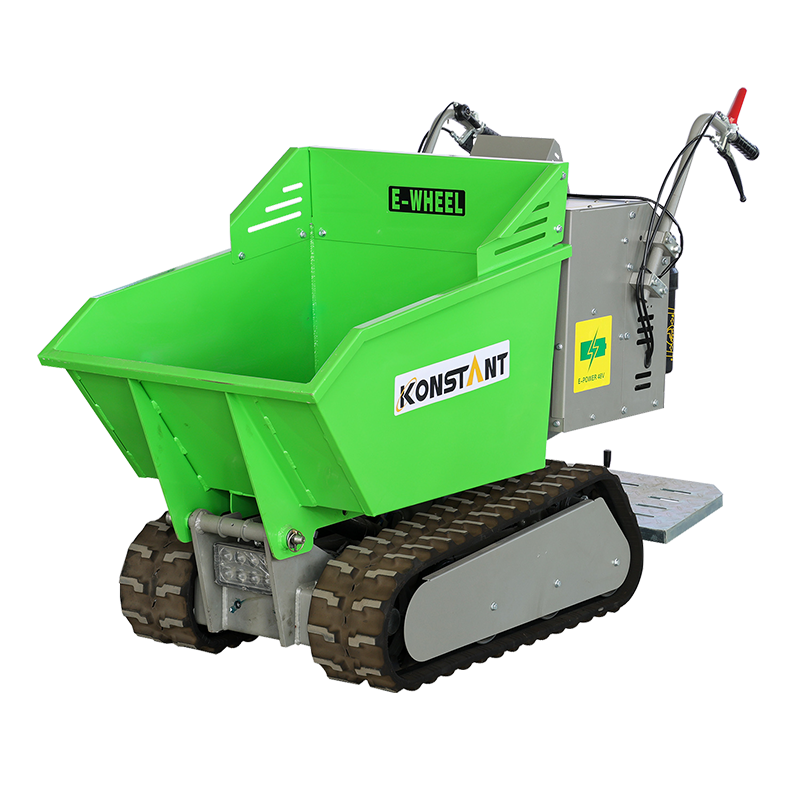
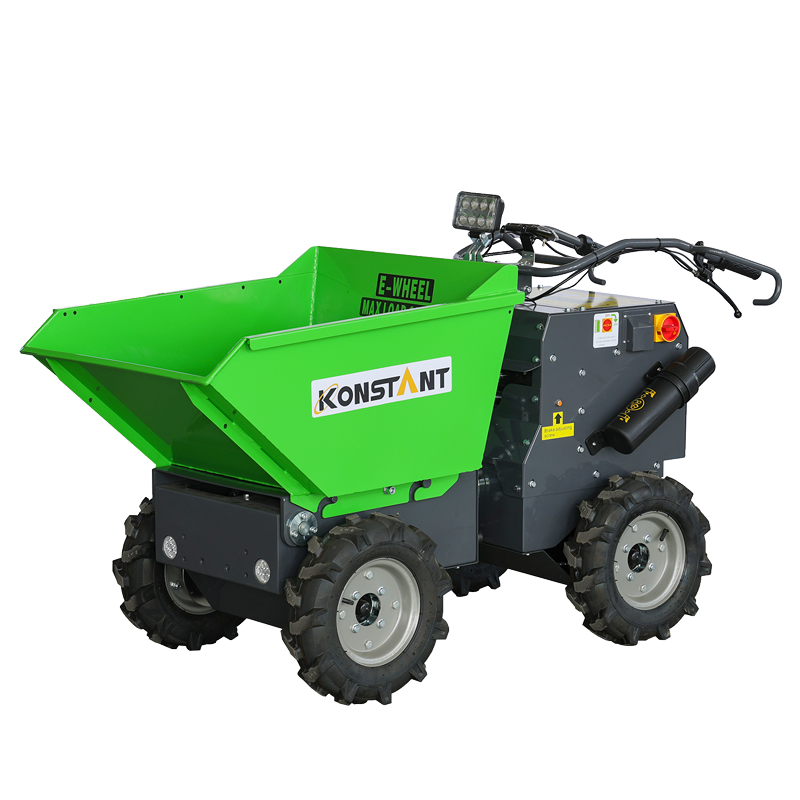
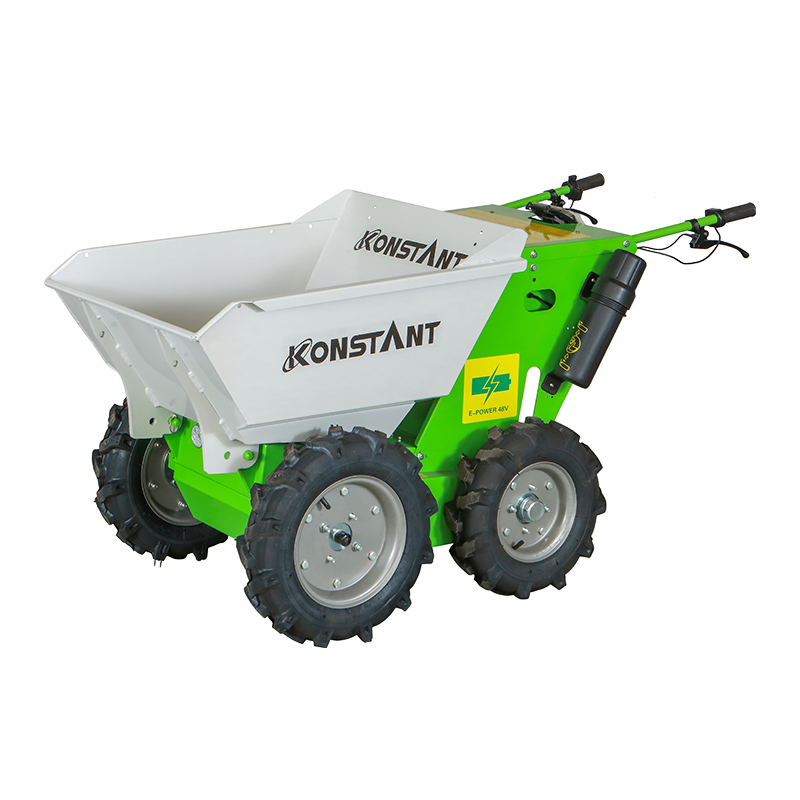
Provide you with the latest enterprise and industry news
Power Driven Wheelbarrow: Key Features to Consider Before Purchase
Update:08-06-2026
Posted by Admin
Content
- 1 What really changes when movement becomes assisted?
- 2 How much load is too much in real situations?
- 3 Does the drive system change how it feels to use?
- 4 How does power supply affect the rhythm of work?
- 5 What makes a design easy to maneuver?
- 6 Where do safety concerns usually appear?
- 7 How does build quality reveal itself over time?
- 8 What kind of maintenance should be expected?
- 9 A closer look at key features in practice
- 10 How do different work settings change priorities?
- 11 Why does comfort become noticeable only after long use?
- 12 How do people usually balance cost with real use?
A wheelbarrow is easy to recognize. One tray. A frame. A way to move things from one spot to another. For years, that idea stayed almost unchanged. What has changed is the effort behind it. A power driven wheelbarrow keeps the same shape, yet the experience feels different once it starts moving.
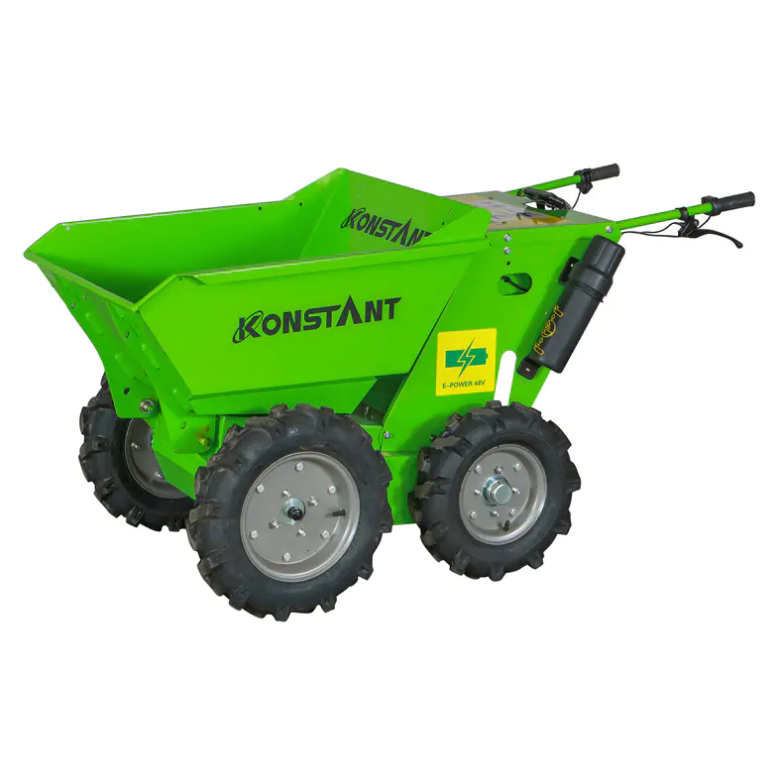
On a quiet worksite, you can tell the difference quickly. A manual barrow pauses often. A powered one keeps a steady pace. Less stopping. Fewer adjustments. The work flows in a more continuous way. That shift may look small, but it affects how a day unfolds.
Choosing one is not just about picking a model. It is about understanding how it behaves when the ground is uneven, when the load is awkward, or when the path narrows. The details show themselves slowly, often after the few uses.
What really changes when movement becomes assisted?
Imagine pushing a loaded tray across loose soil. With a traditional tool, the body takes of the strain. Arms tighten. Balance shifts with every step. Now imagine guiding rather than pushing. The machine moves, and the hands simply direct it.
That is where the change begins.
The role of the user becomes lighter, but not passive. Control still matters. Direction still matters. The difference lies in how effort is distributed. Instead of pushing weight forward, the operator focuses on guiding it safely.
In practice, this changes pacing. Work feels less interrupted. Tasks that once required breaks can continue longer without discomfort building too quickly.
How much load is too much in real situations?
Numbers are often used to describe capacity, but real work rarely follows numbers closely. Materials are uneven. Soil may be wet in one section and dry in another. Debris does not always sit flat.
A larger tray invites heavier loads. That can reduce the number of trips. Yet it also changes how the machine feels. Turning becomes slower. Stopping requires more awareness. On slopes, the weight seems to pull slightly off center.
A smaller load behaves differently. It moves more easily. It responds quicker to small adjustments. The trade-off appears in repetition. More trips. More walking.
It is less about choosing "more" or "less" and more about matching the load to the path it will travel. A narrow garden path tells a different story than an open construction area.
Does the drive system change how it feels to use?
Yes, and often in subtle ways.
Some machines feel close to what people already know. A single powered wheel keeps the familiar rhythm of a traditional barrow. It turns easily, but balance needs attention, especially when the load shifts.
Others feel more grounded. With multiple wheels or track-like movement, the contact with the surface increases. On soft ground, this can feel reassuring. The machine holds its position better. It does not sink or slip as easily.
The way power is delivered also shapes the experience. Smooth motion allows careful control. Sudden movement creates hesitation. Over time, users tend to prefer systems that respond in a steady, predictable way.
A short moment of testing often reveals this difference. One model glides. Another feels slightly abrupt. That feeling tends to stay.
How does power supply affect the rhythm of work?
Power is not only about how strong the machine feels. It is about how long that feeling lasts.
A longer operating time allows work to continue without interruption. This matters in tasks that involve repeated movement. Stopping to recharge or reset can break concentration and slow progress.
At the same time, the source of power adds weight. A heavier system may feel more stable in some cases, yet harder to handle in tight spaces.
There is also a routine behind it. Charging habits become part of the workflow. Some users adapt easily, planning their tasks around it. Others prefer a system that requires less attention during the day.
Environmental factors quietly play a role. Dust, moisture, and temperature shifts can influence how the system performs over time. These effects are gradual, often noticed only after extended use.
What makes a design easy to maneuver?
Maneuverability rarely stands out at glance. It reveals itself during turns, stops, and small adjustments along the way.
A balanced frame helps the machine move naturally. When weight sits evenly, guiding it feels almost effortless. When the balance shifts, even slightly, control becomes less certain.
Handle design contributes more than expected. The angle and spacing affect how the hands rest. Over longer periods, this can reduce or increase fatigue.
Turning space is another quiet factor. In open areas, it may not matter. In narrow paths, it becomes important. A machine that turns smoothly without repositioning saves time and keeps movement fluid.
You can often sense this within minutes of use. Some designs follow your intention closely. Others require small corrections again and again.
Where do safety concerns usually appear?
Safety is not always dramatic. It often shows up in small, repeated moments.
A slight slip on wet ground. A load that shifts unexpectedly. A stop that feels less controlled than expected. These are the moments that shape how safe a machine feels.
Traction is one part of it. Wheels or tracks need to stay connected to the surface. On loose gravel or damp soil, this becomes more noticeable.
The tray also plays a role. Materials should stay in place during movement. When they move freely, balance changes, and control becomes harder.
Visibility is another factor that is easy to overlook. The operator should see the path clearly. When the view is blocked, even slightly, navigation becomes more cautious.
How does build quality reveal itself over time?
At the beginning, machines look solid. Over time, differences appear.
A strong frame keeps its shape. A weaker one may begin to shift slightly under repeated use. This change is often gradual, not sudden.
Connections between parts matter as well. Tight, stable joints keep movement smooth. Loose connections introduce small vibrations or uneven motion.
Surface materials also tell a story. Some resist dirt and buildup. Others require more cleaning to stay functional. This affects not only appearance but also ease of maintenance.
Durability is not only about lasting longer. It is about maintaining a consistent feel throughout its use.
What kind of maintenance should be expected?
Maintenance often becomes part of the routine, whether planned or not.
In dusty or muddy environments, cleaning becomes necessary. A design that allows easy access makes this task quicker. When components are hard to reach, maintenance takes longer and may be delayed.
Some parts may need adjustment over time. Being able to access and handle these parts without difficulty helps keep the machine in working condition.
The goal is not to avoid maintenance, but to keep it manageable. A well-designed machine supports this by making routine care simple rather than time-consuming.
A closer look at key features in practice
| Feature Area | What It Feels Like in Use | What It Affects Over Time |
|---|---|---|
| Load Handling | Stable or slightly shifting movement | Control and number of trips |
| Drive System | Smooth glide or uneven response | Confidence during operation |
| Power Supply | Continuous work or frequent pauses | Work rhythm and planning |
| Maneuverability | Easy turns or repeated adjustments | Efficiency in tight spaces |
| Safety Behavior | Predictable stops or sudden changes | Daily comfort and awareness |
| Build Quality | Solid feel or gradual looseness | Consistency across long use |
| Maintenance Ease | Quick cleaning or delayed upkeep | Long-term reliability |
How do different work settings change priorities?
A quiet garden has its own rhythm. Narrow paths. Light materials. Careful movement. In this setting, maneuverability and control often matter more than load size.
A construction area feels different. Surfaces are rough. Loads are heavier. The focus shifts toward stability and durability.
Indoor spaces bring another layer. Movement needs to be controlled and contained. Space is limited. The machine needs to respond precisely.
Even within the same environment, tasks vary. Moving loose soil feels different from carrying broken materials. Each situation highlights different aspects of the machine.
Why does comfort become noticeable only after long use?
Comfort rarely stands out at the start. It builds or fades over time.
A natural grip reduces tension in the hands. A balanced posture reduces strain on the body. These details seem small, yet they shape how the work feels after an hour, not just after a minute.
Movement also affects comfort. Smooth motion allows the body to relax slightly. Irregular motion requires constant adjustment.
Over repeated use, these differences accumulate. What felt acceptable at may feel tiring later. What felt easy continues to feel manageable.
How do people usually balance cost with real use?
Cost is often clear at the beginning. Usability becomes clear later.
A lower price may come with compromises that only appear during regular use. Slight instability. More effort in control. Increased time spent on maintenance.
A more refined design may feel easier to use from the start. Over time, that ease becomes part of the workflow.
The decision often comes down to how the machine fits into daily tasks. Not just what it costs, but how it behaves when used again and again.
Some buyers focus on immediate needs. Others think about how the work will feel weeks or months later. Both approaches are valid, yet they find to different choices.
In the end, a Power Barrow Factory is not defined by a single feature. It is shaped by how those features come together during real use. The way it starts, moves, turns, and stops. The way it feels after repeated tasks. These details form the actual experience, often beyond what can be seen at glance.
Related products

Latest Updates
-
What Makes a Small Tracked Dump Truck Practical for Construction Work
Short-distance movement of soil, sand, gravel and demolition debris is a constant requirement on man...
-
What Causes Reduced Performance in an Electric Mini Dumper
Electric mini dumpers sometimes lose speed, range or climbing ability after a stretch of ordinary us...

-
Welcome To Visit Us
No.30, Third Furong Road, Wuxi City, Jiangsu. 214100, China.
-
Call Us
Phone: +86 181-1889-1139
Phone: +86 181-1889-2139
-
Contact Us Online
E-mail: sales@konstantpm.com
E-mail: marketing@konstantpm.com
Copyright WUXI KONSTANT POWER TECH CO., LTD All Rights Reserved
 China Mini Dumpers Manufacturers Power Wheelbarrow Factory