
 English
 русский
 Français
 Español
 Deutsch

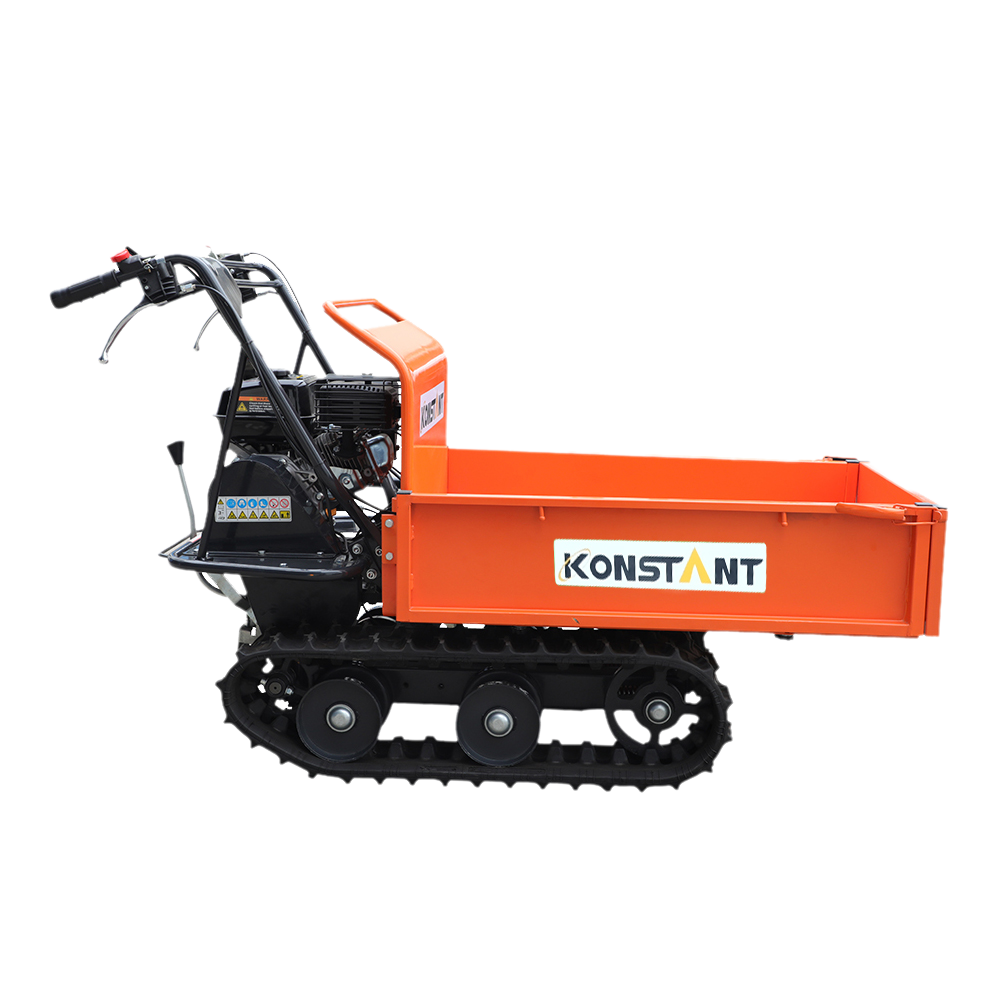
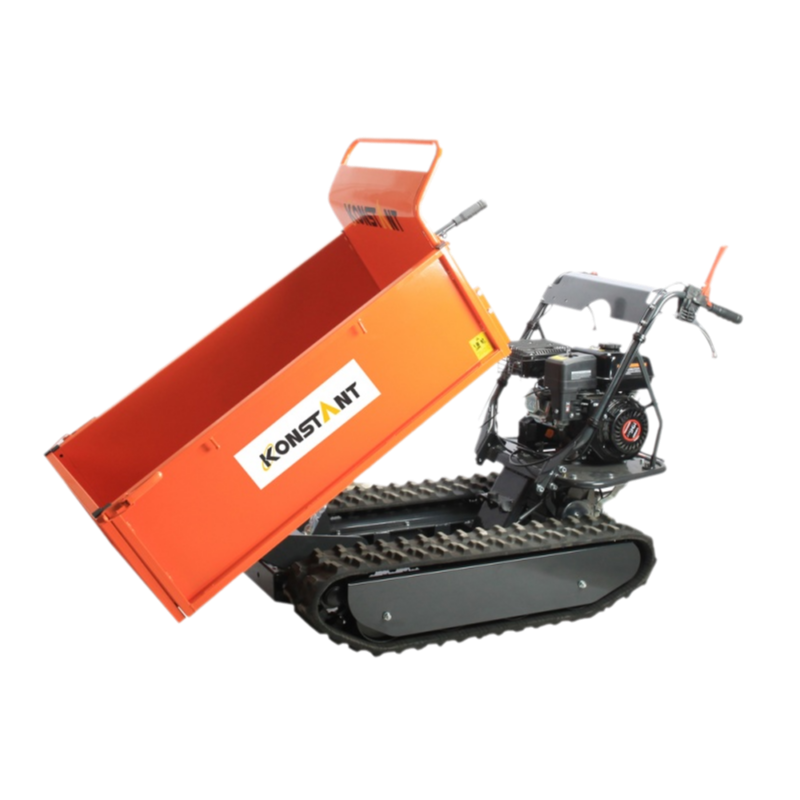
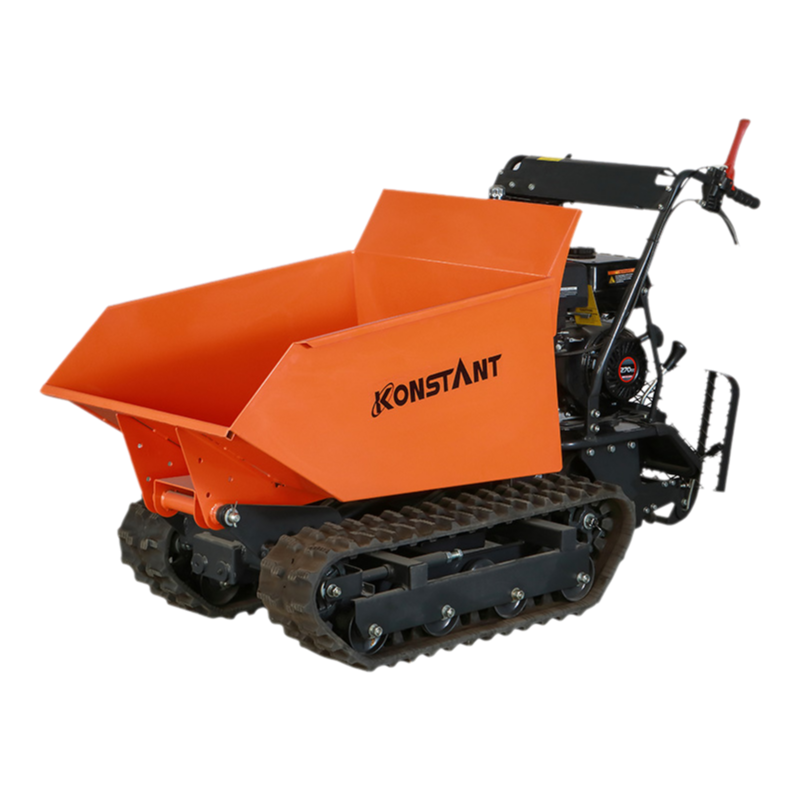
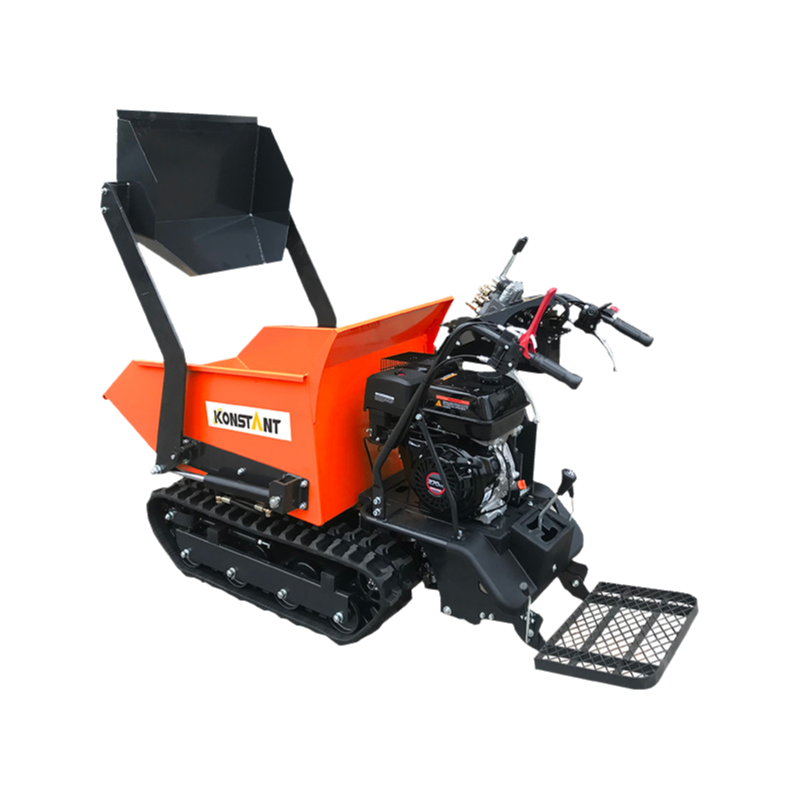
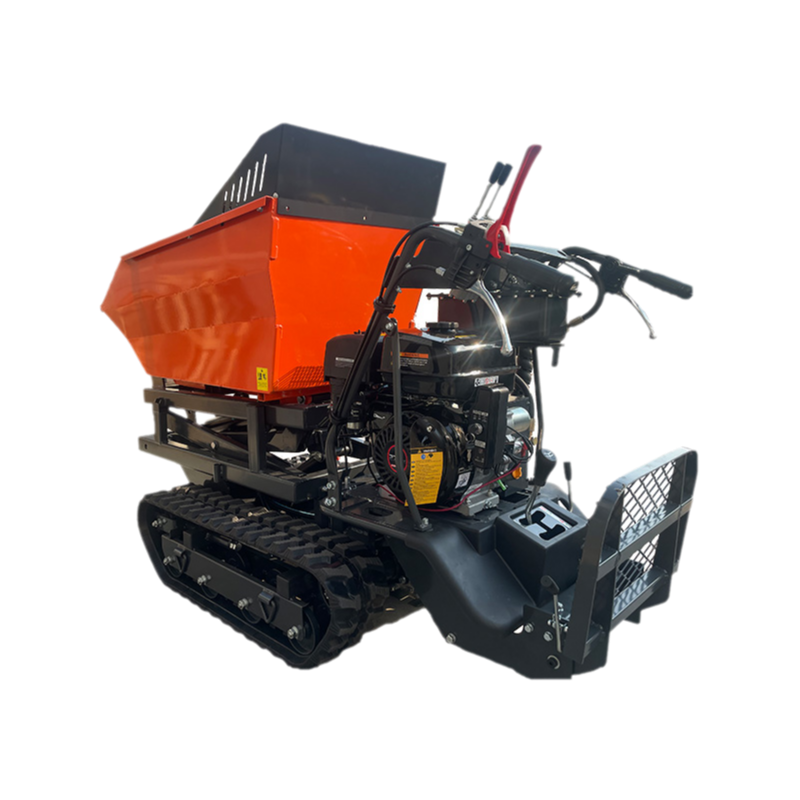
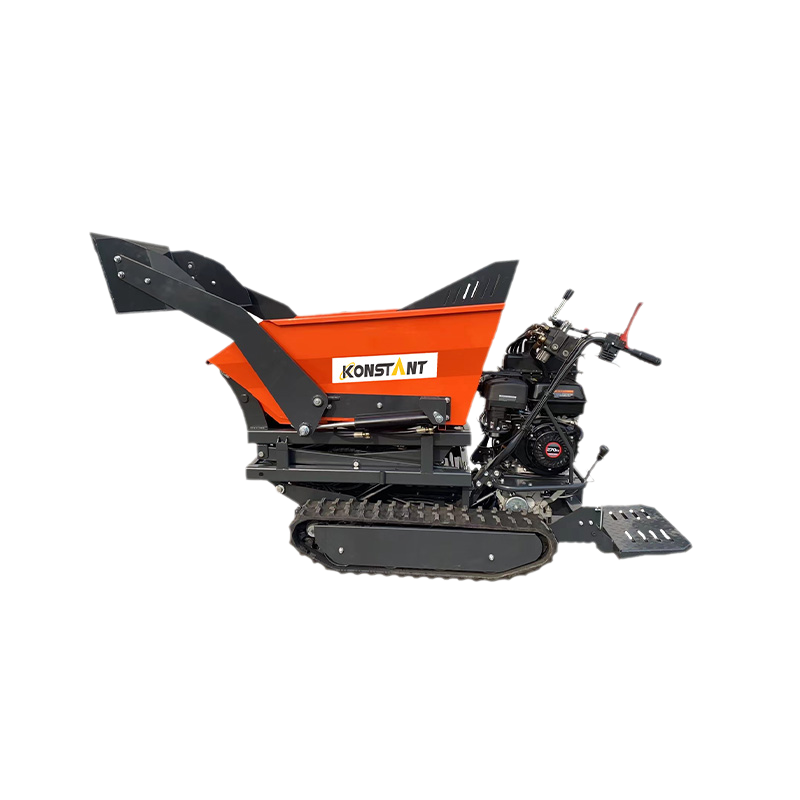
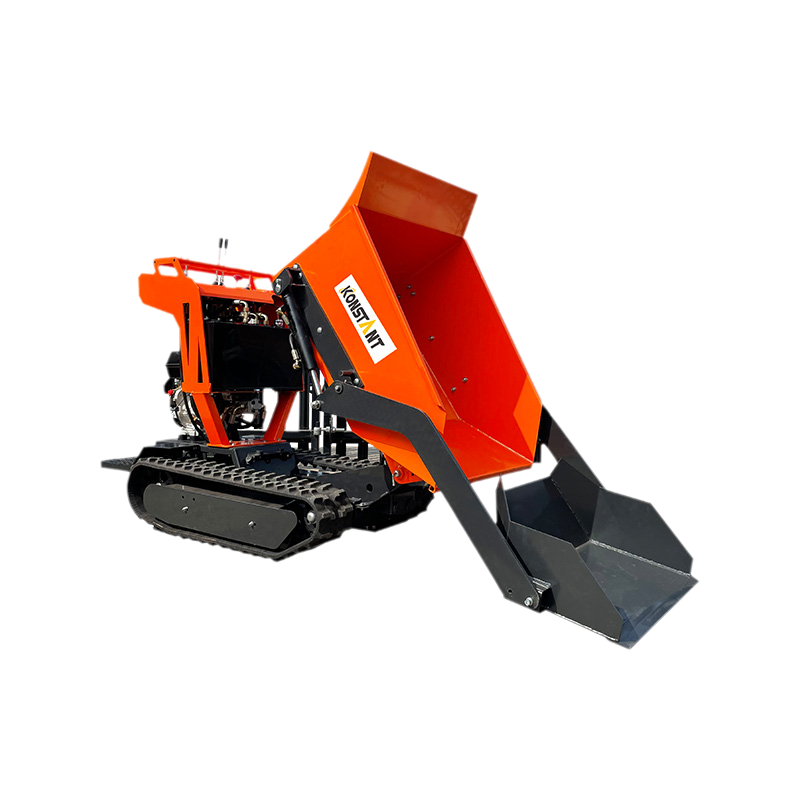
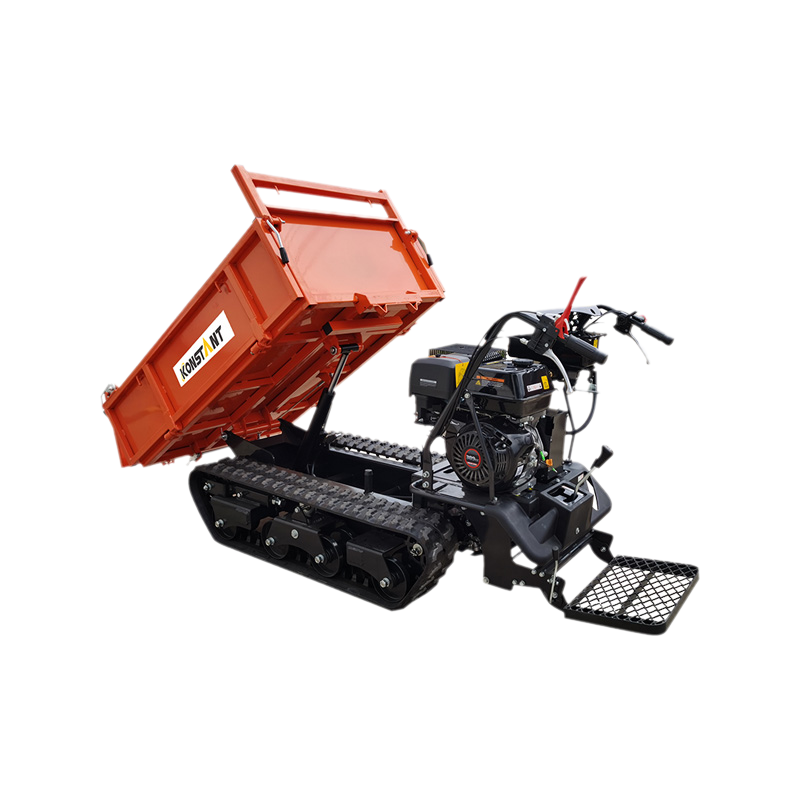
Provide you with the latest enterprise and industry news
How to Operate a Petrol Mini Dumper Safely on Different Terrains
Update:27-07-2026
Posted by Admin
Content
- 1 Why Does Terrain Influence Petrol Mini Dumper Operation?
- 2 What Should Operators Do Before Starting A Mini Dumper?
- 3 How Should A Mini Dumper Be Used On Flat Surfaces?
- 4 How Can Operators Handle Slopes More Carefully?
- 5 What Problems Can Muddy Ground Create?
- 6 How Should A Mini Dumper Move Across Uneven Ground?
- 7 How Does The Working Environment Change Operating Methods?
- 8 What Loading Habits Help Maintain Better Control?
- 9 How Can Regular Maintenance Support Safer Operation?
- 10 What Skills Do Mini Dumper Operators Need To Develop?
Small site dumpers are everywhere these days, from small building jobs and garden landscaping to farm upkeep and outdoor hauling tasks. They're small enough to roll through tight spots big machinery simply can't reach.
These machines haul earth, rock, sand and building rubbish between work zones without hassle. Even so, the ground surface has a huge impact on how well they run.
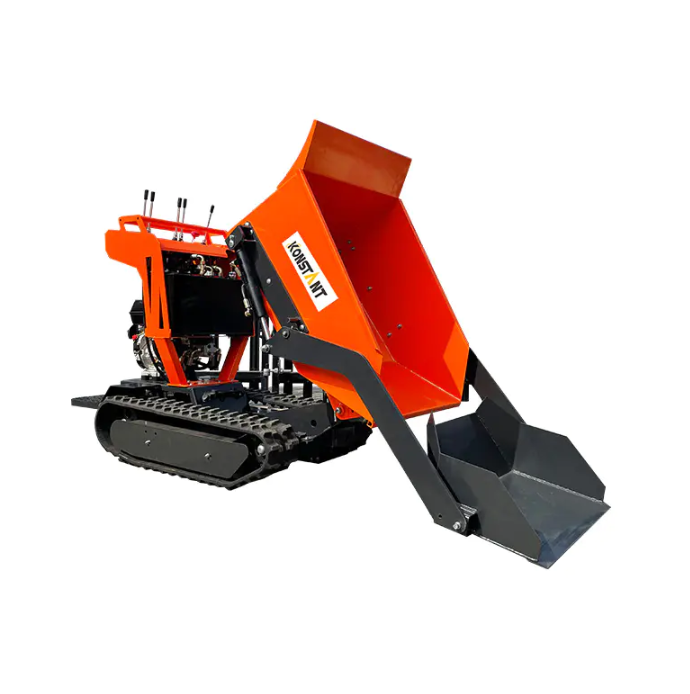
Hard concrete yards, wet muddy garden tracks and bumpy unfinished building plots each bring unique operating challenges. Operators who learn to tell these conditions apart can run the machine smoother and avoid avoidable breakdowns or slips.
Staying safe behind the controls isn't just about knowing the levers and pedals. Workers also need to scan the surrounding terrain, pick steady travel paths and tweak their driving style as ground conditions shift.
Why Does Terrain Influence Petrol Mini Dumper Operation?
A compact dumper's handling shifts a lot based on what surface it's rolling over.
Hard, paved ground lets the machine move steadily with little effort. Loose dirt calls for gentler steering to prevent skidding. Wet ground grows slippery and hard to judge once driven over multiple times.
Most operators pick up this lesson on the job: ground conditions rarely stay consistent all day. A firm track first thing in the morning can turn soft and boggy after rain or dozens of haul trips back and forth.
Before starting a job, it helps to consider:
| Terrain Type | Operating Focus |
|---|---|
| Concrete or paved ground | Keep movement steady and avoid sudden changes |
| Soil areas | Watch for soft sections and uneven surfaces |
| Slopes | Control direction and maintain balance |
| Gravel paths | Choose a stable route and reduce unnecessary turning |
| Muddy areas | Check ground support before moving loads |
Understanding the working area allows operators to prepare better and avoid treating every surface in the same way.
What Should Operators Do Before Starting A Mini Dumper?
Many operating problems can be avoided before the machine even starts moving.
A quick inspection of the work area can help identify possible difficulties. Operators should look at the route, check for obstacles, and understand where materials will be loaded and unloaded.
A few practical checks include:
- Looking for holes, loose ground, or steep sections;
- Confirming that the travel path is clear;
- Checking whether the load area is suitable;
- Making sure the machine is ready for use.
The surrounding environment is just as important as the equipment itself.
For example, a narrow garden path may require a different approach compared with an open construction area. A small change in route planning can make transportation easier.
Operators who take time to understand the site often have a smoother working process.
How Should A Mini Dumper Be Used On Flat Surfaces?
Flat ground may seem simple, but good operating habits still matter.
Construction sites often include paved areas, warehouse surroundings, driveways, or compact soil sections. These surfaces usually provide better support for machine movement.
On flat terrain, operators should focus on:
Keeping A Smooth Driving Pattern
Frequent sharp turns or sudden movements can make material handling less stable. A steady approach helps maintain control.
Checking The Load Position
Even on level ground, poorly arranged materials may move during transportation. Keeping the load balanced helps create more predictable movement.
Watching The Working Area
Flat surfaces can still contain obstacles. Tools, building materials, or uneven sections may appear along the route.
Many operators develop safer habits on simple terrain first. These habits become useful when they later work in more difficult environments.
How Can Operators Handle Slopes More Carefully?
Sloped areas require more attention because the machine and the load are affected by the angle of the ground.
A mini dumper working on a slope should be operated with patience. Fast direction changes or careless route choices may create unnecessary challenges.
Operators should consider:
- The steepness of the working area;
- The condition of the surface;
- The direction of travel;
- The position of the load.
A common mistake is assuming that a short route is always the easiest route. On sloped ground, a slightly longer but more stable path may be a better choice.
Communication is also useful on active job sites. When several workers are moving materials, everyone should understand the machine's movement area.
Slope operation requires attention throughout the entire process, from loading to unloading.
What Problems Can Muddy Ground Create?
Muddy areas are one of the more challenging environments for small construction machines.
After rain or heavy outdoor work, soil can become softer and less predictable. A machine that moves easily on dry ground may need a different approach in wet conditions.
Operators working in muddy areas often pay attention to:
Ground Support
The surface should be checked before carrying heavy loads through soft areas.
Route Selection
Following the same path repeatedly may make the ground weaker over time.
Movement Control
Smooth steering is usually easier to manage than sudden changes.
A muddy work area is not always a problem, but it requires more observation. Conditions may change quickly, especially during outdoor projects.
Experienced operators often check the route again during the day instead of relying only on their first impression.
How Should A Mini Dumper Move Across Uneven Ground?
Uneven terrain is common in construction, agriculture, and landscaping projects.
Small bumps, stones, holes, and changes in ground height can influence machine movement. Operators need to pay attention to what is directly ahead rather than only focusing on the destination.
Useful practices include:
| Situation | Suggested Approach |
|---|---|
| Loose stones | Move carefully and avoid unnecessary speed changes |
| Small bumps | Maintain steady control |
| Unknown ground | Inspect before carrying heavy loads |
| Narrow uneven paths | Plan movement before entering |
Uneven terrain rewards careful operation. Rushing through these areas may create more work later.
A skilled operator learns to adjust naturally. The machine becomes easier to control when the operator understands how the surface affects movement.
How Does The Working Environment Change Operating Methods?
Mini dumpers are used in many industries, and each environment has different expectations.
Construction Areas
Construction sites often change throughout the project. New materials, temporary paths, and active work zones may appear regularly.
Operators need to stay aware of nearby workers and changing conditions.
Landscaping Projects
Gardens and outdoor spaces often include narrow passages, grass areas, and decorative surroundings. Careful movement helps protect the work area.
Agricultural Locations
Farm environments may involve fields, uneven soil, and weather-related changes. Operators often need to adjust according to ground conditions.
Property Maintenance
Small maintenance jobs may involve limited space. Compact equipment can be useful, but route planning remains important.
The machine does not work alone. The operator's understanding of the environment influences the entire process.
What Loading Habits Help Maintain Better Control?
Loading is closely connected with safe transportation.
Different materials behave differently when moved. Loose soil, stones, and waste materials may shift if they are not arranged properly.
Operators should pay attention to:
- Keeping materials inside the loading area;
- Avoiding unstable piles;
- Adjusting the load according to the working condition;
- Checking the route before moving.
A heavy load on flat ground may feel different from the same load on a slope or soft surface.
Good loading habits can make the machine easier to control and help reduce interruptions during work.
Many problems begin before the machine starts moving. Proper preparation at the loading stage can make a noticeable difference.
How Can Regular Maintenance Support Safer Operation?
Terrain affects not only the operator but also the machine.
Outdoor work exposes equipment to dust, mud, moisture, and repeated use. Regular care helps keep the mini dumper ready for different working environments.
Maintenance routines may include:
- Cleaning materials after operation;
- Checking important parts regularly;
- Removing dirt from working areas;
- Following proper storage practices.
A machine used on muddy ground may need different attention compared with one working mainly on paved surfaces.
Equipment condition and operating habits work together. A well-maintained machine is easier to manage during daily tasks.
What Skills Do Mini Dumper Operators Need To Develop?
Operating experience comes from more than learning basic movements.
Good operators understand that every site has its own conditions. They observe the ground, think ahead, and make adjustments when necessary.
Useful skills include:
- Reading changes in terrain;
- Planning transportation routes;
- Controlling movement smoothly;
- Communicating with other workers;
- Recognizing possible risks.
A new operator may focus mainly on machine controls. With experience, attention often shifts toward the relationship between the machine and the environment.
This understanding helps operators work more confidently across different terrains, from construction areas to outdoor maintenance spaces.
Mini dumpers continue to support many types of small-scale projects because they can access areas where larger equipment may face limitations. As their use expands, safe operation across different terrains remains an important part of getting reliable results from this type of equipment.
Related products

Latest Updates
-
What Causes Reduced Performance in an Electric Mini Dumper
Electric mini dumpers sometimes lose speed, range or climbing ability after a stretch of ordinary us...
-
How to Operate a Crawler Mini Dumper Safely
Safe Operation Practices for Compact Tracked Material Transporters Compact tracked machines that mov...

-
Welcome To Visit Us
No.30, Third Furong Road, Wuxi City, Jiangsu. 214100, China.
-
Call Us
Phone: +86 181-1889-1139
Phone: +86 181-1889-2139
-
Contact Us Online
E-mail: sales@konstantpm.com
E-mail: marketing@konstantpm.com
Copyright WUXI KONSTANT POWER TECH CO., LTD All Rights Reserved
 China Mini Dumpers Manufacturers Power Wheelbarrow Factory