
 English
 русский
 Français
 Español
 Deutsch


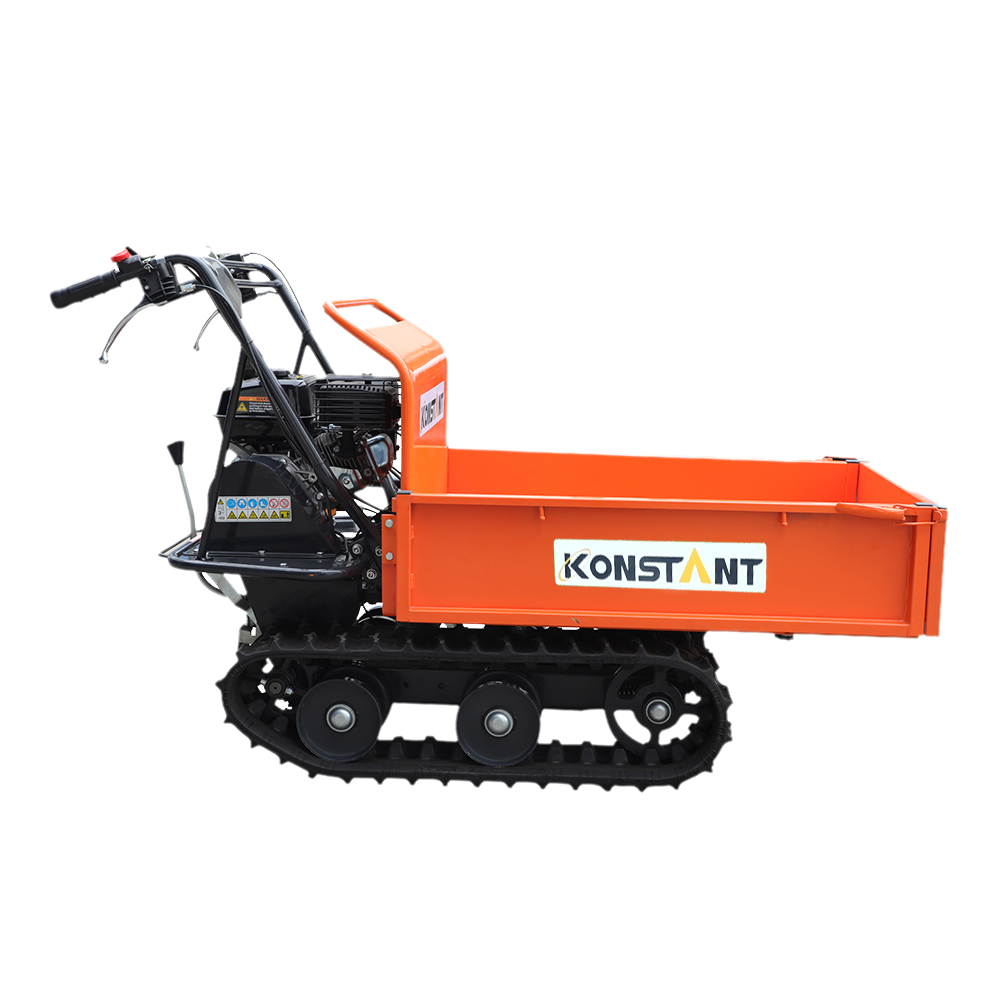
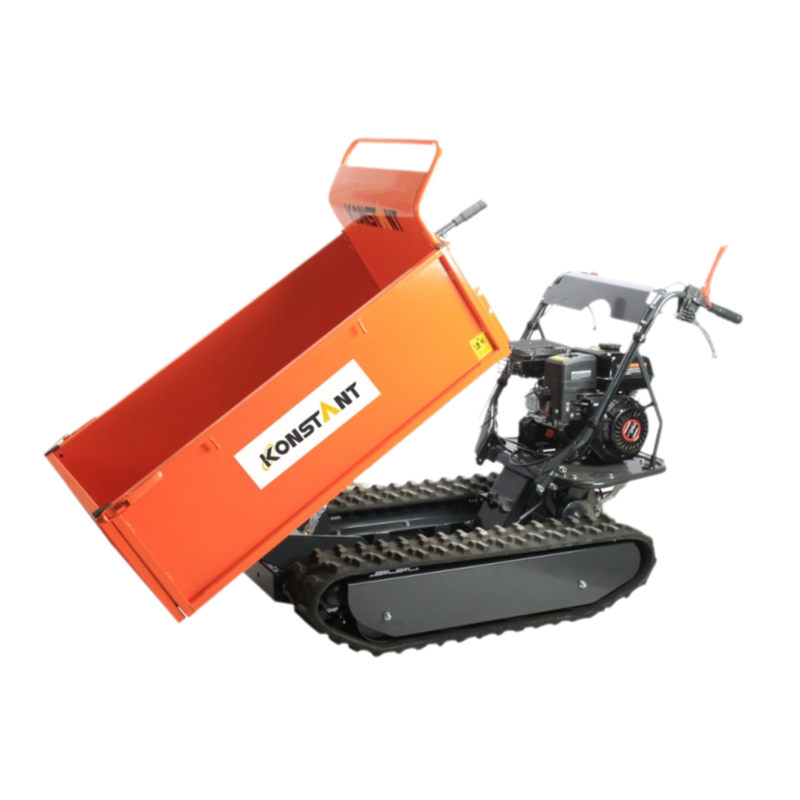
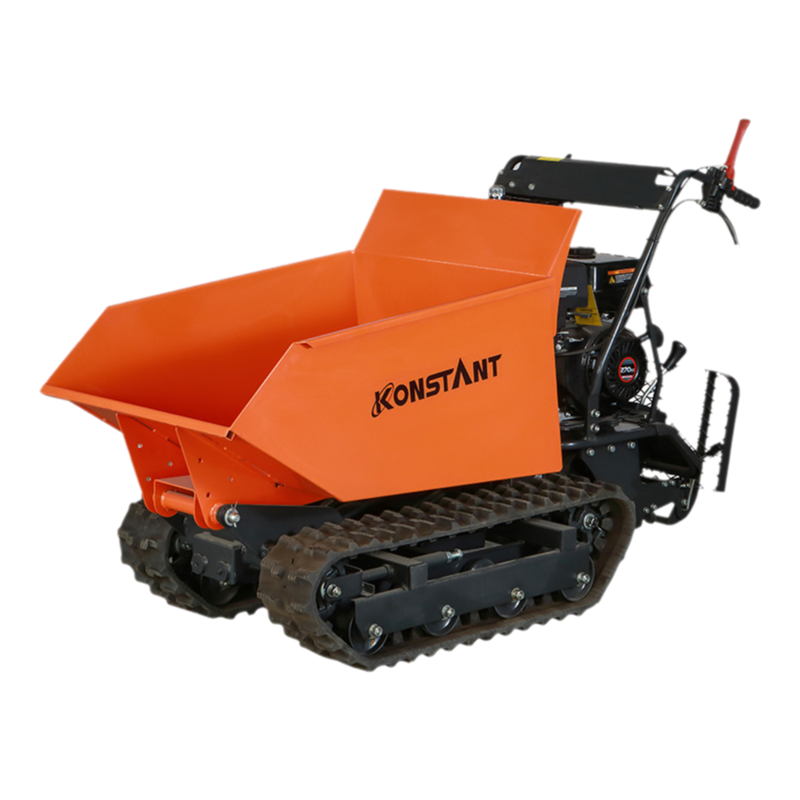
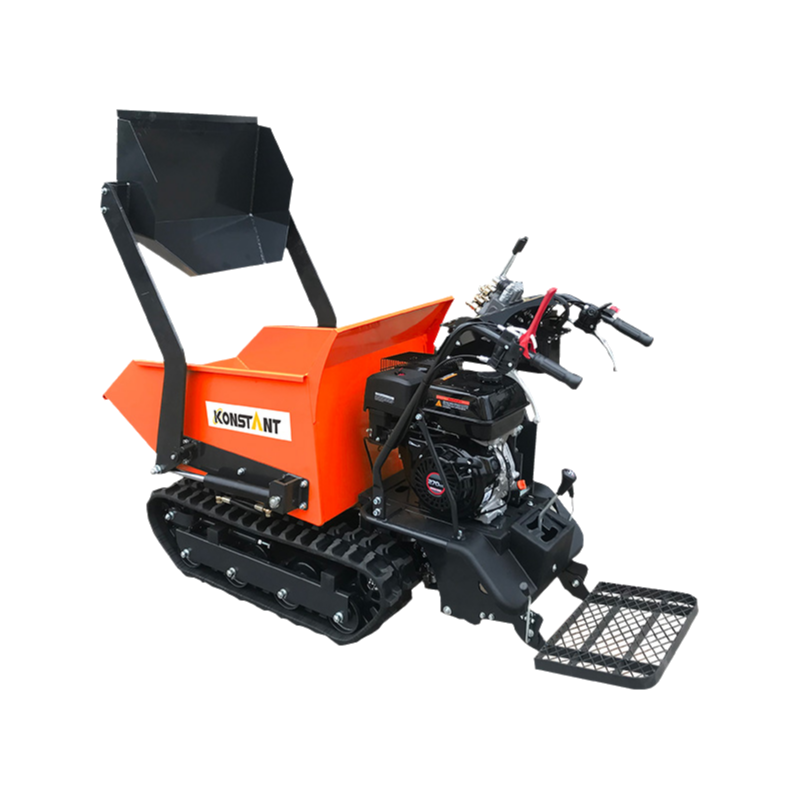
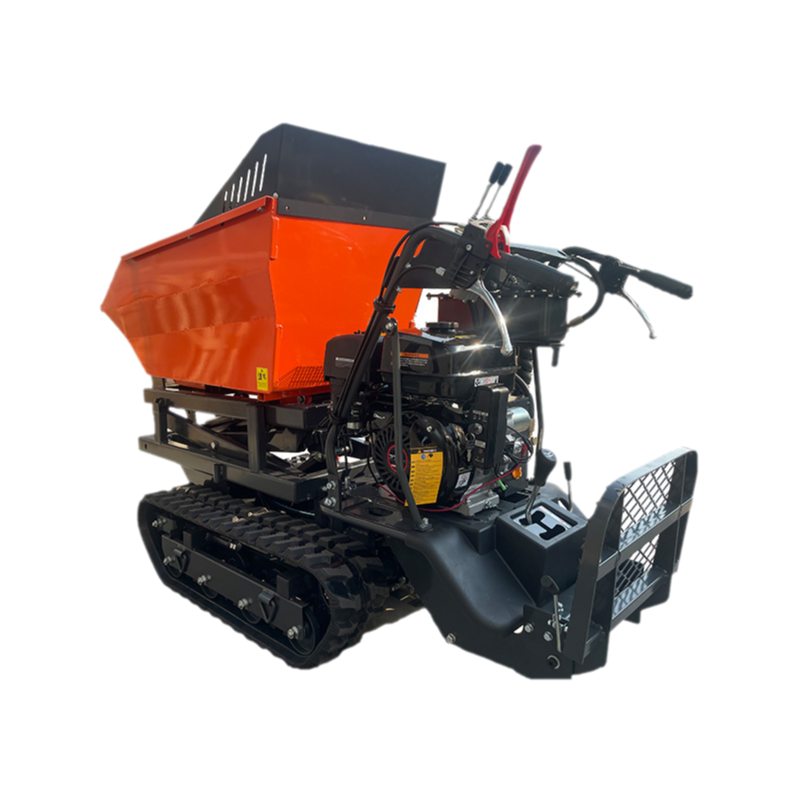
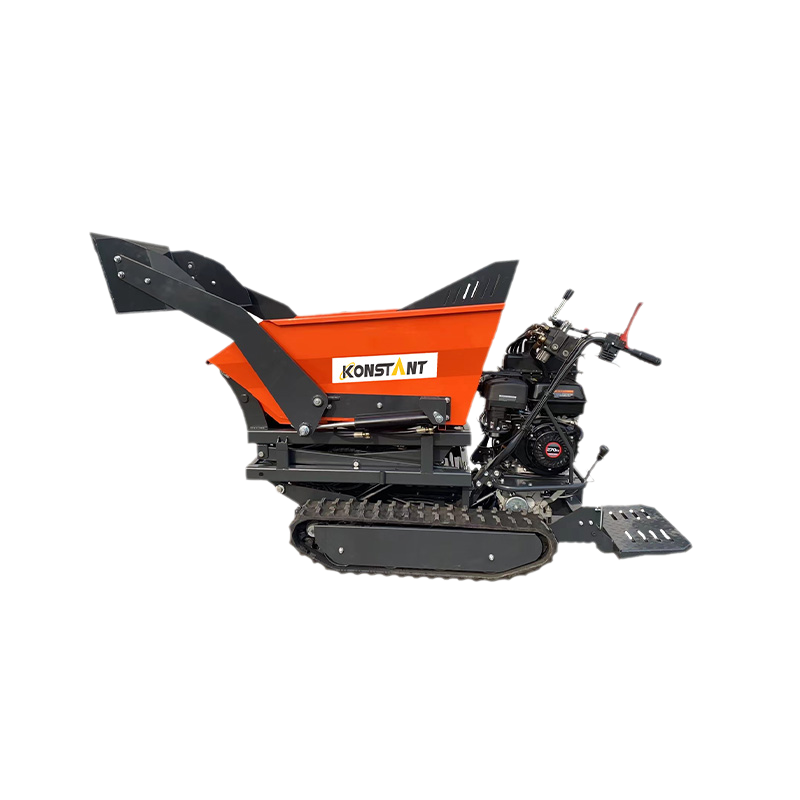
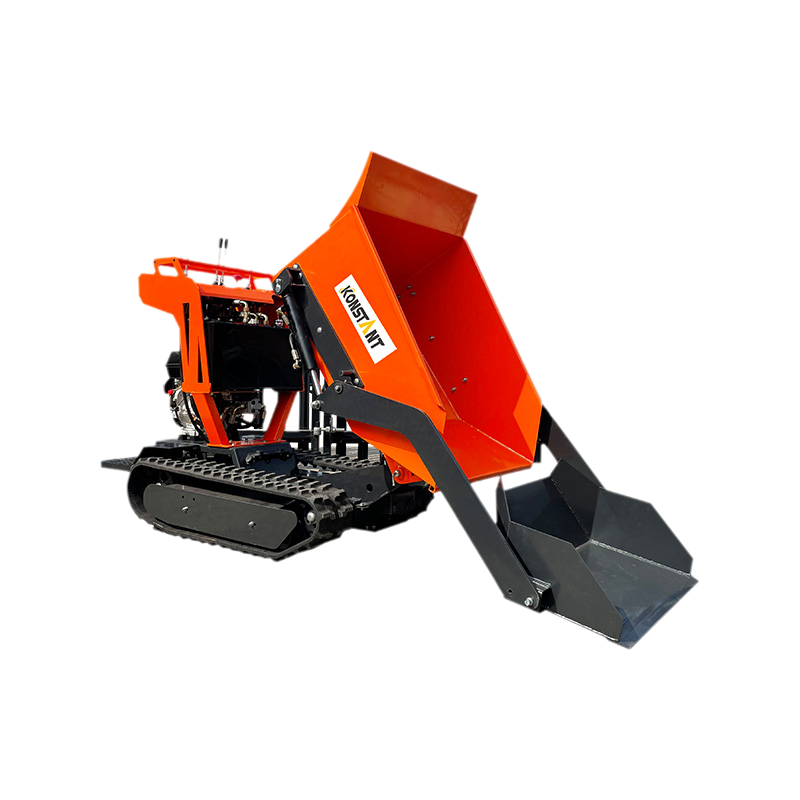
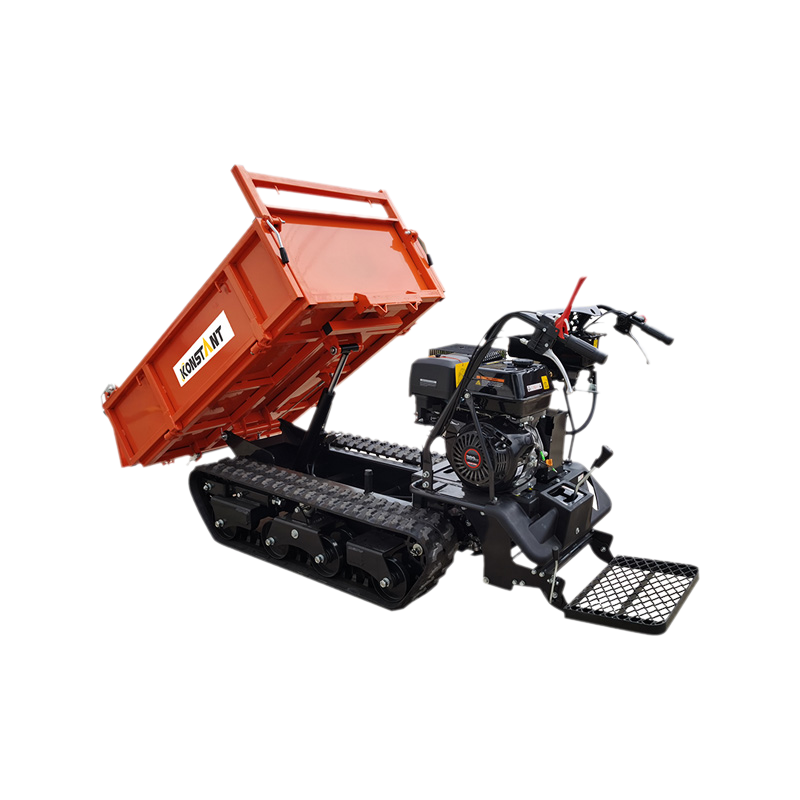
Provide you with the latest enterprise and industry news
How to Operate a Crawler Mini Dumper Safely
Update:19-10-2026
Posted by Admin
Content
- 1 Safe Operation Practices for Compact Tracked Material Transporters
- 2 Basic Characteristics of Electric Tracked Mini Transporters
- 3 Pre-Operation Checks That Reduce Risk
- 4 Safe Loading and Transport of Materials
- 5 Driving Practices Across Different Surface Types
- 6 Safe Unloading Procedures
- 7 Essential Safety Measures During Daily Use
- 8 Post-Use Care That Preserves Machine Condition
- 9 Selection Considerations for Safer Material Handling Equipment
- 10 Overview of Daily Operating Checks and Safety Points
- 11 Improving Material Handling Safety Through Correct Machine Use and Available Equipment
Safe Operation Practices for Compact Tracked Material Transporters
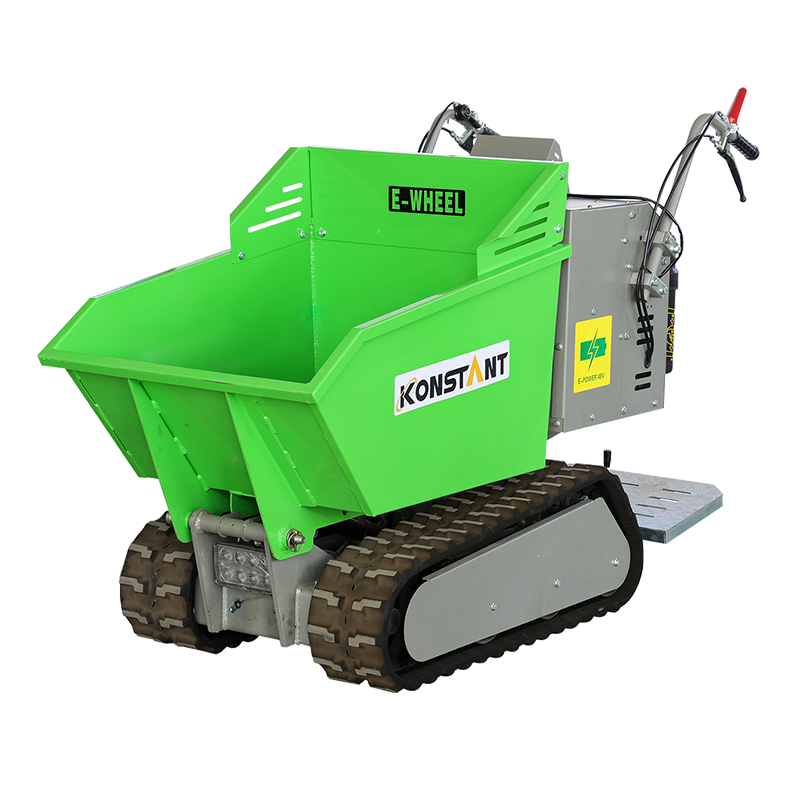
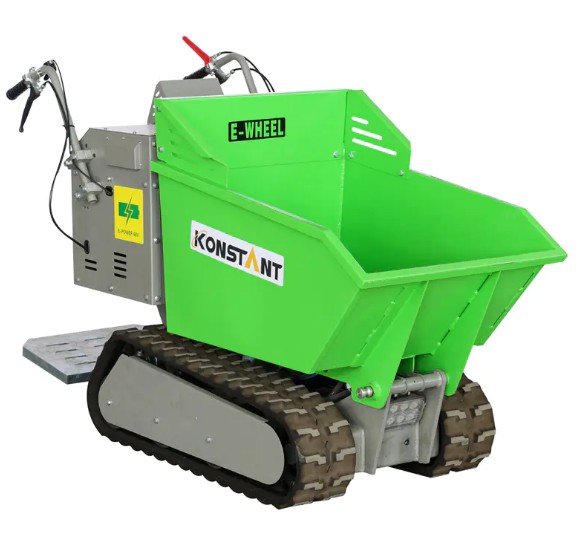
Compact tracked machines that move materials short distances turn up on building sites, landscaping jobs and everyday property work. Knowing the basic layout, checking everything before starting, loading only what the machine is built for, driving with an eye on the ground, tipping the load on solid footing and looking after the machine once the day ends all help keep the work safer. A Crawler Mini Dumper pairs electric drive with continuous tracks to handle these material runs when it stays inside its intended limits.
Basic Characteristics of Electric Tracked Mini Transporters
Contribution of Electric Drive to Material Movement
Electric power gives smooth, controllable movement without fuel cans sitting around the site. The drive delivers steady torque for starting with a load and for creeping along in tight spots. Quiet running and no exhaust make the machine usable indoors or in places where noise matters, as long as the battery holds enough charge for the planned work.
Function of Continuous Tracks Across Varied Surfaces
Continuous tracks spread the machine weight over a wider patch of ground than ordinary wheels. That helps on soft soil, loose gravel and uneven outdoor ground. Grip stays available on gentle slopes and soft patches provided the tracks are whole and the surface stays within what the machine can handle. The track layout also lets the unit slip through narrow gates and paths that bigger wheeled machines cannot enter.
Understanding Rated Capacity and Operating Boundaries
Every machine has a specified load capacity. Going past that limit changes how steady the machine feels, how far it needs to stop and how hard the tipping parts work. Boundaries also cover the steepest slopes allowed, how firm the ground must be and the temperature range the battery and electrics can cope with. Staying inside those boundaries keeps the machine predictable and cuts the chance of tipping or straining parts.
Pre-Operation Checks That Reduce Risk
Inspection of Battery Condition and Electrical Connections
Battery charge is checked before work starts. Terminals and cables are looked over for corrosion, looseness or visible damage. Any oddity in the electrics is sorted before a load goes on. A full charge and tight connections keep performance steady through the planned period.
Examination of Tracks, Controls and Braking Function
Track tension and condition are checked for heavy wear, missing pieces or stones jammed in the links. Control levers and switches are tried for smooth, complete travel. The brake is confirmed to hold the machine still on level ground and on the gentlest slope expected that day. Any lag or incomplete response is looked into before loading begins.
Verification of the Dumping Mechanism
The hopper is raised and lowered through a full cycle while empty. Smooth travel, a firm lock at the top and a controlled drop back down show the mechanism is ready for a loaded run. Odd noises or uneven movement mean further checking is needed.
Assessment of the Work Area for Hazards
The planned route is walked to spot obstacles, soft patches, open edges, overhead hazards and changes in level. Drainage ditches, temporary holes and piles of loose material are noted and either avoided or marked. Clear paths cut the chance of sudden turns under load.
Safe Loading and Transport of Materials
Respecting the Machine's Rated Load Limit
Material is added only up to the capacity the maker states. How dense the material is, how much space the hopper has and the maker's guidance together decide how much can be carried safely. Overloading cuts stability and puts extra stress on the frame and tracks.
Even Distribution of Material Inside the Hopper
Material is spread so the weight sits evenly from side to side and front to back. A pile concentrated at one end or one side raises the risk of tipping while moving or when the hopper lifts. Level filling keeps the centre of gravity inside the machine's steady range.
Securing Loose or Flowable Materials
Dry sand, gravel or light debris can shift during travel. Covering or containing those materials stops them spilling onto the tracks or the ground around. A secure load also keeps balance through the whole trip.
Maintaining Load Stability While Moving
Speed stays low and direction changes stay gradual. Sudden starts or stops can make the load shift even when the hopper is filled inside the limit. Watching the load while moving lets any shift be corrected early.
Driving Practices Across Different Surface Types
Operation on Level and Mildly Uneven Ground
On firm, level ground the machine moves smoothly at a controlled pace. Mild bumps are taken slowly so both tracks stay in contact and the load stays settled. Soft patches are avoided or crossed at a suitably reduced speed.
Control on Inclined Surfaces
Travel on slopes follows the machine's stated limits for both going up and coming down. The machine is kept so the load sits as low and centred as possible. Turning on a slope is avoided; direction changes are made on level ground whenever possible.
Avoidance of Abrupt Steering and Sudden Stops
Sharp turns under load can make one track dig in or the machine tip sideways. Gradual steering and progressive braking keep the machine balanced. Emergency stops are kept for real hazards only.
Maneuvering in Narrow or Confined Spaces
The compact size lets the machine pass through doorways, gates and gaps between stored materials. Speed drops further in tight spots so clearances can be judged the whole time. Reversing happens only when the path behind is clear.
Safe Unloading Procedures
Selection of Firm and Level Ground for Discharge
The unloading spot is checked for firmness and levelness before the hopper rises. Soft or sloping ground can let the machine shift as the load leaves the hopper. A solid surface keeps the chassis steady through the whole discharge.
Maintaining Stability While the Hopper Is Raised
The machine stays still and the parking function is on before the hopper starts to rise. The operator stays clear of the discharge path and watches for any movement of the chassis. The hopper is lowered fully before the machine moves again.
Prevention of Hopper Overload During Discharge
Material that has settled or packed during travel may leave the hopper more slowly than expected. Raising the hopper in stages rather than in one continuous motion reduces the chance of sudden weight transfer. The discharge area stays clear of people and other equipment.
Clearance Check Before Raising the Hopper
The space above and around the hopper is confirmed free of overhead obstacles, power lines or structural members. The path the material will take is checked so it falls only where intended.
Essential Safety Measures During Daily Use
Keeping Clear of Moving Components
Hands, feet and clothing stay away from tracks, rollers, rams and other moving parts. The machine is stopped and the power isolated before any adjustment or clearing of debris is tried.
Avoidance of Unprotected Edges and Unstable Ground
Travel routes stay a safe distance from open excavations, retaining walls and soft shoulders. The machine is never placed so that a track hangs over an unsupported edge.
Observance of Battery Charging and Electrical Precautions
Charging takes place in a dry, well-ventilated spot away from anything that could catch fire. Connections go on and come off only when the charger itself is switched off. Any cable or connector that looks damaged gets replaced before the machine is used again.
Immediate Stop If Unusual Behavior Appears
Any strange noise, vibration, sudden loss of power or unexpected movement is treated as a reason to stop at once. The machine is locked in place and looked over before work starts again. Carrying on under those conditions risks more damage or loss of control.
Post-Use Care That Preserves Machine Condition
Cleaning of Hopper and Track Assemblies
Leftover material is scraped out of the hopper floor and sides after every work period. Tracks and the undercarriage are cleared of packed soil, stones and debris that could wear parts faster or throw the tracking off.
Inspection of Tracks and Moving Parts for Wear
Track links, rollers and sprockets are checked for heavy wear, cracks or missing pieces. Moving joints are tried for smooth travel and given lubrication where it is needed. Spotting wear early stops a sudden failure later on.
Battery Charging and Storage According to Guidance
The battery is recharged following the steps the maker recommends. It is stored in a dry place at a moderate temperature. Even batteries described as maintenance-free still need proper charging and occasional checks of the terminals and casing.
Final Check Before the Machine Is Returned to Service
A quick run through the controls, brakes and dumping mechanism confirms the machine is ready for the next period of use. Any faults noticed while cleaning or inspecting are put right before the machine goes back on the schedule.
Selection Considerations for Safer Material Handling Equipment
Matching Capacity to Actual Daily Requirements
The usual weight and volume of materials moved each day decide what payload rating is needed. Picking a machine whose capacity comfortably covers normal loads removes the temptation to overload.
Evaluation of Overall Dimensions and Maneuvering Ability
Width, length and how the machine turns must suit the narrowest paths and tightest work areas expected on site. Compact overall size improves access without giving up the stability that is still required.
Assessment of Track Design Against Ground Conditions
Track width and profile affect how well the machine floats and grips on the surfaces it will meet. Soft soil, gravel, paved paths and mild slopes each put different demands on the undercarriage.
Comparison of Battery Characteristics and Care Requirements
Battery capacity, how long charging takes and what maintenance is needed all affect how the machine fits into the daily work schedule. Clear guidance on charging and storage makes long-term ownership simpler.
Overview of Daily Operating Checks and Safety Points
| Operating Stage | Key Check or Action | Purpose of the Check |
|---|---|---|
| Before starting | Battery, tracks, controls, brakes, dump mechanism | Confirm machine is ready and free of defects |
| Loading | Stay within capacity, distribute evenly | Maintain stability and prevent tipping |
| Travel | Controlled speed, gradual turns, firm surfaces | Keep load settled and tracks in contact |
| Unloading | Level ground, clear surroundings, controlled raise | Prevent chassis movement and material spillage |
| After use | Clean hopper and tracks, inspect wear, charge battery | Preserve condition for next period of service |
| Continuous observation | Unusual noise, vibration or movement | Allow early stop before failure develops |
Improving Material Handling Safety Through Correct Machine Use and Available Equipment
Consistent checks before starting, loading inside design limits, careful driving on suitable surfaces, stable unloading and regular care after use form the base of safer daily operation. Selecting a compact tracked transporter whose capacity, size and ground compatibility match the real work reduces the chance of overload or loss of control. WUXI KONSTANT POWER TECH CO., LTD produces electric crawler mini dumpers for construction, landscaping and property maintenance tasks. Review of available configurations against typical material weights, site access limits and surface conditions allows selection of a machine suited to reliable and controlled material movement.
Related products

Latest Updates
-
How to Operate a Crawler Mini Dumper Safely
Safe Operation Practices for Compact Tracked Material Transporters Compact tracked machines that mov...
-
What Is a Mini Dump Truck on Tracks Used For
A small machine sitting on continuous tracks carries a tipping body that lifts to empty its load. Th...

-
Welcome To Visit Us
No.30, Third Furong Road, Wuxi City, Jiangsu. 214100, China.
-
Call Us
Phone: +86 181-1889-1139
Phone: +86 181-1889-2139
-
Contact Us Online
E-mail: sales@konstantpm.com
E-mail: marketing@konstantpm.com
Copyright WUXI KONSTANT POWER TECH CO., LTD All Rights Reserved
 China Mini Dumpers Manufacturers Power Wheelbarrow Factory