
 English
 русский
 Français
 Español
 Deutsch

Provide you with the latest enterprise and industry news
What Is a Mini Dump Truck on Tracks Used For
Update:16-10-2026
Posted by Admin
Content
- 1 Range of Materials Suitable for Transport by Tracked Dumpers
- 2 Role of Compact Tracked Dumpers on Construction Sites
- 3 Value of Tracked Dumpers in Landscaping and Garden Work
- 4 Performance of Tracked Models on Soft or Uneven Surfaces
- 5 Typical Work Settings Served by Compact Tracked Dumpers
- 6 Features Worth Examining Before Selecting a Model
- 7 Ways Compact Tracked Dumpers Support Daily Site Progress
- 8 Steps for Matching a Tracked Dumper to a Specific Project
- 9 Practical Advantages Offered by Suitable Tracked Dumper Designs
- 10 Selecting Equipment That Fits Real Site Conditions and Available Supply
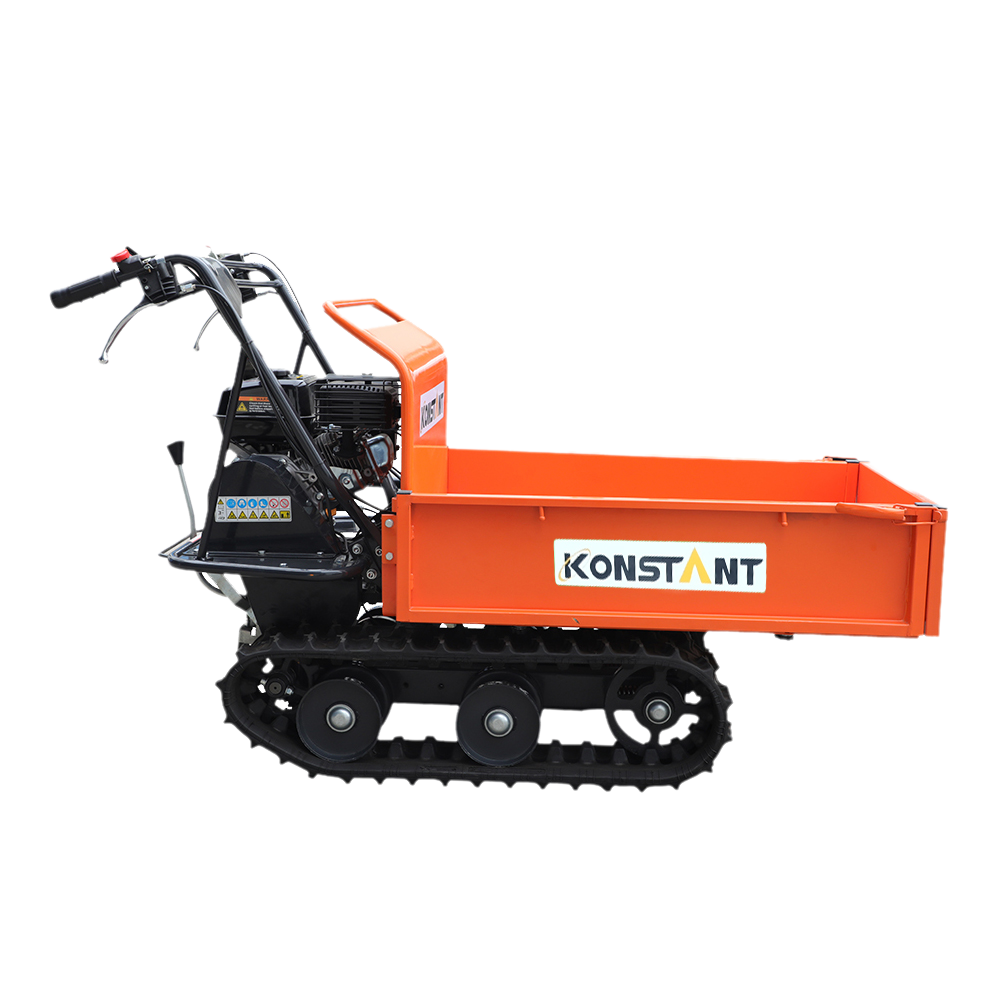
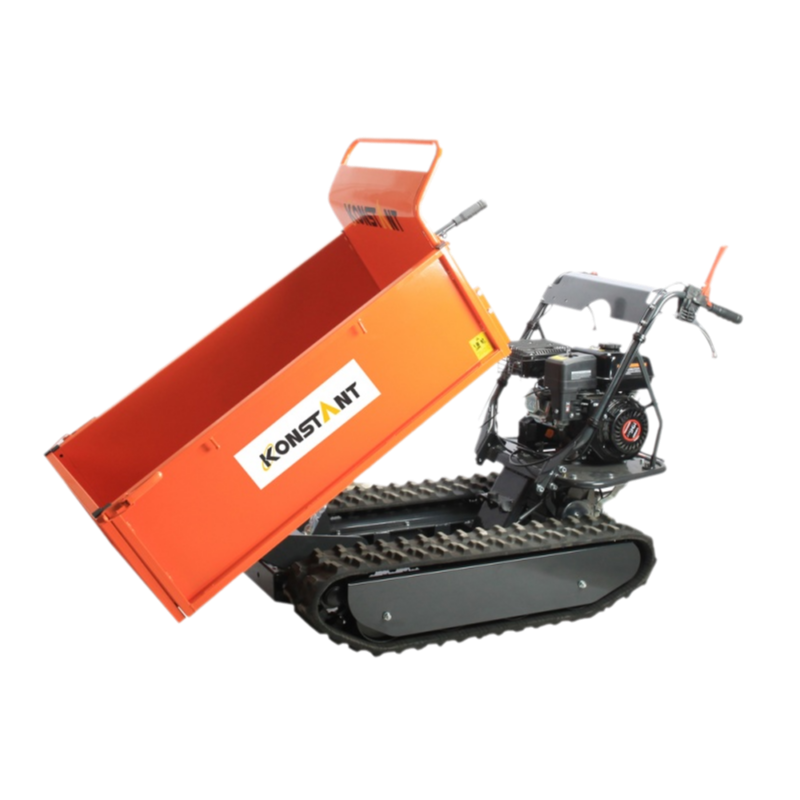
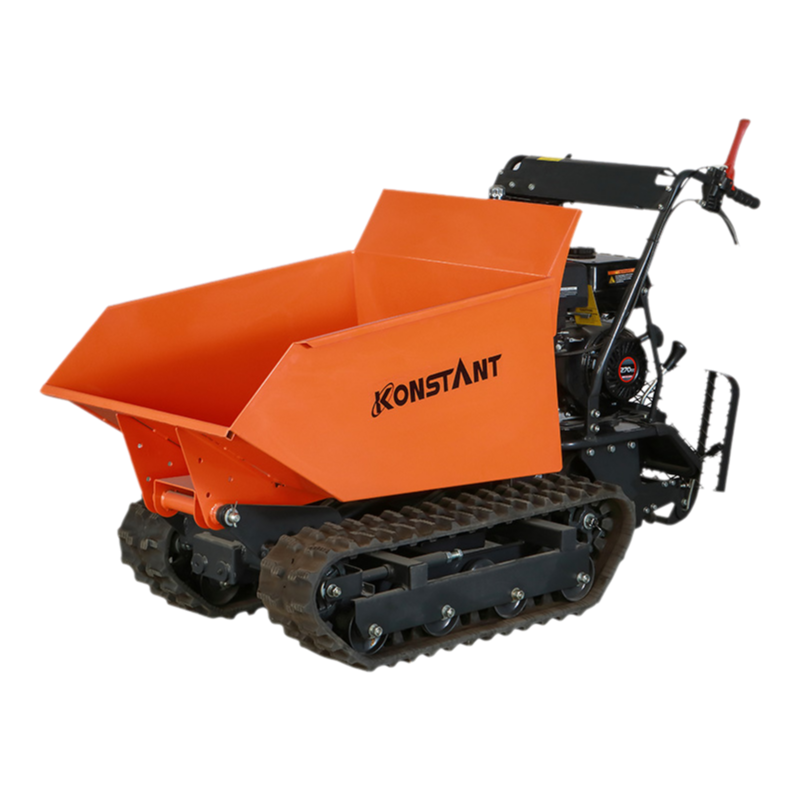
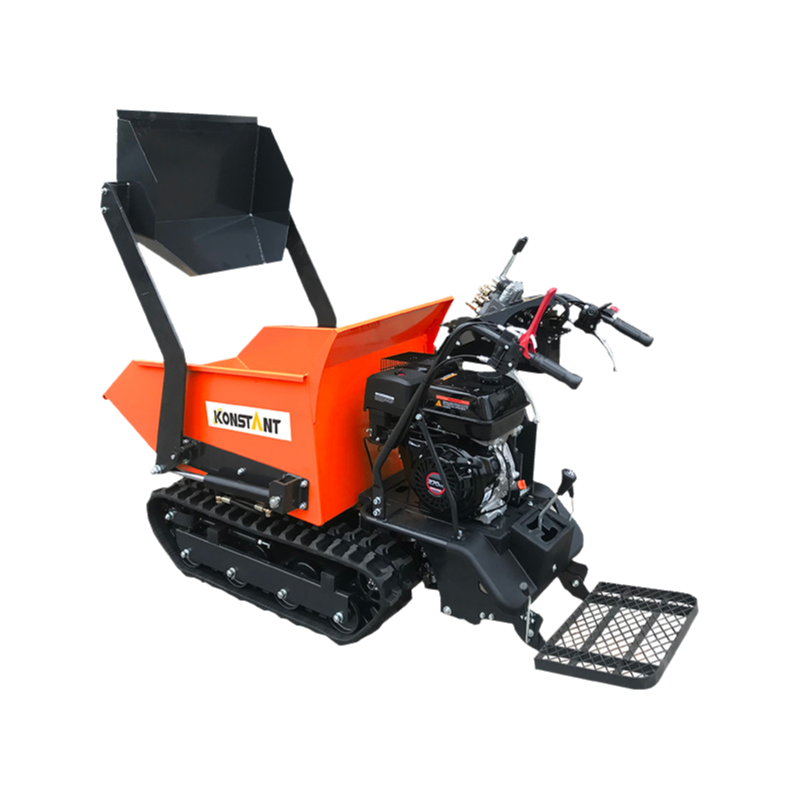
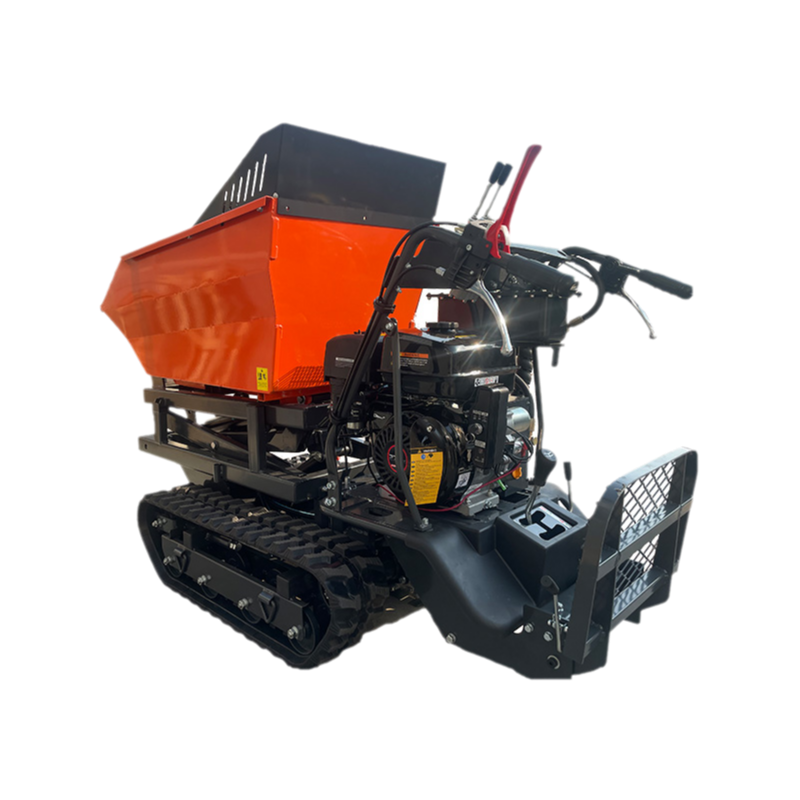
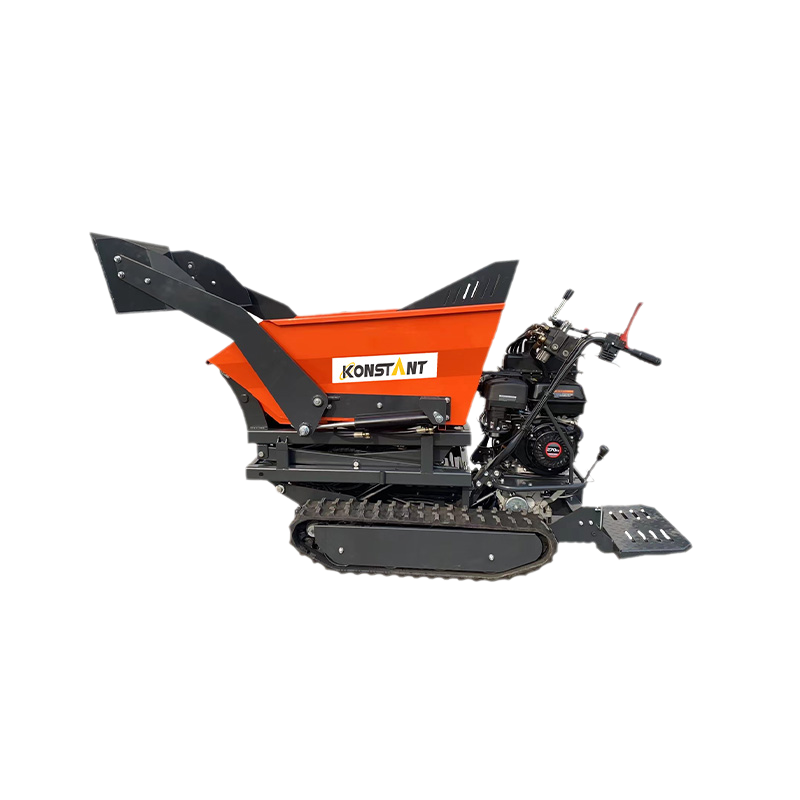
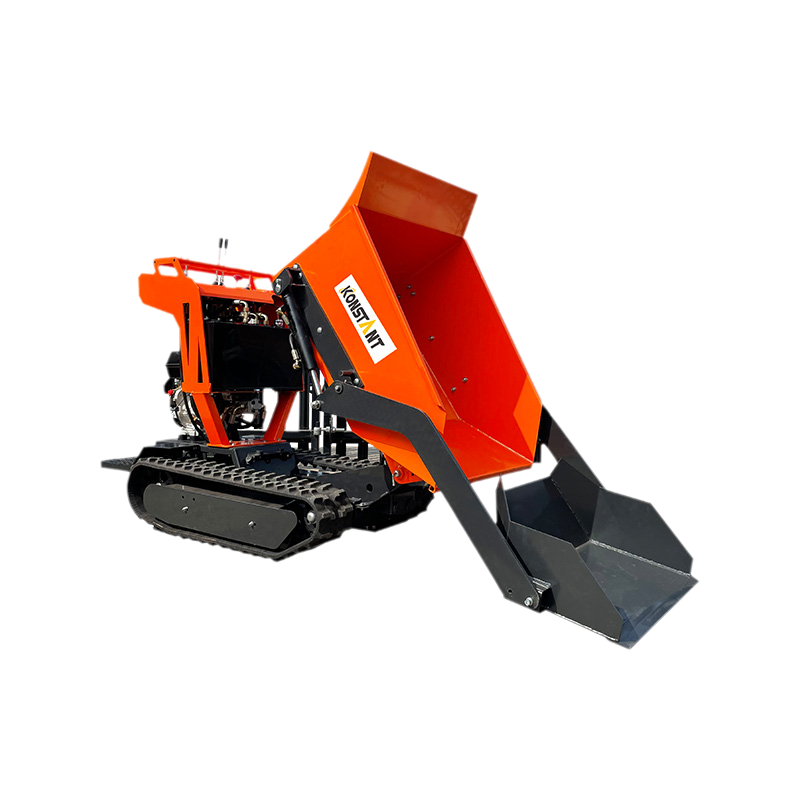
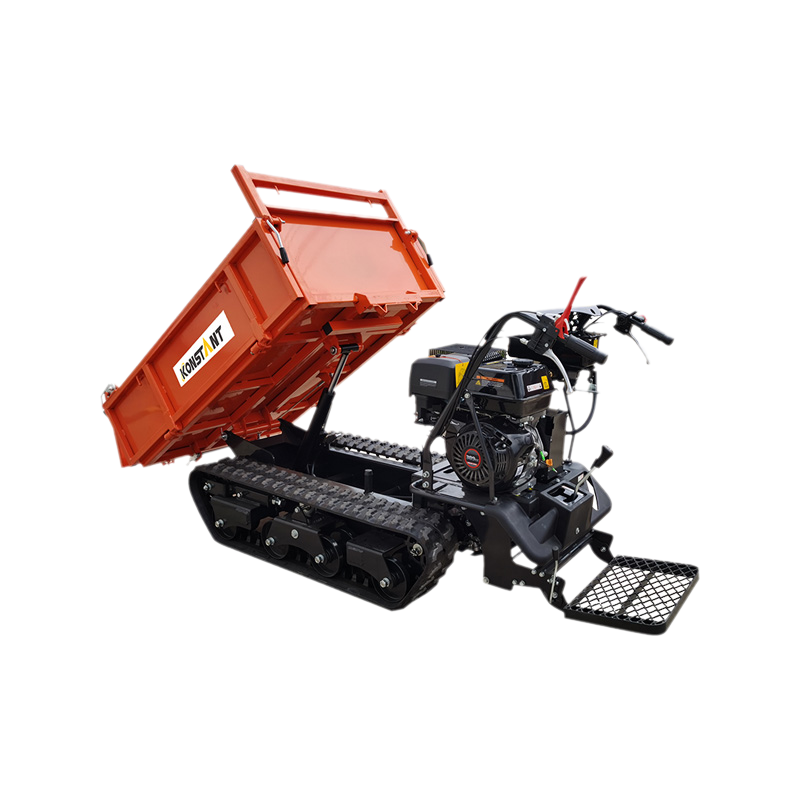
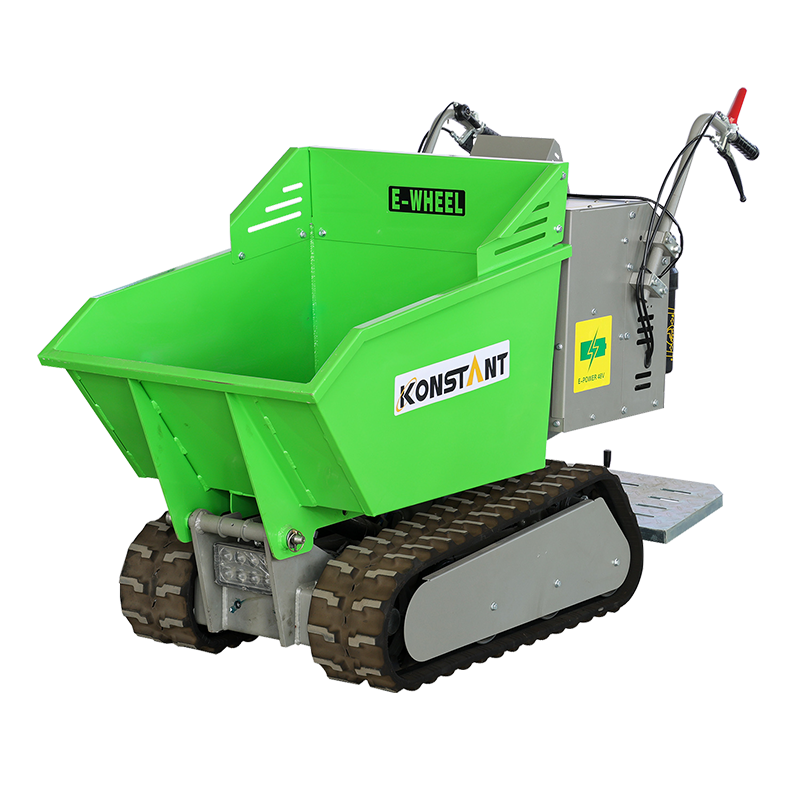
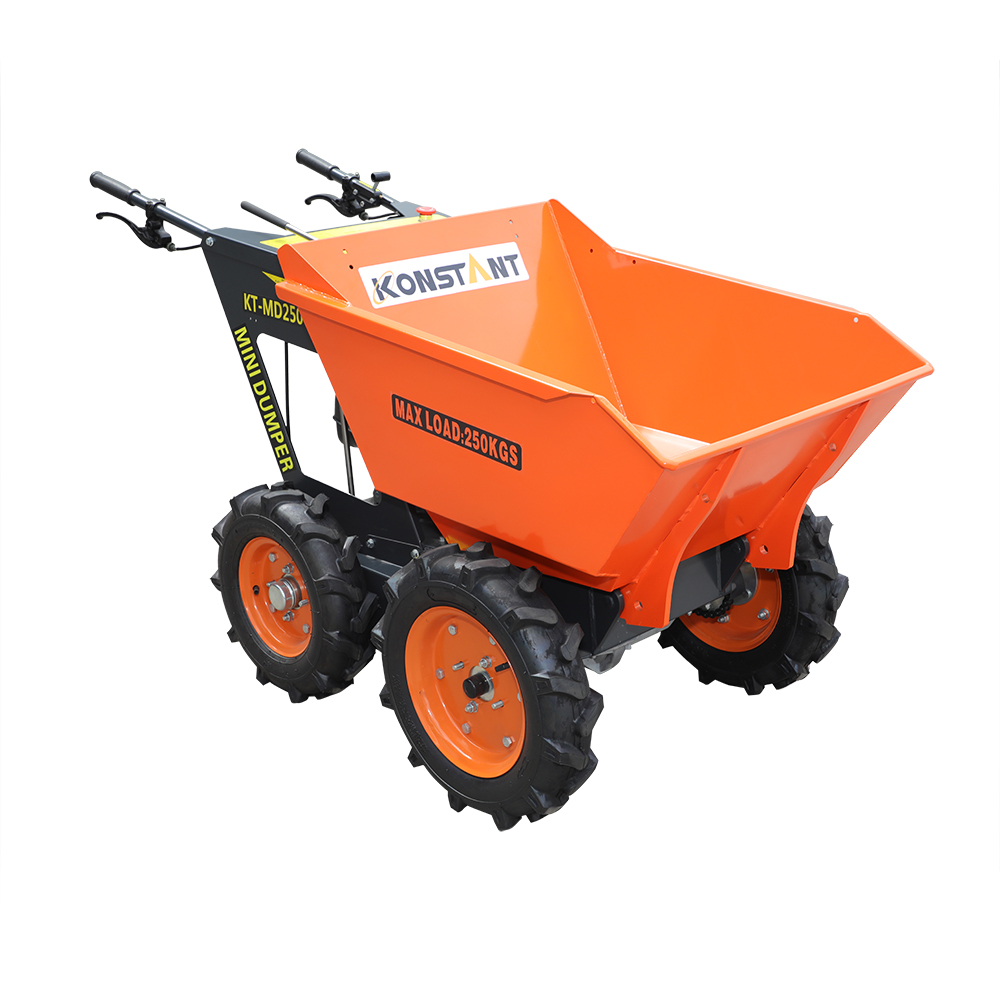
A small machine sitting on continuous tracks carries a tipping body that lifts to empty its load. The tracks keep the weight spread out so the unit can move across soft ground or through tight spaces where ordinary wheeled dumpers struggle. The body holds material and tips it where needed. Construction sites, landscaping jobs, farm work, and general outdoor maintenance all use this combination of movement and controlled dumping. Mini Dump Truck on Tracks machines fill the gap when larger trucks cannot reach the work area or when the ground is too soft for tires.
Range of Materials Suitable for Transport by Tracked Dumpers
Soil and topsoil shift during garden work or when ground is being prepared. Gravel and sand travel from piles to the places where paving or foundations go in. Construction debris such as broken brick or general site waste stays inside the body until it reaches a disposal spot. Mulch, compost, and other organic matter support planting and soil improvement. Compatible building materials move short distances around active sites as long as the total weight stays within what the machine can handle. Density of the material, size of the body, and how firm the unloading ground is all decide which model fits the job.
Role of Compact Tracked Dumpers on Construction Sites
Sand, gravel, and packs of brick move from the delivery point straight to the work zone. Soil dug from trenches and foundation areas leaves the site without larger trucks having to squeeze in. Debris clears through narrow gates and pathways that standard dump trucks cannot enter. Renovation work and small clean-up jobs after demolition keep a steady flow of material removal. The small size cuts down the amount of lifting and carrying by hand that would otherwise slow everything.
Value of Tracked Dumpers in Landscaping and Garden Work
Topsoil, mulch, gravel, and plant stock move from storage areas to the beds. Garden renovations and lawn preparation rely on repeated short trips that stay within easy reach. Soft ground and gentle slopes become workable when the tracks keep contact without digging deep ruts. Residential gardens and closed outdoor spaces often leave little room for bigger machines, so the compact footprint helps. Crews spend less time hauling materials by hand and more time on the actual layout and planting.
Performance of Tracked Models on Soft or Uneven Surfaces
Continuous tracks put the machine weight over a wider patch of ground than ordinary wheels. Loose soil, muddy paths, and uneven outdoor surfaces gain better flotation and less chance of getting stuck. Track width, total machine weight, slope angle, and how wet the soil is all change how well the tracks hold. Staying inside the manufacturer’s operating limits and keeping the load balanced remain necessary for safe movement. Outdoor projects that face changing ground conditions often turn to the tracked layout for that reason.
Typical Work Settings Served by Compact Tracked Dumpers
| Industry or Application | Typical Uses |
|---|---|
| Construction | Moving soil, sand, gravel, and construction debris |
| Landscaping | Transporting topsoil, mulch, and decorative stone |
| Agriculture | Moving feed, harvested materials, and farm supplies where suitable |
| Gardening | Carrying soil, compost, and gardening materials |
| Property Maintenance | Clearing debris and moving materials in outdoor areas |
| Renovation Projects | Handling construction waste and supplies in restricted spaces |
These different settings show the range of work a Mini Dump Truck on Tracks can handle, though payload limits and ground conditions still decide the right model for each job.
Features Worth Examining Before Selecting a Model
Load capacity needs to cover the usual weight of materials and the number of trips planned in a day. Track width and how much ground the tracks cover affect movement on the intended surface. The way the body dumps—manual, hydraulic, or another method—decides how quickly and cleanly the load empties. Overall width and height must clear gates, doorways, and tight pathways. Power source suitability depends on the work area and what fuel or charging is available. Easy access to service points, spare parts, and routine checks influences how the machine stays running over time.
Ways Compact Tracked Dumpers Support Daily Site Progress
Heavy materials no longer need constant carrying by hand. Repeated runs between loading and unloading points become steady instead of tiring. Places closed to larger transport stay reachable. Matching capacity, dumping action, and physical size to the actual job removes extra handling steps that would otherwise waste time. Daily output rises when the machine fits the site rather than forcing the site to work around an oversized unit.
Steps for Matching a Tracked Dumper to a Specific Project
The main type of work—construction, landscaping, or farm support—sets the starting point. Typical load weight and the volume that must move each day come next. Ground firmness, slope, and how narrow the access is all need close look. Machine size and dumping height are checked against the available space and unloading height. Maintenance support, operating demands, and overall ownership cost finish the review. Side-by-side comparison of the available options against these points leads to a practical choice.
Practical Advantages Offered by Suitable Tracked Dumper Designs
Material handling covers soil, aggregates, debris, and organic loads within the rated range. Compact overall size allows entry into restricted residential and commercial spaces. Track layout keeps movement possible across soft or uneven outdoor ground. Dumping action empties the body cleanly at the required spot. Steady access to parts and service information supports continued use across successive projects.
Selecting Equipment That Fits Real Site Conditions and Available Supply
A tracked mini dumper serves construction material movement, landscaping supply transport, agricultural hauling, garden work, property clean-up, and renovation debris removal. Capacity, track design, dumping method, and physical size must line up with the actual loads and ground conditions. Matching these elements avoids both under-performance and unnecessary bulk. WUXI KONSTANT POWER TECH CO., LTD produces compact tracked dumpers intended for these varied outdoor and construction tasks. Review of the available configurations against the planned materials, site access, and ground conditions allows selection of a unit that supports steady material flow without excess complexity.
Related products

Latest Updates
-
What Is a Mini Dump Truck on Tracks Used For
A small machine sitting on continuous tracks carries a tipping body that lifts to empty its load. Th...
-
How Tracked Mini Transport Machines Perform on Muddy and Uneven Ground
Construction sites, landscaping work, and outdoor material movement often take place where the groun...

-
Welcome To Visit Us
No.30, Third Furong Road, Wuxi City, Jiangsu. 214100, China.
-
Call Us
Phone: +86 181-1889-1139
Phone: +86 181-1889-2139
-
Contact Us Online
E-mail: sales@konstantpm.com
E-mail: marketing@konstantpm.com
Copyright WUXI KONSTANT POWER TECH CO., LTD All Rights Reserved
 China Mini Dumpers Manufacturers Power Wheelbarrow Factory