
 English
 русский
 Français
 Español
 Deutsch

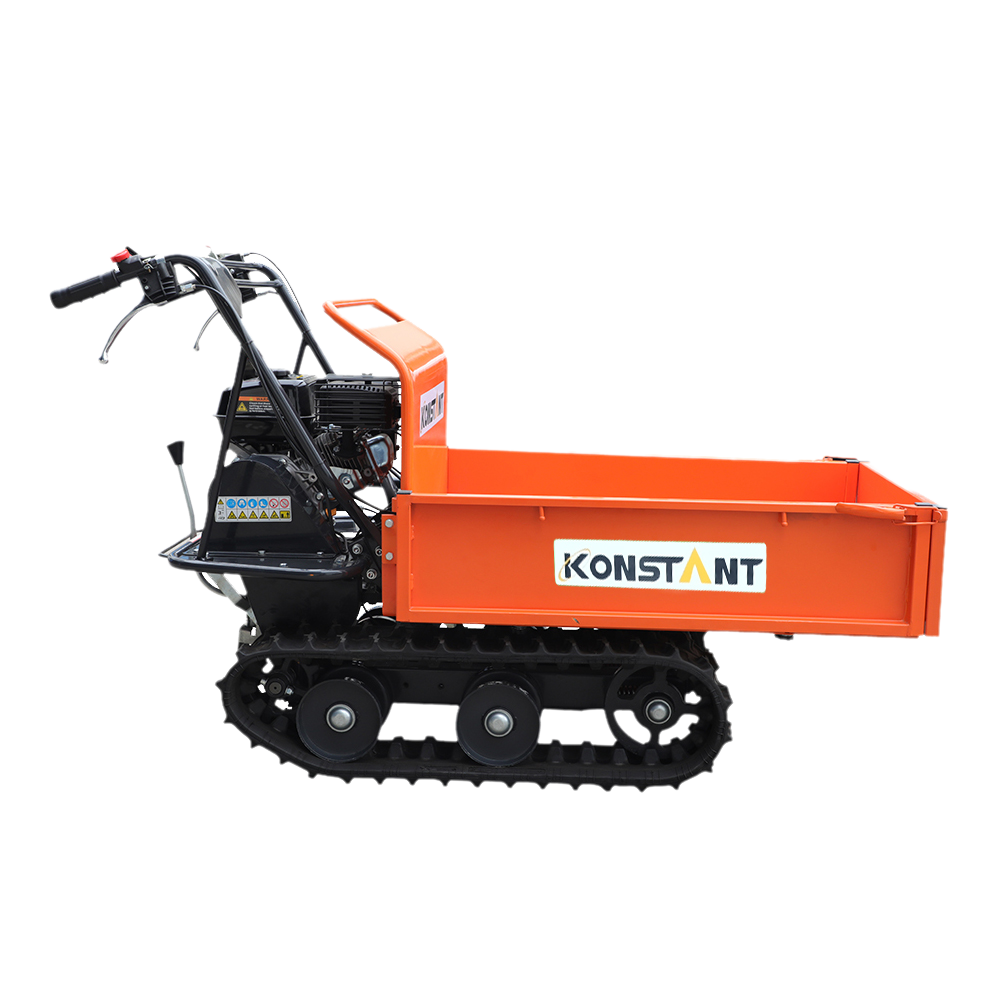
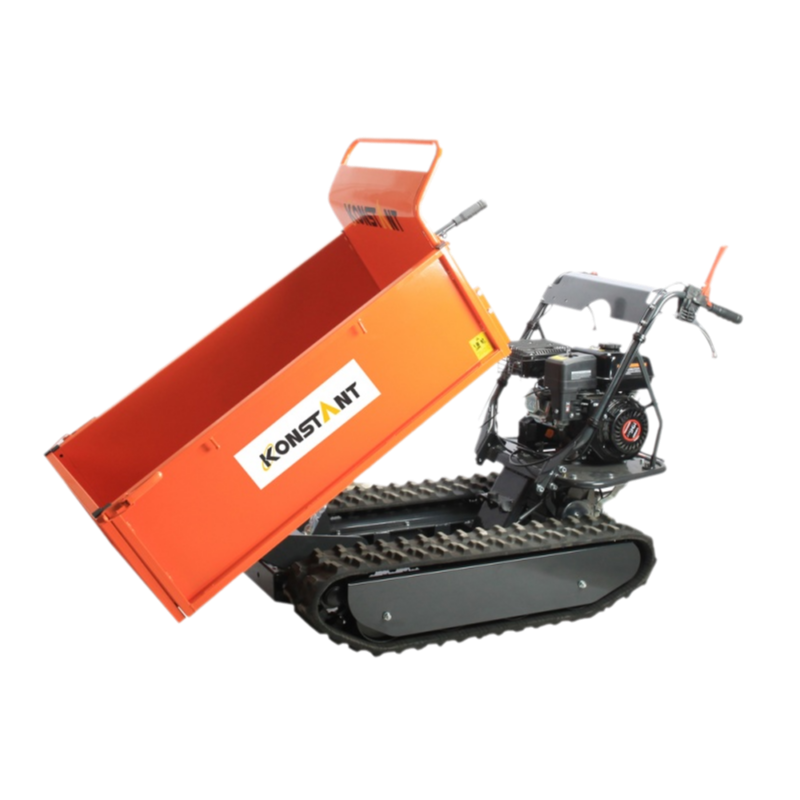
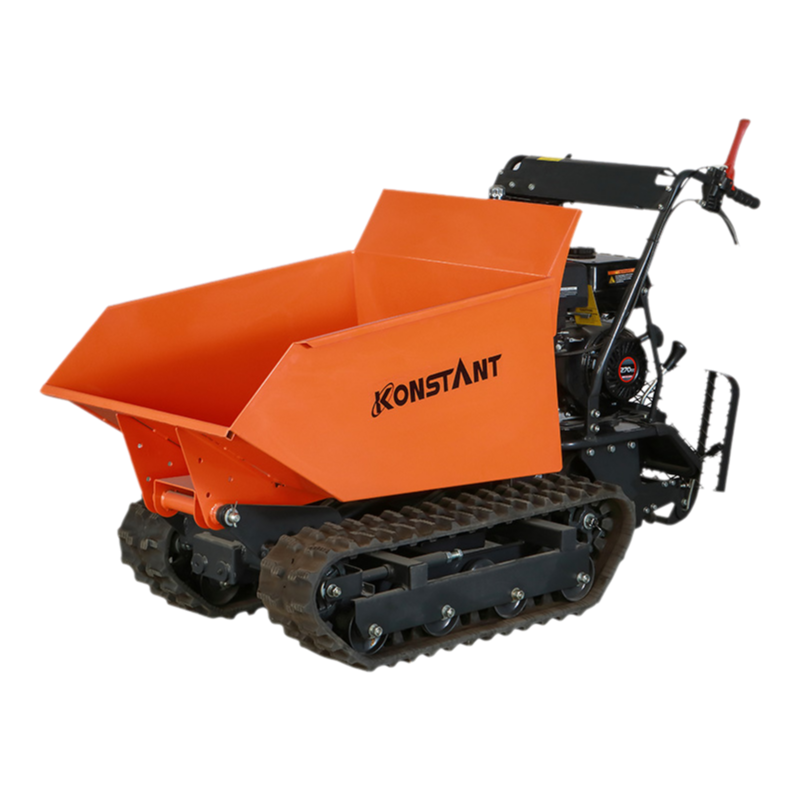
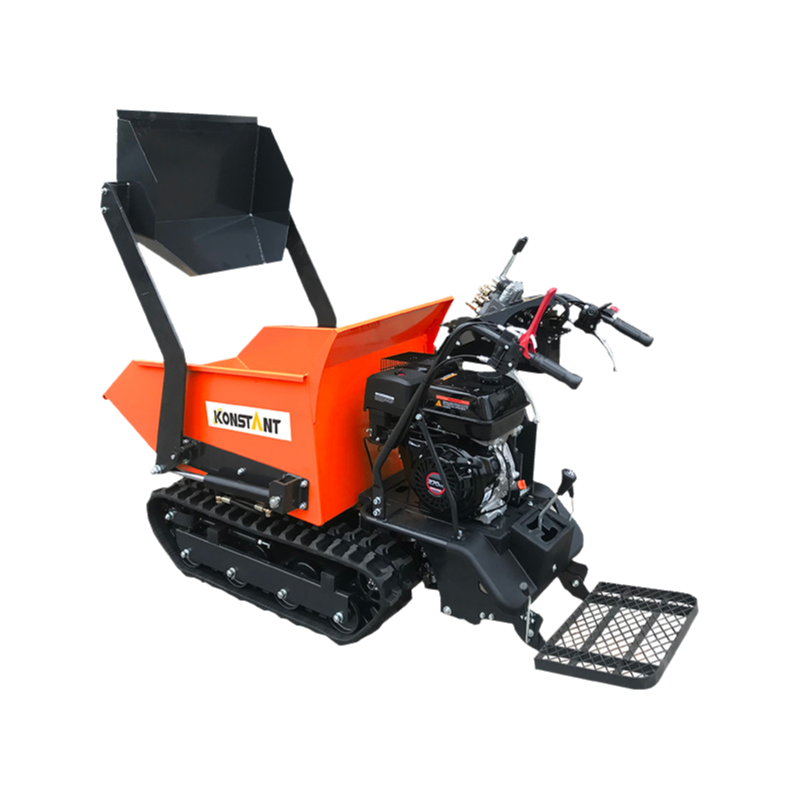
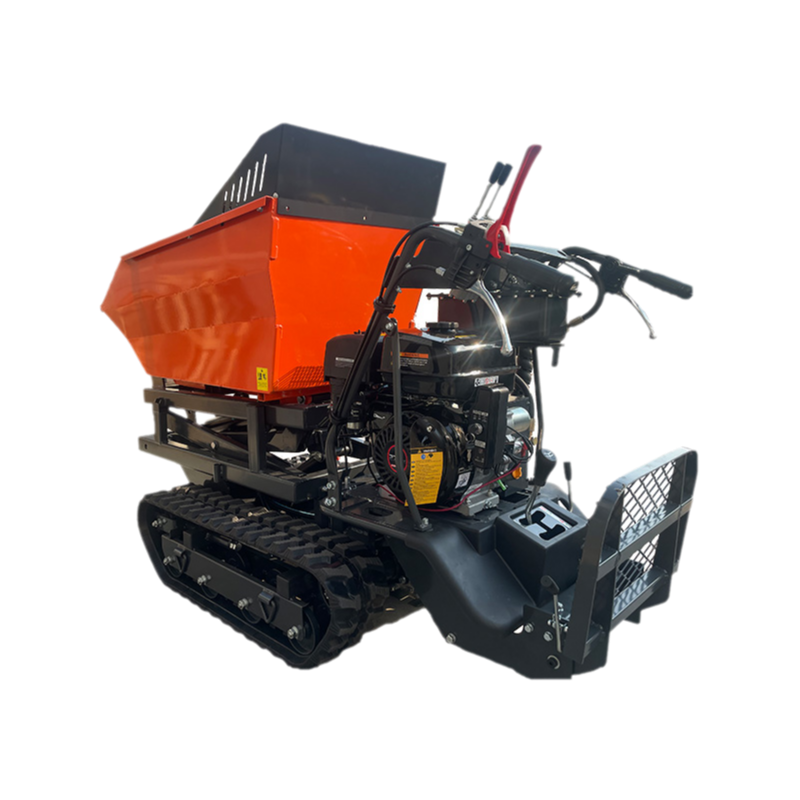
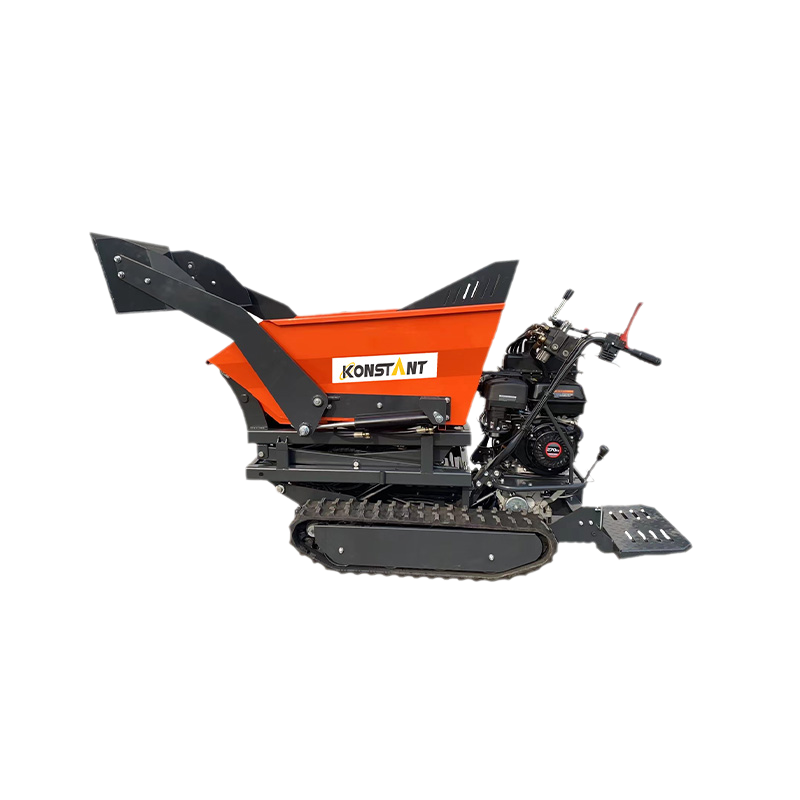
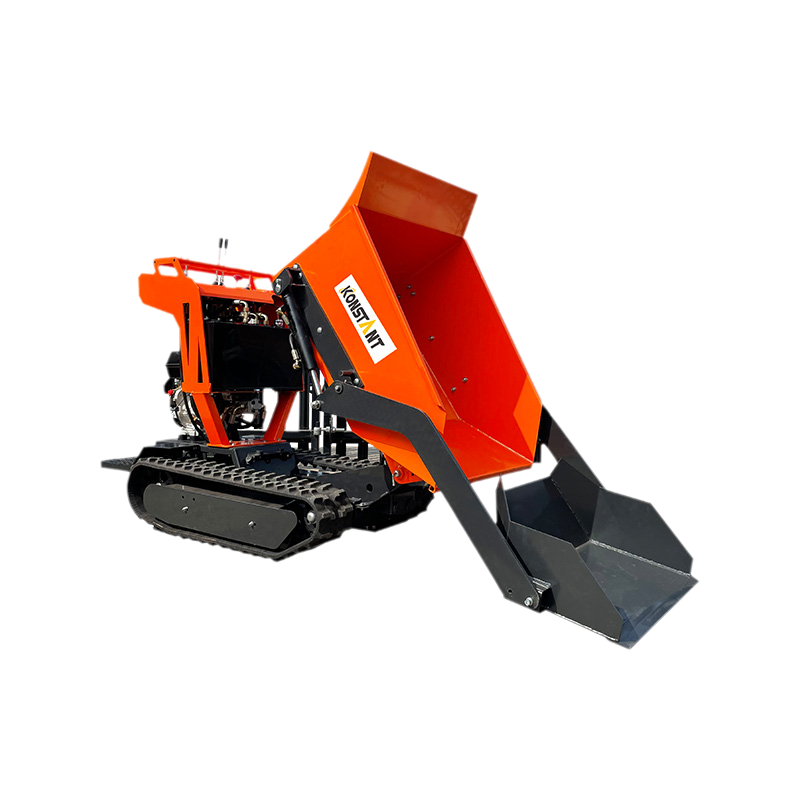
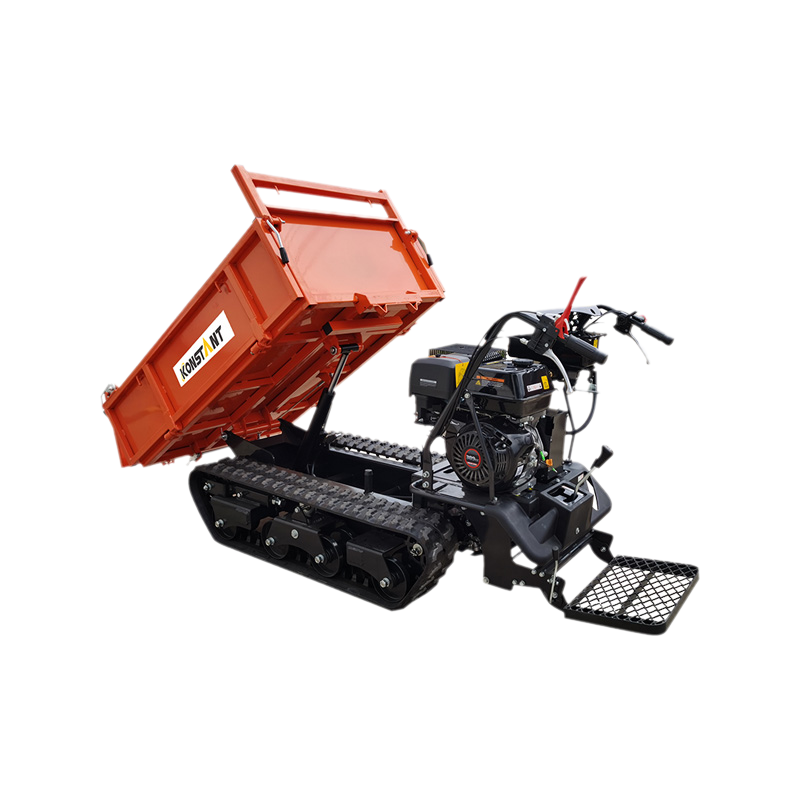
Provide you with the latest enterprise and industry news
Home / News / Industry news / How to Choose the Right Power Driven Wheelbarrow for Different Working Conditions
How to Choose the Right Power Driven Wheelbarrow for Different Working Conditions
Update:24-07-2026
Posted by Admin
Content
- 1 Why Does the Working Environment Matter When Choosing a Power Driven Wheelbarrow ?
- 2 What Type of Power Driven Wheelbarrow Works Well for Construction Sites?
- 3 How Should Users Choose a Power Driven Wheelbarrow for Landscaping Work?
- 4 What Should Farmers Consider When Selecting a Power Driven Wheelbarrow?
- 5 How Does Ground Condition Affect Power Driven Wheelbarrow Selection?
- 6 What Features Should Buyers Look at Before Making a Decision?
- 7 Why Are Power Driven Wheelbarrows Becoming More Common in Small Projects?
- 8 How Can Buyers Match a Power Driven Wheelbarrow With Their Actual Needs?
Hauling materials manually is standard work on construction sites, gardens, farms and maintenance jobs. Regular wheelbarrows get most everyday jobs done, but they become hard work when loads get heavy or the terrain is rough—pushing them by hand just isn't feasible anymore.
That's where motor-powered wheelbarrows come in handy.
Basic wheelbarrows rely fully on human strength, while powered versions have built-in drive systems to take the strain out of hauling supplies. They shine on long routes, uneven ground, or when moving bulky loads that would wear workers out fast.
Still, picking the right model isn't as simple as grabbing any motorized cart. Every job site brings unique demands. Gardens, construction yards, farm fields and tight narrow walkways each call for different machine specs.
If you map out your typical working conditions first, you'll end up with a wheelbarrow perfectly suited to your regular hauling tasks.
Why Does the Working Environment Matter When Choosing a Power Driven Wheelbarrow ?
The same machine may perform differently depending on where it is used.
A flat and open construction area creates different challenges compared with a sloped garden, muddy farmland, or narrow indoor renovation site.
Many buyers focus on the equipment itself but overlook the environment where it will operate. This can lead to choosing a solution that does not fully match the job.
Before selecting a driven wheelbarrow, users usually need to think about several basic questions:
- Where will the machine be used?
- What type of materials will be moved?
- How often will transportation tasks happen?
- Are there space limitations?
- What type of ground conditions are expected?
A clear understanding of the working environment makes the selection process easier.
The right equipment is not always the largest or powerful option. It is the one that fits the actual working situation.
What Type of Power Driven Wheelbarrow Works Well for Construction Sites?
Construction areas often involve moving materials such as soil, sand, bricks, or waste. These tasks may happen repeatedly throughout the day.
A construction site usually requires equipment that can handle regular transportation while adapting to changing ground conditions.
Unlike a fixed transportation route, construction areas often change as work progresses. New obstacles appear, pathways move, and available space becomes different during each stage of the project.
For these conditions, users often look for a driven wheelbarrow that offers:
- Easy movement around the site.
- Practical operation in changing areas.
- Suitable material carrying ability.
- Stable handling during transportation.
| Construction Condition | Selection Consideration |
|---|---|
| Open building area | Focus on transportation efficiency |
| Renovation site | Consider compact movement |
| Uneven ground | Look for suitable mobility |
| Frequent material movement | Consider daily operating needs |
A machine used on a construction site should match the rhythm of the work. Equipment that is difficult to move or manage may slow down the process instead of improving it.
How Should Users Choose a Power Driven Wheelbarrow for Landscaping Work?
Landscaping projects often have different requirements from construction sites.
Garden areas may include narrow paths, planted areas, decorative surfaces, and uneven terrain. Protecting the surrounding environment can be just as important as moving materials.
When working in gardens or outdoor spaces, flexibility becomes a major consideration.
A driven wheelbarrow used for landscaping may need to move:
- Soil for planting areas.
- Stones for pathways.
- Green waste after maintenance.
- Tools and supplies around the property.
The ability to move through smaller spaces can make a difference during these projects.
A large machine may not always be suitable for garden work. The working area may have limited access, and careful movement may be required around existing plants or structures.
For landscaping professionals, equipment selection often focuses on balance. The machine needs enough ability to complete the task while remaining practical for the environment.
What Should Farmers Consider When Selecting a Power Driven Wheelbarrow?
Agricultural environments can create unique transportation challenges.
Farm areas may include fields, storage areas, animal zones, and outdoor paths. The ground conditions can change depending on weather and seasonal activities.
A driven wheelbarrow can assist with moving materials such as feed, tools, soil, and farm supplies.
Farm users often consider:
Ground Conditions
Outdoor surfaces are not always smooth. Equipment needs to match the type of terrain where it will be used.
Daily Work Routine
Some farms require frequent transportation throughout the day. Others may only need equipment during specific activities.
Storage and Handling
Farm equipment needs to fit into the available working system. Storage space and transportation between areas may influence the final choice.
| Farming Requirement | Important Consideration |
|---|---|
| Outdoor operation | Adaptability to changing surfaces |
| Regular use | Practical daily management |
| Multiple tasks | Flexible application |
| Limited access areas | Easy movement |
Agricultural users often value equipment that can support different tasks rather than being limited to one specific purpose.
How Does Ground Condition Affect Power Driven Wheelbarrow Selection?
Ground conditions can change how equipment performs.
A smooth surface is easier to manage than uneven ground, slopes, or soft outdoor areas.
Before purchasing a driven wheelbarrow, users should consider where the machine will travel most often.
Common working conditions include:
- Concrete surfaces.
- Gravel paths.
- Soil areas.
- Sloped outdoor spaces.
- Mixed terrain locations.
Different surfaces create different handling needs.
For example, a machine used mainly on indoor renovation projects may have different requirements compared with one working outdoors on farmland.
The surrounding environment affects movement, control, and daily operation.
This is why understanding the work area is an important step before choosing equipment.
What Features Should Buyers Look at Before Making a Decision?
After understanding the working environment, buyers can compare different equipment options more effectively.
Several areas deserve attention.
Material Handling Needs
Consider what materials will be transported. Lightweight gardening materials and heavier construction materials may require different solutions.
Working Space
A narrow area may require more compact equipment, while an open site may allow more flexibility.
Operation Method
Simple operation can make daily work easier, especially when multiple workers use the same equipment.
Maintenance Requirements
Equipment used regularly needs practical maintenance planning.
Storage Conditions
Where and how the machine is stored can also influence purchasing decisions.
| Factor | Why It Matters |
|---|---|
| Material Type | Matches equipment with working tasks |
| Site Layout | Influences movement flexibility |
| Usage Frequency | Affects long-term planning |
| Storage Space | Impacts daily management |
| Maintenance Needs | Supports continuous operation |
A careful comparison helps avoid selecting equipment based only on appearance or general expectations.
Why Are Power Driven Wheelbarrows Becoming More Common in Small Projects?
Small renovation jobs all run into the same headache. You might not have tons of materials to shift, but hauling everything around still takes a lot of physical work.
Home remodels, garden landscaping and general repairs usually take place in tight spots where big transport machinery just can't get in.
Motorized wheelbarrows are a great fit for these tricky scenarios.
They're built purely for easy hauling on small-scale jobs. There's no need to drag bulky heavy machinery onto every site; this compact tool slots right into limited workspaces.
This shift in gear picking isn't just a passing fad.
More tradespeople and homeowners now opt for task-specific tools, rather than relying on one generic machine for every single job.
Lightweight, compact hauling carts like powered wheelbarrows are leading this shift in equipment choices.
How Can Buyers Match a Power Driven Wheelbarrow With Their Actual Needs?
Choosing equipment becomes easier when buyers focus on the job rather than the product alone.
A useful approach is to create a simple working profile:
Project Type
- Construction.
- Landscaping.
- Agriculture.
- Maintenance.
Working Environment
- Indoor.
- Outdoor.
- Narrow access.
- Open area.
Transportation Task
- Soil movement.
- Waste removal.
- Material delivery.
- Equipment carrying.
This method helps buyers compare options based on real conditions.
A power driven wheelbarrow is a practical tool for many applications, but its value depends on whether it matches the environment where it will be used.
The growing interest in compact material handling equipment shows that modern projects need more flexible ways to move materials. Selecting equipment according to working conditions can make daily operations smoother and more manageable.
Related products

Latest Updates
-
What Causes Reduced Performance in an Electric Mini Dumper
Electric mini dumpers sometimes lose speed, range or climbing ability after a stretch of ordinary us...
-
How to Operate a Crawler Mini Dumper Safely
Safe Operation Practices for Compact Tracked Material Transporters Compact tracked machines that mov...

-
Welcome To Visit Us
No.30, Third Furong Road, Wuxi City, Jiangsu. 214100, China.
-
Call Us
Phone: +86 181-1889-1139
Phone: +86 181-1889-2139
-
Contact Us Online
E-mail: sales@konstantpm.com
E-mail: marketing@konstantpm.com
Copyright WUXI KONSTANT POWER TECH CO., LTD All Rights Reserved
 China Mini Dumpers Manufacturers Power Wheelbarrow Factory