
 English
 русский
 Français
 Español
 Deutsch


Provide you with the latest enterprise and industry news
What Causes Reduced Performance in an Electric Mini Dumper
Update:23-10-2026
Posted by Admin
Content
- 1 Visible Signs That Performance Has Dropped
- 2 Battery Condition and Its Effect on Output
- 3 Effects of Carrying More Weight Than Intended
- 4 Track and Undercarriage Issues That Reduce Efficiency
- 5 Influence of Working Conditions on Overall Efficiency
- 6 Electrical and Control Problems That Lead to Power Loss
- 7 Step-by-Step Checks When Performance Declines
- 8 Routine Care That Helps Maintain Consistent Output
- 9 Points to Weigh When Selecting an Electric Mini Transporter
- 10 Overview of Performance Loss Causes and First Checks
- 11 Keeping Performance Steady Through Correct Use and Suitable Equipment
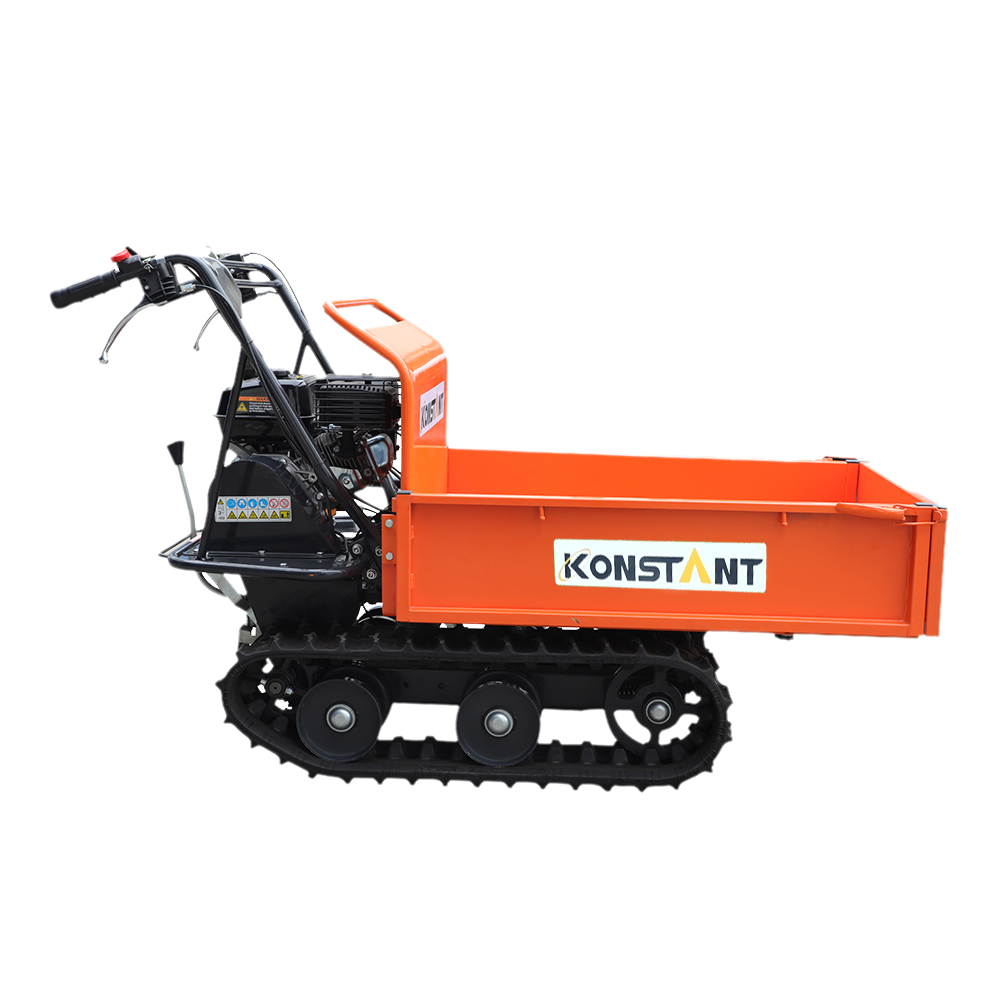
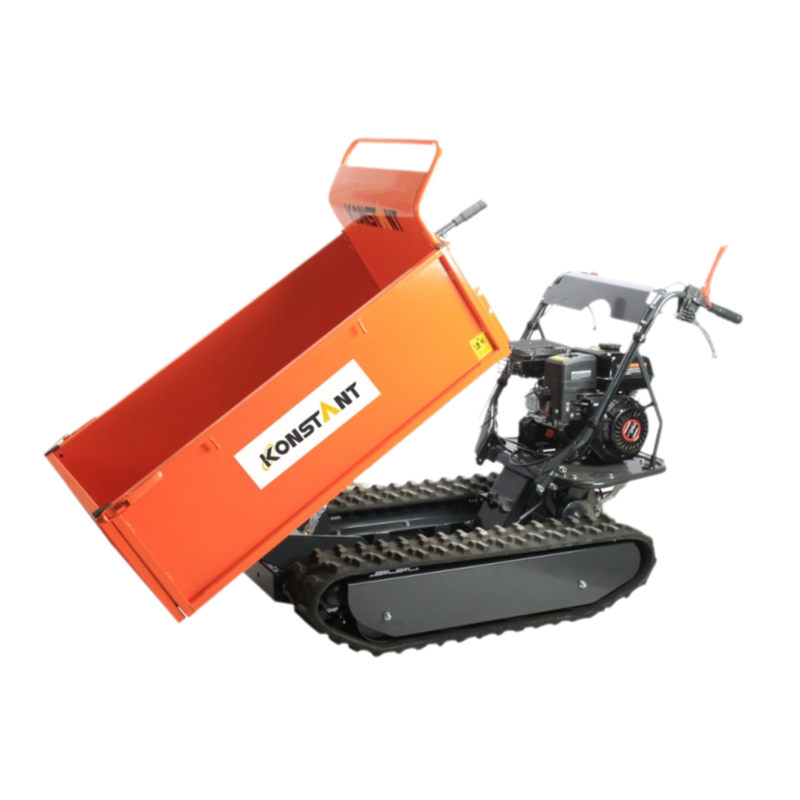
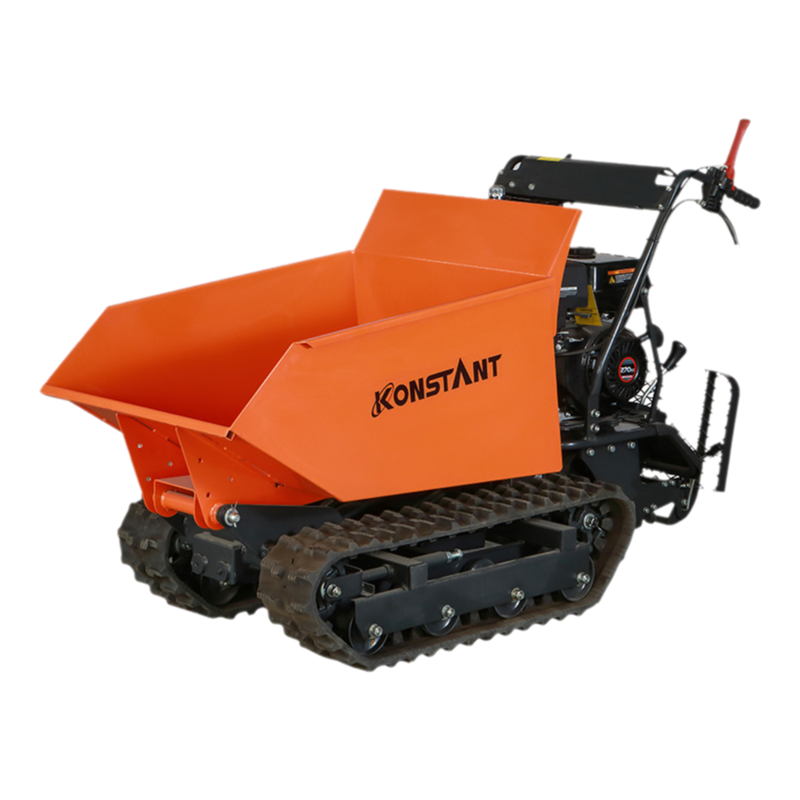
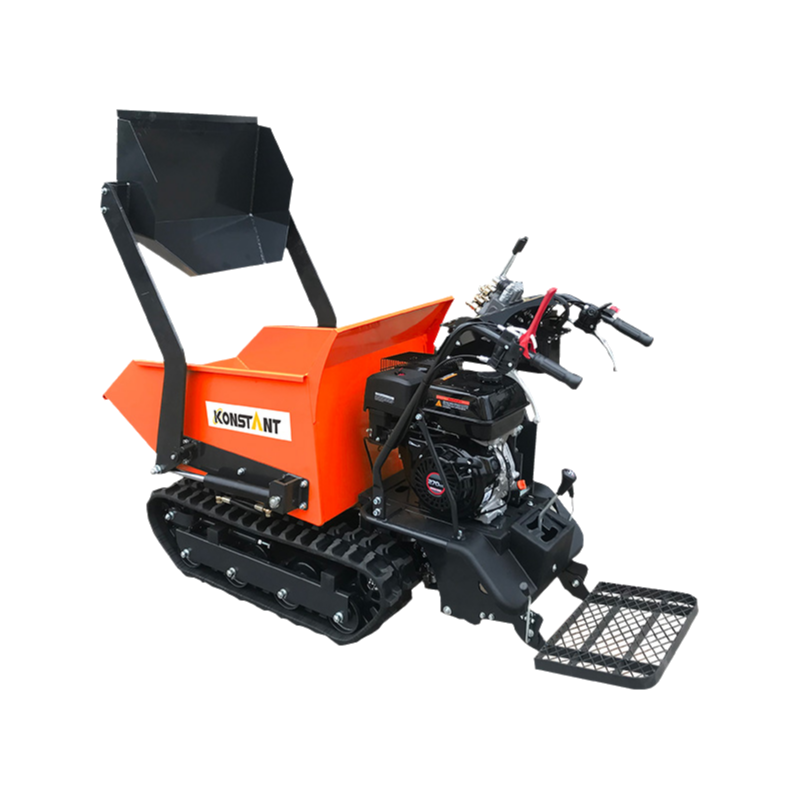
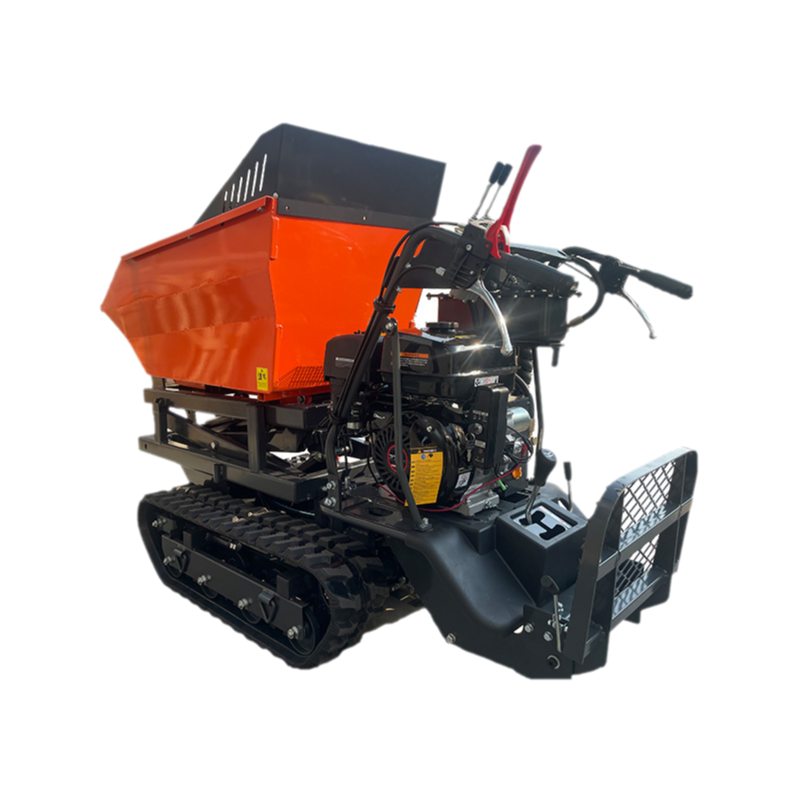
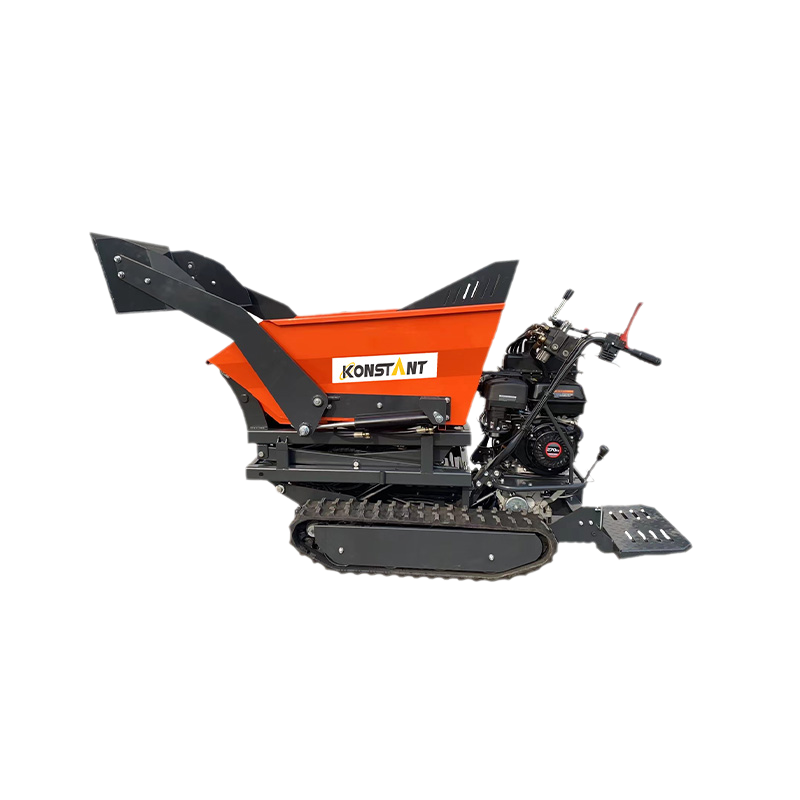
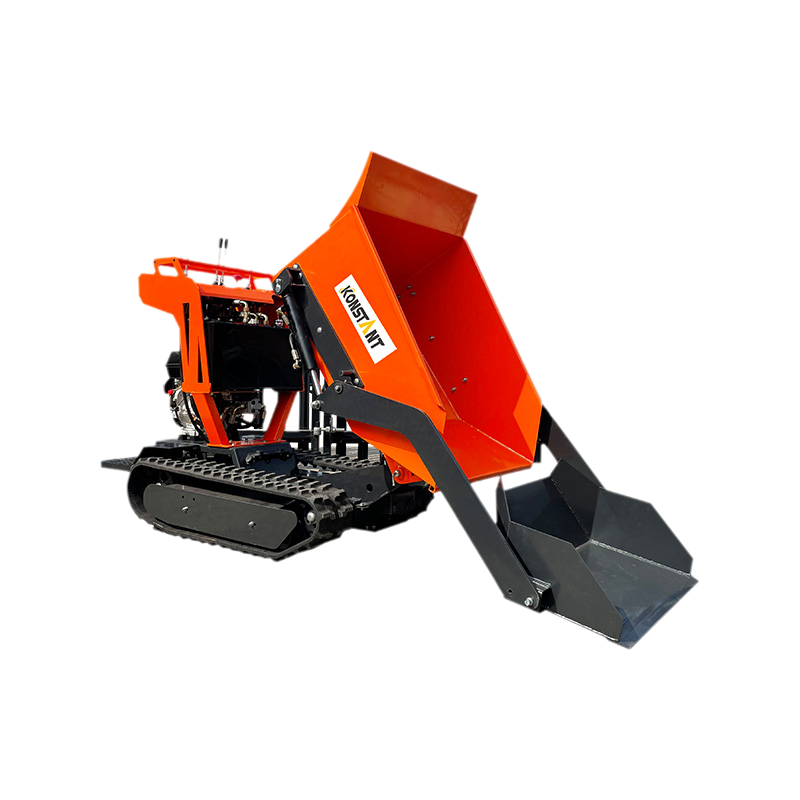
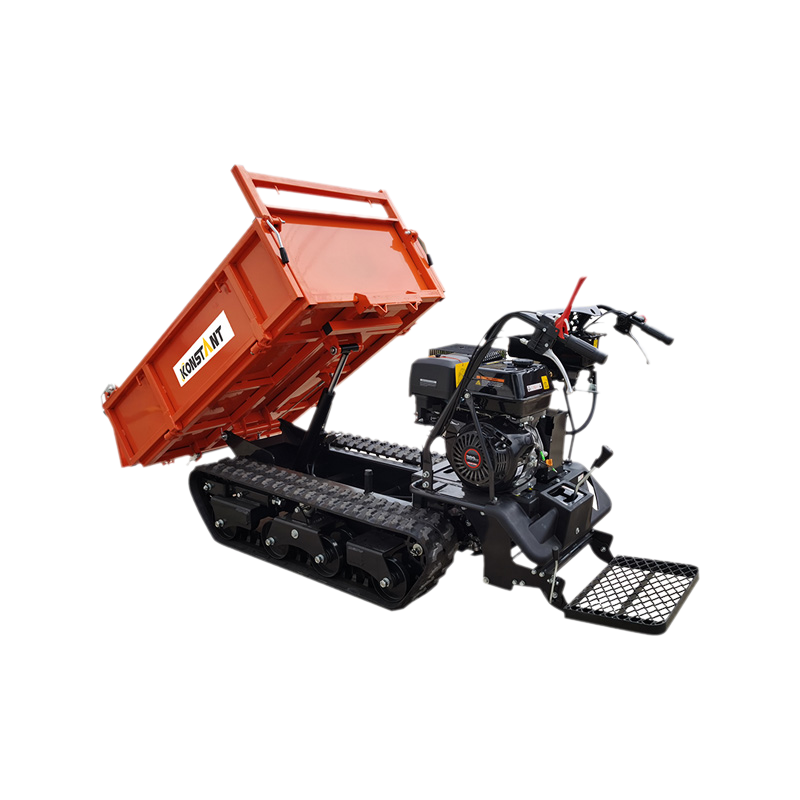
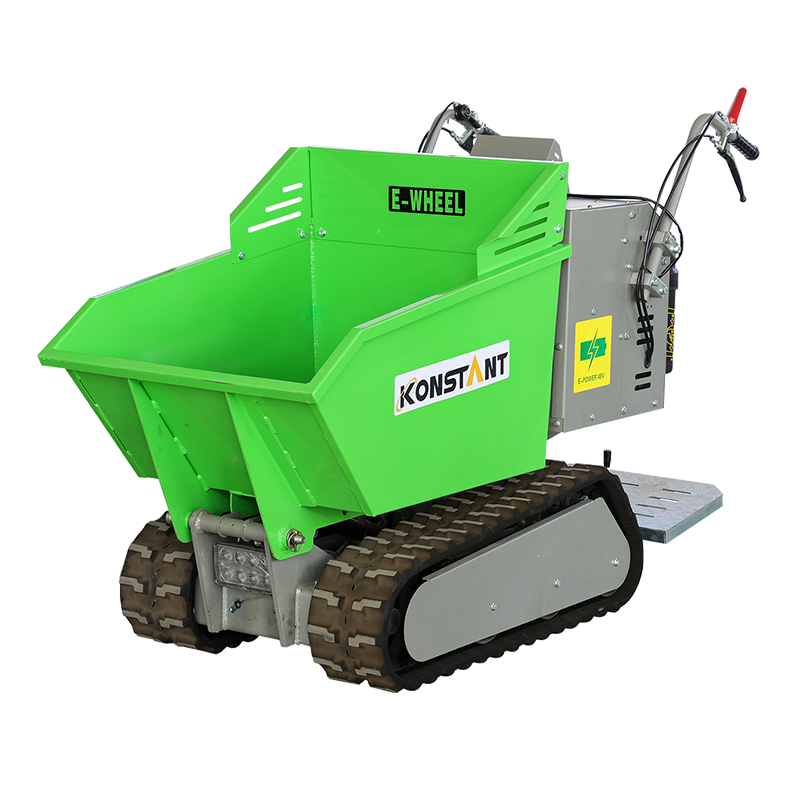
Electric mini dumpers sometimes lose speed, range or climbing ability after a stretch of ordinary use. The change shows up as slower travel, shorter running time on a full charge, weaker response when the hopper is full, or trouble crossing uneven ground. These signs usually come from battery condition, electrical connections, load weight, track condition or the ground itself. A Crawler Mini Dumper that pairs electric drive with continuous tracks stays reliable when these factors stay inside design limits.
Visible Signs That Performance Has Dropped
Travel speed that feels lower than usual is often an early warning sign. Running time on one charge may shrink even when the same routes and loads are used. Power under load can feel weaker, especially when starting on a slight rise or when the hopper is full. Crossing soft or uneven ground may become harder, with the tracks spinning or the machine working harder than before. Each of these changes points to a specific area that needs checking.
Battery Condition and Its Effect on Output
A battery that is only partly charged naturally shortens the working period and can limit available power. Over time the battery's ability to hold charge drops, so the same amount of work pulls the voltage down faster. Loose terminals or poor charging connections add resistance and cut performance further. Even batteries called maintenance-free still need correct charging routines and occasional looks at the terminals and casing; neglect here shows up as shorter range and weaker response under load.
Effects of Carrying More Weight Than Intended
When the hopper is filled past the machine's rated capacity the drive system and tracks work harder. Heavier material raises rolling resistance, so acceleration and top speed fall. Uneven loading shifts the centre of gravity and can make steering heavier or less precise. Matching the load to the material density and the hopper volume keeps the machine inside its efficient range and preserves both speed and stability.
Track and Undercarriage Issues That Reduce Efficiency
Tracks that are too tight or too loose increase friction and power demand. Mud, gravel or debris packed around the rollers and links adds drag and can stop smooth rotation. Worn track parts or damaged rollers raise rolling resistance and may make the machine pull to one side. Soft or sticky ground cuts traction further, so more power is needed just to keep moving. Regular cleaning and tension checks keep the undercarriage free to roll with less extra load on the motor.
Influence of Working Conditions on Overall Efficiency
Soft, muddy or deeply uneven ground forces the tracks to dig and slip, raising energy use. Repeated climbs on slopes drain the battery faster than the same distance on level ground. Frequent starts, stops and tight turns keep the motor in a higher-current state and shorten running time. High or low ambient temperatures can also affect battery output, so the same charge yields less work in severe weather. Recognising these conditions helps explain sudden drops in performance that are not caused by a mechanical fault.
Electrical and Control Problems That Lead to Power Loss
Loose connectors or damaged wiring interrupt the smooth flow of current and can cause intermittent power. A sticky or worn throttle control may stop the motor from getting the full command signal. The motor itself can overheat under prolonged heavy load and trigger a protective shutdown that feels like sudden power loss. When any of these signs appear the machine is stopped, secured and inspected by qualified personnel before further use.
Step-by-Step Checks When Performance Declines
Battery charge level and charging history are checked first. The load is confirmed to be inside the machine's rated capacity and is spread evenly. Tracks and undercarriage are inspected and cleared of any packed material. The work area and recent operating pattern are reviewed for unusually soft ground, steep slopes or high-frequency manoeuvring. If the reduced performance continues after these checks, technical support is requested so that deeper electrical or mechanical faults can be found.
Routine Care That Helps Maintain Consistent Output
Following the recommended charging routine helps maintain the battery's available capacity. Cleaning the tracks and undercarriage after each period of use stops the build-up of drag-producing debris. Fasteners, control linkages and moving parts are checked for looseness or wear so that small issues do not grow into performance losses. Simple records of charging, cleaning and any unusual behaviour make it easier to spot trends and deal with them early.
Points to Weigh When Selecting an Electric Mini Transporter
Rated payload should match the typical daily material weight rather than the heaviest occasional load. Battery type, capacity and charging requirements decide how the machine fits the work schedule. Track design and width affect flotation and traction on frequently encountered surfaces. Ease of inspection, routine maintenance access and the availability of technical support influence long-term ownership cost and uptime.
Overview of Performance Loss Causes and First Checks
| Possible Cause | Typical Symptom | First Practical Check |
|---|---|---|
| Low or aged battery | Shorter running time, weaker power | Verify charge level and terminal condition |
| Overloading | Slow acceleration, reduced top speed | Confirm load against rated capacity |
| Track debris or incorrect tension | Higher power use, poor tracking | Clean undercarriage and adjust tension |
| Soft or sloping ground | Labouring on familiar routes | Review recent surface and slope conditions |
| Loose wiring or control faults | Intermittent power, delayed response | Inspect connectors and throttle action |
| Motor protective shutdown | Sudden loss of drive | Allow cooling and seek qualified inspection |
Keeping Performance Steady Through Correct Use and Suitable Equipment
Battery state, load weight, track condition, electrical integrity and working environment all influence how an electric mini dumper performs from day to day. Systematic checks and regular cleaning make it easier to separate simple operating issues from deeper faults. Selecting a machine whose capacity, track design and battery characteristics match the actual materials, terrain and daily schedule reduces the likelihood of repeated performance drops. WUXI KONSTANT POWER TECH CO., LTD produces electric crawler mini dumpers for construction, landscaping and property maintenance tasks. Review of available configurations against typical material weights, ground conditions and daily operating hours allows selection of a machine suited to consistent and reliable material movement.
Related products

Latest Updates
-
What Causes Reduced Performance in an Electric Mini Dumper
Electric mini dumpers sometimes lose speed, range or climbing ability after a stretch of ordinary us...
-
How to Operate a Crawler Mini Dumper Safely
Safe Operation Practices for Compact Tracked Material Transporters Compact tracked machines that mov...

-
Welcome To Visit Us
No.30, Third Furong Road, Wuxi City, Jiangsu. 214100, China.
-
Call Us
Phone: +86 181-1889-1139
Phone: +86 181-1889-2139
-
Contact Us Online
E-mail: sales@konstantpm.com
E-mail: marketing@konstantpm.com
Copyright WUXI KONSTANT POWER TECH CO., LTD All Rights Reserved
 China Mini Dumpers Manufacturers Power Wheelbarrow Factory