
 English
 русский
 Français
 Español
 Deutsch

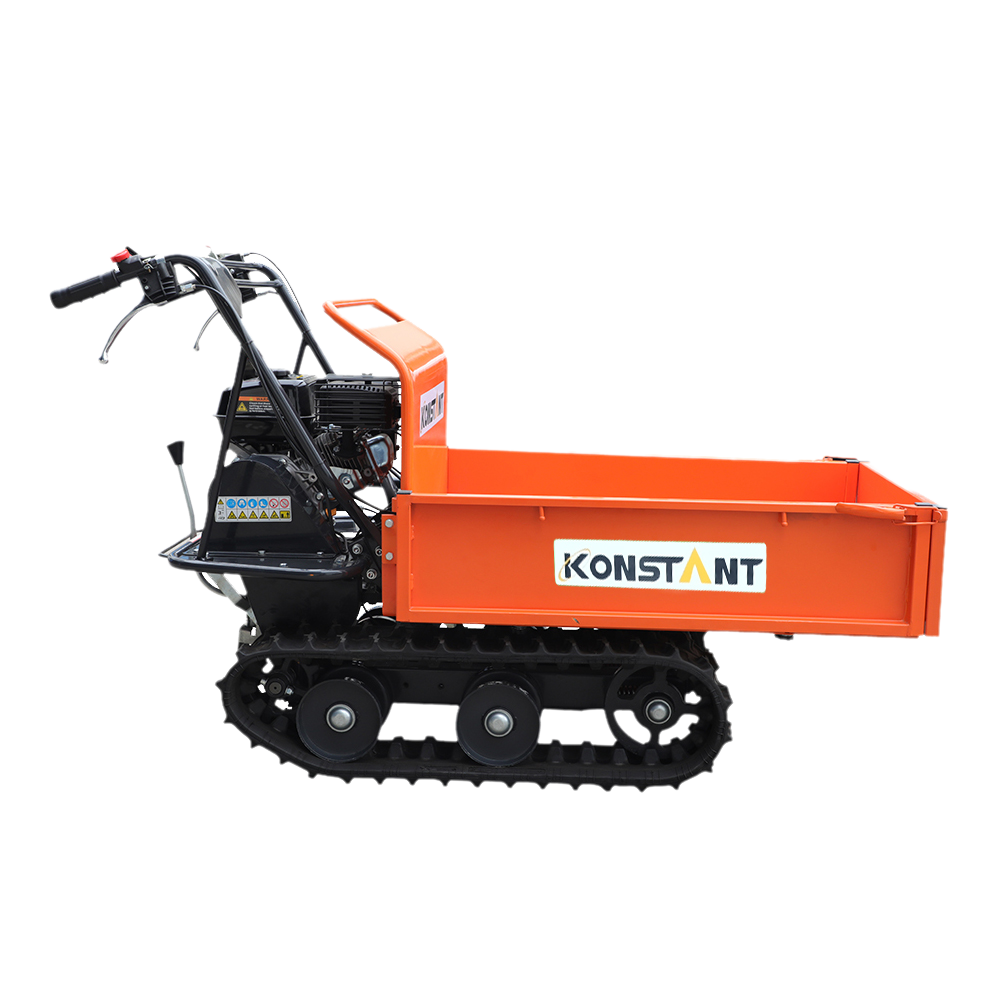
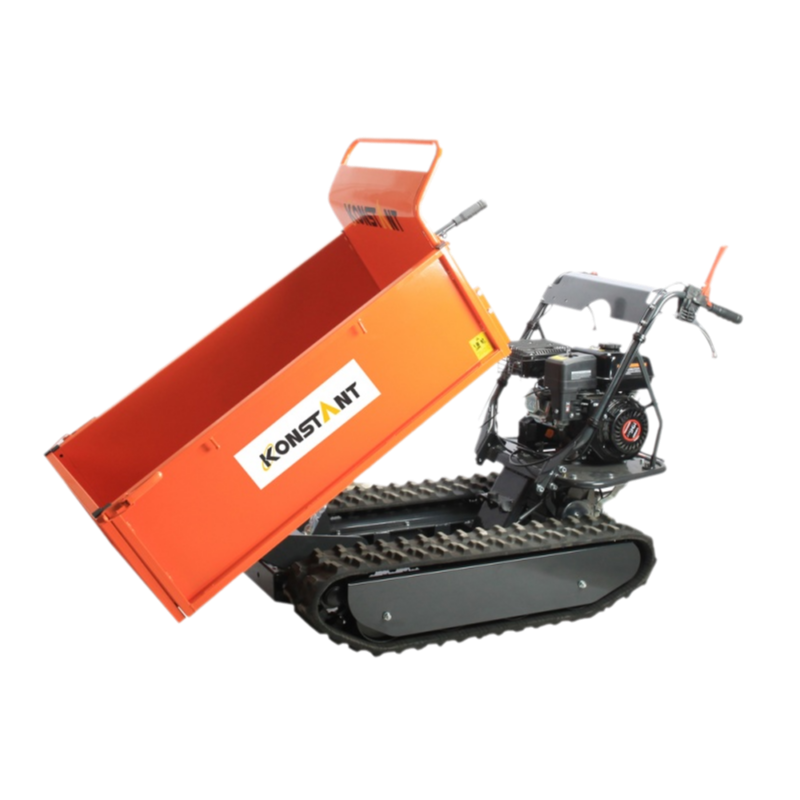
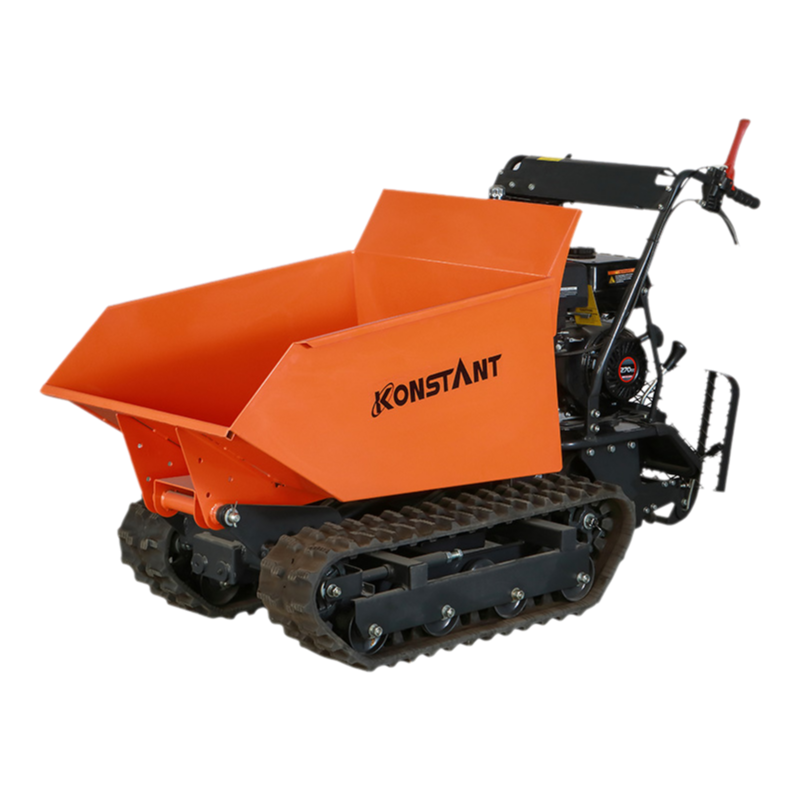
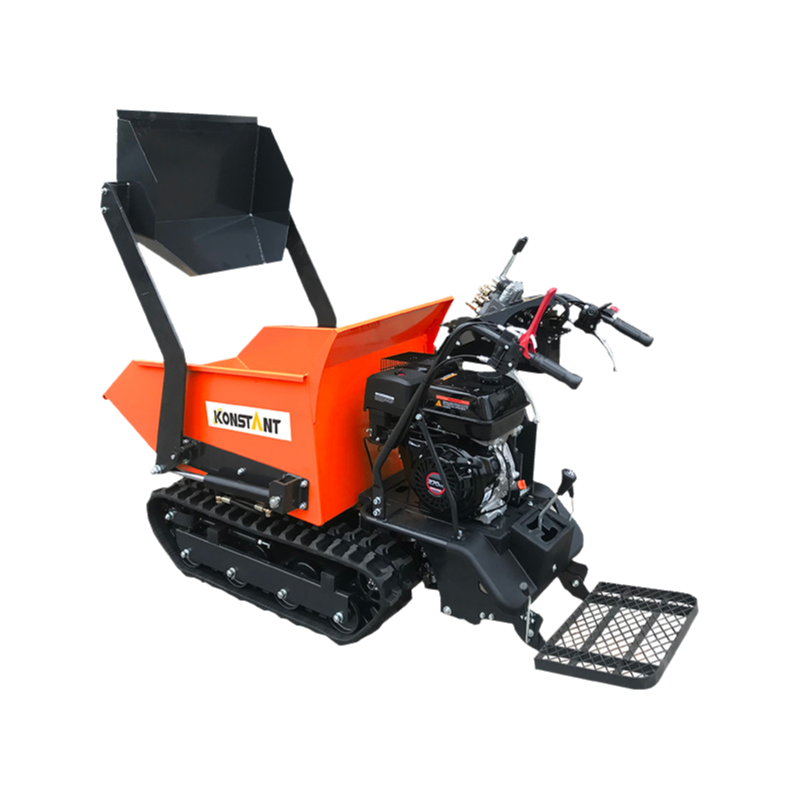
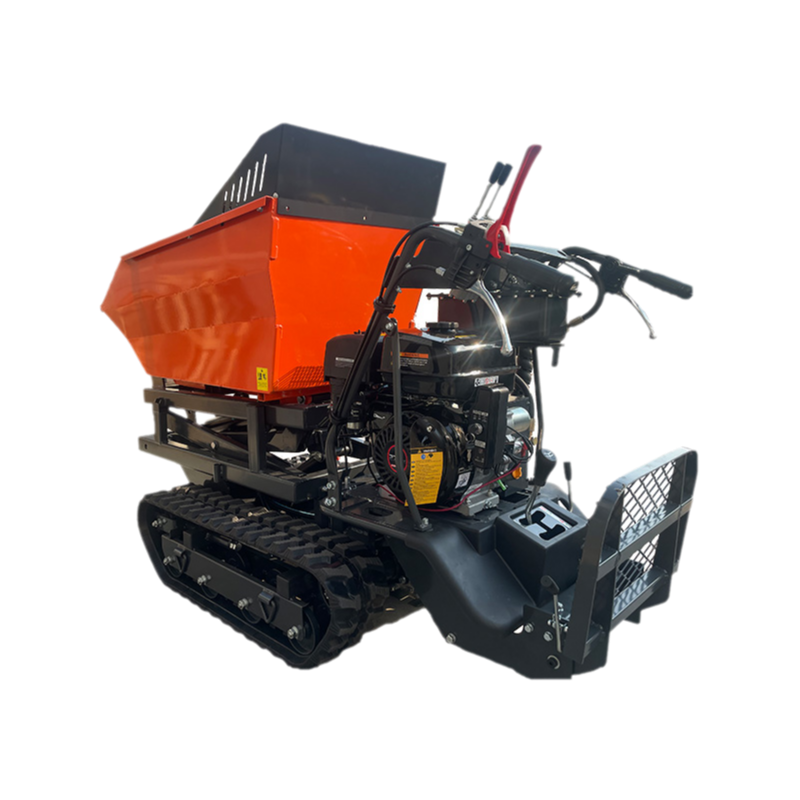
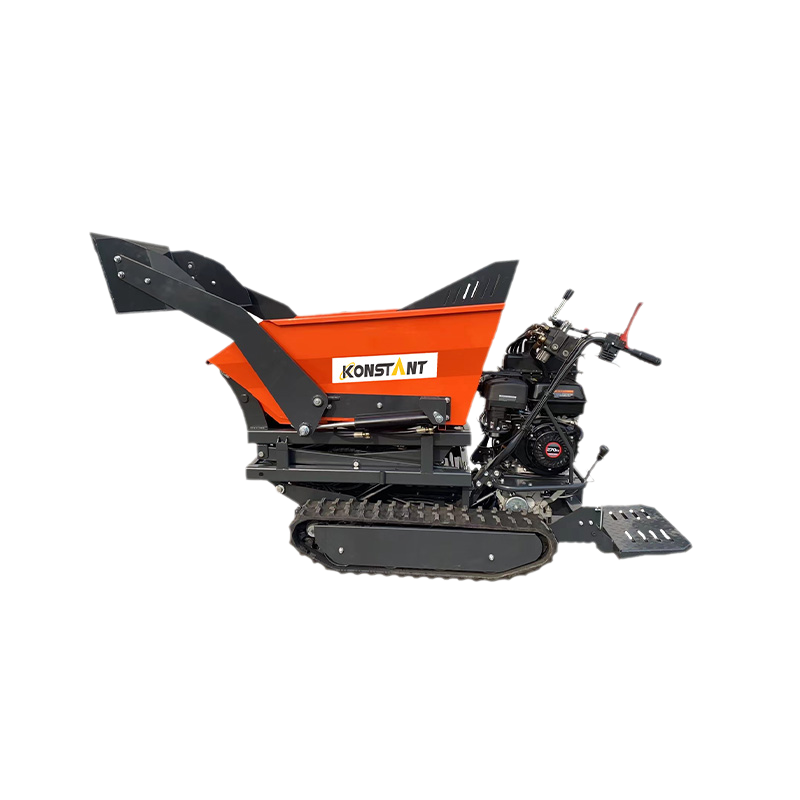
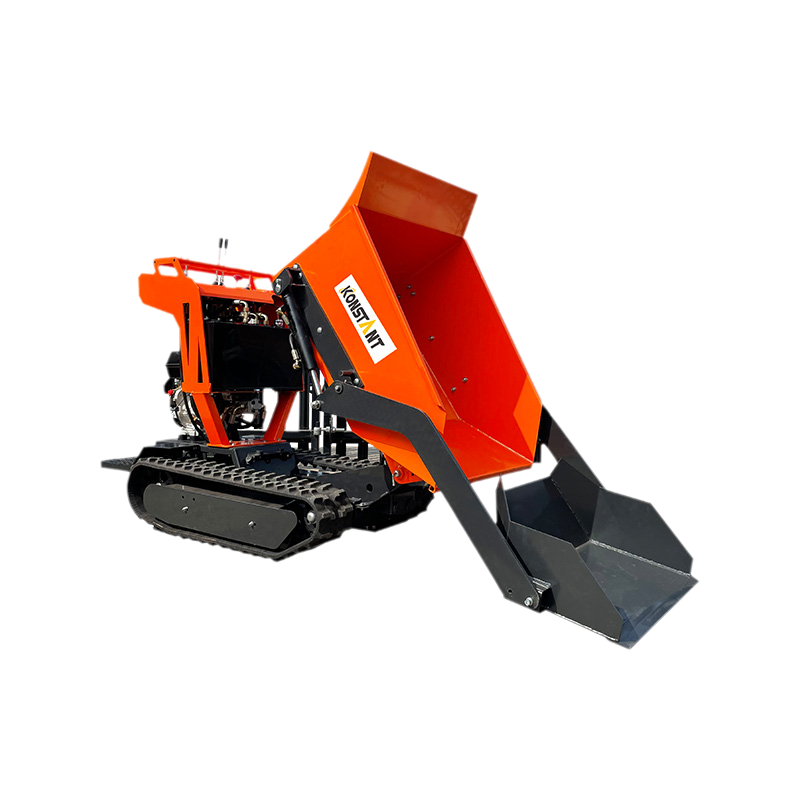
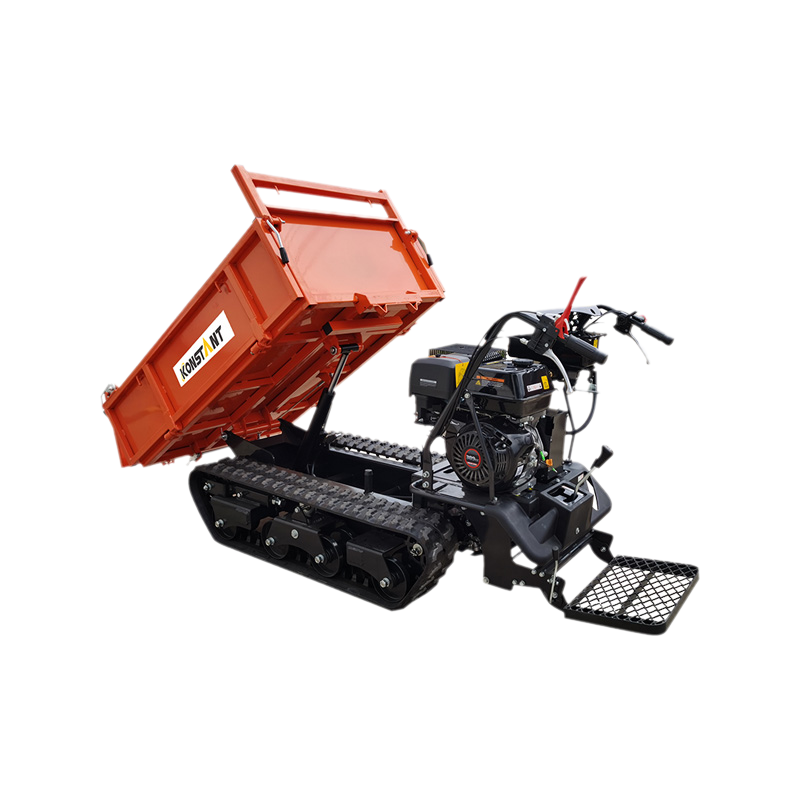
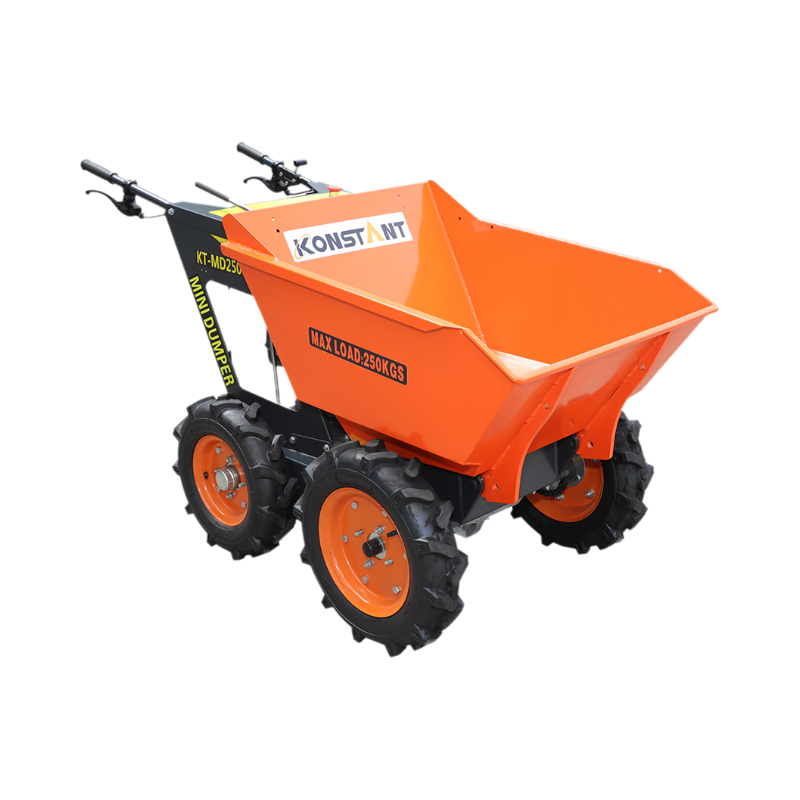
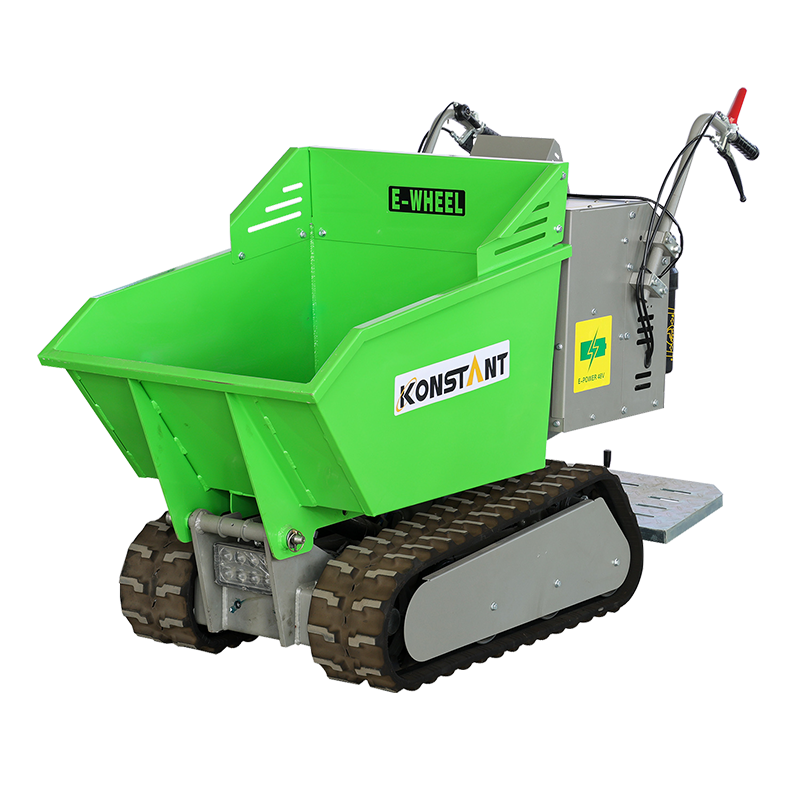
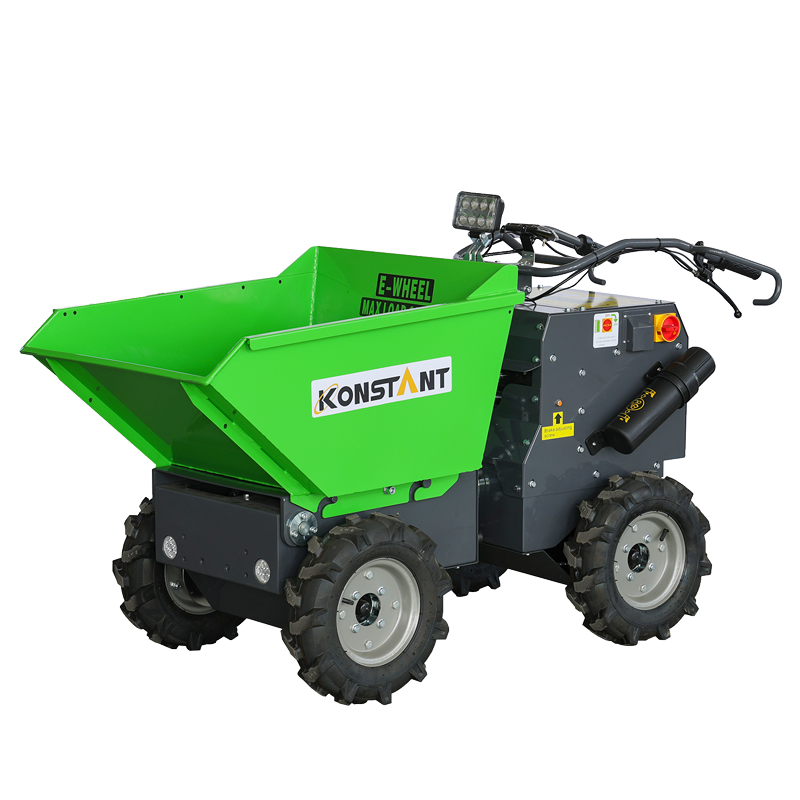
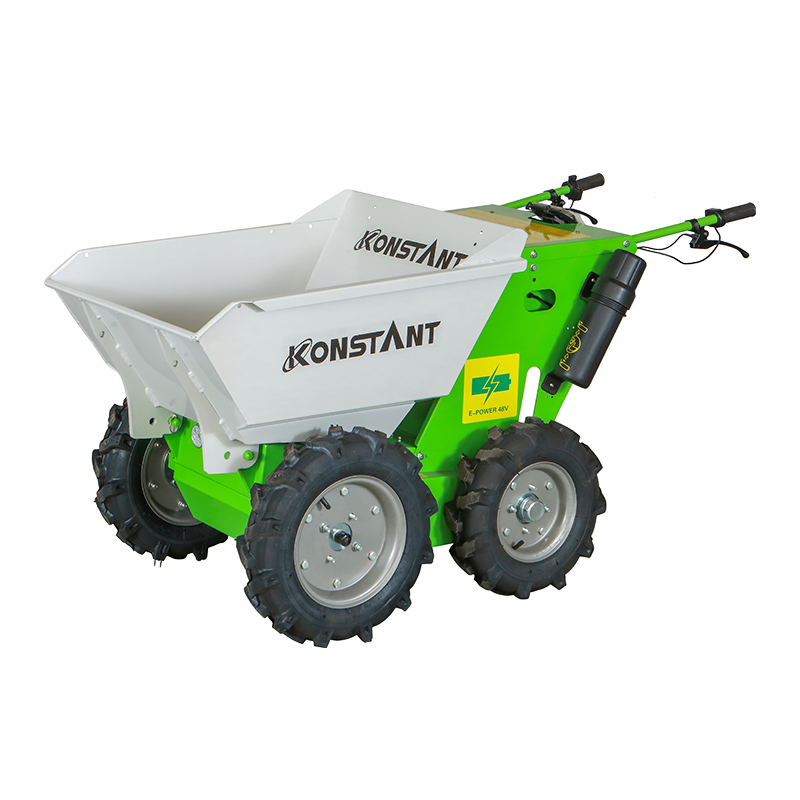
Provide you with the latest enterprise and industry news
Home / News / Industry news / Mini Dumper Skip Loader vs Traditional Transport Equipment: Understanding the Differences
Mini Dumper Skip Loader vs Traditional Transport Equipment: Understanding the Differences
Update:20-07-2026
Posted by Admin
Content
- 1 Why Are Contractors Looking at Mini Dumper Skip Loader Differently?
- 2 What Makes a Mini Dumper Skip Loader Different From Traditional Transport Equipment?
- 3 How Does Site Access Influence Equipment Selection?
- 4 Where Are Mini Dumper Skip Loaders Commonly Used?
- 5 Why Do Some Projects Still Choose Traditional Transport Equipment?
- 6 What Should Buyers Consider Before Choosing a Mini Dumper Skip Loader?
- 7 How Do Operating Needs Differ Between Compact and Traditional Equipment?
- 8 How Is the Demand for Compact Material Handling Equipment Changing?
On a construction site, moving materials from one point to another can take up a surprising amount of time. Soil removed from a foundation, gravel delivered for landscaping, or waste collected during renovation all need a practical way to be transported.
The equipment chosen for this work often depends on the site itself.
A large open construction area may have enough room for traditional transport equipment. Wide access routes and simple movement paths make larger machines a practical option.
The situation changes when the project takes place in a smaller space. Residential gardens, narrow building areas, and renovation sites often create challenges that require more flexible equipment.
This is where mini dumper skip loaders have attracted attention. Their compact structure offers another approach to material movement, especially when space and access become important concerns.
The difference between a mini dumper skip loader and traditional transport equipment is not simply about size. It involves working conditions, project planning, operating habits, and the type of material being moved.
Why Are Contractors Looking at Mini Dumper Skip Loader Differently?
In the past, material transportation was often planned around the available equipment. Larger machines were commonly selected because they could handle many general tasks.
Today, project conditions are more varied.
A contractor working on a small landscaping project may not have wide access to the site. A renovation team may need to move materials through areas where large equipment cannot easily enter.
In these situations, the challenge is not always how much material needs to be moved. The bigger issue can be how to move it through the available space.
It are designed around this type of working environment. Their smaller body allows operators to work closer to buildings, gardens, and other restricted areas.
For smaller projects, reducing unnecessary movement and improving access can make a noticeable difference in daily operations.
What Makes a Mini Dumper Skip Loader Different From Traditional Transport Equipment?
Both mini dumper skip loaders and traditional transport equipment are used for moving materials, but their working styles are different.
Traditional equipment is often associated with larger construction operations. It is commonly used where there is enough room for loading, turning, and transportation.
It take a different approach. They focus more on flexibility and access.
A compact machine can move through areas where larger equipment may need additional preparation or cannot operate comfortably.
| Comparison | Mini Dumper Skip Loader | Traditional Transport Equipment |
|---|---|---|
| Working Space | Suitable for tighter areas | Requires more open working space |
| Movement | Easier around obstacles | Better suited to planned routes |
| Project Type | Small construction, landscaping, maintenance | Larger construction operations |
| Site Access | Works well in limited-access locations | Usually needs wider entry areas |
| Transportation Style | Flexible short-distance movement | Larger-scale material handling |
The choice between the two depends on the environment rather than the machine itself.
A larger machine is not always the practical choice, and a smaller machine is not always the right answer. The site determines what works.
How Does Site Access Influence Equipment Selection?
Access problems are common in construction and maintenance work.
A project may have a narrow entrance, uneven pathways, finished areas that need protection, or nearby structures that limit movement.
These conditions can affect equipment choices.
Traditional transport equipment often performs well when the working area is already prepared. Large sites with clear routes allow operators to move materials efficiently.
Smaller projects may face different challenges. A machine may need to pass between buildings, move around landscaping features, or operate in areas with limited turning space.
It is often considered for these situations because their compact design fits more easily into restricted environments.
This does not mean larger equipment becomes unnecessary. It simply shows that equipment selection has become more connected with the details of each project.
A machine that matches the site can reduce unnecessary adjustments during work.
Where Are Mini Dumper Skip Loaders Commonly Used?
The application range of mini dumper skip loaders covers several areas where flexibility matters.
In landscaping projects, they are often used for moving soil, stones, plants, and other materials around gardens or outdoor spaces.
During renovation work, they can assist with removing waste materials and transporting supplies through areas where access is limited.
Small construction projects may also use compact transport equipment when moving materials between different working points.
Common applications include:
- Garden and landscaping projects.
- Residential construction work.
- Renovation and repair activities.
- Agricultural material movement.
- Property maintenance tasks.
These applications share one common feature. The working environment often requires more control over movement.
A smaller machine can be easier to position, especially when the project area is already developed.
Why Do Some Projects Still Choose Traditional Transport Equipment?
While compact equipment has gained attention, traditional transport machines remain widely used.
Large construction projects often involve significant material movement. When the site provides enough space, larger equipment can fit naturally into the workflow.
For example, a major construction area with prepared transportation routes may not face the same access issues as a residential renovation site.
Traditional equipment also benefits from familiarity. Many operators already have experience using these machines, and companies may have existing systems built around them.
The decision is not about replacing one type of equipment with another.
It is about matching the machine with the task.
A large project may need traditional transport equipment. A smaller project in a restricted area may find a mini dumper skip loader more suitable.
What Should Buyers Consider Before Choosing a Mini Dumper Skip Loader?
Purchasing equipment requires more than looking at the machine size or general appearance.
The working environment should be considered carefully.
Working Location
Where will the machine operate? A garden project, construction site, or agricultural area may create different requirements.
Material Type
Different materials have different handling characteristics. Soil, waste, gravel, and construction materials may require different transportation methods.
Access Conditions
The available pathways and entry points can influence whether compact equipment is more practical.
Frequency of Use
Some buyers need equipment for regular operations, while others may use it for specific projects.
Storage and Transportation
The way equipment is stored and moved between sites can also influence purchasing decisions.
| Selection Factor | Question to Consider |
|---|---|
| Site Condition | Is the working area open or restricted? |
| Material Handling | What type of materials will be moved? |
| Project Scale | Is the work small or large? |
| Usage Pattern | Will the equipment be used regularly? |
| Movement Requirements | Are flexible routes needed? |
A careful evaluation helps buyers avoid choosing equipment based only on general expectations.
How Do Operating Needs Differ Between Compact and Traditional Equipment?
The daily experience of using equipment can be different depending on the machine type.
Compact equipment often fits projects where operators need frequent movement between different areas. The ability to work around obstacles can become an important advantage.
Traditional equipment may be more suitable when the working process follows a fixed route and larger material movement is required.
Operators usually understand these differences through daily work.
A machine that feels suitable on an open construction site may not provide the same experience in a narrow residential area.
This is why many contractors consider the actual working environment before making equipment decisions.
The machine needs to fit the job, not the other way around.
How Is the Demand for Compact Material Handling Equipment Changing?
Construction and maintenance projects are becoming more diverse. Not every job takes place on a large open site.
Urban areas, residential improvements, and smaller development projects have created new requirements for equipment flexibility.
Mini dumper skip loaders represent this change in working conditions. They offer an option for situations where access, movement, and space management are important.
Traditional transport equipment continues to serve many large-scale applications. Compact equipment adds another choice for projects with different challenges.
The future of material transportation is not about one machine replacing another. It is about selecting equipment that fits the environment, the workflow, and the practical needs of each project.
Related products

Latest Updates
-
What Causes Reduced Performance in an Electric Mini Dumper
Electric mini dumpers sometimes lose speed, range or climbing ability after a stretch of ordinary us...
-
How to Operate a Crawler Mini Dumper Safely
Safe Operation Practices for Compact Tracked Material Transporters Compact tracked machines that mov...

-
Welcome To Visit Us
No.30, Third Furong Road, Wuxi City, Jiangsu. 214100, China.
-
Call Us
Phone: +86 181-1889-1139
Phone: +86 181-1889-2139
-
Contact Us Online
E-mail: sales@konstantpm.com
E-mail: marketing@konstantpm.com
Copyright WUXI KONSTANT POWER TECH CO., LTD All Rights Reserved
 China Mini Dumpers Manufacturers Power Wheelbarrow Factory