
 English
 русский
 Français
 Español
 Deutsch

Provide you with the latest enterprise and industry news
What Is a Power Driven Wheelbarrow
Update:31-07-2026
Posted by Admin
Content
- 1 Why Are More People Looking At Power Driven Wheelbarrow ?
- 2 What Is A Power Driven Wheelbarrow?
- 3 How Does A Power Driven Wheelbarrow Work During Daily Tasks?
- 4 How Is A Power Driven Wheelbarrow Different From A Traditional Wheelbarrow?
- 5 Where Can Power Driven Wheelbarrows Be Used?
- 6 What Materials Can A Power Driven Wheelbarrow Carry?
- 7 Why Is Compact Design Important For Outdoor Work?
- 8 What Should Buyers Consider Before Choosing A Power Driven Wheelbarrow?
- 9 How Can Users Maintain A Power Driven Wheelbarrow?
- 10 How Does A Power Driven Wheelbarrow Support Future Small-Scale Work?
Shifting supplies around is routine work for all outdoor trades. Builders haul dirt, rock and construction supplies. Landscapers cart shrubs, compost and gear. Farm staff shuttle goods across wide fields every day.
Standard wheelbarrows get these jobs done, yet heavy loads or rough ground make constant pushing tiring after a while.
Motorised wheelbarrows were built to cut down this physical strain. They stick to the basic wheelbarrow layout but add engine power, so workers don't exhaust themselves moving weight.
This gear is growing popular for jobs that call for compact equipment. It squeezes through tight passages, works well outdoors, and fills the gap between hand tools and big site vehicles.
Learning how motorised wheelbarrows function and where they fit regular workflows lets people pick suitable gear for their projects.
Why Are More People Looking At Power Driven Wheelbarrow ?
Lots of outdoor work means hauling materials back and forth nonstop. Staff often run dozens of trips each day. Each load might not feel heavy on its own, but constant pushing and lifting wears people out and drags down overall work speed.
That's why contractors, landscape crews and property maintenance teams are increasingly checking out motorized wheelbarrows.
These machines keep the standard cargo tub from regular wheelbarrows, paired with a motor drive to aid travel. Workers no longer depend fully on their own muscle power; the machine handles most of the weight, and the user simply steers it where it needs to go.
The demand for compact transport equipment is connected with several practical needs:
| Working Need | How A Power Driven Wheelbarrow Can Help |
|---|---|
| Moving materials in small areas | Provides transportation without requiring large machines |
| Handling repeated loads | Reduces physical pushing work |
| Working on outdoor surfaces | Offers support for different ground conditions |
| Accessing narrow locations | Fits areas where larger equipment may not enter |
The growing interest is not simply about replacing traditional tools. Many users still keep standard wheelbarrows for simple tasks. A powered version is considered when work requires more frequent transportation or additional support.
What Is A Power Driven Wheelbarrow?
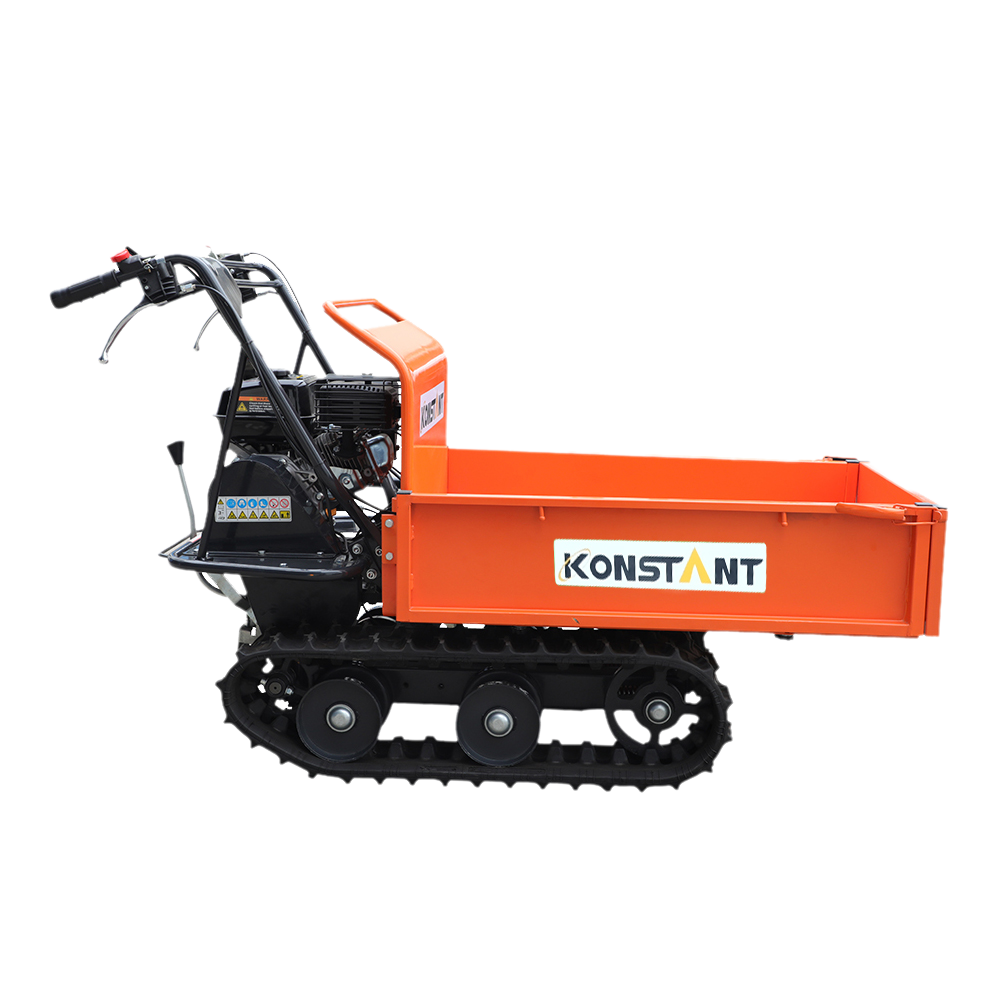
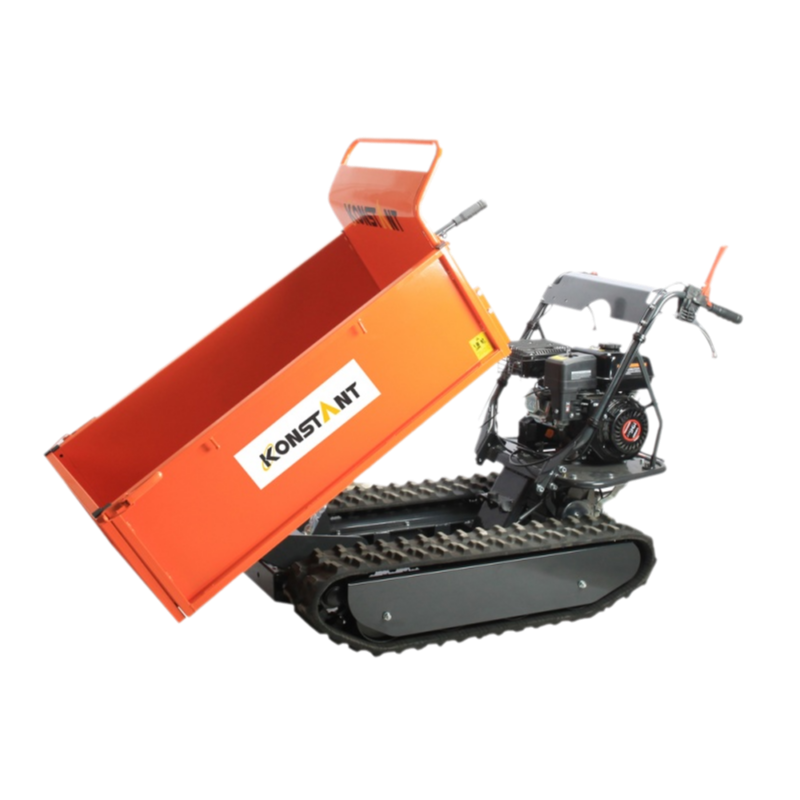
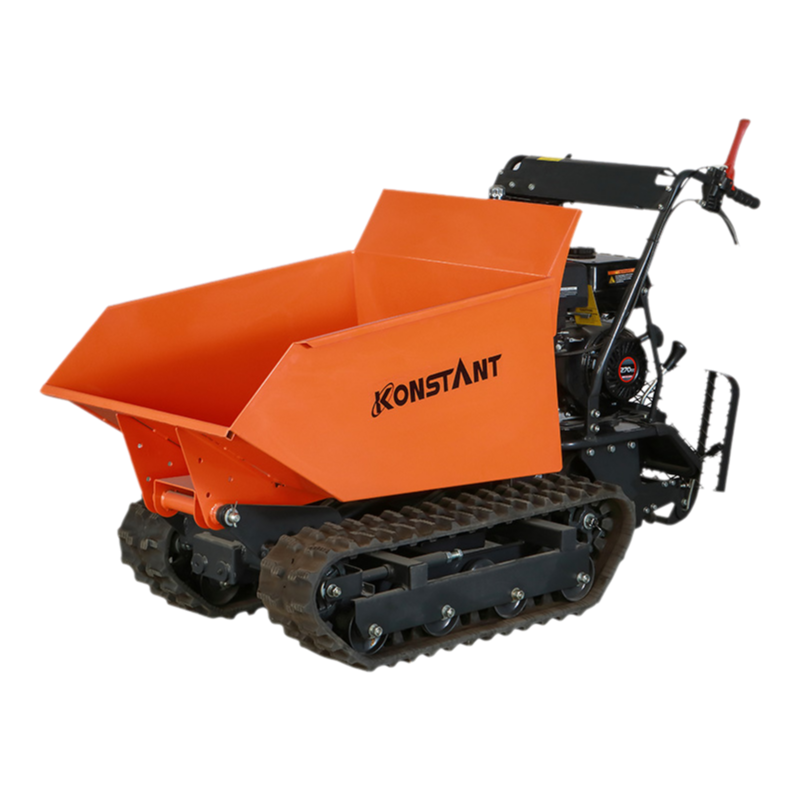
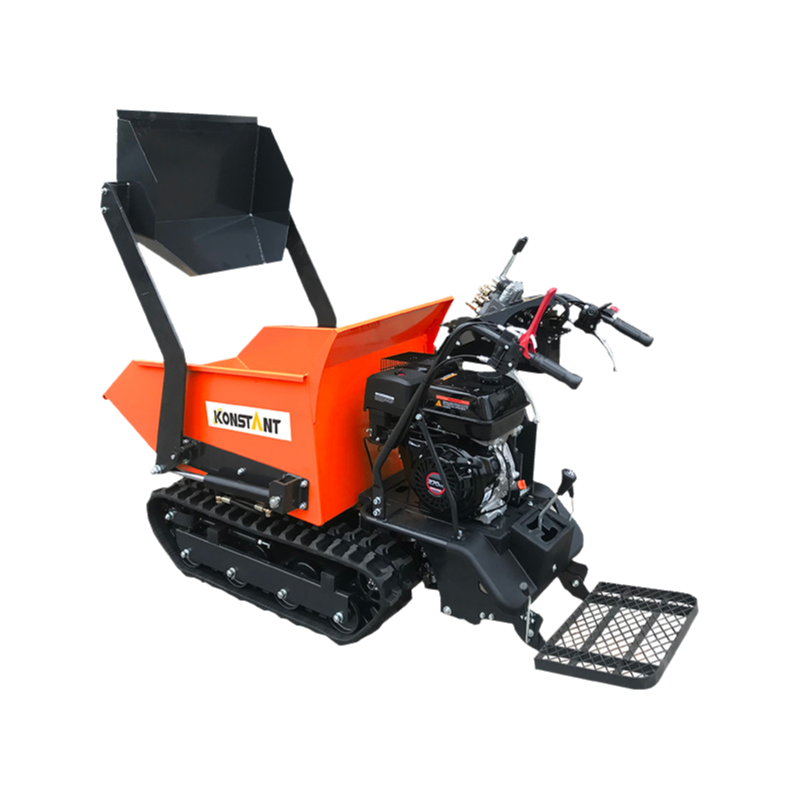
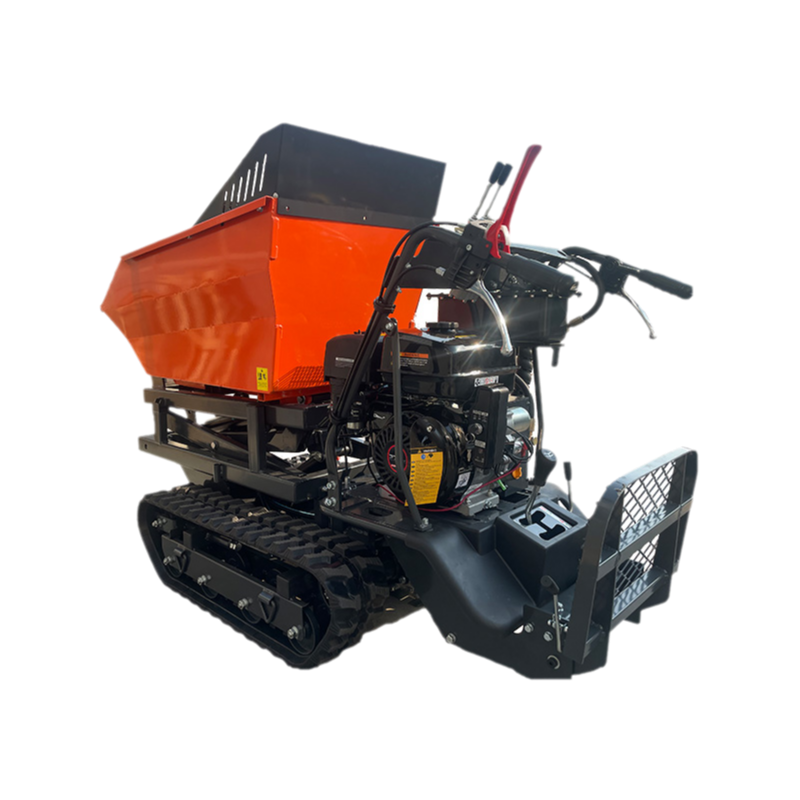
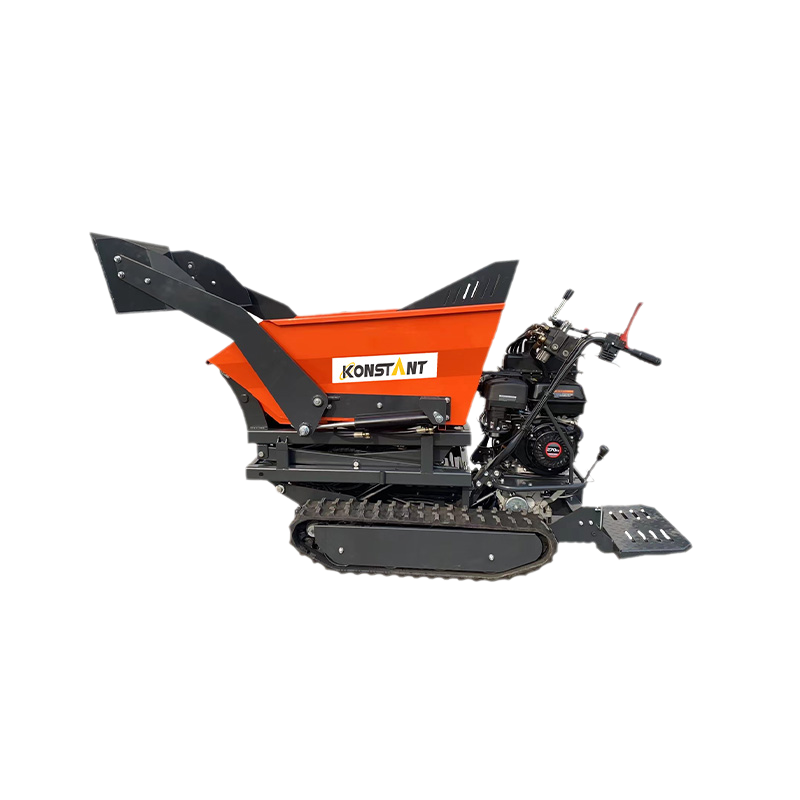
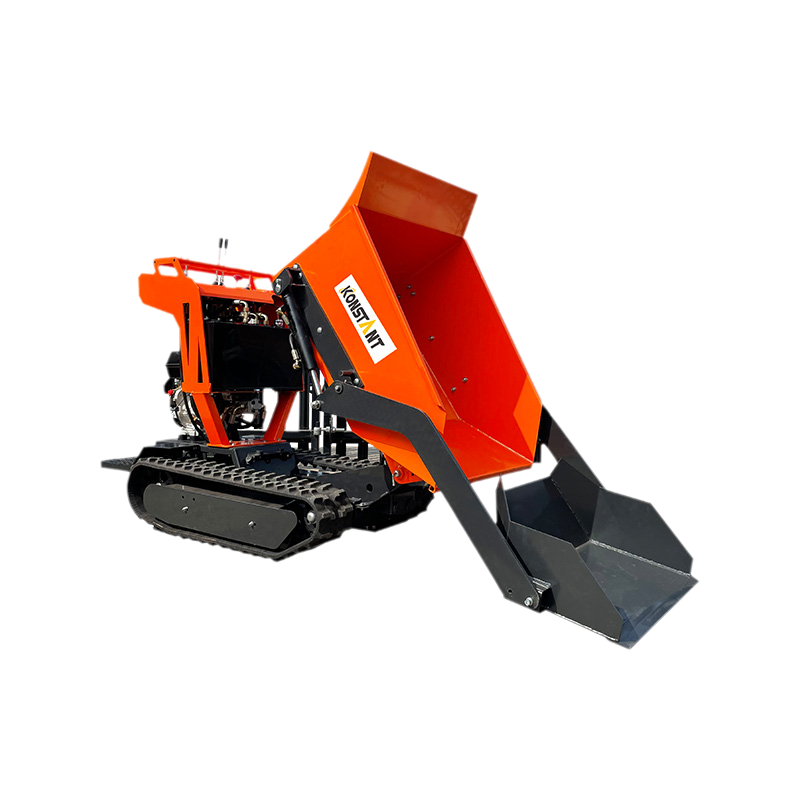
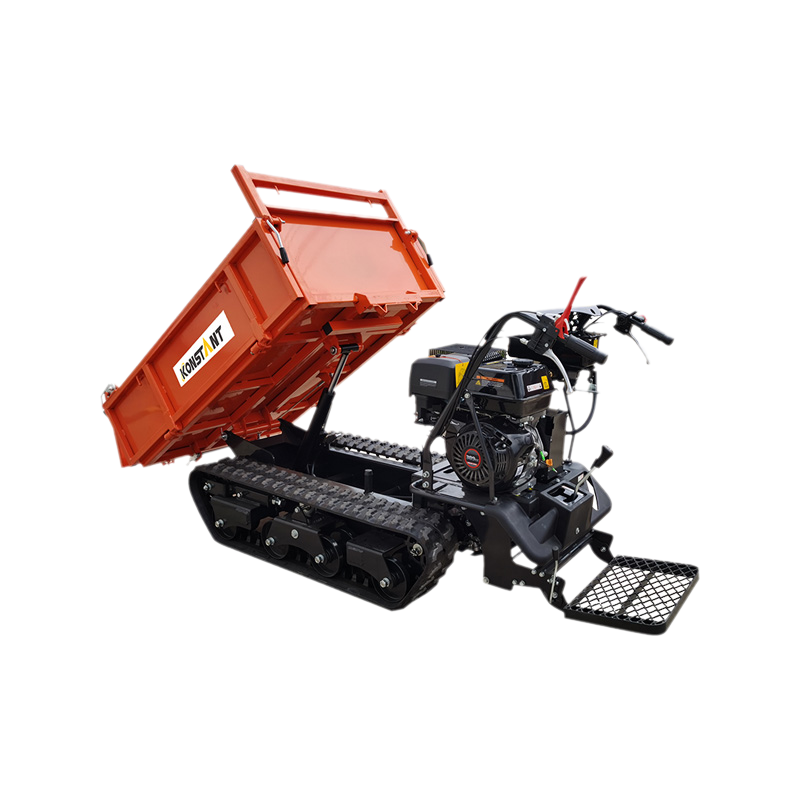
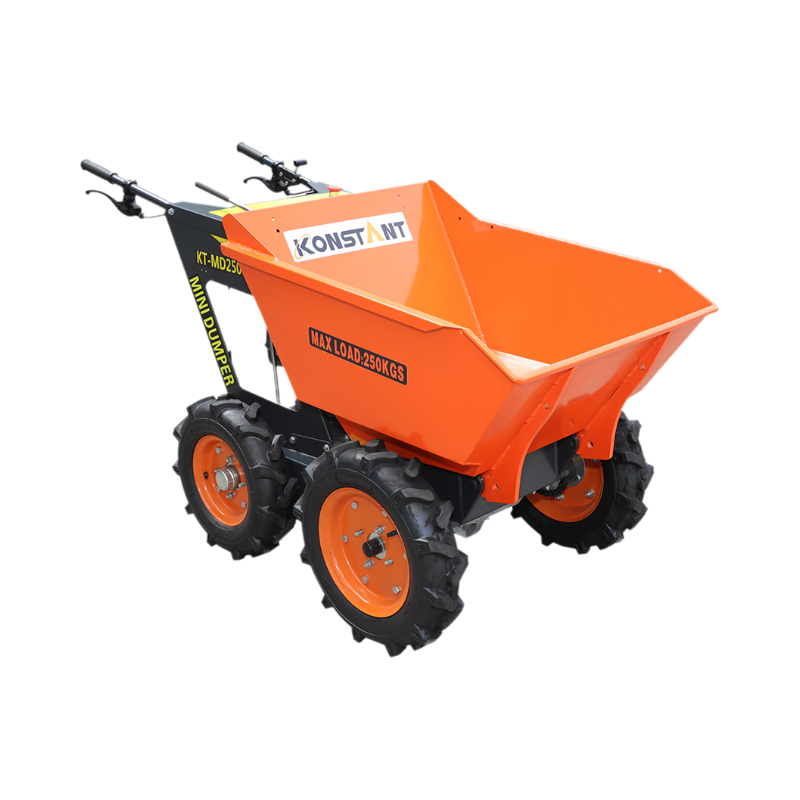
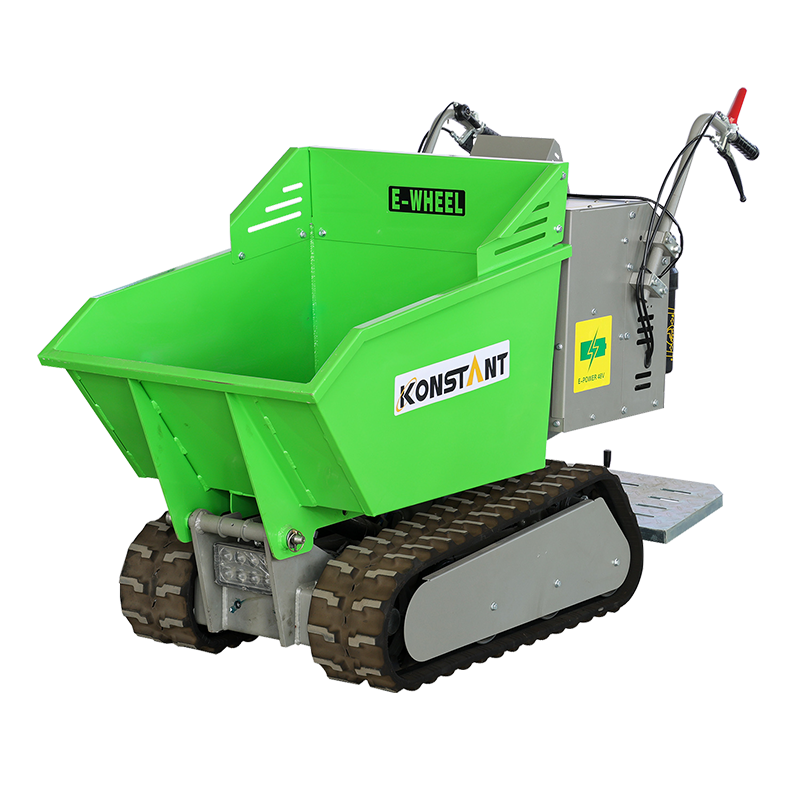
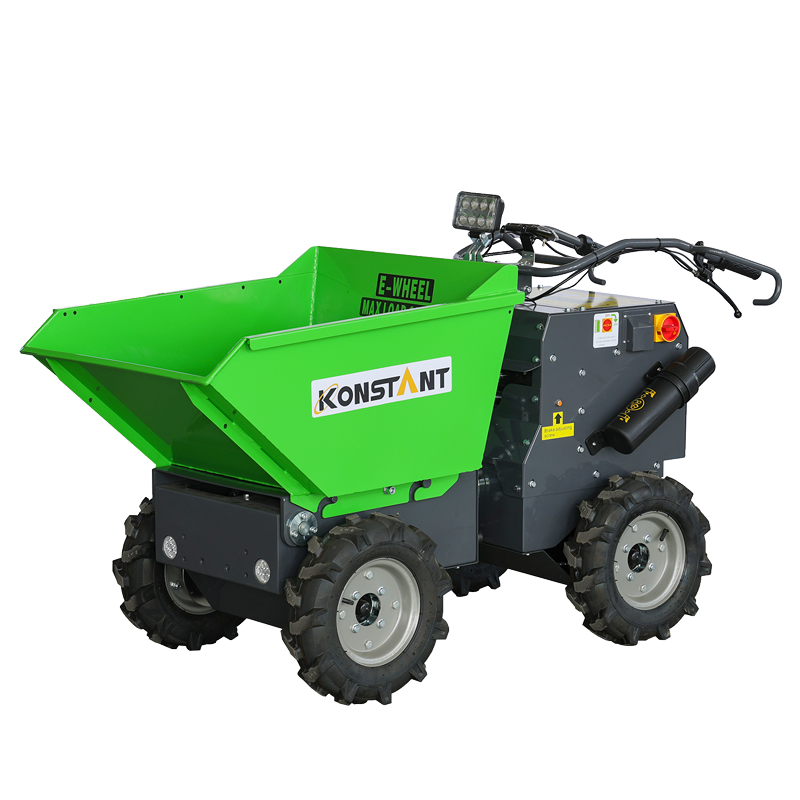
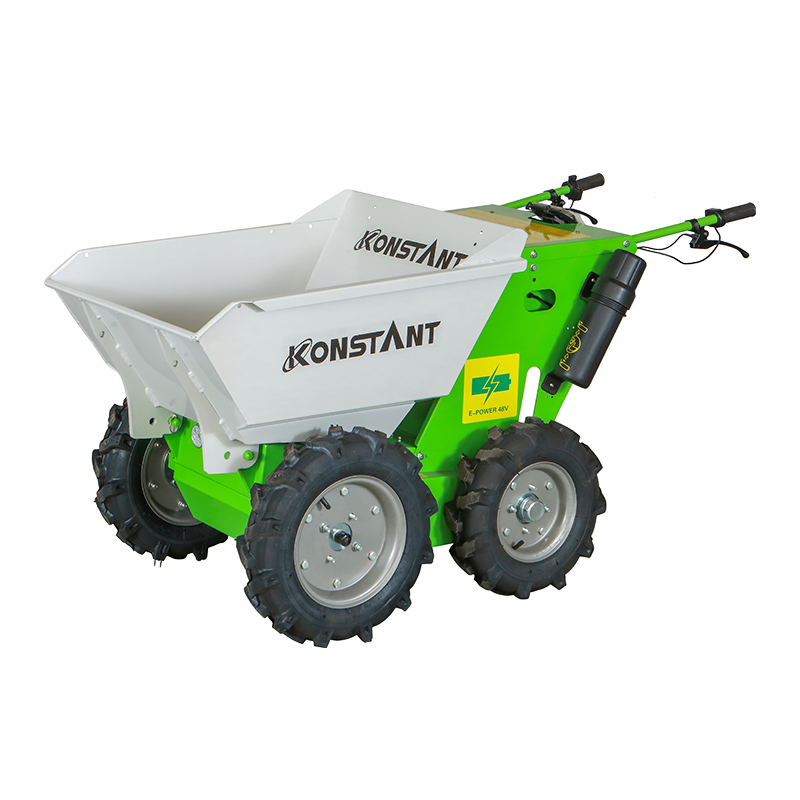
Motorized wheelbarrows are small load-carrying machines built for hauling supplies on site.
They follow the simple layout of a regular hand wheelbarrow, fitted with a tub to hold cargo and a powered drive that cuts down physical pushing work.
Unlike standard versions, you don't have to supply all the force to move it. The motor takes on most of the heavy moving work, and you just steer it along your path.
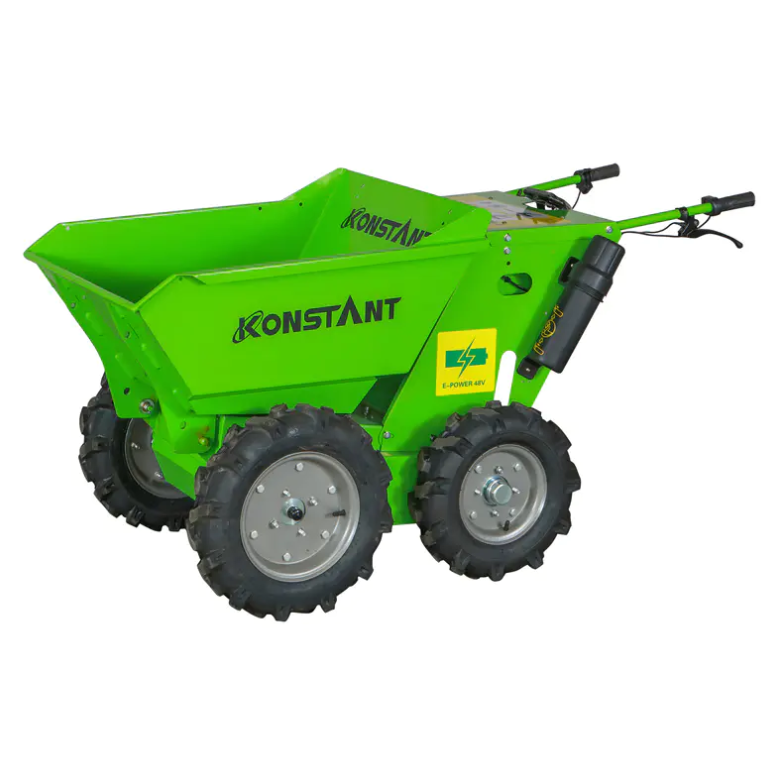
Core components you'll find on most units:
- Storage tub to hold soil, rubble or garden supplies
- Motor drive system for self-propelled movement
- Hand levers to steer and control speed
- Wheels or tracks for different ground surfaces
Builds shift to match different work scenes. Lightweight models suit backyard landscaping, while heavy-duty versions stand up to rough construction sites.
No matter the style, they all serve one core goal: making material hauling far less labor-intensive for workers.
How Does A Power Driven Wheelbarrow Work During Daily Tasks?
The operation process is relatively simple.
The operator places materials into the loading area and controls the machine while it moves toward the destination. The powered system provides movement assistance, but the operator remains responsible for route selection and machine control.
A typical working process may include:
- Preparing the travel path;
- Loading suitable materials;
- Starting the machine movement;
- Guiding it through the working area;
- Unloading materials at the required location.
The operator's role is important because outdoor conditions can change quickly.
A flat garden path and a construction area with loose soil may require different handling methods. The machine can provide support, but good operation still depends on awareness of the surroundings.
How Is A Power Driven Wheelbarrow Different From A Traditional Wheelbarrow?
The biggest difference is the way the machine moves.
A traditional wheelbarrow depends on the user lifting, balancing, and pushing the load. This design is simple and useful for many everyday tasks.
A Wheelbarrow adds mechanical assistance, making it more suitable for situations where transportation work is repeated or physically demanding.
| Comparison | Traditional Wheelbarrow | Power Driven Wheelbarrow |
|---|---|---|
| Movement | Human-powered | Motor-assisted |
| Physical effort | Requires more manual pushing | Reduces pushing demand |
| Working range | Common small tasks | Wider outdoor applications |
| Operation style | Simple manual control | Guided powered movement |
The choice between the two depends on the project.
A homeowner moving a small amount of garden soil may not need powered equipment. A landscaping team handling multiple loads every day may find powered assistance more practical.
Where Can Power Driven Wheelbarrows Be Used?
One reason for the popularity of this equipment is its flexibility.
It can be used in different environments where material movement is needed.
Construction Sites
Small construction projects often involve moving materials between limited spaces. Workers may need to transport sand, bricks, tools, or waste materials through areas where large machines cannot easily operate.
A compact transport machine can support these tasks without taking up too much working space.
Landscaping Projects
Landscaping work often includes soil preparation, planting, and outdoor improvements.
Workers may need to move:
- Soil;
- Gravel;
- Plants;
- Garden materials;
- Equipment.
Outdoor spaces can include slopes, pathways, and restricted areas. A smaller machine can provide more convenience in these situations.
Farms And Rural Areas
Agricultural work often involves transportation across larger outdoor areas.
A powered wheelbarrow may assist with moving supplies, tools, feed, and other materials between different locations.
Property Maintenance
Maintenance teams often handle various outdoor tasks. Moving materials around buildings, gardens, and public spaces can become easier with compact transport equipment.
What Materials Can A Power Driven Wheelbarrow Carry?
The materials transported by a Wheelbarrow depend on the project and working conditions.
Common materials include:
| Material Type | Common Applications |
|---|---|
| Soil and compost | Gardening and landscaping |
| Stones and gravel | Construction and outdoor improvement |
| Wood materials | Property maintenance |
| Tools and supplies | Farm and repair work |
| Waste materials | Cleaning and renovation tasks |
Loading methods can influence how smoothly the machine operates.
Loose materials should be placed carefully to avoid unnecessary movement during transportation. Larger items may need proper positioning to maintain balance.
The operator should consider both the material and the route before starting work.
Why Is Compact Design Important For Outdoor Work?
Many outdoor projects have space limitations.
A large machine may not be suitable for a small garden, narrow pathway, or residential improvement project. This creates demand for smaller equipment that can still provide transportation support.
Power Driven Wheelbarrows are designed around this need.
Their compact structure allows them to work in areas such as:
- Narrow access paths;
- Small construction zones;
- Residential gardens;
- Outdoor maintenance spaces.
For many users, the advantage is not only movement assistance. It is the ability to bring transport capability into places where larger machines are difficult to use.
What Should Buyers Consider Before Choosing A Power Driven Wheelbarrow?
Choosing equipment requires understanding the actual working conditions.
Different users may have different priorities. A landscaping company may focus on mobility, while a construction business may pay more attention to regular material transportation.
Several points are worth considering:
Working Environment
Think about where the machine will operate.
A project involving uneven ground may require different features compared with a project on flat surfaces.
Type Of Materials
The materials being moved influence how the equipment should be used.
Soil, stones, and construction waste may all require different loading methods.
Frequency Of Operation
Equipment used every day may need more attention compared with occasional use.
Operator Experience
Simple controls and comfortable operation can make daily work easier.
The right choice depends on matching the equipment with the job rather than selecting based only on appearance.
How Can Users Maintain A Power Driven Wheelbarrow?
Regular care helps keep equipment ready for daily work.
Outdoor machines often face dust, mud, moisture, and changing weather conditions. Without proper maintenance, these factors may influence operation.
Common maintenance practices include:
- Cleaning the machine after use;
- Checking moving areas regularly;
- Storing equipment properly;
- Following recommended care procedures.
Maintenance also allows operators to notice possible issues earlier.
A machine that works in muddy environments may need different attention compared with one used mainly on dry surfaces.
How Does A Power Driven Wheelbarrow Support Future Small-Scale Work?
Many industries are looking for equipment that can handle practical tasks without requiring large working areas.
Small construction projects, landscaping businesses, and property services often need machines that are easy to move and suitable for different environments.
Power Driven Wheelbarrows fit into this space by offering powered transportation in a compact form.
They are not designed to replace every type of construction machine. Instead, they provide another option for users who need more support than manual tools but do not require larger equipment.
As outdoor work continues to become more diverse, compact transport solutions remain an important part of improving everyday material movement.
Related products

Latest Updates
-
What Factors Influence the Choice of a Mini Dumper Power Barrow
Moving materials is a routine part of construction, landscaping, agriculture, renovation, and othe...
-
Can a Mini Petrol Power Dumper Replace a Traditional Wheelbarrow
Material handling rarely attracts much attention until it starts taking up a large part of the worki...

-
Welcome To Visit Us
No.30, Third Furong Road, Wuxi City, Jiangsu. 214100, China.
-
Call Us
Phone: +86 181-1889-1139
Phone: +86 181-1889-2139
-
Contact Us Online
E-mail: sales@konstantpm.com
E-mail: marketing@konstantpm.com
Copyright WUXI KONSTANT POWER TECH CO., LTD All Rights Reserved
 China Mini Dumpers Manufacturers Power Wheelbarrow Factory