
 English
 русский
 Français
 Español
 Deutsch


Provide you with the latest enterprise and industry news
What Makes a Small Tracked Dump Truck Practical for Construction Work
Update:26-10-2026
Posted by Admin
Content
- 1 Function of Small Tracked Dumpers in Everyday Site Work
- 2 Contribution of the Tracked Undercarriage to Site Mobility
- 3 Practicality of a Modest Payload for Small-Scale Work
- 4 Benefits of Electric Drive for Site Material Movement
- 5 Simplification Offered by Maintenance-Free Batteries
- 6 Typical Construction and Maintenance Applications
- 7 Preparatory Checks Before Site Use
- 8 Decision Factors for Project Suitability
- 9 Overview of Application Factors and Selection Checks
- 10 Matching a Compact Tracked Dumper to Small-Scale Construction Needs
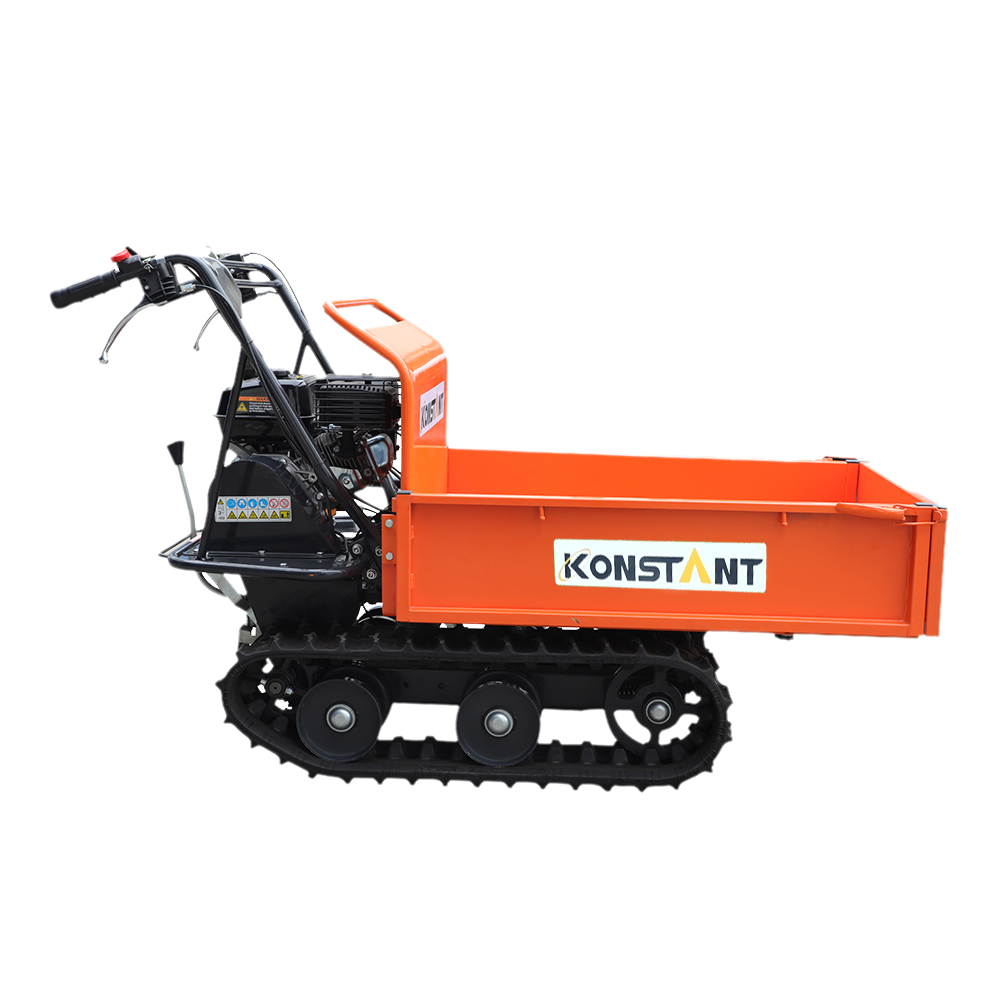
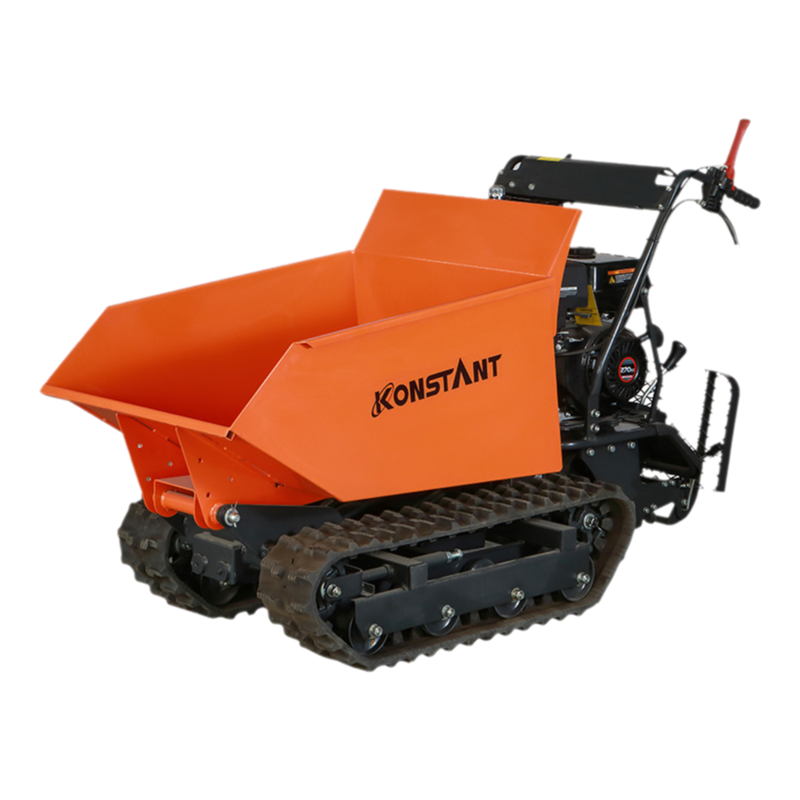
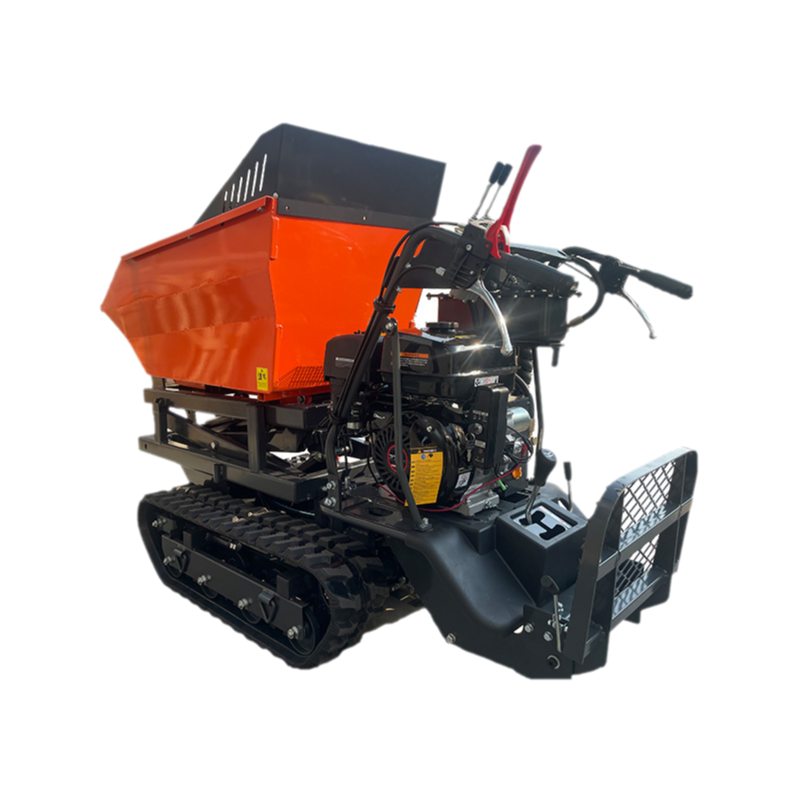
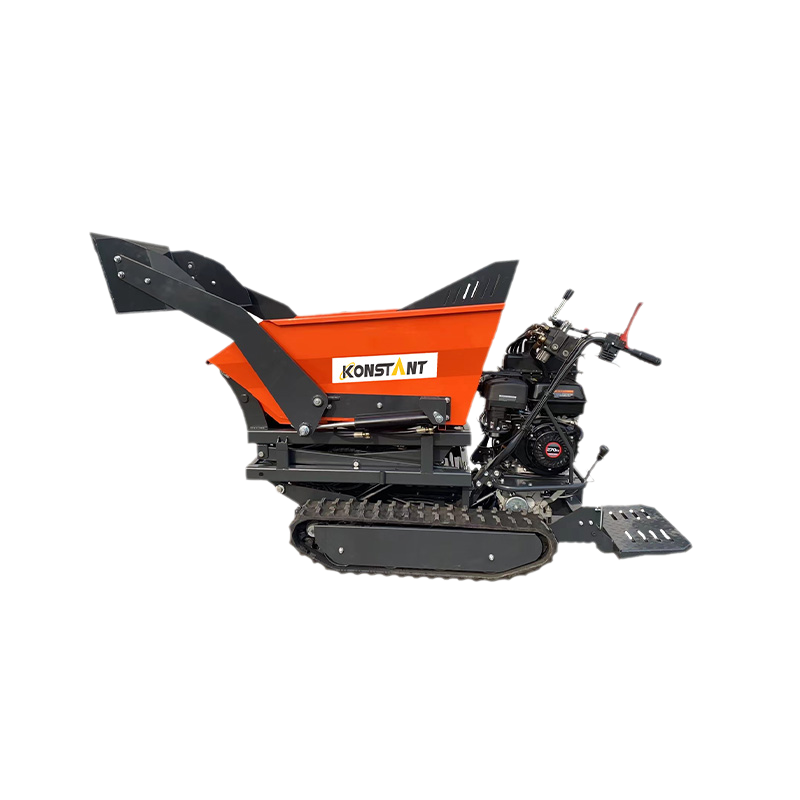
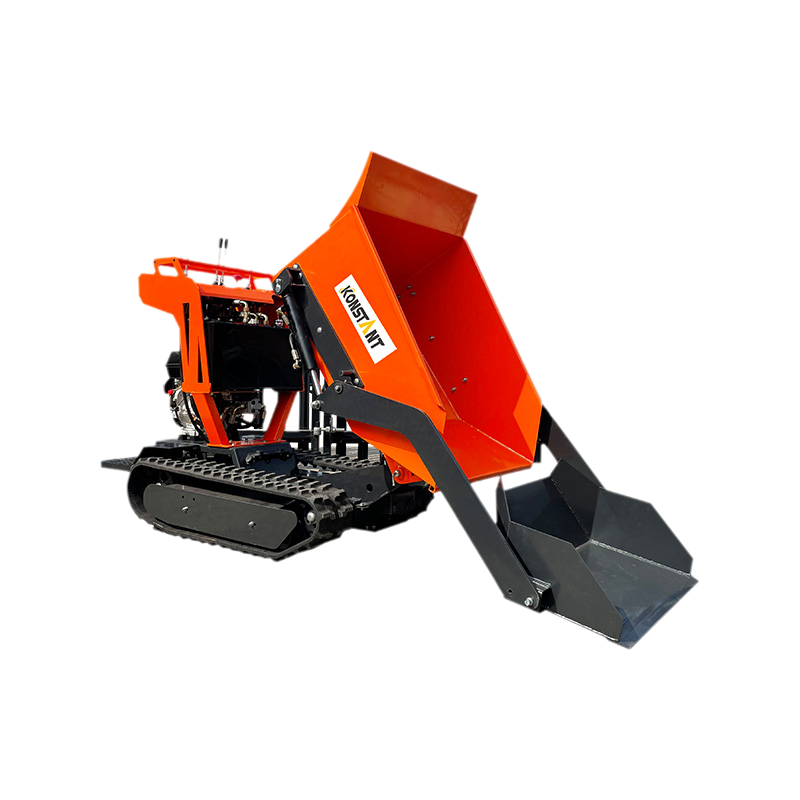
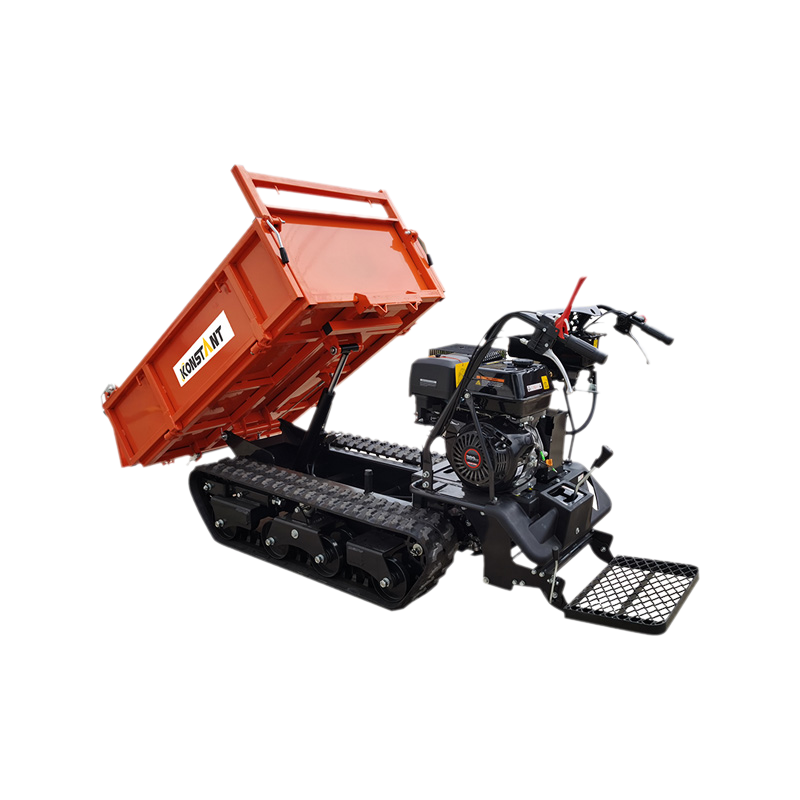
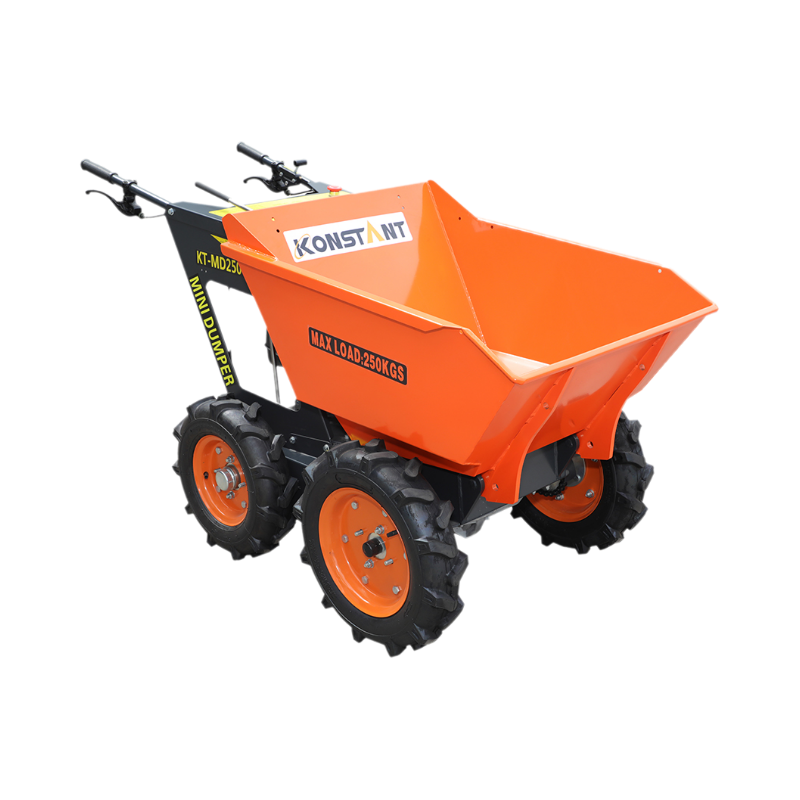
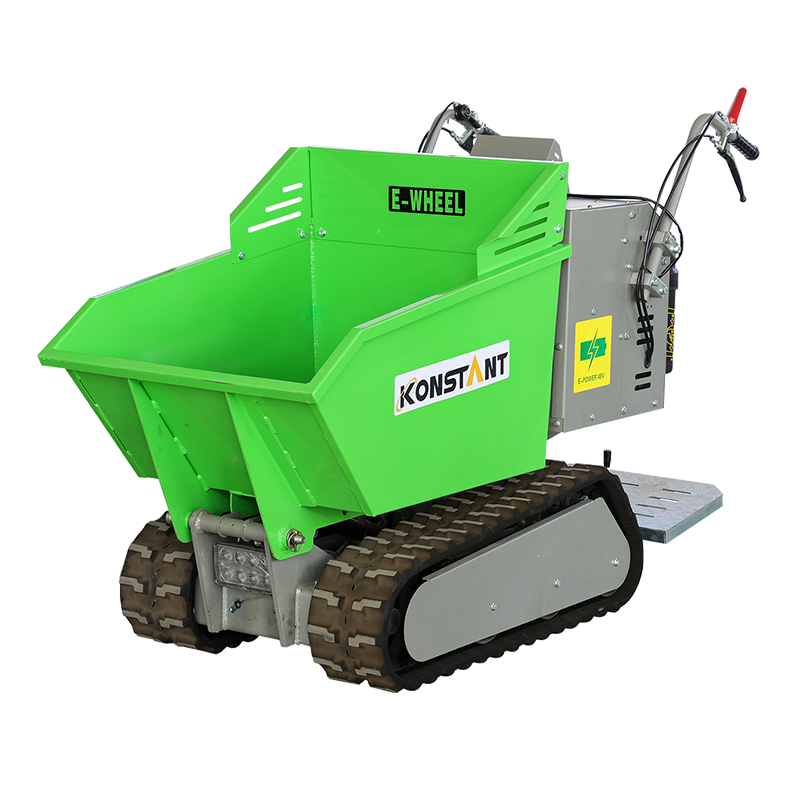
Short-distance movement of soil, sand, gravel and demolition debris is a constant requirement on many building sites. When access is restricted or the ground is soft, conventional wheeled machines may lose traction or simply cannot enter the work area. A compact tracked dumper carries modest loads across uneven or muddy surfaces while remaining small enough to pass through narrow gates and corridors. A Mini Dump Truck on Tracks that combines a low-profile hopper with an electric drive therefore becomes a practical option for residential, landscaping and small commercial projects where larger plant would be out of scale.
Function of Small Tracked Dumpers in Everyday Site Work
Basic Role of a Compact Tracked Carrier
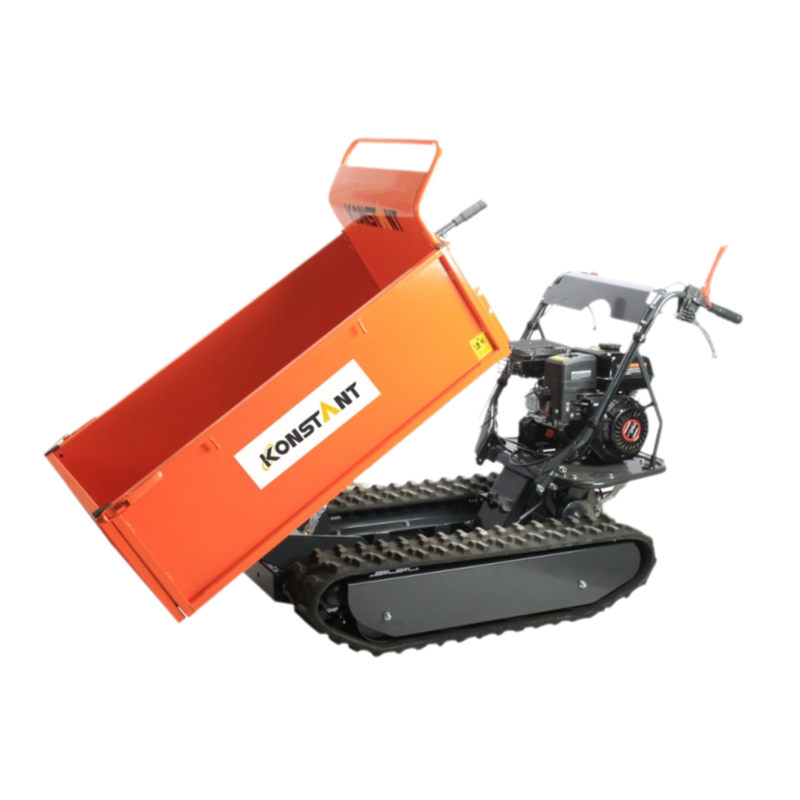
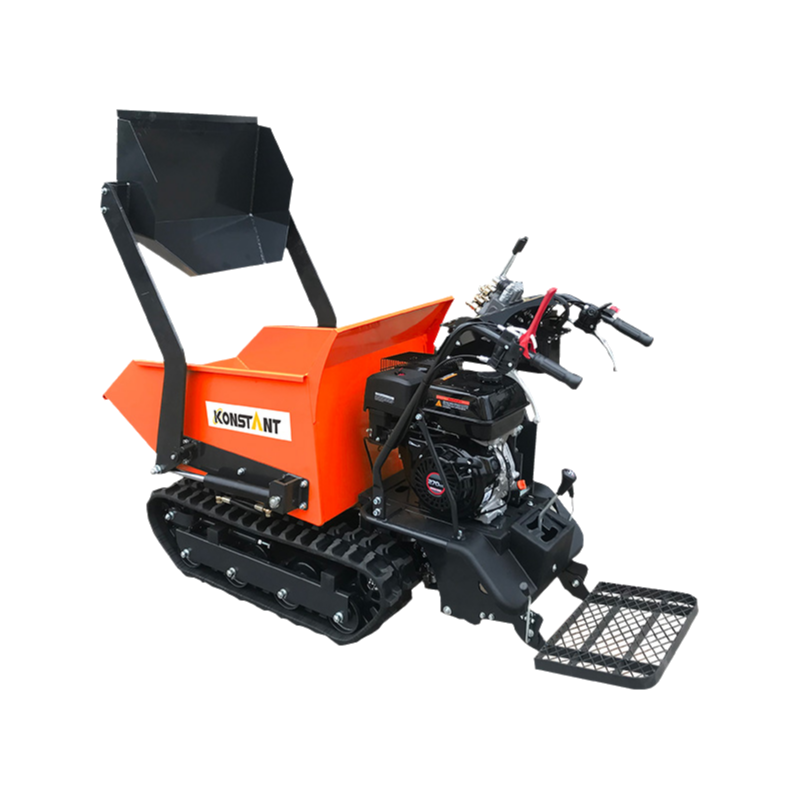
The machine consists of a tracked undercarriage, a tipping hopper and a simple drive system. Material is loaded into the hopper, transported a short distance and discharged by raising the body. The design prioritizes maneuverability and ground flotation over high speed or large capacity.
Need for Compact Transport on Constrained Sites
Many residential renovations, garden projects and interior fit-outs leave little room for conventional dumpers. Manual wheelbarrows remain slow and physically demanding once distances exceed a few dozen meters. A small powered carrier bridges that gap without requiring the space or the ground bearing capacity of heavier equipment.
Typical Materials Moved by These Machines
Loose soil, sand, fine gravel, brick rubble and bagged materials form the ordinary load. The hopper size and the rated payload together determine how many trips are needed to clear a given volume. Loads are kept within the published capacity so that stability and track grip are preserved.
Contribution of the Tracked Undercarriage to Site Mobility
Traction on Loose and Soft Surfaces
Tracks spread the machine weight over a larger area than tires, reducing the tendency to dig in on soft soil or freshly disturbed ground. The continuous contact patch also improves grip when the machine climbs short slopes or crosses loose fill.
Progress Across Mud and Rough Terrain
Where wheeled machines would spin or sink, the tracked layout maintains forward motion. Track plates bridge small ruts and distribute pressure so that the machine can continue working after rain or on unprepared surfaces.
Passage Through Narrow Access Routes
Overall width remains limited, allowing the dumper to travel along scaffolding corridors, through garden gates or inside partially completed buildings. Turning radius is likewise kept small so that direction changes are possible in confined yards.
Considerations of Track Width and Ground Contact
Wider tracks further lower ground pressure but increase the machine's overall width. The chosen track configuration is therefore matched to the expected ground conditions and to the narrowest opening the machine must pass.
Practicality of a Modest Payload for Small-Scale Work
Alignment of Capacity with Daily Transport Tasks
On residential and landscaping sites the volume of material moved in a single day is often limited. A compact payload that can be filled and emptied quickly supports a steady cycle of short trips without the need for a larger, less maneuverable machine.
Handling of Common Site Materials
Soil, sand, gravel and light demolition waste fit within the hopper when loaded to the rated level. Overfilling raises the center of gravity and can cause spillage on slopes; staying inside the stated capacity keeps the machine stable.
Balance Between Load and Machine Size
A larger payload would require a longer or wider chassis, reducing the ability to enter tight spaces. The modest capacity therefore represents a deliberate compromise that preserves access while still reducing manual handling.
Planning of Multiple Short Journeys
Because each trip carries a limited volume, work is organized as a sequence of short runs between the loading point and the discharge point. Cycle time remains low when distances are short and the tipping action is straightforward.
Benefits of Electric Drive for Site Material Movement
Characteristics of Battery-Powered Operation
Electric motors deliver quiet, smooth torque from a standstill and require no on-site fuel storage. The absence of exhaust makes the machine usable in partially enclosed spaces where combustion engines would be restricted.
Reduced Reliance on Fuel Logistics
Daily operation depends on battery charge rather than petrol or diesel deliveries. Charging can be scheduled at the end of the shift or during breaks, simplifying energy supply on small sites that lack fuel storage.
Use in Indoor and Semi-Enclosed Locations
Where ventilation is limited, an electric dumper can move materials without adding combustion products to the air. Suitability still depends on the specific battery and motor design and on any site rules governing electrical equipment.
Assessment of Runtime and Charging Arrangements
Battery capacity and the intensity of use determine how long the machine can work before recharging. Access to a suitable power source and time for recharging form part of the daily site plan.
Simplification Offered by Maintenance-Free Batteries
Meaning of Maintenance-Free Battery Design
Sealed batteries that do not require periodic water top-up reduce the routine tasks associated with older battery types. Terminals still need to be kept clean and connections secure.
Reduction of Daily Battery-Care Tasks
Operators are freed from checking electrolyte levels and from the associated safety precautions. Attention shifts to correct charging practice and to protecting the battery from physical damage or harsh temperatures.
Charging Practice and Storage Conditions
Chargers matched to the battery chemistry are used, and batteries are stored in a dry location when the machine is idle for longer periods. Following the manufacturer's guidance on charge cycles helps preserve capacity over time.
Verification of Battery Details Before Purchase
Voltage, capacity, weight and replacement availability are confirmed against the expected duty cycle. The term "maintenance-free" does not remove the need for proper charging and periodic inspection of cables and connectors.
Typical Construction and Maintenance Applications
Residential Building and Renovation
Soil excavated for foundations, sand for screeds and rubble from internal demolition can be moved from the work face to a skip or stockpile without repeated manual barrowing.
Landscaping and Garden Construction
Topsoil, mulch and decorative aggregates are transported across lawns and paths where larger machines would damage the surface or cannot enter.
Small Excavation and Foundation Work
Material removed by hand or by mini-excavator is carried away in successive loads, keeping the excavation clear and reducing double handling.
Waste Movement Through Restricted Access
Corridors, alleyways and partially completed structures that exclude conventional dumpers remain accessible to a compact tracked machine.
Property Maintenance and Small Commercial Tasks
Routine movement of materials around existing buildings, sports grounds or light commercial premises benefits from the same combination of small size and tracked mobility.
Preparatory Checks Before Site Use
Assessment of Ground and Operating Space
Surface firmness, the presence of hidden voids and the width of access routes are examined. Soft ground may still require mats or alternative routes even with tracks.
Distribution of Loads Within Rated Capacity
Material is placed evenly in the hopper and kept below the rated limit so that balance and braking remain effective.
Evaluation of Slopes, Turning Areas and Travel Paths
Gradients, camber and the space needed for turns are checked against the machine's stated limits. Travel routes are cleared of debris that could damage the tracks.
Planning of Charging Access and Daily Inspection
A charging point is identified and the machine is inspected for track tension, hopper function and battery condition before work begins.
Decision Factors for Project Suitability
Comparison of Transport Volume with Machine Capacity
Daily material quantities are estimated and compared with the number of trips the compact dumper can complete in the available time.
Review of Site Access and Operating Hours
Gate widths, internal corridors and the length of the working day determine whether the machine can be used effectively and recharged as needed.
Contrast with Wheeled Alternatives
Wheeled dumpers may travel faster on firm ground but lose advantage on soft or uneven surfaces and often require greater width. The tracked layout is preferred when flotation and narrow access dominate.
Confirmation of Key Specifications Before Order
Payload rating, track configuration, battery type, overall dimensions and tipping performance are verified against the project's constraints.
Overview of Application Factors and Selection Checks
| Factor | Relevance to Site Work | Point to Confirm |
|---|---|---|
| Tracked undercarriage | Traction and flotation on soft or rough ground | Track width and ground-pressure characteristics |
| Compact overall dimensions | Access through gates and narrow routes | Width, length and turning space |
| Rated payload and hopper volume | Number of trips needed for daily material volume | Capacity matched to typical loads |
| Electric drive and battery | Indoor use and simplified energy supply | Runtime, charging method and battery type |
| Ground and slope conditions | Safe travel and tipping stability | Surface firmness and gradient limits |
| Daily inspection and charging | Continuous availability during the shift | Access to power and routine check points |
Matching a Compact Tracked Dumper to Small-Scale Construction Needs
Tracked mobility, modest payload, electric drive and simplified battery care together make a small dumper useful for short-haul material movement on constrained sites. Suitability still depends on ground conditions, access dimensions and the volume of material that must be moved each day. WUXI KONSTANT POWER TECH CO., LTD produces compact electric tracked dumpers for construction and related duties. Review of available payload ratings, track configurations, battery options and overall dimensions against the specific site constraints allows selection of a machine suited to practical and repeated material transport.
Related products

Latest Updates
-
What Makes a Small Tracked Dump Truck Practical for Construction Work
Short-distance movement of soil, sand, gravel and demolition debris is a constant requirement on man...
-
What Causes Reduced Performance in an Electric Mini Dumper
Electric mini dumpers sometimes lose speed, range or climbing ability after a stretch of ordinary us...

-
Welcome To Visit Us
No.30, Third Furong Road, Wuxi City, Jiangsu. 214100, China.
-
Call Us
Phone: +86 181-1889-1139
Phone: +86 181-1889-2139
-
Contact Us Online
E-mail: sales@konstantpm.com
E-mail: marketing@konstantpm.com
Copyright WUXI KONSTANT POWER TECH CO., LTD All Rights Reserved
 China Mini Dumpers Manufacturers Power Wheelbarrow Factory