
 English
 русский
 Français
 Español
 Deutsch

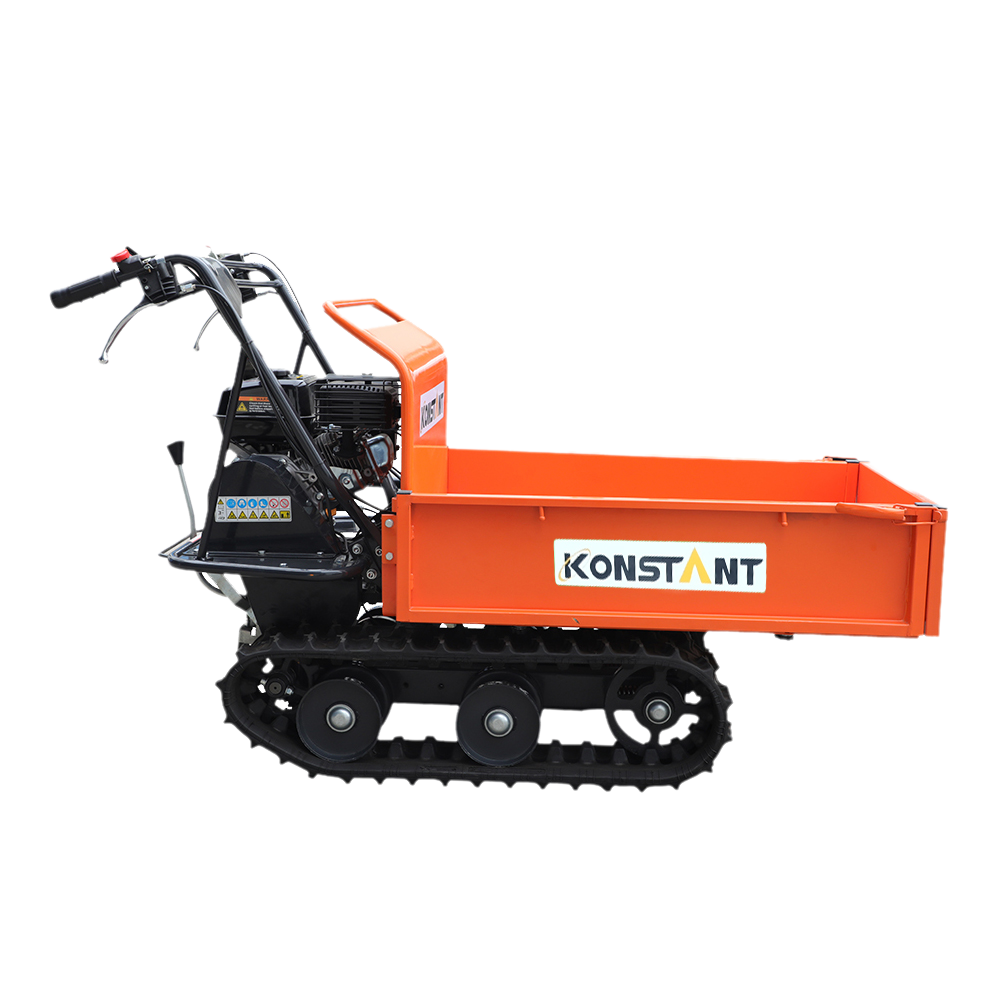
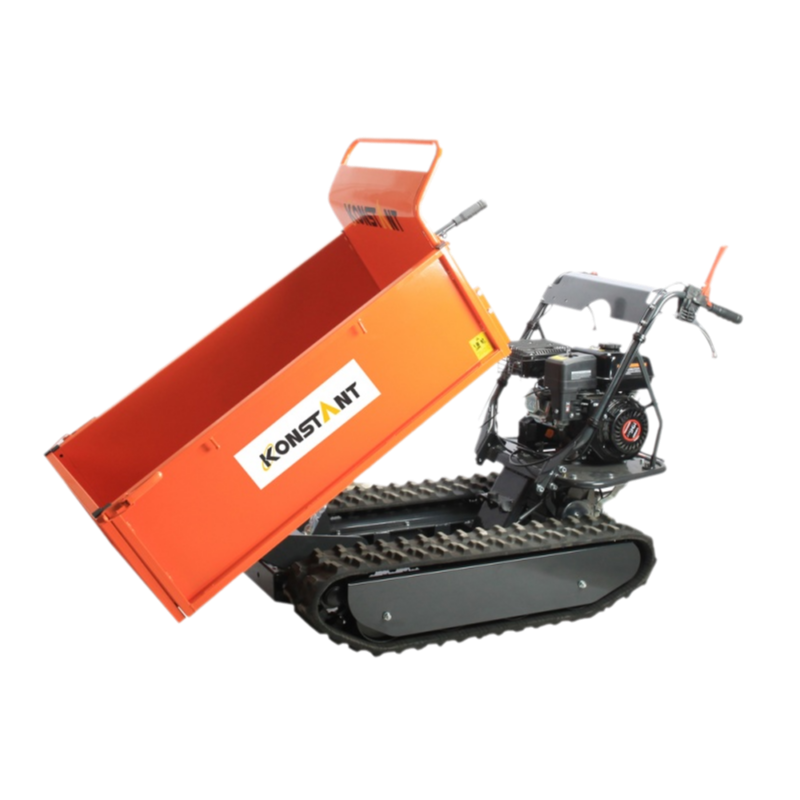
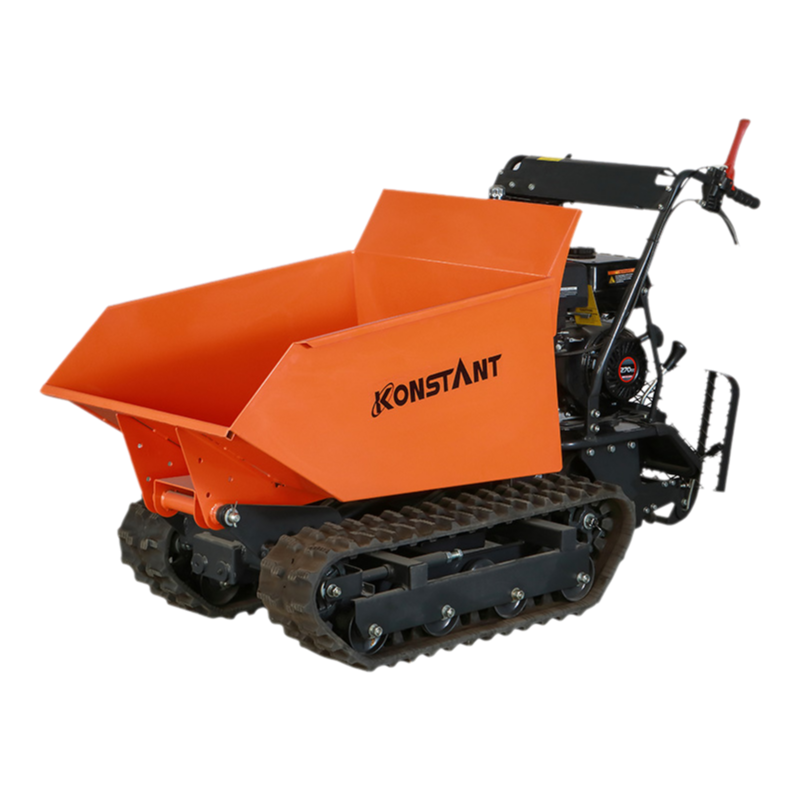
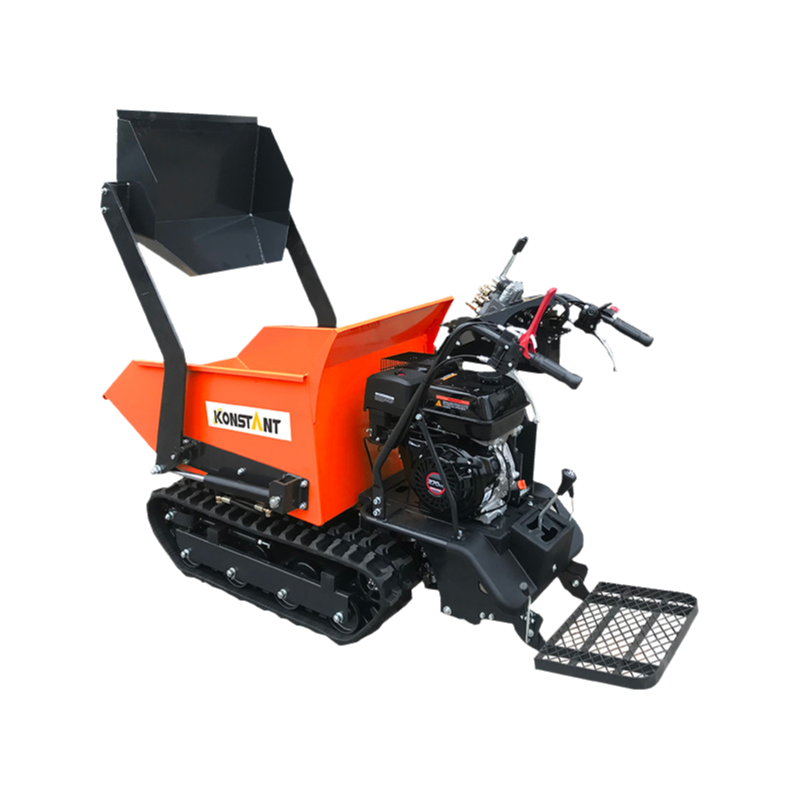
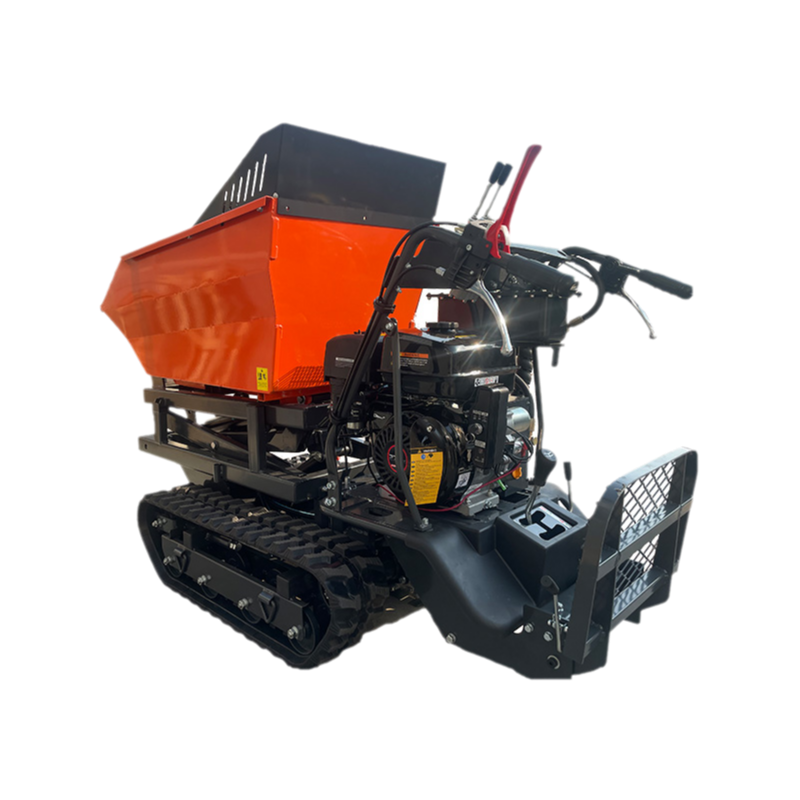
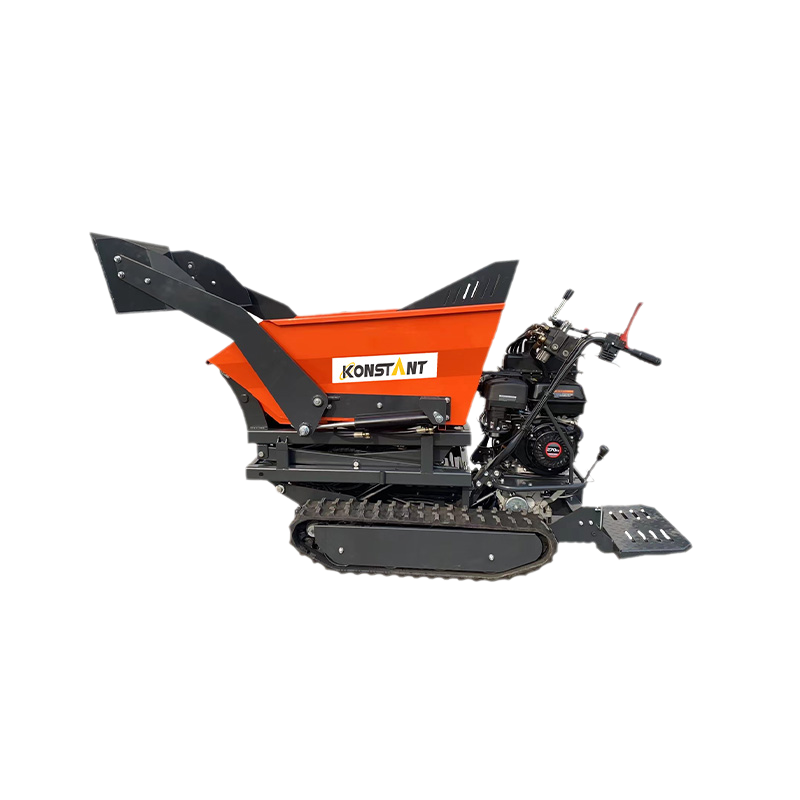
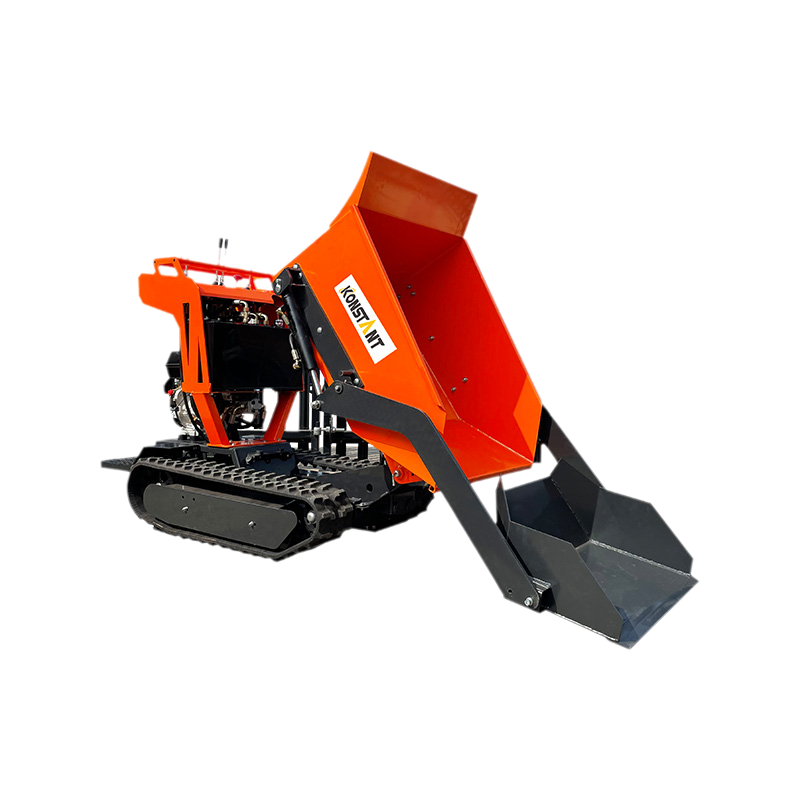
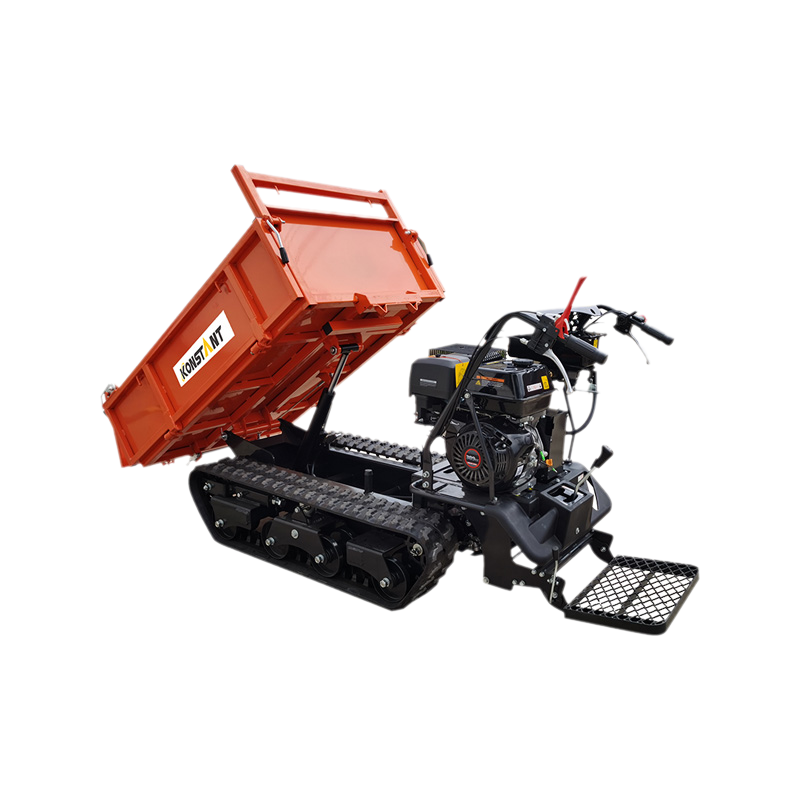
Provide you with the latest enterprise and industry news
Is an Electric Wheelbarrow Suitable for Small Landscaping Projects
Update:03-08-2026
Posted by Admin
Content
- 1 What Defines a Small Landscaping Project Today?
- 2 How Does an Electric Wheelbarrow Fit Into This Setting?
- 3 Can It Improve Efficiency in Limited Spaces?
- 4 Are Electric Wheelbarrows Easy to Handle in Tight Areas?
- 5 What Types of Tasks Benefit the Most?
- 6 Is It Practical for Occasional Use?
- 7 How Does It Compare to Traditional Wheelbarrows?
- 8 What Should Be Considered Before Using One?
- 9 Does It Change the Way Small Projects Are Managed?
- 10 Are There Any Limitations in Small-Scale Use?
- 11 Why Is It Becoming More Visible in Small Landscaping Work?
- 12 Can It Support Both Professional and Personal Projects?
- 13 What Role Does It Play in Modern Outdoor Workflows?
- 14 Is It a Flexible Option Across Different Project Types?
- 15 How Does It Influence User Experience During Work?
- 16 Where Does It Fit Within the Range of Landscaping Tools?
Small landscaping projects are changing. The focus is no longer only on design. It is also about how the work gets done. Tools that reduce effort and improve flow are becoming part of everyday planning. Among these tools, the electric wheelbarrow for landscaping is getting attention. It appears in gardens, yards, and compact outdoor spaces where movement is limited and time matters.
The question is simple. Is this type of equipment truly suitable for smaller landscaping work, or is it more aligned with large-scale operations?
What Defines a Small Landscaping Project Today?
Small landscaping projects usually work within tight space and a pretty narrow set of tasks. Think backyard upgrades, prepping a garden bed, adjusting a pathway, or just moving materials short distances. The scale stays small, sure, but that doesn't mean the workload stays easy — it really doesn't.
A few things tend to show up across most of these projects:
- Not a lot of room to maneuver
- Materials that need handling over and over
- Work cycles that stay short but frequent
- Not much labor to lean on beyond one or two people
Even with all that being small in scope, it still takes real coordination to pull off. Hauling soil, gravel, or plants from one spot to another gets repetitive fast, and tiring faster than people expect going in. That's usually the point where tool choice starts actually mattering.
How Does an Electric Wheelbarrow Fit Into This Setting?
An electric wheelbarrow brings assisted movement into the picture. Instead of leaning purely on physical effort, it adds powered support for carrying loads over short stretches. In a small landscaping job, that can shift the whole approach to how tasks get handled.
Rather than grinding through multiple trips with smaller loads each time, users can move more material in fewer cycles. The workflow ends up flowing more continuously, with a lot less of that stop-start rhythm caused by fatigue setting in.
The tool's not there to replace skill, though — it just supports it. Shaping a garden bed, arranging stones just right, that kind of work still demands real attention and a steady hand. What actually changes is the effort it takes just to get materials into position in the first place.
Can It Improve Efficiency in Limited Spaces?
Efficiency in small landscaping projects is not about speed alone. It is about reducing unnecessary effort and keeping the process smooth.
An electric wheelbarrow can contribute in several ways:
Consistent Movement
Materials can be transported at a steady pace without frequent pauses.
Reduced Physical Strain
Users do not need to carry the full weight manually, which helps maintain energy throughout the day.
Better Time Use
Less time is spent on repeated lifting and pushing, allowing more focus on detail work.
Improved Workflow Flow
Tasks connect more smoothly when transport becomes less demanding.
These changes are subtle but noticeable over time. In small projects, where every step counts, even minor improvements can influence the overall experience.
Are Electric Wheelbarrows Easy to Handle in Tight Areas?
Space limitation is one of the main concerns in small landscaping work. Narrow paths, corners, and uneven ground can make movement difficult.
Electric wheelbarrows are often designed with maneuverability in mind. Their structure allows them to navigate areas where larger equipment would struggle. However, ease of handling depends on how the tool is used.
In tight areas:
- Turning requires awareness of space
- Movement should be controlled rather than rushed
- Load balance becomes more important
When handled properly, the tool can adapt well to confined environments. It allows users to reach areas that might otherwise require manual carrying.
What Types of Tasks Benefit the Most?
Not all landscaping tasks require powered assistance. Some activities are light and quick. Others involve repeated transport that can become tiring.
The following table outlines where an electric wheelbarrow tends to be more useful:
| Task Type | Suitability Level | Reason |
|---|---|---|
| Soil transport | High | Repeated movement of heavy material |
| Gravel or sand distribution | High | Consistent load handling |
| Plant relocation | Medium | Helps with weight but requires care |
| Tool carrying | Medium | Reduces trips but not always necessary |
| Light debris cleanup | Low | Manual handling may be sufficient |
The value becomes clearer when tasks involve repetition. The more times material needs to be moved, the more noticeable the benefit.
Is It Practical for Occasional Use?
Small landscaping projects are not always continuous. Some are seasonal. Others are occasional improvements. This raises a practical question about whether such a tool is worth using for limited periods.
The answer depends on how the work is approached. Even occasional projects can involve intensive effort over short durations. In these cases, having support can make the process more manageable.
Practicality is influenced by:
- Frequency of similar tasks
- Physical effort required
- Available time for completion
For users who handle multiple small projects over time, the tool becomes more relevant. For one-time light work, the benefit may be less noticeable.
How Does It Compare to Traditional Wheelbarrows?
The traditional wheelbarrow has been part of landscaping work for a long time. It is simple, reliable, and widely used. The electric version builds on this concept by adding powered assistance.
The comparison is not about replacement. It is about differences in experience.
| Aspect | Traditional Wheelbarrow | Electric Wheelbarrow |
|---|---|---|
| Effort required | Fully manual | Assisted movement |
| Load handling | Depends on user strength | More consistent |
| Movement speed | Variable | More stable |
| Fatigue level | Higher over time | Lower over time |
| Learning curve | Minimal | Slight adjustment |
The choice depends on priorities. Some users prefer simplicity. Others value reduced effort and smoother workflow.
What Should Be Considered Before Using One?
Before deciding to use an electric wheelbarrow for small landscaping projects, several factors should be considered. These do not involve technical complexity but relate to practical use.
Key considerations include:
Project scale
If the work involves repeated material transport, the tool becomes more relevant.
Terrain condition
Uneven ground may require careful handling but does not prevent use.
User comfort
Ease of control and familiarity can influence effectiveness.
Storage space
The tool needs a place when not in use.
Work duration
Longer tasks highlight the benefits more clearly.
These points help determine whether the tool aligns with the needs of a specific project.
Does It Change the Way Small Projects Are Managed?
Bringing powered tools into the mix tends to shift how work gets planned out, at least eventually. In small landscaping projects, that shift doesn't happen overnight, but it's noticeable once it settles in.
Instead of splitting up tasks around what's physically manageable, planning can shift toward focusing on design and sequence instead. Moving materials around stops being the bottleneck it used to be.
That tends to open up a few things:
- Scheduling that can flex more instead of being locked to physical limits
- Less reliance on pulling in extra hands just to get through the heavy lifting
- A work pace that stays more consistent from start to finish
The whole process ends up feeling a lot more under control. Effort gets spread more evenly across the different stages of a project, instead of piling up in whichever part happened to need the most muscle.
Are There Any Limitations in Small-Scale Use?
That said, the benefits don't hold up equally in every situation — worth being upfront about that.
For really small or simple tasks, setting up and running an electric wheelbarrow might not add much at all. Sometimes just doing it by hand is quicker, especially with light loads or short distances where the setup time isn't worth it.
A few other limitations worth keeping in mind:
- Minimal tasks that don't really call for powered assistance in the first place
- Some basic handling awareness still needed to use it properly
- Tight spaces where there just isn't room for the equipment to maneuver
None of that makes the tool less useful overall — it just means it's not the right call for absolutely every job out there.
Why Is It Becoming More Visible in Small Landscaping Work?
The growing presence of electric wheelbarrows in small landscaping projects reflects a broader shift. There is more attention on efficiency, comfort, and sustainable work practices.
Users are looking for ways to reduce strain without complicating the process. Tools that support natural workflow without adding complexity tend to gain acceptance.
The electric wheelbarrow fits this direction. It does not change the nature of landscaping work. It adjusts how effort is distributed within it.
Can It Support Both Professional and Personal Projects?
Small landscaping projects are not limited to professionals. Many are carried out by homeowners or small teams. This raises the question of versatility.
The tool can support both groups in different ways:
For professionals
It helps maintain consistency across multiple projects.
For individuals
It reduces the physical challenge of handling materials.
The level of use may vary, but the underlying benefit remains similar. It provides assistance where manual effort would otherwise dominate.
What Role Does It Play in Modern Outdoor Workflows?
Outdoor work is becoming more structured. Even small projects are planned with attention to detail and efficiency. Tools that align with this approach tend to become part of regular workflows.
An electric wheelbarrow supports:
- Smooth material transport
- Reduced interruption during tasks
- Better energy management throughout the day
Its role is not central, but it is supportive. It fits into the process without requiring major changes.
Is It a Flexible Option Across Different Project Types?
Flexibility is important in small landscaping work. Projects vary in layout, materials, and goals. A tool that can adapt to different situations becomes more useful.
Electric wheelbarrows can be used in:
- Garden preparation
- Pathway adjustments
- Soil and mulch distribution
- Light construction support
The range of use is not limited to one specific task. This flexibility adds to its suitability in small projects.
How Does It Influence User Experience During Work?
User experience is often overlooked in discussions about tools. Yet it plays a significant role in how work feels and progresses.
With assisted movement:
- Tasks feel less physically demanding
- Work pace becomes more consistent
- Breaks are less frequent due to fatigue
This does not remove effort entirely. It changes how that effort is distributed. Over time, this can make small landscaping projects more manageable and less tiring.
Where Does It Fit Within the Range of Landscaping Tools?
Landscaping tools range from simple hand tools to larger equipment. The electric wheelbarrow sits somewhere in between. It bridges the gap between manual labor and mechanized assistance.
It is not as complex as large machinery. It is not as basic as traditional tools. This position allows it to serve a specific purpose in small-scale work.
Its value comes from balance. It offers support without requiring a complete shift in how tasks are performed.
Related products

Latest Updates
-
What Factors Influence the Choice of a Mini Dumper Power Barrow
Moving materials is a routine part of construction, landscaping, agriculture, renovation, and othe...
-
Can a Mini Petrol Power Dumper Replace a Traditional Wheelbarrow
Material handling rarely attracts much attention until it starts taking up a large part of the worki...

-
Welcome To Visit Us
No.30, Third Furong Road, Wuxi City, Jiangsu. 214100, China.
-
Call Us
Phone: +86 181-1889-1139
Phone: +86 181-1889-2139
-
Contact Us Online
E-mail: sales@konstantpm.com
E-mail: marketing@konstantpm.com
Copyright WUXI KONSTANT POWER TECH CO., LTD All Rights Reserved
 China Mini Dumpers Manufacturers Power Wheelbarrow Factory