
 English
 русский
 Français
 Español
 Deutsch

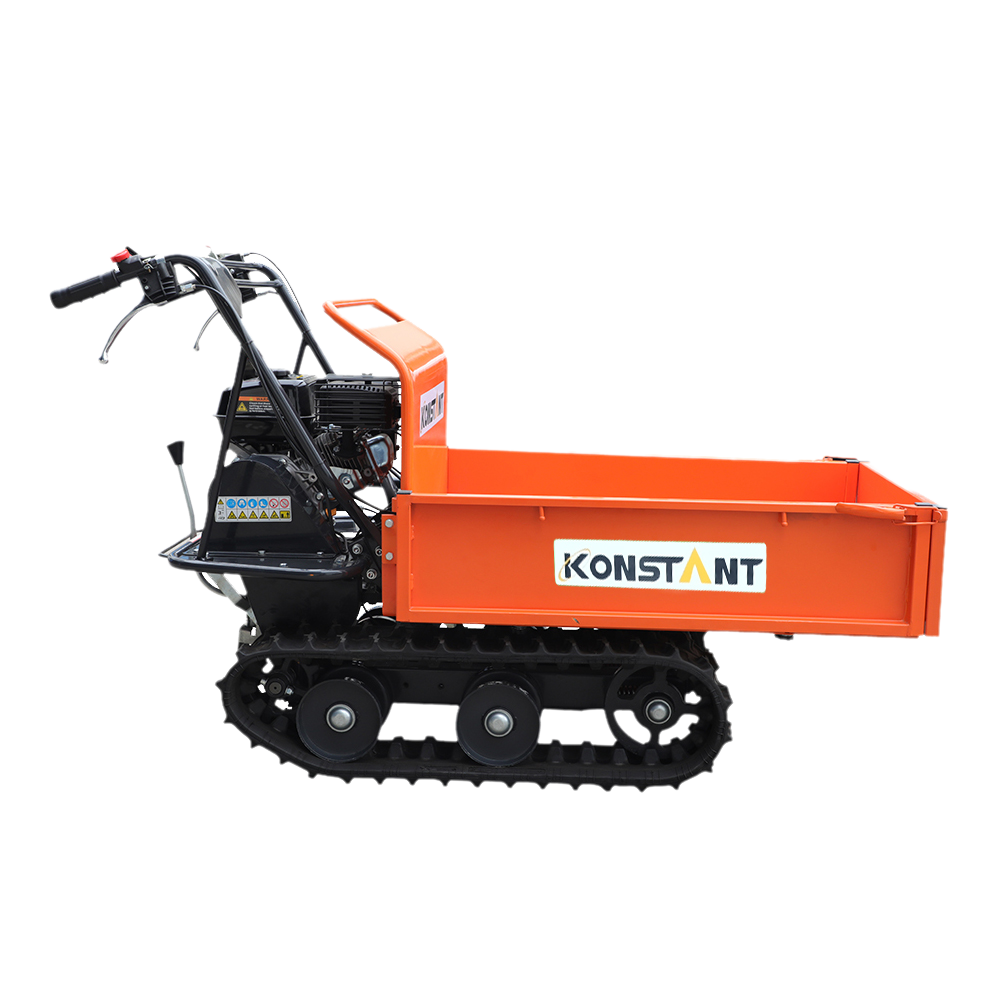
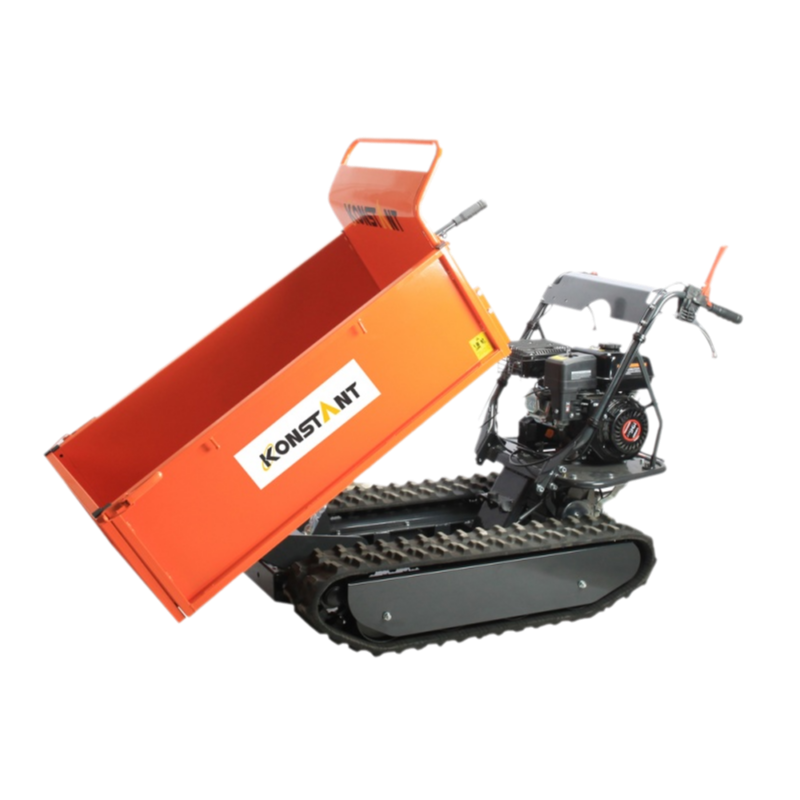
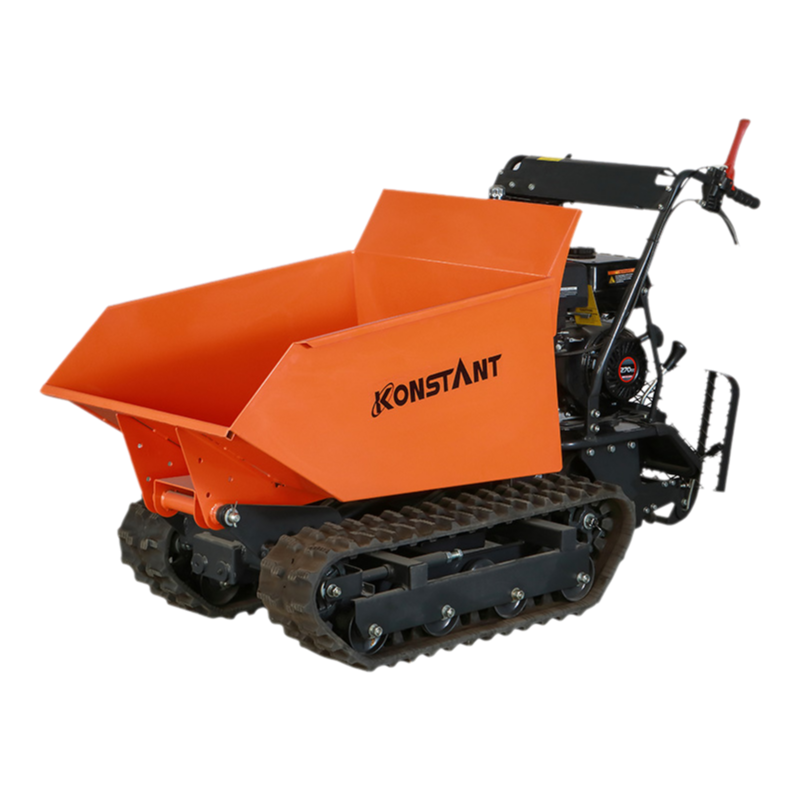
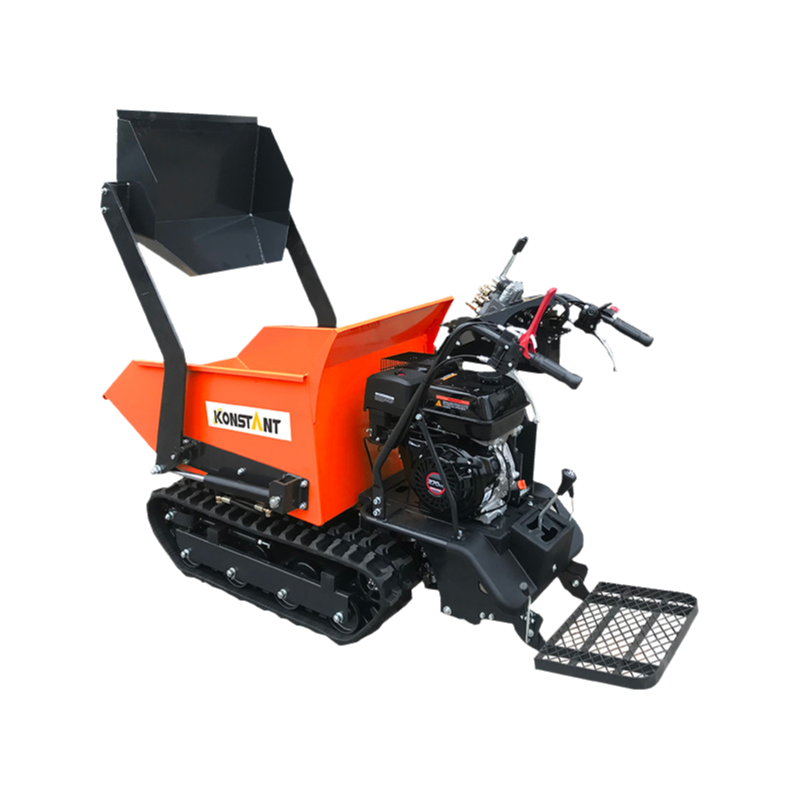
Provide you with the latest enterprise and industry news
Are Motor Powered Wheelbarrow Suitable for Uneven Ground
Update:07-08-2026
Posted by Admin
Content
- 1 How does uneven ground shape everyday work?
- 2 What makes uneven terrain challenging for transport tools?
- 3 Can motor assistance improve stability on rough surfaces?
- 4 How do design features influence performance on uneven ground?
- 5 Are slopes and loose soil manageable with powered support?
- 6 What role does user experience play in real conditions?
- 7 Are there limitations that users should be aware of?
- 8 How do they compare with manual wheelbarrows on uneven terrain?
- 9 Is the growing interest linked to changing work patterns?
How does uneven ground shape everyday work?
Uneven ground is not rare. It appears in small gardens, construction corners, rural paths, and areas that change with weather. The surface may look simple at a glance, yet it often includes loose soil, shallow slopes, scattered stones, or narrow passages. Each of these details affects how materials are moved from one point to another.
Manual handling has long been the default solution. A traditional wheelbarrow depends on balance and physical strength. When the ground becomes unstable, the user must adjust posture, slow down, and stay alert. Over time, this adds strain and reduces efficiency.
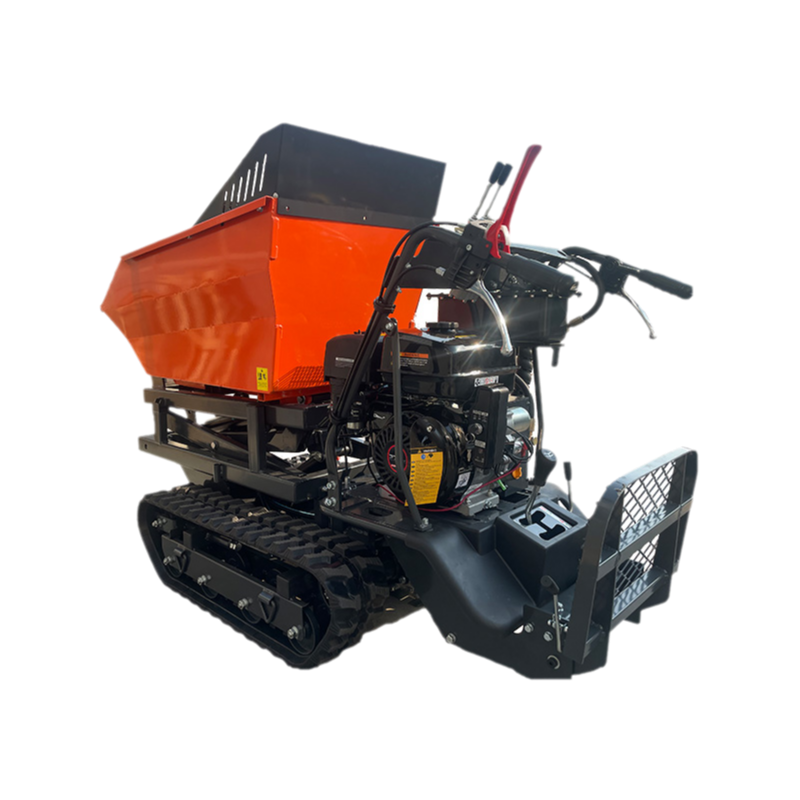
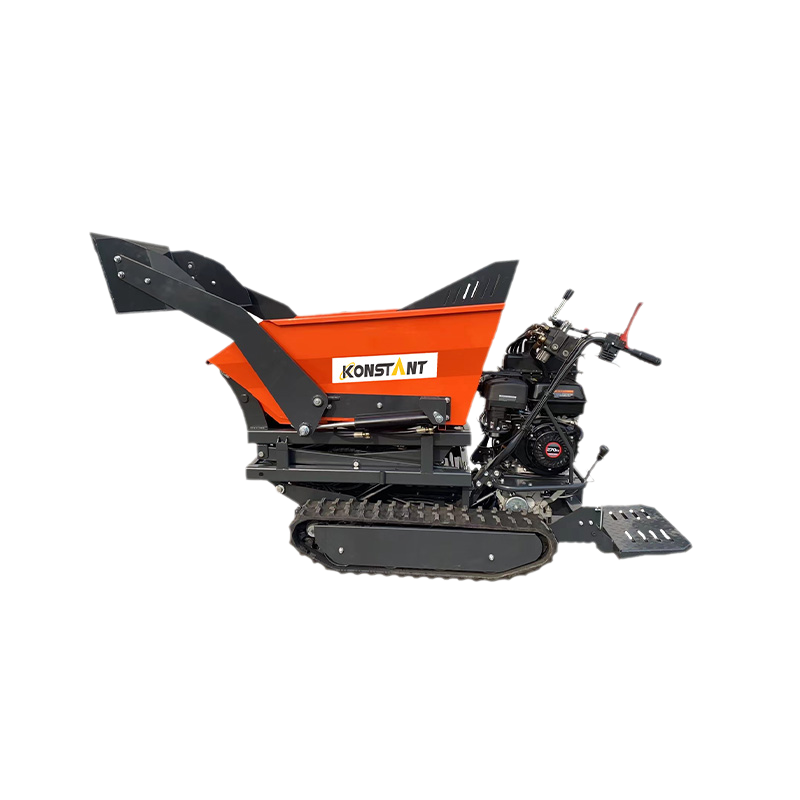
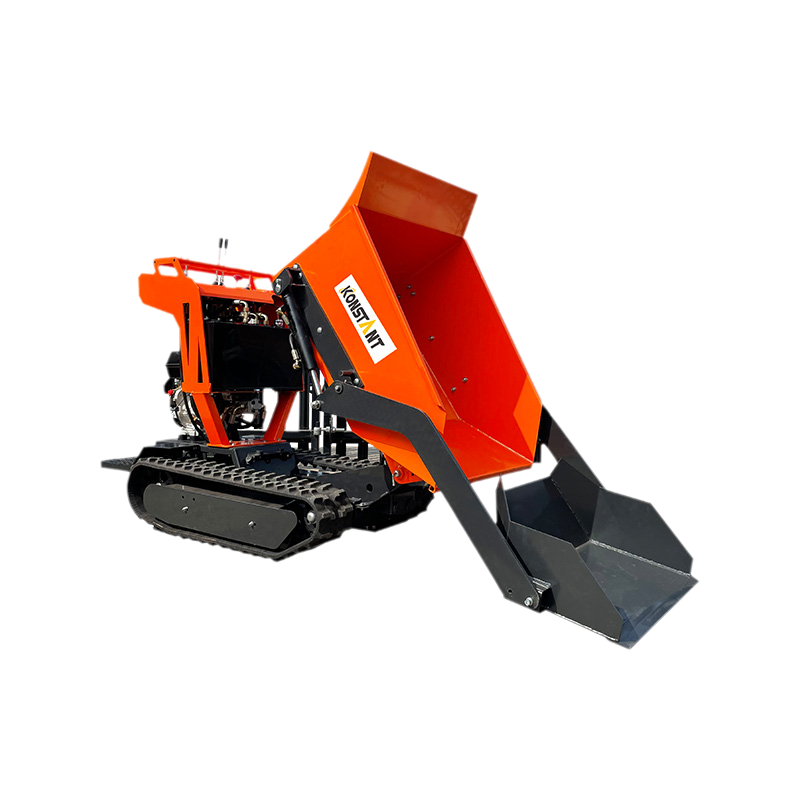
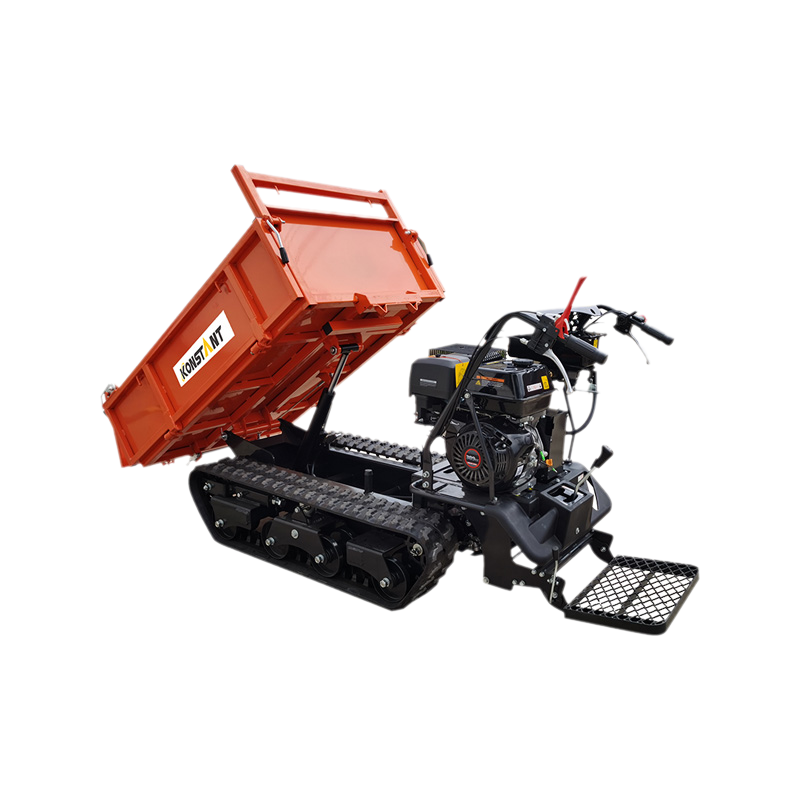
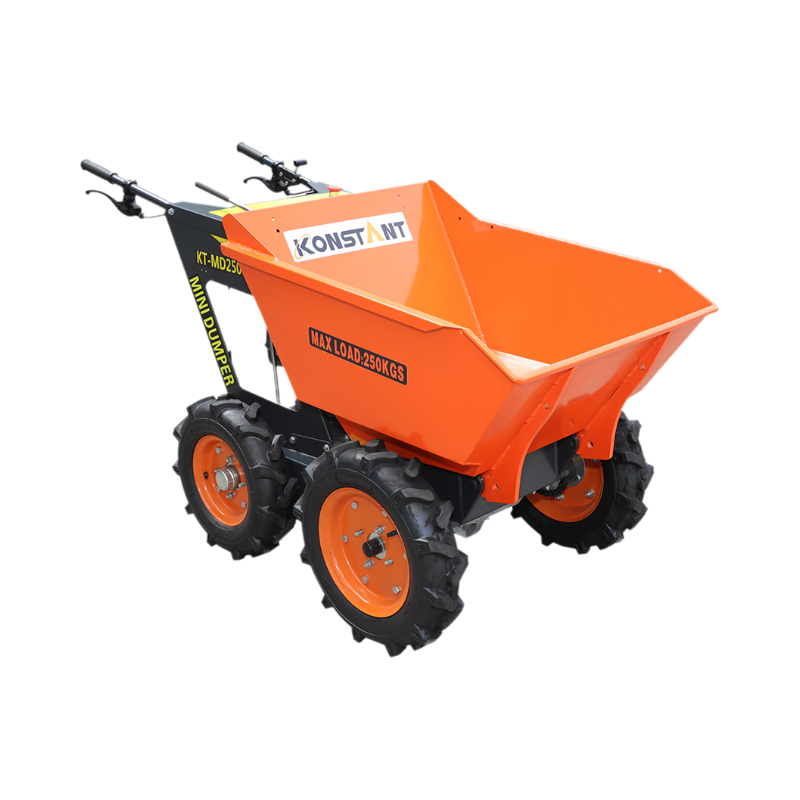
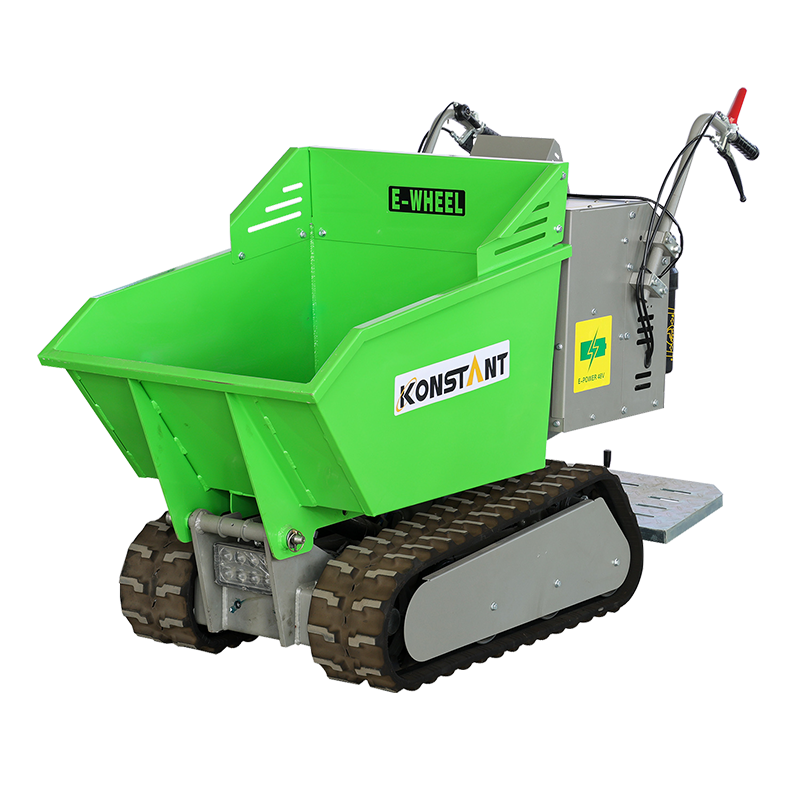
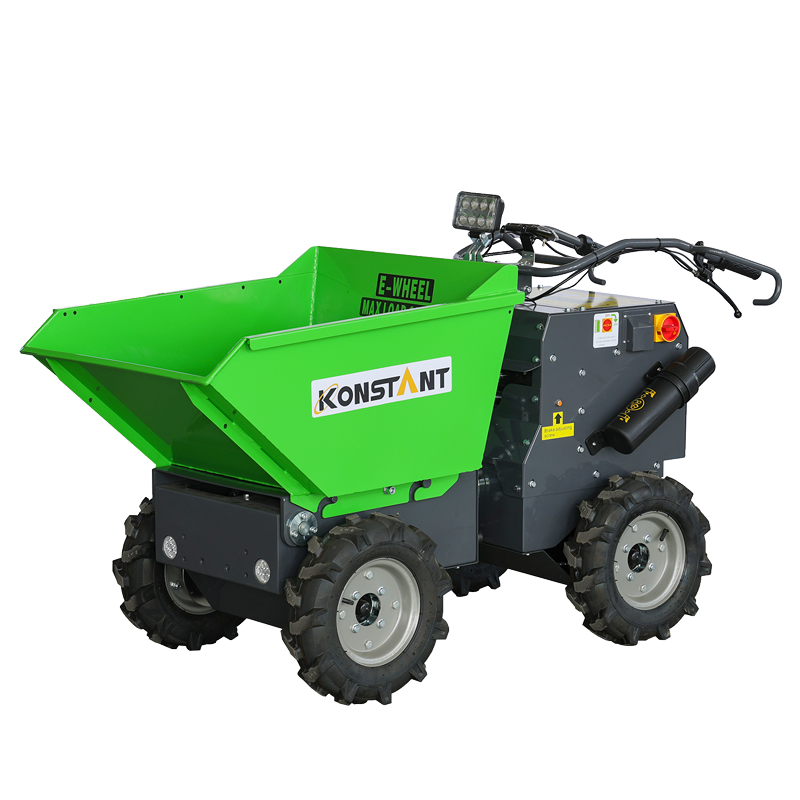
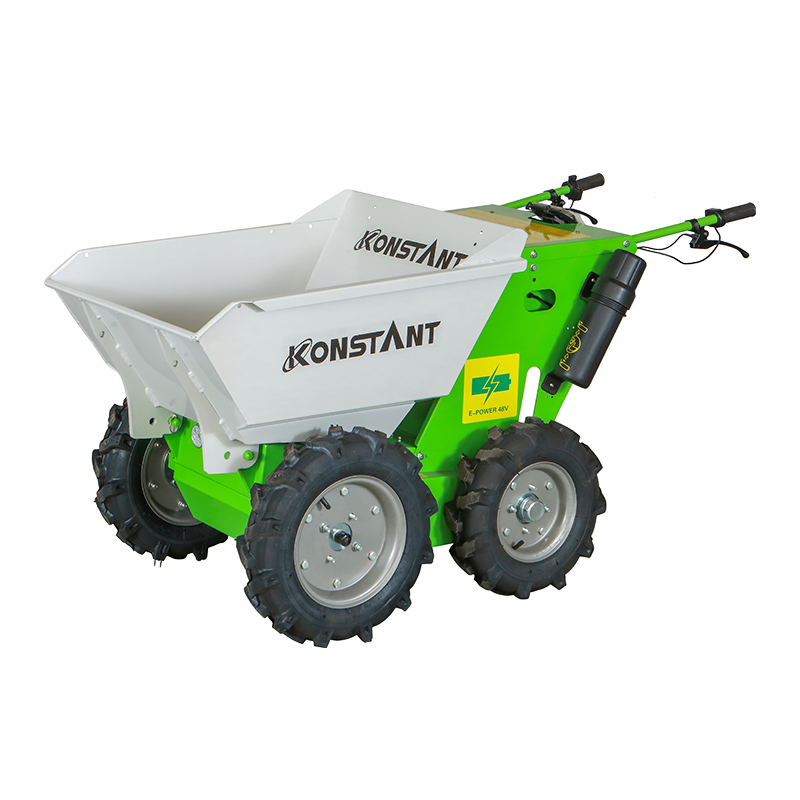
Motor powered wheelbarrow enter this space as an alternative. They introduce assisted movement. Instead of relying fully on human force, they support forward motion. This shift changes how users interact with uneven terrain. The question is not only about power. It is about control, stability, and how the machine behaves when the surface is less predictable.
What makes uneven terrain challenging for transport tools?
Uneven ground creates a mix of resistance and instability. A surface that is slightly tilted may look manageable, yet it changes how weight is distributed. Loose soil can sink under pressure. Wet ground may reduce grip. Small obstacles can interrupt a smooth path.
These conditions influence three key aspects:
Balance
When the load shifts, the tool must respond quickly. A sudden tilt can lead to loss of control.
Traction
The ability to maintain contact with the ground matters. Without enough grip, movement becomes inconsistent.
Directional control
Steering on flat ground is simple. On uneven terrain, small corrections are needed all the time.
Motor powered wheelbarrows aim to address these points. Their design often considers how weight is supported and how movement is guided. Still, performance depends on how well these features match the environment.
Can motor assistance improve stability on rough surfaces?
Motor assistance changes the effort required to move loads. Instead of pushing against resistance, the user guides the direction while the machine provides motion. This can reduce physical strain, especially on slopes or soft ground.
Stability, however, is not only about power. It is also about how the tool distributes weight and reacts to changes under the wheels. A steady pace can help maintain balance. Sudden acceleration may create the opposite effect.
In practical use, motor assistance can support stability in several ways:
- It allows smoother starts and stops
- It reduces the need for forceful pushing
- It helps maintain a consistent pace
Yet, it also introduces new habits. Users need to adapt to assisted movement. On uneven ground, gentle control often works better than quick actions.
How do design features influence performance on uneven ground?
The way a motor powered wheelbarrow is built has a direct impact on how it behaves outside flat surfaces. Even without focusing on technical details, several design ideas shape performance.
| Feature area | Influence on uneven ground |
|---|---|
| Wheel structure | Affects how the tool rolls over obstacles and handles soft soil |
| Frame balance | Determines how weight is distributed during movement |
| Handle control | Shapes how easily the user can guide direction |
| Load position | Influences stability when the ground shifts |
A wider base can help with balance. A well-placed load reduces tipping risk. Simple control layouts make it easier to adjust direction when the path changes.
These elements work together. No single feature defines the outcome. Instead, performance comes from how the entire structure responds to real conditions.
Are slopes and loose soil manageable with powered support?
Slopes introduce a different kind of challenge. Moving uphill requires effort. Moving downhill requires control. Loose soil adds another layer of uncertainty.
Powered wheelbarrows can assist with uphill movement by reducing physical strain. The user does not need to push as hard. This can make repeated trips less tiring.
Downhill movement calls for careful handling. Controlled speed becomes important. The user must guide the tool rather than rely on gravity. A steady approach often leads to safer movement.
Loose soil, such as sand or recently turned earth, can shift under weight. In this case:
- Slow movement helps maintain traction
- Balanced loading prevents sinking on one side
- Clear paths reduce sudden interruptions
These conditions show that powered support can help, but it does not remove the need for awareness.
What role does user experience play in real conditions?
Tools behave differently depending on who uses them. Experience shapes how a powered wheelbarrow performs on uneven ground.
A new user may rely more on the motor. This can lead to faster movement than needed. On uneven terrain, this may reduce control. With time, users tend to develop a smoother approach.
Experienced users often:
- Adjust speed based on surface conditions
- Keep the load balanced before moving
- Plan the path ahead instead of reacting late
The learning curve is part of the process. Motor assistance does not replace skill. It works alongside it.
Are there limitations that users should be aware of?
Powered wheelbarrows are not designed for every type of terrain. Some conditions may limit their effectiveness.
Extremely rough surfaces with large obstacles can interrupt movement. Narrow paths with sharp turns may reduce maneuverability. Very soft ground can affect traction.
There are also practical considerations:
- Space for turning may be limited
- Weight distribution must be managed carefully
- Sudden changes in terrain require attention
Understanding these limits helps users choose when and where to use the tool. It also reduces the risk of misuse.
How do they compare with manual wheelbarrows on uneven terrain?
The comparison between motor powered and manual wheelbarrows often comes down to effort and control.
| Aspect | Motor powered wheelbarrow | Manual wheelbarrow |
|---|---|---|
| Physical effort | Lower during movement | Higher, especially on slopes |
| Control style | Guided with assistance | Fully manual |
| Adaptability | Depends on terrain and design | Flexible but requires strength |
| Learning curve | Requires adjustment | Familiar to most users |
Manual wheelbarrows offer direct control. Users feel every change in the ground. Motor powered versions reduce effort but require a different approach to handling.
The choice depends on the task. For repeated transport on uneven ground, assisted movement can ease the workload. For short or highly irregular paths, manual tools may still feel more direct.
Is the growing interest linked to changing work patterns?
There is a visible shift in how small-scale work is approached. Efficiency is no longer only about speed. It also includes comfort, consistency, and reduced strain.
Powered wheelbarrows reflect this change. They are not only tools for heavy tasks. They are also part of a broader move toward assisted equipment in everyday work.
In landscaping, gardening, and light construction, uneven ground remains a common condition. As users look for ways to manage this environment with less effort, interest in powered solutions continues to grow.
At the same time, expectations are evolving. Users look for tools that are easy to handle, adaptable to different surfaces, and suitable for regular use without added complexity. This shapes how motor powered wheelbarrows are designed and used in real settings.
Related products

Latest Updates
-
How Does a Mini Dumper Electric Support Modern Material Handling
Material handling is part of almost every construction, landscaping, agricultural, and maintenance...
-
Can a Hydraulic Mini Dumper Improve Material Movement on Uneven Ground
Material movement is part of almost every outdoor project. Construction crews move soil and debris...

-
Welcome To Visit Us
No.30, Third Furong Road, Wuxi City, Jiangsu. 214100, China.
-
Call Us
Phone: +86 181-1889-1139
Phone: +86 181-1889-2139
-
Contact Us Online
E-mail: sales@konstantpm.com
E-mail: marketing@konstantpm.com
Copyright WUXI KONSTANT POWER TECH CO., LTD All Rights Reserved
 China Mini Dumpers Manufacturers Power Wheelbarrow Factory