
 English
 русский
 Français
 Español
 Deutsch


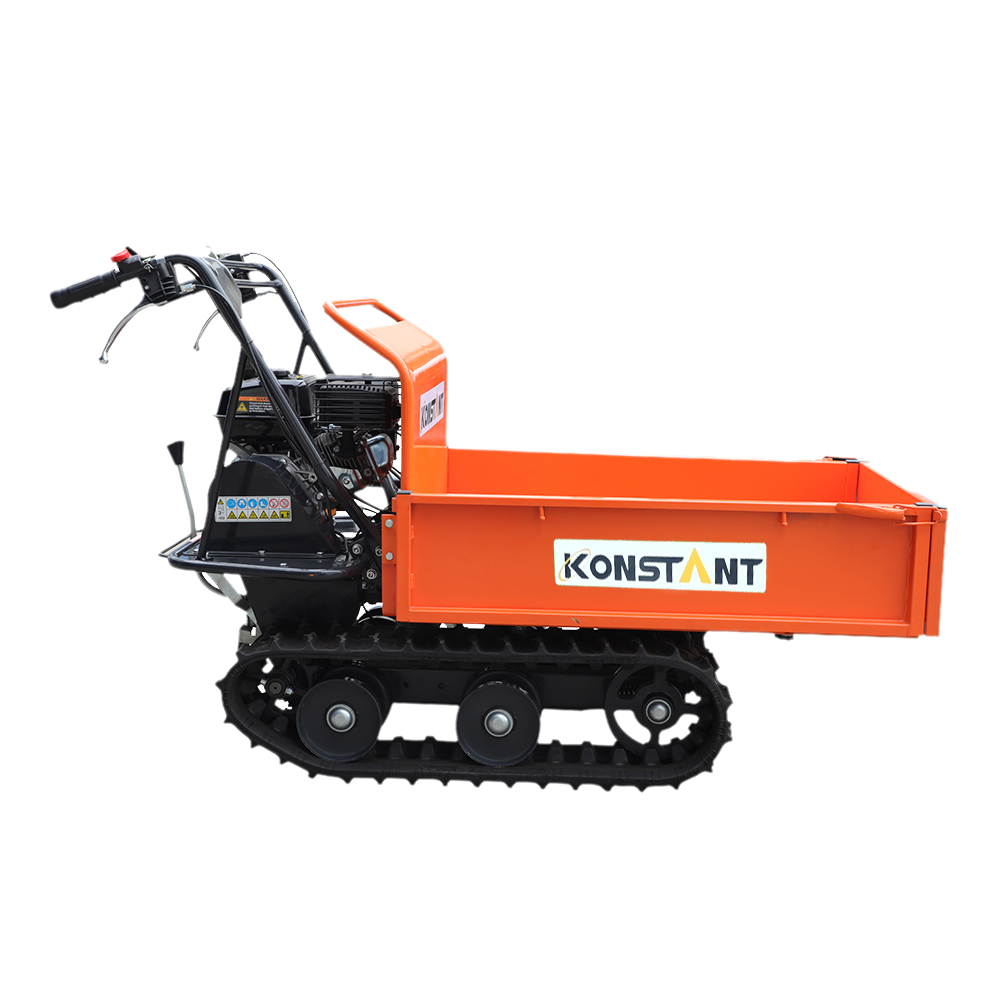
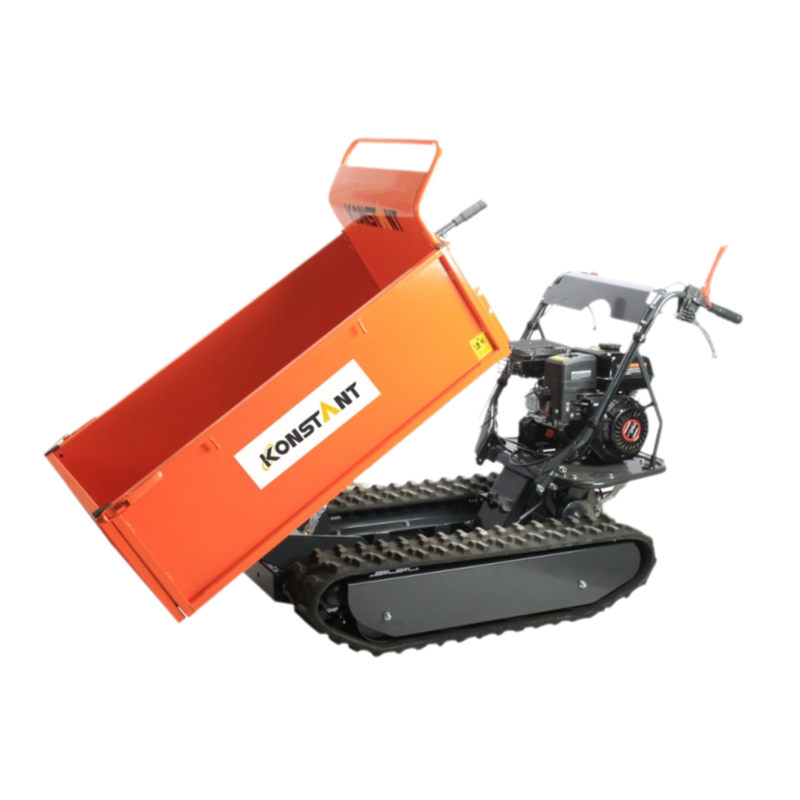
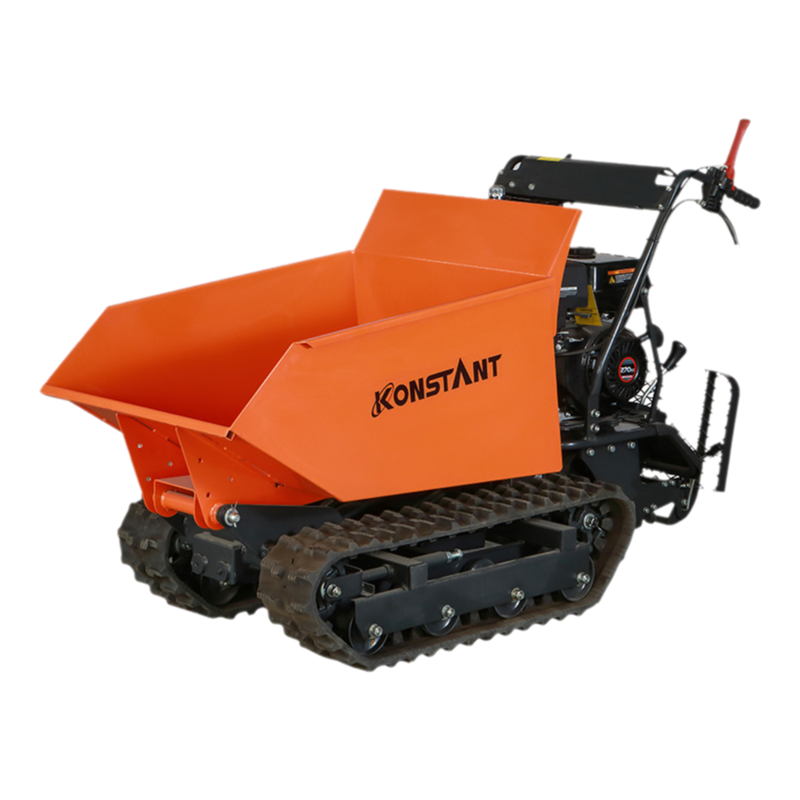
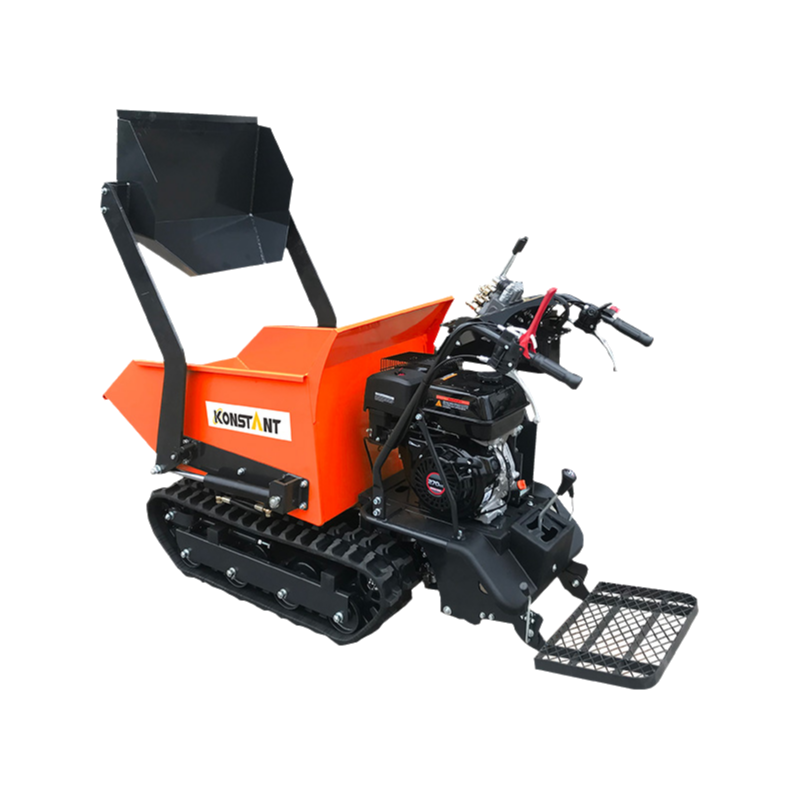
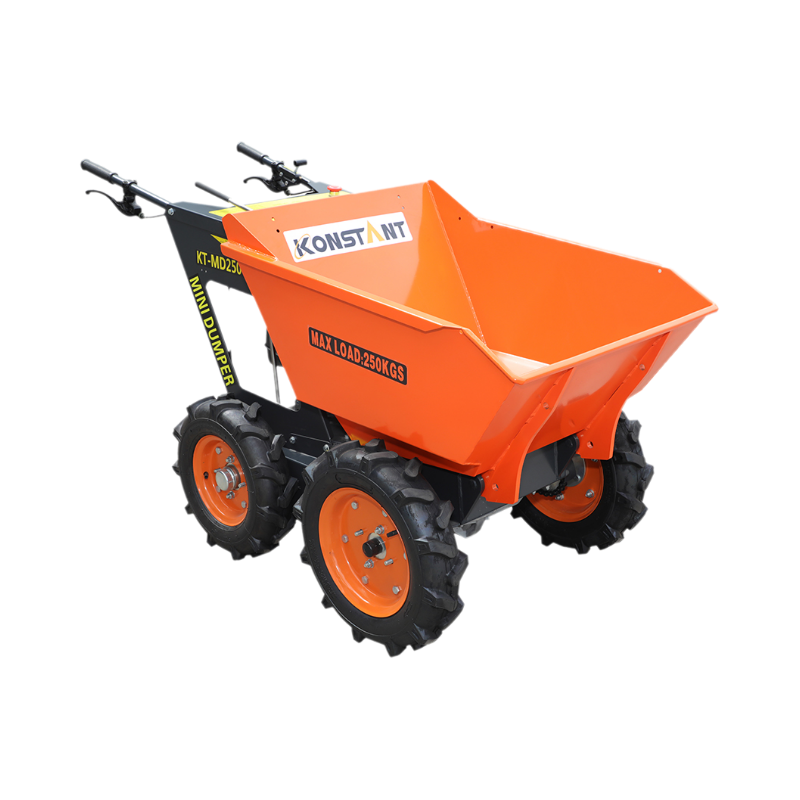
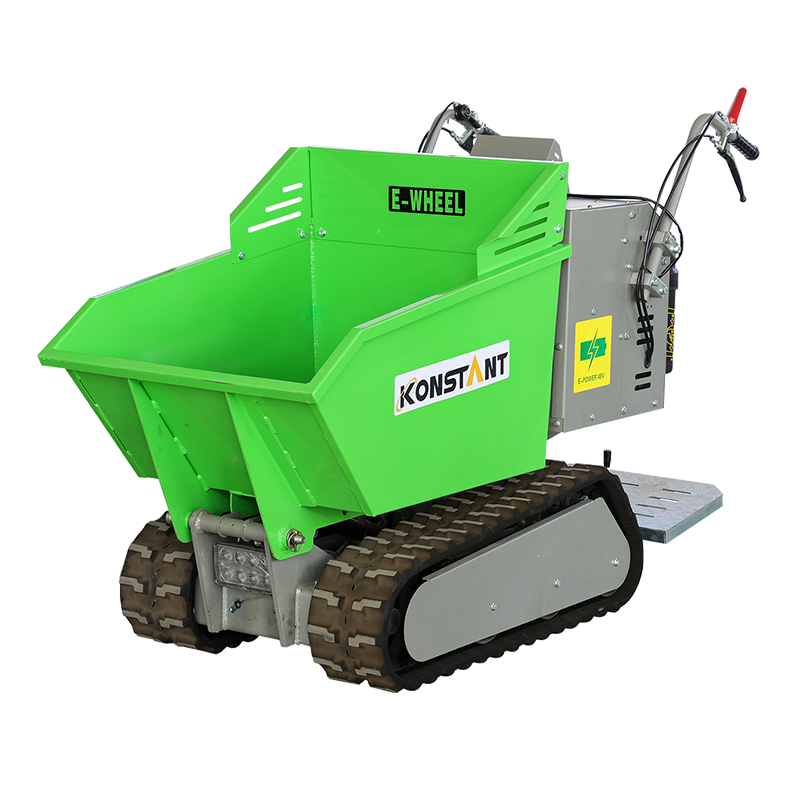
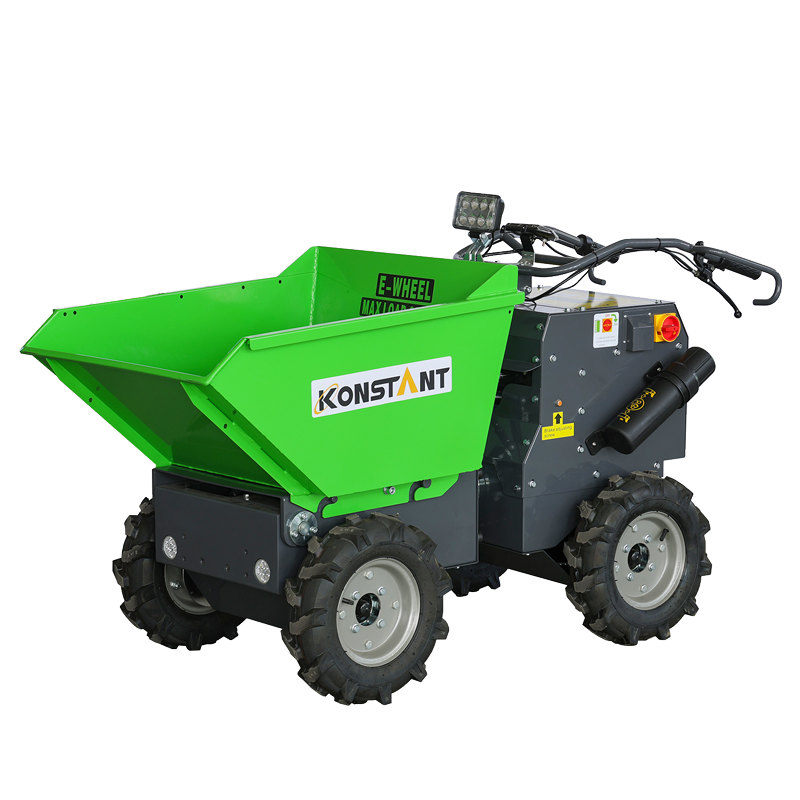
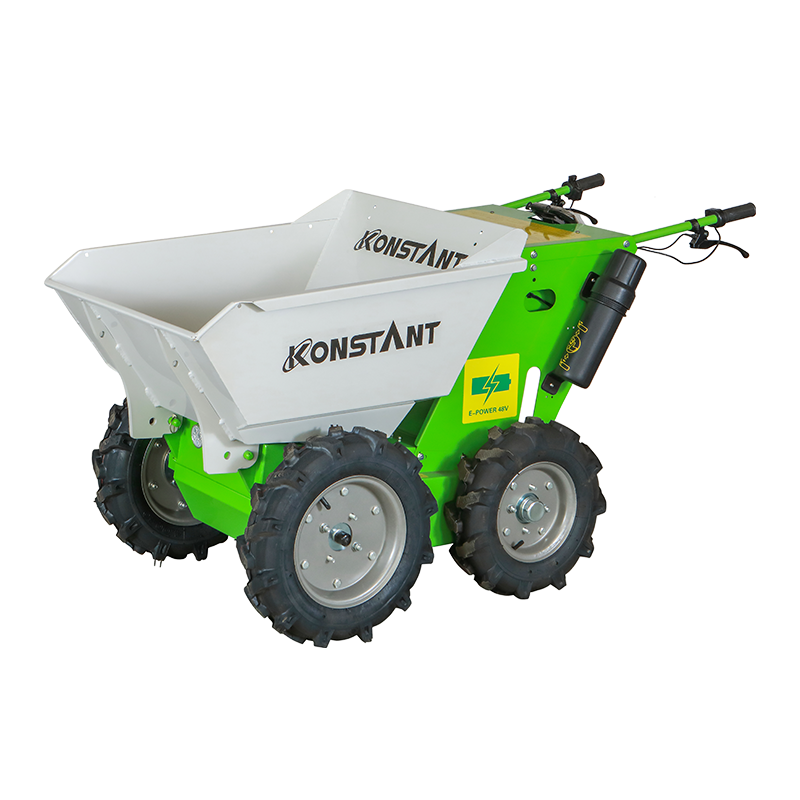
Provide you with the latest enterprise and industry news
How to Choose a Reliable Mini Dump Truck on Tracks Manufacturer
Update:30-10-2026
Posted by Admin
Content
- 1 Why Manufacturer Selection Influences Long-Term Equipment Value
- 2 Assessment of Production Capability
- 3 Verification of Technical Specifications
- 4 Evaluation of Battery and Electric Drive Systems
- 5 Practical Steps to Confirm Quality Before Order
- 6 Warranty, Spare Parts and After-Sales Arrangements
- 7 Customization and OEM Possibilities
- 8 Comparison of Quotations and Ownership Costs
- 9 Questions That Clarify Manufacturer Capability Before Ordering
- 10 Linking Evaluation Criteria to a Compact Electric Tracked Dumper
- 11 Overview of Manufacturer Evaluation Points
- 12 Selecting a Supplier That Combines Product Fit with Ongoing Support
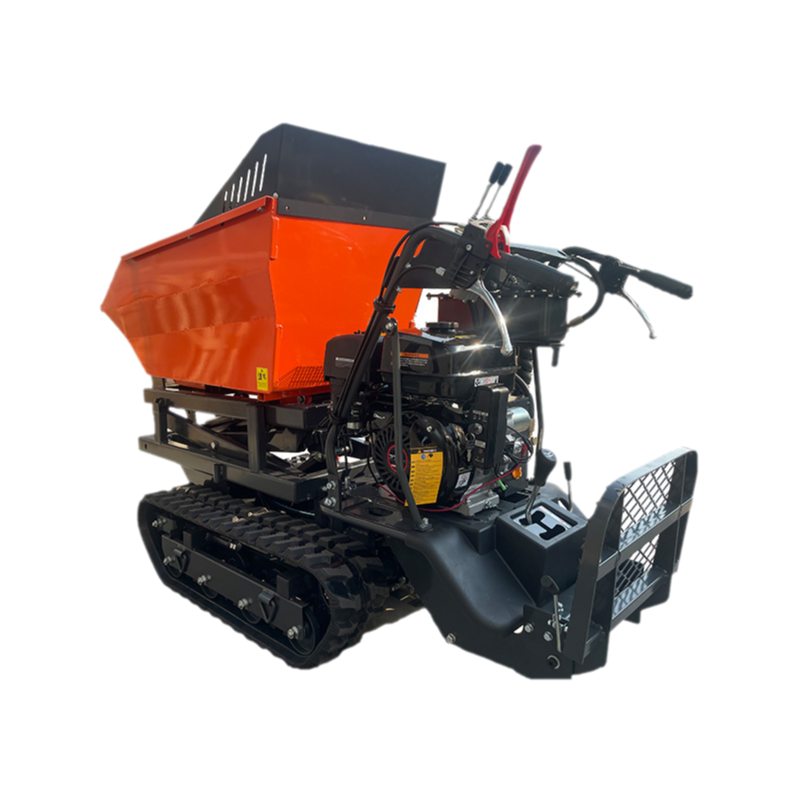
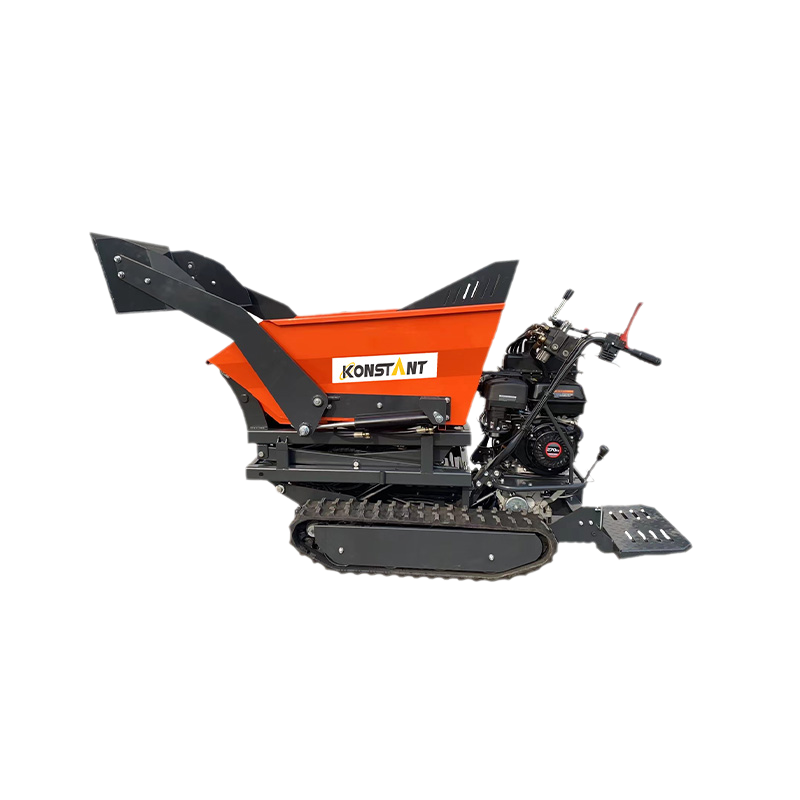
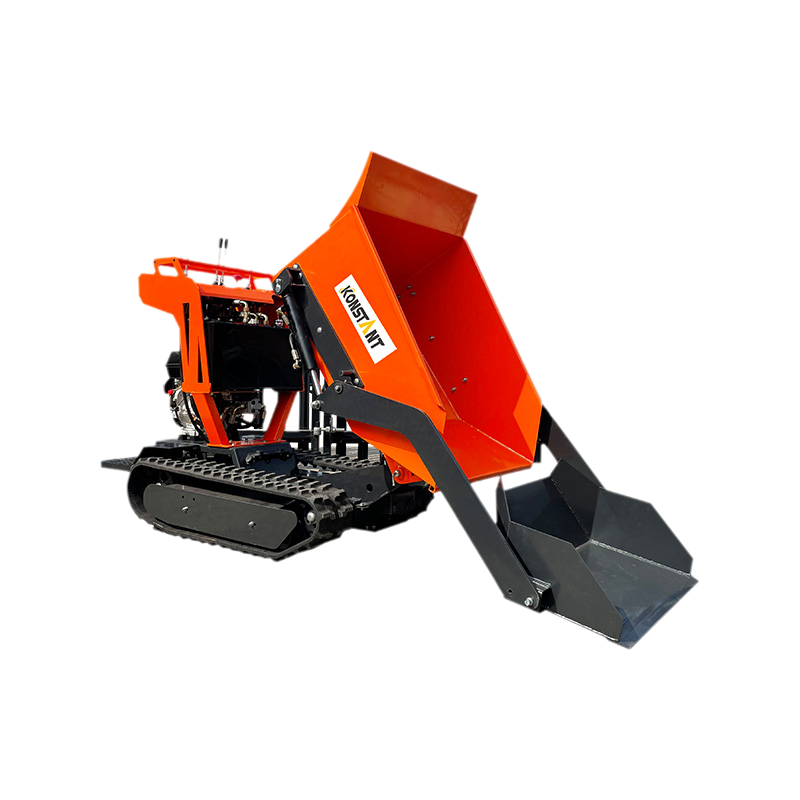
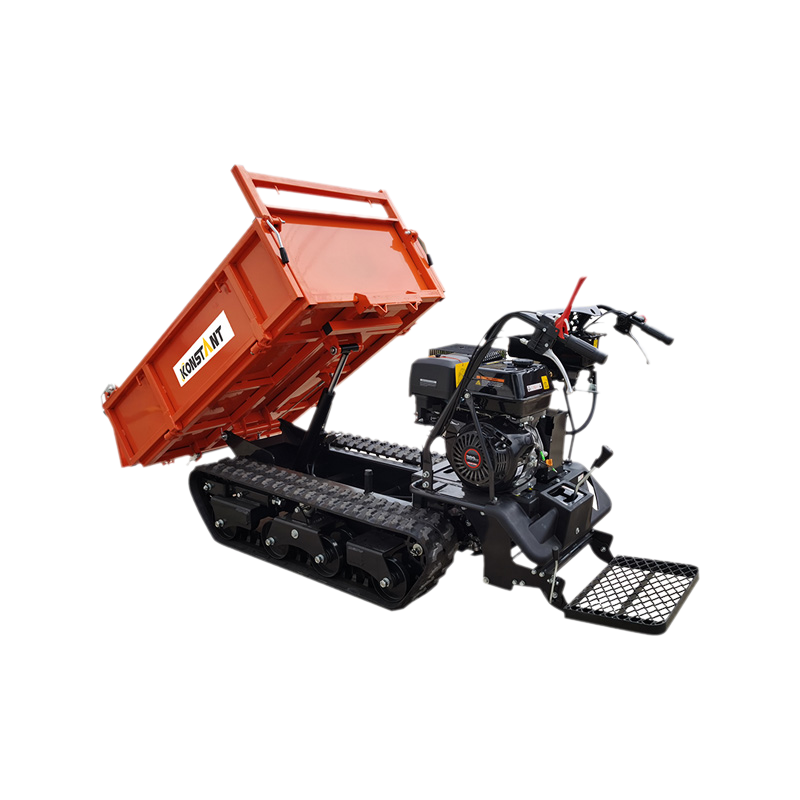
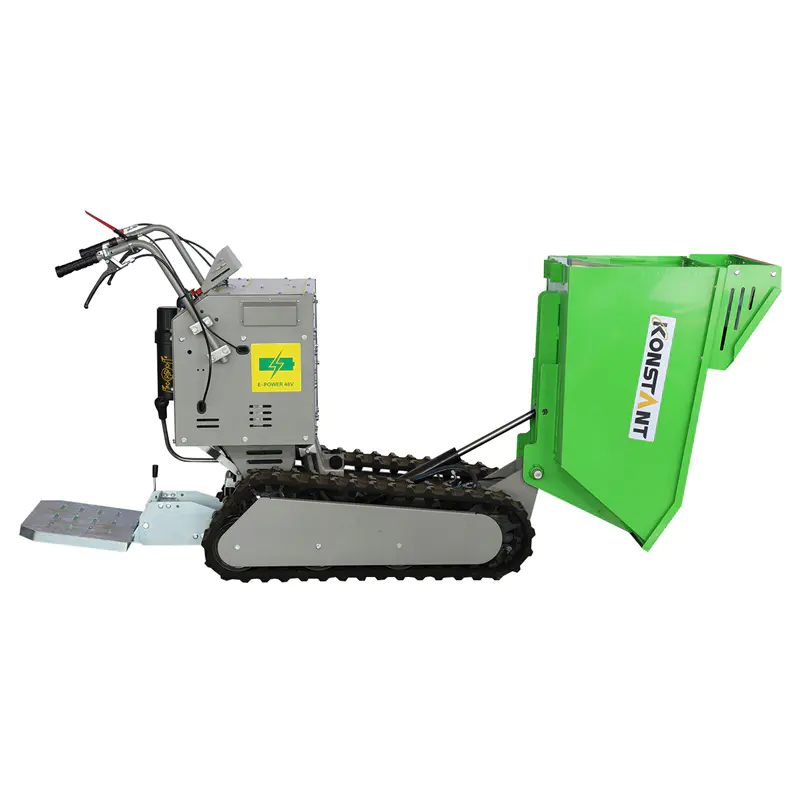
Choosing a supplier of compact tracked dumpers affects more than the initial purchase price. Equipment that arrives with unclear specifications, inconsistent build quality or limited spare-part support quickly becomes a liability on site. Payload rating, drive system, undercarriage design and after-sales arrangements must all align with the intended work. A Mini Dump Truck on Tracks sourced from a manufacturer that can demonstrate controlled production, verifiable test results and ongoing parts availability therefore reduces the risk of downtime and repeated re-ordering.
Why Manufacturer Selection Influences Long-Term Equipment Value
Link Between Build Quality and Field Reliability
Frame integrity, weld consistency, track alignment and electrical assembly determine how the machine behaves under repeated loading and outdoor exposure. Weaknesses in any of these areas appear as early structural fatigue, tracking problems or electrical faults. A manufacturer that documents inspection steps and retains production records makes it possible to trace such issues back to process controls rather than leaving them unexplained.
Need for Specifications That Match the Actual Duty
A dumper intended for short-haul movement of soil and light debris on soft ground requires a different balance of payload, track width and battery capacity from one used on firm surfaces with longer runs. Purchasing against a generic description without confirming these details leads to machines that are either under-utilized or over-stressed. Clear, written specifications allow the buyer to compare the offered machine with the real site constraints.
Value of Sustained Parts and Technical Support
Tracks, motors, controllers and batteries eventually require replacement. A supplier that stocks critical components and can supply operating manuals and wiring information shortens repair time. Absence of such support forces operators to search for substitutes or to idle the machine while parts are sourced from elsewhere.
Assessment of Production Capability
Review of Facilities and Assembly Methods
Evidence of organized assembly lines, dedicated stations for undercarriage, electrical installation and final testing indicates that processes are repeatable. Photographic or video records of these stages, together with a description of the sequence, help the buyer understand how consistency is maintained.
Experience with Electric Tracked Dumpers
Prior production of similar electric machines shows familiarity with battery integration, motor control and the particular demands of low-speed, high-torque drive systems. References to earlier projects or sample machines already in use supply practical confirmation.
Quality Controls Applied During Manufacture
Incoming material checks, in-process dimensional verification and end-of-line functional tests form the basic control framework. A manufacturer that can list the inspection points performed on each unit provides a clearer picture of outgoing quality than one that offers only a general assurance.
Capacity to Fulfill Volume Orders
Bulk purchasers need confidence that delivery dates will be met and that successive batches will remain interchangeable. Information on production scheduling, typical delivery timeframes and the handling of concurrent orders helps gauge whether the supplier can scale without loss of consistency.
Verification of Technical Specifications
Payload Rating and Load-Bearing Structure
The stated payload must be supported by the design of the hopper, the chassis and the tipping mechanism. Structural drawings or load-test descriptions confirm that the rating is based on engineering calculation rather than on nominal volume alone.
Overall Dimensions and Operating Mass
Width, length and height determine access through gates and corridors; total mass affects ground pressure and transport logistics. These figures are checked against the narrowest openings and the softest ground expected on site.
Motor and Drive Arrangement
Motor type, power delivery and the method of speed control influence both gradeability and energy consumption. Compatibility between motor, controller and battery is confirmed so that the drive system operates within its design limits.
Track and Undercarriage Construction
Track width, roller arrangement and the robustness of the frame cross-members govern flotation and durability. Details of track material and tensioning method are reviewed for suitability under the anticipated ground conditions.
Dumping Mechanism and Unloading Action
The tipping system must raise the hopper fully and return it reliably under the rated load. Description of the actuator type and any mechanical locks or end-of-travel stops clarifies how unloading is performed and protected.
Evaluation of Battery and Electric Drive Systems
Battery Chemistry, Voltage and Capacity
Battery type determines charging characteristics, weight and expected service life. Voltage and capacity are matched to the motor demand and to the length of the working day so that the machine can complete its planned cycles.
Charging Method and Practical Runtime
Charger specifications and typical recharge times are examined against the availability of power on site. Runtime estimates are treated as indicative and are adjusted for real load and duty cycle.
Implications of a Maintenance-Free Battery Design
Sealed batteries reduce routine fluid checks yet still require clean terminals, correct charging and protection from physical damage. The term does not remove the need for periodic inspection of the electrical system as a whole.
Compatibility of Motor and Controller
The controller must regulate current and speed in a manner suited to the motor and the battery. Evidence of matched components reduces the likelihood of early electrical faults.
Support for Battery and Electrical Replacement
Availability of replacement batteries, contactors and control boards, together with typical supply times, forms part of the long-term ownership assessment.
Practical Steps to Confirm Quality Before Order
Examination of Frame and Weld Quality
Weld appearance, consistency of bead profile and the absence of cracks or undercut are inspected on sample machines or through detailed photographs. Structural members are checked for straightness and alignment.
Inspection of Track and Chassis Assemblies
Track plates, rollers, idlers and tensioners are examined for fit and for signs of premature wear on demonstration units. Chassis mounting points for the hopper and drive components are verified for rigidity.
Review of Electrical Installation and Protection
Cable routing, connector quality, fusing and the presence of protective covers are assessed. Clear separation of power and control circuits indicates attention to electrical practice.
Request for Functional and Pre-Shipment Tests
A manufacturer that performs and records no-load running, loaded tipping, steering response and basic electrical checks before dispatch provides objective evidence of outgoing condition. The buyer may request that specific tests be included in the inspection protocol.
Confirmation That Delivered Units Match Approved Data
Final specifications, including any agreed options, are compared with the machines prepared for shipment. Discrepancies are resolved before the goods leave the factory.
Warranty, Spare Parts and After-Sales Arrangements
Scope of Warranty on Principal Components
Coverage for the frame, motor, controller and battery is clarified, together with any exclusions related to wear items or misuse. Written terms are preferred over verbal assurances.
Availability of Tracks, Motors and Battery Assemblies
Critical wear and electrical parts must remain obtainable after the initial purchase. Stock levels or realistic delivery timeframes for these items are confirmed.
Quality of Technical Documentation
Operating manuals, wiring diagrams and maintenance schedules that accompany the machine enable correct use and competent local repair. Incomplete documentation shifts the burden onto the operator.
Procedure for Handling Reported Problems
A defined process for receiving fault reports, diagnosing causes and supplying corrective parts or advice indicates how future issues will be managed.
Lead Times for Spare Parts and Support Responses
Expected intervals between order and dispatch of common parts are established so that downtime can be planned for rather than discovered after the event.
Customization and OEM Possibilities
Adjustment of Dimensions and Payload
Where site constraints demand non-standard width or a modified hopper, the manufacturer's ability to alter these features without compromising structural ratings is examined.
Battery and Electrical Options
Alternative battery capacities or connector arrangements may be required for different markets or duty cycles. Feasibility and any effect on certification are confirmed in advance.
Branding, Labelling and Packaging
Private-label markings, language-specific labels and export packaging are agreed in writing so that the delivered product meets the distributor's requirements.
Additional Testing for Custom Configurations
Non-standard machines may need extra functional or safety checks. The scope and cost of such tests are clarified before production begins.
Finalization of the Technical Specification
A complete written specification, including all options and test requirements, is approved by both parties prior to manufacture. Changes after that point are controlled through formal amendment.
Comparison of Quotations and Ownership Costs
Price Comparison on an Equal Specification Basis
Offers are aligned on payload, battery type, track configuration and included accessories before prices are compared. Differences in scope otherwise distort the evaluation.
Inclusion of Battery, Charger and Accessories
The presence or absence of a charger, spare fuses or basic tools affects both initial cost and immediate usability. These items are listed explicitly.
Packaging, Freight and Import Implications
Export packing standards, container loading and any duties or inland transport costs are added to the equipment price so that the landed cost is visible.
Ongoing Expenses for Parts and Routine Operation
Expected consumption of tracks, brushes or other wear items, together with battery replacement intervals, is estimated over a multi-year horizon.
Avoidance of Decisions Driven by Unit Price Alone
A lower initial figure that omits critical components or after-sales support often produces higher total cost once the machine is in service. Full configuration and support terms are therefore weighed together.
Questions That Clarify Manufacturer Capability Before Ordering
- What is the rated payload and how is it verified?
- What battery type and charging system are supplied?
- Which functional tests are completed and recorded before shipment?
- Which spare parts remain available for future maintenance?
- What production time and packaging method apply to the order?
- Can technical drawings, manuals and demonstration videos be provided?
Linking Evaluation Criteria to a Compact Electric Tracked Dumper
A machine sized for small-scale material movement, fitted with electric drive and a tracked undercarriage, addresses many of the access and ground-condition constraints found on residential and landscaping sites. A maintenance-oriented battery design further reduces daily care tasks. Requesting the full specification set against the intended application confirms whether the offered configuration meets the operational and support requirements identified above.
Overview of Manufacturer Evaluation Points
| Evaluation Area | Purpose of the Check | Evidence to Request |
|---|---|---|
| Production process control | Confirms repeatable build quality | Process description, inspection points, sample records |
| Technical specification clarity | Matches machine to site constraints | Payload, dimensions, motor, track and tipping data |
| Battery and drive documentation | Verifies energy system suitability | Battery type, capacity, charger, controller details |
| Pre-shipment testing | Establishes outgoing functional condition | Test checklist and sample reports |
| Spare-parts and warranty terms | Supports long-term availability | Parts list, production turnaround times, written warranty scope |
| Customization and documentation | Enables OEM or special requirements | Option list, drawing approval process, manuals |
Selecting a Supplier That Combines Product Fit with Ongoing Support
Manufacturing capability, clear technical data, verifiable inspection, parts availability and transparent commercial terms together determine whether a mini dumper supplier can support reliable field use. Matching these attributes to the specific payload, ground conditions and duty cycle of the project yields a more durable purchasing decision than comparison of unit price alone. WUXI KONSTANT POWER TECH CO., LTD produces compact electric tracked dumpers for construction and related material-handling tasks. Review of available configurations, battery options, test documentation and support arrangements against the intended application allows selection of a machine and a supply relationship suited to consistent site performance.
Related products

Latest Updates
-
How to Choose a Reliable Mini Dump Truck on Tracks Manufacturer
Choosing a supplier of compact tracked dumpers affects more than the initial purchase price. Equipme...
-
What Makes a Small Tracked Dump Truck Practical for Construction Work
Short-distance movement of soil, sand, gravel and demolition debris is a constant requirement on man...

-
Welcome To Visit Us
No.30, Third Furong Road, Wuxi City, Jiangsu. 214100, China.
-
Call Us
Phone: +86 181-1889-1139
Phone: +86 181-1889-2139
-
Contact Us Online
E-mail: sales@konstantpm.com
E-mail: marketing@konstantpm.com
Copyright WUXI KONSTANT POWER TECH CO., LTD All Rights Reserved
 China Mini Dumpers Manufacturers Power Wheelbarrow Factory