
 English
 русский
 Français
 Español
 Deutsch

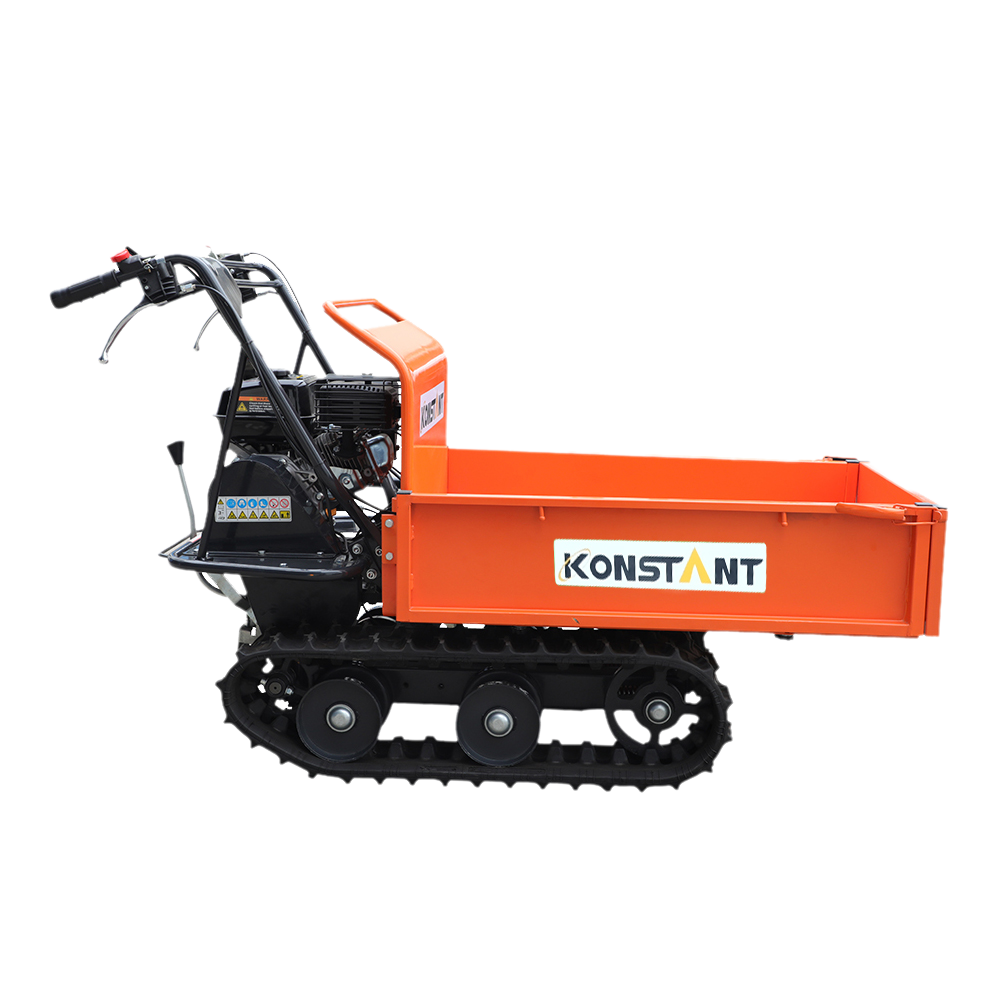
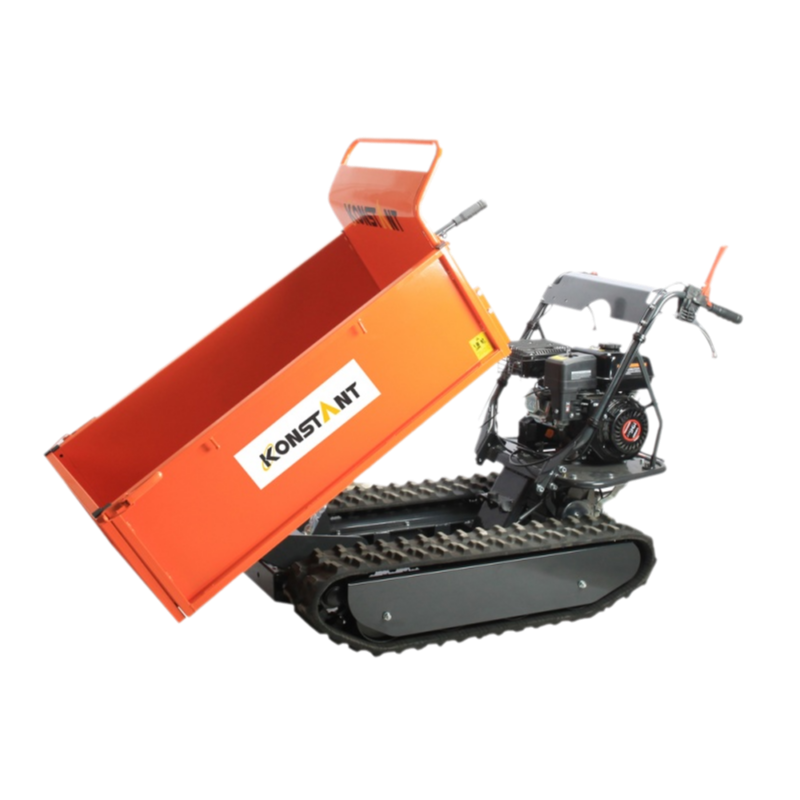
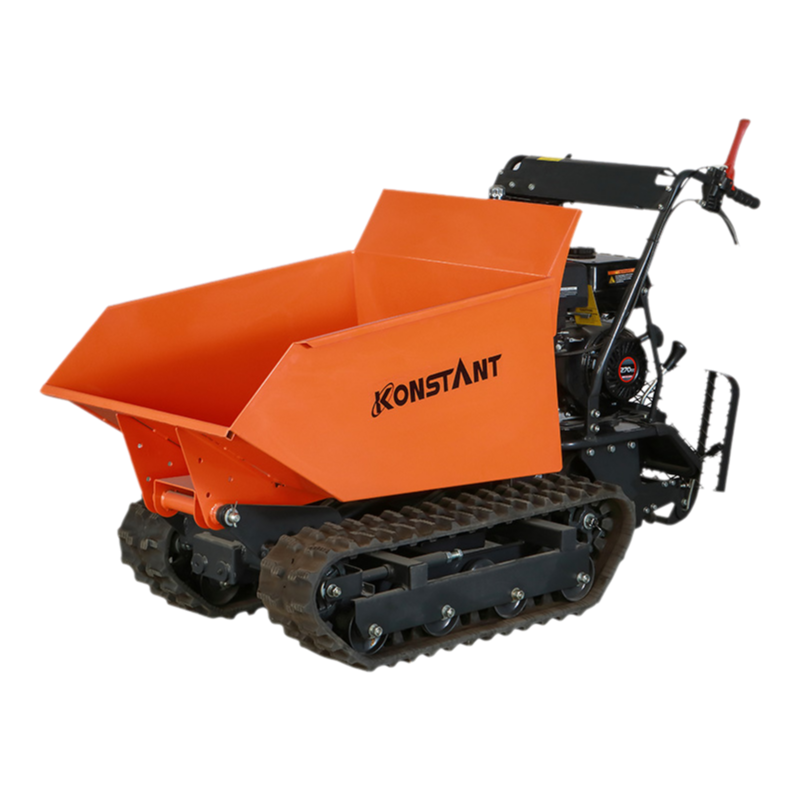
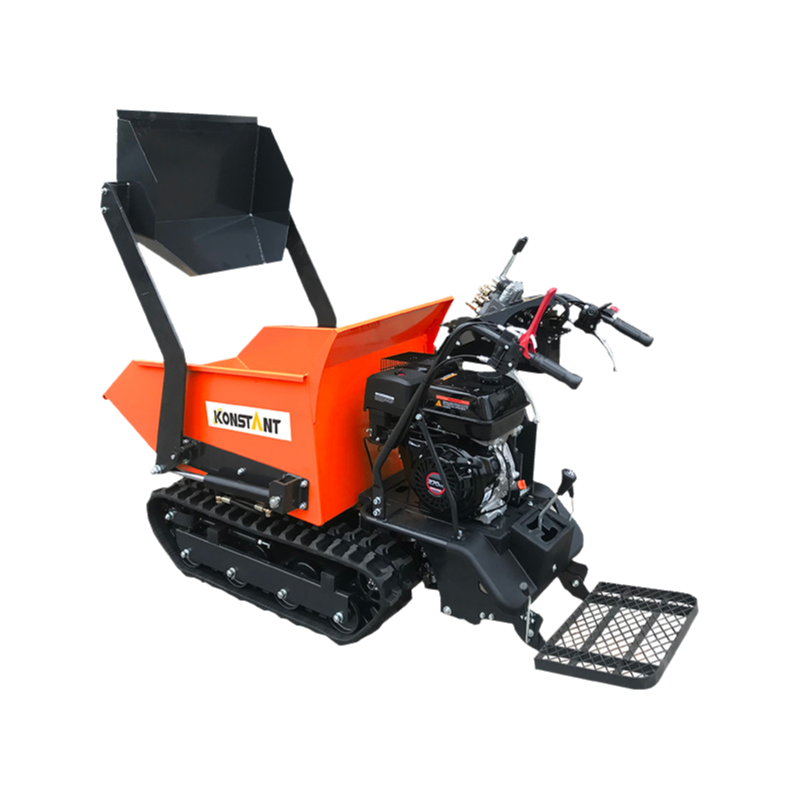
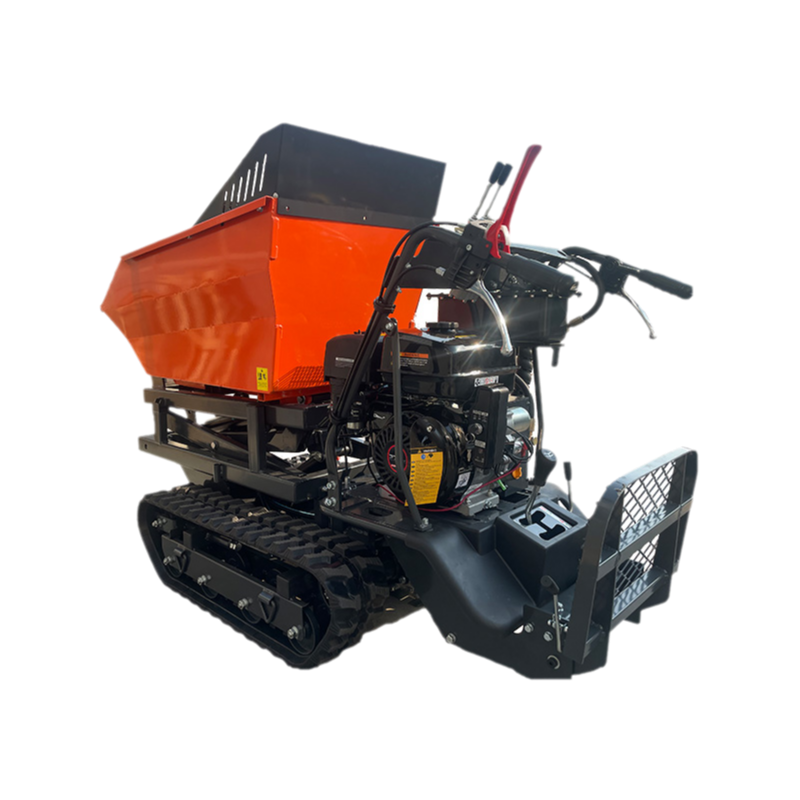
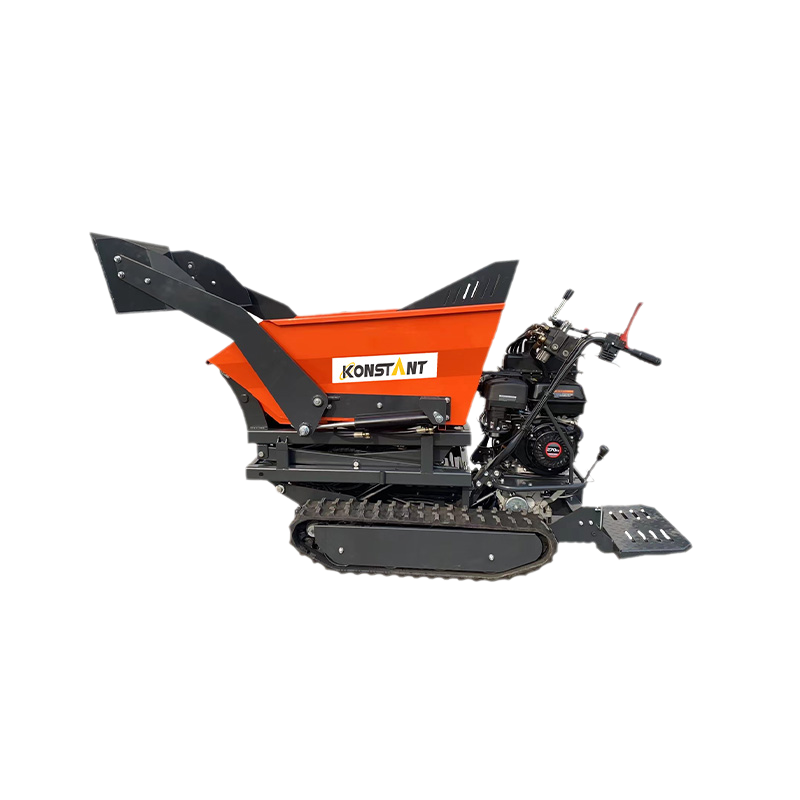
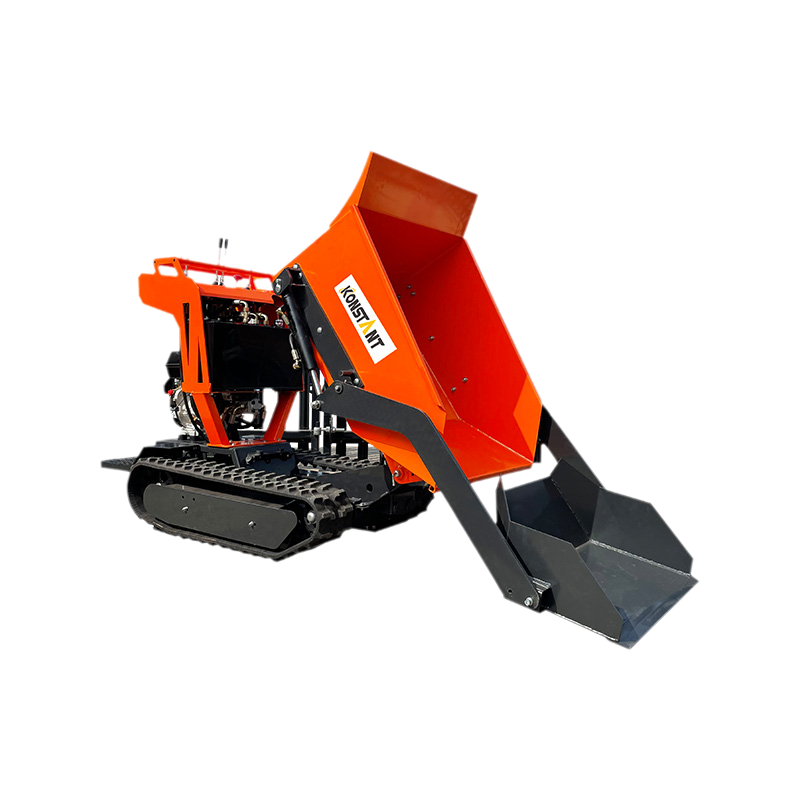
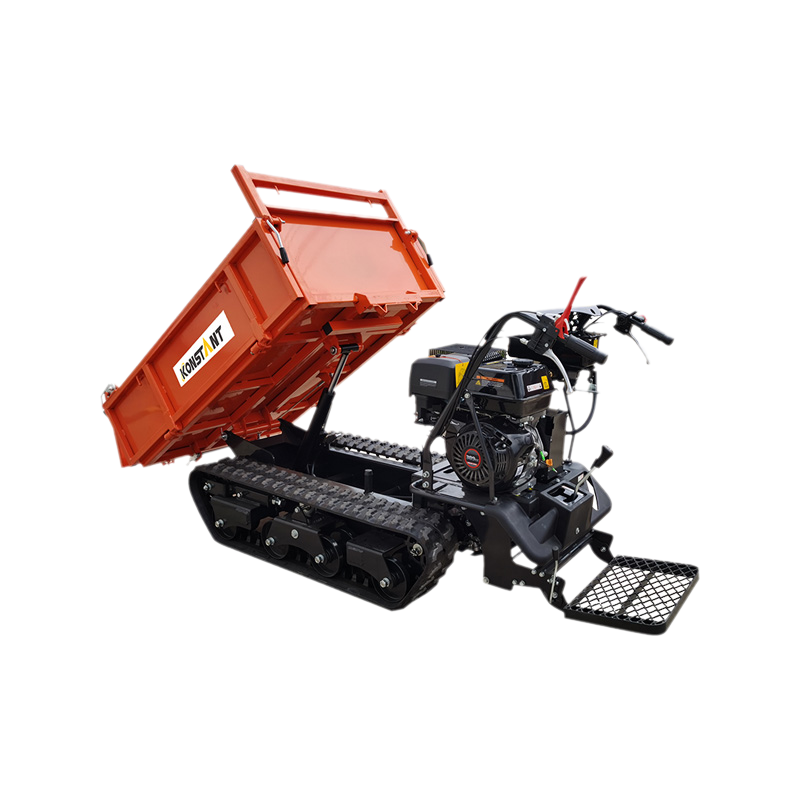
Provide you with the latest enterprise and industry news
Who Should Consider Using a Battery Barrow for Daily Tasks
Update:10-08-2026
Posted by Admin
Content
- 1 Who Deals with Repetitive Transport Tasks Every Day?
- 2 Could Small Teams Work More Comfortably with a Battery Barrow?
- 3 Are Battery Barrows Practical for Home Projects?
- 4 Why Do Experienced Workers Look for Assisted Tools?
- 5 Where Does a Battery Barrow Fit into Daily Work Environments?
- 6 Can Battery Barrows Help During Busy Work Periods?
- 7 What Makes Battery Barrows Suitable for Repetitive Tasks?
- 8 Who Might Not Need a Battery Barrow in Daily Use?
- 9 How Does Daily Use Influence Work Habits?
Moving materials from one spot to another is baked into a lot of everyday jobs. It looks deceptively simple on paper, but stretch that same motion across an entire day and it turns into one of the more draining parts of the work. Doing the same push, over and over, wears people down in ways that aren't always obvious until the fatigue actually sets in.
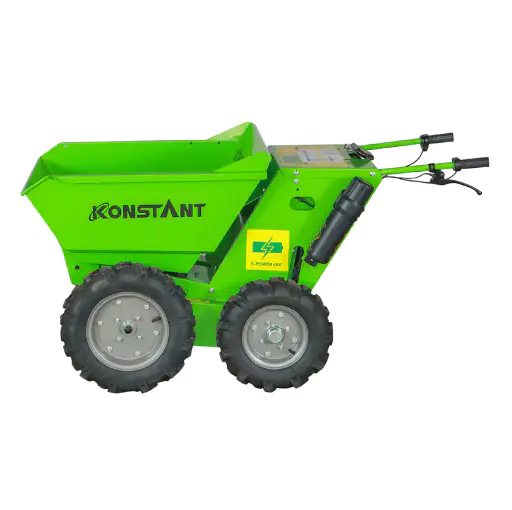
A battery barrow slides into that gap quietly. It doesn't change what the work actually is — the materials still need moving, the trips still need making. What it changes is how the effort gets applied. Instead of relying purely on muscle to push a load, the user gets steady mechanical backup. That's a small shift on paper, but it reshapes how the whole day feels by the time it's done.
The real question here isn't really "what is a battery barrow." It's who actually stands to benefit from having one in their daily routine.
Who Deals with Repetitive Transport Tasks Every Day?
Plenty of jobs run on moving materials back and forth, again and again. None of it is complicated work, exactly — it just eats time and energy in a way that sneaks up on people.
On a construction site, workers are constantly hauling loose materials, tools, or debris from one point to another. Any single trip might feel light enough on its own, but the repetition is what actually builds pressure on the body. By the end of a full shift, that accumulated effort is impossible to ignore.
Landscaping brings a slightly different flavor of the same problem. Workers are dealing with soil, plants, and ground that's rarely flat or firm. Slopes and soft terrain make pushing a loaded barrow genuinely harder than it looks, and that's exactly where a barrow earns its keep — it takes a real bite out of the effort needed to keep things moving forward.
Farms and gardens throw their own version of this at workers too. The tasks shift throughout the day, but the need to transport something — feed, supplies, harvested crops — never really lets up. Having a powered assist helps keep that rhythm going without the constant physical grind wearing someone down.
Could Small Teams Work More Comfortably with a Battery Barrow?
Not every operation has the luxury of just hiring more hands. A lot of small businesses run lean, with a handful of people covering a genuinely wide range of tasks.
That's exactly where cutting down on physical strain starts to matter. A battery lets workers handle loads with noticeably less effort — it's not doing the job for them, but it's taking the edge off every single push.
The knock-on effect tends to show up in workflow. Workers hold a steadier pace instead of gradually slowing down as fatigue creeps in over the day. Jobs that used to need a second person on hand can suddenly become something one person handles just fine.
For a small crew, that kind of support can make the whole day feel a lot less like a grind.
Are Battery Barrows Practical for Home Projects?
Home projects have a way of demanding more effort than people expect going in. Hauling soil, gravel, or building materials gets tiring fast, especially for someone who doesn't do this kind of physical work regularly.
A traditional wheelbarrow demands both balance and real upper-body strength, and that combination makes a lot of people hesitate before even starting. A battery barrow lowers that barrier considerably — it gives handling that feels far more controlled, even for someone without much practice.
DIY work is often a solo affair, too. Without an extra set of hands around, tasks stretch out longer and feel heavier than they should. It essentially fills that gap, offering something close to a second pair of hands without actually needing another person on-site.
That alone makes it a lot easier to get through a project at a pace that doesn't feel punishing.
Why Do Experienced Workers Look for Assisted Tools?
Time on the job changes how people approach physical work. Experience sharpens efficiency, sure, but it also brings a much clearer sense of where the body's limits actually sit.
Tasks that once felt routine can start to feel heavier with the years — and that's not a skill problem at all. It's just a shift in how effort needs to be managed.
It lets an experienced worker keep doing things the way they always have, just with a lot less physical strain attached. It backs up the body while letting the actual skill stay front and center.
There's a practical angle here too. Cutting down on physical pressure genuinely helps avoid the kind of discomfort that builds up over a long workday, and for a lot of workers, that alone is reason enough to bring an assisted tool into the routine.
Where Does a Battery Barrow Fit into Daily Work Environments?
Barrows don't belong to just one setting. They show up wherever moving materials is simply part of the daily grind.
| Environment | Typical Activity | Practical Impact |
|---|---|---|
| Construction Areas | Transporting building materials | Less effort during repeated trips |
| Landscaping Projects | Moving soil and plants | Better handling on uneven ground |
| Agricultural Work | Carrying supplies or harvest | Maintains steady work pace |
| Home Renovation | Handling DIY materials | Simplifies physical tasks |
| Facility Maintenance | Daily transport duties | Supports routine efficiency |
Each of these settings has its own quirks and demands, but the underlying need stays the same across all of them — materials have to move regularly, and cutting the effort down helps keep that consistent day after day.
Can Battery Barrows Help During Busy Work Periods?
Work doesn't run at one steady speed all the time. Some stretches demand faster movement and higher output, and that's exactly when physical fatigue starts showing up a lot sooner than usual.
It softens that pressure considerably. Workers can keep hauling materials without hitting that sharp spike in effort that usually comes with a busier pace.
That support becomes more obvious the longer the stretch runs. Instead of gradually grinding to a slower pace, workers hold something closer to a stable rhythm, with fewer forced pauses breaking up the work.
For teams racing against a tight schedule, that kind of consistency can be the difference between a manageable day and a genuinely brutal one.
What Makes Battery Barrows Suitable for Repetitive Tasks?
Repetition is usually the real source of fatigue, more than the weight of any single load. Even something light starts to feel heavy once it's been hauled back and forth enough times.
A battery barrow cuts down the effort needed for each individual trip. That difference might feel minor at first glance, but stacked across a full day, it adds up into something noticeable.
Workers tend to find they can keep going with fewer interruptions along the way. The body isn't absorbing the same level of strain, and each movement feels a lot more controlled than it would otherwise.
That's really what makes repetitive tasks feel lighter, even when the actual workload hasn't changed at all.
Who Might Not Need a Battery Barrow in Daily Use?
Not every job calls for powered assistance. Short distances and light materials often work just fine with a standard manual wheelbarrow — no need to overcomplicate things.
Some workspaces also simply don't accommodate powered equipment well. Tight quarters or a fairly simple routine don't always gain much from added gear.
Recognizing that helps people make a genuinely practical call. It earns its place when the workload involves frequent hauling or a real, noticeable level of physical effort — not every job clears that bar.
How Does Daily Use Influence Work Habits?
Once a battery barrow becomes part of the daily routine, work habits tend to shift on their own, without much conscious effort.
Workers often start consolidating loads, moving more material in fewer trips. Planning changes slightly too, since effort is no longer the main constraint shaping how a task gets tackled.
Given enough time, these adjustments just feel normal. The tool stops feeling like an addition and settles into being part of how the work simply gets done.
The nature of the work itself never really changes. What changes is how it feels to actually do it — the tasks stay the same, but the effort behind them settles into something a lot more manageable.
Related products

Latest Updates
-
How Does a Mini Dumper Electric Support Modern Material Handling
Material handling is part of almost every construction, landscaping, agricultural, and maintenance...
-
Can a Hydraulic Mini Dumper Improve Material Movement on Uneven Ground
Material movement is part of almost every outdoor project. Construction crews move soil and debris...

-
Welcome To Visit Us
No.30, Third Furong Road, Wuxi City, Jiangsu. 214100, China.
-
Call Us
Phone: +86 181-1889-1139
Phone: +86 181-1889-2139
-
Contact Us Online
E-mail: sales@konstantpm.com
E-mail: marketing@konstantpm.com
Copyright WUXI KONSTANT POWER TECH CO., LTD All Rights Reserved
 China Mini Dumpers Manufacturers Power Wheelbarrow Factory