
 English
 русский
 Français
 Español
 Deutsch


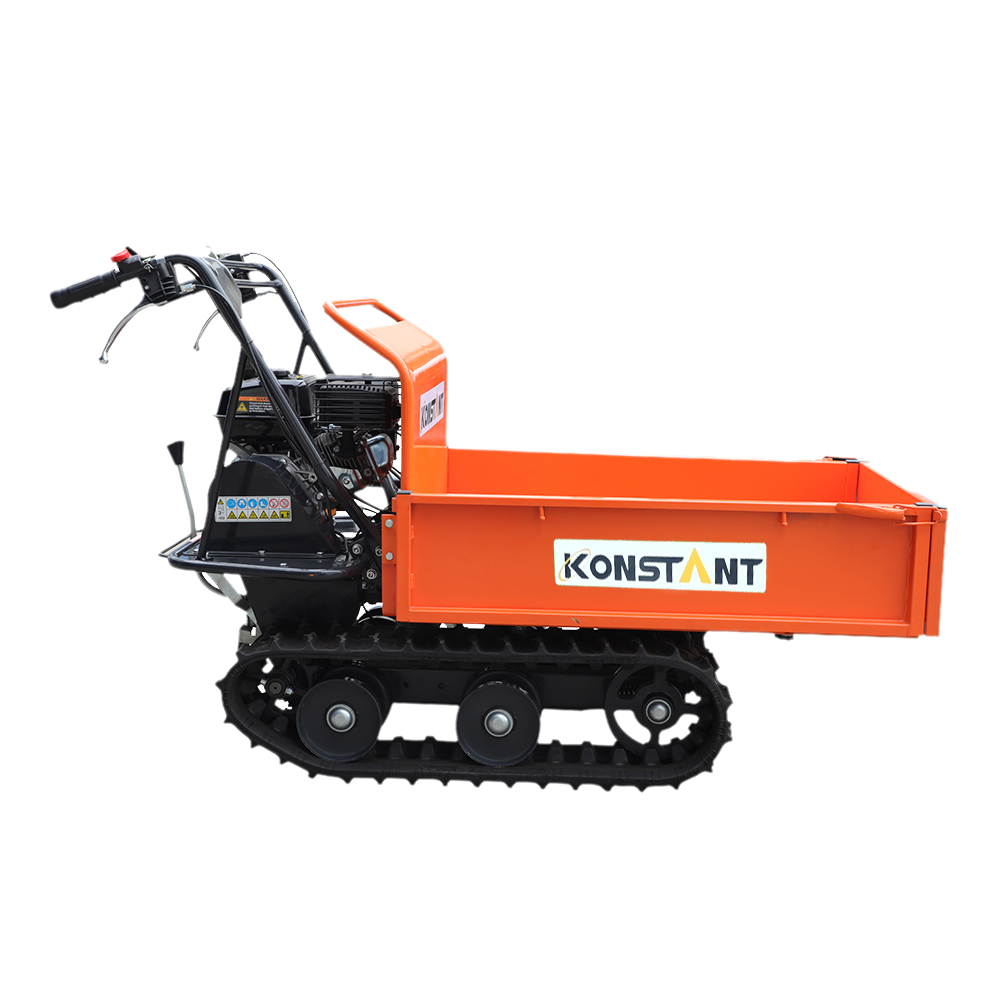
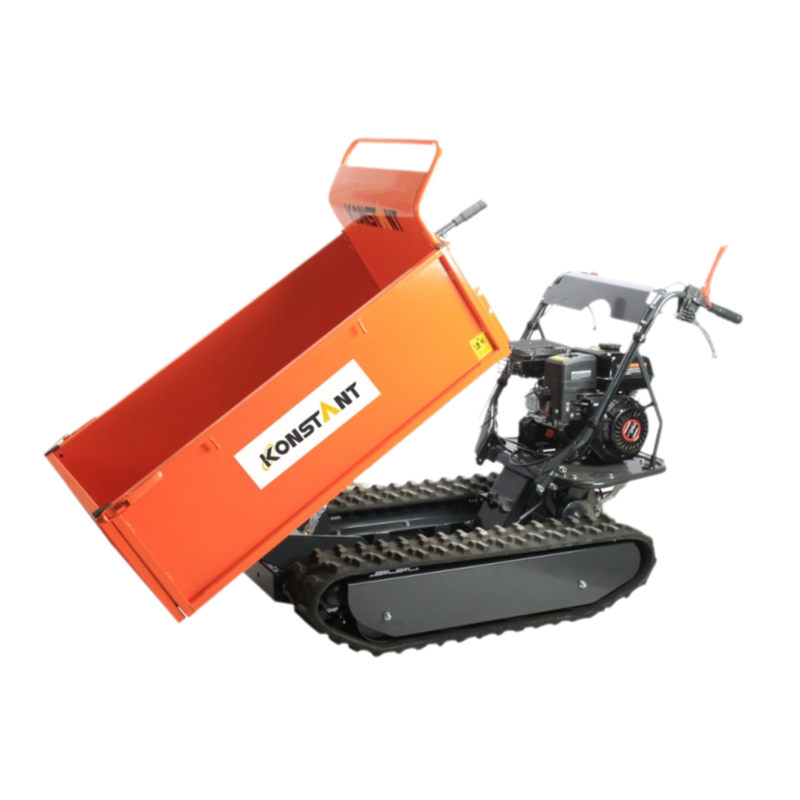
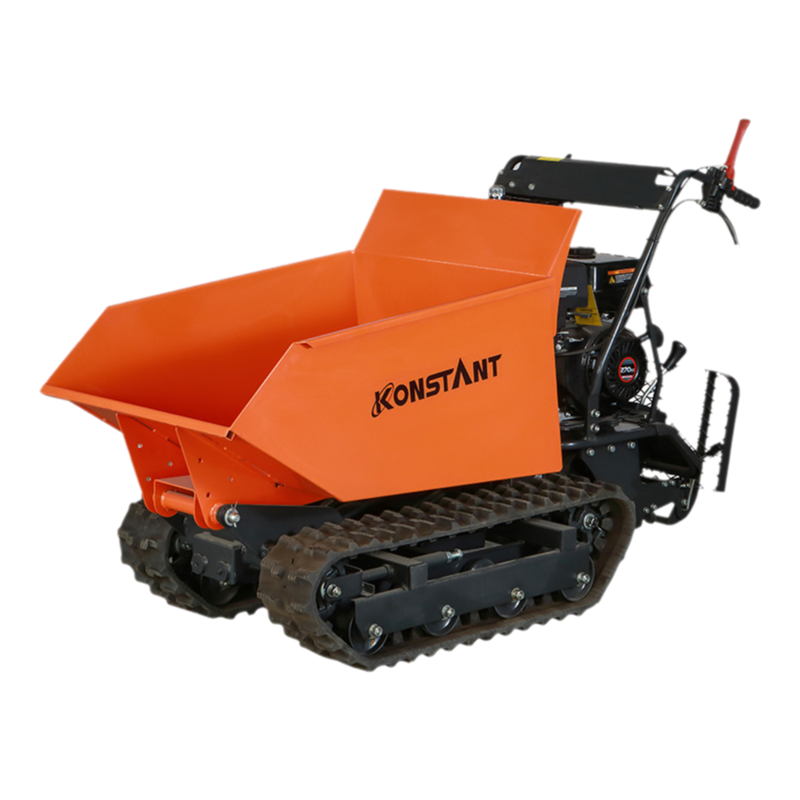
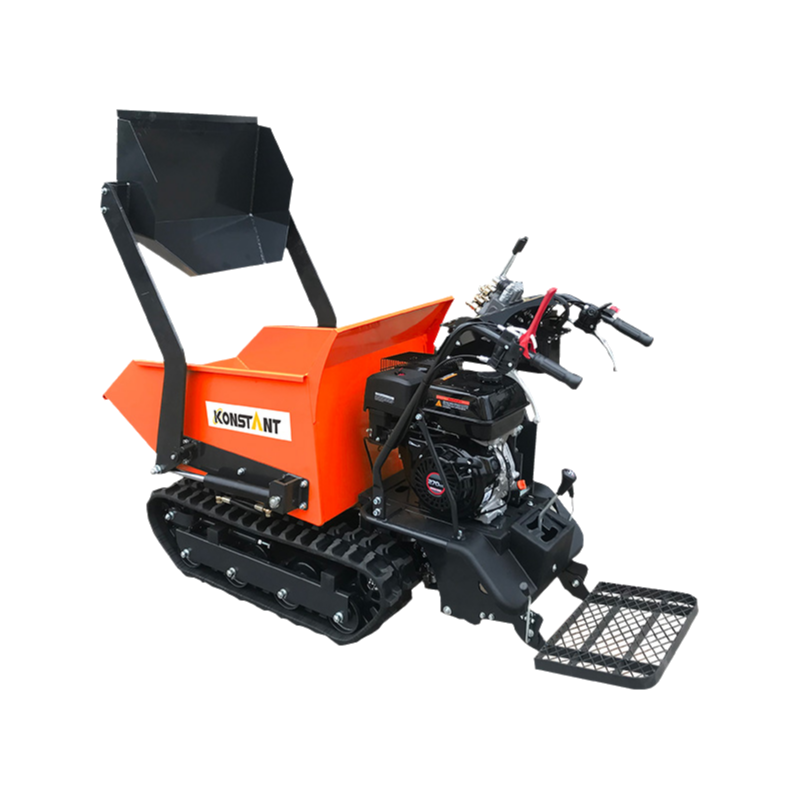
Provide you with the latest enterprise and industry news
Chain Drive vs. Hydraulic Drive in Mini Dumpers: Key Differences
Update:06-11-2026
Posted by Admin
Content
- 1 Chain Drive as a Mechanical Power Path
- 2 Hydraulic Drive as a Fluid Power Path
- 3 Comparison Across Practical Selection Factors
- 4 Matching Drivetrain Choice to the Type of Work
- 5 Evaluation of a Four-Wheel-Drive Chain-Driven Gasoline Model
- 6 Overview of Drivetrain Comparison Points
- 7 Selecting a Mini Dumper by Complete Specification
Power from the engine must reach the wheels before a compact dumper can move material across a site. The path that power takes—through a mechanical chain and sprockets or through a hydraulic circuit—shapes the layout of the machine, the skills needed for maintenance and the way faults appear in service. Neither arrangement is automatically preferable for every task. A Chinese Mini Dumper is therefore judged by how its particular drivetrain matches the terrain, the load and the maintenance resources available on site, not by the label alone.
Chain Drive as a Mechanical Power Path
Sprockets and Chain as the Transmission Link
In a chain-drive system a roller chain runs on sprockets to transfer rotation from a driven shaft to the wheels or to an intermediate axle. Alignment of the sprockets, correct chain tension and adequate lubrication keep the chain on its path and limit wear. When these conditions are maintained, the mechanical path is direct and the operator can often see or reach the chain for inspection. The same principles apply to a four-wheel-drive chain-driven mini dumper, although the exact routing of the chains depends on the individual design.
Maintenance Demands Specific to Chain Systems
Chains elongate with use, links and rollers wear, and lubricant is thrown off or contaminated by dust and mud. Tension must be checked and adjusted; lubrication must be renewed; damaged sections must be replaced before they break. The intervals and methods are given in the machine's documentation. Easy access to the chain run and a reliable supply of matching chain and sprockets reduce the time the machine spends out of service.
Work for Which Chain Drive Is Commonly Considered
Construction sites, landscaping projects and short-haul movement of soil, gravel or mixed debris are typical settings in which chain-drive mini dumpers are evaluated. Suitability still depends on rated payload, tyre equipment, braking, overall width and the manufacturer's operating limits. A chain-drive layout is only one element in that evaluation.
Hydraulic Drive as a Fluid Power Path
Pressurised Fluid as the Means of Transmission
A hydraulic drive uses a pump to pressurise fluid, which is then directed to hydraulic motors at the wheels or axles. Valves control direction and flow; hoses and fittings carry the fluid. The mechanical connection between engine and wheels is replaced by a closed fluid circuit. Designs differ widely: some machines use a single pump and multiple motors, others use different control arrangements. The label "hydraulic" does not describe a single standard layout.
Inspection of Fluid, Hoses and Related Components
Hydraulic systems depend on clean fluid at the correct level, on intact hoses and seals, and on the absence of external leaks. Contamination, overheating or loss of fluid quickly affect performance. Service work follows the manufacturer's instructions and includes safe procedures for relieving pressure before any disconnection. The exact list of checks depends on the system design and on the environment in which the machine operates.
Situations in Which Hydraulic Drive Is Evaluated
Buyers may look at hydraulic-drive machines when they need particular control characteristics, a specific component layout or a duty cycle that matches the hydraulic system's documented ratings. As with chain drive, the decision rests on the full specification—payload, dimensions, traction package and service support—rather than on the drivetrain type in isolation.
Comparison Across Practical Selection Factors
Layout and Access for Service
Chain systems place sprockets and chain runs in locations that must remain accessible for tensioning and lubrication. Hydraulic systems place pumps, valves and hose runs where they can be inspected for leaks and where filters can be changed. The rest of the machine—engine position, load body, operator platform—is arranged around these needs. Reviewing a drivetrain diagram or a parts layout for each candidate model shows where daily and periodic service will actually be performed.
Nature of Routine Maintenance
Chain maintenance centres on mechanical wear, tension and lubrication. Hydraulic maintenance centres on fluid condition, filtration, hose integrity and seal condition. The total time and skill required depend on the quality of the original design, the severity of the duty, the intervals specified by the manufacturer and the cleanliness of the working environment. Neither system is inherently low-maintenance in every application.
Operating Cost Beyond the Purchase Price
Energy losses occur in both mechanical and hydraulic paths. Fuel or energy use, the frequency of consumable replacement (chain and sprockets, or fluid and filters), and the cost of downtime all contribute to the cost of ownership. Documented fuel figures where available, service intervals and parts prices allow a comparison that is grounded in data rather than in assumptions about which drivetrain is more efficient.
Traction on Mixed and Soft Surfaces
The ability to move on mud, gravel or slopes depends on tyre type, weight distribution, load, ground strength and the way drive torque is delivered to the wheels. Four-wheel drive can help, whether the final drive is chain or hydraulic, but the drivetrain label alone does not determine performance. Published operating limits and, where possible, experience with similar machines on similar ground remain the safer guides.
Availability of Parts and Technical Support
A machine earns its keep only when it can be repaired promptly. Compatible chain, sprockets, hydraulic hoses, seals and filters must be obtainable, and technical advice must be available when a fault is not obvious. Checking the parts list, the maintenance manual and the supplier's support arrangements before purchase reduces the risk of extended downtime later.
Matching Drivetrain Choice to the Type of Work
General Construction and Material Movement
Payload, distance, frequency of trips and the nature of the ground define the duty. Candidate machines—whether chain-driven or hydraulically driven—are compared on the same set of requirements. The drivetrain becomes a secondary differentiator once payload, dimensions and operating limits have been shown to fit the job.
Landscaping and Confined Access
Overall width, turning radius, tyre choice and the ability to discharge material in tight spaces often matter as much as the drivetrain. A compact machine with a suitable drive system is selected only after the physical envelope and the manoeuvring needs have been confirmed against the site.
Uneven or Inclined Ground
Gradient limits, braking performance, load security and tyre equipment govern safety on slopes. Neither chain nor hydraulic drive removes the need to respect those limits. Application guidance from the manufacturer, based on the specific model, is requested when the intended work includes significant inclines.
Evaluation of a Four-Wheel-Drive Chain-Driven Gasoline Model
Confirmation of How the Wheels Are Driven
Four-wheel drive can be arranged in more than one way. The technical description of the selected model clarifies which wheels receive power and under what conditions. Tyre specification, braking system, ground clearance and stated operating limits complete the traction picture.
Combined View of Engine and Chain Drive
The engine, the chain transmission, the rated payload and the expected duty cycle form one system. Engine maintenance requirements, chain inspection intervals and the manufacturer's operating instructions are read together so that the ownership commitment is understood before purchase. A compact four-wheel-drive chain-driven gasoline mini dumper is assessed in exactly this way: as a complete machine, not as a drivetrain type in isolation.
Payload, Size and Fit to the Task
Rated payload, overall dimensions, the design of the load body and the method of dumping determine whether the machine can handle the intended materials in the intended spaces. These figures are compared with the real loads and the real site constraints rather than with a generic idea of what a mini dumper should do.
Questions That Clarify Drivetrain Suitability
- Which drivetrain configuration does the model use?
- What are the rated payload and the documented operating limits?
- What routine inspections and maintenance steps are required?
- Which replacement parts are listed and what service support is offered?
- What are the overall dimensions, turning needs and unloading arrangements?
- What documentation confirms suitability for the intended terrain and work pattern?
Overview of Drivetrain Comparison Points
| Factor | Chain-Drive Emphasis | Hydraulic-Drive Emphasis |
|---|---|---|
| Power path | Mechanical chain and sprockets | Pressurised fluid and hydraulic motors |
| Typical daily checks | Tension, lubrication, visible wear | Fluid level, leaks, hose condition |
| Service skills | Mechanical adjustment and chain replacement | Hydraulic hygiene, pressure safety, seal and hose work |
| Layout implications | Access to chain runs and sprockets | Access to pump, valves, filters and hose routes |
| Traction outcome | Depends on full machine design, not chain alone | Depends on full machine design, not hydraulics alone |
| Parts and support | Chain, sprockets, related mechanical parts | Fluid, filters, hoses, seals, hydraulic components |
Selecting a Mini Dumper by Complete Specification
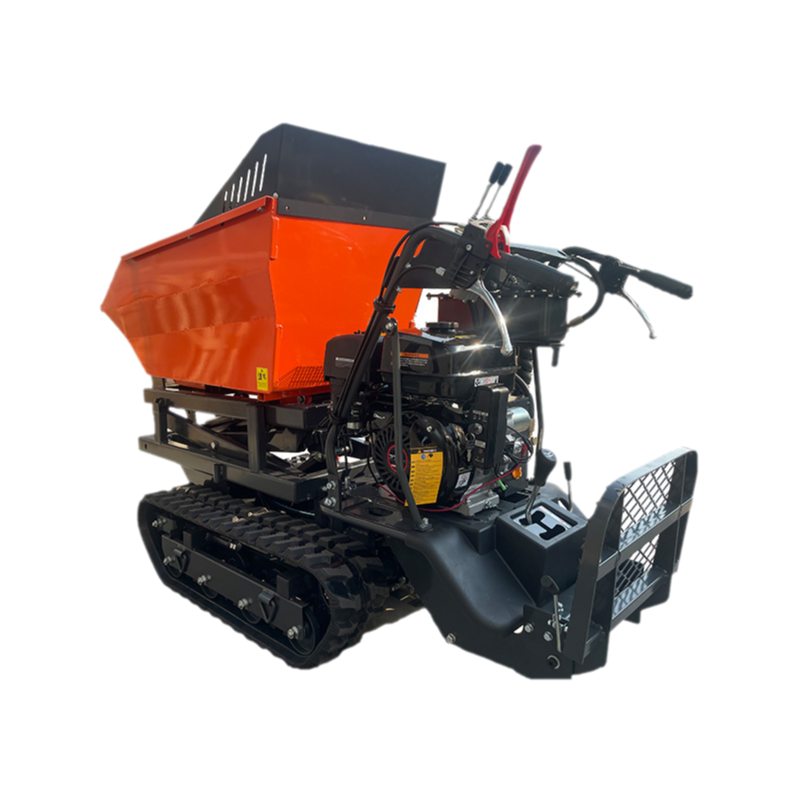
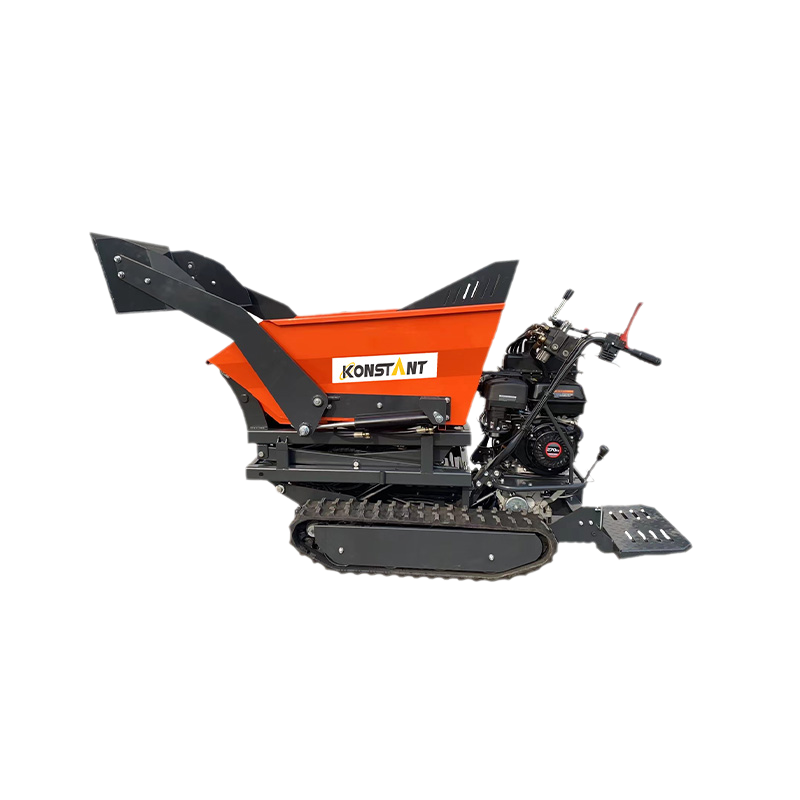
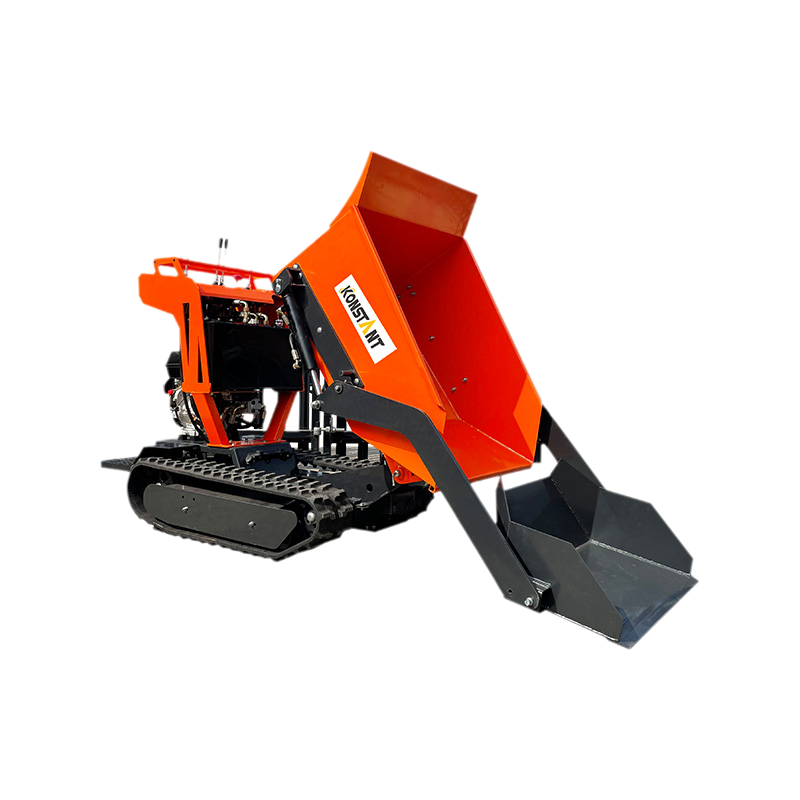
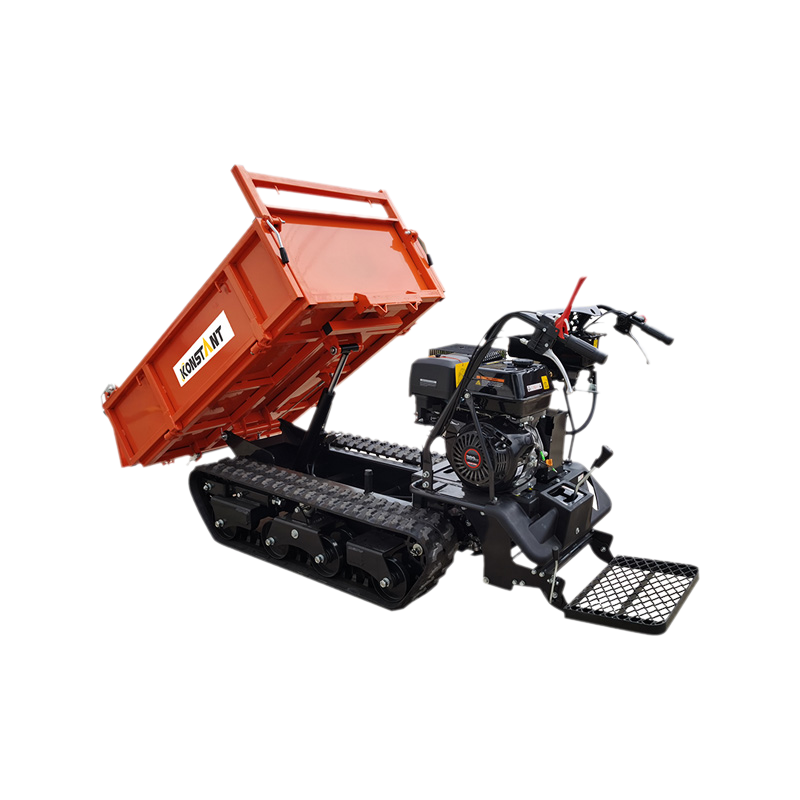
Chain drive and hydraulic drive solve the same problem—moving power from the engine to the wheels—by different means. The practical differences appear in maintenance routines, component layout, parts logistics and the way the rest of the machine is arranged around the drivetrain. A sound choice rests on rated payload, dimensions, documented operating limits, service support and the real conditions of the site. A 4x4 Mini Dumper with a chain drive is one option among others when its full specification matches the work. WUXI KONSTANT POWER TECH CO., LTD produces compact four-wheel-drive mini dumpers for construction and landscaping material transport. Review of drivetrain type, payload rating, dimensions and operating limits against the intended terrain and duty cycle supports selection of a machine whose power path and overall design fit the required application.
Related products

Latest Updates
-
Chain Drive vs. Hydraulic Drive in Mini Dumpers: Key Differences
Power from the engine must reach the wheels before a compact dumper can move material across a site....
-
What to Check Before Using a 4x4 Mini Dumper on Steep Slopes
Sloped ground changes the way a compact dumper behaves under load. Traction, braking distance and th...

-
Welcome To Visit Us
No.30, Third Furong Road, Wuxi City, Jiangsu. 214100, China.
-
Call Us
Phone: +86 181-1889-1139
Phone: +86 181-1889-2139
-
Contact Us Online
E-mail: sales@konstantpm.com
E-mail: marketing@konstantpm.com
Copyright WUXI KONSTANT POWER TECH CO., LTD All Rights Reserved
 China Mini Dumpers Manufacturers Power Wheelbarrow Factory