
 English
 русский
 Français
 Español
 Deutsch


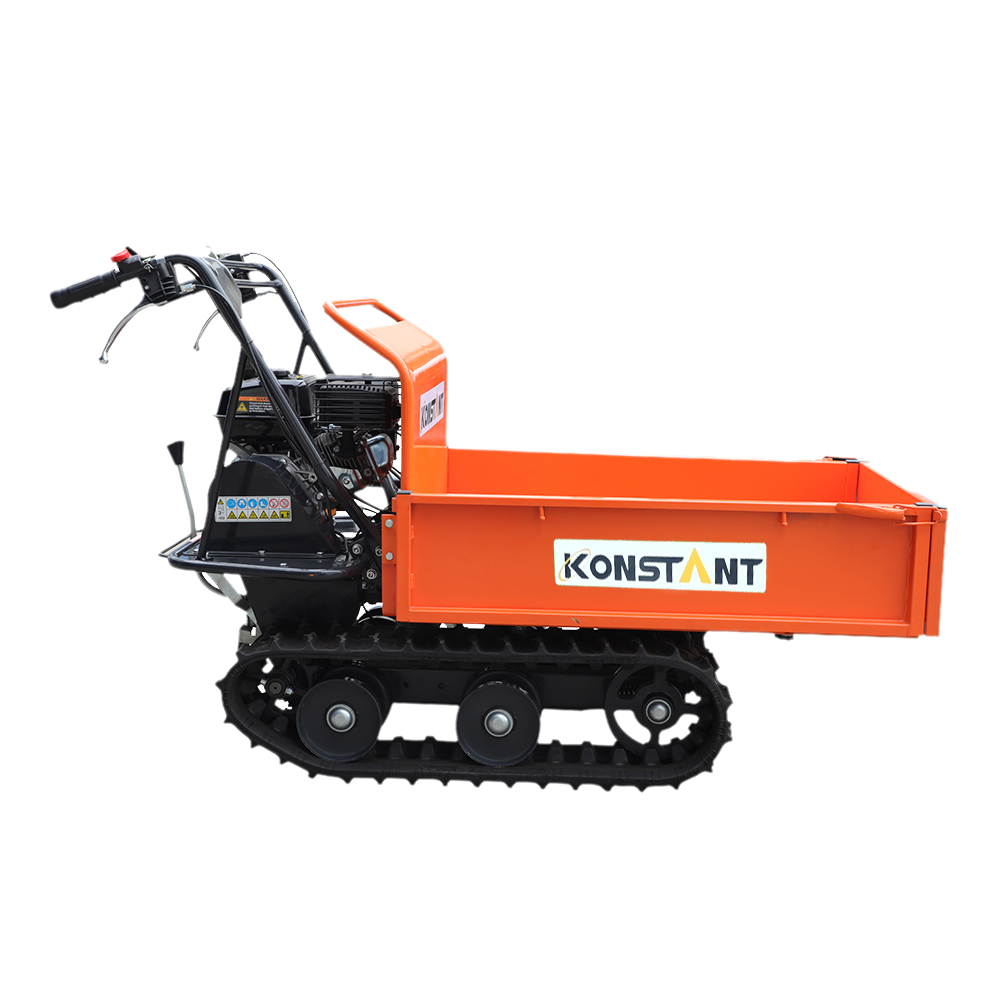
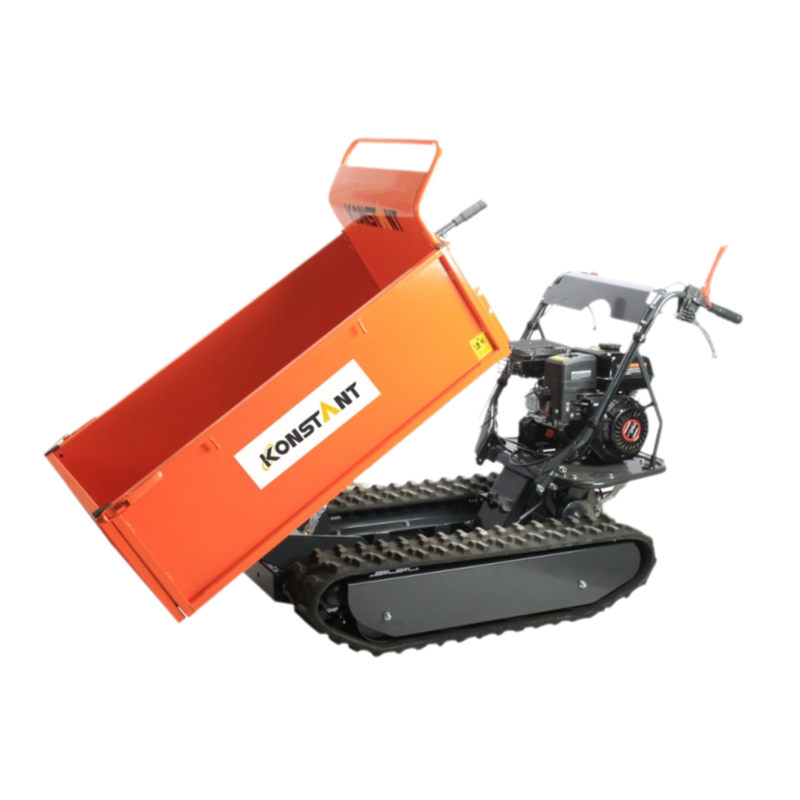
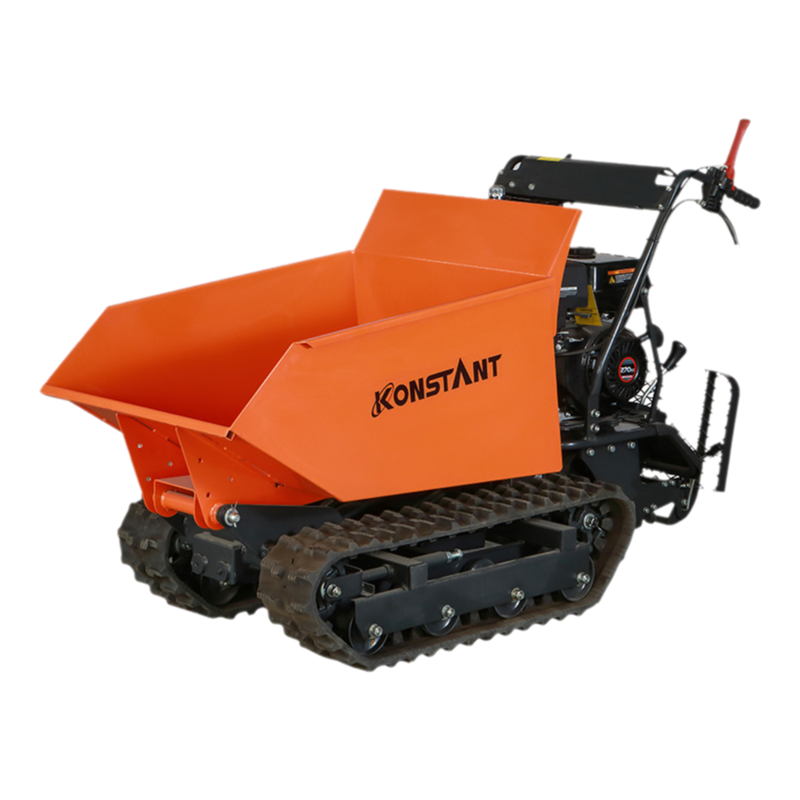
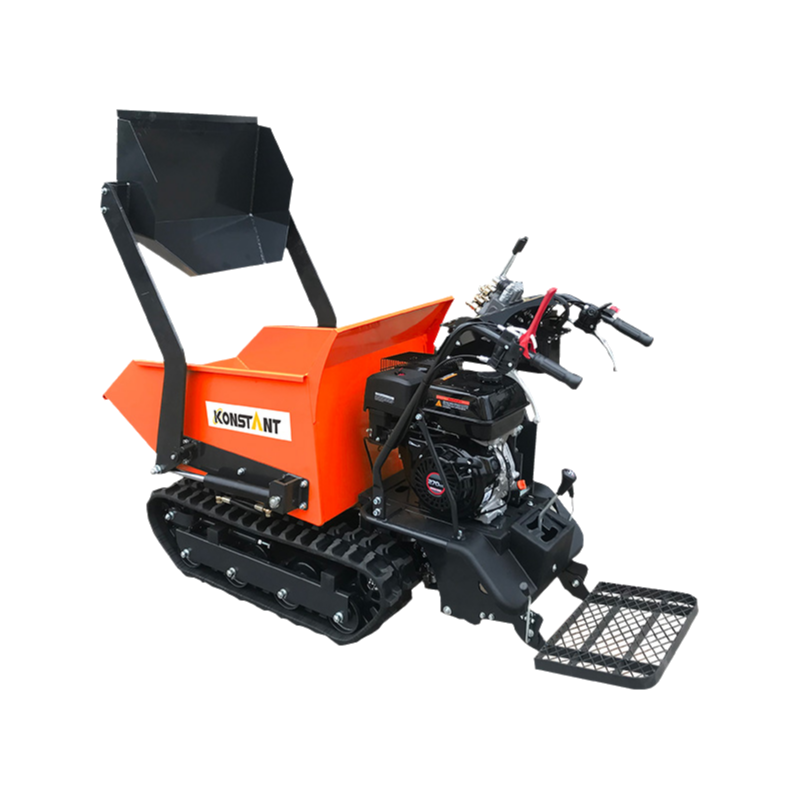
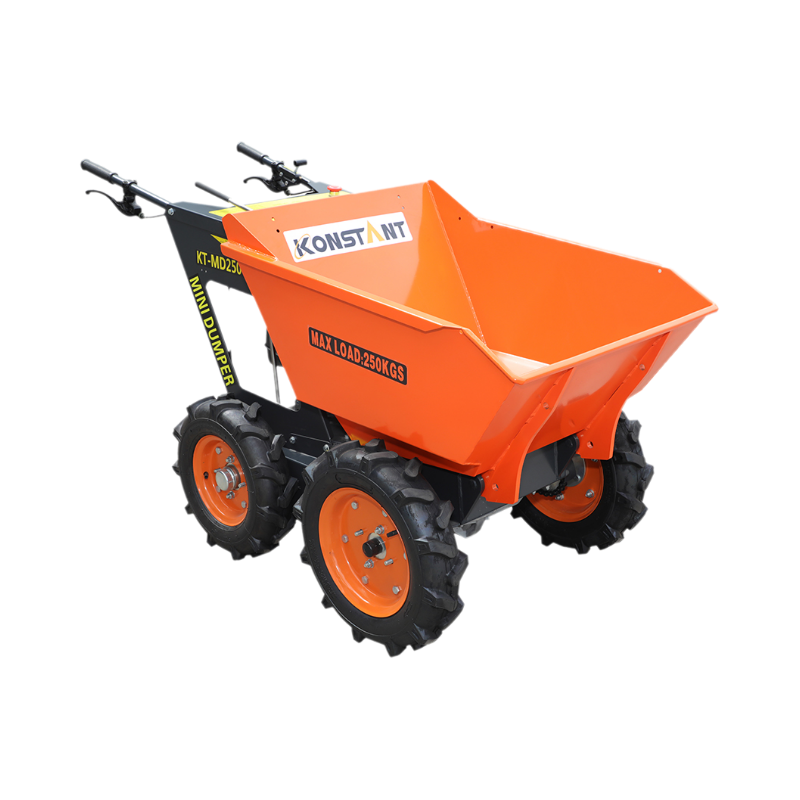
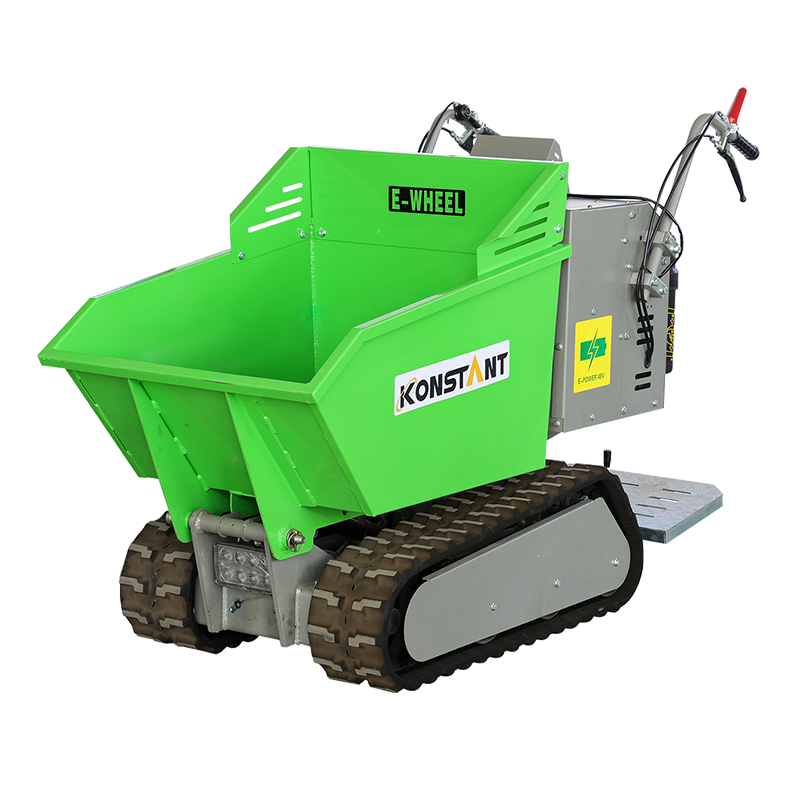
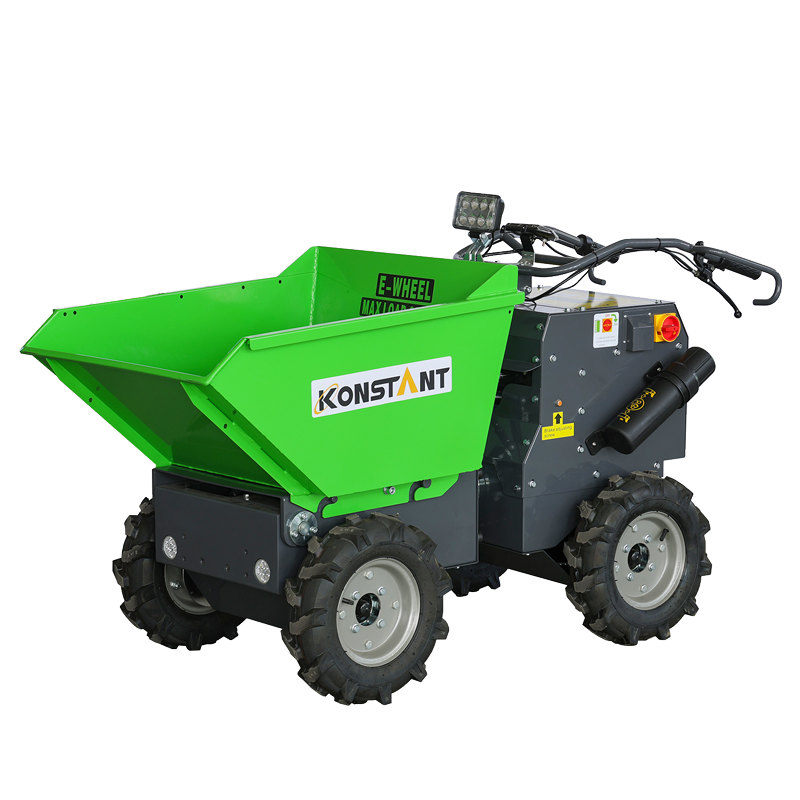
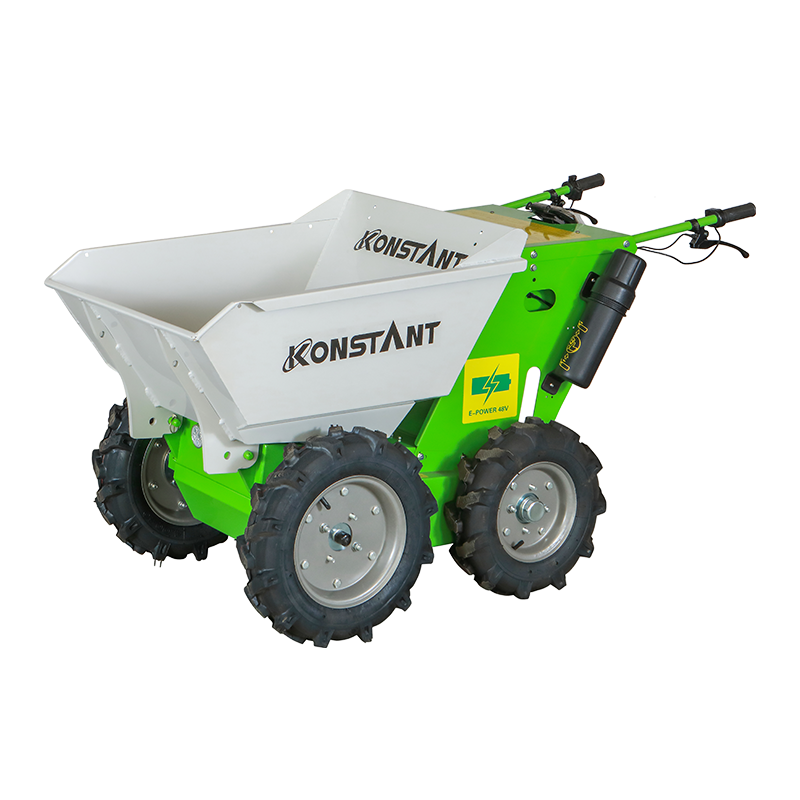
Provide you with the latest enterprise and industry news
What to Check Before Using a 4x4 Mini Dumper on Steep Slopes
Update:02-11-2026
Posted by Admin
Content
- 1 Assessment of Gradient and Ground Surface
- 2 Machine Inspection Before the Engine Is Started
- 3 Influence of Load on Stability on Gradients
- 4 Operating Practices That Reduce Risk on Slopes
- 5 Four-Wheel Drive and Chain Drive in Context
- 6 Evaluation of a Compact Four-Wheel-Drive Gasoline Dumper
- 7 Overview of Pre-Use Checks for Sloped Operation
- 8 Combining Site Assessment With Machine Readiness
Sloped ground changes the way a compact dumper behaves under load. Traction, braking distance and the position of the centre of gravity all shift as the gradient increases. Loose soil, gravel and sudden changes in level add further uncertainty. Four-wheel drive improves the distribution of drive effort across the wheels, yet it does not remove the need to respect the machine's documented limits or to inspect the route before each run. A Chinese Mini Dumper intended for material transport is therefore prepared for slope work through a combination of site assessment, machine inspection and controlled operating practice.
Assessment of Gradient and Ground Surface
Comparison of Slope Angle With Documented Limits
The manufacturer states the steepest gradient on which the machine may be operated. That figure is compared with the actual slope before any loaded travel begins. Slope length, intermediate changes of angle and transitions from flat to incline all affect stability. Where the gradient cannot be judged reliably, or where it clearly exceeds the stated limit, an alternative route or a different method of moving material is chosen.
Surface Condition and Its Effect on Traction
Loose soil, dry gravel, wet clay and freshly disturbed ground reduce the grip available to the tyres. Steering response can become vague and braking distances can lengthen. The planned path is walked or inspected so that soft patches, standing water and loose aggregate are identified. A firmer line is selected wherever one exists, even if it is slightly longer.
Obstacles and Breaks in Ground Continuity
Holes, embedded rocks, deep ruts, soft shoulders and abrupt drops can lift a wheel or tip the machine off its intended line. Edges of excavations and embankments deserve particular caution because the ground may not support the weight of a loaded dumper. Where practical, obstacles are cleared or marked and the route is adjusted to keep all four wheels on stable material.
Machine Inspection Before the Engine Is Started
Tyres, Wheels and Contact With the Ground
Tyre condition, correct inflation where the design requires it, and the security of wheel fasteners are checked. Cuts, exposed cords or missing fasteners are corrected before the machine is used. Tyre type and tread must suit the surface that will be traversed; a pattern that works on compacted site roads may perform differently on loose fill.
Chain Drive and Related Transmission Elements
On a chain-driven machine the chain's tension, lubrication, alignment and visible wear are inspected according to the maintenance schedule. Slack, dry or damaged chain links can cause loss of drive or sudden mechanical failure. Unusual noise or movement in the drivetrain is investigated and resolved before the dumper is put to work on a slope.
Engine, Brakes, Steering and Operator Controls
Fuel system integrity, engine response, brake effectiveness, steering free play and the operation of all controls are verified. Any defect that reduces the ability to stop, steer or control engine speed is treated as a reason to keep the machine out of service until it is corrected. The operator manual supplies the correct sequence for these checks and for starting.
Dump Body and Load Retention
The dump mechanism, its pivots, any hydraulic or mechanical lift components and the means of securing the body in the lowered position are examined. A body that can rise unexpectedly or that cannot be locked down introduces a serious hazard on an incline. The load itself is kept within the rated capacity and is arranged so that it will not shift in transit.
Influence of Load on Stability on Gradients
Respect for Rated Payload
Exceeding the stated payload increases braking distance, reduces the margin of stability and places extra stress on the drivetrain and chassis. The weight of the material being carried—whether soil, gravel, sand or mixed concrete—is estimated so that the total remains inside the rated limit. Capacity ratings apply on level ground under defined conditions; they do not by themselves guarantee safe behaviour on every slope.
Even Distribution Within the Load Body
Material piled high on one side or concentrated at the front or rear alters the balance of the machine. On a gradient that imbalance can become critical. The load is spread evenly across the floor of the body and is kept below the level at which it can spill over the sides during travel or when the machine pitches on uneven ground.
Behaviour of Different Materials in Motion
Dry gravel may settle little; wet soil or fluid concrete can surge when the machine brakes or turns. The operator observes how the particular material moves during a short trial on level ground before committing to a sloping route. Materials that remain unstable are either consolidated, reduced in volume or moved by another method.
Operating Practices That Reduce Risk on Slopes
Route Planning Before the First Loaded Trip
The path from loading point to unloading point is chosen in advance. Turning places, passing points and the final dumping location are identified, together with any sections that must be avoided. Unnecessary manoeuvres on the gradient itself are eliminated. Travel direction—whether up, down or across the slope—follows the limits and recommendations given by the manufacturer.
Controlled Use of Throttle, Brakes and Steering
Sudden acceleration can spin wheels and lose traction; sudden braking can lock wheels or shift the load; sharp steering inputs can break adhesion on loose surfaces. Movement is kept steady, with early, progressive use of the controls. Four-wheel drive improves the chance of maintaining traction, yet it cannot prevent sliding or overturning if speed and direction are mismanaged.
Exclusion of People From the Path and the Dump Zone
Other workers remain outside the line of travel and outside the area that would be affected if the machine tipped or the load spilled. Communication between the operator and anyone nearby is established before movement begins. Site rules and the machine's operating instructions both apply.
Conditions for Dumping on or Near a Slope
Raising a loaded body raises the centre of gravity and reduces stability. Dumping is therefore performed only on ground that is firm, level enough for the purpose, and within the manufacturer's stated limits. If the only available discharge point is on a gradient, the risk is reassessed and, where necessary, the material is moved to a safer location before the body is raised.
Four-Wheel Drive and Chain Drive in Context
Contribution of Four-Wheel Drive to Traction
Four-wheel drive directs engine torque to all four wheels according to the design of the drivetrain. On mixed or loose surfaces this can help maintain motion when a two-wheel-drive machine would dig in. Actual grip still depends on tyre condition, surface strength, load distribution and the way the machine is driven. Drive configuration is one factor among several, not a guarantee of safety on steep ground.
Maintenance Implications of a Chain Drive
Chain drives require regular attention to tension, lubrication and wear. A chain that is neglected can jump, break or impose shock loads on sprockets and bearings. Inspection routines that include the chain support reliable operation and allow replacement to be planned rather than forced by failure on site.
Matching Machine Characteristics to the Terrain
Slope work demands attention to gradient limits, overall width, rated payload, tyre equipment, braking system and the operator's ability to see and control the machine. A compact 4x4 Mini Dumper is evaluated against these points for each site. Documented slope limits are confirmed before the machine is committed to inclined routes.
Evaluation of a Compact Four-Wheel-Drive Gasoline Dumper
Review of Technical Data Against Site Demands
Rated payload, engine type, overall dimensions, drivetrain layout, braking arrangements and any stated slope restrictions are compared with the gradients, materials and distances involved in the work. Figures that are not supported by the product documentation are not assumed.
Alignment With the Materials and the Duty Cycle
The nature of the material—concrete, soil, gravel, landscaping bulk or mixed construction debris—affects loading method, risk of spillage and the suitability of the dump body. Travel distance, frequency of trips and the layout of loading and unloading points further influence whether a given machine is practical for the job.
Information Requested Before Purchase
The operator manual, maintenance schedule, description of the drivetrain, safety notices and any other technical documents are obtained and read. Suitability for the intended environment is confirmed with the supplier on the basis of those documents and of a clear description of the site and the materials to be moved.
Overview of Pre-Use Checks for Sloped Operation
| Check Area | Purpose | Action |
|---|---|---|
| Gradient vs stated limits | Keep operation inside design envelope | Measure or judge slope; decline routes that exceed limits |
| Surface strength and traction | Maintain steering and braking capability | Inspect path; choose firm ground; avoid soft edges |
| Tyres and wheel security | Ensure consistent contact with the ground | Check condition, inflation, fasteners |
| Chain and drivetrain | Preserve drive integrity | Inspect tension, lubrication, wear, noise |
| Brakes, steering, controls | Retain ability to stop and direct the machine | Test response; correct faults before use |
| Payload and load distribution | Limit adverse effects on balance and braking | Stay within rating; spread material evenly |
| Route and dumping location | Reduce manoeuvres and instability at discharge | Plan path; dump only on suitable ground |
Combining Site Assessment With Machine Readiness
Safe use of a compact dumper on sloping ground rests on knowing the gradient, judging the surface, confirming that the machine is mechanically sound, and keeping the load inside the rated capacity and evenly placed. Four-wheel drive and a maintained chain drive support traction and reliability, yet they do not replace the manufacturer's operating limits or the need for careful route planning. WUXI KONSTANT POWER TECH CO., LTD produces compact four-wheel-drive mini dumpers for material transport on construction and landscaping sites. Review of rated payload, drivetrain configuration, documented slope limits and overall dimensions against the actual terrain and materials supports selection of a machine suited to controlled operation on inclined ground.
Related products

Latest Updates
-
What to Check Before Using a 4x4 Mini Dumper on Steep Slopes
Sloped ground changes the way a compact dumper behaves under load. Traction, braking distance and th...
-
How to Choose a Reliable Mini Dump Truck on Tracks Manufacturer
Choosing a supplier of compact tracked dumpers affects more than the initial purchase price. Equipme...

-
Welcome To Visit Us
No.30, Third Furong Road, Wuxi City, Jiangsu. 214100, China.
-
Call Us
Phone: +86 181-1889-1139
Phone: +86 181-1889-2139
-
Contact Us Online
E-mail: sales@konstantpm.com
E-mail: marketing@konstantpm.com
Copyright WUXI KONSTANT POWER TECH CO., LTD All Rights Reserved
 China Mini Dumpers Manufacturers Power Wheelbarrow Factory