
 English
 русский
 Français
 Español
 Deutsch

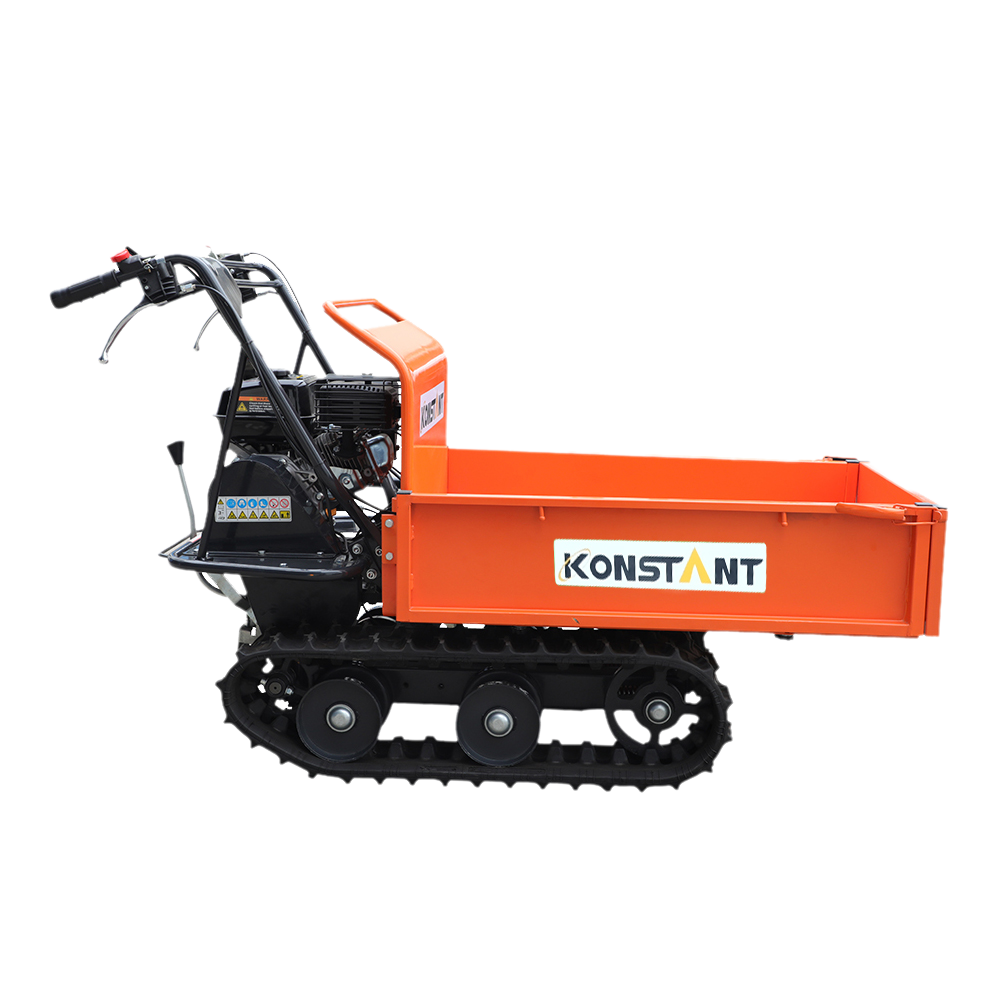
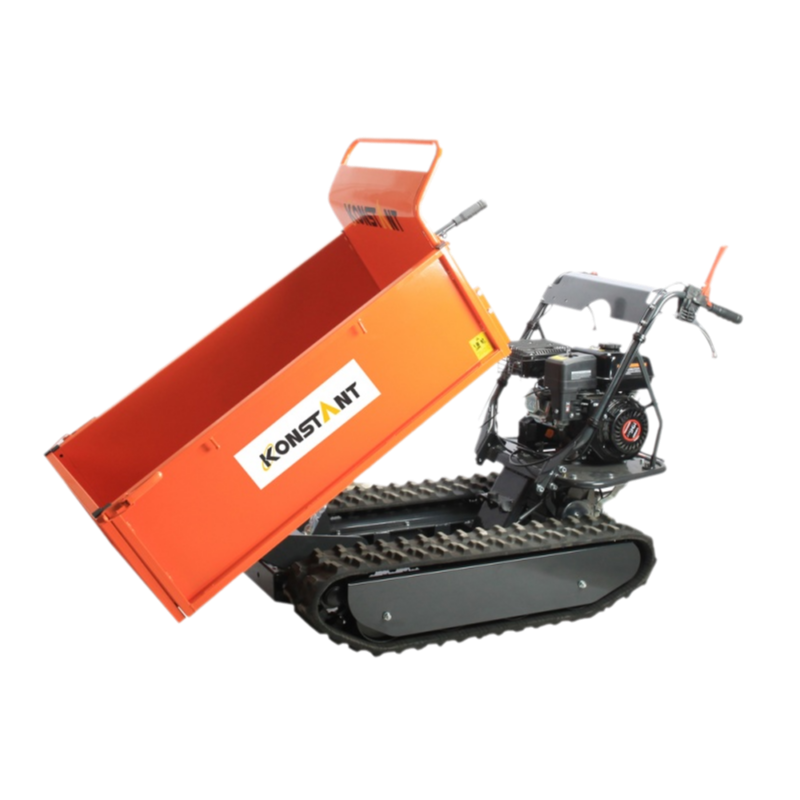
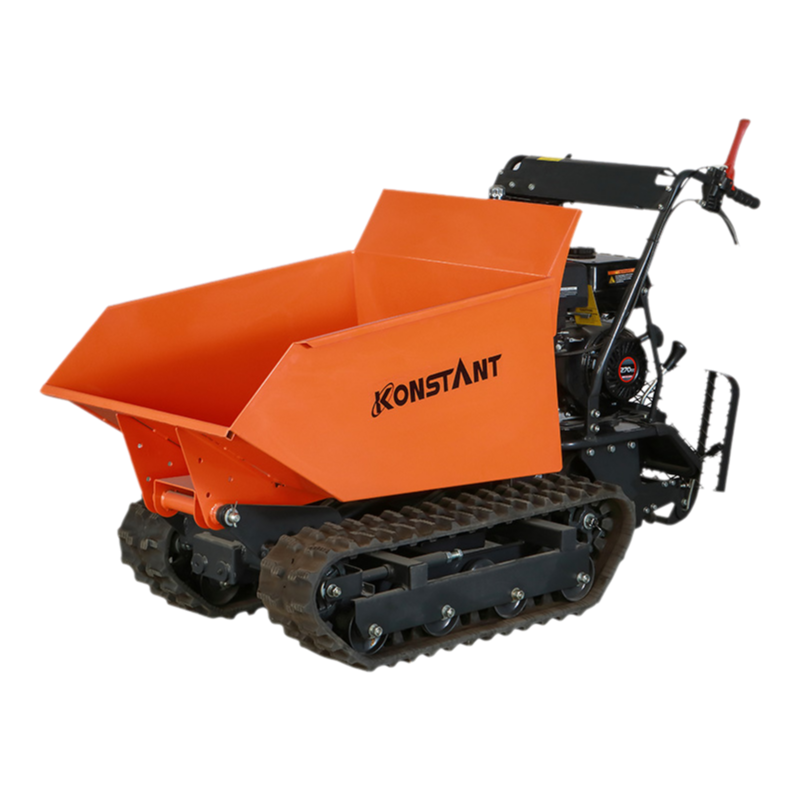
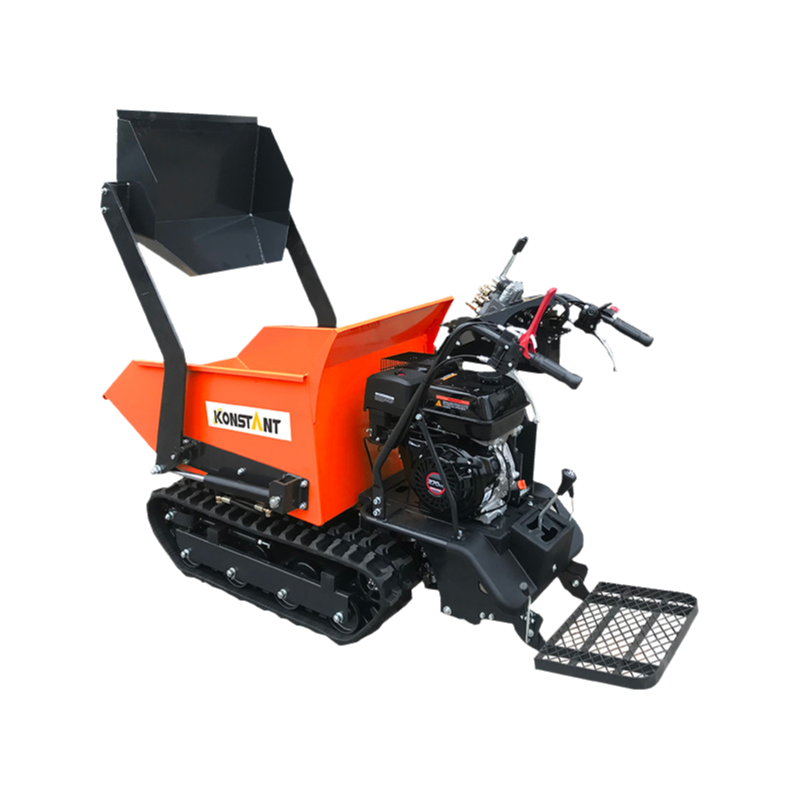
Provide you with the latest enterprise and industry news
Home / News / Industry news / Can a Battery Operated Wheel Barrow Reduce Physical Strain in Agricultural Work
Can a Battery Operated Wheel Barrow Reduce Physical Strain in Agricultural Work
Update:14-08-2026
Posted by Admin
Content
- 1 What kind of strain do agricultural workers experience every day?
- 2 How does a battery operated wheel barrow change the nature of movement?
- 3 Can reducing effort really improve daily work flow?
- 4 Where is the impact most visible in agricultural settings?
- 5 Does it influence how workers approach their tasks?
- 6 Could it help reduce long-term physical pressure?
- 7 Are there challenges when introducing this type of equipment?
- 8 How does this reflect broader changes in agriculture?
In many farming environments, physical effort is part of the daily routine. Tasks such as moving soil, carrying feed, or transporting harvested crops require repeated motion. Over time, this creates pressure on the body. It is not always obvious at the start of the day, but the effect builds with each trip across the field.
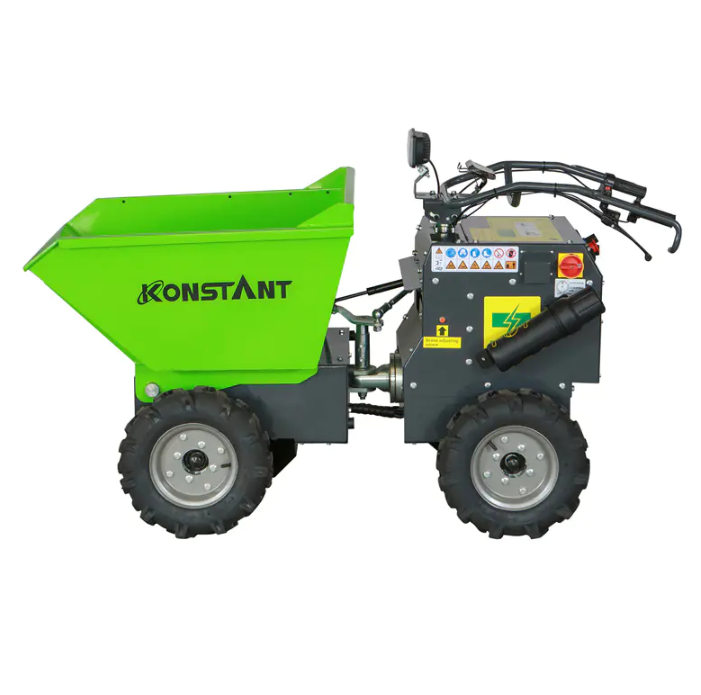
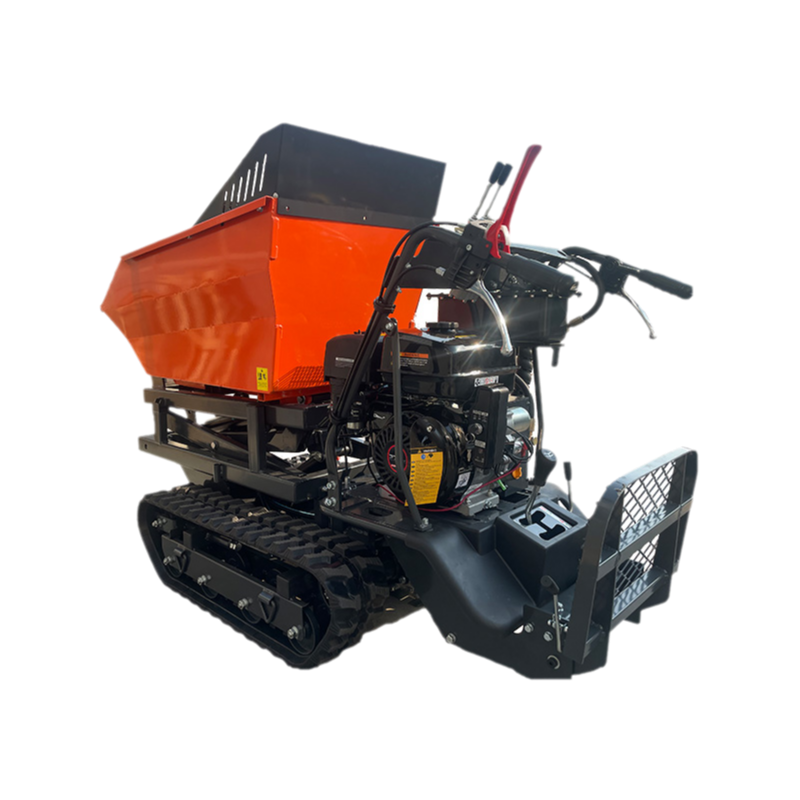
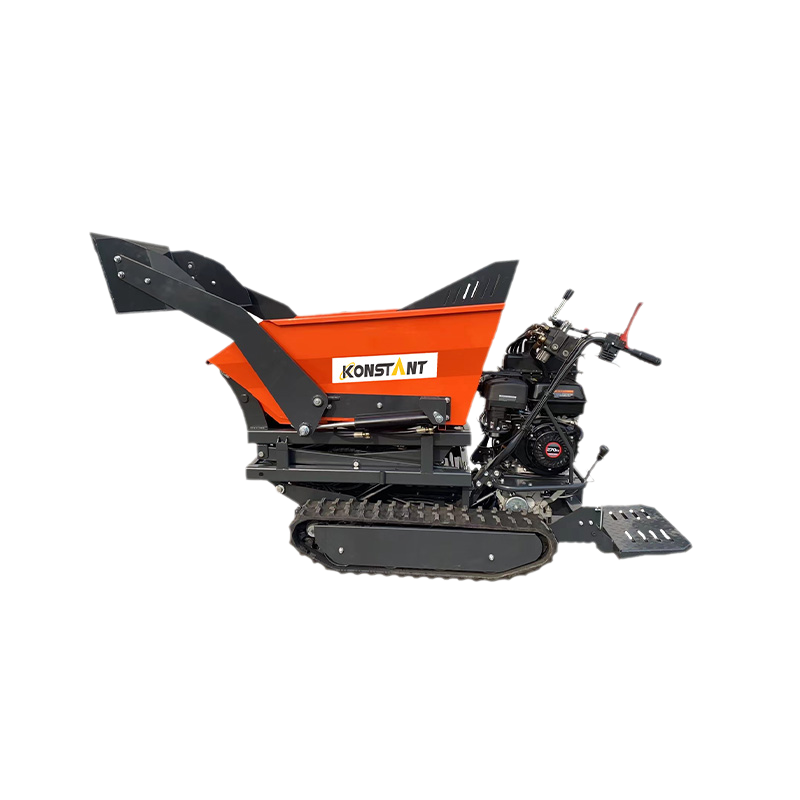
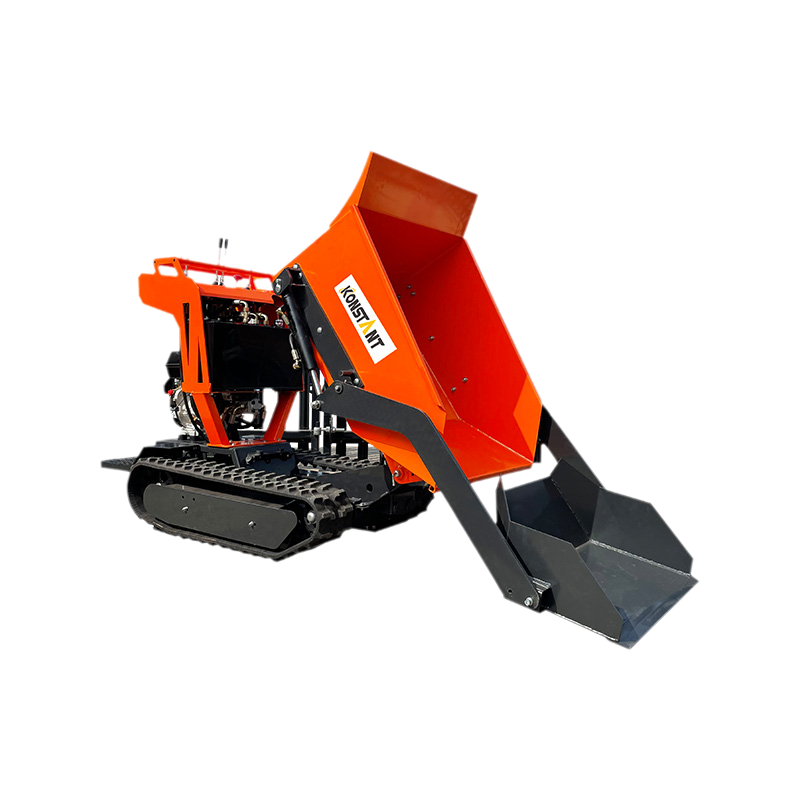
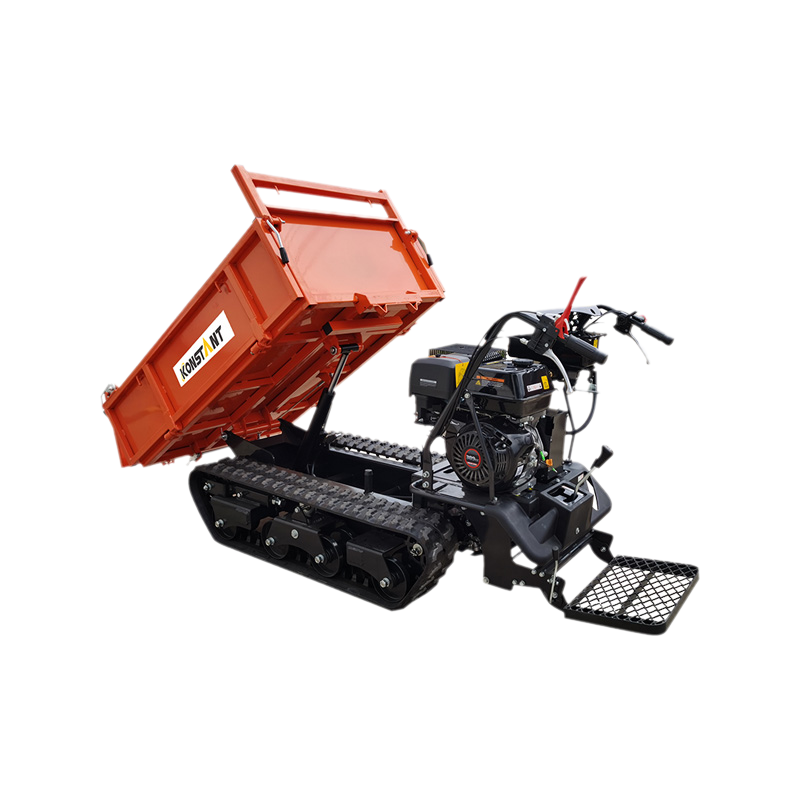
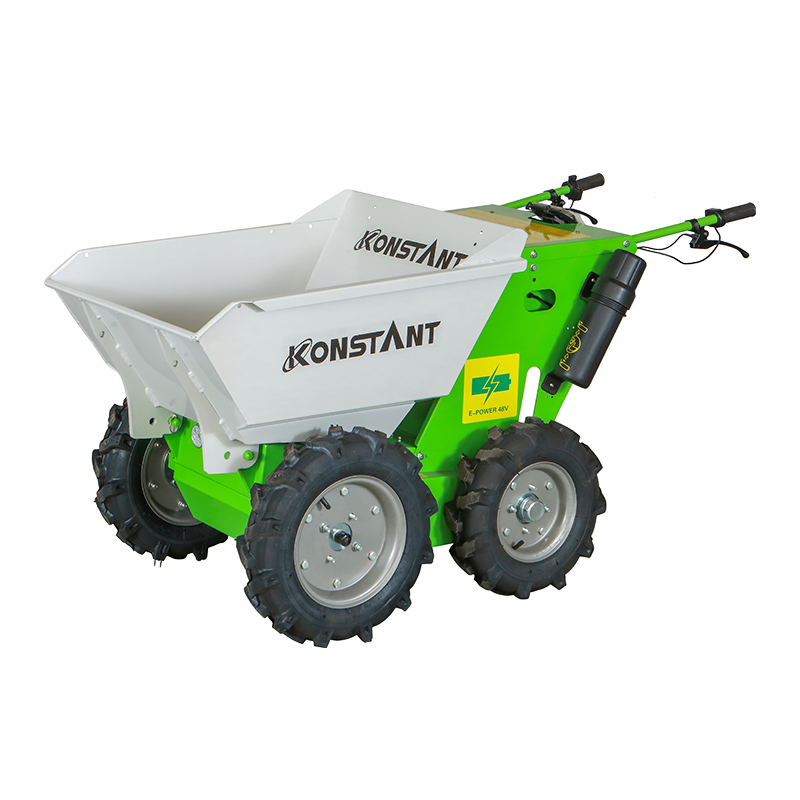
A quiet shift is taking place. More farms are exploring tools that support movement rather than replace it. Among these, the battery operated wheel barrow has started to draw attention. It does not change the nature of farm work, but it changes how that work feels over hours of use.
What kind of strain do agricultural workers experience every day?
Agricultural work is rarely still. It involves lifting, walking, turning, and pushing. A simple task like moving compost can require dozens of trips. Each trip demands balance and strength, especially on uneven ground.
Workers often describe strain in subtle ways. It may begin as a slight tightness in the shoulders. Later, it becomes fatigue in the arms. By the end of the day, the lower back carries most of the stress.
This strain tends to come from repetition rather than intensity. Even moderate loads can become tiring when handled again and again. Slopes, mud, or loose soil make the effort heavier. Small adjustments in footing can lead to extra tension in joints.
In some cases, workers adjust their pace to manage this fatigue. They may slow down or take longer breaks. While this helps in the short term, it can stretch the workday and reduce overall efficiency.
How does a battery operated wheel barrow change the nature of movement?
The main difference lies in how force is applied. With a traditional wheel barrow, the worker provides both balance and forward motion. With a battery powered version, the role shifts. The machine supports movement, while the worker guides direction.
This creates a noticeable change in effort. Instead of pushing against resistance, the user walks alongside the load with less strain. The arms are still engaged, but the intensity is lower. The body moves in a more relaxed rhythm.
The change becomes clearer during longer tasks. When a worker no longer needs to push with full force, energy is preserved. This affects not just one trip, but the entire sequence of movements throughout the day.
It also changes how loads feel. Even when carrying similar materials, the sense of weight is reduced because the effort is distributed differently.
Can reducing effort really improve daily work flow?
When effort decreases, the pace of work often becomes more stable. Workers are less likely to stop due to fatigue. Tasks can continue without frequent pauses.
This does not mean that work becomes faster in a dramatic way. The difference is more gradual. A steady pace replaces bursts of activity followed by rest. Over time, this steady rhythm can make a significant difference.
In practical terms, workers may notice:
- Fewer interruptions during transport tasks
- Less hesitation when handling repeated loads
- A smoother transition between different activities
- More consistent energy levels throughout the day
These changes may seem small, but they influence how the entire workflow unfolds. When transport becomes easier, attention can shift to other parts of the job.
Where is the impact most visible in agricultural settings?
The benefits of reduced strain often depend on the environment. Some areas highlight the difference more clearly than others.
| Environment | Typical Activity | Practical Impact |
|---|---|---|
| Open Fields | Moving harvested crops | Less fatigue over long distances |
| Sloped Land | Carrying soil or feed | Easier handling on inclines |
| Greenhouses | Transporting tools and supplies | Better control in narrow paths |
| Orchards | Moving baskets and equipment | Reduced strain during repeated trips |
| Mixed Terrain Areas | Daily material transport | Improved balance on uneven ground |
In sloped or uneven terrain, traditional methods often require extra effort to maintain control. Powered assistance helps stabilize movement. This reduces the need for constant adjustment.
In enclosed spaces like greenhouses, the benefit is different. The focus shifts from strength to maneuverability. Workers can move materials with less effort in tighter areas.
Does it influence how workers approach their tasks?
Tools do more than just lend a hand physically — they actually shape behavior over time. When a task feels less demanding, workers tend to approach it differently than they would otherwise.
Some end up carrying slightly larger loads per trip. Others reorganize their whole workflow to cut out unnecessary movement altogether. That flexibility opens up simply because the physical ceiling isn't pressing down as hard as it used to.
There's a psychological piece here too. When a task feels manageable, workers tend to stay focused for longer stretches. Fatigue stops dominating every decision they make along the way.
That often translates into more thoughtful handling of materials generally. Instead of rushing to just get through it, workers can hold a steady pace without pushing themselves into overexertion.
Could it help reduce long-term physical pressure?
Long-term strain is a concern in agriculture. Repeated stress on the body can lead to discomfort that does not disappear after a single day of rest.
Reducing daily effort may help ease this pressure. When muscles and joints are not constantly pushed to their limits, recovery becomes easier. Over time, this may support more sustainable work habits.
Possible effects include:
- Less buildup of tension in key muscle groups
- Reduced stress on the lower back during lifting and pushing
- More balanced use of body movement
- A lower chance of fatigue carrying over into the next day
This does not remove all risks. Farming still involves physical activity. The goal is to reduce unnecessary strain, not eliminate effort entirely.
Are there challenges when introducing this type of equipment?
Adjusting to new equipment usually takes some getting used to. Even a fairly simple change in tools can shake up patterns that workers have followed for years without thinking twice.
Some workers need a little time to adjust to guiding a powered wheel barrow. The motion feels genuinely different from pushing manually, and it can demand a bit more attention early on before it becomes second nature.
There are practical considerations too:
- Planning around when the equipment needs recharging
- Finding a suitable spot to store it
- Adjusting existing routines to fit the new tool in
- Making sure it's handled safely across different environments
None of that outweighs the benefit, but it does shape how smoothly the tool actually fits into daily operations. Farms running tight, structured routines tend to adapt faster. Others might take a slower, more gradual approach instead.
How does this reflect broader changes in agriculture?
Agriculture is shifting, slowly but noticeably. Output isn't the only thing that matters anymore — there's a growing awareness now of how working conditions actually affect the people doing the work.
Tools aimed at cutting physical strain fit right into that broader shift. They represent a move toward balancing productivity against worker well-being, rather than treating the two as competing priorities. The point was never to throw out traditional methods entirely — it's to improve on them wherever that's actually possible.
Battery operated wheel barrows sit comfortably in that pattern. They tackle one specific, real problem — repetitive strain — while staying genuinely simple to use. Nothing dramatic about the role they play, but it's a genuinely practical one.
As farms keep adapting, small shifts like this one may end up shaping how daily work actually gets experienced. The emphasis is drifting toward preserving energy, trimming unnecessary effort, and building a rhythm that can actually hold up, day after day, across an entire farming life.
Related products

Latest Updates
-
Why Does Terrain Matter When Choosing a Battery Operated Wheel Barrow
A Battery Operated Wheel Barrow can make material transport easier in many working environments. I...
-
Where Can Petrol Wheelbarrows Be Used for Material Transport
Material transport is a daily part of many outdoor jobs. Soil needs to reach a planting area. Ston...

-
Welcome To Visit Us
No.30, Third Furong Road, Wuxi City, Jiangsu. 214100, China.
-
Call Us
Phone: +86 181-1889-1139
Phone: +86 181-1889-2139
-
Contact Us Online
E-mail: sales@konstantpm.com
E-mail: marketing@konstantpm.com
Copyright WUXI KONSTANT POWER TECH CO., LTD All Rights Reserved
 China Mini Dumpers Manufacturers Power Wheelbarrow Factory