
 English
 русский
 Français
 Español
 Deutsch

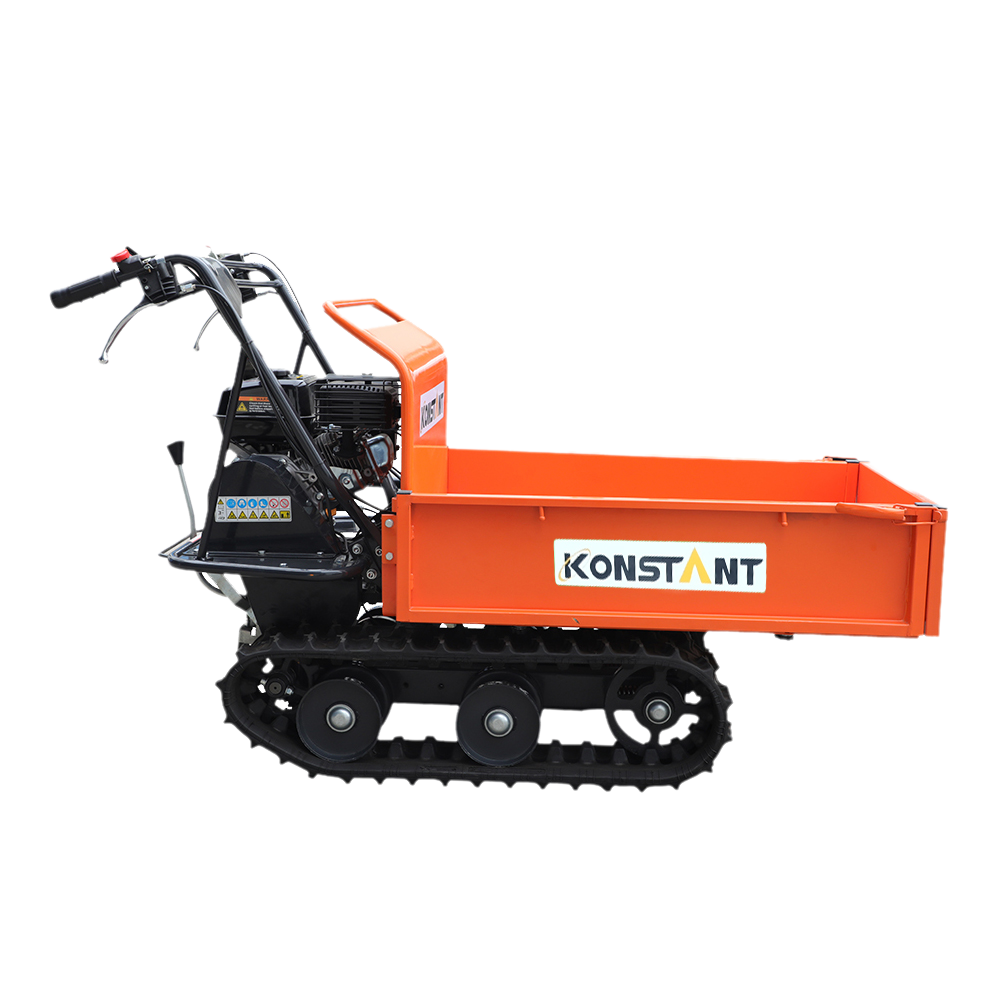
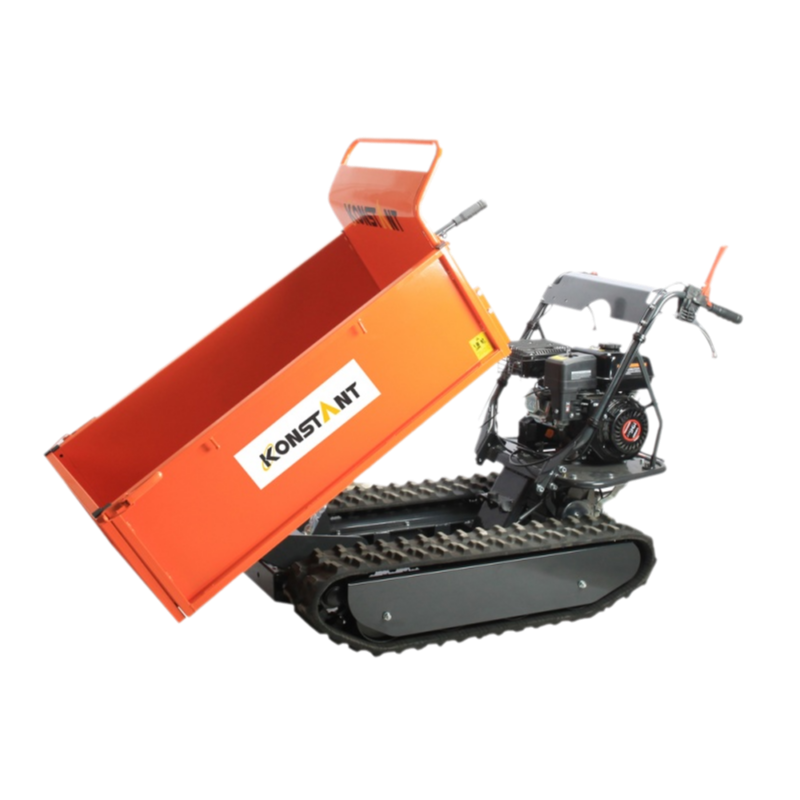
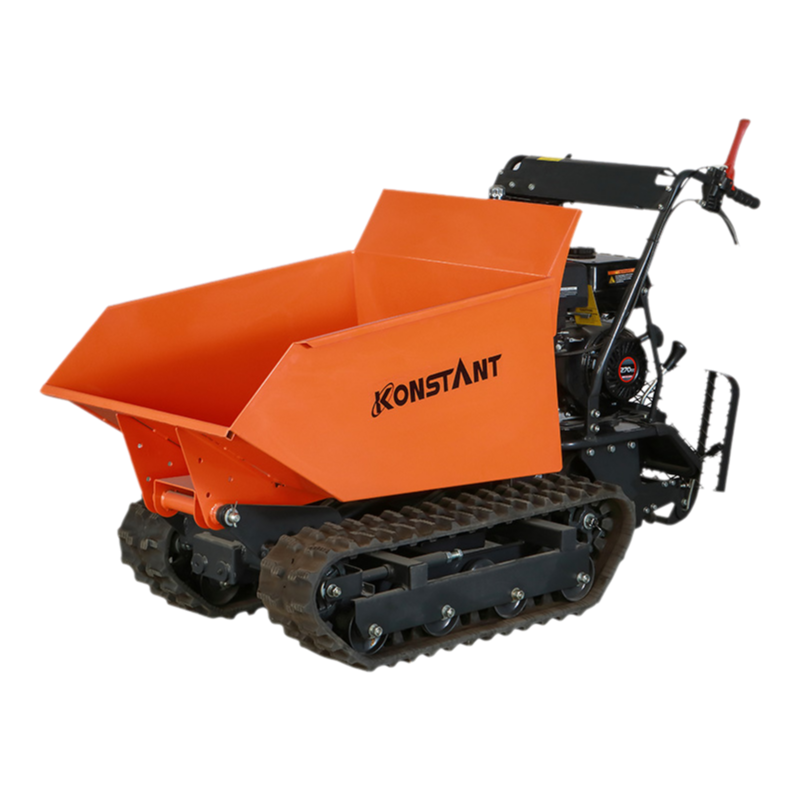
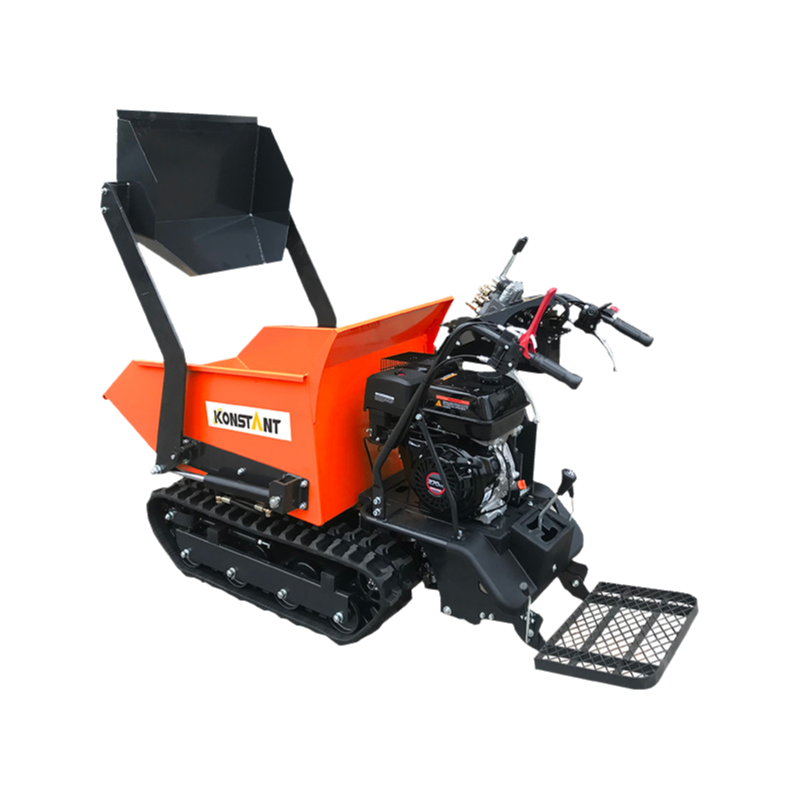
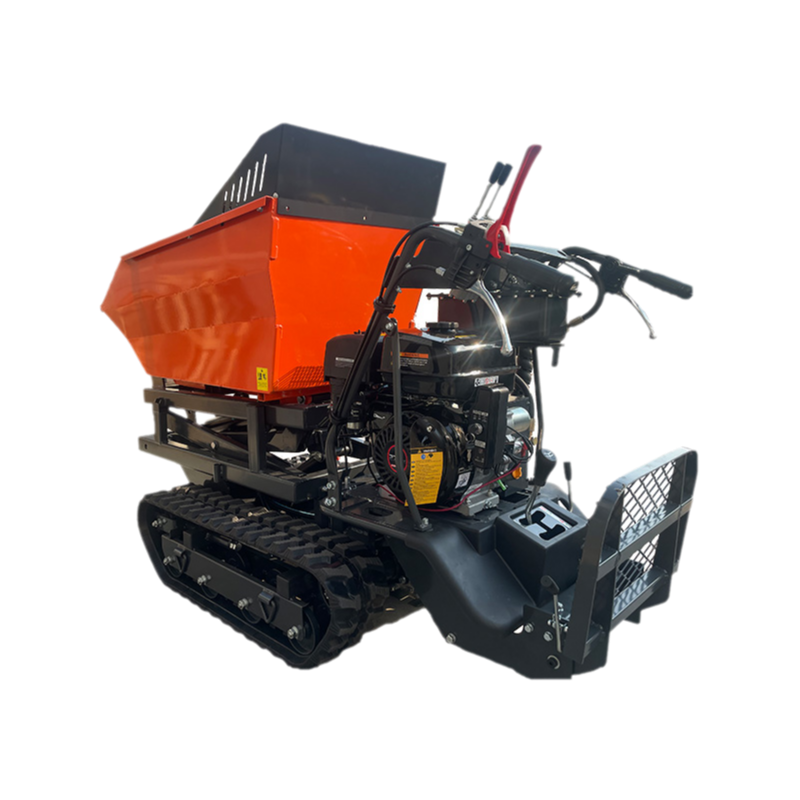
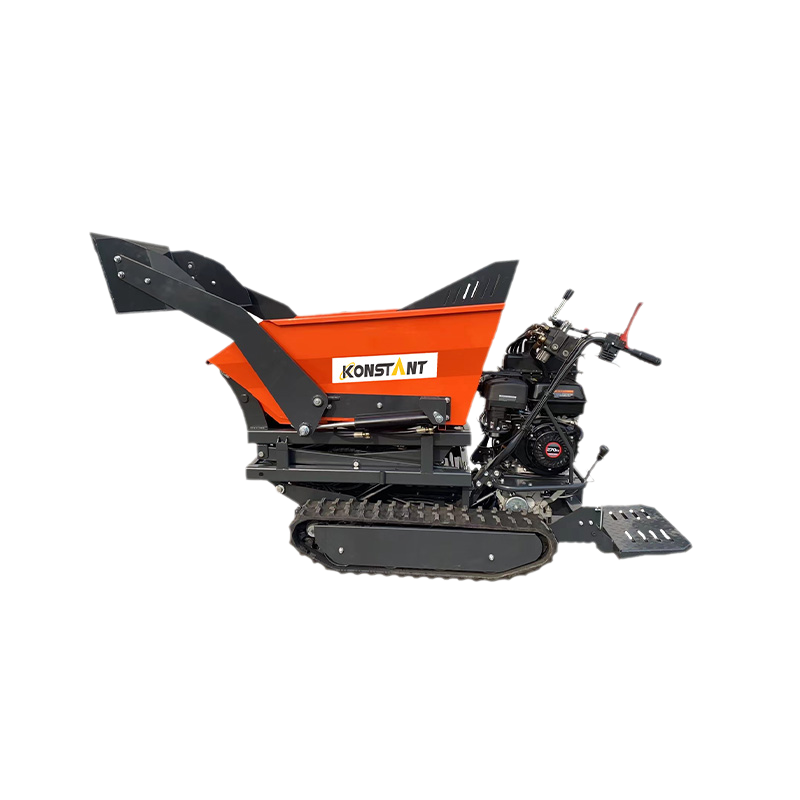
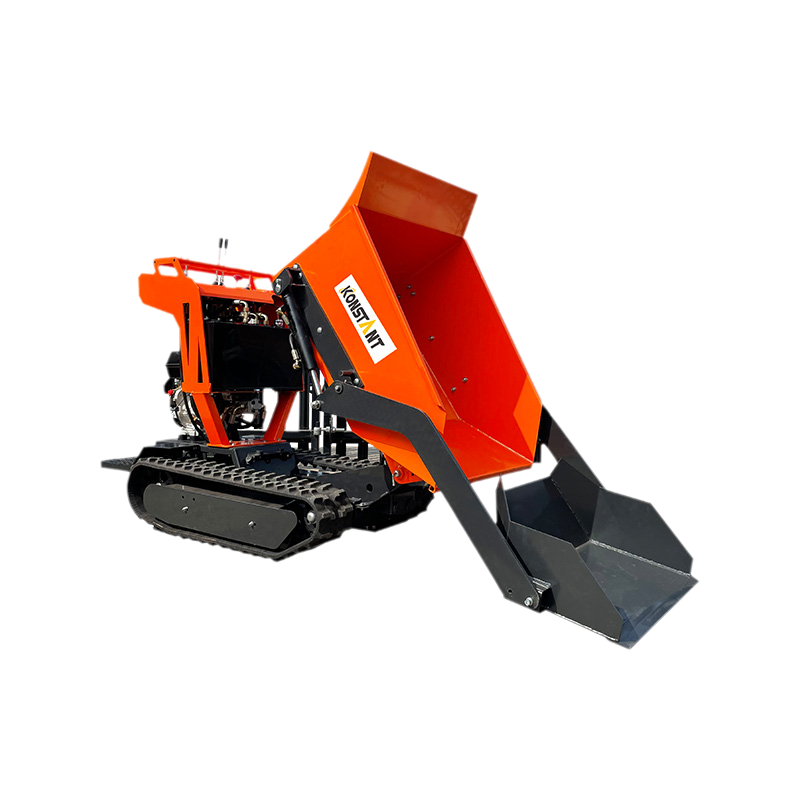
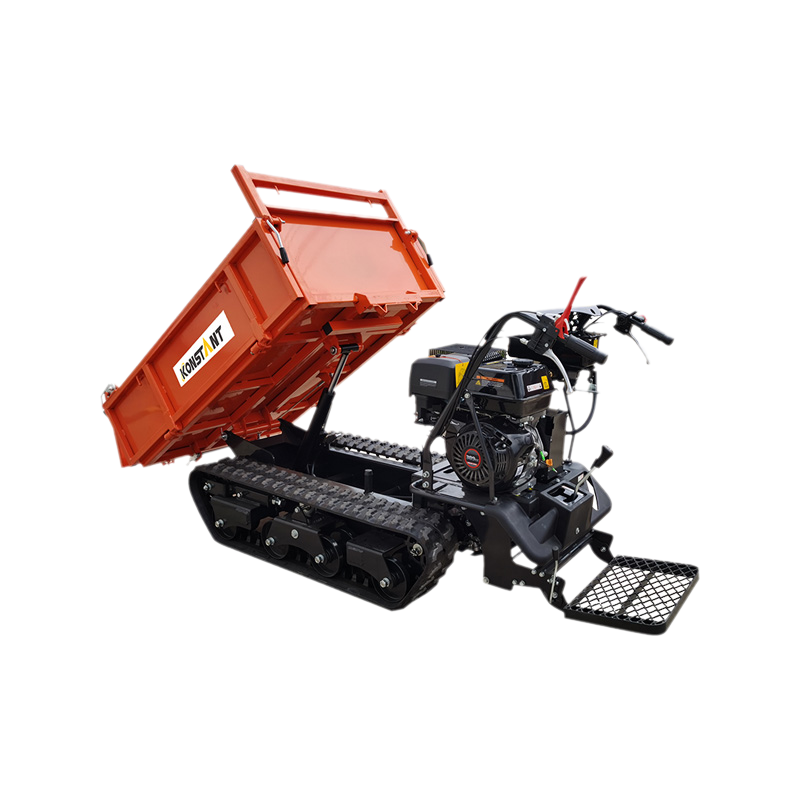
Provide you with the latest enterprise and industry news
Is a Petrol Wheelbarrow Worth It? Pros and Cons Explained
Update:17-08-2026
Posted by Admin
Content
- 1 Why are powered wheelbarrows getting so much attention?
- 2 What exactly does a wheelbarrow petrol offer?
- 3 Where does it make the biggest difference?
- 4 What are the main advantages?
- 5 What are the downsides to consider?
- 6 How does it compare to a traditional wheelbarrow?
- 7 Who is most likely to benefit from it?
- 8 Are there practical concerns before buying?
- 9 Does it change the way work feels?
- 10 Is the investment justified?
Why are powered wheelbarrows getting so much attention?
Spend an afternoon on a busy construction site or a large landscaping job these days, and you'll notice something's changed. Manual tools haven't disappeared, but more and more workers are leaning on powered equipment for jobs that used to come down to sheer physical grind. The petrol wheelbarrow sits right at the center of that shift, and it's sparked a fair bit of debate.
The concept itself isn't complicated — take the familiar wheelbarrow, bolt an engine onto it, and let the machine handle most of the heavy lifting instead of your back and shoulders. What's genuinely harder to pin down is whether spending the extra money actually pays off in practice.
Part of what's driving the interest is just how work has changed. Deadlines are tighter, skilled labor is harder to come by, and every hour saved on hauling materials matters more than it used to. But buyers aren't naive about it either — nobody wants to drop money on a tool that promises convenience and then just sits in the shed.
So the question's worth actually digging into: does a petrol wheelbarrow earn its keep, or is it solving a problem most people don't really have?
What exactly does a wheelbarrow petrol offer?
On the surface, it looks like any other wheelbarrow — tray, frame, handles, the works. Fire up the engine, though, and the whole experience changes completely.
Instead of muscling the load forward, you're mostly just steering. The engine does the heavy lifting, which means loads that would normally take three or four separate trips can often get done in one or two passes instead.
That changes the whole pace of a job. Work that used to feel like a grind starts moving in a steadier, more continuous rhythm. Uneven ground stops being such an obstacle. Slopes that would normally slow you to a crawl feel a lot more manageable.
It also opens the tool up to more people. Raw physical strength matters a lot less when an engine's doing most of the work, which means it's just as useful for a homeowner tackling a big backyard project as it is for an experienced construction crew.
That said, none of this comes free. More power means more moving parts, and more moving parts mean more upkeep. Fuel becomes something you have to think about. And frankly, not every job actually benefits from the extra horsepower.
Where does it make the biggest difference?
Whether a petrol wheelbarrow is actually worth it depends enormously on the kind of work you're doing.
On construction sites, the benefit tends to be obvious pretty quickly. Hauling soil, gravel, or debris across a large site eats up time fast with a manual barrow, and a powered one cuts that delay down considerably — letting crews focus more on the actual work instead of the slog of getting materials from A to B.
Landscaping tells a similar story. Big properties, uneven terrain, repeated trips hauling mulch or stone — all of that wears people down fast manually, and a petrol unit takes a real bite out of that fatigue, especially with bulk materials.
Agricultural settings add another wrinkle. Farms often involve daily hauling — feed, tools, waste — and that kind of repetitive, everyday load is exactly where reduced fatigue starts compounding into a genuinely better workflow over time.
Smaller spaces tell a different story, though. Short distances, tight areas, lighter loads — a regular wheelbarrow handles all of that just fine, and the extra complexity of an engine doesn't really pay for itself.
The pattern's pretty consistent: the heavier and more frequent the workload, the more the investment starts to make sense.
What are the main advantages?
The appeal here isn't really about novelty — it comes down to solving genuinely practical problems.
1. Reduced physical strain
Heavy lifting stops being exhausting in the same way, which helps prevent fatigue over long shifts and cuts down on strain-related aches and injuries.
2. Improved efficiency
Jobs move faster overall. Fewer trips, smoother workflow, especially once you're dealing with large volumes of material.
3. Better performance on challenging terrain
Slopes, loose soil, uneven ground — the engine handles conditions that would make manual pushing genuinely difficult.
4. Increased load handling
Heavier loads become manageable in a single trip, giving a lot more flexibility in how materials actually get moved.
5. Broader usability
Since strength matters less, a much wider range of people can operate one comfortably — whether that's on a job site or in a home garden.
These aren't marginal improvements — they reflect real, recurring frustrations that powered equipment genuinely solves.
What are the downsides to consider?
No tool comes without trade-offs, and petrol wheelbarrows bring a handful worth thinking through carefully.
1. Higher upfront cost
The price jump compared to a manual wheelbarrow is significant, which can be a real barrier if you're only using one occasionally.
2. Maintenance requirements
Engines need attention — regular checks, cleaning, servicing. That's extra time and responsibility that a manual barrow simply doesn't demand.
3. Fuel dependency
Running on fuel means ongoing costs and a bit of planning, which gets more annoying if you're working somewhere remote.
4. Noise and emissions
It's not a quiet tool. That can matter a lot in residential areas or quieter work settings, and emissions might be worth considering depending on where you're working.
5. Weight and storage
All those extra components add real weight, and you'll need more storage space than a standard wheelbarrow would ever require.
None of this cancels out the benefits outright, but for some buyers, these drawbacks genuinely tip the scales the other way.
How does it compare to a traditional wheelbarrow?
Laying the two side by side makes the trade-offs a lot clearer.
| Aspect | Petrol Wheelbarrow | Traditional Wheelbarrow |
|---|---|---|
| Effort required | Low physical effort | High physical effort |
| Speed of work | Faster over long distances | Slower for heavy loads |
| Maintenance | Requires regular care | Minimal upkeep |
| Cost | Higher investment | Lower cost |
| Flexibility | Suited for demanding tasks | Ideal for simple tasks |
| Noise | Noticeable | Quiet |
The pattern here is pretty clear-cut. Powered wheelbarrows trade cost and complexity for speed and reduced effort. Manual ones stay simple, cheap, and low-maintenance. Which one wins out really comes down to which of these factors matters more for how you actually work.
Who is most likely to benefit from it?
Some users get a lot more out of this investment than others.
- Contractors regularly hauling materials across a job site
- Landscapers managing large or uneven properties
- Property owners running ongoing outdoor projects
- Small-scale farmers dealing with daily hauling tasks
For this group, the saved time and reduced fatigue tend to add up fast, and the tool often pays for itself through better day-to-day productivity.
For someone who only pulls out a wheelbarrow a few times a year, though, the math doesn't work out nearly as well. The upfront cost and ongoing upkeep just don't offset infrequent use.
Are there practical concerns before buying?
A handful of honest questions can save a lot of buyer's remorse down the line.
- How often will this actually get used?
- What kind of terrain will it be working on?
- Are the typical loads heavy, or mostly light?
- Is there realistic space for storage and upkeep?
- How easy is fuel access where you're working?
Working through these honestly helps set realistic expectations — it stops people from overestimating how much they'll actually use the thing, or underestimating what owning one really involves.
Personal preference matters here too. Some people genuinely prefer the simplicity of a manual tool with nothing to maintain. Others appreciate having the engine do the heavy lifting. Neither instinct is wrong — it just comes down to what feels right for how you like to work.
Does it change the way work feels?
Beyond the practical numbers, there's a more subtle shift worth mentioning — powered equipment genuinely changes how the work feels while you're doing it.
Manual labor has its own rhythm, one built around effort. Every load demands something physical from you, and progress feels tied directly to how much strength you're putting in.
A petrol wheelbarrow breaks that rhythm. Things move more smoothly. You're guiding rather than pushing, and that sense of physical strain fades into something closer to steady, controlled pacing.
For some people, that shift makes the work feel more sustainable over a long day. For others, it takes away something they actually valued about doing the job hands-on. Neither reaction is really wrong — it just reflects different ideas about what physical work is supposed to feel like.
Is the investment justified?
Honestly, the answer has less to do with the tool itself and more to do with the context it's being used in.
In demanding environments — big sites, heavy daily hauling, tough terrain — the value becomes obvious pretty quickly. Less fatigue, faster movement, better handling of difficult loads.
In lighter settings, though, those advantages start to feel a lot less compelling, and the simplicity of a traditional wheelbarrow keeps its appeal.
A petrol wheelbarrow really lives in that middle ground — not a universal upgrade, but not a niche gimmick either. It's a tool that trades some simplicity for real efficiency, and some cost for genuine convenience.
The real question isn't whether the tool is good or bad in the abstract. It's whether it actually fits how you work.
Related products

Latest Updates
-
What Types of Materials Can a Petrol Wheelbarrow Move
Moving material around a job site is just part of the work in a lot of outdoor trades. Constructio...
-
Why Does Terrain Matter When Choosing a Battery Operated Wheel Barrow
A Battery Operated Wheel Barrow can make material transport easier in many working environments. I...

-
Welcome To Visit Us
No.30, Third Furong Road, Wuxi City, Jiangsu. 214100, China.
-
Call Us
Phone: +86 181-1889-1139
Phone: +86 181-1889-2139
-
Contact Us Online
E-mail: sales@konstantpm.com
E-mail: marketing@konstantpm.com
Copyright WUXI KONSTANT POWER TECH CO., LTD All Rights Reserved
 China Mini Dumpers Manufacturers Power Wheelbarrow Factory