
 English
 русский
 Français
 Español
 Deutsch

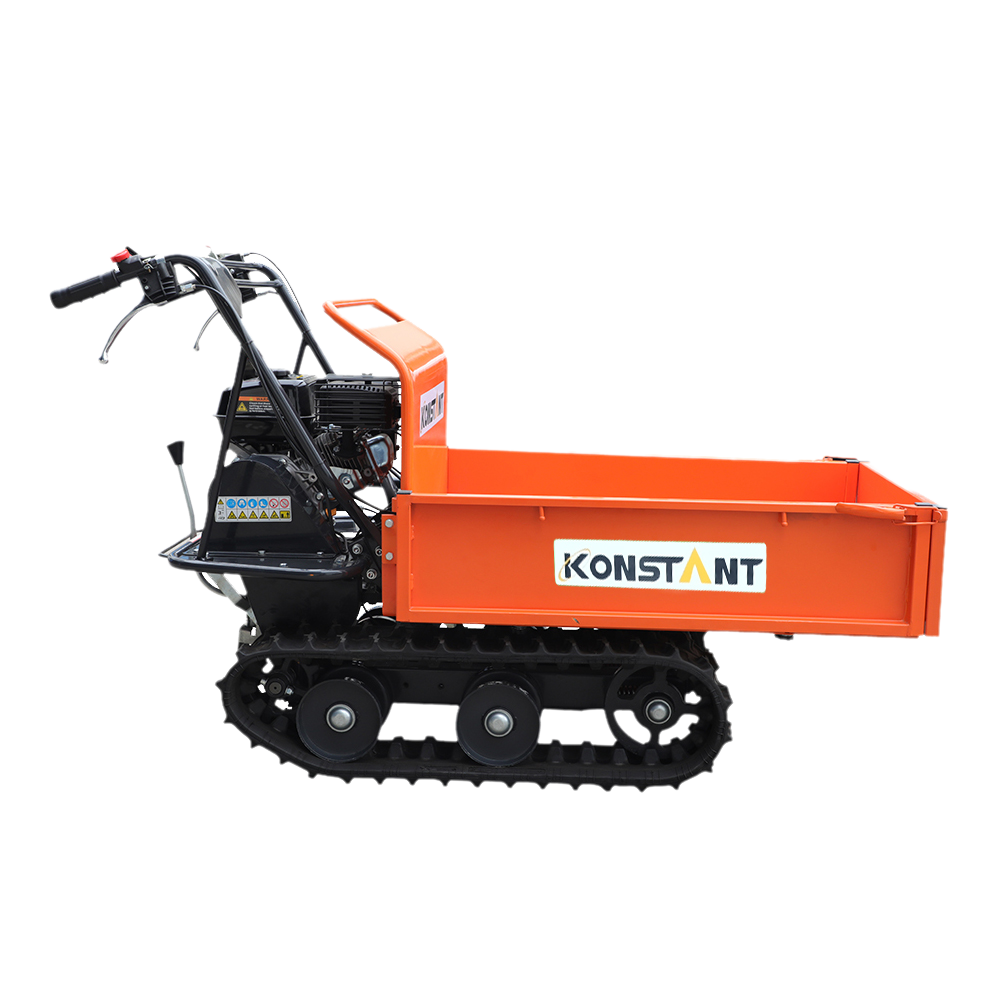
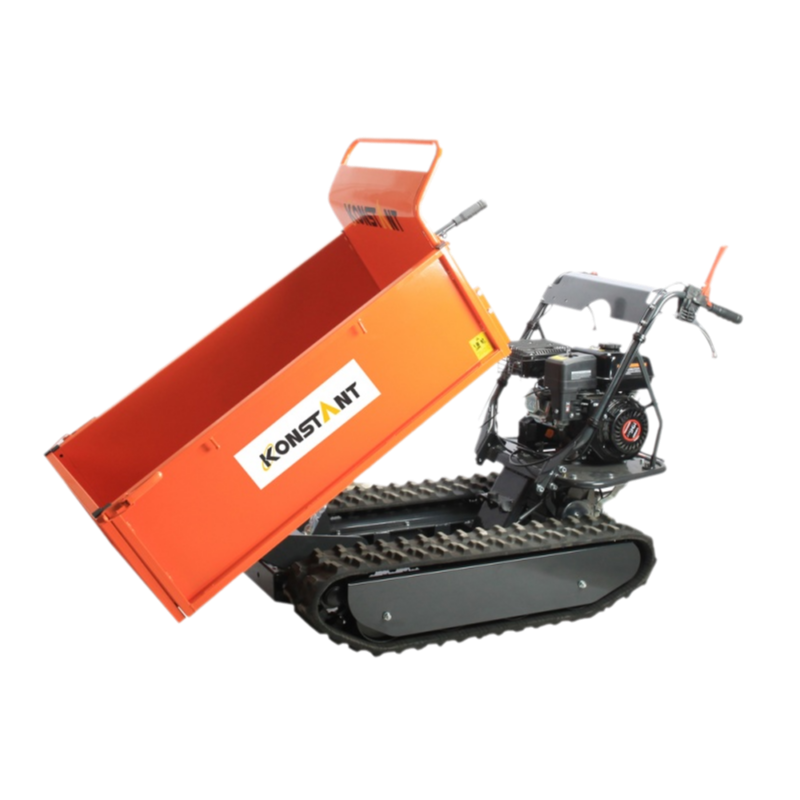
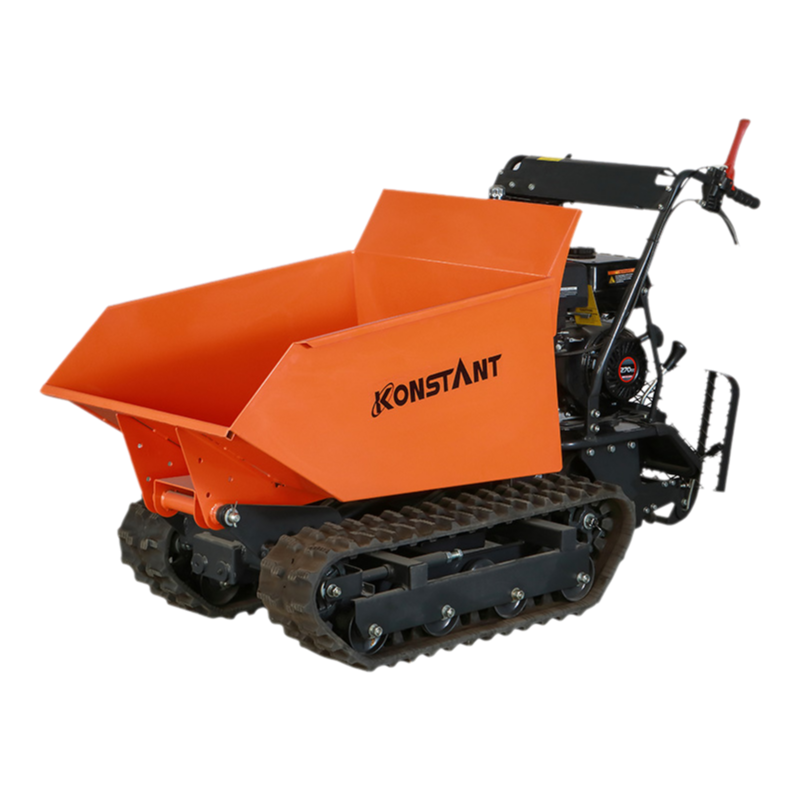
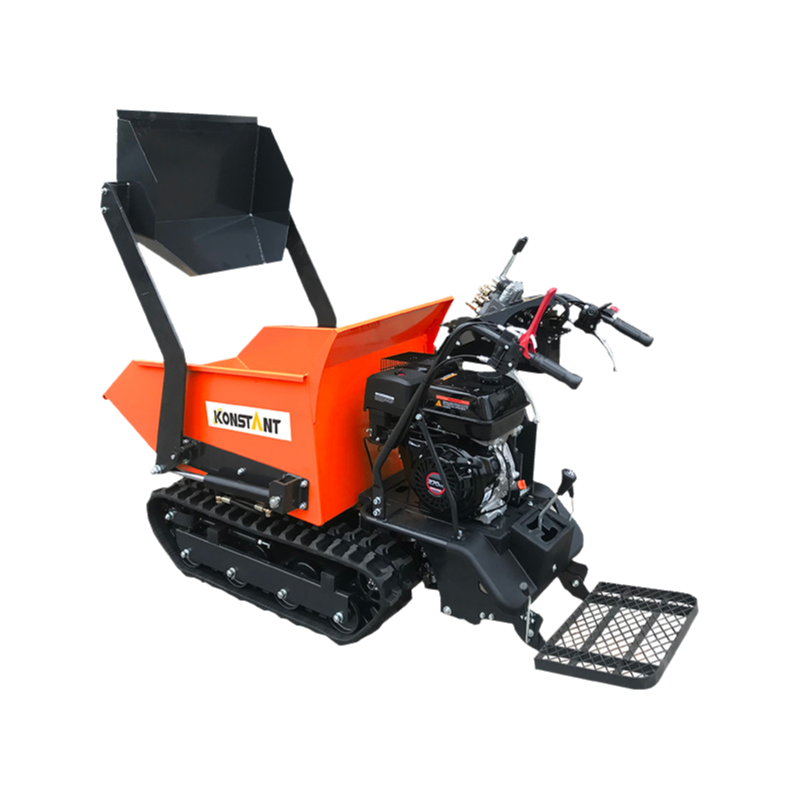
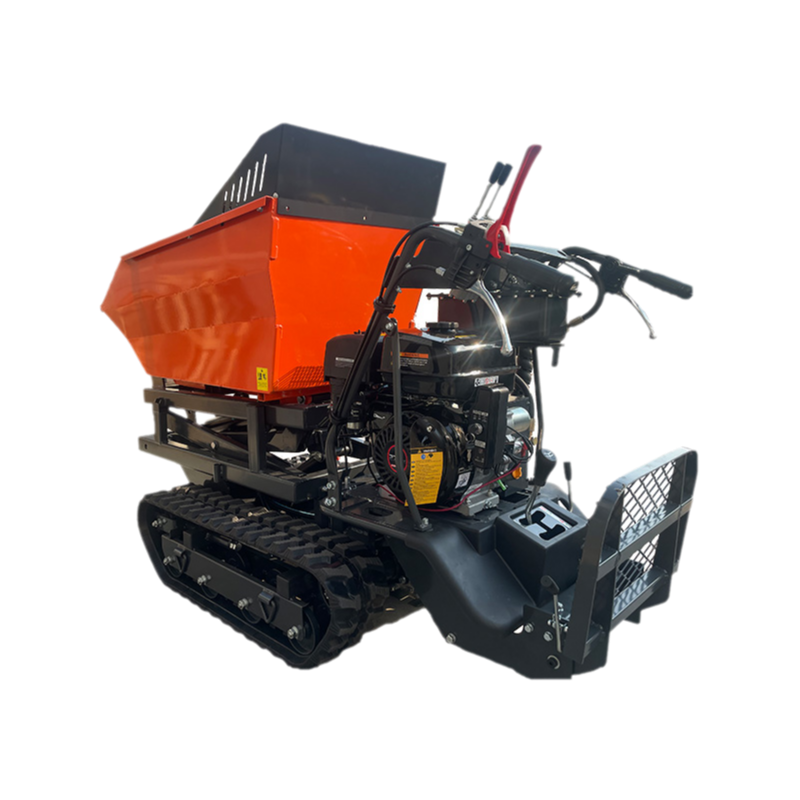
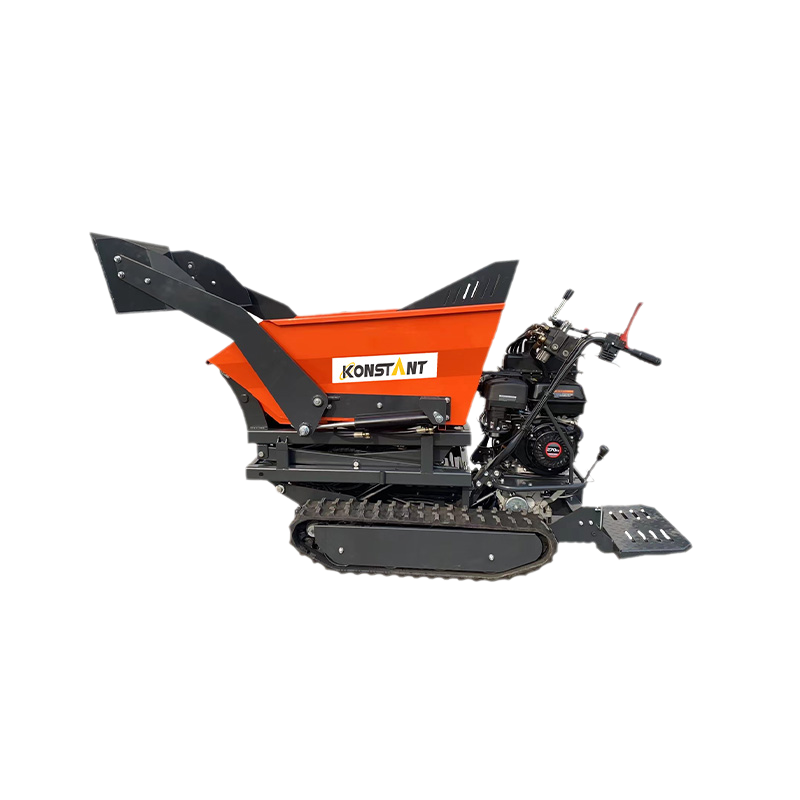
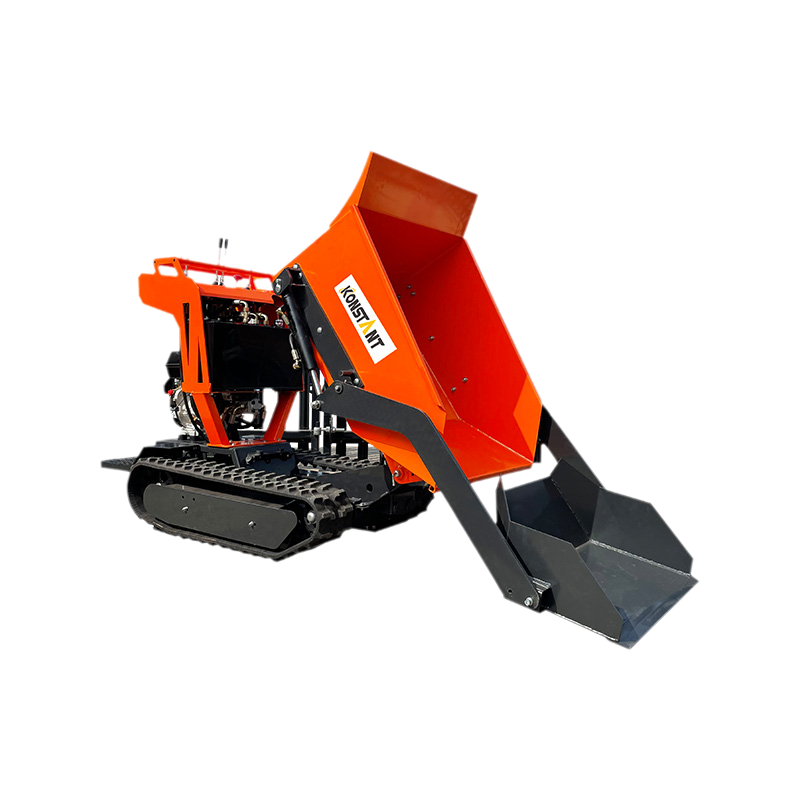
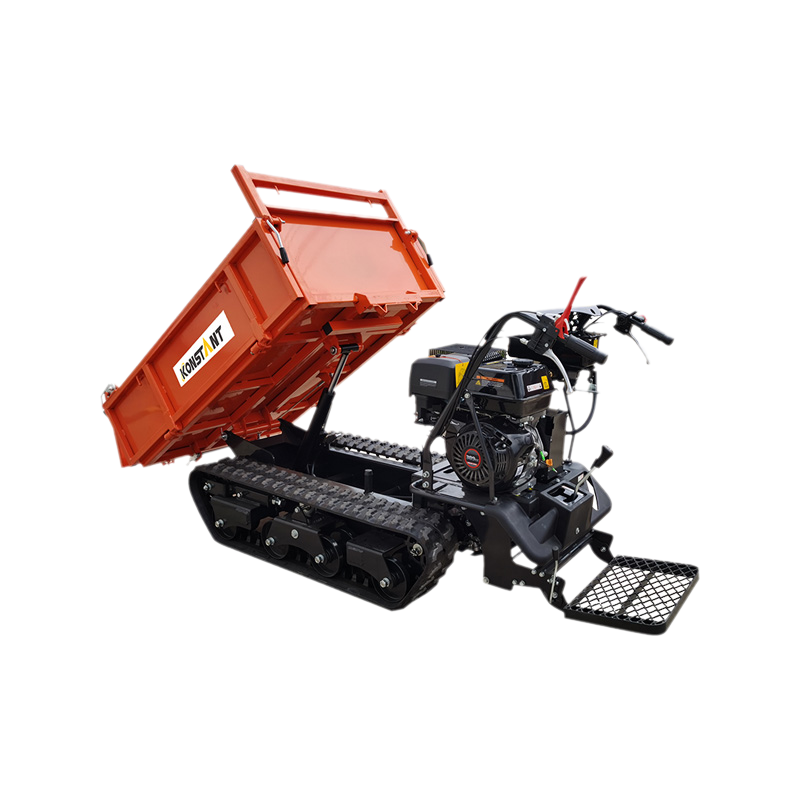
Provide you with the latest enterprise and industry news
Which Projects Can Benefit from a Petrol Powered Wheelbarrow
Update:21-08-2026
Posted by Admin
Content
- 1 What Types of Projects Can Benefit from a Petrol Powered Wheelbarrow ?
- 2 How Can Landscaping Projects Use a Petrol Powered Wheelbarrow?
- 3 Why Can Gardening Projects Make Use of Powered Wheelbarrows?
- 4 Where Can Petrol Powered Wheelbarrows Fit Into Construction Projects?
- 5 Can Agricultural Projects Benefit from a Petrol Powered Wheelbarrow?
- 6 How Do Property Maintenance Projects Use Petrol Powered Wheelbarrows?
- 7 What Ground Conditions Make a Petrol Powered Wheelbarrow Useful?
- 8 Which Small Projects Can Use a Petrol Powered Wheelbarrow?
- 9 How Can Project Planning Improve Material Handling?
Material handling is part of many outdoor projects. Soil needs to be moved during landscaping. Gravel may need to reach a work area. Garden waste has to be cleared. Construction materials may also need to travel across a site before the next stage of work can begin.
A traditional wheelbarrow can handle many of these tasks. Yet some projects involve repeated movement over larger work areas or uneven outdoor surfaces. In these situations, a petrol powered wheelbarrow can provide another way to move materials.
The value of this type of equipment depends heavily on the project. It is not intended for every job. Its usefulness becomes clearer when the work involves frequent material transport, outdoor conditions, or areas where carrying materials by hand can slow progress.
From landscaping and gardening to construction and agricultural work, several project types can make practical use of a petrol wheelbarrow.
What Types of Projects Can Benefit from a Petrol Powered Wheelbarrow ?
The suitable projects usually share a simple characteristic: materials need to move from one location to another repeatedly.
A project may involve loose soil, stones, sand, mulch, garden waste, bricks, or other work materials. If these items have to be moved by hand many times, the process can become tiring and time-consuming.
Wheelbarrow provides a powered method of transport. The operator guides the machine while it carries the material.
Common project categories include:
| Project Type | Typical Material Handling Tasks |
|---|---|
| Landscaping | Moving soil, mulch, stones, and garden materials |
| Gardening | Transporting compost, soil, plants, and waste |
| Construction | Moving building materials and site debris |
| Property Maintenance | Clearing waste and relocating loose materials |
| Agriculture | Moving feed, soil, vegetation, and other farm materials |
| Ground Preparation | Transporting soil, gravel, and similar materials |
| Renovation | Moving debris and materials around outdoor work areas |
The specific suitability still depends on the site and the type of material being handled. A small garden project may have little need for powered transport. A larger outdoor project with repeated trips may benefit more.
This makes project planning important. The question is not simply whether a wheelbarrow can move a material. It is whether powered movement makes sense for the work being performed.
How Can Landscaping Projects Use a Petrol Powered Wheelbarrow?
Landscaping is one of the natural applications for powered material transport.
A landscaping project can involve moving large amounts of loose material between different parts of a property. Soil may need to reach a planting area. Mulch may need to be spread around trees and garden beds. Stones may need to be placed along paths or decorative areas.
These tasks often take place outdoors. The ground may change from one section to another. A worksite can include grass, compacted soil, slopes, narrow paths, or areas that are still being prepared.
A wheelbarrow can help move materials through these changing work areas.
Consider a garden renovation. Workers may remove old soil from one section and bring fresh material to another. Instead of making repeated trips with a hand-operated wheelbarrow, powered transport can become part of the workflow.
The same idea applies to larger landscaping projects.
Building a garden path may require moving gravel and other materials. Creating raised planting areas can require soil and compost. Installing decorative stone can involve repeated material movement.
The equipment does not perform the landscaping itself. Its role is more straightforward. It helps move materials so workers can focus on preparing, placing, and finishing the landscape.
Why Can Gardening Projects Make Use of Powered Wheelbarrows?
Gardening may appear less demanding than construction, but larger gardening projects can involve considerable material movement.
A new planting area may require soil and compost. Old vegetation may need to be removed. Mulch may need to be distributed around plants. Garden paths may require stone or other loose materials.
These tasks are often repeated across different areas of the property.
A powered wheelbarrow can be useful when the distance between the material pile and the working area becomes inconvenient for manual transport.
This can be particularly relevant for garden maintenance businesses and larger private properties. The equipment can become a general-purpose transport tool rather than something used for one specific task.
Garden waste is another possible application.
Branches, leaves, weeds, and removed plants can be collected and transported to a disposal or processing area. Moving waste is often a necessary but repetitive part of garden work.
A petrol wheelbarrow can support this process by reducing the amount of material that needs to be carried manually.
The result is a workflow that can feel more organized. Materials can be moved when they are needed instead of being left in temporary piles around the work area.
Where Can Petrol Powered Wheelbarrows Fit Into Construction Projects?
Construction projects often involve material movement at different stages.
A worksite may need to move soil during ground preparation. Loose material may need to reach a foundation area. Debris may need to be cleared after demolition or renovation work.
Not every construction task requires large transport equipment. Some work areas are relatively small. Access may also be limited.
This is where a compact powered transport option can be useful.
A wheelbarrow can be considered for tasks such as moving:
- Soil and loose ground material
- Gravel and sand
- Bricks and similar building materials
- Garden or site waste
- Construction debris
- Materials used during outdoor preparation
The machine can become part of the site's material flow.
For example, a small building project may have a material storage area separated from the active work zone. Workers need to move materials between the two areas throughout the day. A powered wheelbarrow can help with these repeated transport tasks.
Renovation projects can have similar needs. Old materials may need to be removed while replacement materials are brought into the work area.
The usefulness depends on the site layout. A clear route can make material movement easier. A crowded worksite may require more careful planning.
Can Agricultural Projects Benefit from a Petrol Powered Wheelbarrow?
Agricultural work can involve a wide range of transport tasks.
Small farms, nurseries, orchards, and other agricultural properties may need to move soil, vegetation, feed, tools, or harvested materials. These jobs may take place across outdoor areas where a standard hand wheelbarrow is not always convenient.
A powered wheelbarrow can provide another option for moving materials.
In a nursery, for example, soil and planting materials may need to move between storage areas and growing spaces. In an orchard, vegetation and other materials may need to be transported around the property.
Agricultural projects also change with the season and the type of work being performed. The same transport equipment may support several tasks instead of being limited to one application.
This flexibility can be useful for smaller operations that need equipment capable of handling different kinds of outdoor work.
However, the material and ground conditions should always be considered. The equipment should be appropriate for the intended task and operated according to its instructions.
How Do Property Maintenance Projects Use Petrol Powered Wheelbarrows?
Property maintenance often involves jobs that seem small individually but become repetitive when performed across a large area.
Clearing garden waste is one example. Moving fallen branches, leaves, soil, or unwanted vegetation can require many trips.
Another example is preparing an outdoor area for improvement. Old material may need to be removed before new soil, mulch, or decorative stone is brought in.
A petrol powered wheelbarrow can support both sides of this process.
| Property Maintenance Task | Potential Use |
|---|---|
| Garden cleanup | Moving vegetation and collected waste |
| Soil replacement | Transporting old and new soil |
| Mulching | Moving mulch around planting areas |
| Path maintenance | Transporting loose materials |
| Yard renovation | Moving materials between work areas |
| Outdoor cleanup | Collecting and relocating debris |
Property maintenance companies may handle several types of work in the same location. A transport tool that can support different tasks can therefore be useful as part of a broader equipment setup.
For private property owners, the decision may be different. A small amount of seasonal maintenance may not justify powered equipment. Larger properties or extensive improvement projects may create a stronger need.
What Ground Conditions Make a Petrol Powered Wheelbarrow Useful?
The ground itself can influence whether powered material transport is practical.
Outdoor projects rarely take place on perfectly uniform surfaces. A work area may include grass, loose soil, gravel, compacted earth, or mild slopes.
Material movement becomes more complicated when the route is not smooth.
A powered wheelbarrow can be considered when workers need to transport materials across outdoor ground rather than simply move them across a flat indoor floor.
This does not mean every uneven surface is suitable. Operators need to consider the conditions of the site and follow the equipment manufacturer's operating guidance.
The layout of the work area also matters.
A narrow garden path may require a different approach from an open construction site. A crowded area can make turning and positioning more difficult. A route with obstacles may need to be cleared before transport begins.
Planning the route can make the work more efficient and reduce unnecessary movement.
The material itself should also be considered. Loose soil behaves differently from larger pieces of debris. Wet or heavy materials can change how a machine handles.
Good project planning therefore involves both the material and the route.
Which Small Projects Can Use a Petrol Powered Wheelbarrow?
Powered wheelbarrows are not limited to large commercial worksites.
Smaller projects can also benefit when material movement is repeated.
A homeowner renovating a large garden may need to move soil, mulch, stones, and waste. A small landscaping team may work on several sections of a property at the same time. A contractor may need to move materials around a compact construction area.
The key factor is workload rather than project size alone.
A small project with many repeated transport tasks may create more need for powered assistance than a larger project that requires only a few material movements.
This is why the equipment should be evaluated according to the actual workflow.
Questions such as these can help:
How often will materials need to be moved?
Frequent trips can make powered transport more practical.
How far is the material from the work area?
Longer movement routes may increase the value of a transport solution.
What type of ground is involved?
Outdoor conditions can affect how easily materials can be moved.
What materials are being transported?
Soil, gravel, garden waste, and construction materials may have different handling requirements.
Is the route clear?
Obstacles and narrow spaces can affect how the equipment is used.
These questions provide a more realistic way to judge whether a wheelbarrow fits the project.
How Can Project Planning Improve Material Handling?
The equipment is only one part of material handling. The way a project is organized can have an equally important effect.
Material storage should be considered before work begins. Keeping commonly used materials in a sensible location can reduce unnecessary travel.
Work areas can also be divided into clear zones. One area may hold incoming materials. Another may be used for active work. A separate location may be reserved for waste.
This arrangement can make transport routes easier to understand.
For landscaping projects, soil and mulch can be positioned near the areas where they will be used. During construction, materials can be placed where they are accessible without interfering with other activities.
The route should also remain as clear as possible.
Objects left along a transport path can slow down work and create additional handling requirements. Good site organization helps the operator move materials without unnecessary interruptions.
Wheelbarrows can support these workflows, but they do not replace good planning. Their value comes from how well they fit into the actual movement of materials.
Different projects create different needs. Landscaping may focus on soil and garden materials. Construction may involve debris and building materials. Agriculture may require flexible transport across outdoor areas. Property maintenance may involve repeated cleanup.
The common factor is simple: materials need to move, and the project benefits when that movement can be handled in a practical and organized way.
Related products

Latest Updates
-
Can Wheelbarrow Function Support Different Types of Work
Moving materials from one place to another is part of many types of outdoor work. A gardener may n...
-
What Types of Materials Can a Petrol Wheelbarrow Move
Moving material around a job site is just part of the work in a lot of outdoor trades. Constructio...

-
Welcome To Visit Us
No.30, Third Furong Road, Wuxi City, Jiangsu. 214100, China.
-
Call Us
Phone: +86 181-1889-1139
Phone: +86 181-1889-2139
-
Contact Us Online
E-mail: sales@konstantpm.com
E-mail: marketing@konstantpm.com
Copyright WUXI KONSTANT POWER TECH CO., LTD All Rights Reserved
 China Mini Dumpers Manufacturers Power Wheelbarrow Factory