
 English
 русский
 Français
 Español
 Deutsch

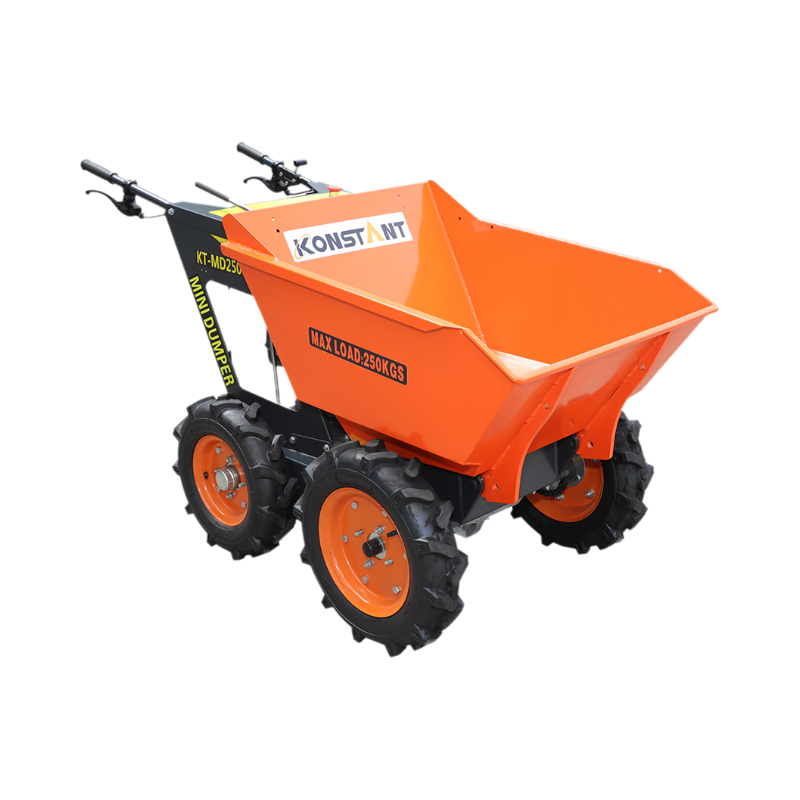
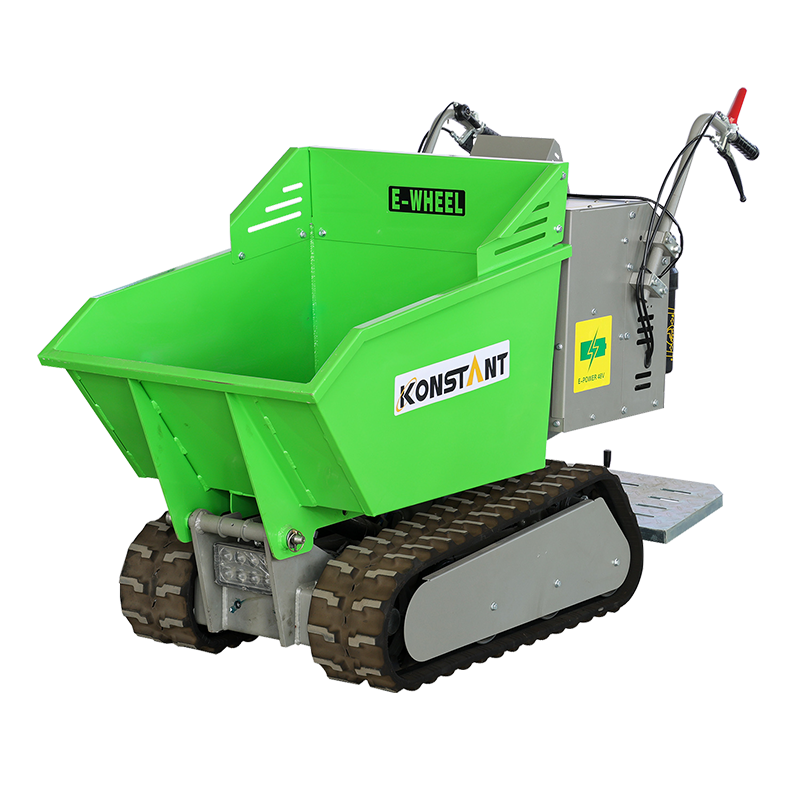
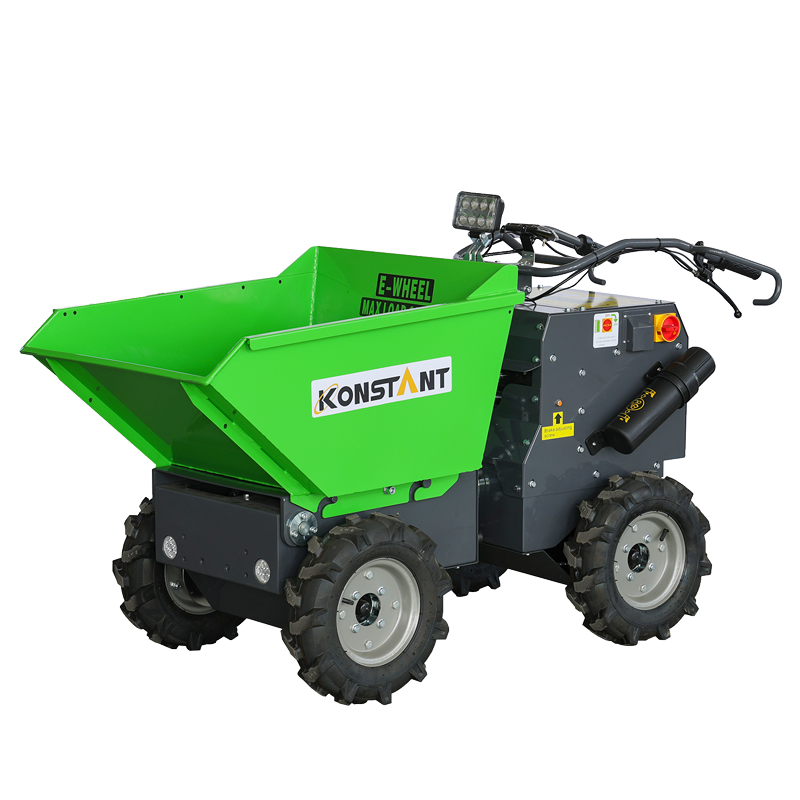
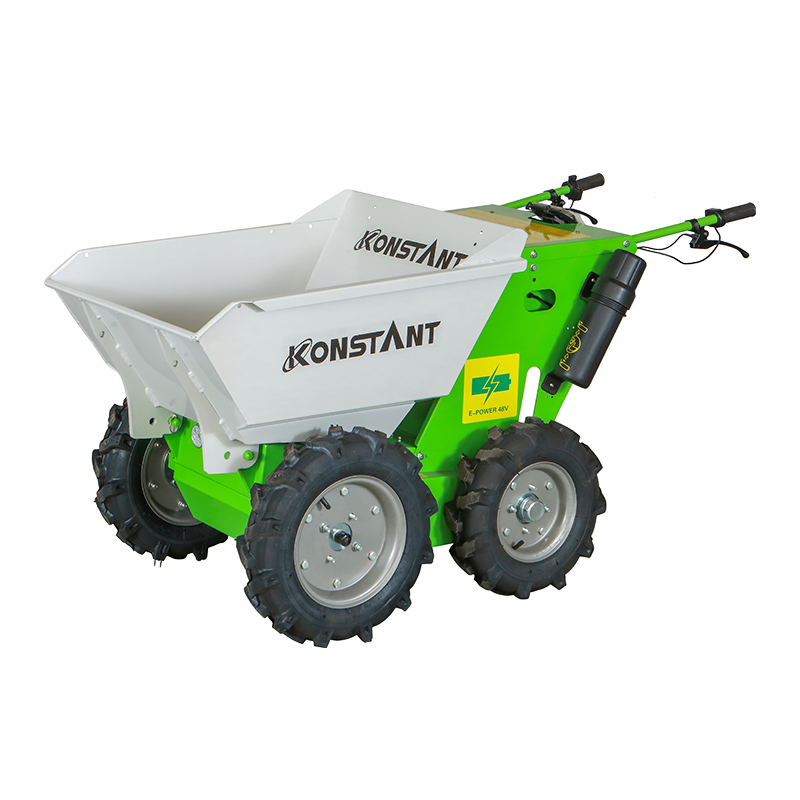
Provide you with the latest enterprise and industry news
What Should Buyers Know Before Choosing a Petrol Wheelbarrow for Sale
Update:24-08-2026
Posted by Admin
Content
- 1 What Is a Petrol Wheelbarrow Used For?
- 2 Why Does the Working Environment Matter?
- 3 How Should Buyers Think About Load Requirements?
- 4 What Should Buyers Look for in Maneuverability?
- 5 How Important Is Ease of Operation?
- 6 What Maintenance Questions Should Buyers Ask?
- 7 How Does Fuel Consideration Affect the Buying Decision?
- 8 What Should Buyers Check Before Purchasing a Petrol Wheelbarrow for Sale?
- 9 How Can Buyers Compare Different Petrol Wheelbarrows More Effectively?
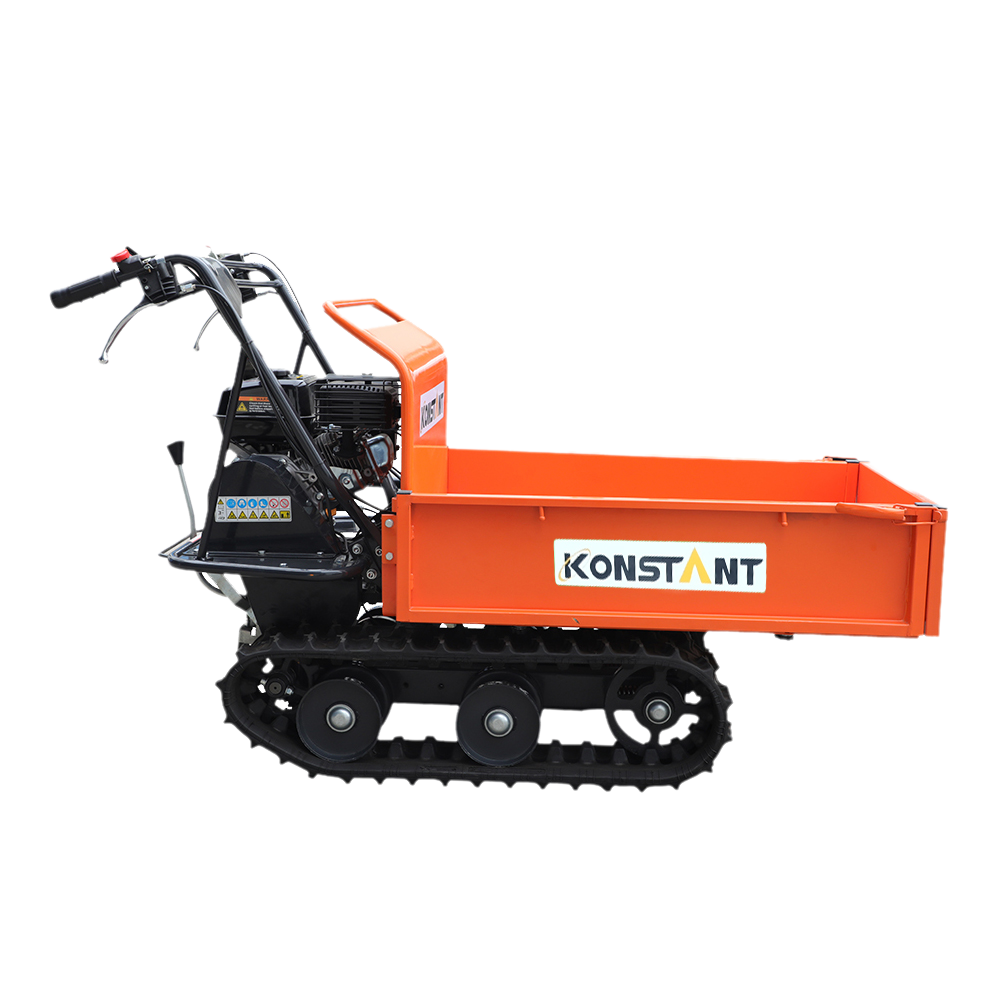
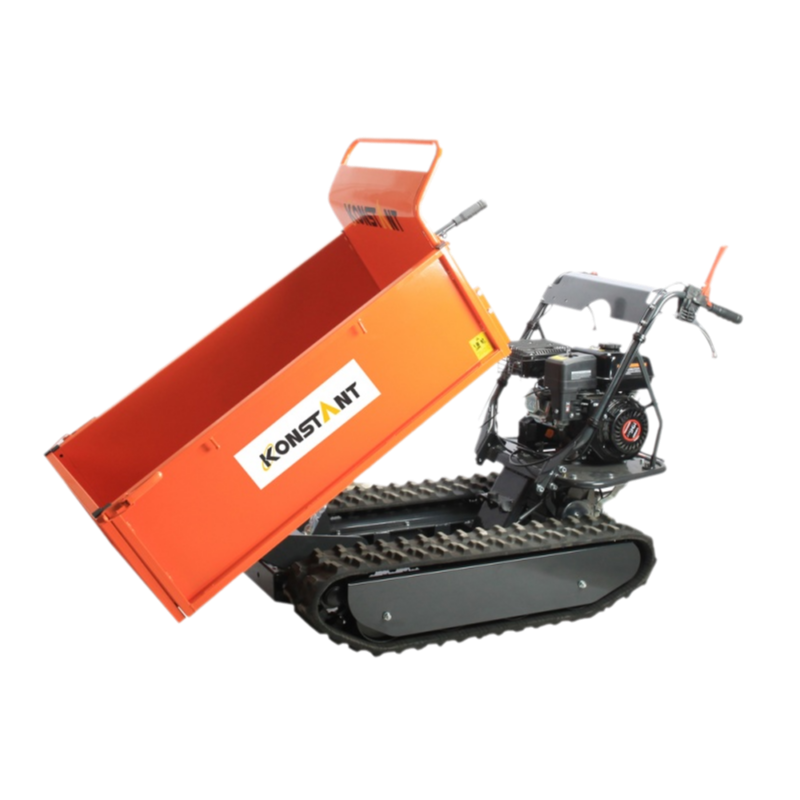
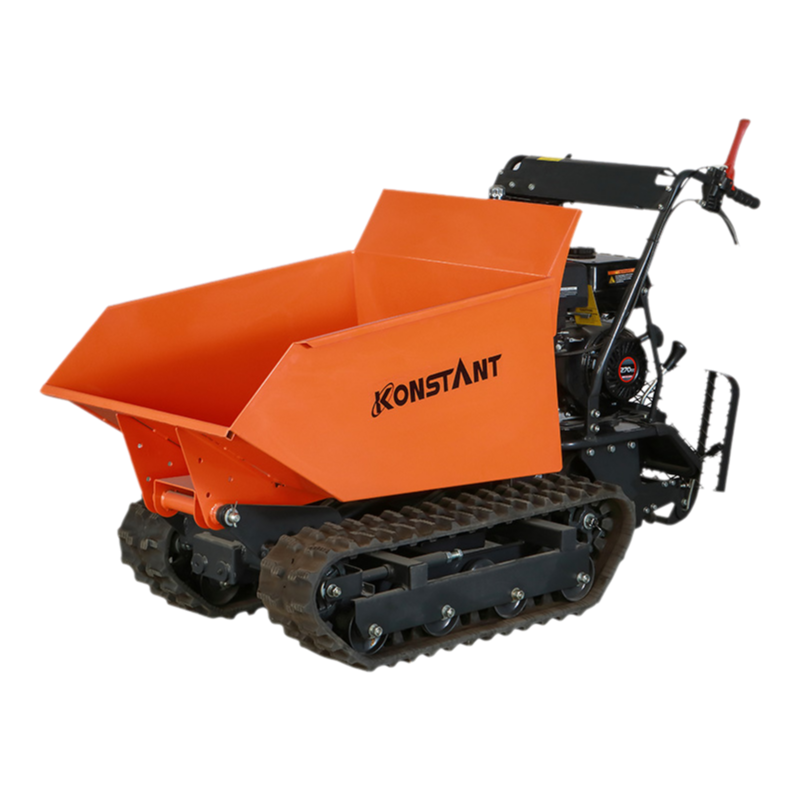
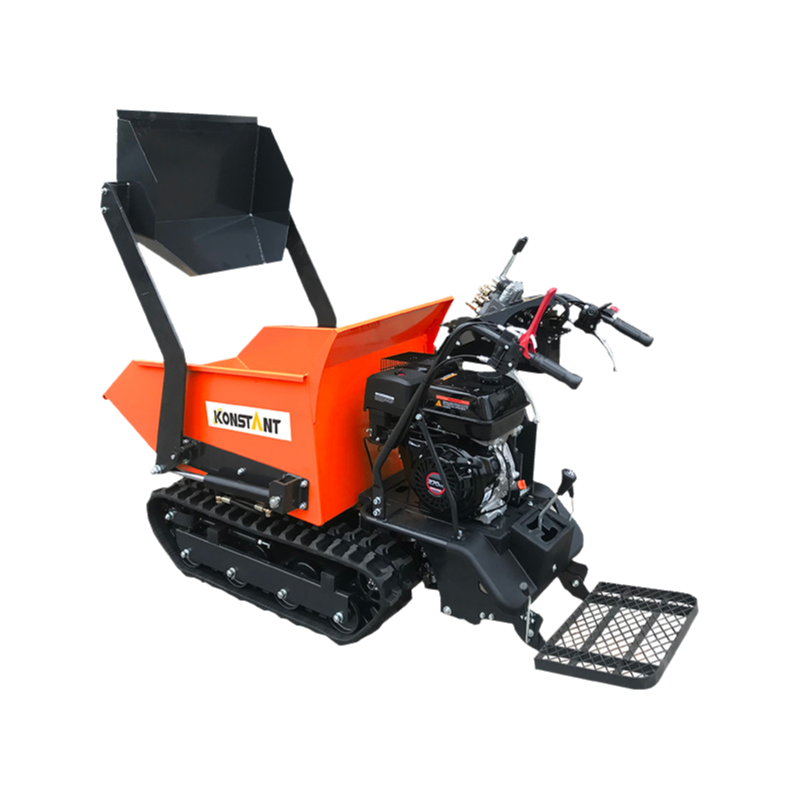
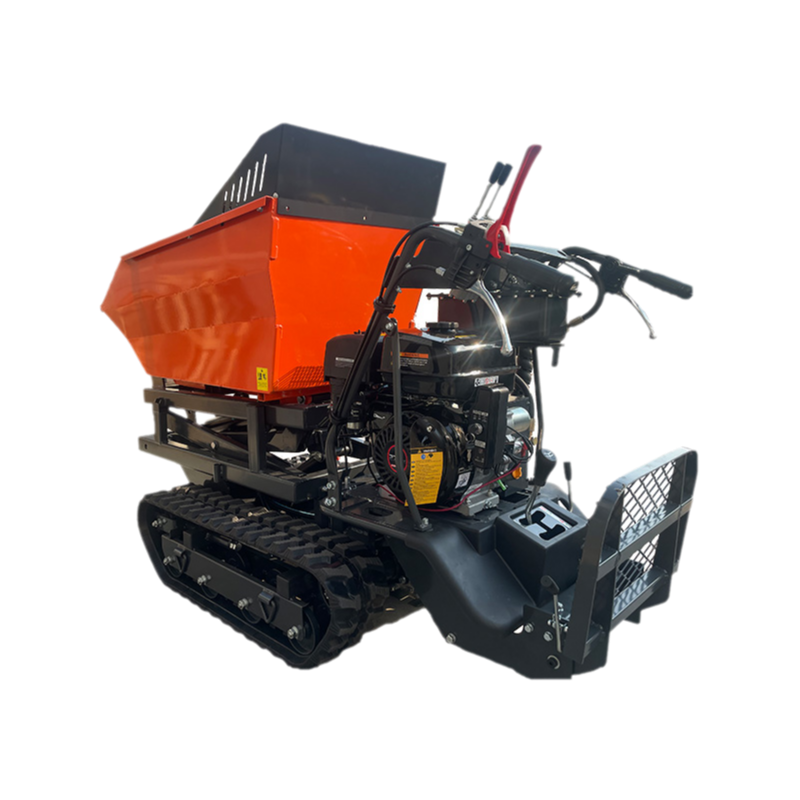
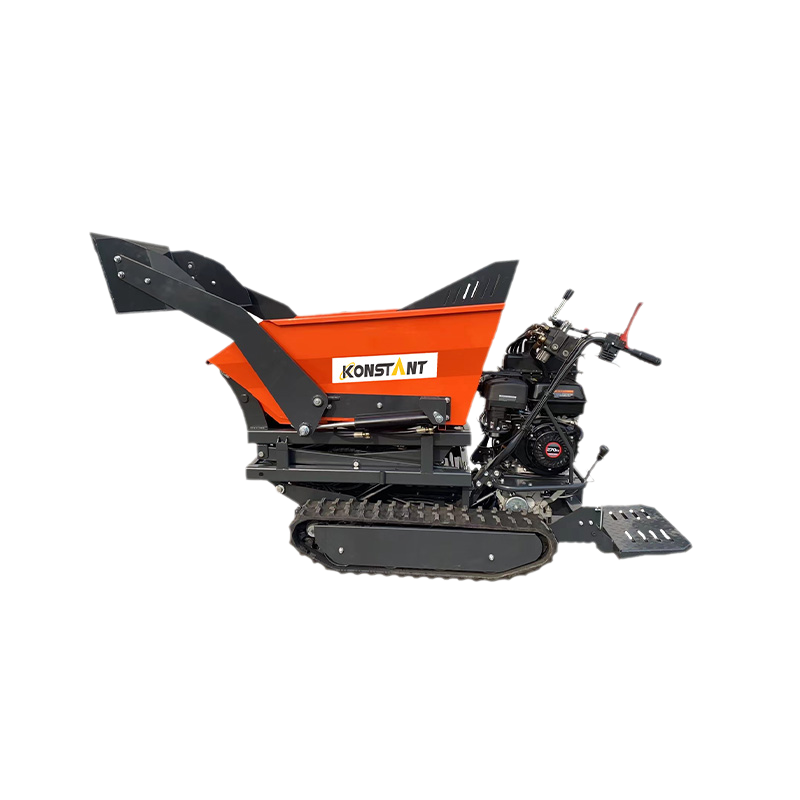
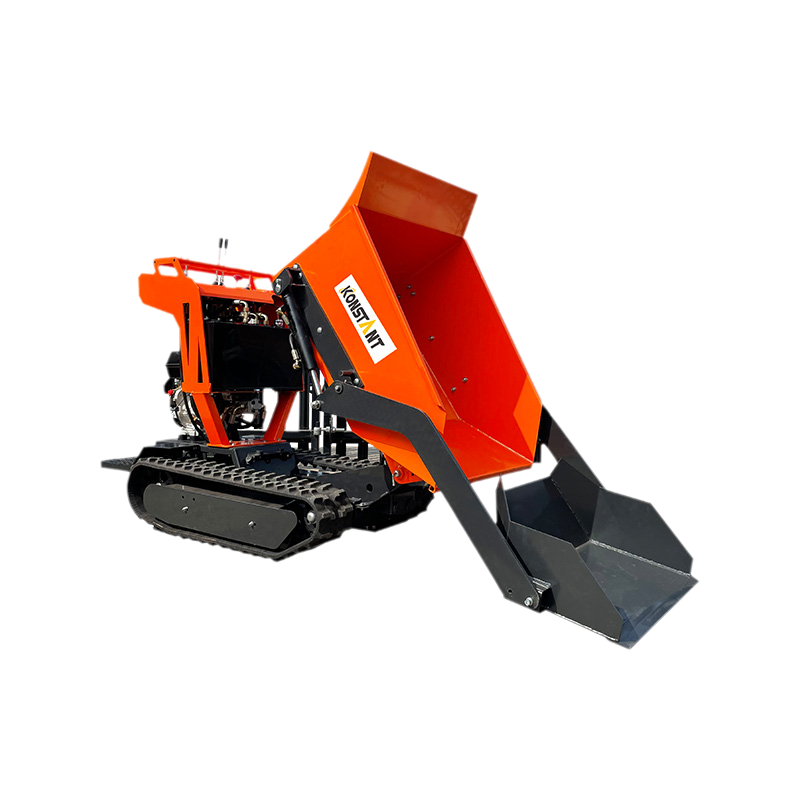
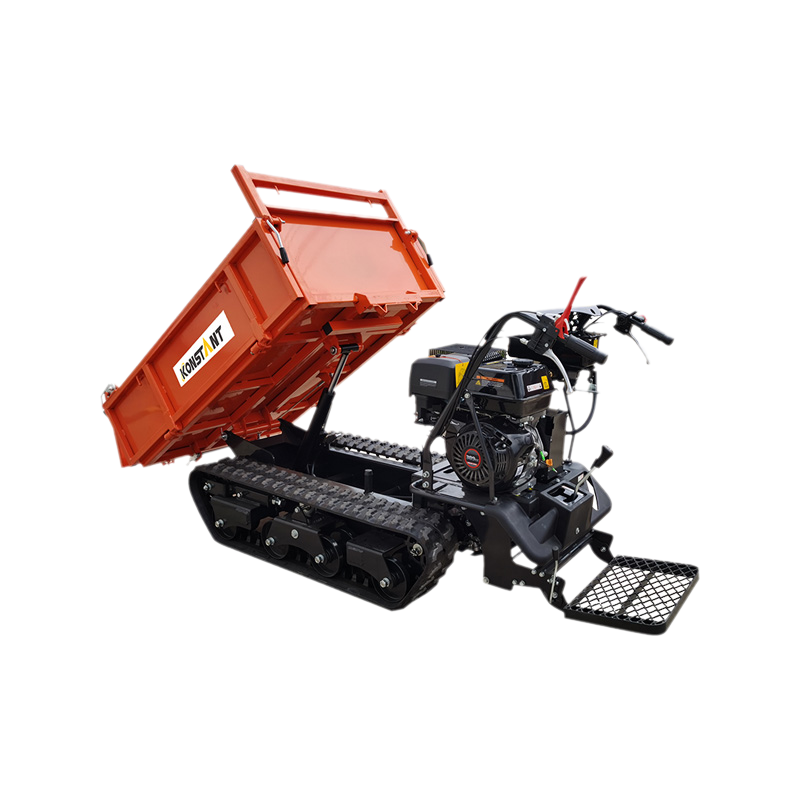
The market for outdoor material handling equipment continues to attract attention as construction, landscaping, farming, property maintenance, and small-scale site work develop in different directions. Among the equipment available for these tasks, the petrol wheelbarrow remains a practical option for moving materials across areas where carrying loads by hand can take considerable effort.
A petrol wheelbarrow combines the familiar concept of a wheelbarrow with powered movement. This makes it useful in situations where materials need to be transported repeatedly across a work area. Soil, sand, gravel, garden waste, construction materials, and other loads can all be part of its daily workload.
However, choosing a petrol wheelbarrow for sale is not simply about finding a machine that looks suitable. Buyers need to consider how the equipment will be used, where it will operate, what type of material it will carry, and how easily it can fit into regular work routines.
The right choice depends on the working environment as much as the product itself.
What Is a Petrol Wheelbarrow Used For?
A petrol wheelbarrow is designed to help move materials around outdoor work areas. Its powered movement can reduce the physical effort involved in transporting loads over repeated trips.
Construction sites are a common application. Workers may need to move sand, soil, cement-related materials, stones, or building supplies between different parts of a site. A powered wheelbarrow can make these routine movements easier to organize.
Landscaping is another important application. Garden projects often involve moving soil, mulch, branches, stones, and other materials. The work may take place across uneven outdoor areas where larger transport equipment is not practical.
Agricultural work can also create demand for petrol wheelbarrows. Farms, nurseries, and small agricultural operations may need to move feed, soil, plants, tools, or harvested materials over short distances.
Property maintenance creates another use case. Large gardens, parks, rural properties, and outdoor facilities often require regular movement of waste or loose materials.
The equipment is therefore not limited to one industry. Its usefulness comes from its ability to support repeated material movement in different outdoor settings.
| Application | Common Material Handling Needs |
|---|---|
| Construction | Moving soil, sand, stones, and building materials |
| Landscaping | Transporting mulch, plants, soil, branches, and garden waste |
| Farming | Moving feed, soil, crops, and farm supplies |
| Property Maintenance | Handling garden waste and loose outdoor materials |
| Renovation Work | Moving materials around residential or commercial sites |
Why Does the Working Environment Matter?
A petrol wheelbarrow may perform differently depending on the environment in which it is used. Buyers should think about the actual workplace rather than focusing only on the appearance of the equipment.
A flat construction area presents different challenges from a sloped garden. A compact backyard has different access requirements from an open farm. Narrow paths, gates, corners, steps, soft ground, and uneven surfaces can all influence whether a particular wheelbarrow is convenient to use.
The route between the loading area and unloading point also deserves attention. If the equipment needs to pass through narrow spaces, its overall shape and maneuverability become important. If the working area contains loose soil or rough ground, stability and control may receive more attention.
Outdoor conditions can change throughout the day. Wet ground may become slippery. Dry soil can become loose and difficult to cross. A busy construction site may contain obstacles that require careful movement.
Buyers can ask themselves a simple question: Where will this wheelbarrow actually work?
This question often provides more useful information than comparing products based only on their appearance.
How Should Buyers Think About Load Requirements?
The type of material being moved matters as much as the amount of material.
Loose soil behaves differently from garden waste. Stones may place different demands on the carrying area than mulch. Some materials are easy to distribute, while others may shift during movement.
Buyers should consider the normal working load rather than choosing equipment based on occasional needs. A wheelbarrow intended for regular construction work may need a different carrying arrangement from one used mainly for garden maintenance.
The shape of the carrying area can influence how easily materials are loaded and emptied. A practical design should allow workers to place materials inside without unnecessary difficulty. Unloading should also fit the normal workflow.
The frequency of use is another factor. Equipment used throughout a working day may need to support a more demanding routine than equipment used only from time to time.
It can help to divide the expected work into three questions:
- What materials will be transported?
- How often will the wheelbarrow be used?
- How will the material be loaded and unloaded?
These questions can narrow the options before a buyer begins comparing individual products.
What Should Buyers Look for in Maneuverability?
Maneuverability is easy to overlook when shopping for a wheelbarrow petrol for sale. Yet it can have a direct effect on everyday work.
A machine may carry materials effectively but still be inconvenient if it is difficult to turn, position, or control in a confined area. Outdoor jobs often involve changing directions. Workers may need to move around buildings, garden beds, equipment, trees, fences, or construction materials.
Control should feel natural for the person operating the equipment. The handles and operating controls should be easy to understand. The movement should match the pace of the work rather than making every trip feel complicated.
Ground conditions also matter. A wheelbarrow used on firm surfaces may face fewer movement challenges than one working across loose soil or uneven terrain.
Buyers can consider the following practical points:
- Can the equipment move comfortably through the intended work area?
- Is it easy to position near the loading point?
- Can the operator change direction without excessive effort?
- Is unloading convenient at the destination?
- Does the overall design suit the people who will operate it?
These details may appear small during a showroom inspection. They can become much more important after repeated use.
How Important Is Ease of Operation?
A petrol wheelbarrow is still a working tool. Its value depends partly on how easily workers can use it during ordinary tasks.
Simple controls can make a difference. Operators should be able to understand the basic functions without spending unnecessary time learning complicated procedures.
Starting, moving, stopping, changing direction, and unloading should fit naturally into the work process. A clear operating layout can help reduce confusion when several tasks are happening at the same time.
Different workplaces may also have different operators. A landscaping business may have several workers using the same equipment. A farm owner may operate it personally. A contractor may use it across different job sites.
For this reason, buyers should think about the people who will actually use the wheelbarrow.
Comfort matters as well. Repeated handling can become tiring when the controls, handles, or general layout do not suit the operator. A practical design should support ordinary working movements rather than making them unnecessarily awkward.
Ease of operation does not mean that users can ignore safety or operating instructions. Buyers should still make sure operators understand the equipment and follow the manufacturer's guidance.
What Maintenance Questions Should Buyers Ask?
Maintenance is part of owning powered outdoor equipment. Buyers should understand what routine care will be required before making a purchase.
A petrol-powered machine contains working parts that need attention. Cleaning, inspection, lubrication where required, and checks of moving components can become part of normal ownership.
The working environment can influence maintenance needs. Soil, dust, moisture, plant material, and construction debris may accumulate around equipment during use.
A wheelbarrow used in landscaping may regularly encounter leaves and wet soil. Construction work can expose equipment to dust and loose material. Agricultural applications can create their own cleaning requirements.
Buyers should ask sellers about the normal maintenance process and whether replacement parts are reasonably accessible. Clear information at the purchasing stage can make later ownership easier.
A simple maintenance routine may include:
- Cleaning the equipment after demanding outdoor work.
- Checking visible components for signs of wear.
- Keeping moving areas free from unnecessary debris.
- Inspecting the carrying area regularly.
- Following the recommended care instructions.
- Storing the equipment in an appropriate location when it is not being used.
The goal is not to make maintenance complicated. It is to understand the routine before the equipment becomes part of everyday work.
How Does Fuel Consideration Affect the Buying Decision?
Because a petrol wheelbarrow uses fuel, buyers should consider how fuel fits into their working habits.
The question is not simply whether petrol is available. Buyers should think about where the equipment will be stored, how often it will be used, and how fuel will be handled at the workplace.
Fuel storage should follow applicable local requirements and the manufacturer's instructions. It should be kept in a suitable location away from avoidable sources of heat or ignition.
Buyers may also want to understand how the engine starts and how the equipment behaves during regular operation. These practical details can affect the daily experience more than a product description suggests.
For businesses, operating routines are especially important. If several workers share the equipment, everyone should understand the correct procedures for fuel handling and operation.
A petrol wheelbarrow can be useful for outdoor work, but fuel-related responsibilities should be considered as part of the purchase rather than treated as an afterthought.
What Should Buyers Check Before Purchasing a Petrol Wheelbarrow for Sale?
A product listing can provide useful information, but buyers may need to look beyond the basic description.
The seller should be able to explain the intended applications of the wheelbarrow and provide clear information about operation and maintenance. Buyers should also understand what is included with the purchase.
After-sales support can matter when equipment becomes part of regular business operations. Questions about replacement components, maintenance support, operating instructions, and warranty terms are worth asking before placing an order.
The seller's communication can also provide useful clues. Clear product information makes it easier to judge whether the equipment matches the intended application. Vague descriptions can make comparison more difficult.
Buyers can use a simple checklist when reviewing a petrol wheelbarrow for sale:
| Buying Question | Why It Matters |
|---|---|
| Where will it be used? | Helps match the equipment with the working environment |
| What materials will it carry? | Helps identify a suitable carrying design |
| How often will it operate? | Supports a realistic purchase decision |
| Who will operate it? | Brings ease of use and control into consideration |
| What ground conditions are expected? | Helps assess movement and stability needs |
| How will it be maintained? | Gives a clearer view of ownership responsibilities |
| What support does the seller provide? | Helps with future service and replacement needs |
| How will it be stored? | Supports safe and organized equipment management |
A purchase becomes easier to assess when these questions are answered clearly.
How Can Buyers Compare Different Petrol Wheelbarrows More Effectively?
Comparing products only by price can make the buying process misleading. A lower purchase cost does not automatically mean lower overall ownership costs, while a higher price does not automatically indicate that a product will suit a particular job.
Application should remain at the center of the comparison.
A landscaping company may care about maneuverability and easy cleaning. A construction contractor may focus more heavily on material handling and site access. A farm may place greater importance on movement across outdoor ground and regular maintenance.
The same product can therefore be suitable for one workplace and less convenient for another.
It can be useful to create a short comparison sheet before making a decision. Instead of recording every available product detail, buyers can focus on the features that directly affect their work.
Consider the work route, material type, operating frequency, storage arrangements, maintenance routine, and seller support. These factors provide a more realistic basis for comparison.
Buyers should also avoid choosing equipment simply because it appears powerful or heavily built. The useful option is the one that fits the intended application and can be integrated into the normal workflow.
The growing interest in petrol wheelbarrows for sale reflects a wider demand for practical equipment that can support outdoor material handling without requiring large machines. As construction, landscaping, farming, and property maintenance continue to involve varied working conditions, buyers are paying closer attention to usability, access, maintenance, and application.
For sellers, providing clear information about these areas can make product selection easier. For buyers, asking practical questions before purchasing can help ensure that the chosen petrol wheelbarrow matches the work it is expected to perform.
Related products

Latest Updates
-
Can Wheelbarrow Function Support Different Types of Work
Moving materials from one place to another is part of many types of outdoor work. A gardener may n...
-
What Types of Materials Can a Petrol Wheelbarrow Move
Moving material around a job site is just part of the work in a lot of outdoor trades. Constructio...

-
Welcome To Visit Us
No.30, Third Furong Road, Wuxi City, Jiangsu. 214100, China.
-
Call Us
Phone: +86 181-1889-1139
Phone: +86 181-1889-2139
-
Contact Us Online
E-mail: sales@konstantpm.com
E-mail: marketing@konstantpm.com
Copyright WUXI KONSTANT POWER TECH CO., LTD All Rights Reserved
 China Mini Dumpers Manufacturers Power Wheelbarrow Factory