
 English
 русский
 Français
 Español
 Deutsch

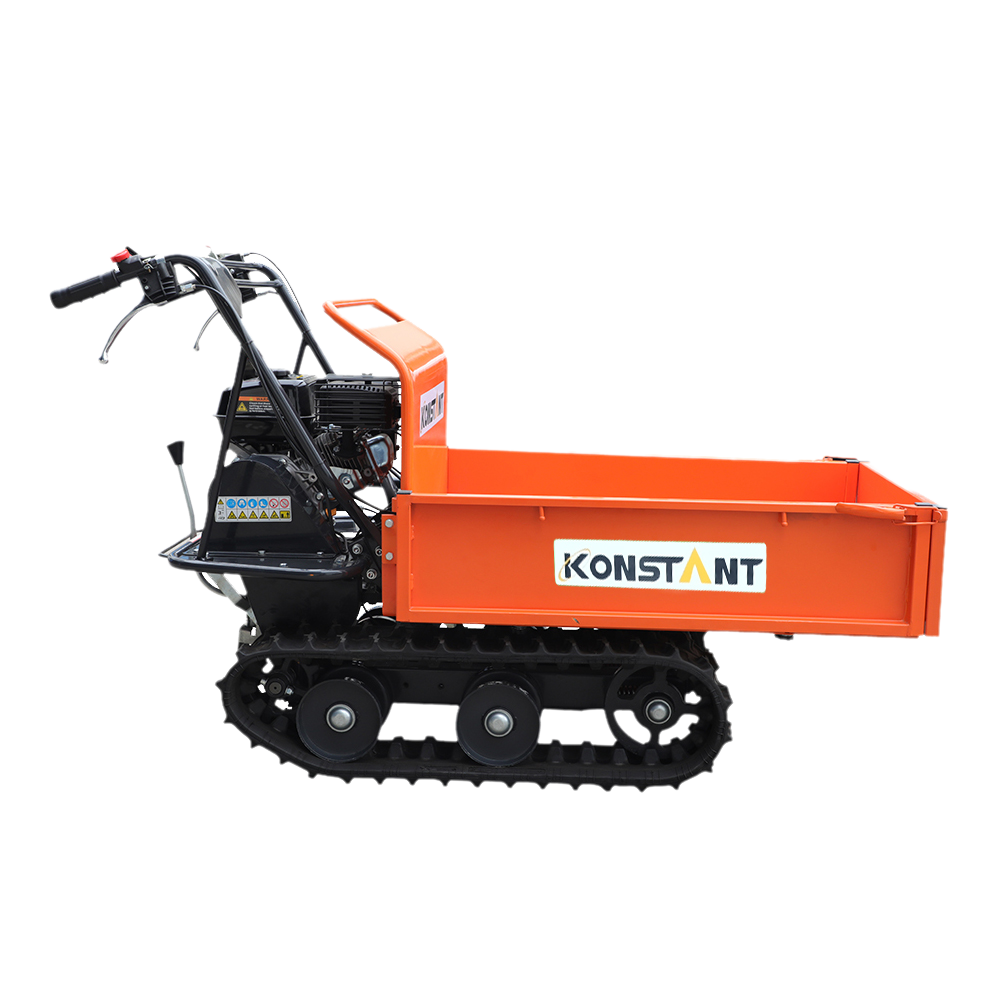
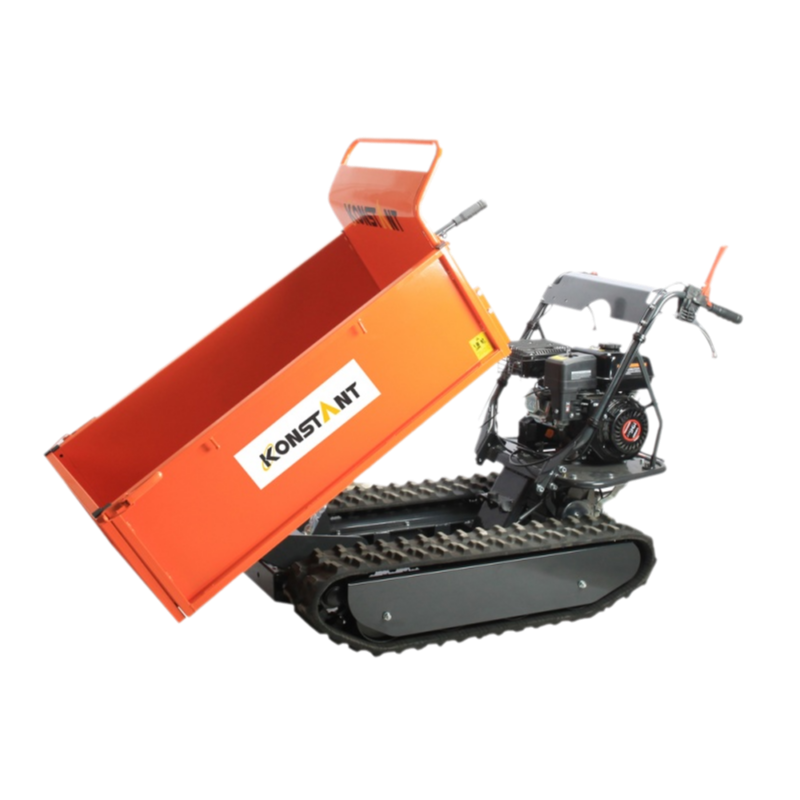
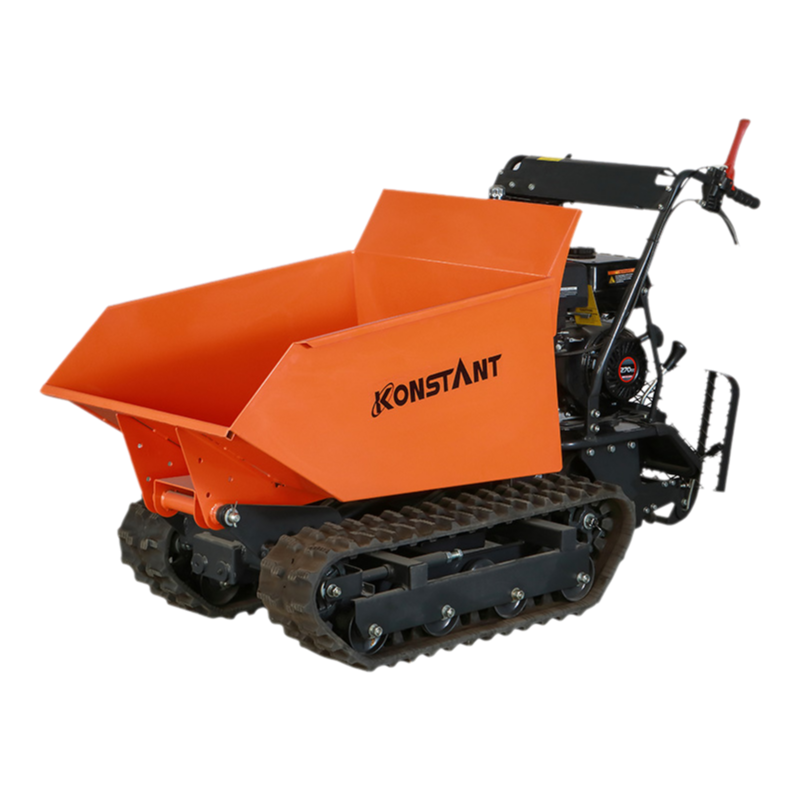
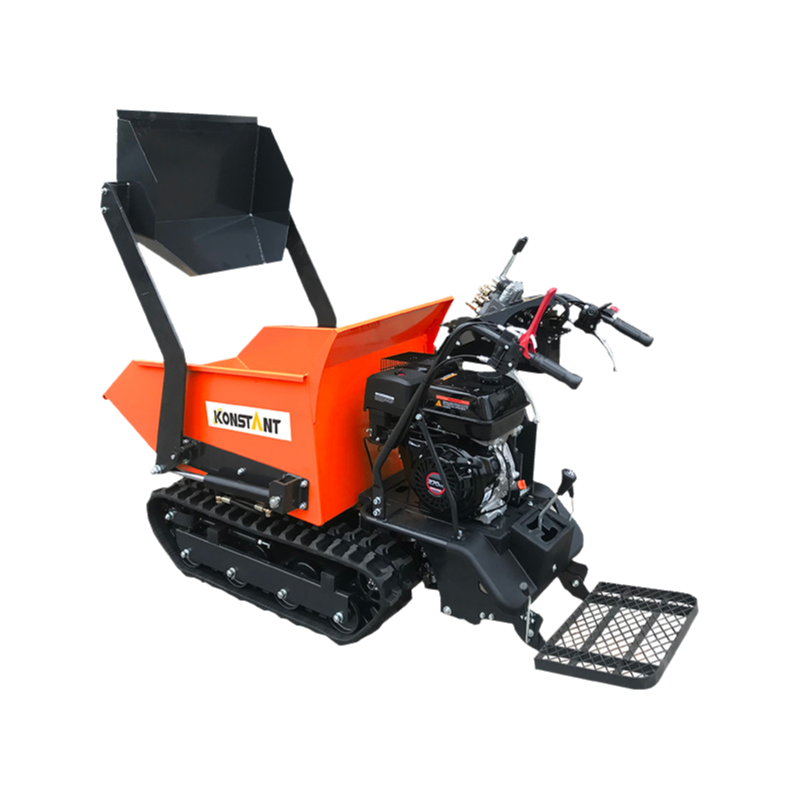
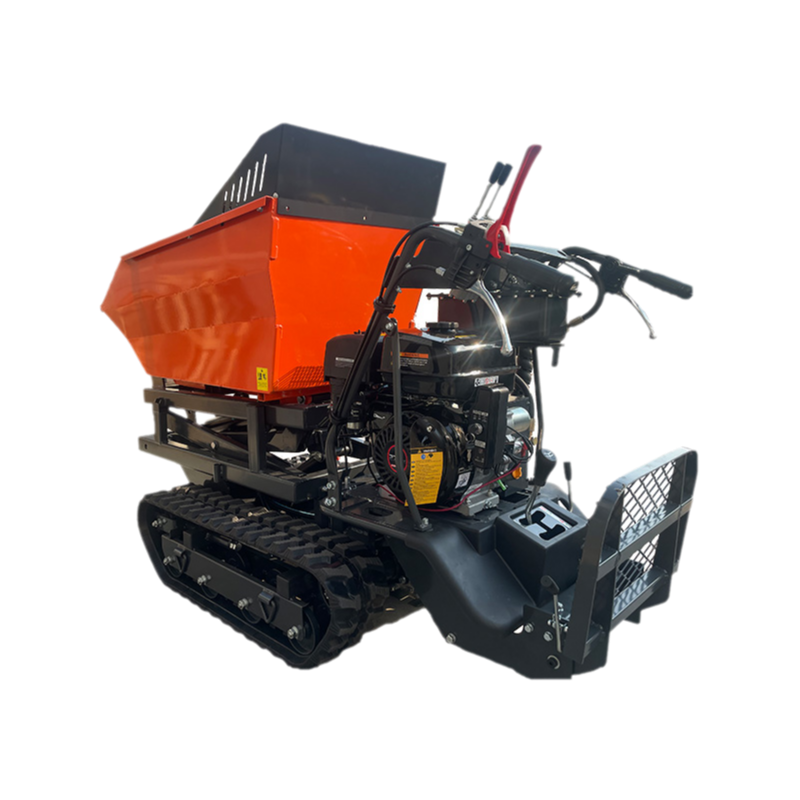
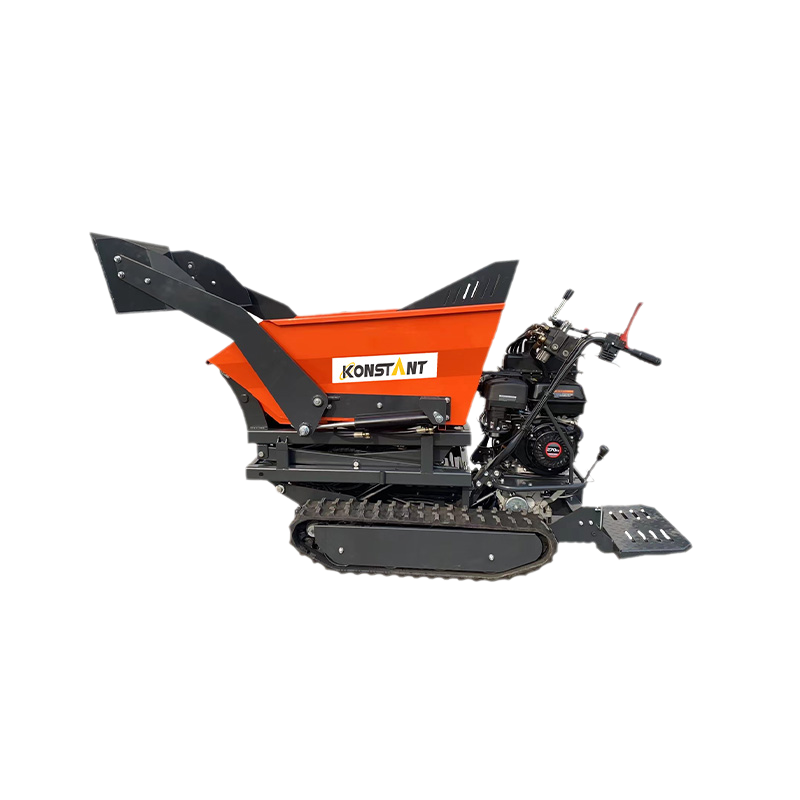
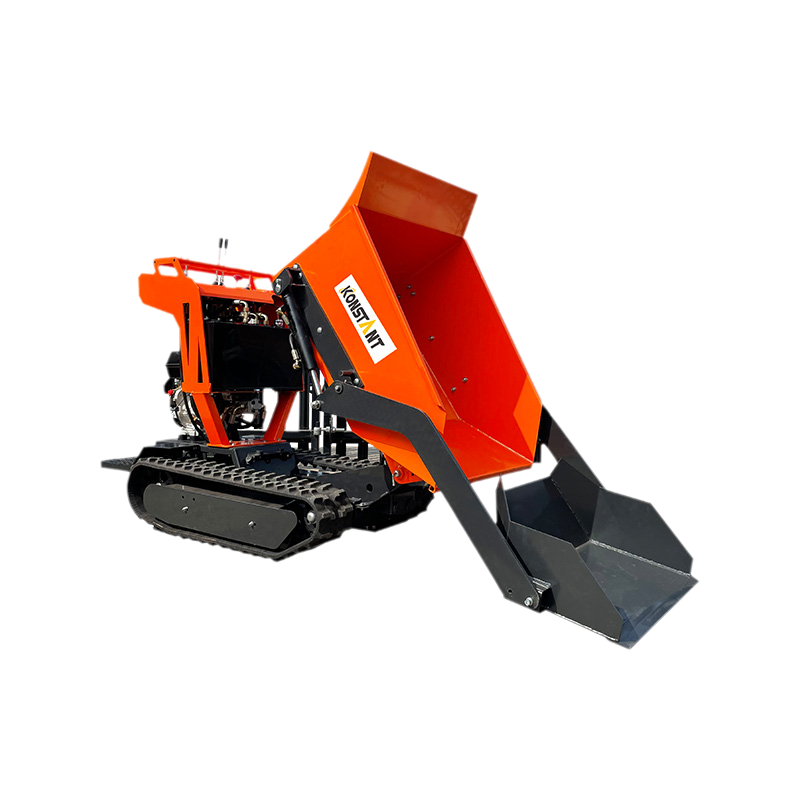
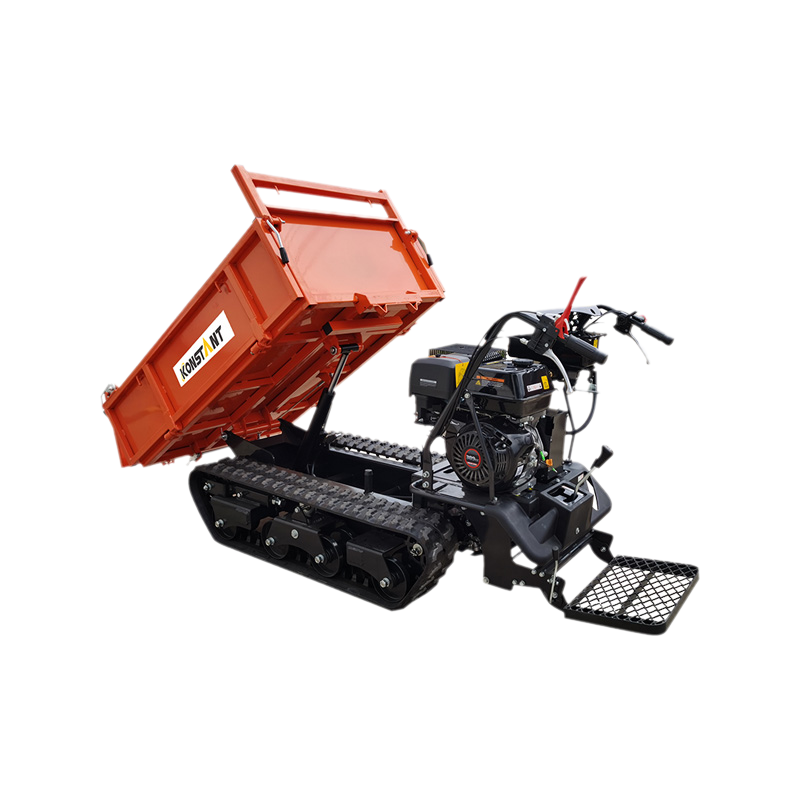
Provide you with the latest enterprise and industry news
How Can a Petrol Barrow Support Repeated Material Transport
Update:28-08-2026
Posted by Admin
Content
- 1 Why Is Repeated Material Transport Important in Outdoor Work?
- 2 How Can a Petrol Barrow Help With Repeated Loads?
- 3 Which Materials Can a Petrol Barrow Help Transport?
- 4 How Does a Petrol Barrow Fit Into Construction Work?
- 5 How Can Landscaping Teams Use a Petrol Barrow?
- 6 What Role Does a Petrol Barrow Play in Farming?
- 7 Why Does Maneuverability Matter During Repeated Transport?
- 8 How Can Proper Loading Improve the Transport Process?
- 9 What Should Operators Consider Before Repeating Transport Tasks?
Outdoor work often involves the same task again and again. Soil needs to move from one area to another. Garden waste has to leave a worksite. Building materials need to reach different parts of a project. These jobs may appear simple, but repeated manual carrying can take considerable time and effort.
This is where a petrol barrow can become a practical part of the workflow. Designed for powered material movement, a petrol barrow can help workers transport loads across outdoor areas without relying entirely on manual pushing and lifting.
Its value is not limited to one type of project. Construction, landscaping, farming, property maintenance, and renovation work can all involve repeated material transport. The materials may differ, but the basic need remains similar: move something from point A to point B and repeat the process as the work progresses.
Why Is Repeated Material Transport Important in Outdoor Work?
Material transport is often one of the less visible parts of a project. It does not always attract attention, yet it can influence how smoothly the entire job progresses.
A landscaping team may need to move soil to several planting areas. A construction crew may transport sand or loose materials around a site. A farm may require regular movement of feed, soil, plants, or other supplies.
In many cases, the distance is not long enough to justify large transport equipment. At the same time, carrying materials by hand for every trip can become inconvenient.
A petrol barrow sits between these two approaches. It provides powered movement while maintaining a relatively compact form that can suit outdoor work areas.
Repeated transport can be divided into several basic activities:
- Loading material at the starting point.
- Moving the load through the work area.
- Positioning the barrow at the destination.
- Emptying the material.
- Returning for another load.
When this cycle happens many times during a project, small improvements in each stage can make the overall workflow easier to manage.
The benefit is therefore not simply about moving one load. It is about supporting the entire transport cycle.
How Can a Petrol Barrow Help With Repeated Loads?
It can support repeated transport by providing powered movement between loading and unloading points.
The operator does not need to rely entirely on physical force to move every load. This can make recurring transport tasks more manageable, particularly when materials need to travel across outdoor work areas.
The carrying area also provides a practical way to organize loose materials during movement. Soil, mulch, stones, garden waste, and similar materials can be loaded, transported, and emptied as part of a repeated routine.
The process can look simple:
Load → Move → Position → Unload → Return → Repeat
The simplicity is part of its appeal.
Workers can establish a regular route between two areas instead of repeatedly carrying smaller amounts by hand. This may help create a more organized workflow, especially when several areas of a project need materials.
The actual benefit depends on the work environment, material type, operating habits, and equipment design. It should be selected according to the job rather than treated as a universal solution for every transport requirement.
Which Materials Can a Petrol Barrow Help Transport?
The range of materials is one reason petrol barrows appear across different outdoor applications.
Construction work may involve soil, sand, stones, and other loose building materials. Landscaping can require movement of mulch, plants, soil, branches, and garden waste. Agricultural work can involve feed, crops, soil, and farm supplies.
The material itself can affect how the barrow should be used. Loose materials may be easy to load but can shift during movement. Bulky garden waste may require more careful placement. Stones can be heavier and may need controlled loading.
Buyers should therefore consider the normal material handled in their workplace.
| Work Area | Examples of Repeated Transport Tasks |
|---|---|
| Construction | Moving soil, sand, stones, and building materials around a site |
| Landscaping | Transporting soil, mulch, plants, branches, and garden waste |
| Farming | Moving feed, crops, soil, and agricultural supplies |
| Property Maintenance | Clearing garden waste and moving loose outdoor materials |
| Renovation | Transporting materials between different areas of a property |
Understanding the material helps operators plan loading and unloading more effectively. It also helps buyers identify whether a particular petrol barrow is suitable for their intended application.
How Does a Petrol Barrow Fit Into Construction Work?
Construction sites can change quickly. Materials may be needed in different areas as work moves forward.
A pile of material may be located near the entrance while the actual work takes place farther inside the site. Workers may need to make repeated trips throughout the day.
It can support this type of movement by carrying materials between different points.
For example, soil may need to be moved during ground preparation. Loose materials may need to reach a particular working area. Waste may also need to be transported away from an active section of the site.
The compact nature of a barrow can be useful where larger equipment is difficult to position. Construction areas can contain temporary structures, narrow routes, stored materials, and other obstacles.
However, every site is different. Operators should check the route before beginning repeated transport. They should also consider pedestrians, equipment, uneven ground, and other potential hazards.
The goal is to make material movement part of the site workflow rather than creating an additional obstacle.
How Can Landscaping Teams Use a Petrol Barrow?
Landscaping is another field where repeated transport is common.
A single garden project may require soil to be moved to several planting areas. Mulch may need to be distributed around beds. Branches and garden waste may need to be collected and taken to a disposal point.
These tasks can involve many short journeys.
It can help organize those journeys. Instead of workers carrying small amounts repeatedly, material can be placed in the carrying area and moved along an established route.
This can be particularly useful when a project covers a larger outdoor area.
Garden layouts can also create movement challenges. Trees, fences, flower beds, pathways, and buildings may divide the working area into smaller sections. Operators need equipment that can fit naturally into these spaces.
The route should remain clear, and loads should be positioned securely. Good organization can make the repeated transport process easier for the entire team.
Landscaping businesses may also use the same equipment across different projects. In that situation, flexibility becomes an important consideration. The barrow may be used for soil on one job and garden waste on another.
What Role Does a Petrol Barrow Play in Farming?
Farming involves many transport tasks that take place away from paved roads and indoor work areas.
Feed may need to be moved between storage and livestock areas. Soil and planting materials may need to reach different parts of a farm. Crops and supplies may also require short-distance transport.
These activities are often repeated as part of ordinary farm routines.
Petrol power barrow can provide a powered option for such movement. Its usefulness depends heavily on the farm layout and ground conditions.
A narrow path may require different handling from an open area. Soft ground can create different challenges from a firm surface. Slopes, gates, and other obstacles may also affect how equipment is used.
Operators should understand the route before starting. The load should be appropriate for the equipment, and movement should remain controlled throughout the journey.
For farms that perform the same transport task regularly, establishing a consistent loading and unloading routine can make daily work more organized.
Why Does Maneuverability Matter During Repeated Transport?
Repeated transport is not simply about carrying material. The operator also needs to guide the equipment through the work area.
A route may include corners, narrow spaces, uneven ground, or temporary obstacles. If the barrow is difficult to position, the operator may spend more time adjusting its direction between trips.
Maneuverability can therefore influence the practical experience of repeated use.
The controls should be easy to understand. The handles should allow the operator to guide the machine naturally. Movement should remain predictable when approaching the loading or unloading area.
Good route planning also matters.
Before starting a repeated transport task, operators can identify:
- The loading location.
- The unloading location.
- The safest available route.
- Areas that may become blocked during work.
- Places where turning or positioning may be difficult.
This simple preparation can prevent unnecessary movement during the job.
A clear route can make repeated trips feel more like a planned process rather than a series of individual tasks.
How Can Proper Loading Improve the Transport Process?
Loading is an important part of repeated material transport.
The material should be placed in a way that supports controlled movement. Uneven loading can make handling more difficult. Loose materials should also be positioned carefully so they do not unnecessarily spill during transport.
The loading process should match the material being handled.
Soil may be loaded using a shovel or similar tool. Garden waste may need to be placed by hand. Larger pieces of material may require more careful positioning.
Operators should avoid treating every material in exactly the same way.
A regular loading routine can also save time during repeated work. When workers know where materials should be placed and where the barrow should stop, each cycle becomes easier to organize.
Unloading deserves similar attention. The destination should provide enough space to empty the material safely and prepare for the return trip.
Small workflow decisions can influence the experience of using a petrol barrow throughout a working day.
What Should Operators Consider Before Repeating Transport Tasks?
It can support repeated movement, but safe and sensible operation remains important.
Operators should understand the equipment before using it. They should follow the manufacturer's operating instructions and use appropriate protective equipment for the workplace.
The working area should also be inspected regularly. Conditions can change as a project progresses. A clear route in the morning may become crowded later in the day.
Weather can also affect outdoor conditions. Wet surfaces, loose soil, or reduced visibility may change how equipment should be operated.
Regular checks can help identify visible issues before work begins. Cleaning the equipment after use can also help keep the working area around moving parts free from unnecessary debris.
Storage should not be overlooked. A suitable storage location can protect the equipment from unnecessary exposure and help keep it ready for the next task.
Repeated transport works better when the equipment, operator, route, material, and workflow are considered together. It can become a useful part of that process when its application matches the actual demands of the work.
As outdoor projects become increasingly varied, material movement remains a practical concern across construction, landscaping, farming, and property maintenance. It offer one approach to organizing these repeated journeys, particularly where workers need powered assistance without relying on larger transport equipment.
The purchasing decision should focus on the intended application, working conditions, materials, route, operator needs, and maintenance routine. When these factors are considered together, a petrol barrow can fit more naturally into everyday material handling tasks.
Related products

Latest Updates
-
Mini Dumper Purchases: Include the Charging Plan in the Enquiry
A battery powered mini dumper may be selected for its size and payload, while charging is left as a ...
-
Can Wheelbarrow Function Support Different Types of Work
Moving materials from one place to another is part of many types of outdoor work. A gardener may n...

-
Welcome To Visit Us
No.30, Third Furong Road, Wuxi City, Jiangsu. 214100, China.
-
Call Us
Phone: +86 181-1889-1139
Phone: +86 181-1889-2139
-
Contact Us Online
E-mail: sales@konstantpm.com
E-mail: marketing@konstantpm.com
Copyright WUXI KONSTANT POWER TECH CO., LTD All Rights Reserved
 China Mini Dumpers Manufacturers Power Wheelbarrow Factory