English
 русский
 Français
 Español
 Deutsch

Moving materials from one place to another is part of many types of outdoor work. A gardener may need to carry soil to a planting area. A construction worker may move sand or building materials across a worksite. A farmer may transport feed, crops, or supplies between different areas of a property.
These tasks do not always require large vehicles or complicated equipment.
A wheelbarrow provides a simple way to move materials while keeping the load close to the working area. Its basic structure allows one person to load, move, and unload materials as part of a continuous task.
Although the design is simple, the Wheelbarrow Function can support different types of work. The actual use depends on the material, work environment, distance, and type of job being performed.
Traditional manual wheelbarrows rely on the operator to provide the pushing force. Powered versions can assist movement in situations where manual handling may be more demanding. Both forms are built around the same general purpose: helping move materials around a worksite.
Looking at different applications makes it easier to understand how this simple transport tool fits into everyday work.
What Is the Main Function of a Wheelbarrow?
The basic function of a wheelbarrow is material transport.
A person loads material into the container, moves the wheelbarrow to another location, and unloads it. This simple process can save time and reduce the need to carry loose materials by hand.
The wheelbarrow can be used for materials such as:
- Soil
- Sand
- Gravel
- Compost
- Mulch
- Leaves
- Plant waste
- Stones
- Building materials
- Tools and general supplies
The exact material depends on the equipment and the intended application.
The design also allows the wheelbarrow to operate in areas where larger transport equipment may not be convenient. Gardens, narrow paths, small construction areas, and farm workspaces can all involve short-distance movement where a compact transport tool is useful.
The function can therefore be described through several simple activities:
| Wheelbarrow Function | Practical Role |
|---|---|
| Loading | Holds materials during transport |
| Moving | Helps transfer materials between locations |
| Positioning | Brings materials closer to the working area |
| Unloading | Allows materials to be released at the destination |
| Site Support | Helps workers move supplies around a worksite |
This basic process is shared across many applications.
What changes is the material being moved and the environment where the wheelbarrow is used.
How Does Wheelbarrow Function Support Gardening Work?
Gardening is one of the familiar applications for a wheelbarrow.
Garden work often involves moving materials over relatively short distances. Soil may need to be brought to a planting area. Compost can be moved from a storage location to a garden bed. Leaves and plant waste may need to be collected and taken away.
A wheelbarrow can handle these tasks as part of a regular gardening routine.
It can also carry tools and supplies. Instead of walking back and forth to collect individual items, a worker can place several necessary materials in the container and move them together.
This makes the wheelbarrow useful during tasks such as:
- Preparing planting areas.
- Moving soil and compost.
- Transporting mulch.
- Collecting garden waste.
- Moving plants and gardening supplies.
- Carrying tools between work areas.
Garden environments are not always flat or open. Paths can be narrow, and planting areas may be surrounded by plants or other obstacles.
The relatively compact nature of a wheelbarrow allows it to work in spaces where larger transport equipment may not fit comfortably.
The material also changes throughout the day. A worker might move soil in the morning, plants later, and garden waste afterward. The same basic transport function can support each task.
Can Wheelbarrow Function Support Landscaping Work?
Landscaping often involves heavier or bulkier materials than routine gardening.
A landscaping project may require soil, stones, gravel, mulch, branches, or other materials to be moved around the property. These materials may be stored in one area and needed somewhere else.
The work can involve repeated short-distance trips.
A wheelbarrow can provide a simple way to move these materials without bringing large transport equipment into every part of the site.
For example, stones may be moved toward a garden border. Soil may be transported to a newly prepared area. Mulch may be taken from a storage pile to planting beds.
The working environment can also vary. Some landscaping areas have slopes or uneven ground. Others include narrow spaces between buildings, trees, walls, or garden features.
This makes material handling part of the overall landscaping process.
A wheelbarrow can support the work by bringing the material closer to where it is needed. The operator can then unload the material and return for another load.
The function is simple, but repeated movement can make up a large part of a landscaping job.
How Does a Wheelbarrow Help With Agricultural Work?
Agricultural work creates another set of material transport needs.
Farms and other agricultural properties often contain multiple working areas. Materials may need to move between storage buildings, fields, animal areas, planting areas, and maintenance spaces.
A wheelbarrow can be used for some of these local transport tasks.
Possible loads include animal feed, soil, harvested crops, planting materials, leaves, branches, and general supplies.
The material does not always need to travel a long distance. The challenge is often moving it from one practical location to another.
For example, feed may need to move from storage to an animal area. Planting materials may need to move from a storage point to a field. Crops may need to be collected and moved away from a working area.
The wheelbarrow provides a container for these materials and allows them to be moved as a load.
Agricultural ground can vary greatly. Some paths are firm and prepared, while other areas may be softer or uneven.
This is where the specific wheelbarrow design becomes important. Users need to make sure that the equipment is suitable for the working environment and the intended material.
Powered wheelbarrows can provide another option when the work involves more demanding movement. Their role is still based on the same basic idea: carrying materials from one location to another.
What Role Does a Wheelbarrow Play in Construction Work?
Construction sites are another environment where material movement happens throughout the day.
Workers may need to move sand, gravel, soil, bricks, blocks, tools, bags, or other supplies around a site.
Not every movement requires a large vehicle. Some materials only need to travel from one part of the work area to another.
A wheelbarrow can support this type of local transport.
For example, a worker may collect material from a storage point and take it to a construction area. After unloading, the wheelbarrow can return for another load.
This repeated movement can help keep materials closer to where they are being used.
Construction sites can also change as work progresses. An open area may become more crowded as structures, materials, and equipment are added. Access routes can become narrower.
A compact transport tool can be useful in these conditions when it fits the site and the intended load.
The wheelbarrow can also carry tools and smaller supplies. This gives it a role beyond loose material transport.
Its function can shift according to the stage of the job.
| Construction Task | Possible Wheelbarrow Role |
|---|---|
| Material Preparation | Move loose materials to the working area |
| Site Cleanup | Collect waste and unwanted materials |
| Tool Movement | Carry tools and small supplies |
| Ground Work | Transport soil and related materials |
| Local Transport | Move materials between nearby areas |
The equipment does not replace larger construction machinery. It serves a different purpose within the worksite.
Can Wheelbarrow Function Support Property Maintenance?
Property maintenance often involves a mixture of small jobs.
A worker may need to clear leaves, move branches, transport soil, carry tools, or remove collected waste. These tasks can take place around gardens, paths, buildings, parking areas, and other outdoor spaces.
A wheelbarrow can help combine some of these activities into a more organized transport process.
Instead of carrying several bags or tools separately, a worker can place suitable items in the wheelbarrow and move them together.
This can be useful for maintenance teams working across a larger property.
For example, a worker may collect fallen branches from one area and move them to a collection point. Another task may involve bringing soil to a damaged garden area.
The materials can change from one job to the next, but the transport function remains similar.
This flexibility is one reason the wheelbarrow continues to have a place in outdoor work.
It is not tied to one particular material. Its purpose is based more on the need to move manageable loads around a work area.
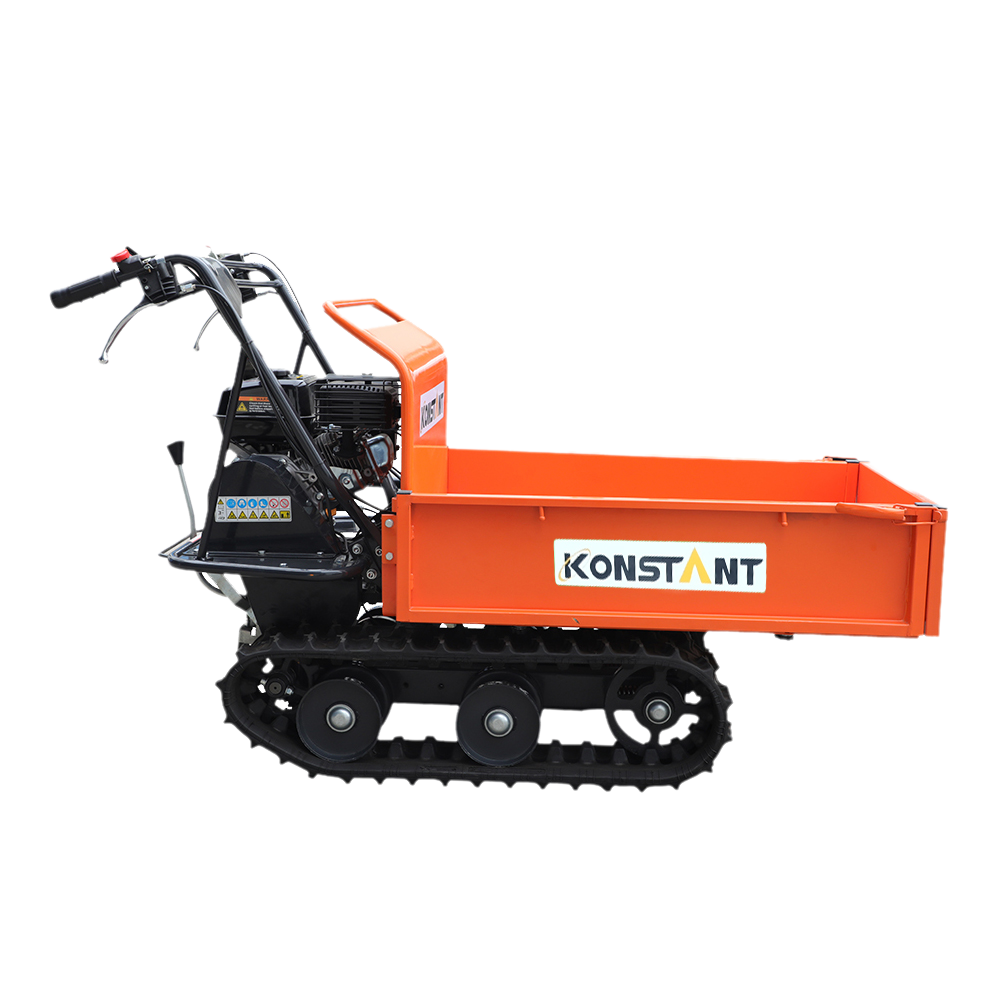
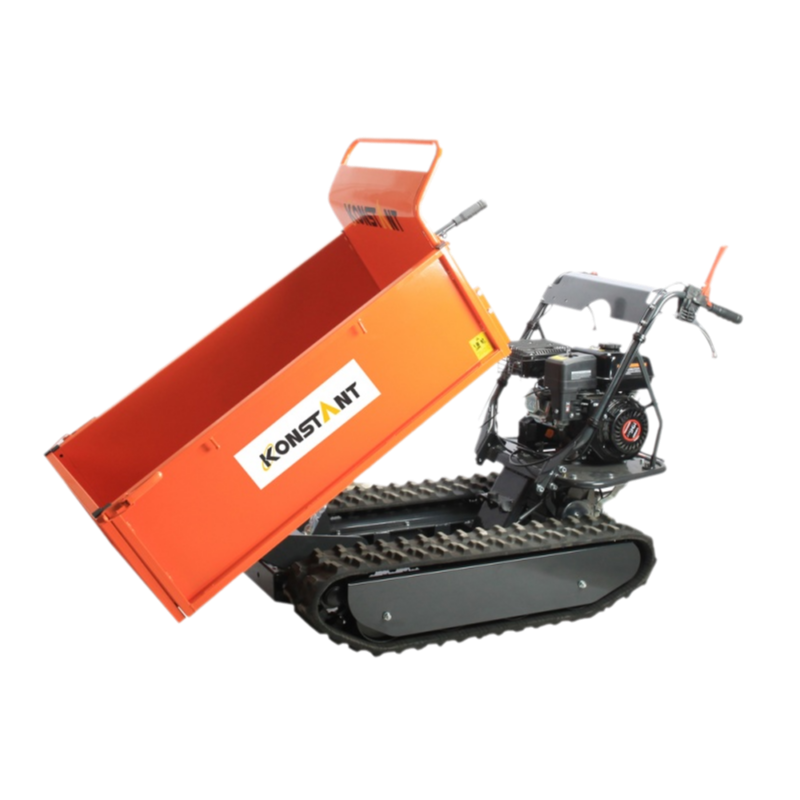
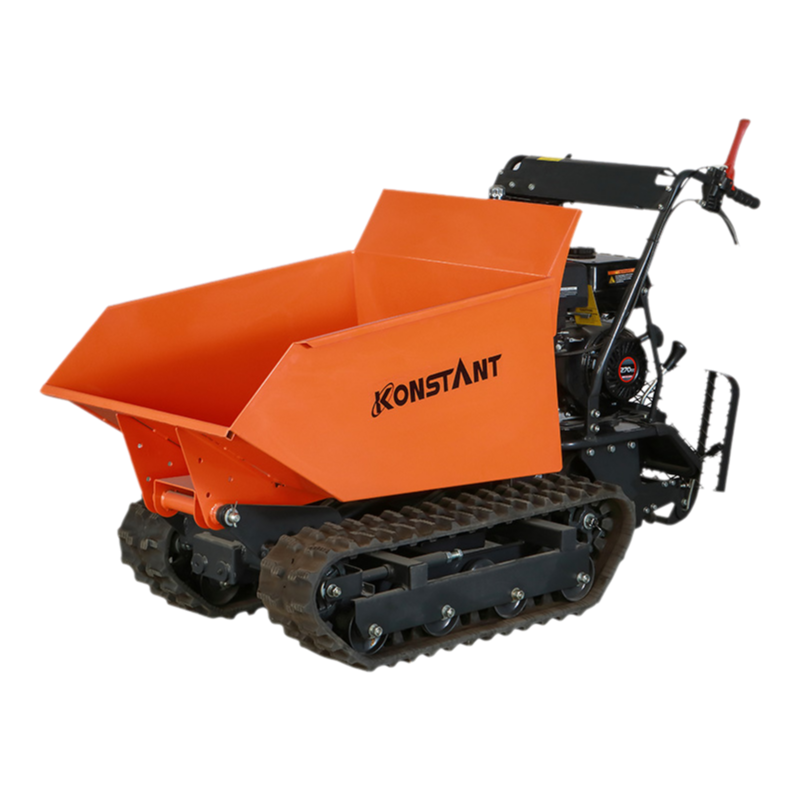
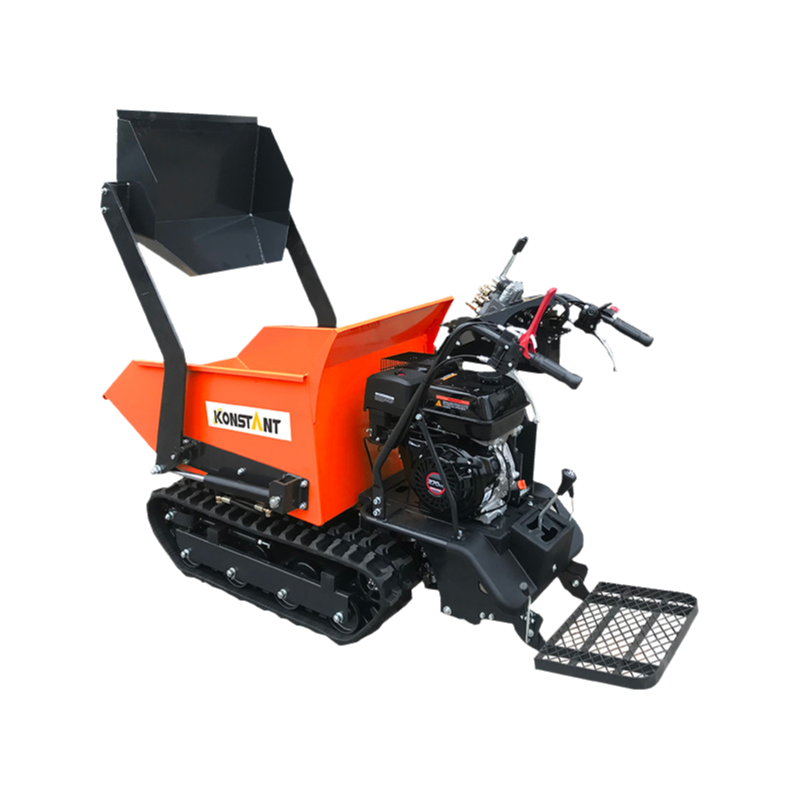
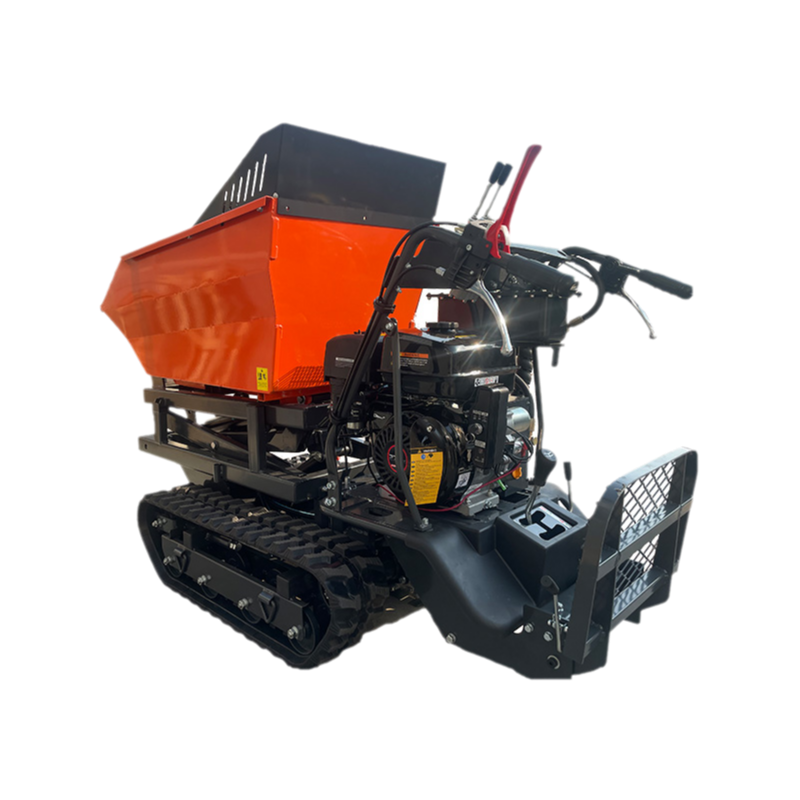
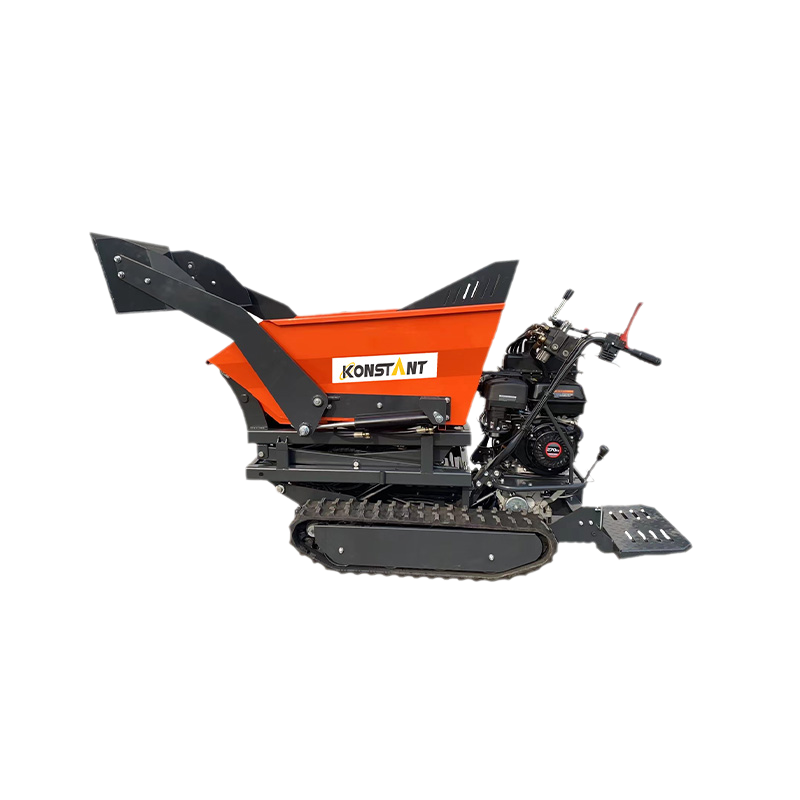
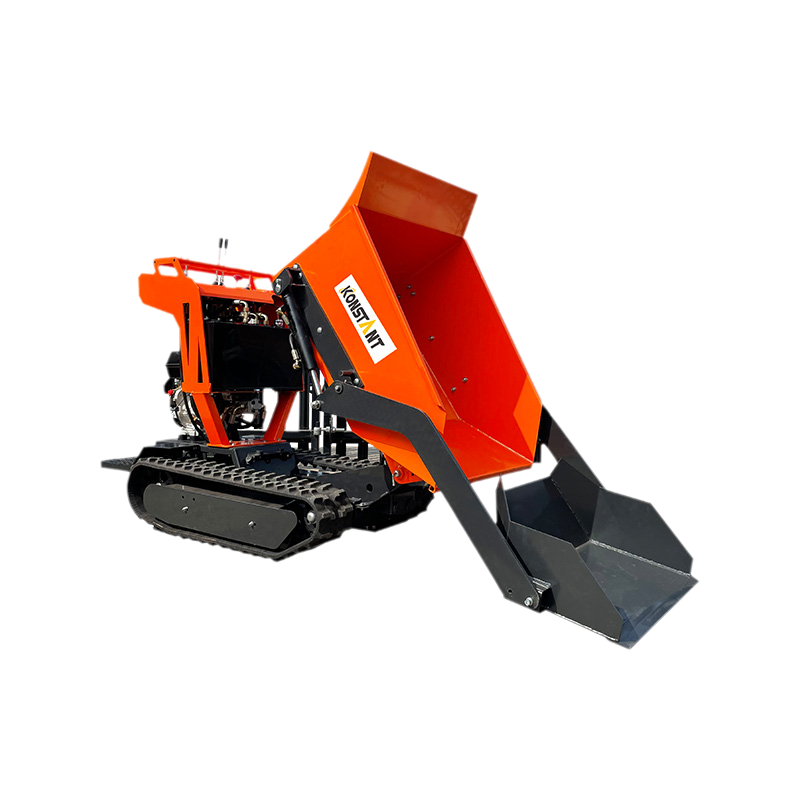
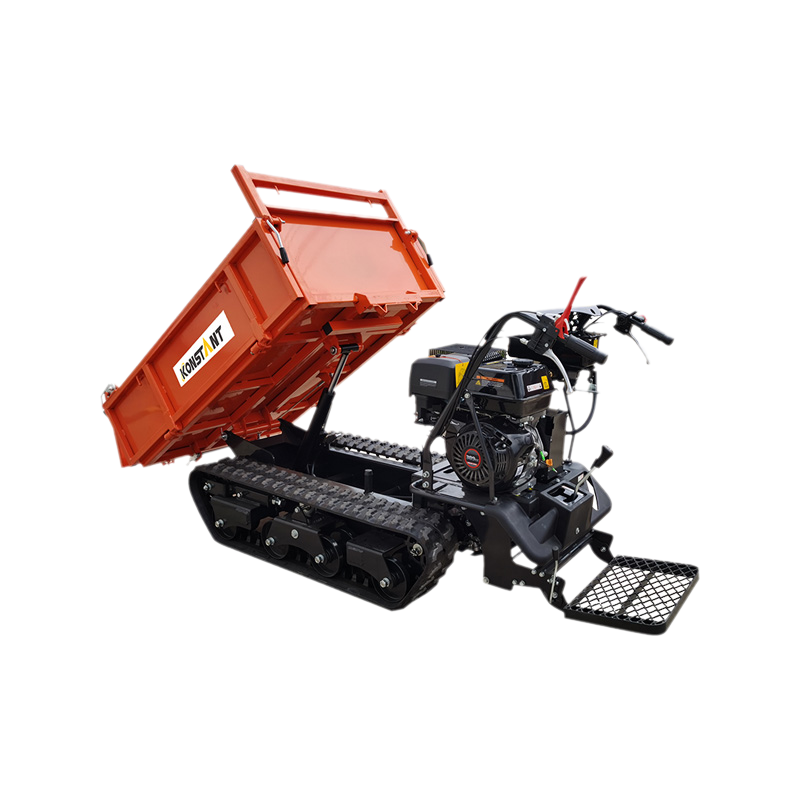
How Do Powered Wheelbarrows Change the Way the Function Is Used?
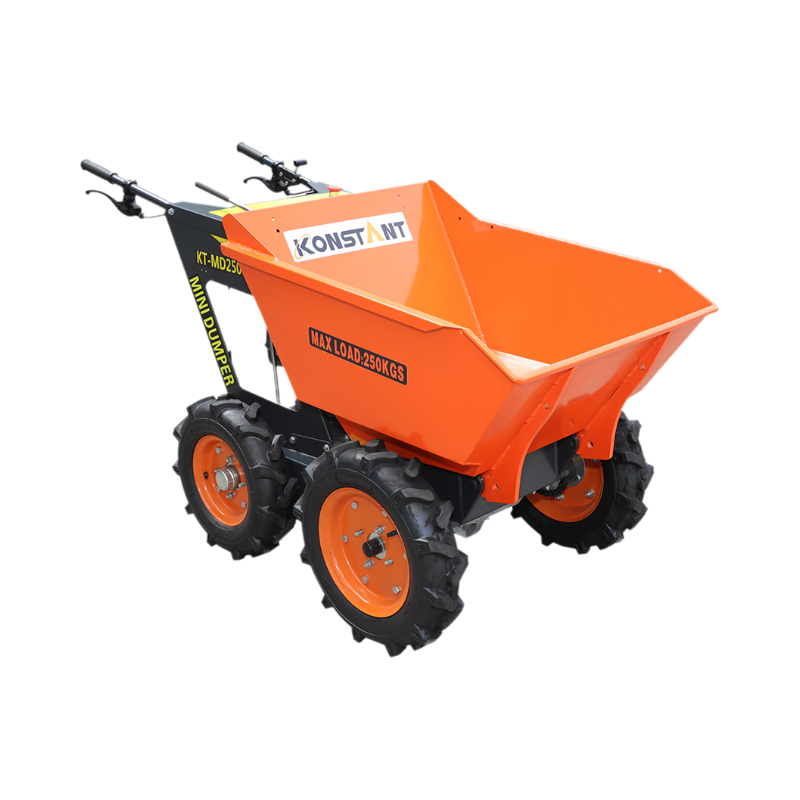
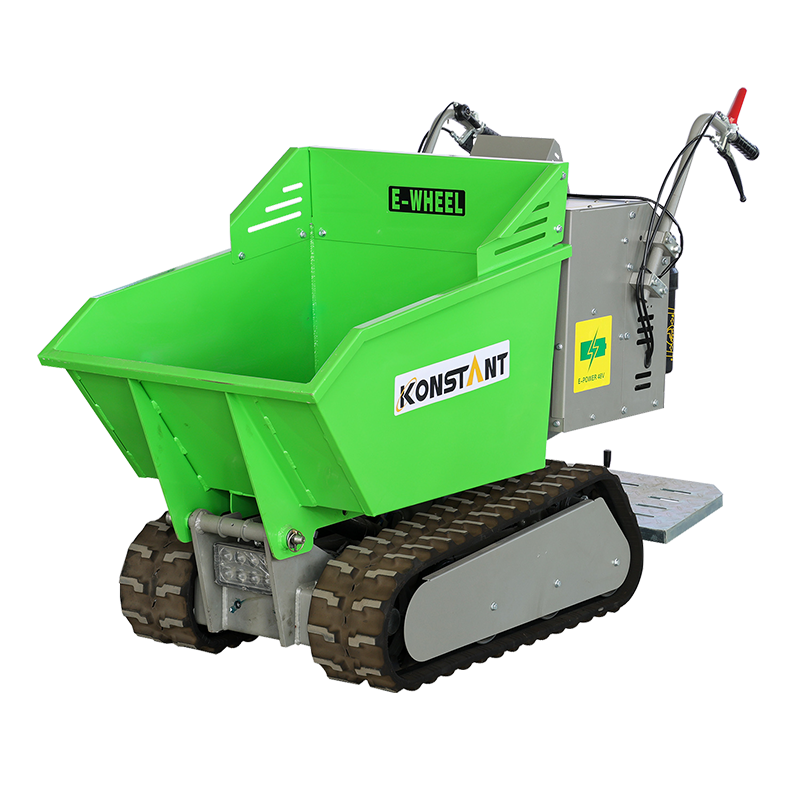
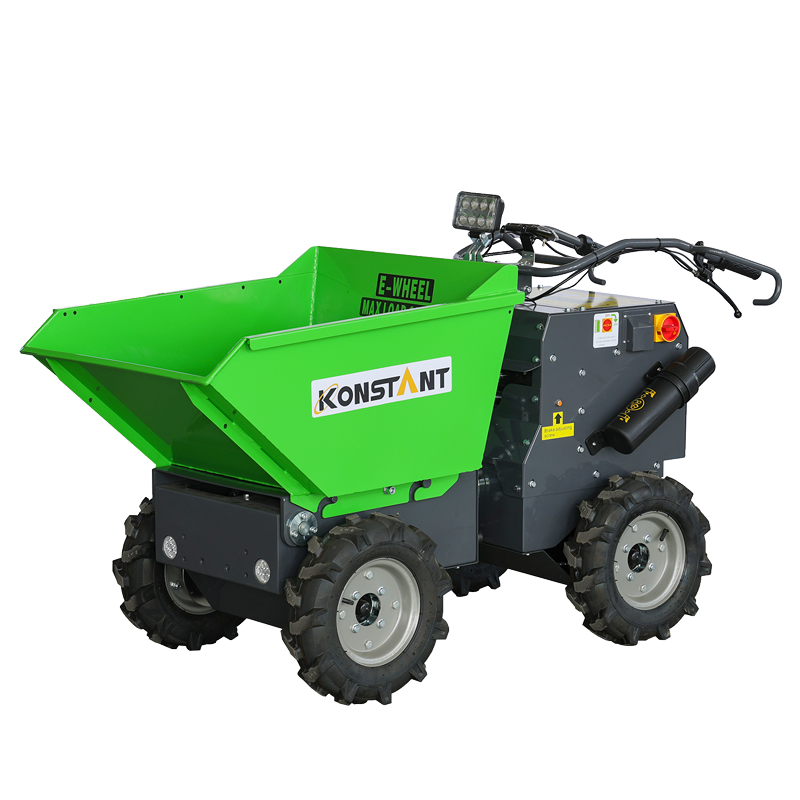
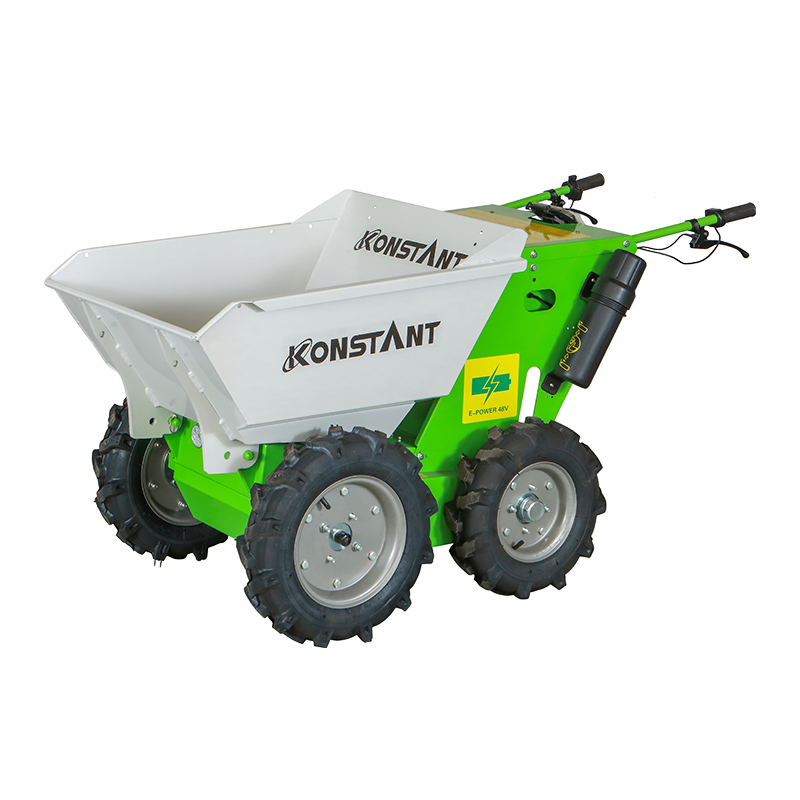
The basic wheelbarrow function is based on moving a load. A powered wheelbarrow adds mechanical assistance to that movement.
This can change how the equipment fits into certain work environments.
Manual movement may be suitable for lighter tasks and short distances. In other situations, the operator may prefer powered assistance because the route, load, or working conditions make manual pushing more demanding.
Powered wheelbarrows can therefore appear in construction, agriculture, landscaping, gardening, and property maintenance.
The material may remain similar, but the way it is moved changes.
For example, soil, stones, mulch, or construction materials can all be part of outdoor work. A powered model may help transport these materials in situations where manual movement requires more effort.
The decision depends on the specific application.
Users need to consider the equipment design, intended material, worksite conditions, and manufacturer's instructions before choosing a powered model.
The important difference is not that powered equipment creates a completely new function. It supports the same basic transport purpose in a different way.
How Can Wheelbarrow Function Fit Different Work Environments?
The flexibility of a wheelbarrow comes from the relationship between its basic function and the environment where it is used.
A garden may require careful movement around plants. A construction site may involve loose materials and changing access routes. A farm may include open areas and uneven ground. A maintenance project may involve many different small tasks in the same day.
Each environment creates a different use case.
The material also changes.
| Work Environment | Common Material Movement |
|---|---|
| Gardening | Soil, compost, plants, garden waste |
| Landscaping | Stones, mulch, soil, branches |
| Agriculture | Feed, crops, soil, planting supplies |
| Construction | Sand, gravel, soil, building materials |
| Property Maintenance | Leaves, branches, tools, general supplies |
| Outdoor Work | Materials and equipment needed around the site |
This range shows that wheelbarrow function is not limited to one industry.
The same basic transport concept can support many types of work because the equipment can carry different materials and move them to different locations.
The key is matching the equipment with the task.
Users should consider what needs to be moved, where it needs to go, the condition of the route, and how the load will be handled.
A wheelbarrow used for gardening may have a different working routine from one used on a construction site. A powered model may also be handled differently from a manual model.
Yet the underlying purpose remains clear: helping workers move materials around places where direct manual carrying or larger transport equipment may not be the practical option.
As outdoor work continues to involve different materials, surfaces, and working areas, the simple function of carrying, moving, and unloading remains relevant across many everyday applications.