English
 русский
 Français
 Español
 Deutsch

Moving material around a job site is just part of the work in a lot of outdoor trades. Construction crews haul sand and building supplies from one spot to another. Gardeners cart soil and plants across a yard. Farmers shift feed, crops, and other supplies between storage sheds and working areas. Landscaping teams push stones, mulch, and garden waste wherever the day's job happens to be.
None of this sounds especially hard on paper, but moving material across a real worksite takes a lot more out of a person when the ground is rutted or the distance stretches farther than it looks.
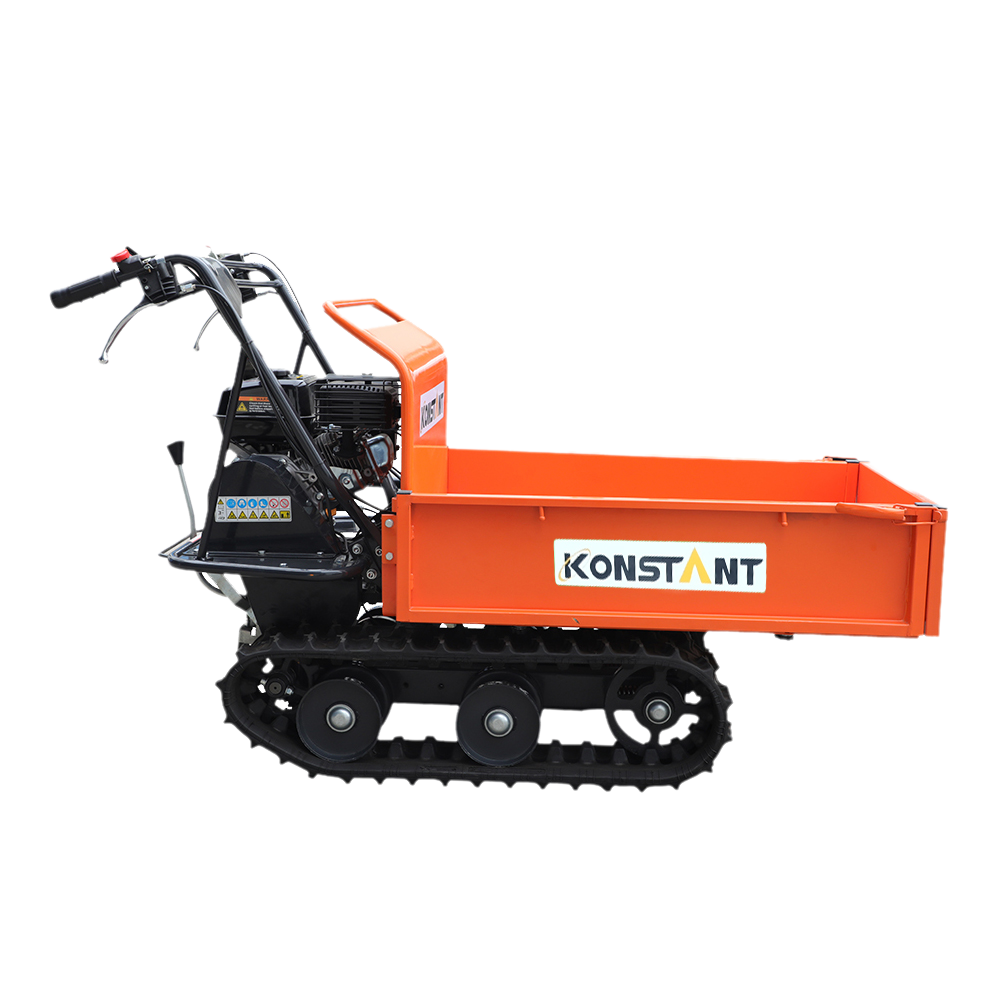
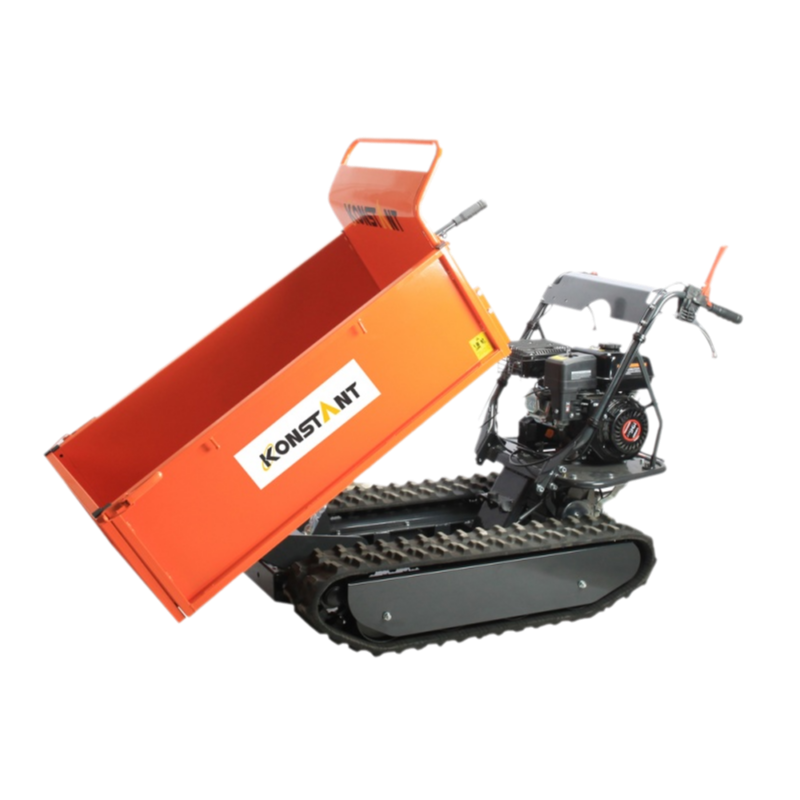
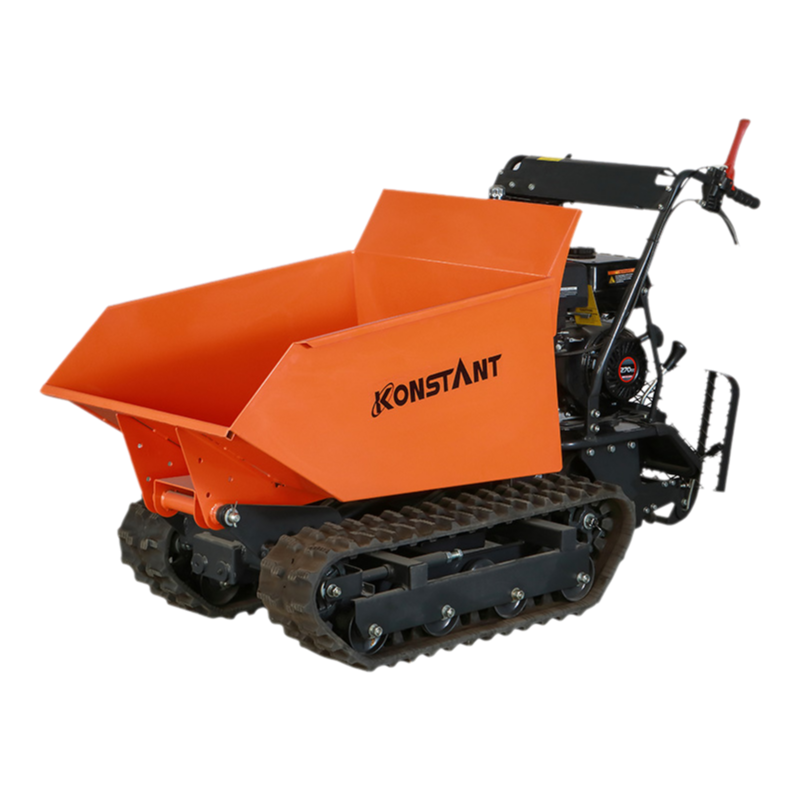
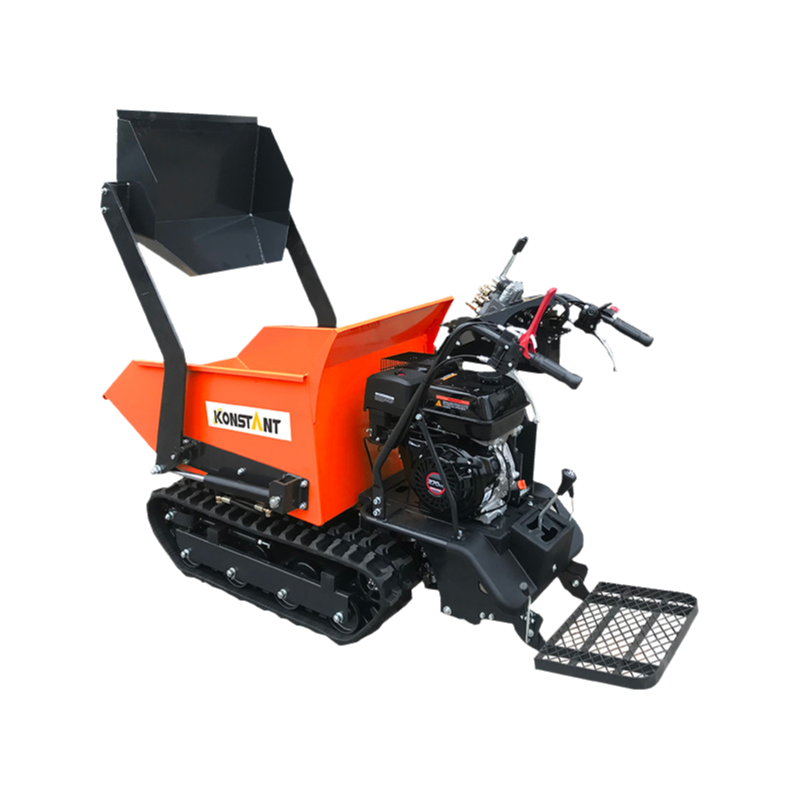
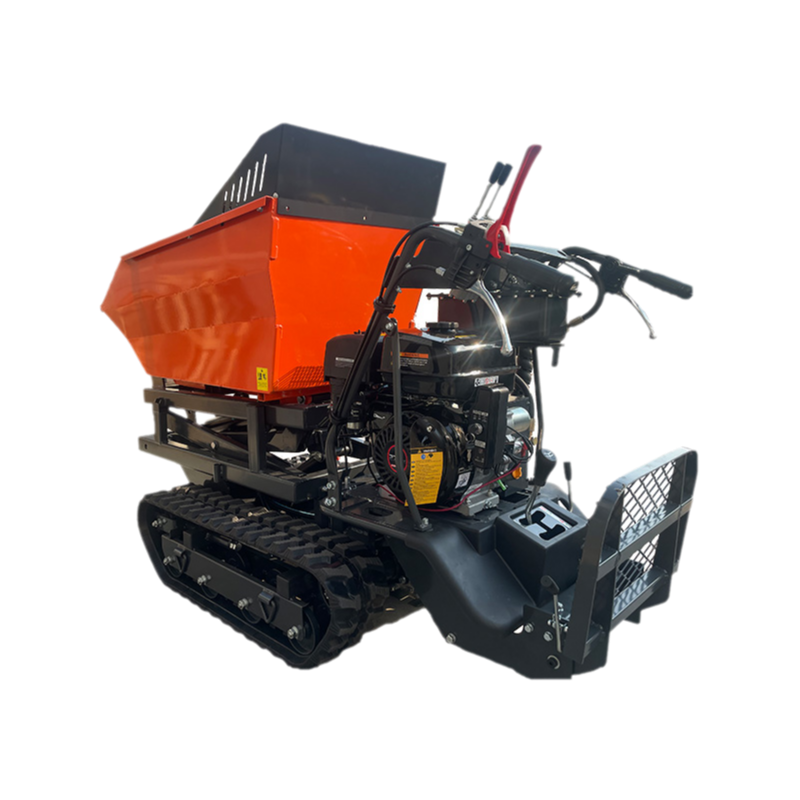
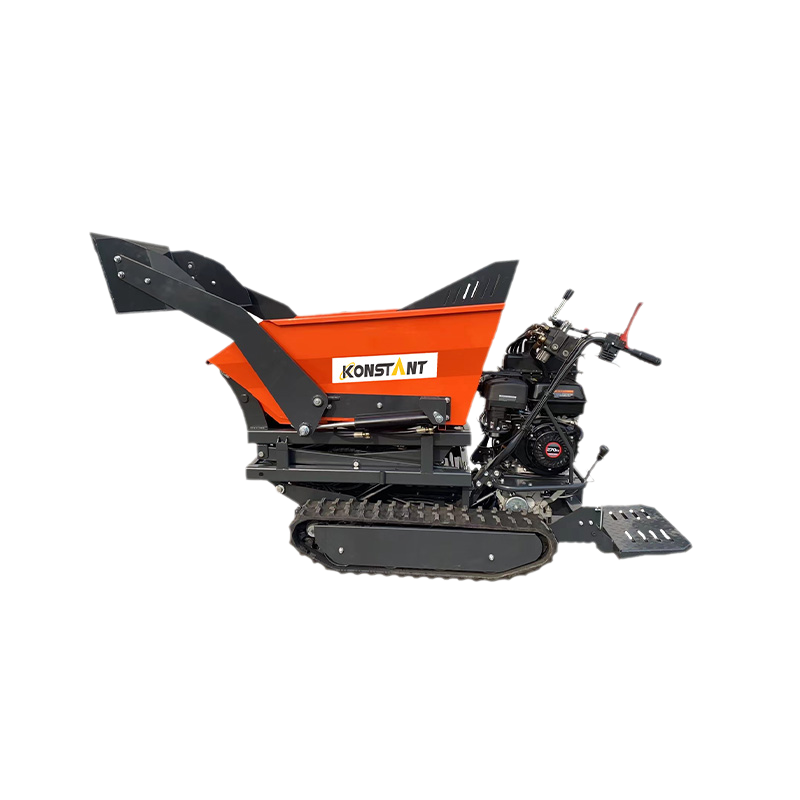
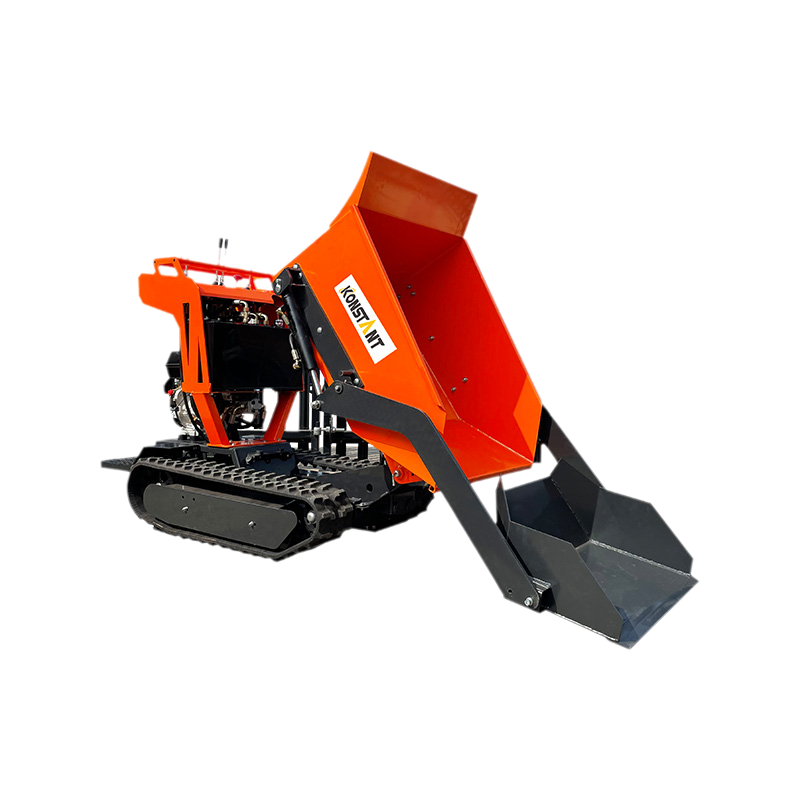
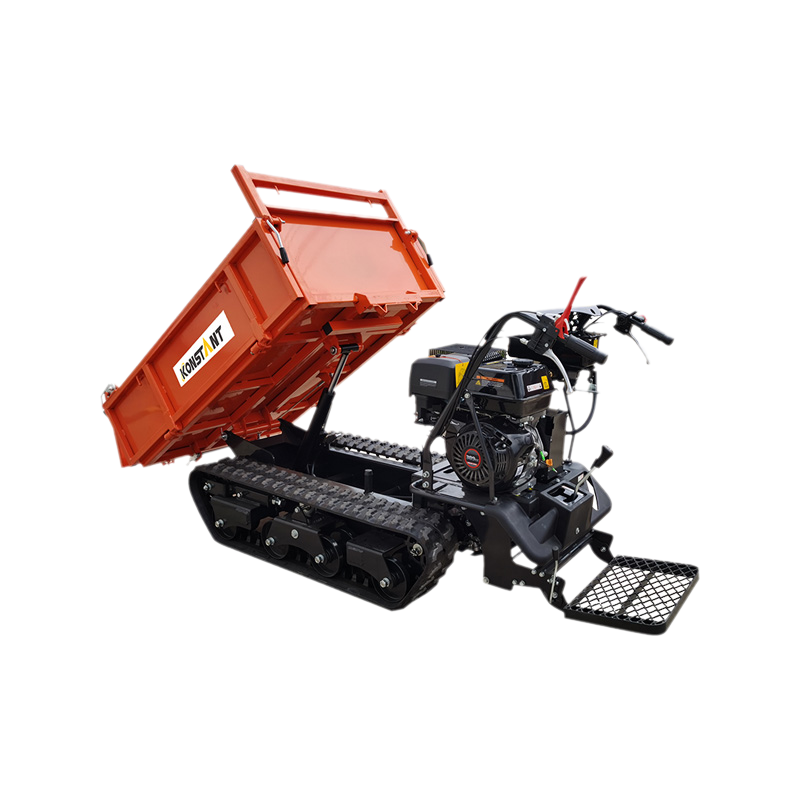
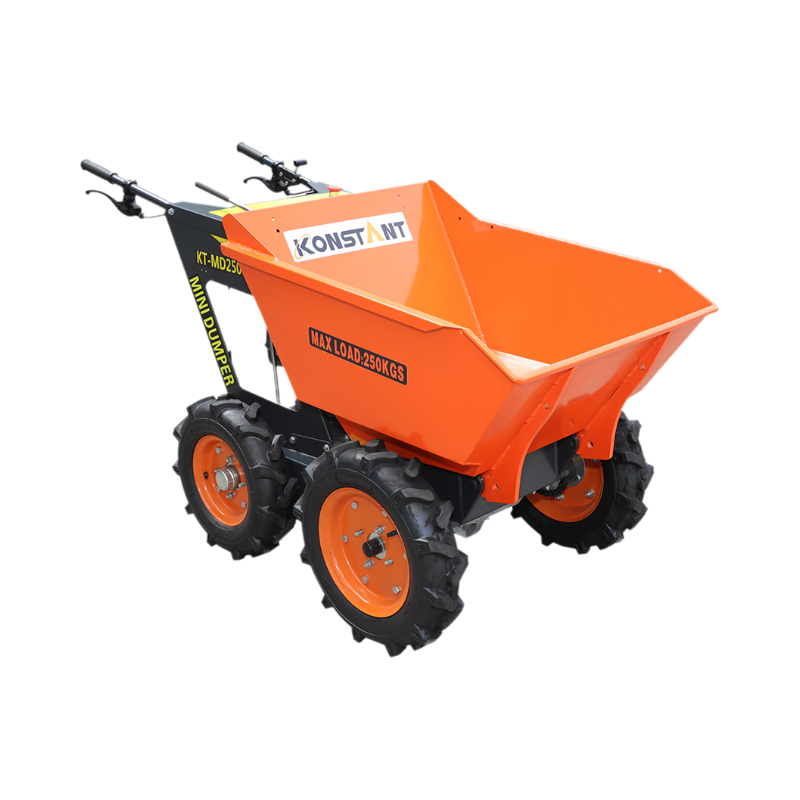
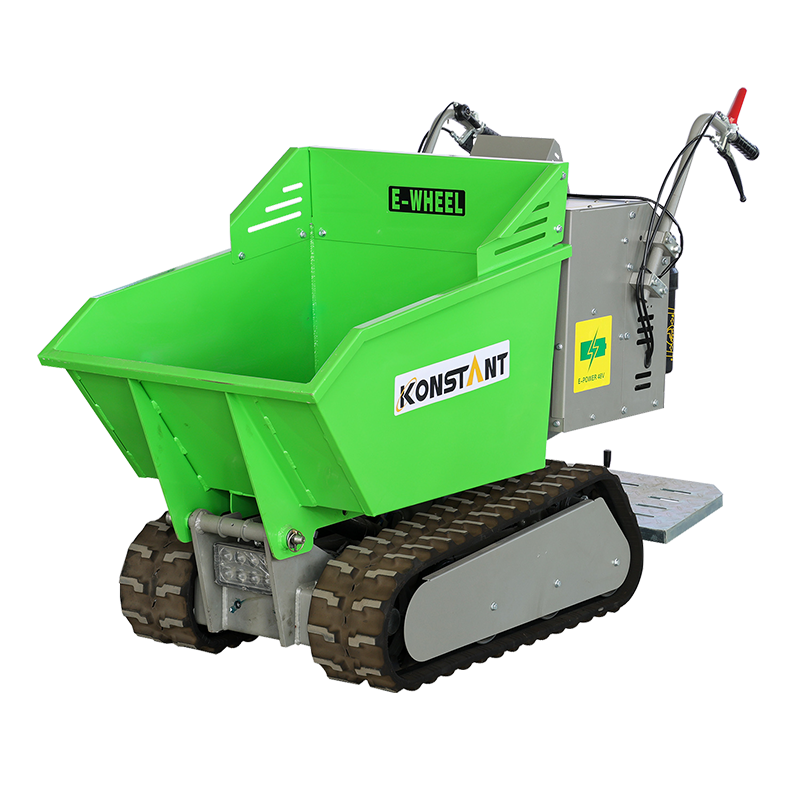
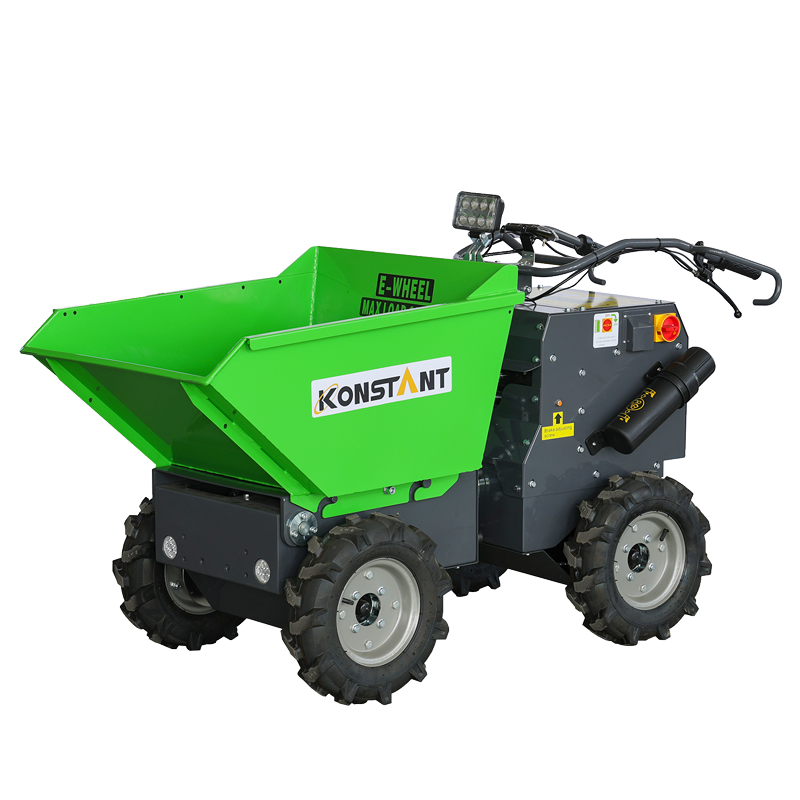
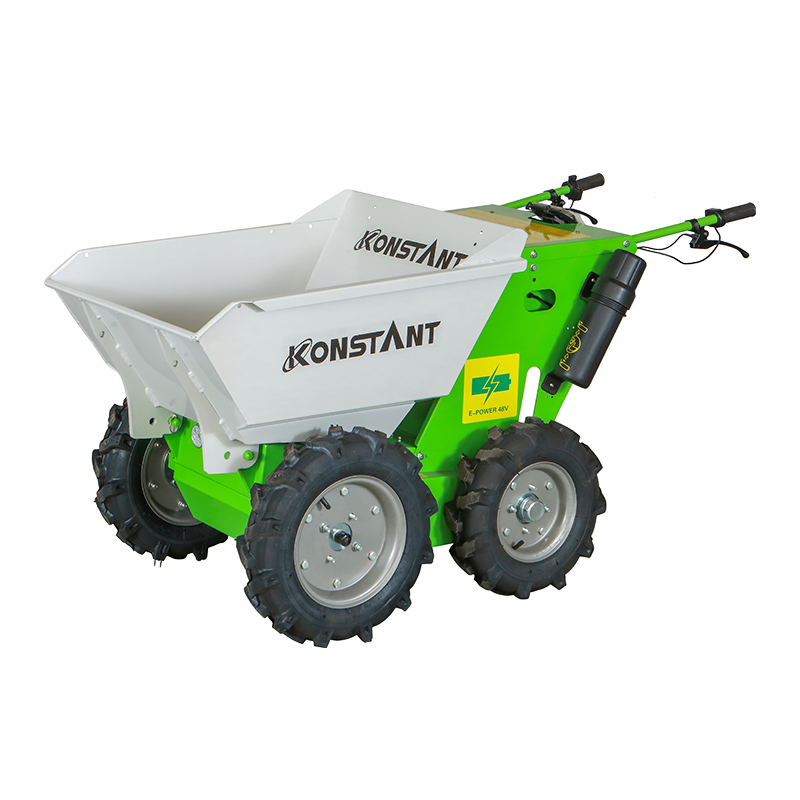
A petrol wheelbarrow gives workers a powered way to move loads while keeping the basic setup of a regular wheelbarrow intact. Rather than depending entirely on someone's arms and back, the machine uses a petrol-driven system to take on most of the pushing.
What it can actually carry depends on how the machine is built and what the job site looks like that day. The real question isn't just whether something fits inside the bucket. Weight, shape, condition, and how carefully a load needs to be handled all factor into it too.
Getting a feel for these differences helps workers figure out where a petrol wheelbarrow actually earns its place in construction, farming, landscaping, property upkeep, and other outdoor jobs.
What Types of Materials Can a Petrol Wheelbarrow Move?
A petrol wheelbarrow handles a lot of the common materials that show up in outdoor work areas day after day. These loads might be loose, bagged, freshly dug, or simply collected as a byproduct of whatever job is underway.
Some typical examples look like this:
| Material Category | Examples | Common Work Area |
|---|---|---|
| Soil Materials | Soil, garden soil, compost | Gardening and landscaping |
| Construction Materials | Sand, gravel, cement materials | Construction |
| Natural Materials | Stones, branches, wood pieces | Landscaping and outdoor work |
| Agricultural Materials | Feed, crops, planting materials | Agriculture |
| Garden Materials | Mulch, leaves, plant waste | Gardening |
| General Supplies | Bags, tools, working materials | Maintenance and outdoor work |
What a specific machine can safely handle really comes down to its design and whatever the manufacturer actually recommends for it.
Even so, this wide spread of possible loads explains why powered wheelbarrows keep showing up across such different work settings. Their main job is making short trips easier in spots where a bigger vehicle just doesn't make sense.
A small backyard project rarely calls for a full-size transport machine. A tight footpath between a shed and a garden bed can make a larger vehicle downright impossible to squeeze through anyway. In situations like that, a compact powered carrier gives someone another way to get material where it needs to go.
Can a Petrol Wheelbarrow Move Soil, Sand, and Gravel?
Soil, sand, and gravel turn up constantly in construction and landscaping work. They're also exactly the kind of loads that wear a person out fast when moved by hand.
Soil often needs relocating when someone's prepping a planting bed, leveling out a low patch of yard, or building a brand new garden area from scratch. Landscaping jobs frequently involve shifting soil from one corner of a property to somewhere else entirely.
Sand and gravel show up constantly around construction sites and outdoor improvement projects. Workers regularly need to move these between a storage pile and wherever the actual work is happening that day.
A petrol wheelbarrow handles loose materials like these well enough, as long as the machine is actually built for that kind of load.
The shape the material takes matters here too. Loose stuff like sand or soil naturally settles and shifts inside the bucket as the wheelbarrow rolls along. Bigger chunks or irregular pieces sit differently and don't redistribute themselves the same way. Operators need to keep the load within whatever conditions the equipment was actually designed to handle.
Ground conditions play into this as well. A load that feels totally manageable on a packed gravel path can suddenly need a lot more care once the wheels hit loose soil or a bumpy, uneven patch of yard.
This is exactly why handling material takes more thought than just tipping a shovelful into the bucket and heading off. The operator really needs to weigh the material itself, the route ahead, and the ground conditions all together before starting the trip.
How Does a Petrol Wheelbarrow Handle Garden and Landscaping Materials?
Gardening and landscaping work involves a surprising range of materials that all need moving around an outdoor space at some point.
Soil and compost often head toward planting beds. Mulch gets spread around tree bases or along garden borders. Stones get hauled over when someone's laying a path, building an edge, or putting together a decorative feature. Leaves and general plant waste need collecting and carting off to wherever it's actually getting disposed of.
These trips tend to cover fairly short distances, but the ground underfoot rarely stays smooth the whole way.
Gardens throw in slopes, narrow paths squeezed between fences, soft patches of soil, and corners that a full-size vehicle simply can't reach. A compact powered wheelbarrow can slip into a lot of these tight spots while still taking the physical strain off the person pushing it.
Landscaping work tends to involve a fair mix of materials on any given day: soil and compost, mulch, stones and gravel, branches and wood pieces, leaves and plant waste, actual plants and planting materials, and general garden supplies besides.
How each of these gets loaded varies quite a bit. Loose soil can just get tipped straight into the container without much thought. Potted plants or bagged fertilizer, on the other hand, usually need a bit more care in how they're arranged so nothing tips or spills along the way.
The operator also has to size up the route itself before setting off. Wet ground, a steep slope, or a loose gravel surface can all change how carefully the machine needs to be handled on that particular trip.
Can a Petrol Wheelbarrow Be Used for Agricultural Materials?
Farm work often means shuttling material between storage sheds, fields, barns, planting areas, and every other corner of a property throughout the day.
A petrol wheelbarrow can genuinely help with a lot of these shorter trips.
Farm materials cover a broad range — animal feed, harvested crops, soil, planting stock, and general supplies used around the property. Some jobs also involve clearing away branches, plant waste, or other leftovers from routine farm work.
Where a powered wheelbarrow really earns its keep on a farm is by handling small, frequent moves without needing a full tractor or truck brought out for every little task.
Picture a worker who just needs to shift feed sacks from a storage shed over to a nearby paddock. Bringing out a larger vehicle for that short a trip usually isn't worth the trouble. Hauling it by hand isn't much better, especially if it's happening several times a day.
A powered wheelbarrow fills that gap nicely.
That said, farms vary a lot from one property to the next. Some have solid, packed paths between buildings, while others deal with soft, muddy ground or uneven terrain most of the year. The material being moved varies in weight and shape too, from a sack of grain to a wheelbarrow full of loose hay.
Before putting the equipment to work, it's worth checking that the material and the actual ground conditions on hand line up with what the machine is rated to handle.
What Construction Materials Can a Petrol Wheelbarrow Move?
Construction sites keep material moving pretty much nonstop throughout a workday.
Crews regularly need to move sand, gravel, soil, cement-related materials, bricks, blocks, tools, and all sorts of other supplies from a drop-off point over to wherever the actual work is happening.
A petrol wheelbarrow can take on a good chunk of these trips as long as the material suits what the machine is built for.
Its smaller footprint really pays off on tighter construction sites or spots where access is genuinely limited. Rather than driving a bigger vehicle into every corner of a site, crews can lean on smaller transport equipment to handle the shorter, local moves instead.
Different construction materials come with different handling quirks. Loose sand tends to spread out and settle across the whole container. Stones often come in odd, irregular shapes that don't sit the same way twice. Bagged materials need placing with a bit of care so the load doesn't shift around. Tools and smaller supplies need arranging too, so they don't slide or rattle loose during the trip.
That makes loading itself part of the actual job, not just an afterthought before the real work starts.
A simple way to think it through comes down to three questions. What's actually being moved — is the material a good match for this machine and its intended job? Where is it headed — has the route been checked out before the load goes anywhere? And how will it actually get loaded — is the load arranged in a way that stays stable and manageable the whole way there?
Working through these three questions helps keep material movement running smoothly even on a busy, crowded site.
How Does Material Shape Affect Wheelbarrow Transport?
Weight isn't the only thing that shapes how easily material moves in a wheelbarrow. The shape of the material itself makes a real difference too.
Loose stuff like soil, sand, and mulch generally settles down into the container on its own and shifts naturally as the wheelbarrow moves along.
Big stones, branches, chunks of wood, or other irregular items behave quite differently. These often need positioning by hand so they actually stay put inside the container rather than bouncing around or tipping over the edge.
Bagged materials bring their own quirks into the mix. Several bags stacked together inside the container can throw off the balance depending on how they're arranged relative to each other.
Plants deserve a bit of extra thought too. Their size and shape often stick out well beyond the usual bulk of loose material, so they need arranging carefully to avoid getting crushed or damaged along the way.
All of this means it's worth thinking through a material's physical shape before it ever goes into the bucket.
| Material Form | Handling Consideration |
|---|---|
| Loose | Can settle within the container |
| Bagged | Needs organized placement |
| Irregular | May require careful positioning |
| Long | May need attention to overall balance |
| Fragile | Requires careful handling during movement |
| Mixed | Different materials may need separate arrangement |
The whole point behind thinking this through is pretty straightforward. A load that seems fine sitting in the bucket at the start needs to stay manageable the entire way to its destination, not just for the first few feet.
Where Can a Petrol Wheelbarrow Move Materials?
The environment a machine has to work in matters just as much as whatever it's actually carrying.
Petrol wheelbarrows tend to show up in outdoor settings because they offer powered movement in places where running an extension cord just isn't practical. Their use stretches across construction sites, farms, gardens, landscaping projects, general property upkeep, and plenty of other outdoor spots.
The actual route on any given day might run along a garden path, a farm track, a construction lot, a landscaped yard, a rough patch of uneven ground, a narrow gap between structures, or a sloped section of a property.
Each of these settings brings its own handling quirks along with it.
A narrow garden path calls for careful, deliberate steering to avoid clipping a fence or flower bed. A construction lot often has loose debris scattered across the ground underfoot. Farmland tends toward softer, less predictable surfaces depending on the season. A landscaping job might throw several of these challenges together at once, all on the same afternoon.
The operator needs a real read on the environment before ever loading up a trip.
This is also exactly where the size and layout of the machine start to matter. Equipment built for compact outdoor work can slip into spots that a larger transport vehicle simply couldn't navigate comfortably.
What Should Users Consider When Moving Different Materials?
No single material really defines what a petrol wheelbarrow is for. The machine ends up serving different purposes depending on the job site and whatever load happens to be on hand that day.
It's worth thinking through the material itself before diving into the task.
A practical checklist to run through looks something like this:
| Consideration | Practical Question |
|---|---|
| Material | What exactly needs to be moved? |
| Condition | Is the material loose, bagged, wet, dry, or irregular? |
| Load Arrangement | Can the material be placed securely? |
| Route | Is the path suitable for the equipment? |
| Surface | Is the ground firm, uneven, soft, or sloped? |
| Destination | Where will the material be unloaded? |
| Equipment Use | Is the material within the machine's intended application? |
Working through questions like these helps avoid mismatching the equipment with a task it was never really built for.
It's also worth sticking to whatever the manufacturer actually spells out, along with the general safety habits already in place on a given job site. Different machines get built for different jobs, and it's worth not assuming every petrol wheelbarrow out there can handle every type of material without a second thought.
For anyone shopping for one, this makes the intended use a pretty central part of picking the right machine.
Someone working construction might care most about sand, gravel, and building supplies. A landscaper probably cares more about soil, mulch, and stone. A farmer's needs might look totally different, built around feed, crops, or planting stock instead.
The same basic category of equipment ends up serving a lot of different jobs, but what it can actually handle well always comes back to the specific machine and the ground conditions it's working in that day.
A petrol wheelbarrow works better when it's thought of as a flexible little transport tool for short, local hauling jobs. Its real value comes down to how well the machine, the material, the route, and the actual work all line up together on a given day.