English
 русский
 Français
 Español
 Deutsch

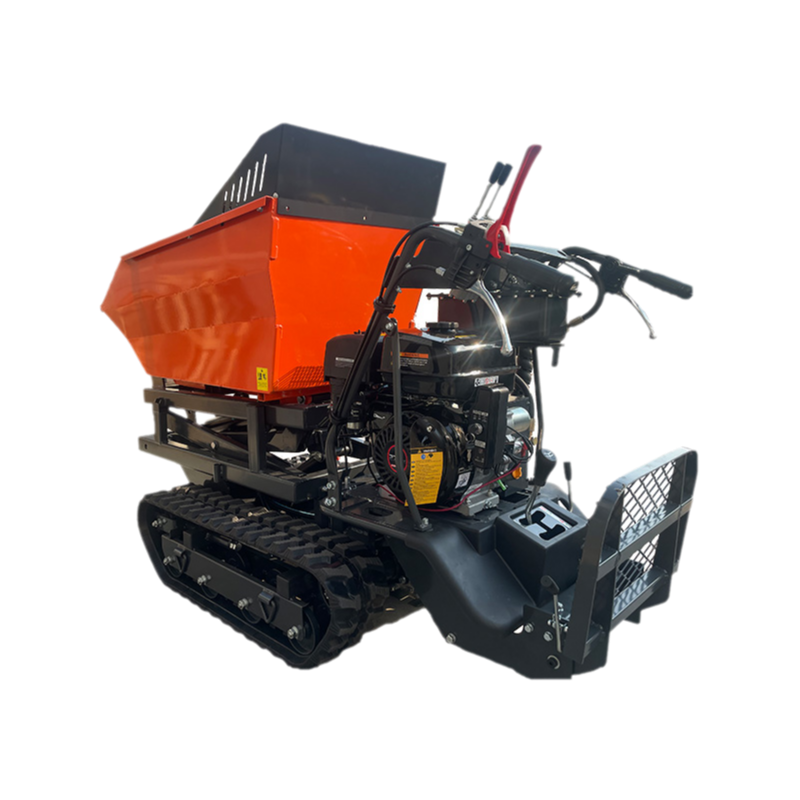
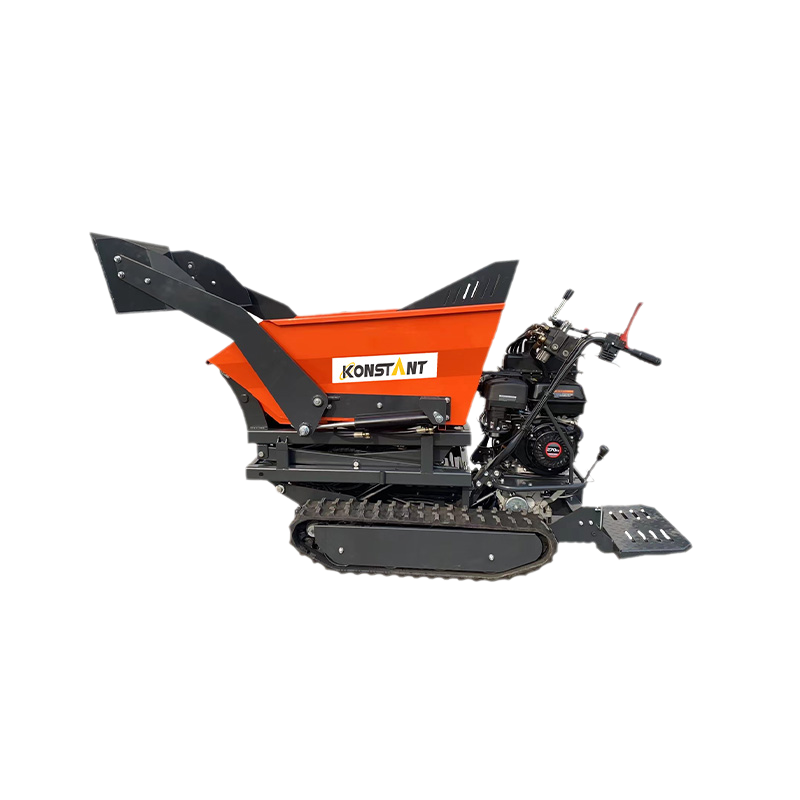
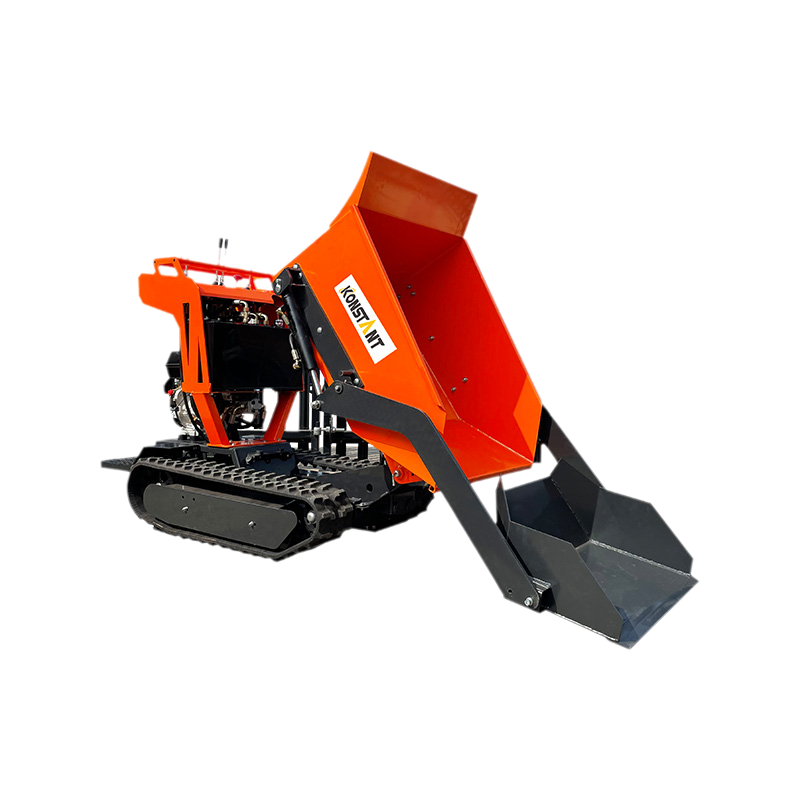
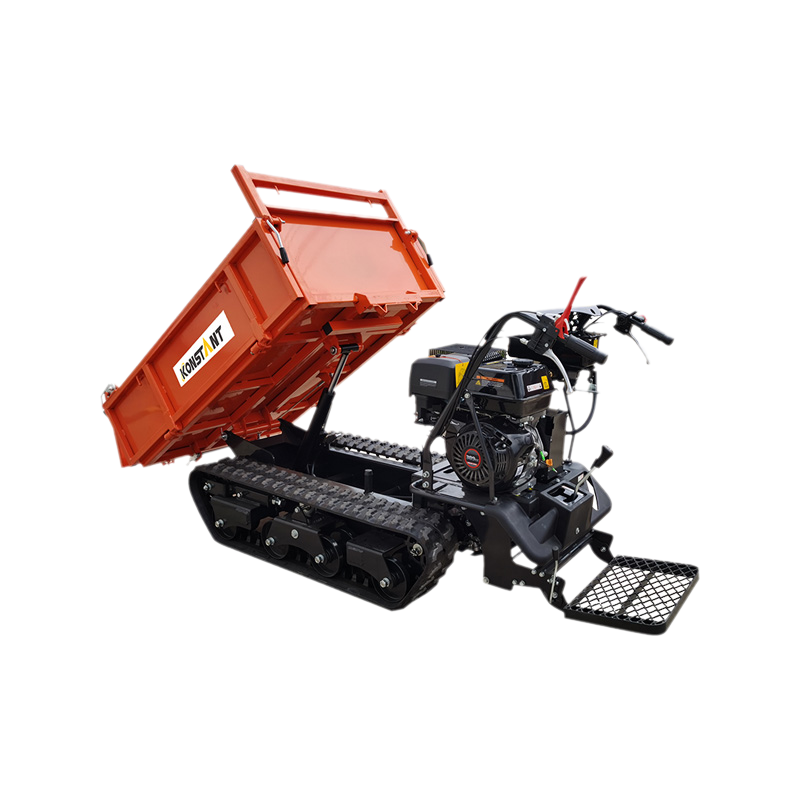
A Battery Operated Wheel Barrow can make material transport easier in many working environments. It can be used on construction sites, farms, gardens, landscaping projects, warehouses, and other areas where materials need to be moved from one place to another.
However, the working surface can change the way the machine performs.
A flat paved area is very different from a muddy garden, a gravel path, a sloped construction site, or uneven ground. The same Battery Operated Wheel Barrow may feel different when it moves across these surfaces.
This is why terrain should be considered before choosing a product.
For buyers, the question is not simply whether a wheel barrow can move materials. It is also about how comfortably and steadily it can operate in the environment where it will actually be used.
Terrain affects movement, balance, steering, traction, and the way materials are handled. Understanding these factors can help buyers make a more suitable product choice.
Why Does Terrain Matter for a Battery Operated Wheel Barrow?
Terrain determines the physical conditions under which a Battery Operated Wheel Barrow needs to work.
A smooth surface provides a relatively predictable path. The wheels can move with fewer changes in direction. The operator may also find it easier to control the machine.
Uneven ground creates a different situation. Small changes in the surface can affect the movement of the wheels and the balance of the load.
Loose materials create another challenge. Gravel, sand, soil, and similar surfaces can shift under the wheels. Wet ground may reduce grip. Slopes can change how the machine needs to be controlled.
These differences are important because a Battery Operated Wheel Barrow is not only carrying a load. It is also moving that load through a physical environment.
The terrain can influence:
| Terrain Factor | Possible Effect on Operation |
|---|---|
| Smooth ground | Easier movement and steering |
| Uneven ground | Greater attention to balance and control |
| Gravel | Wheels may encounter loose or shifting material |
| Muddy ground | Movement and grip may become more difficult |
| Sloped areas | Steering and load control require more attention |
| Narrow paths | Maneuvering space becomes more important |
| Soft soil | Wheel movement may become less predictable |
This does not mean one terrain is suitable and another is unsuitable for every product. The actual design and working conditions need to be considered together.
How Does Surface Condition Affect Wheel Barrow Movement?
The surface beneath the wheels directly affects movement.
On a smooth surface, the machine can generally follow a more predictable path. The operator can focus more on steering and positioning the load.
On rough ground, the wheels may encounter small rises, dips, stones, or other changes. These conditions can influence how the machine moves.
Loose surfaces are also worth considering. Gravel can shift when a wheel passes over it. Soil can become soft after rain. Sand can make movement more difficult because the wheels do not always have a firm surface beneath them.
A Battery Operated Wheel Barrow used in landscaping may face several surface conditions during the same task. It might travel across a paved path before entering soil and then move onto grass or gravel.
This means buyers should look beyond the product itself and think about the complete working route.
A simple site review can include:
Identifying the main working surfaces.
Checking whether the route contains slopes.
Looking for narrow or difficult passages.
Considering whether the ground changes during different seasons.
Thinking about whether the machine will carry different types of materials.
These details can help buyers discuss their actual needs with a Battery Operated Wheel Barrow supplier.
Why Is Stability Important on Uneven Ground?
Stability becomes more noticeable when the ground is uneven.
A loaded wheel barrow has a different balance from an empty one. When the machine moves over a rough surface, the load may shift slightly as the wheels pass over changes in the ground.
The operator therefore needs to maintain control while moving forward.
Product design can influence how stable the machine feels during this process. Wheel arrangement, body structure, handle position, and the relationship between the load area and the wheels can all affect the overall experience.
The type of material being carried also matters.
A load made up of solid objects may behave differently from loose soil or garden materials. A load that shifts during movement can change the way the machine feels when turning or traveling over uneven ground.
This is why buyers should consider both terrain and material type.
| Working Condition | Design Consideration |
|---|---|
| Flat surface | General movement and steering |
| Uneven surface | Stability and operator control |
| Loose ground | Wheel movement and traction |
| Sloped ground | Balance and directional control |
| Mixed terrain | Flexible handling across changing surfaces |
A product intended for changing work environments should be evaluated according to the conditions it will actually encounter.
How Does Slope Change Battery Operated Wheel Barrow Operation?
Slopes create a different type of movement.
When a Battery Operated Wheel Barrow travels on level ground, the operator mainly needs to control direction and speed. On a slope, gravity also affects how the machine and its load move.
Going uphill can require more effort from the drive system. Going downhill can require careful control so that the machine remains manageable.
Turning on a slope can also feel different from turning on flat ground.
The load itself should be considered as well. A heavier or unevenly distributed load can change the balance of the machine.
For this reason, buyers should tell the supplier if the product will regularly be used on sloped terrain.
The conversation can cover:
The general type of slope.
Whether the route is uphill, downhill, or both.
Whether the ground is smooth or uneven.
Whether the machine needs to turn on the slope.
What types of materials will normally be carried.
These details give the manufacturer a clearer picture of the application.
Terrain should not be treated as a minor detail during product selection. It can influence the entire working experience.
Does Traction Matter When Working on Loose or Wet Ground?
Traction becomes particularly important when the surface does not provide a firm grip.
On a clean, hard surface, wheels can generally maintain a predictable connection with the ground. Loose gravel, wet soil, grass, sand, or mud can create a different situation.
The wheels may slip or lose some grip. Movement can become less predictable, especially when the machine is carrying a load.
Wheel design therefore deserves attention when a Battery Operated Wheel Barrow will be used outdoors.
The type of ground should be discussed with the supplier rather than assuming that one wheel arrangement will work equally well everywhere.
For example, a landscaping project may involve soil, grass, gravel, and paved walkways. A construction project may include compacted ground, loose material, and unfinished surfaces.
The working environment can change even within a single site.
This is why buyers may want to consider where the machine will spend most of its working time rather than focusing only on occasional use.
How Does Terrain Affect Steering and Operator Control?
Steering is another area where terrain makes a difference.
On a flat and smooth surface, changing direction can feel relatively simple. On uneven or loose ground, the operator may need to make more frequent adjustments.
A narrow path can create another challenge. Even if the surface itself is relatively smooth, limited space can make turning more difficult.
The position of the operator also matters. A well-designed control arrangement can make it easier for the user to guide the machine through changing conditions.
The operator should be able to understand the direction of movement and respond naturally when the surface changes.
This is especially relevant for jobs where the machine needs to travel repeatedly between different locations.
Consider a landscaping project. The wheel barrow may move from a storage area to a garden bed, then across a path and back again. Each section can have a different surface.
In such situations, ease of control becomes part of overall productivity.
A Battery Operated Wheel Barrow should therefore be considered as a working tool rather than simply a powered version of a traditional wheel barrow.
Which Work Environments Require More Attention to Terrain?
Different industries create different terrain conditions.
Construction sites may include unfinished ground, slopes, gravel, soil, and temporary paths. The surface can also change as construction work progresses.
Gardening and landscaping projects may involve grass, soil, gravel, paving, and narrow garden paths. These environments often require frequent changes in direction.
Farming can involve fields, dirt paths, wet areas, and uneven ground. The machine may also need to move materials between different parts of a property.
Warehouses and workshops are usually more controlled environments, but access routes may still include ramps, narrow passages, or uneven outdoor areas.
| Application | Common Terrain Considerations |
|---|---|
| Construction | Uneven ground, gravel, slopes, unfinished surfaces |
| Landscaping | Soil, grass, gravel, paths, narrow spaces |
| Farming | Fields, dirt paths, wet ground, changing surfaces |
| Gardening | Soft soil, grass, garden paths |
| Warehouse | Smooth floors, ramps, loading areas |
| Property maintenance | Mixed indoor and outdoor surfaces |
These are general examples. Every worksite has its own conditions.
A buyer who clearly describes those conditions can have a more useful conversation with a manufacturer or supplier.
What Should Buyers Consider When Choosing a Battery Operated Wheel Barrow?
Terrain should be included in the buying process from the beginning.
Instead of asking only about the product's appearance or general functions, buyers can describe how and where the machine will be used.
Several questions can help organize the decision.
1. What type of ground will the machine cross?
Identify the main surfaces. Hard ground, gravel, soil, grass, and muddy areas can create different operating conditions.
2. Is the working area flat?
If slopes are part of the daily route, they should be mentioned during product selection.
3. Does the terrain change?
A machine that moves between several surfaces may need to provide a different type of handling experience from one used on a single surface.
4. What materials will be transported?
Soil, garden waste, construction materials, and other loads can behave differently during movement.
5. How much maneuvering space is available?
Narrow paths, corners, gates, and restricted work areas can affect the choice of product design.
6. How often will the machine operate outdoors?
Outdoor use can expose the wheel barrow to changing ground conditions. Buyers should consider the actual working environment rather than an ideal surface.
7. Can the manufacturer explain the intended application?
A Battery Operated Wheel Barrow manufacturer should be able to discuss how the product is designed for different working conditions and help buyers understand whether the product matches their application.
This conversation can be especially useful for B2B buyers ordering equipment for repeated work.
Terrain is not just a background condition. It becomes part of the product selection process because it affects movement, stability, steering, traction, and load handling.
When buyers understand their working surfaces before choosing a Battery Operated Wheel Barrow, they can compare products according to actual work conditions instead of relying only on general product descriptions. This makes it easier to connect product design with the demands of construction, landscaping, farming, gardening, property maintenance, and other material handling tasks.