English
 русский
 Français
 Español
 Deutsch


Material transport is a daily part of many outdoor jobs. Soil needs to reach a planting area. Stones need to move across a construction site. Garden waste needs to leave a working area. Agricultural materials may also need to travel between storage, work, and processing locations.
These tasks can look simple. In practice, they may involve repeated movement over uneven ground, narrow paths, slopes, or areas where larger vehicles are difficult to use.
A traditional wheelbarrow can handle some of these jobs. Yet repeated manual pushing can become demanding when the material is heavy or the route is long.
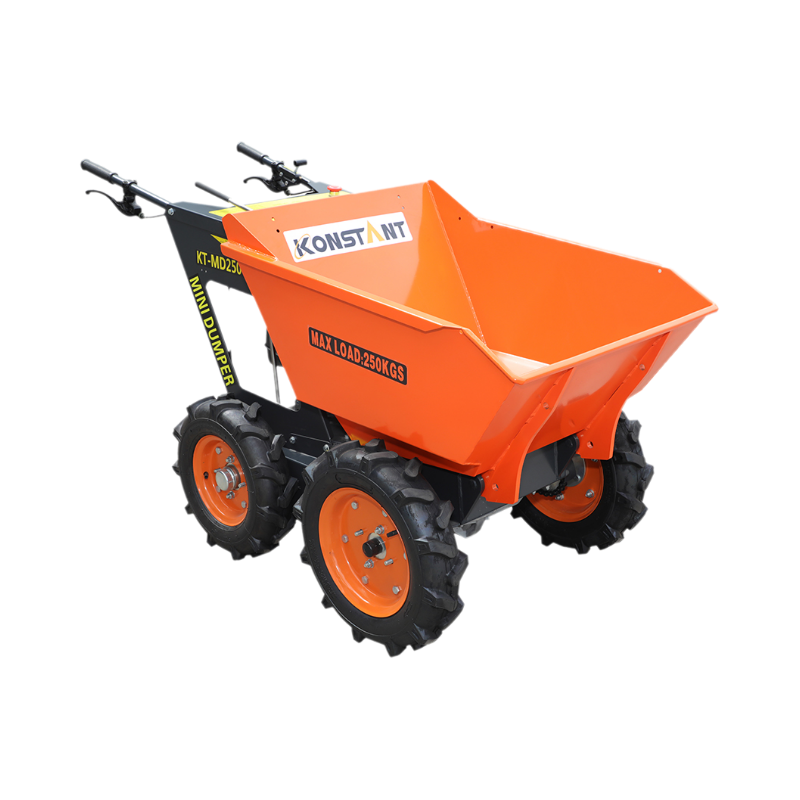
This is where a Petrol Wheelbarrow can have a practical role.
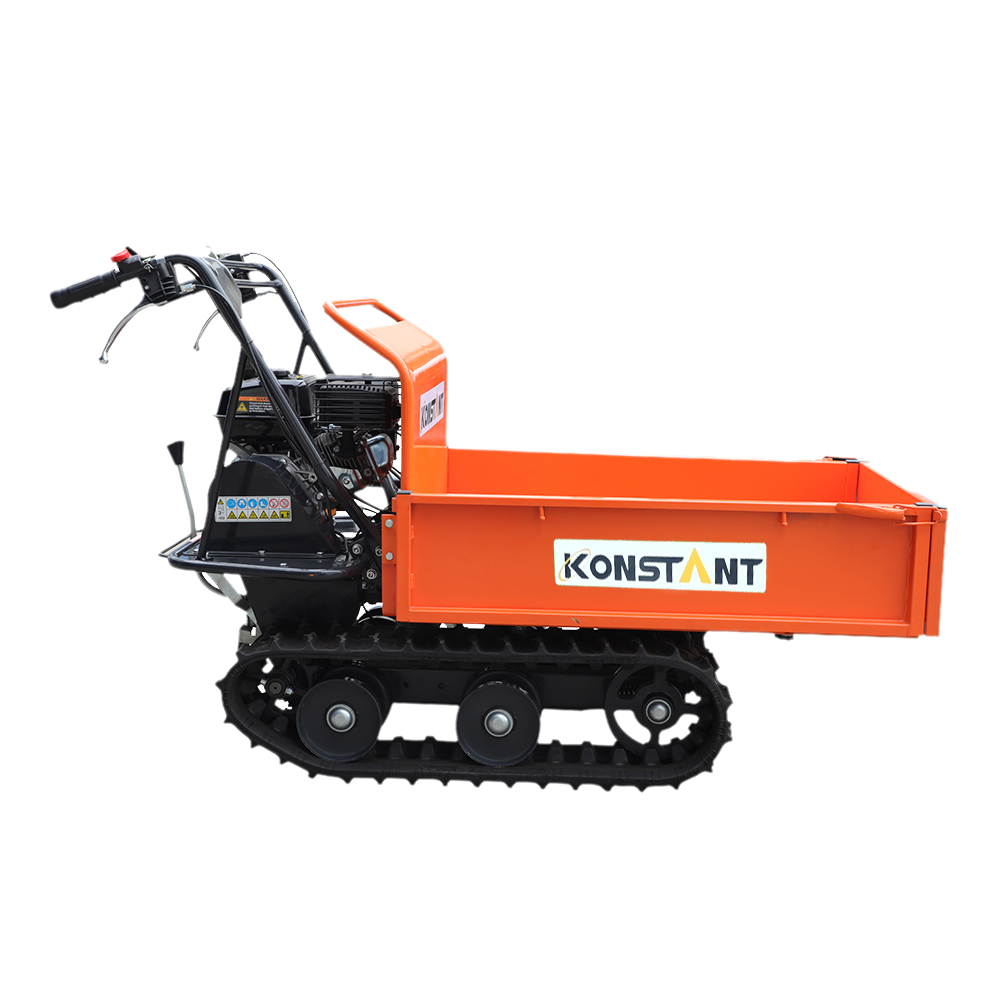
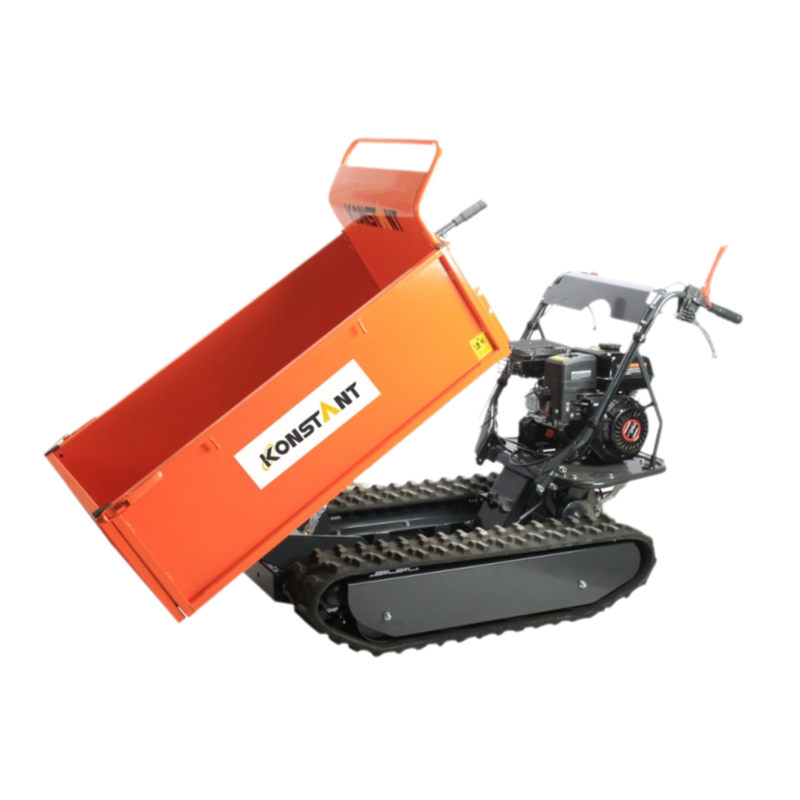
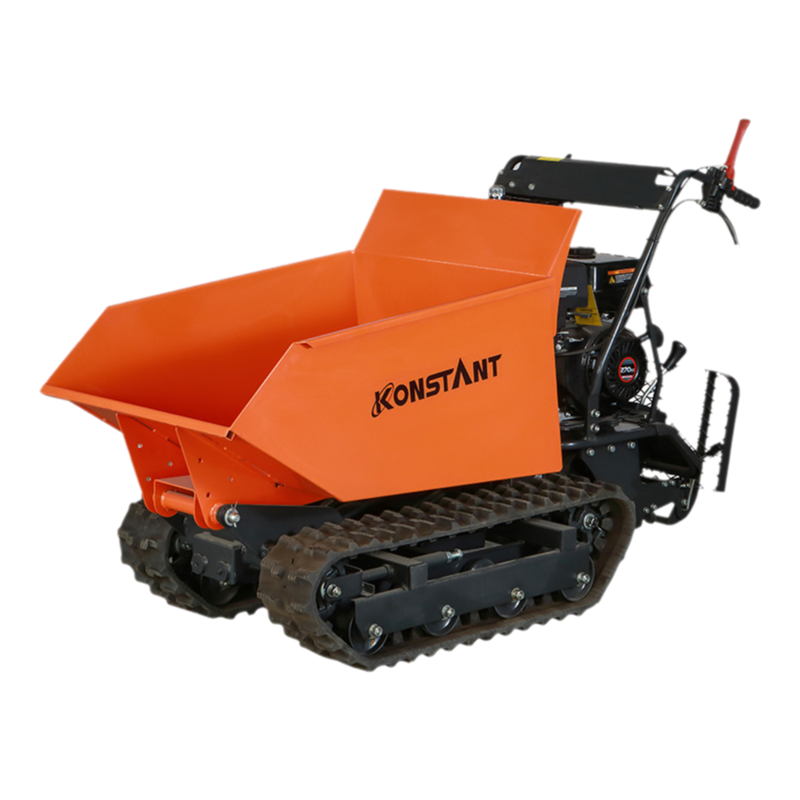
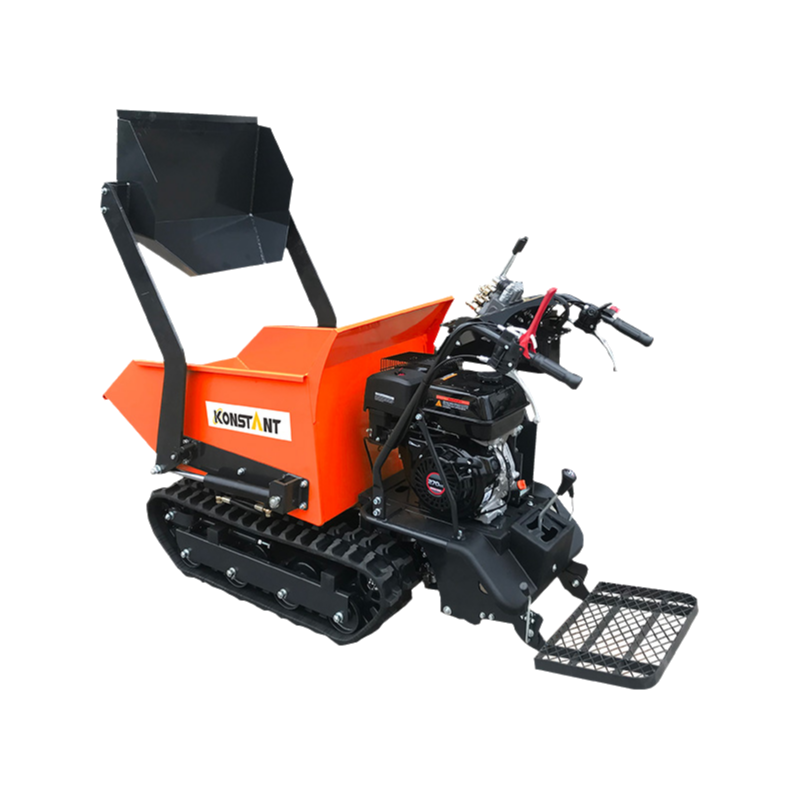
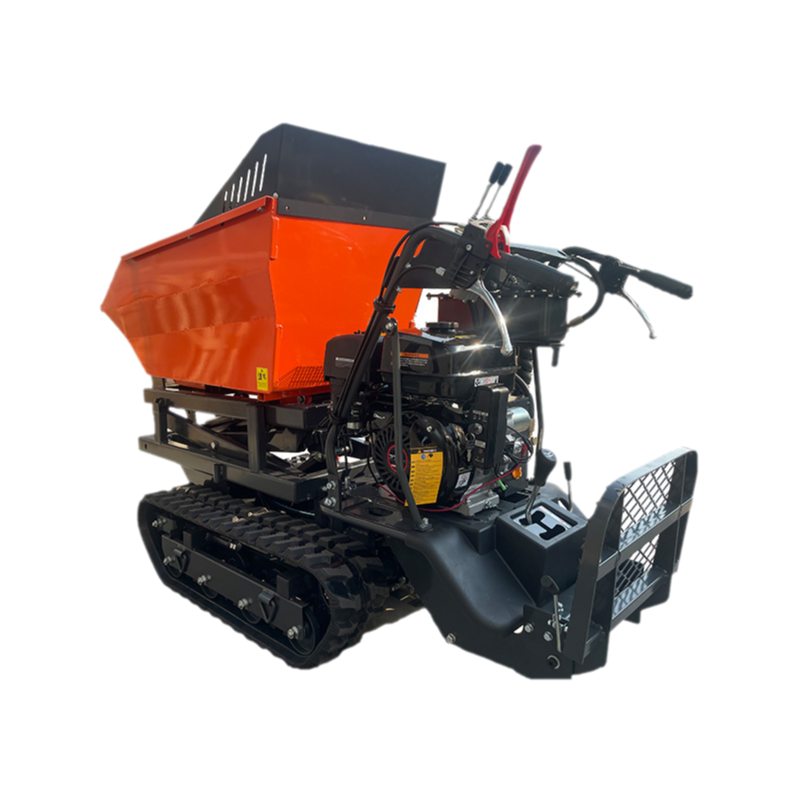
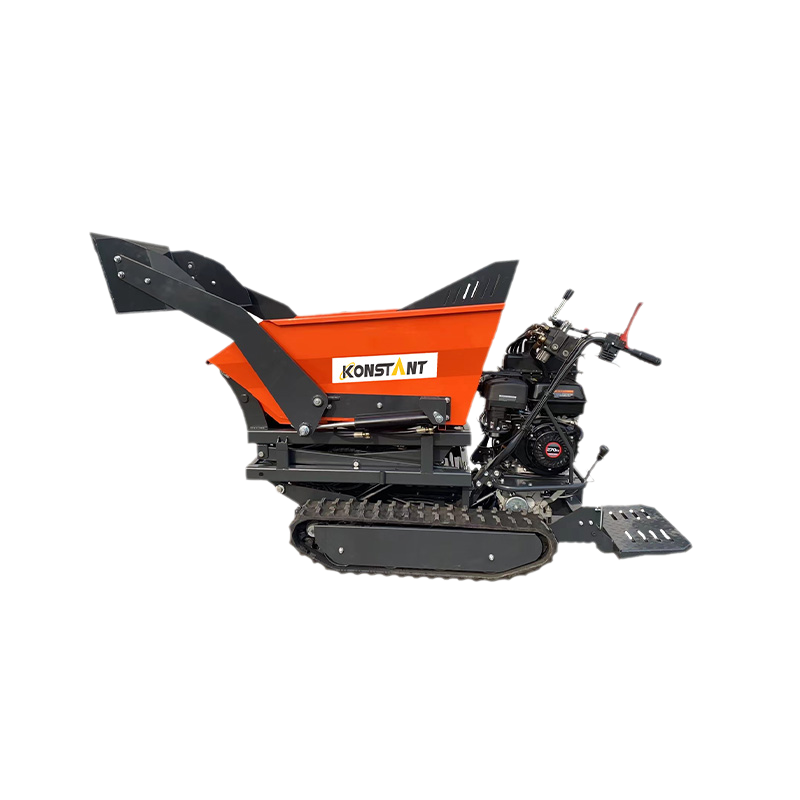
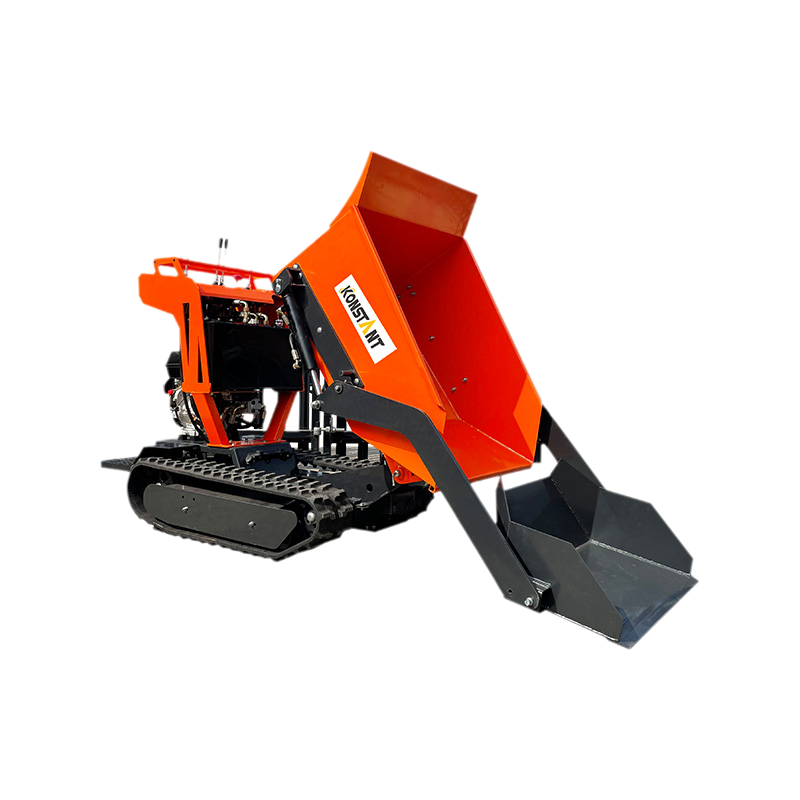
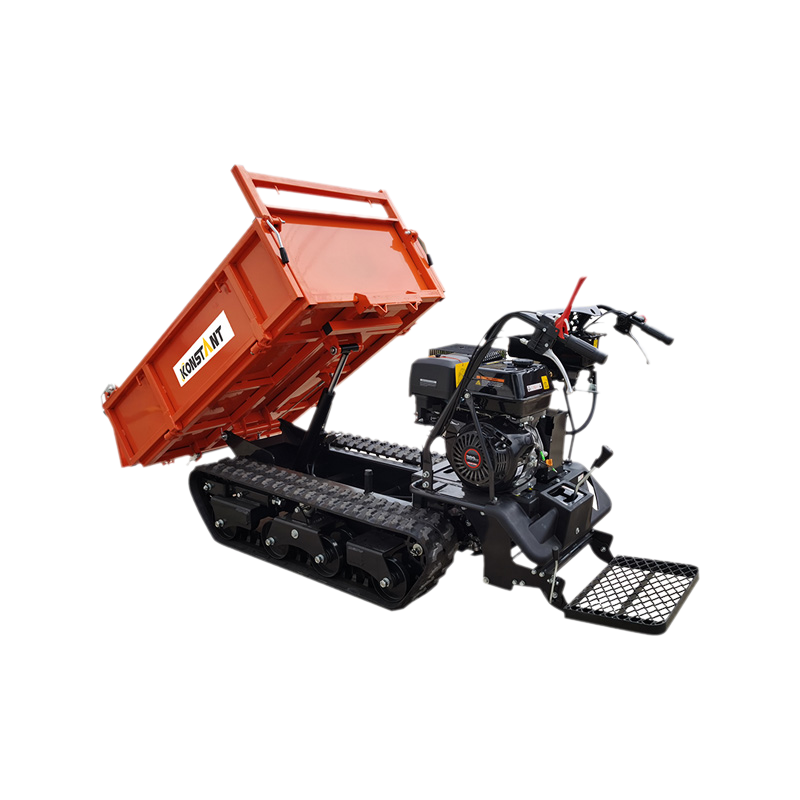
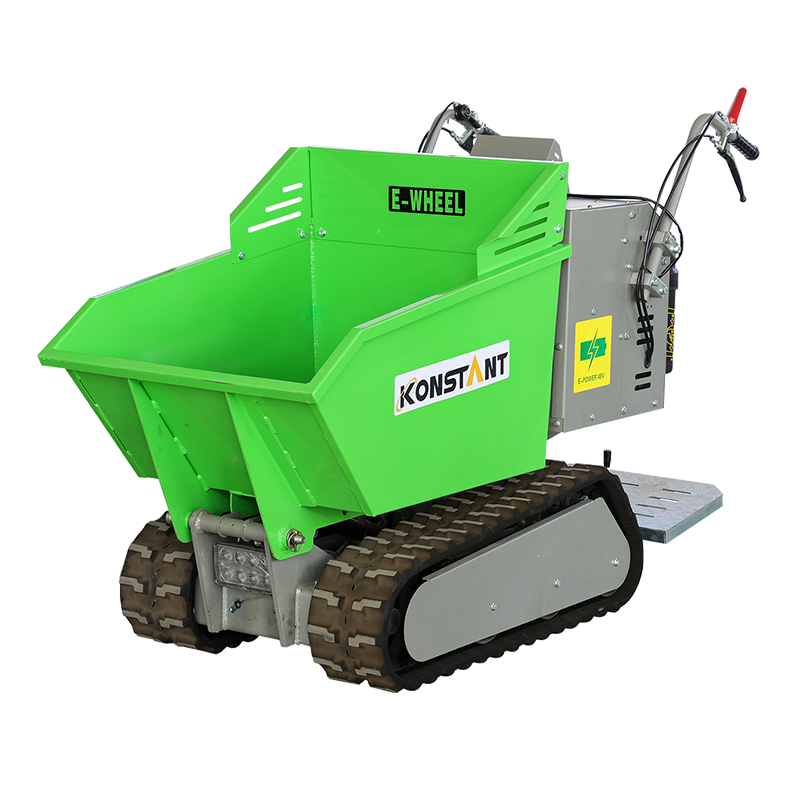
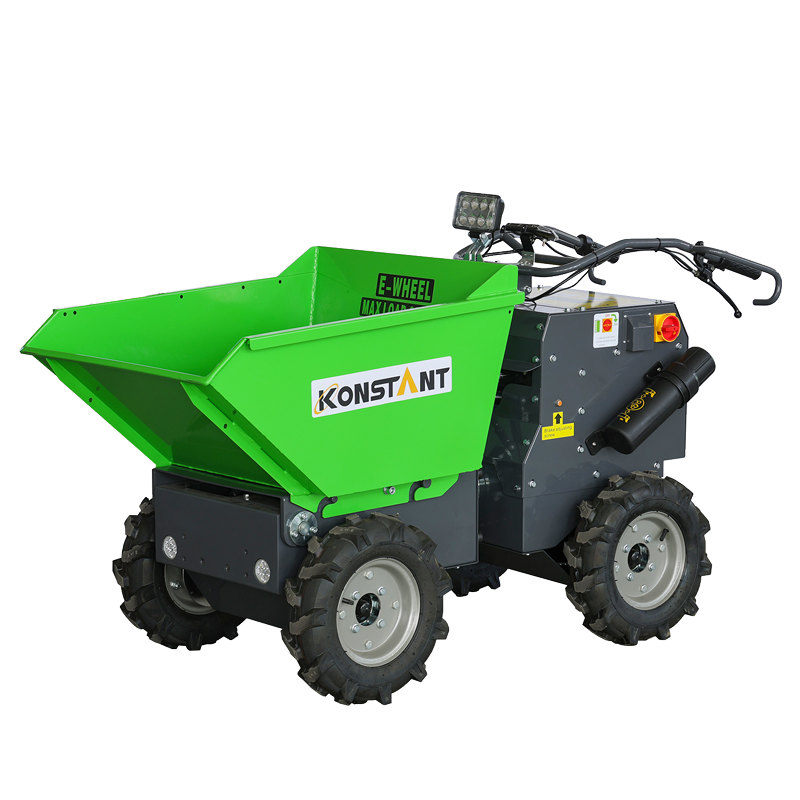
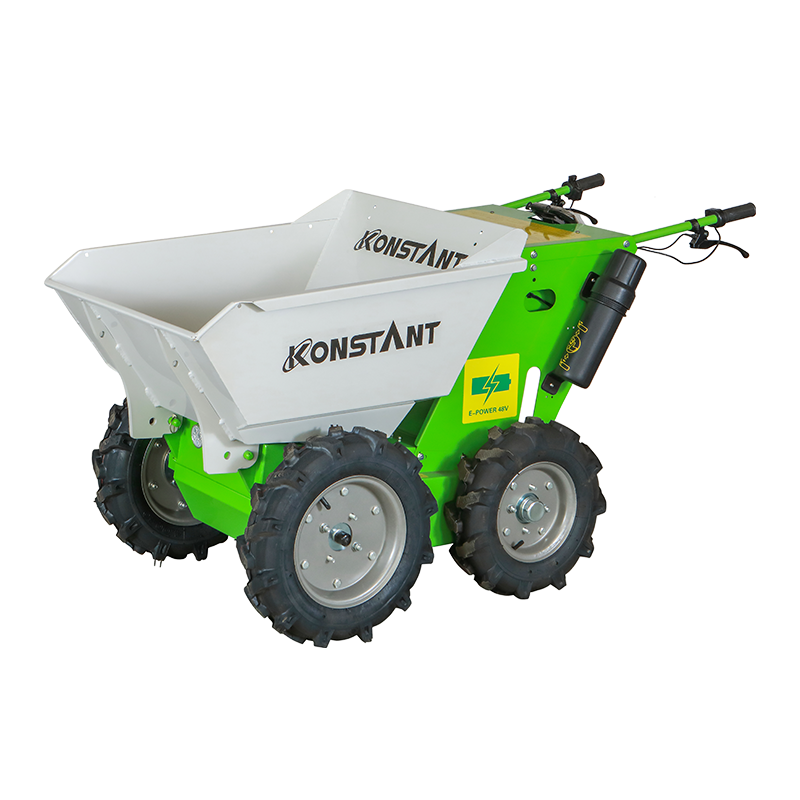
A wheelbarrow combines the basic carrying function of a wheelbarrow with powered movement. It is designed to help users transport materials around a work area without relying entirely on manual pushing.
Its potential applications extend across construction, landscaping, agriculture, property maintenance, and other outdoor tasks. The right use depends on the working environment, material type, access conditions, and the way the project is organized.
Understanding these applications can help users see where a wheelbarrow fits into modern material handling.
Why Is Material Transport Important in Different Work Environments?
Most projects involve some form of internal material movement.
Construction workers may need to move soil, sand, stones, debris, or other materials from one section of a site to another. Landscaping teams may transport soil, mulch, plants, garden waste, and decorative materials. Farmers may move feed, crops, organic material, or supplies around a property.
The distance may not be great.
The challenge is often the number of trips.
A material may need to move from a delivery point to a storage area. Later, part of that material may need to reach a working zone. Once the work is complete, waste or unused material may need to be moved again.
This creates a continuous flow of small transportation tasks.
Manual handling can work when the amount is limited and the movement is occasional. When transportation becomes a regular part of the job, powered equipment may offer another way to organize the work.
A petrol wheelbarrow can serve as a small transport vehicle for these situations. It occupies less space than many larger work vehicles while providing powered movement for materials.
Its value is therefore closely connected with the nature of the work.
Rather than being designed for one specific industry, a wheelbarrow can be considered wherever small-scale material transport is an important part of the daily workflow.
Can Petrol Wheelbarrows Support Construction Material Transport?
Construction sites are one of the obvious environments for powered wheelbarrows.
Even a relatively small building project can involve frequent movement of materials. Soil may need to be removed from an excavation area. Sand or gravel may need to reach another part of the site. Construction waste may need to be collected and moved away from active work zones.
Larger vehicles can handle major transportation tasks. They are not always practical for every section of a site.
A building may be surrounded by existing structures. Access routes can be narrow. Some work areas may be separated by temporary barriers or unfinished surfaces.
A wheelbarrow can help with these smaller movements.
For example, a construction team may use it to move loose material from a storage location toward a working area. It can also support the removal of waste from places where a larger vehicle cannot easily operate.
This can create a simple division of responsibilities.
Large equipment can focus on major site operations. Smaller transport equipment can handle local movement between nearby areas.
Renovation projects can also create similar needs.
A renovation site may have limited access because an existing building remains in use. Materials may need to move through yards, side passages, or other restricted areas.
In such situations, the compact nature of a wheelbarrow-style transport vehicle can become useful.
The equipment does not need to replace every other form of transportation. Its role can be much more focused. It can provide an additional way to move materials during the smaller and more repetitive parts of a construction project.
Where Can Petrol Wheelbarrows Help in Landscaping and Gardening?
Landscaping creates many material transport tasks that are well suited to compact equipment.
A garden may need soil in one area and stone in another. Plants may need to be moved from a delivery point to their planting locations. Branches, leaves, and other waste may need to be collected after maintenance work.
The work often takes place across finished or partially finished outdoor spaces.
Large vehicles may not be appropriate for every part of the property. They can also be difficult to position around trees, garden beds, paths, fences, and buildings.
A wheelbarrow can provide a more localized transport option.
Soil and planting materials
Soil is frequently moved during landscaping work. It may be transported from a pile to planting beds or distributed around a newly prepared area.
The same approach can be used for compost, mulch, and other loose garden materials.
Stones and decorative materials
Landscaping projects often use stones or other heavy materials for paths, walls, borders, and decorative areas.
Moving these materials by hand can require repeated trips. A powered wheelbarrow can become part of the internal transport process.
Garden waste
Material transport is not limited to bringing materials into a garden.
Branches, leaves, roots, and other waste also need to leave the working area. A wheelbarrow can help collect this material and move it toward a designated disposal or storage location.
The flexibility of landscaping work means that transportation needs can change throughout the day. A vehicle that can move between different parts of the property may therefore fit naturally into this type of work.
How Can Petrol Wheelbarrows Be Used in Agriculture?
Agricultural work involves more than planting and harvesting. Material movement is present throughout the process.
Farm workers may need to transport feed, soil, crops, tools, organic materials, or supplies. These tasks can take place around barns, growing areas, storage locations, and outdoor paths.
Farm environments also vary widely.
Some areas may be open and easy to access. Others may involve narrow routes, uneven ground, or limited space between structures.
A wheelbarrow can support short-distance movement in these areas.
For example, agricultural workers may use a powered wheelbarrow to move materials between a storage point and a work area. It may also help transport collected crops or organic materials across a property.
The vehicle can become particularly useful when the material does not need to travel a long distance but still requires repeated handling.
| Agricultural Task | Possible Material Movement |
|---|---|
| Growing area preparation | Soil, compost, and organic materials |
| Crop handling | Harvested produce and containers |
| Animal care | Feed, bedding, and related materials |
| Property maintenance | Waste, branches, and loose materials |
| Storage management | Supplies and materials between nearby locations |
The exact application depends on the farm layout and the material being moved. Still, the basic advantage remains the same: powered movement can reduce the amount of manual pushing involved in routine transport.
Could Petrol Wheelbarrows Be Useful on Uneven or Restricted Ground?
Ground conditions can have a major effect on material handling.
A route may pass over soil, gravel, grass, slopes, or other surfaces. Construction areas may also have changing ground conditions as work progresses.
This is one reason material transport cannot always be treated as a simple distance problem.
A short route can still be difficult when the path is uneven or when the available space is restricted.
A wheelbarrow can be considered for work areas where a larger vehicle may be inconvenient. Its compact format allows it to operate as a localized transport tool rather than a large site vehicle.
Restricted access is another important consideration.
A property may have a narrow entrance. A garden may contain several paths. A construction project may involve buildings and temporary structures that divide the work area.
In these situations, the ability to move materials through smaller working spaces can matter.
This does not mean every wheelbarrow is suitable for every type of terrain. Users still need to assess the actual route, surface, slope, material, and working conditions.
The important point is that compact powered transport can offer another option when site access becomes part of the material handling challenge.
What Role Can Petrol Wheelbarrows Play in Property Maintenance?
Property maintenance involves many small jobs.
A team may clear vegetation from an outdoor area, repair landscaping, remove waste, move soil, or prepare a site for another activity.
Each individual task may seem minor. Together, they can create a considerable amount of material movement.
A petrol wheelbarrow can help bring these separate tasks into a more organized workflow.
For example, maintenance workers can use a transport vehicle to collect green waste from several locations and move it to one designated area. Materials for repair work can also be transported from a storage point to the place where they are needed.
This can be useful for:
Large gardens
Commercial properties
Parks and outdoor facilities
Rural properties
Building maintenance areas
Landscaping service operations
Property maintenance often requires workers to move between different areas. A portable material transport solution can therefore be more practical than relying on a fixed handling method.
The same principle applies to seasonal outdoor work.
A team may need to move different materials at different stages of a project. One day may involve soil and planting materials. Another may involve waste removal or surface preparation.
A versatile transport vehicle can adapt to these changing tasks.
Can Petrol Wheelbarrows Support Small-Scale Demolition and Cleanup?
Demolition does not always involve large structures.
Small structures, interior renovation work, garden walls, paths, and other areas may need to be removed or cleared as part of a project.
The resulting material still needs to leave the working area.
Broken materials, soil, wood, and general debris can create repeated transportation needs. A large vehicle may not always be able to reach the exact location where the waste is generated.
A petrol wheelbarrow can support the movement of smaller loads between the active work zone and a more accessible collection point.
This creates a two-stage process.
The material is collected close to where the work takes place. It is then transported to a location where larger equipment or another handling method can take over.
This can help separate local cleanup from larger waste transportation.
The same approach may work during site preparation. Before construction begins, vegetation, loose soil, stones, and other unwanted materials may need to be removed.
A compact powered wheelbarrow can support these preparatory activities without requiring a large vehicle to enter every part of the property.
What Should Users Consider Before Choosing a Petrol Wheelbarrow?
The application should always come before the equipment choice.
A petrol wheelbarrow may be useful in many environments, but each project has different requirements.
Users can look at several practical factors.
Material type
Consider whether the work involves soil, stones, waste, plants, agricultural materials, or other loads.
Access
Examine entrances, paths, working areas, and storage locations. Restricted access can influence whether a particular vehicle is appropriate.
Ground conditions
Think about the surfaces where the vehicle will operate. Outdoor work can involve changing terrain.
Work frequency
Occasional material movement may require a different approach from daily transportation.
Loading and unloading
The vehicle should fit the way materials are collected, transported, and discharged during normal work.
Storage and maintenance
Petrol-powered equipment needs a suitable storage area and regular care. The operating environment should be considered as part of the purchasing decision.
Worksite layout
Think about where materials arrive, where they are stored, and where they eventually need to go.
A clear understanding of these factors can help users determine whether a petrol wheelbarrow fits their material handling process.
The useful application may not always be the largest job on a site. It can be the repeated movement that happens between larger operations.
Construction teams, landscapers, agricultural workers, and property maintenance crews all face this type of task. When materials need to move through changing outdoor environments, compact powered transport can become part of the wider workflow.