English
 русский
 Français
 Español
 Deutsch

Material handling is part of almost every construction, landscaping, agricultural, and maintenance project. Soil, gravel, sand, stones, plants, waste, and other materials all need to move from one place to another.
On a large worksite, large vehicles may handle much of this work. Smaller projects face a different situation. Access can be limited. Working areas can change. Some paths may be too narrow for large equipment. Indoor or semi-indoor areas can also create additional challenges.
This is where a Mini Dumper Electric can become a practical option.
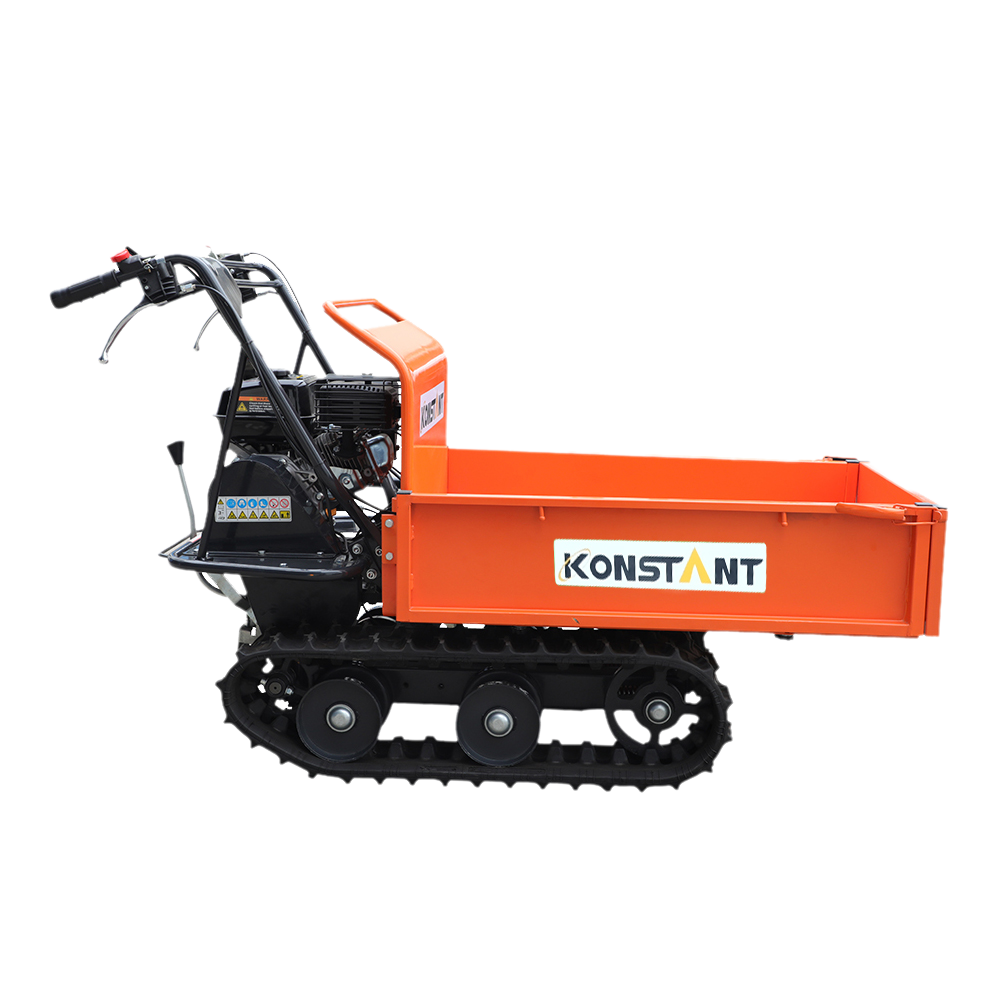
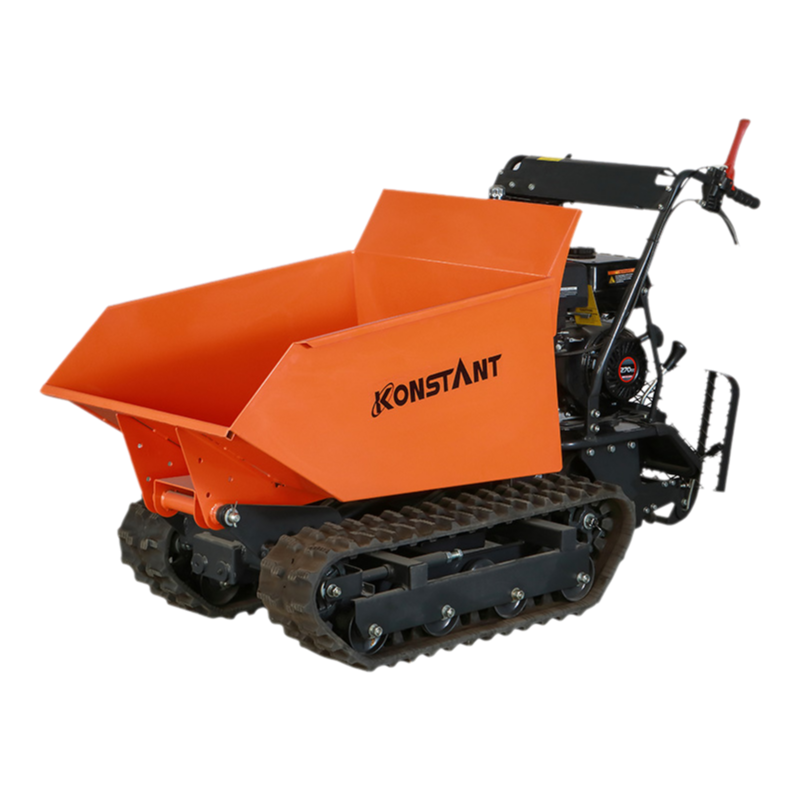
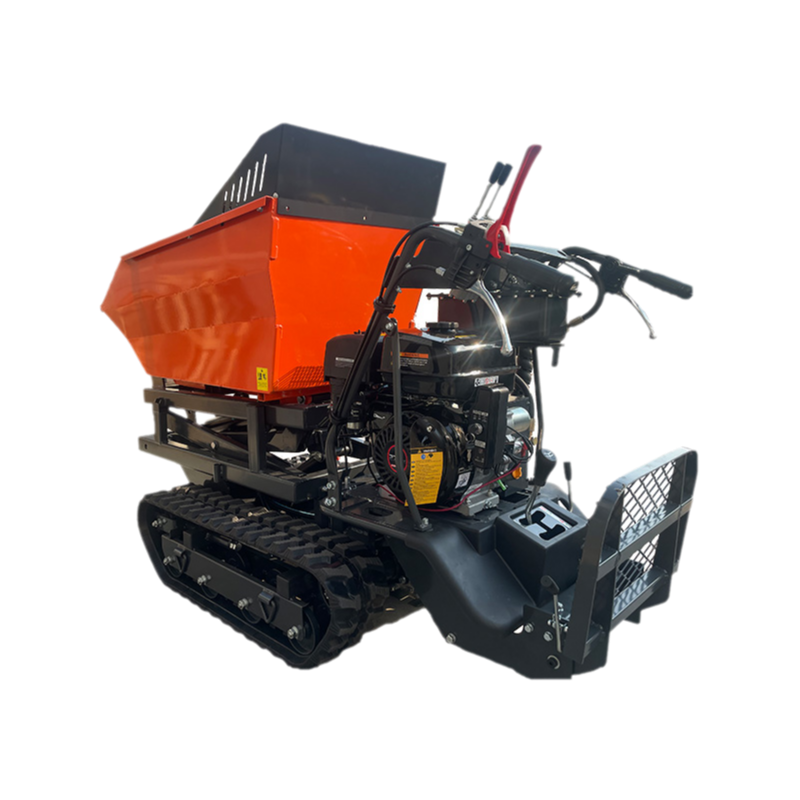
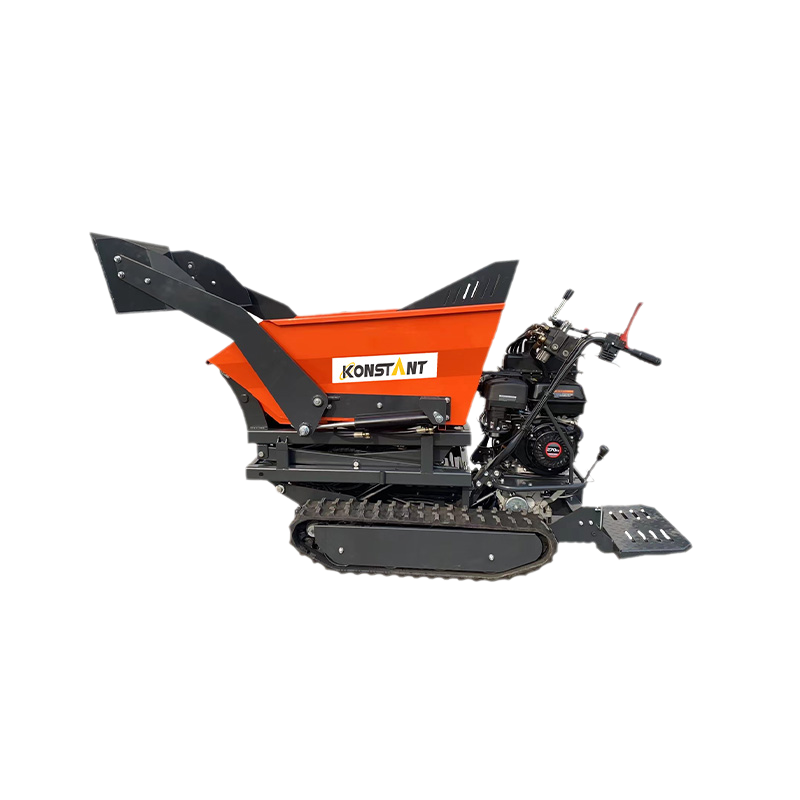
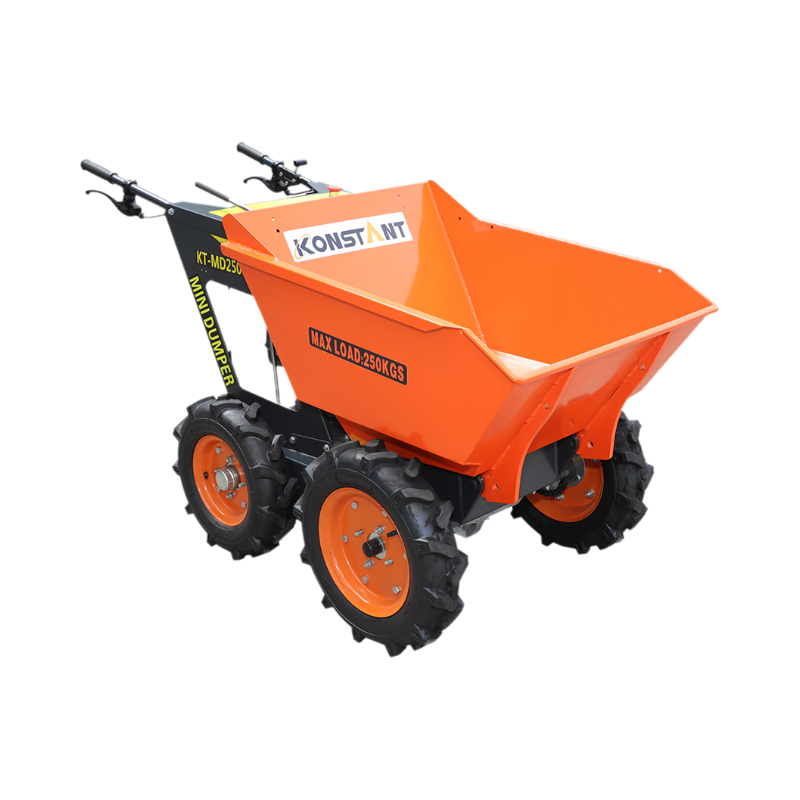
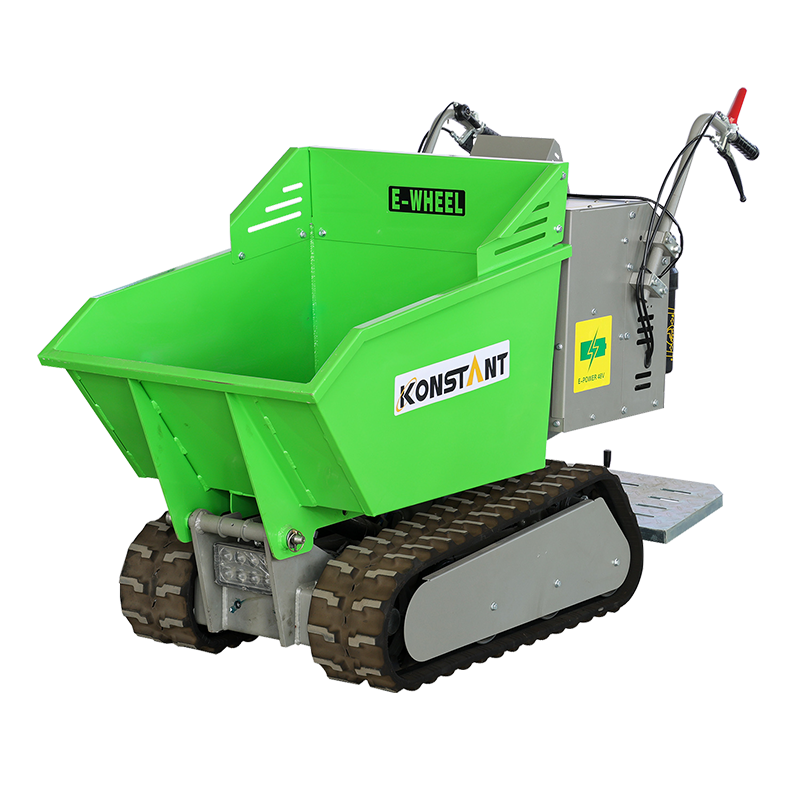
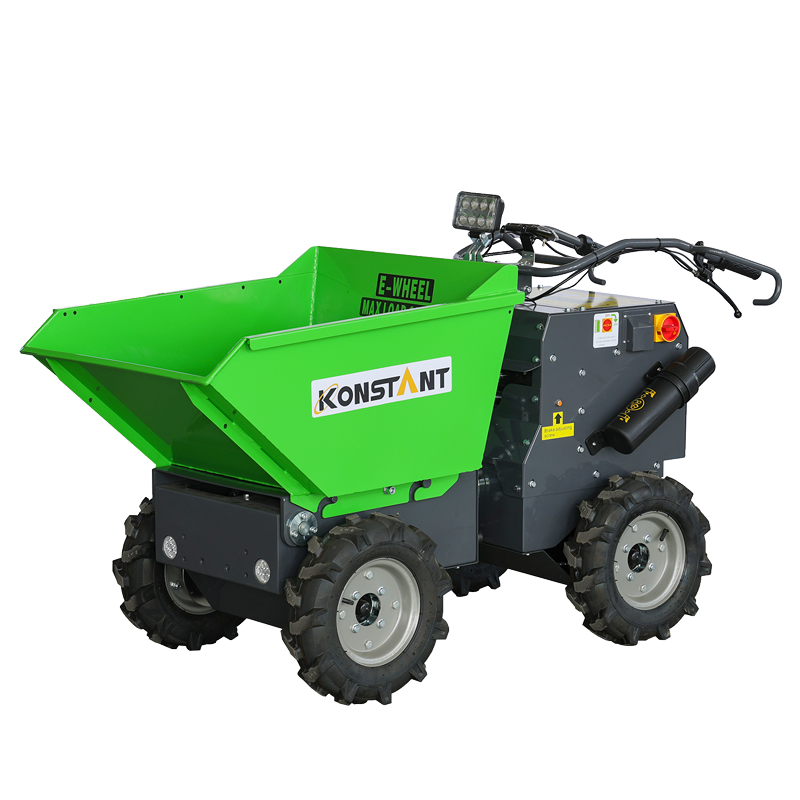
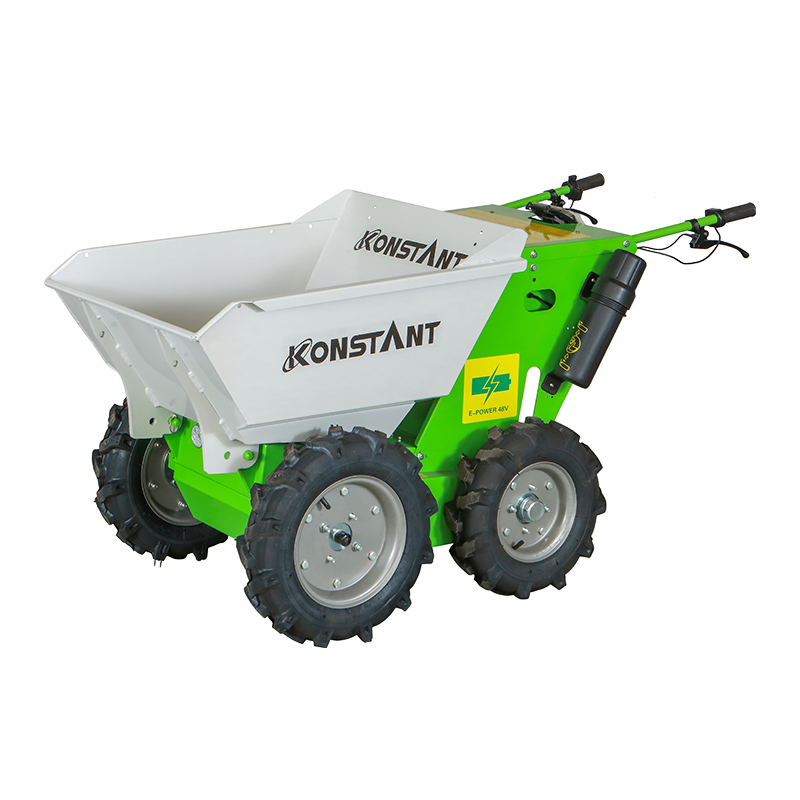
An electric mini dumper combines a compact body with a powered system designed to move loose or loaded materials around a work area. Its role is not simply to carry a load. It can also help reduce repeated manual movement and make short-distance transport easier to organize.
As worksites become more focused on flexible equipment and efficient use of available space, compact electric transport vehicles are receiving more attention.
Why Is Material Handling Important on Modern Worksites?
Material handling often takes place between major work stages. It may not receive as much attention as construction, planting, excavation, or installation, but it has a direct effect on how a site operates.
Workers may need to move materials from a storage area to a working area. Excavated soil may need to be relocated. Garden waste may need to leave a landscaped area. Building materials may need to reach a location that is difficult for a larger vehicle to access.
These movements can happen many times during one project.
Manual handling may work for small amounts of material. However, repeated movement can take considerable time and effort. It can also require workers to spend more time on transportation instead of other tasks.
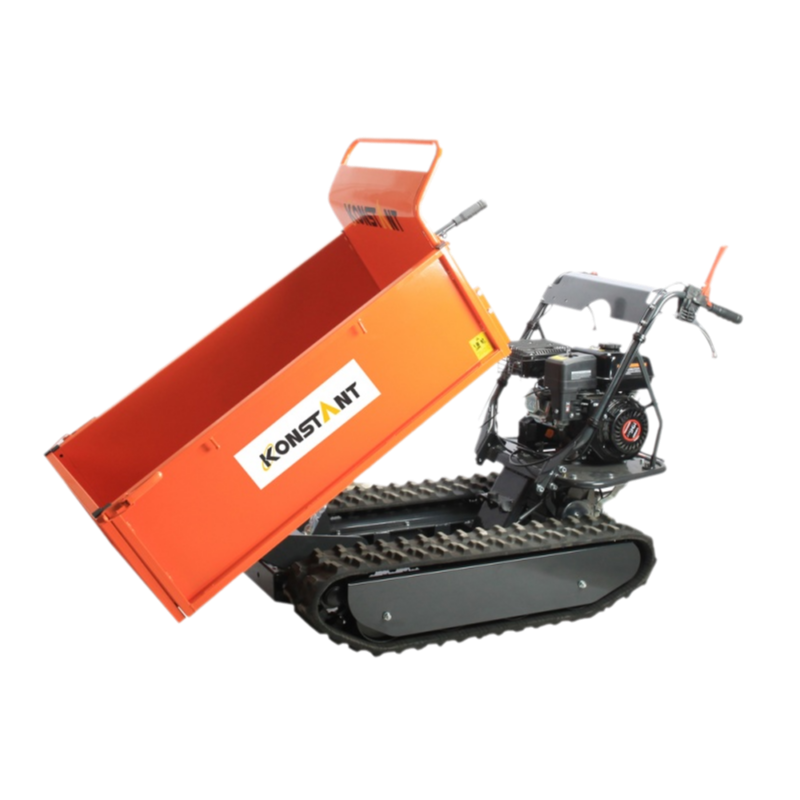
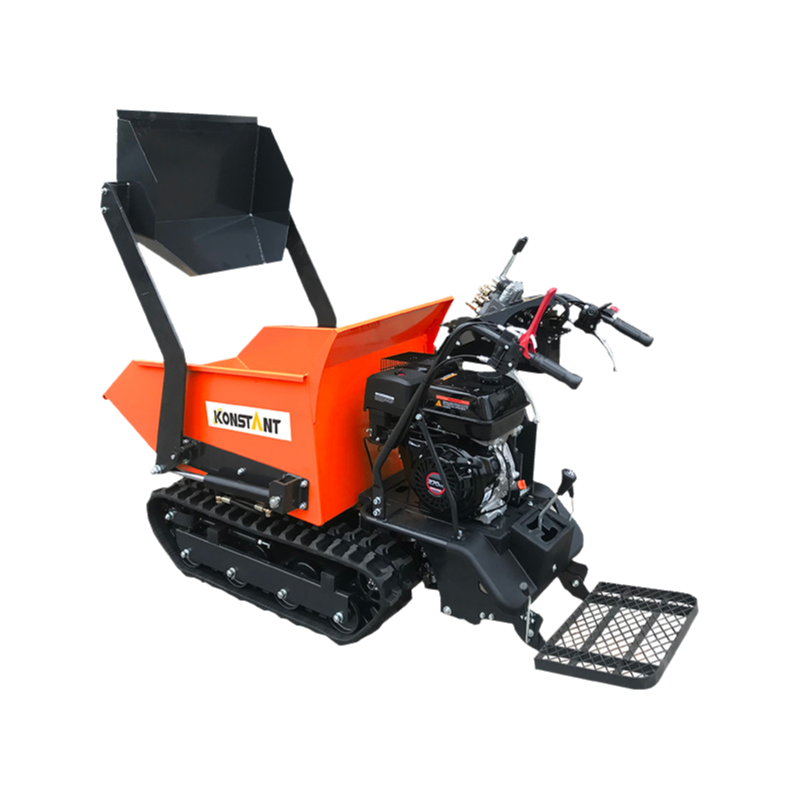
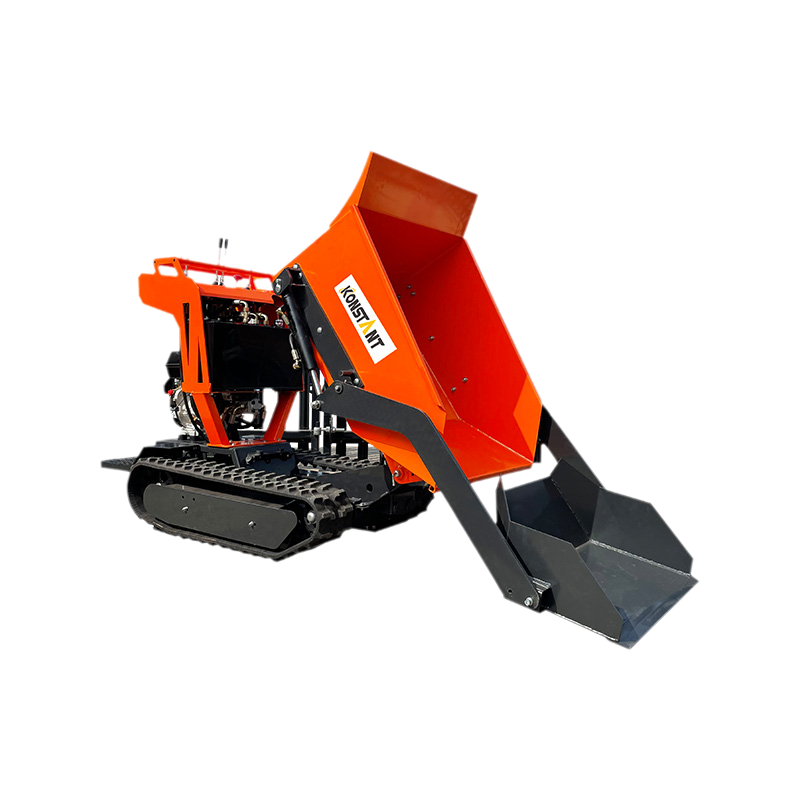
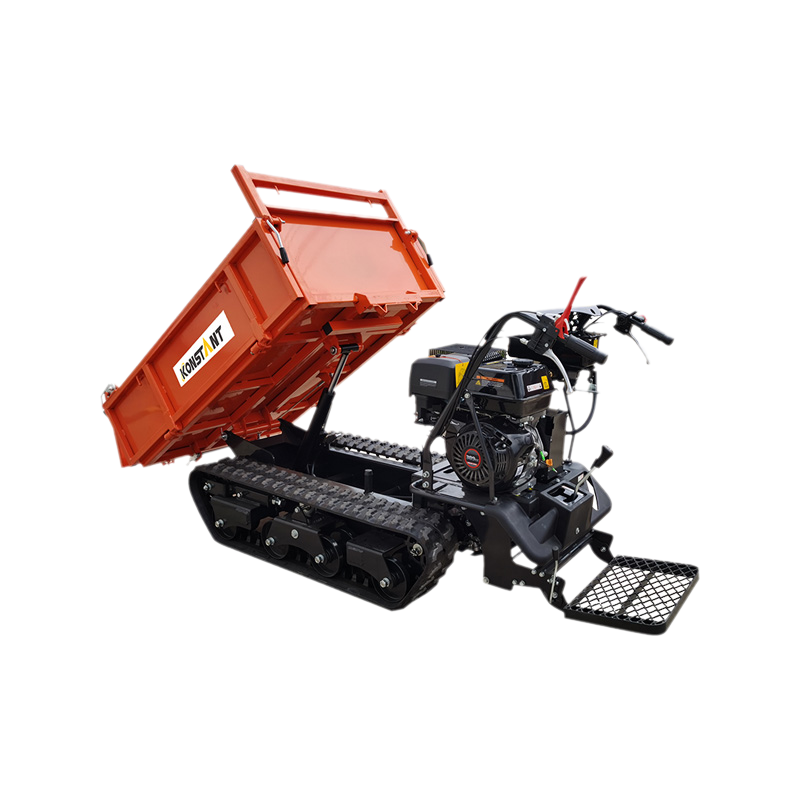
A compact dumper offers another approach. Materials can be placed into its carrying area and moved to a nearby destination. Once there, the load can be discharged before the vehicle returns for another task.
This creates a simple movement cycle:
The process sounds simple, but this kind of basic movement is important on busy worksites.
An electric model adds another consideration. It can fit projects where electric-powered equipment is preferred as part of the site's overall working environment.
How Can a Mini Dumper Electric Make Material Movement More Flexible?
Flexibility is important when the working environment changes from one area to another.
A large vehicle may require a relatively open route. A compact dumper can be more suitable when the available space is restricted. It can be used around buildings, gardens, pathways, construction areas, and other locations where maneuvering space may be limited.
This does not mean that every compact dumper is suitable for every situation. The actual working conditions still need to be considered.
The value of a small vehicle often comes from how easily it can fit into the movement pattern of a project.
For example, imagine a landscaping project where soil needs to move between a storage area and several planting zones. The distances may not be large, but the route can pass through narrow sections of the property.
A compact electric dumper can provide a dedicated way to move the material without requiring a larger transport vehicle to enter every area.
The same idea can apply to construction work.
A project may have several small working zones rather than one large open area. Materials can be moved between these zones as the work progresses. A compact vehicle can become part of this local transportation process.
| Worksite Situation | Possible Material Handling Need |
|---|---|
| Construction area | Moving soil, sand, stones, or building materials |
| Landscaping project | Transporting soil, plants, mulch, or garden waste |
| Agricultural area | Moving feed, soil, crops, or other loose materials |
| Maintenance work | Relocating materials and site waste |
| Property development | Moving materials between nearby working areas |
| Narrow access area | Short-distance transport where larger vehicles may be difficult to use |
The key point is flexibility. Material does not always need to travel a long distance. Often, it simply needs to move efficiently between two nearby locations.
Could Electric Power Change the Way Small Dumpers Are Used?
The move toward electric equipment is influencing many areas of worksite management.
For small material transport vehicles, electric power can change where and how the equipment is considered for use. Projects may need equipment that fits into working environments where conventional fuel-powered machinery is less convenient.
Indoor applications are one example.
Some maintenance or construction activities take place inside buildings, structures, tunnels, or partially enclosed areas. In these settings, equipment selection involves more than carrying ability. The surrounding working environment also matters.
Electric equipment may be considered when users want to incorporate electrically powered machinery into these spaces.
Noise can also influence equipment choices. A busy worksite already contains many sources of sound. Using equipment that operates differently from conventional engine-powered machinery may be attractive for certain working environments.
This does not make electric equipment suitable for every application. Battery charging, operating conditions, load requirements, travel routes, and work schedules all remain important considerations.
Still, electric power gives compact dumpers another place within the wider material handling market.
The discussion is no longer only about how much material a machine can move. It can also involve where the machine can be used, how it fits into the worksite, and how easily it can become part of the daily workflow.
What Types of Work Can Benefit From a Mini Dumper Electric?
A Mini Dumper Electric can serve different industries because the basic need for short-distance material movement appears in many types of work.
Construction
Construction sites often involve loose materials. Soil, rubble, sand, stones, and other materials may need to move between different areas.
A compact dumper can support these smaller transportation tasks. It may be useful when a larger vehicle is unnecessary or when access to a specific section is restricted.
Landscaping
Landscaping is another natural application.
Garden projects can involve soil, compost, mulch, stones, plants, branches, and waste. These materials may need to move through gardens, yards, paths, or other areas where space is limited.
A compact dumper can help create a more organized movement process.
Agriculture
Agricultural work also includes regular material transportation. Soil, crops, feed, and organic materials may need to move around a property.
Different farms and growing areas have different layouts. A compact vehicle can provide another option for moving materials within these environments.
Property Maintenance
Property maintenance can involve many small transportation tasks. Waste may need to be removed. Materials may need to reach a repair area. Soil or other loose materials may need to be relocated.
A small electric dumper can be considered when these tasks occur frequently enough to justify dedicated transport equipment.
Small Construction and Renovation Projects
Not every construction project has a large open worksite.
Renovation projects can take place around existing buildings, homes, gardens, and commercial properties. Access may be affected by walls, entrances, landscaping, or other structures.
A compact dumper can fit into a material handling plan where space and movement routes need careful consideration.
How Does Compact Design Help With Tight Working Areas?
Worksite space is not always easy to manage.
Materials may be stored in one location while the actual work takes place somewhere else. Temporary obstacles may change the available route. Buildings, fences, trees, equipment, and unfinished structures can all affect movement.
A compact vehicle can help users think about transportation at a more local level.
Instead of bringing a large vehicle into every part of the site, materials can be moved to a suitable transfer point. A smaller dumper can then handle the movement from that point to the working area.
This can make the overall site layout easier to organize.
Compact equipment can also be useful when projects involve several separate areas. A vehicle does not need to serve the entire property in the same way. It can focus on the section where material movement is currently needed.
This becomes particularly relevant as work progresses.
A construction area may change after excavation. A landscaping project may move from one garden section to another. A maintenance team may need to work in different locations during the same day.
The equipment therefore needs to fit a changing environment rather than remain tied to one fixed task.
Can a Mini Dumper Electric Support Better Worksite Organization?
Material handling is closely connected with organization.
Poorly planned material movement can create unnecessary trips. Materials may be placed too far from the work area. Workers may need to carry loose materials repeatedly. Equipment may also need to move through the same space as people.
A dedicated transport vehicle can help separate material movement from other activities.
The process can be planned around loading areas, travel paths, and unloading points. This makes it easier to decide where materials should be stored and when they should be moved.
Consider a landscaping project.
Instead of carrying soil by hand from a delivery point to several planting areas, the material can be moved in organized batches. The dumper becomes part of the site's internal transport system.
The same approach can apply to construction waste.
Waste can be collected from a working area and moved to a designated location. This can help keep active work areas more manageable while reducing unnecessary manual transportation.
The vehicle itself does not organize a worksite automatically. Planning remains important. But suitable equipment can make that planning easier to put into practice.
What Should Buyers Consider When Choosing a Mini Dumper Electric?
Choosing compact transport equipment requires more than looking at the word "electric."
The intended application should guide the decision.
Buyers can consider the following areas:
Working environment
Where will the dumper operate? Outdoor construction areas, gardens, farms, indoor spaces, and maintenance locations can have very different requirements.
Access conditions
The available route matters. Narrow paths, gates, slopes, uneven ground, and restricted spaces can affect whether a particular design fits the job.
Material type
Different projects move different materials. Loose soil, stones, garden waste, construction debris, and other loads may behave differently during transportation and discharge.
Frequency of use
A vehicle used occasionally has different priorities from one that forms part of everyday site operations.
Charging and daily workflow
Electric equipment needs to fit naturally into the working schedule. Buyers should consider where charging can take place and how the equipment will be managed between tasks.
Operator convenience
Controls, loading, movement, and unloading all affect the daily experience. A design that is straightforward to operate can be easier to integrate into routine work.
Storage
Compact equipment still needs a suitable place when it is not being used. Storage conditions should match the working environment and the equipment's care requirements.
A useful purchasing decision begins with the actual job rather than with a list of features.
Where Could Mini Dumper Electric Applications Continue to Develop?
Material handling continues to change as worksites become more varied.
Construction is no longer limited to large open sites. More work takes place around existing structures, landscaped properties, urban spaces, and restricted areas. Landscaping and agricultural operations also require equipment that can adapt to different working conditions.
This creates opportunities for compact transport equipment.
A Mini Dumper Electric can occupy a useful position between manual handling and larger transport machinery. It does not need to replace every type of vehicle. Its role can be more specific.
It can handle short-distance movement where portability, compact size, and flexible operation matter.
Future applications may also develop around mixed worksite equipment. A project could combine larger machinery for major movement with compact electric vehicles for smaller transport tasks.
This approach treats material handling as a connected process rather than relying on one machine for every job.
The same principle can apply to equipment rental, property maintenance, landscaping services, agricultural operations, and small construction teams. Different users may have different reasons for choosing a compact electric dumper, but the underlying need remains similar: materials need to reach the right place without making the worksite more complicated than necessary.
As electric equipment becomes a more familiar part of material handling, compact dumpers can continue to attract attention from users looking for practical ways to move materials through changing work environments.