English
 русский
 Français
 Español
 Deutsch

Material movement is part of almost every outdoor project. Construction crews move soil and debris. Landscapers transport mulch, stones, and garden waste. Agricultural workers handle materials around fields, yards, and storage areas. Renovation teams may need to move loose waste through areas where access is limited.
Flat ground can make this work relatively straightforward. Uneven ground changes the situation.
Slopes, loose soil, stones, ruts, wet patches, and changing surface conditions can make manual transport tiring and slow. They can also make it harder to keep materials under control while moving between different parts of a site.
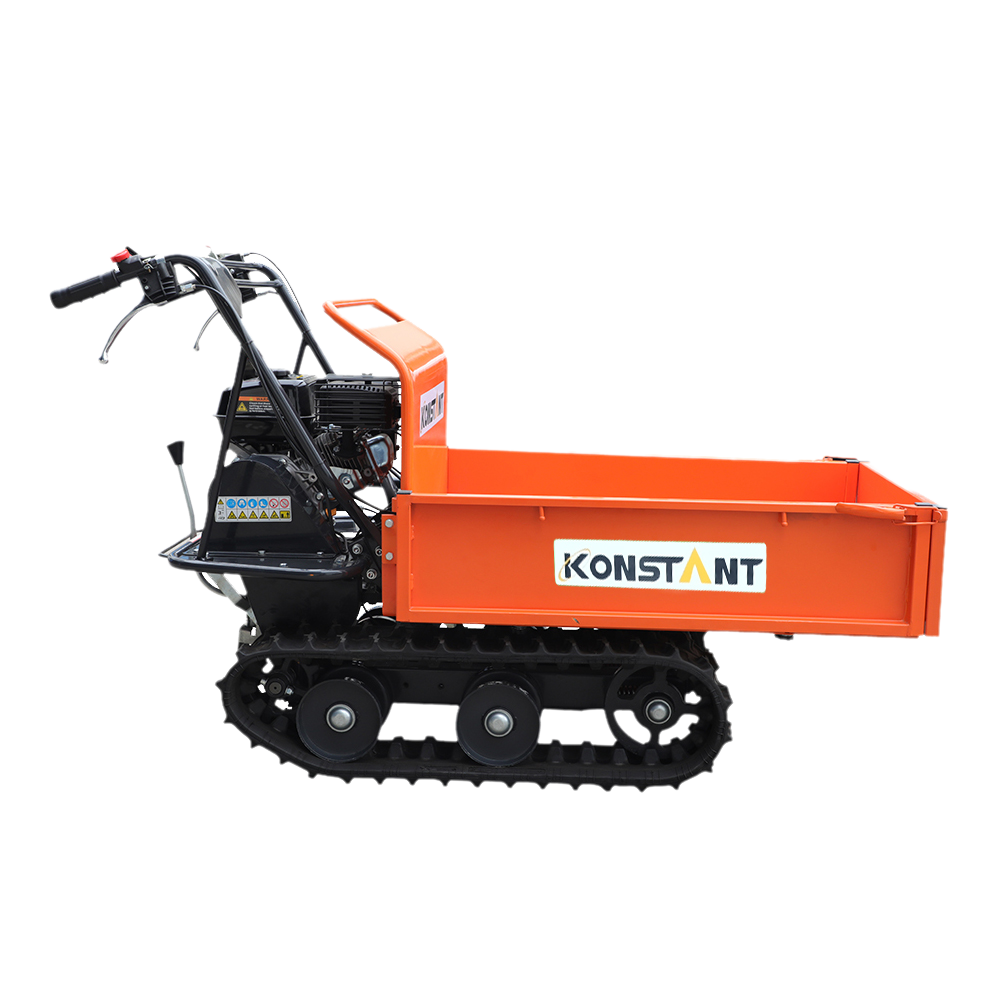
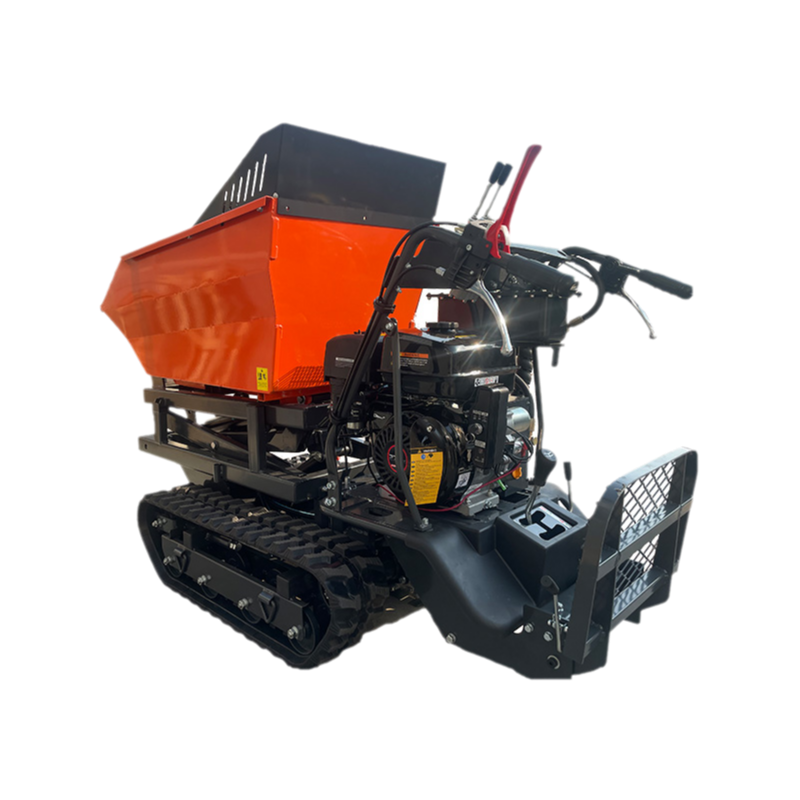
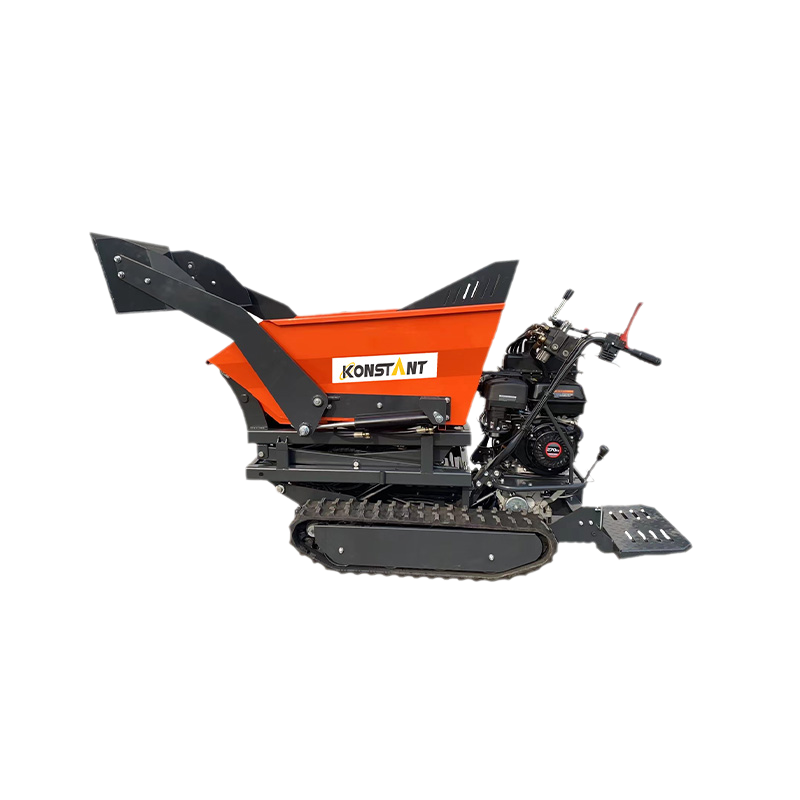
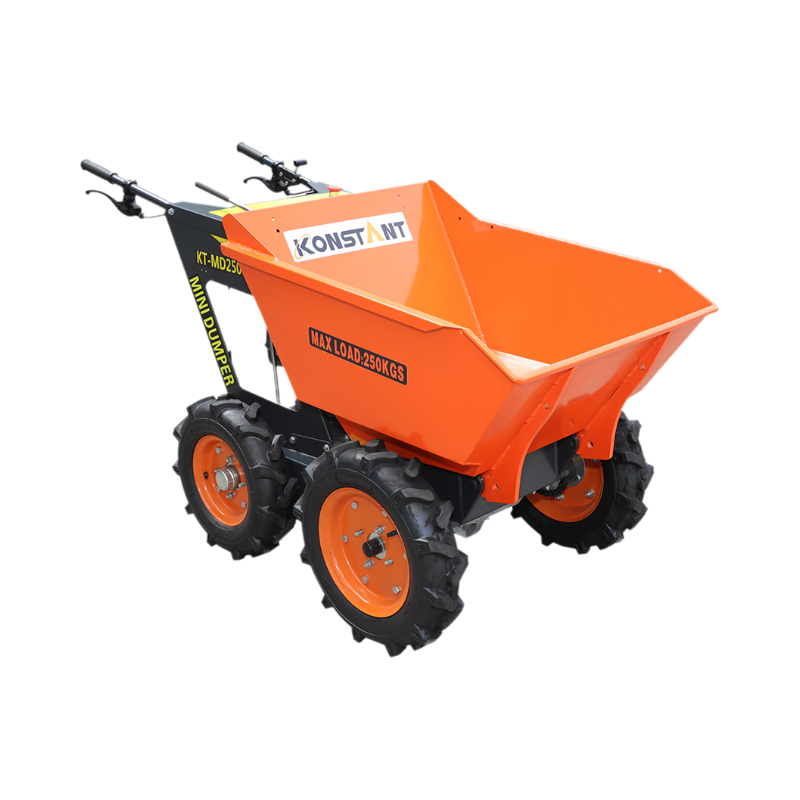
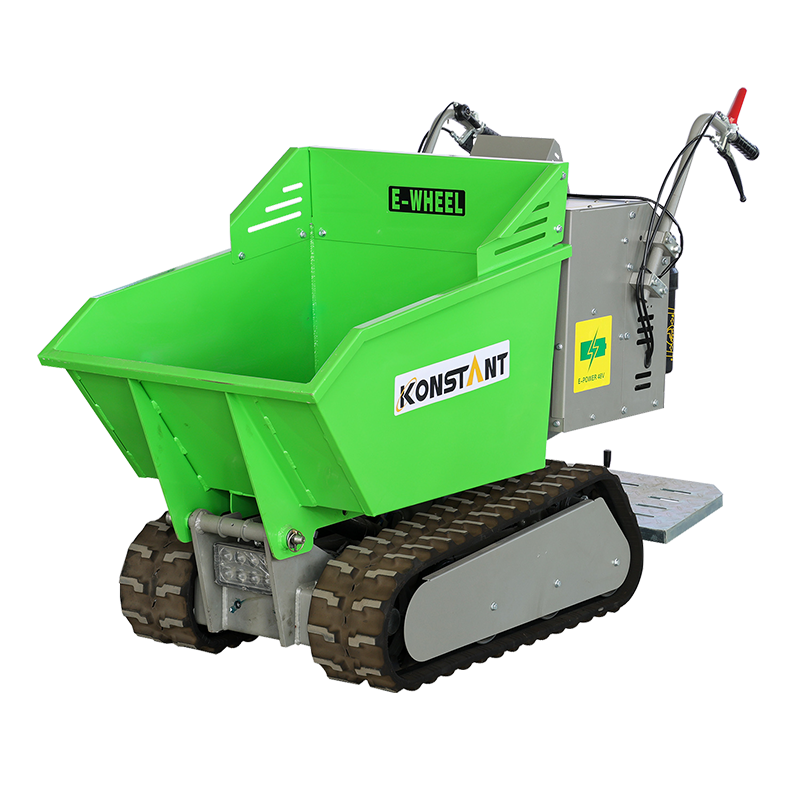
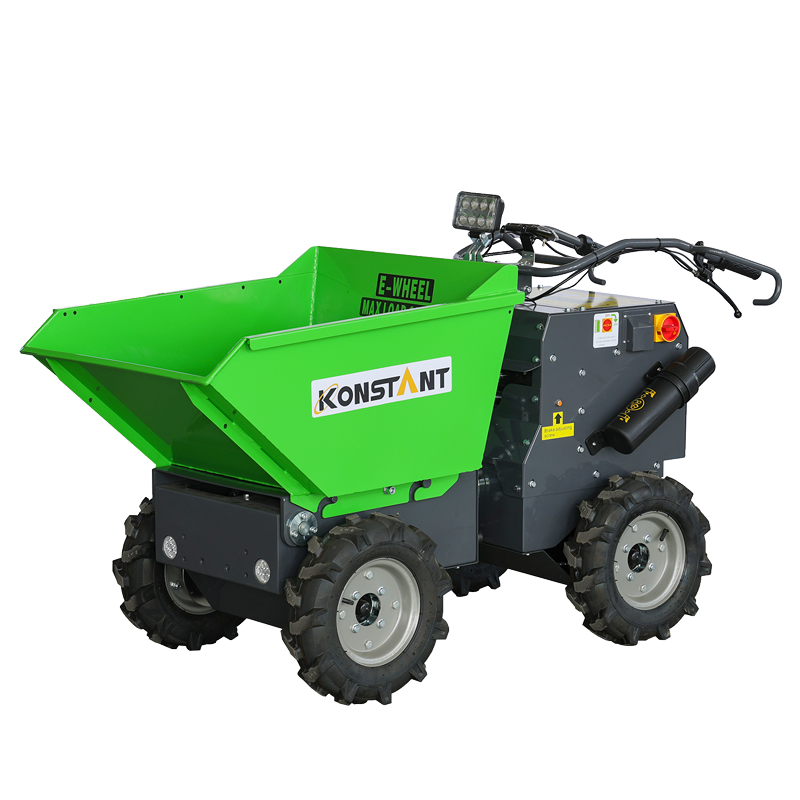
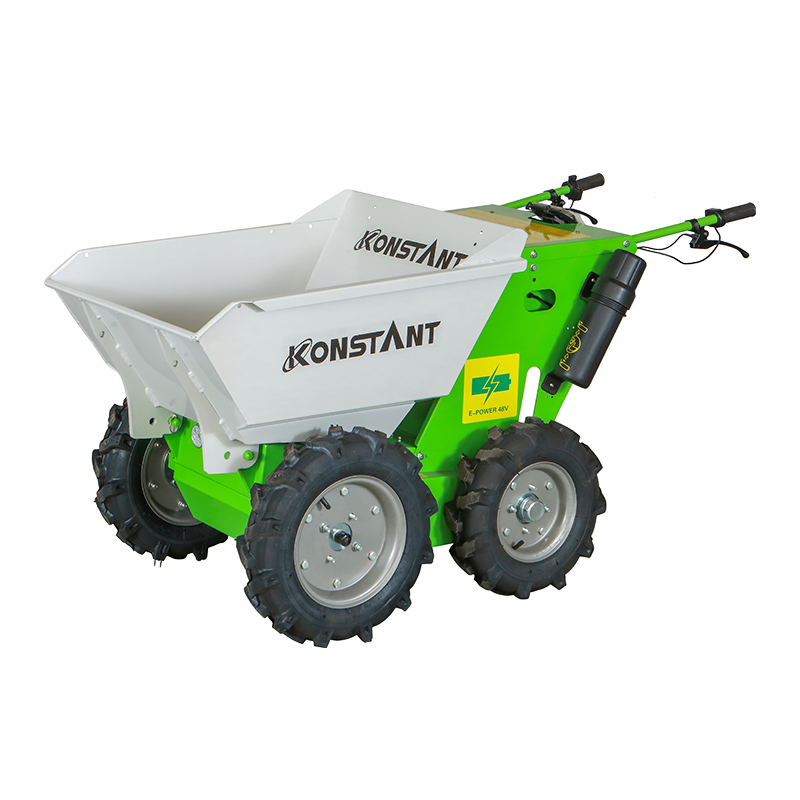
This is where a Hydraulic Mini Dumper can become an interesting option.
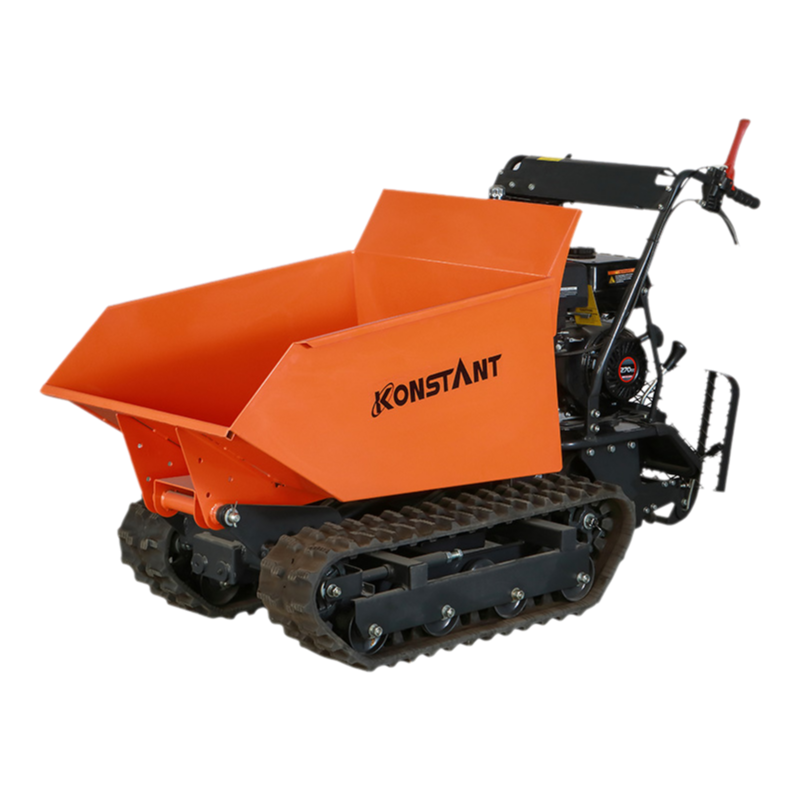
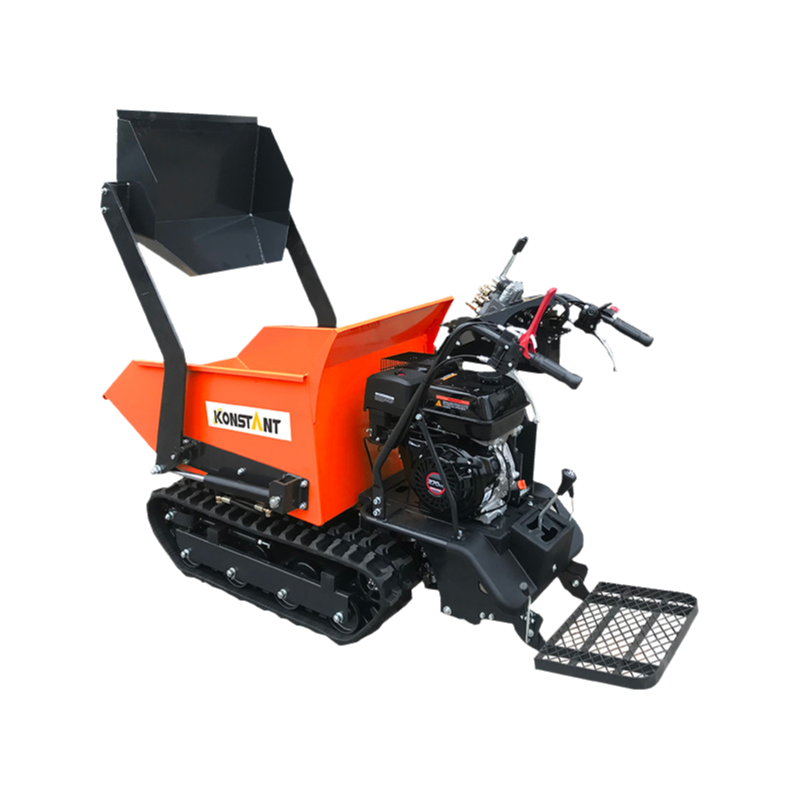
A compact powered dumper is designed to move materials within a working area. Its usefulness on uneven ground depends on more than the presence of a hydraulic tipping system. Ground conditions, machine layout, operator experience, material type, access routes, and loading practices all influence how well the equipment fits a particular job.
For contractors and other users, the real question is not simply whether a hydraulic mini dumper can travel across uneven ground. The more useful question is whether it can make material movement more manageable under the conditions found on the actual site.
Why Is Uneven Ground a Challenge for Material Movement?
Uneven ground changes how people and equipment move.
A smooth surface provides a relatively predictable route. Outdoor work rarely offers that consistency. A site may contain compacted soil in one area and loose ground in another. A pathway may become rough after excavation. Landscaping work can involve roots, stones, grass, and changing elevations. Construction sites may have temporary access routes that change as the project develops.
Manual transport becomes more demanding under these conditions.
Carrying a load by hand requires workers to manage both the material and the terrain. A wheelbarrow can help with transport, but it still depends heavily on physical effort and careful handling. Repeated trips across rough ground can make the work feel considerably different from moving materials across a paved surface.
A powered mini dumper approaches the task differently. Instead of carrying or pushing the load manually over the entire route, the operator guides the machine while the material is held in the hopper.
This does not remove the challenges created by uneven ground. It can, however, change how workers interact with the load.
The machine carries the material. The operator focuses on movement, positioning, and site awareness.
That difference can be meaningful when the same route needs to be used repeatedly.
How Can a Hydraulic Mini Dumper Support Movement Across Uneven Surfaces?
A mini dumper can support material transport by combining powered movement with a load-carrying body. This arrangement can be useful when materials need to travel across outdoor surfaces that are not consistently flat.
The value comes from the complete working process rather than one individual feature.
Consider a landscaping project where soil needs to move from a delivery area to a garden section. The route may cross grass, compacted soil, and a slightly sloped path. Carrying the material manually requires repeated lifting and pushing. A compact dumper provides another way to organize the same movement.
The operator loads the material, guides the machine along the planned route, and positions it near the destination. The material can then be discharged from the hopper.
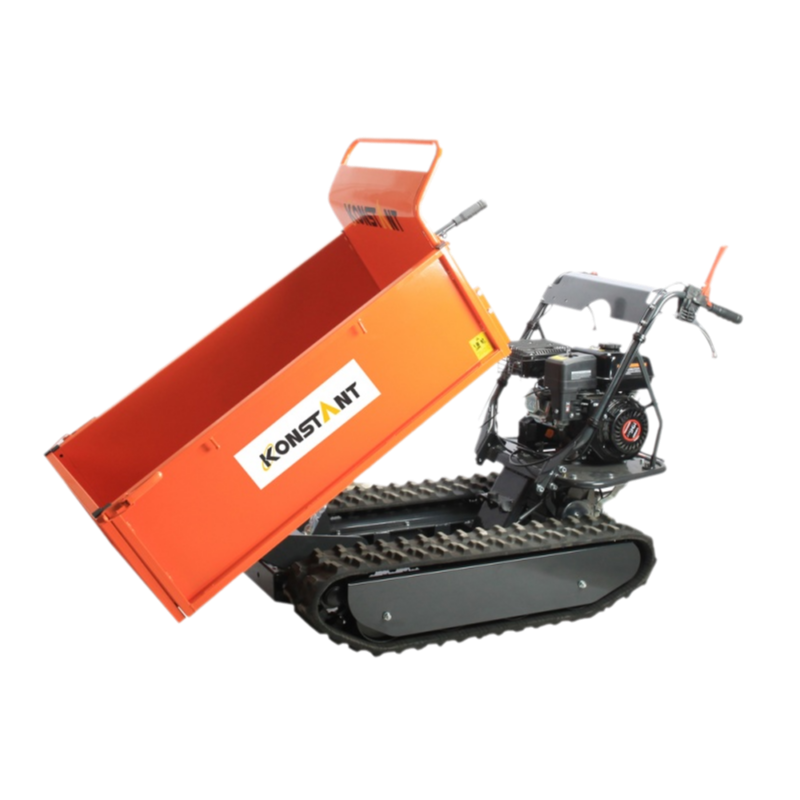
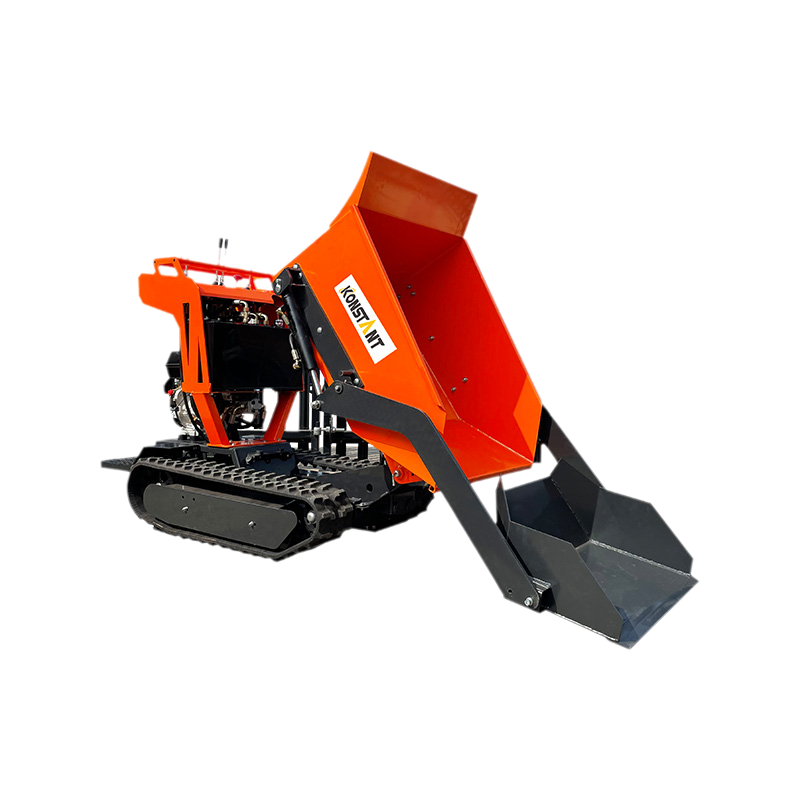
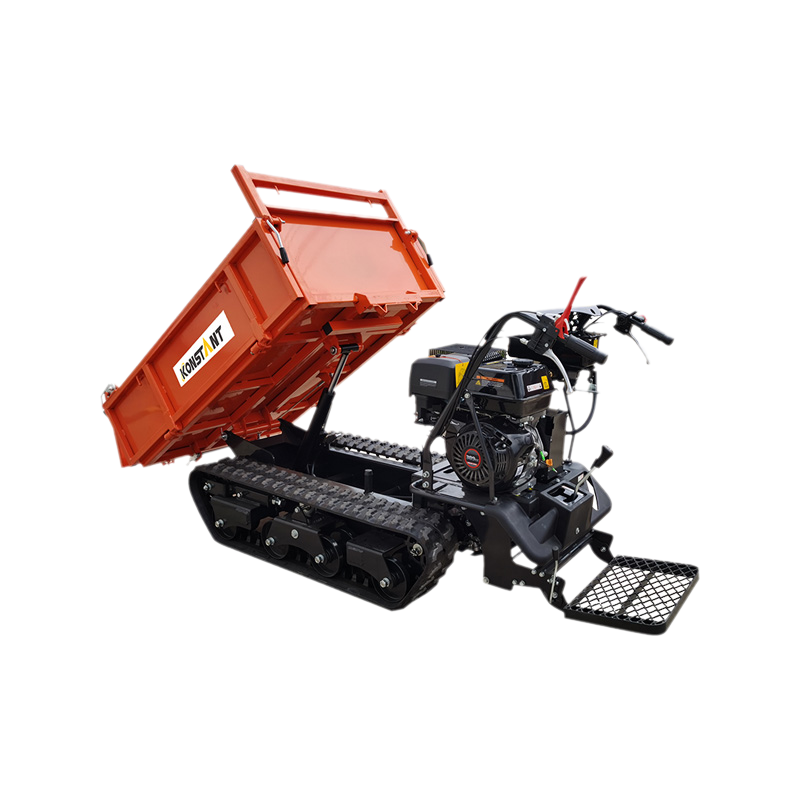
Hydraulic tipping can make the unloading stage more convenient because the operator does not need to rely entirely on manual lifting of the loaded body. This can be particularly relevant when the material is dense or when unloading needs to happen repeatedly during a working shift.
The benefit is therefore connected to the entire cycle:
When the route contains uneven surfaces, each stage needs to be considered. The machine must be suitable for the terrain, while the operator needs to understand how surface conditions affect movement.
A mini dumper should not be viewed as a solution for every type of ground. Instead, it can be considered as part of a material-handling approach where powered movement may fit the working environment.
What Ground Conditions Should Buyers Consider?
Not all uneven surfaces create the same challenge.
A gentle slope covered with compact soil is different from loose gravel with deep ruts. Wet ground creates another situation. A route that looks manageable during dry conditions may become more difficult after rain.
Before choosing equipment, buyers can examine the actual route rather than relying only on general descriptions of the job.
Several ground conditions deserve attention:
| Ground Condition | Possible Material Movement Consideration |
|---|---|
| Uneven soil | Movement may require greater attention to route selection |
| Loose gravel | Operators may need to manage speed and direction carefully |
| Sloped ground | Load position and operator awareness become important |
| Wet surfaces | Traction and safe operating practices require attention |
| Rough pathways | Route planning can help avoid unnecessary obstacles |
| Mixed surfaces | Operators may need to adapt as conditions change |
The condition of the ground can also change during a project.
Construction areas are a good example. Excavation, deliveries, weather, and ongoing work can alter access routes. A path that was open in the morning may be partially blocked later. Landscaping sites can experience similar changes as planting areas and pathways are developed.
This means equipment selection should not focus on a single moment.
A buyer can consider how the site is expected to look during regular operation. The route should be examined from the loading point to the unloading area.
Questions can include:
- Is the route level or sloped?
- Is the surface firm or loose?
- Are there stones, ruts, or other obstacles?
- Does the route change during the project?
- Are people working close to the transport path?
- Is there enough room to position the machine safely?
These questions provide a more realistic picture of whether a hydraulic mini dumper fits the site.
Does Load Distribution Matter When Moving Materials on Uneven Ground?
The material itself can influence how a dumper behaves during movement.
Soil, sand, stones, mulch, waste, and other loose materials do not all behave in the same way. Their weight, shape, moisture, and distribution can affect how the load sits inside the hopper.
A poorly distributed load can create unnecessary handling challenges.
For example, dense material placed heavily toward one side may affect balance. Loose material can shift as the machine travels over changing surfaces. Wet material may behave differently from dry material during both movement and unloading.
Operators therefore need to pay attention to how materials are loaded.
The goal is not simply to put material into the hopper. The load should be arranged in a way that suits safe operation and the conditions of the route.
The relationship between material and ground is also important.
A heavy load on a sloping route presents a different situation from a lighter load moving across relatively firm ground. This is why buyers should consider actual working conditions instead of assuming that one type of equipment will behave the same way in every environment.
Hydraulic tipping also needs to be considered as part of this process.
The unloading position matters. If the machine is placed on an unsuitable surface or too close to an obstacle, the tipping process may become more difficult. Operators should follow the manufacturer's operating instructions and site safety procedures when unloading.
The material, machine, and ground should be viewed as one working system.
Can Maneuverability Make a Difference on Rough Jobsites?
Uneven ground is not the only challenge.
Many outdoor projects combine rough surfaces with restricted access. A landscaping site may have trees, flower beds, fences, and narrow paths. A renovation project may contain temporary structures and stored materials. A construction site can change from one working area to another as the project progresses.
In these environments, maneuverability becomes important.
A machine may need to move around an obstacle, approach a loading point, change direction, and position itself close to an unloading area. The operator must be able to understand where the machine is going and what is around it.
Compact equipment can be useful in areas where larger machinery is difficult to position. But compact size alone does not guarantee convenient operation.
The controls, visibility, balance, turning behavior, and operator position all contribute to the overall experience.
A good equipment choice should match the space available on the site.
This is especially relevant when the material does not need to travel a long distance. Many small projects involve short but repeated trips. The machine may spend much of its working time entering tight spaces, repositioning near piles of material, and returning along the same route.
In such cases, ease of positioning can have a direct effect on the workflow.
The operator should not have to fight against the layout of the site.
Instead, the equipment should fit naturally into the route that workers already need to use.
How Does Hydraulic Tipping Affect Work on Uneven Ground?
Material movement does not end when the dumper reaches its destination.
The material still needs to be unloaded.
This is where hydraulic tipping can become relevant. A hydraulic system can assist with raising the hopper for discharge, allowing the operator to focus on positioning and unloading rather than manually handling the loaded body.
However, the tipping stage deserves the same attention as the travel stage.
The unloading area should provide enough space for the machine and the material. The operator needs to understand the surrounding conditions. Slopes, soft ground, nearby structures, and people can all influence how unloading should be approached.
Different materials can also discharge differently.
Dry soil or loose gravel may flow readily. Sticky soil or damp material may remain in the hopper. Bulky garden waste may require a different unloading approach from dense construction debris.
This makes the hydraulic tipping function part of a wider workflow.
A buyer should consider where the material comes from, how it reaches the dumper, where it travels, and how it will be discharged.
A useful way to view the process is:
If one stage creates a bottleneck, the entire process can become less convenient.
Who Should Consider a Hydraulic Mini Dumper for Uneven-Surface Work?
A dumper may be relevant to several types of outdoor work.
Construction contractors can use powered material handling equipment when soil, debris, or loose building materials need to move around active work areas.
Landscaping teams may find the concept useful when transporting soil, mulch, stones, plants, or garden waste between different parts of a property.
Agricultural users may encounter uneven surfaces as part of normal field, yard, or storage-area work. The equipment can also be considered for property maintenance where materials need to move through outdoor spaces.
Renovation work presents another possible application. Small sites often have restricted access, and waste may need to move through areas that are not designed for large equipment.
The suitability of the machine depends on the actual working conditions.
A useful selection process can begin with the people who will use the equipment. Operators understand the site in ways that may not be obvious from a purchasing list. They know where the difficult sections are, where materials accumulate, and which routes are used most often.
Their experience can help identify practical requirements.
What Should Buyers Check Before Using One on Uneven Ground?
A simple site review can make equipment selection more grounded in real working conditions.
1. Review the transport route
Look at the complete path between loading and unloading points. Do not focus only on the most open section.
2. Identify changes in surface conditions
Note areas with loose soil, gravel, mud, slopes, or rough ground. These areas may affect how the machine is operated.
3. Consider the material
Think about how the material will be loaded, carried, and discharged. Different materials can create different handling needs.
4. Check the working space
Look at entrances, turning areas, gates, structures, and other obstacles. The machine needs to fit the actual environment.
5. Consider the operator
The person operating the equipment needs to understand the controls and the conditions around the machine. Familiarity with the manufacturer's instructions and site safety rules is important.
6. Plan the unloading area
The destination should provide suitable space for positioning and tipping. Unloading should not be treated as an afterthought.
7. Think about changing conditions
Outdoor sites rarely remain exactly the same. Weather, excavation, deliveries, and other activities can change the route.
These considerations help connect the machine with the real task rather than treating the hydraulic mini dumper as a standalone product.
Could a Hydraulic Mini Dumper Change the Way Small Sites Handle Uneven Ground?
The growing interest in compact material-handling equipment reflects a broader change in how smaller worksites approach everyday transport.
Not every job needs large machinery. Some projects simply need a practical way to move loose materials through areas where space is limited or surfaces are irregular.
A mini dumper can provide another option between manual handling and larger equipment.
Its role is especially interesting when repeated trips are involved. Moving a single load across uneven ground may not justify powered equipment. Repeating the same movement throughout a project can create a different calculation.
The value may come from changing the workflow rather than increasing the scale of the operation.
Instead of workers repeatedly carrying or pushing material, the machine becomes part of the transport route. The operator guides the equipment while the hopper holds the material. At the destination, hydraulic tipping can support the unloading process.
This approach can fit projects where terrain, access, and material movement are closely connected.
It also explains why choosing a mini dumper should involve more than comparing product descriptions. The actual question is how the equipment will interact with the site.
For uneven-ground work, buyers can look at the route, material, loading method, unloading area, operator needs, and changing site conditions together. When those elements are considered as one workflow, it becomes easier to determine whether a hydraulic mini dumper is a sensible match for the work environment.