English
 русский
 Français
 Español
 Deutsch

Moving materials is a routine part of construction, landscaping, agriculture, renovation, and other outdoor work. Soil, sand, stones, waste, and other loose materials often need to move from one part of a site to another.
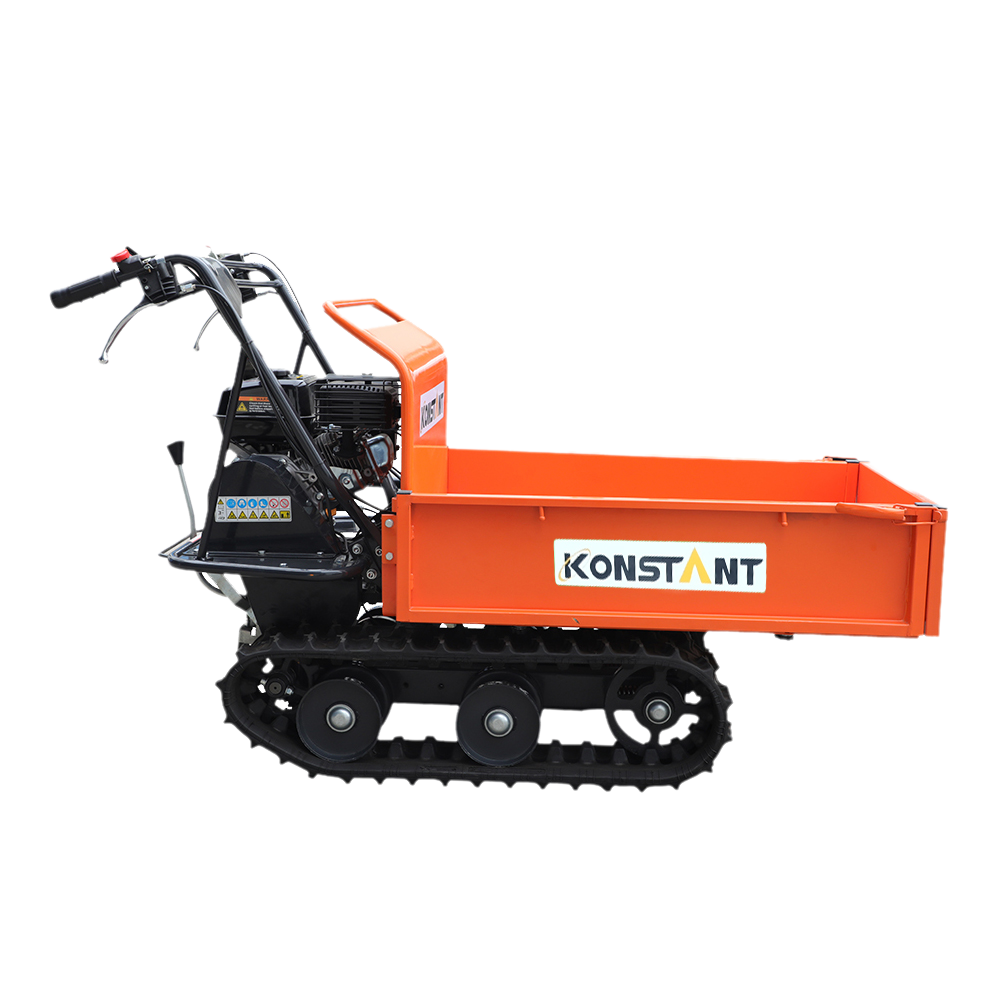
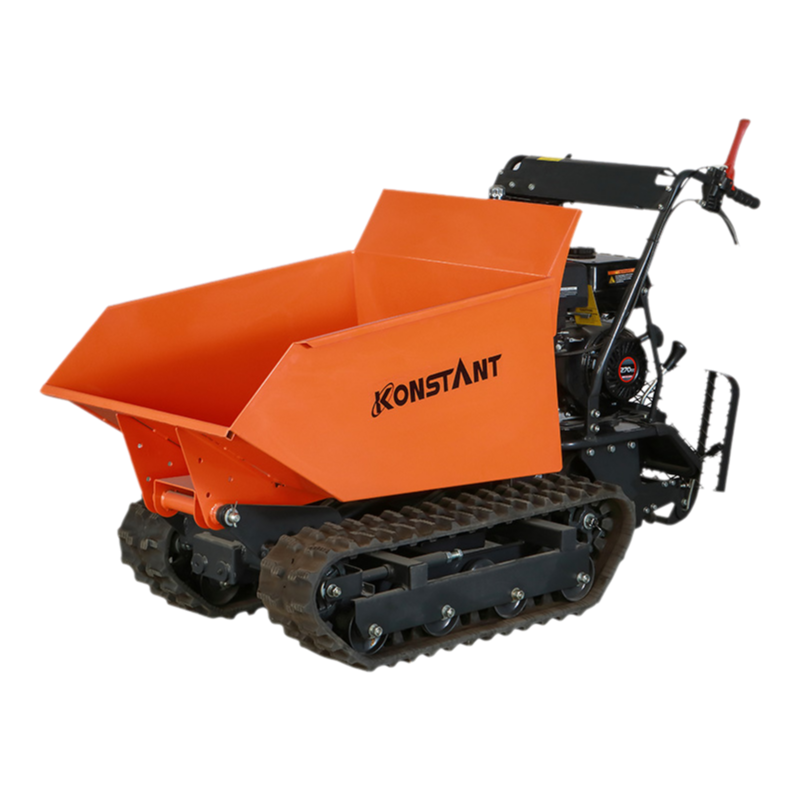
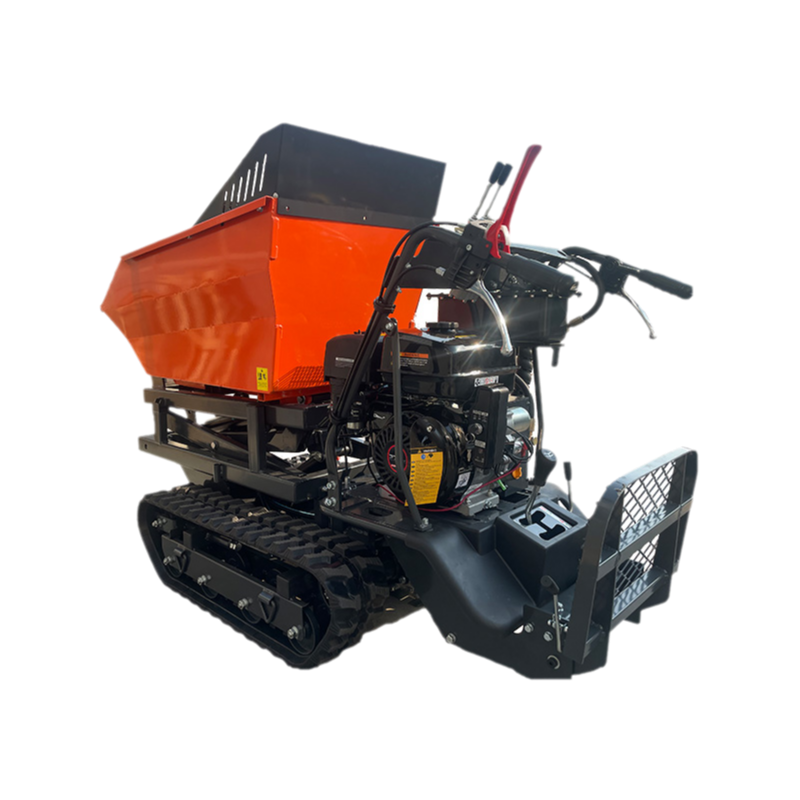
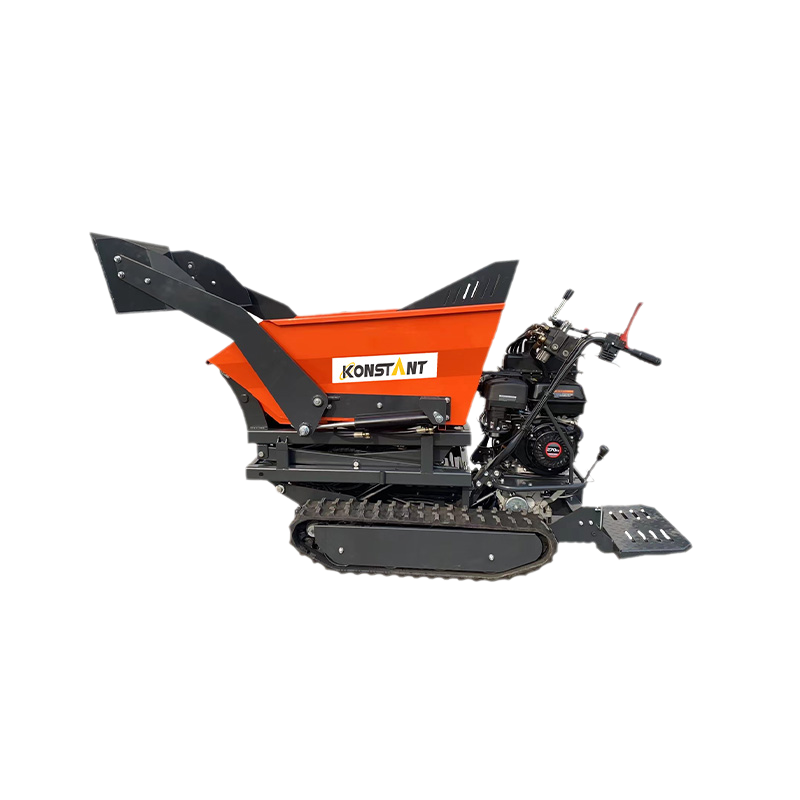
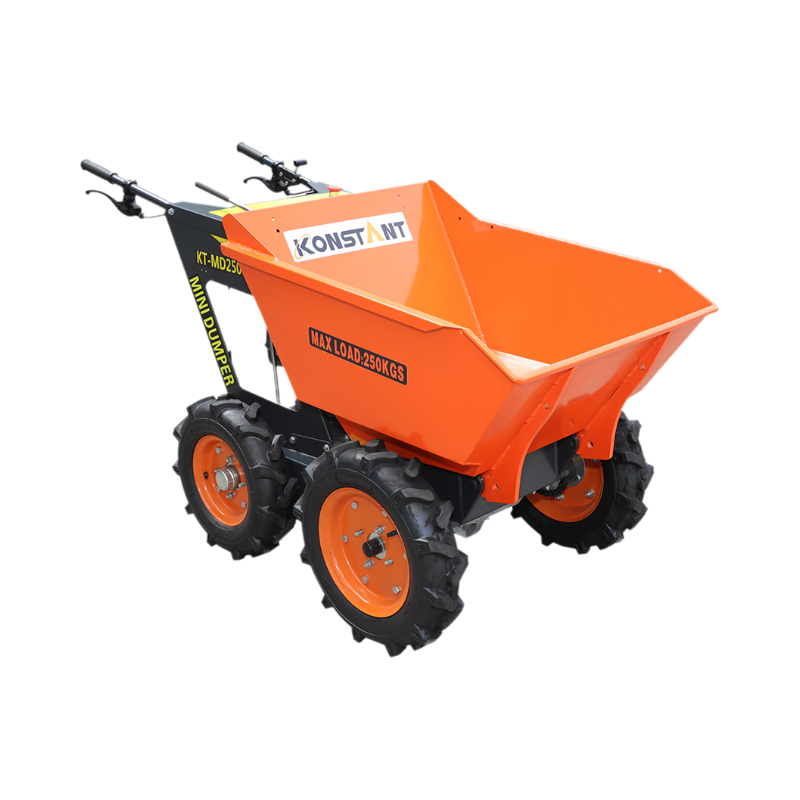
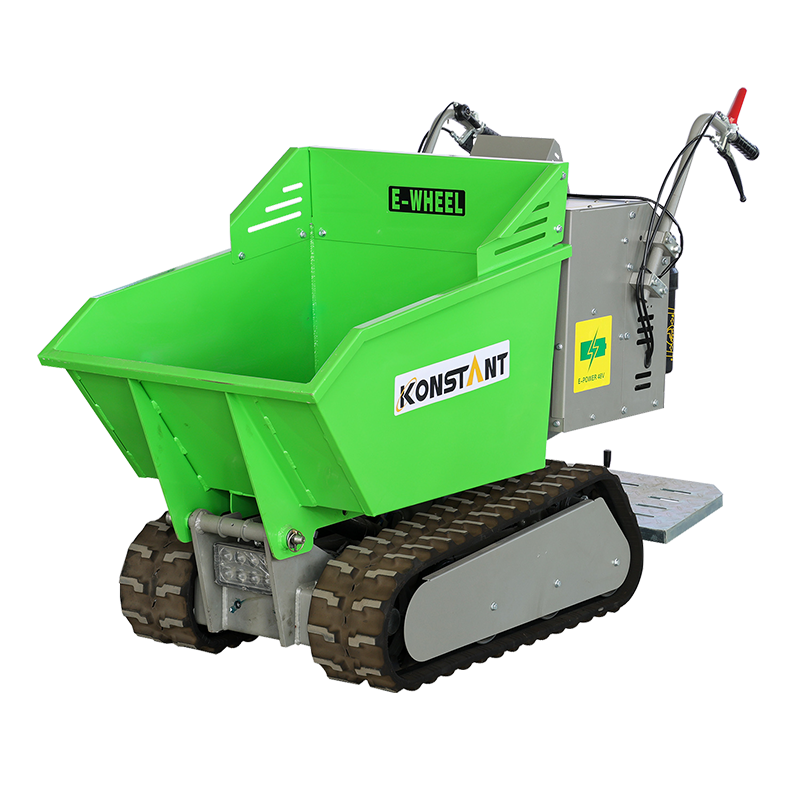
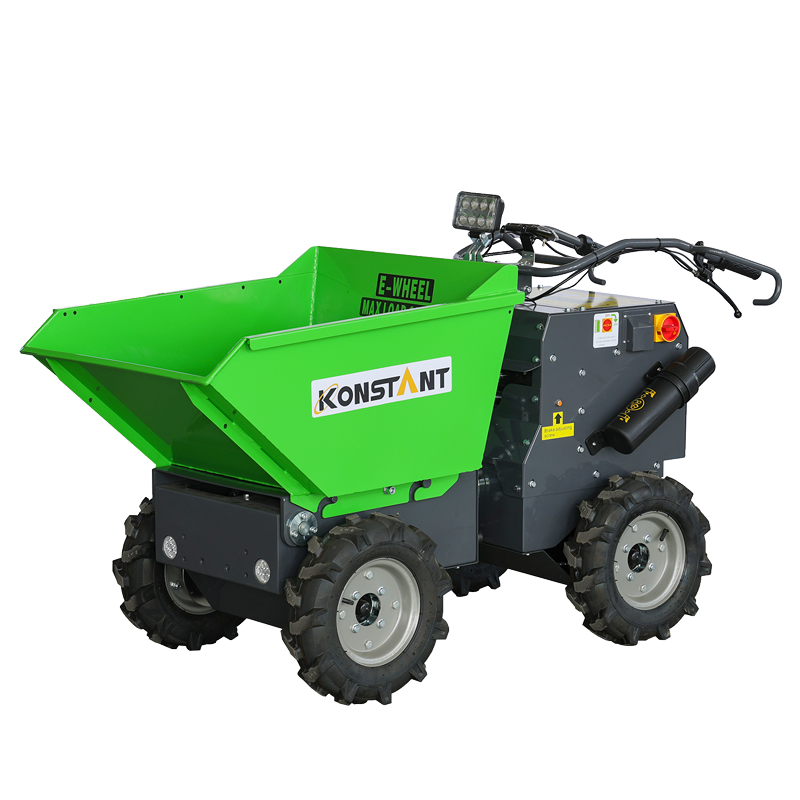
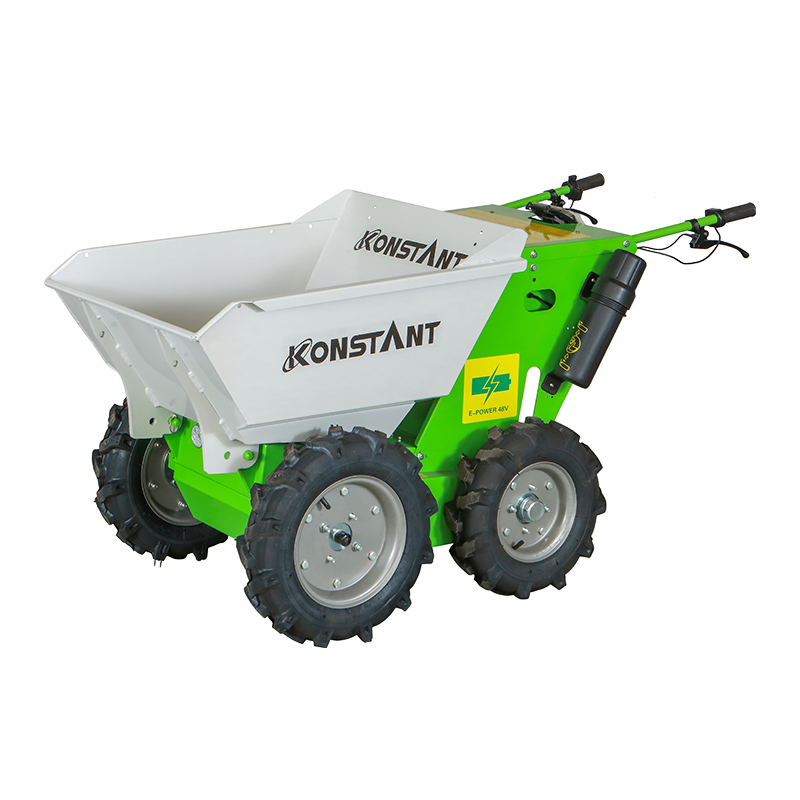
When the work area is difficult to access, material handling can become a time-consuming task. This is one reason the Mini Dumper Power Barrow has attracted attention in smaller work environments.
A compact dumper can offer a different approach to material transport. Instead of relying entirely on manual handling, workers can use powered equipment to move loads around a work area. Yet choosing a suitable machine is not simply about looking for a compact size or a particular appearance.
Every job site has different conditions.
Ground surfaces vary. Access routes can be narrow. Materials may need to move short distances or pass through several parts of a site. Some jobs involve regular construction work, while others involve occasional landscaping or property maintenance.
These differences can influence which Mini Dumper Power Barrow is appropriate for the task.
Why Does the Type of Work Matter When Choosing a Mini Dumper Power Barrow?
The intended application is often the starting point for equipment selection.
A machine used for landscaping may face different conditions from one used on a construction site. Landscaping work can involve soil, mulch, garden waste, and similar materials. Construction work may involve loose building materials, debris, or earth.
Agricultural work brings another set of needs. Materials may need to move around uneven ground, fields, yards, or storage areas. Property maintenance may require a machine that can handle occasional transport without taking up excessive space when stored.
The more clearly the intended work is defined, the easier it becomes to compare suitable options.
| Work Type | Common Material Handling Needs |
|---|---|
| Construction | Moving soil, debris, and building materials |
| Landscaping | Transporting soil, mulch, plants, and garden waste |
| Agriculture | Moving materials around farms and working areas |
| Renovation | Handling waste and loose materials in restricted areas |
| Property maintenance | General transport around outdoor spaces |
A machine that fits one application may not necessarily fit another. Manufacturers and buyers therefore need to look beyond the general label of "dumper" and consider what the machine will actually do.
This can prevent a purchase from being based only on appearance or general specifications.
How Does the Worksite Affect Equipment Selection?
The physical environment has a major influence on equipment choice.
Some job sites are open and easy to access. Others contain narrow paths, gates, slopes, uneven surfaces, landscaping features, or temporary obstacles. A machine that works well in an open area may be less convenient when space is limited.
Access should therefore be considered before choosing a Mini Dumper Power Barrow.
Buyers can look at the route the machine will follow. They can consider entrances, turning areas, storage locations, and the space available around the work zone.
Ground conditions also matter.
A smooth surface presents different challenges from loose soil or rough outdoor ground. Wet areas may require more careful operation. Sloping areas can also change how workers approach material transport.
These factors do not necessarily point to one specific machine. Instead, they help define the type of equipment that makes sense for the site.
A useful site review can include questions such as:
- Where will the machine enter the work area?
- What type of ground will it travel across?
- Are there narrow passages or restricted areas?
- Will the machine need to change direction frequently?
- Where will materials be loaded and unloaded?
- Where will the equipment be stored after use?
Answering these questions can make the selection process more practical.
What Role Does Material Type Play in Choosing a Mini Dumper Power Barrow?
Materials genuinely differ in how they load, ride, and discharge, and those differences shape both hopper design and tipping mechanism choice more than buyers often expect going in.
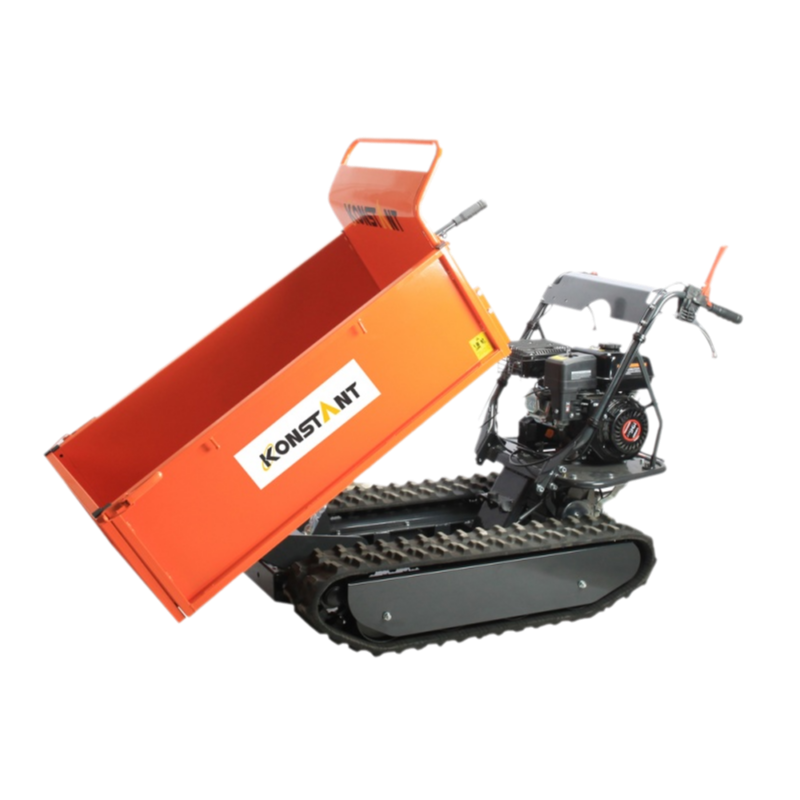
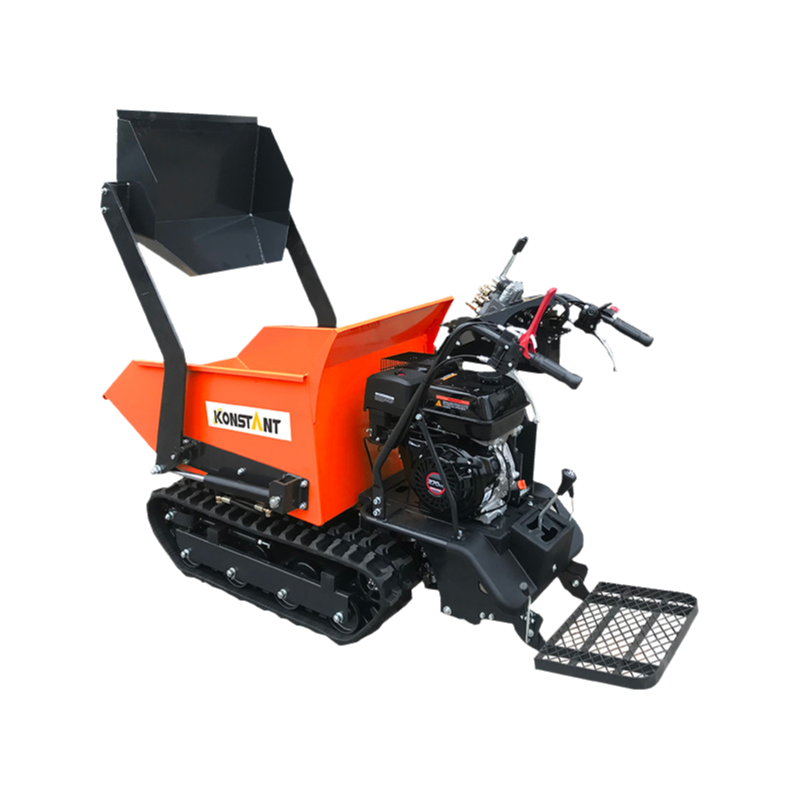
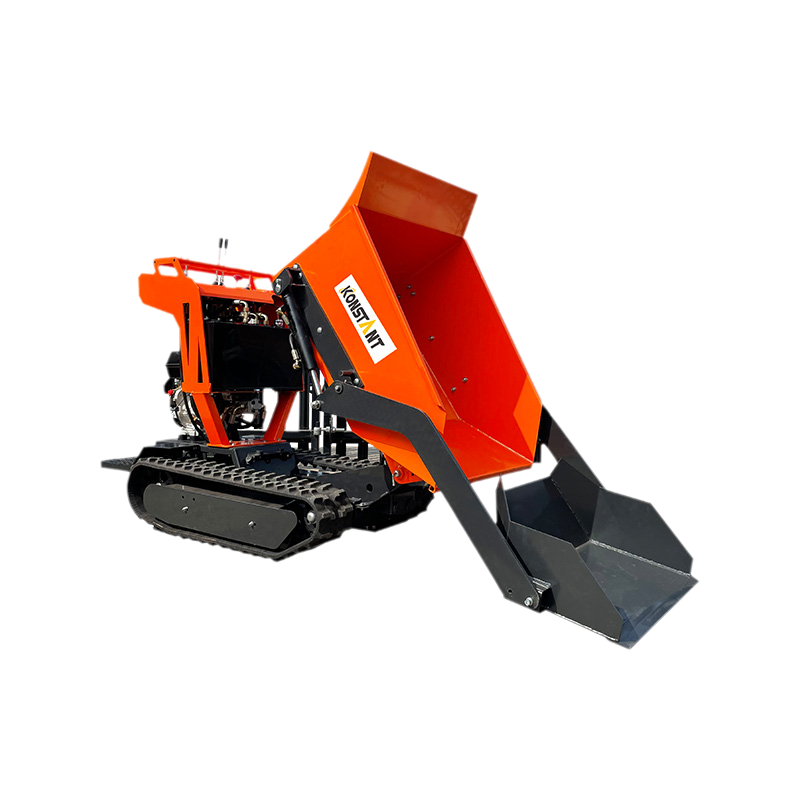
Loose, flowing materials like sand, gravel, or dry soil discharge cleanly from a standard tipping skip with minimal residue left behind. Wet, sticky materials—clay-heavy soil, wet concrete, or compacted mud—cling to hopper walls and often need a steeper tip angle or a high-tip mechanism (which lifts the skip higher before dumping) to fully clear the load rather than leaving a partial mess requiring manual scraping.
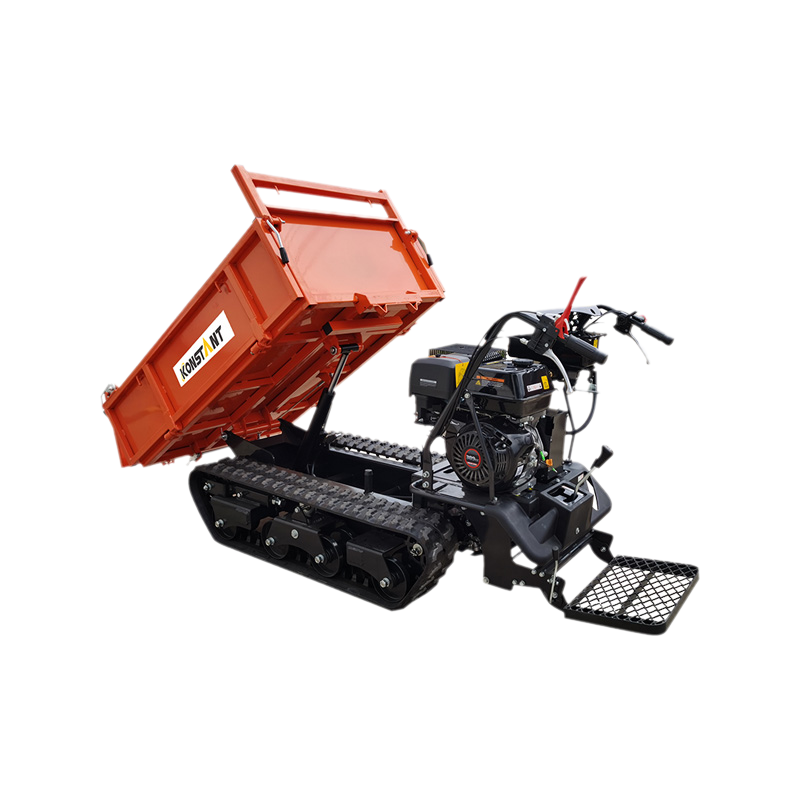
Hydraulic tipping versus manual tipping becomes a real consideration here too. Heavier, denser materials generally favor hydraulic tip mechanisms, since manually tipping a fully loaded skip carrying wet concrete or compacted rubble is both physically demanding and a genuine safety concern if the load shifts unexpectedly during the tip. Lighter materials on smaller units can often get by fine with manual tip, keeping the machine simpler and cheaper.
Bulky, low-density materials like mulch or garden waste push the priority toward hopper volume over payload rating, since these materials fill a skip's visual capacity well before they approach its weight limit—buying a machine rated for 800kg payload but only offering a small hopper volume wastes that capacity entirely on this kind of material.
Getting this matching right prevents exactly the kind of mismatch where workers end up doing extra manual handling to compensate for equipment that doesn't suit what's actually being moved—defeating much of the purpose of buying powered equipment in the first place.
Does Maneuverability Influence the Choice of a Mini Dumper Power Barrow?
Maneuverability can become particularly important on small or crowded sites.
A construction area may contain tools, temporary structures, stored materials, or other equipment. A landscaping project may have trees, garden beds, fences, and pathways. Renovation work can take place in areas where access is already restricted.
In these situations, moving forward is only part of the task. The machine also needs to be positioned correctly.
A compact design may help in some environments, but size alone does not determine how easy a machine is to operate. Controls, visibility, balance, turning behavior, and the overall layout can also affect daily use.
Operators need to feel comfortable guiding the machine around the actual work area.
This is especially relevant when material needs to be delivered to a precise location. A machine that is easy to position can reduce unnecessary movement and make the work process more organized.
Buyers should therefore consider the complete working environment rather than focusing on one physical feature.
The question is not simply, "Is the dumper small enough?"
A better question is, "Can the dumper move naturally through the places where the work will take place?"
How Does Loading and Unloading Affect the Selection?
Material transport involves more than moving from one location to another.
Loading and unloading are also part of the daily workflow. If these activities are awkward, the advantages of powered transport can become less noticeable.
The loading method should fit the worksite.
Some materials may be loaded manually. Others may be placed into the dumper using separate equipment. The available space around the loading area can also influence the process.
Unloading deserves similar attention.
Workers need to know where the material will be discharged and how the machine will be positioned. If unloading takes place in a narrow area, the equipment needs to fit comfortably into that space.
Each part of this route can influence equipment selection.
A machine that works well during transport but creates difficulties during loading or unloading may not provide the practical experience the buyer expects.
This is why equipment selection should be based on the entire material movement process.
Why Does Operator Experience Matter?
A Mini Dumper is still part of a human-operated work process.
Different operators may have different levels of experience. Some may regularly work with construction equipment. Others may use powered material handling equipment only occasionally.
This difference can influence what type of machine is comfortable and practical to operate.
Clear controls and an understandable operating layout can make daily use easier. Visibility is also important. Operators need to understand their surroundings and maintain awareness of people, materials, and obstacles around the machine.
Training and site rules also matter.
A suitable machine should be operated according to the manufacturer's instructions and the conditions of the worksite. Operators should understand how to work safely around slopes, uneven surfaces, people, and other equipment.
This makes operator needs part of the purchasing decision.
Buyers should consider who will actually use the Mini Dumper Power rather than selecting equipment only from the perspective of the purchasing department.
The people who operate the machine every day can provide useful insight into what will work in practice.
Could Maintenance and Storage Affect the Buying Decision?
Equipment does not stop being a consideration after purchase.
Maintenance, cleaning, inspection, and storage can all affect the long-term experience of using a Mini Dumper Power Barrow.
Outdoor work can expose equipment to soil, dust, moisture, plant material, and other debris. After use, the machine may need cleaning and inspection according to the manufacturer's recommendations.
Storage also deserves attention.
A compact machine may be easier to place in a workshop, shed, garage, or designated equipment area. However, buyers still need to consider how much space is available and whether the storage area protects the machine from unsuitable conditions.
Maintenance access can also influence convenience.
If routine checks are difficult to carry out, small issues may be easier to overlook. A machine that fits naturally into the site's maintenance routine can be easier for workers to manage.
This does not mean buyers should choose equipment based only on maintenance convenience. Product function remains important. Still, maintenance and storage should be part of the wider selection discussion.
What Should Buyers Consider Before Choosing a Mini Dumper Power Barrow?
The final choice usually involves several factors rather than one simple feature.
A buyer may begin with the intended application and then examine the worksite, material type, access conditions, operator needs, and maintenance requirements.
A practical checklist can help organize the decision.
Application: What type of work will the machine perform most often?
Material: What materials will be moved?
Worksite: What kind of surfaces and access routes are involved?
Maneuverability: Can the machine move comfortably through the working area?
Loading: How will materials be placed into the dumper?
Unloading: Where and how will materials be discharged?
Operators: Who will use the equipment and what level of experience do they have?
Storage: Where will the machine be kept when it is not being used?
Maintenance: Can routine care fit naturally into the site's work practices?
Future use: Could the machine support other reasonable tasks as the work needs change?
Looking at these factors together can make equipment selection more grounded in actual working conditions.
The suitable Mini Dumper Power Barrow is not necessarily the one with the features. It is the one that fits the job, the site, the material, and the people using it.
For manufacturers, this also highlights why product variety matters. Different users face different working environments. Construction contractors may have one set of needs, while landscapers, farmers, and property maintenance teams may have another.
Understanding these differences can help manufacturers design equipment around real working situations rather than treating every user as having the same requirements.