
 English
 русский
 Français
 Español
 Deutsch


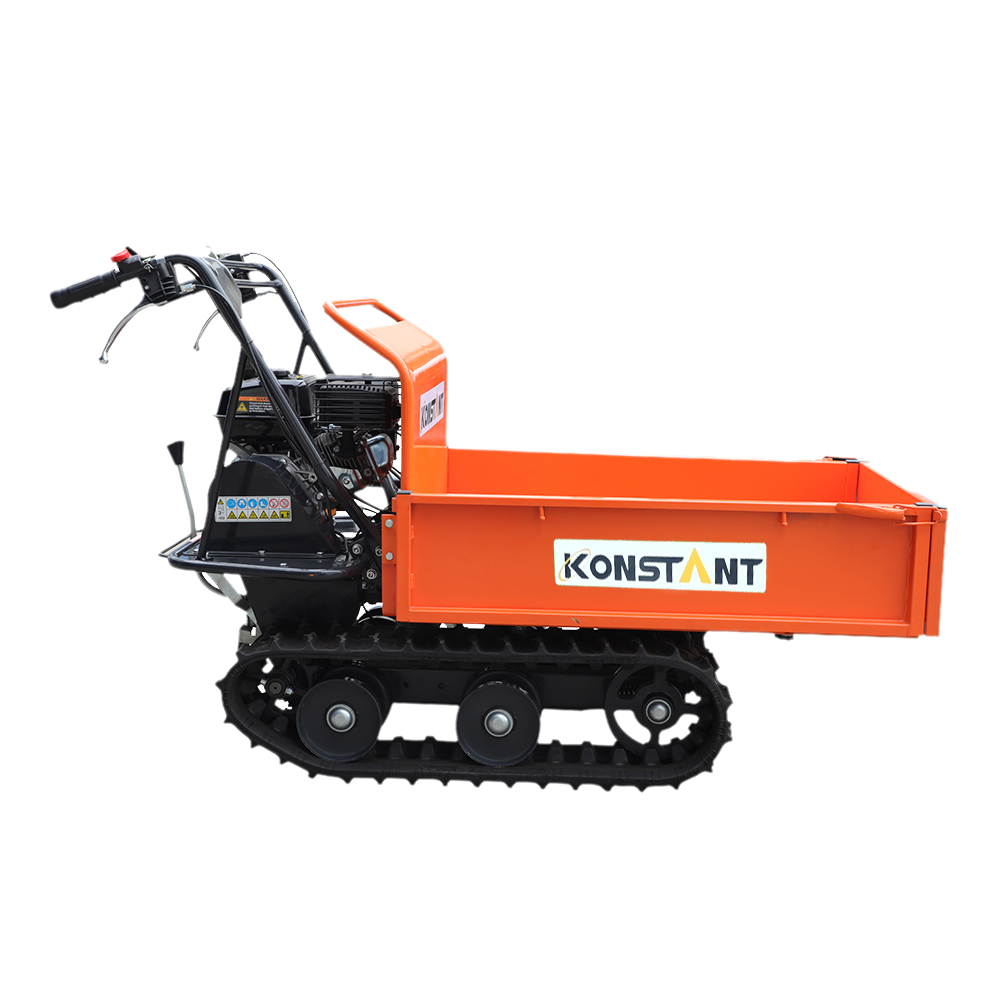
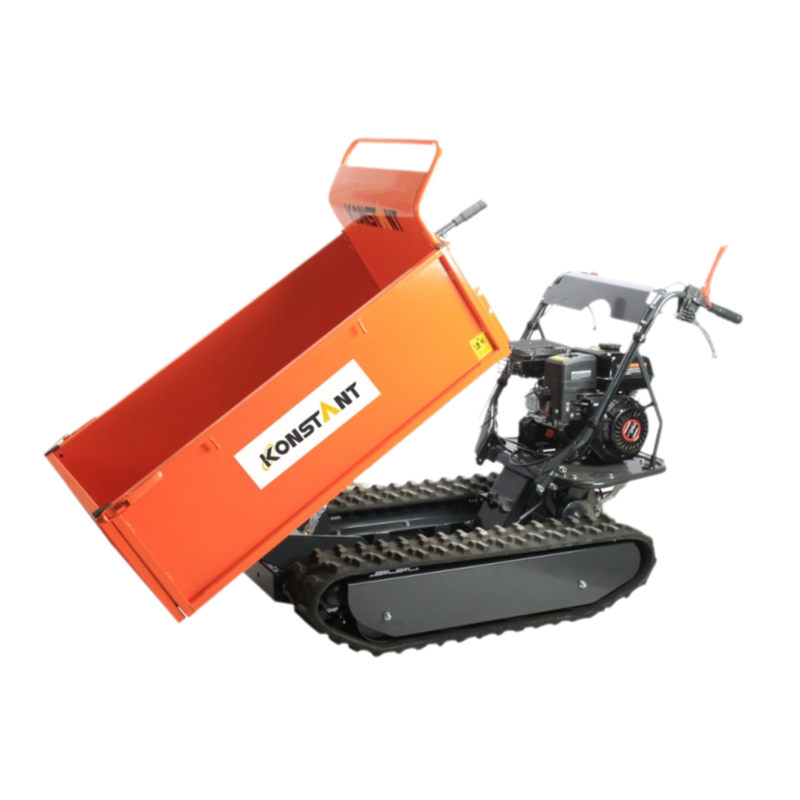
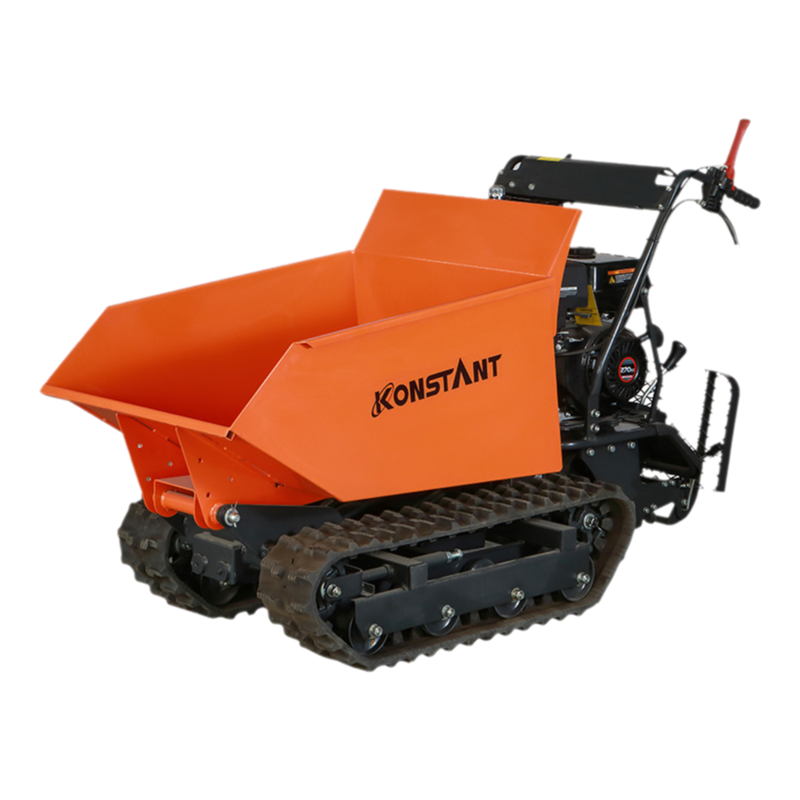
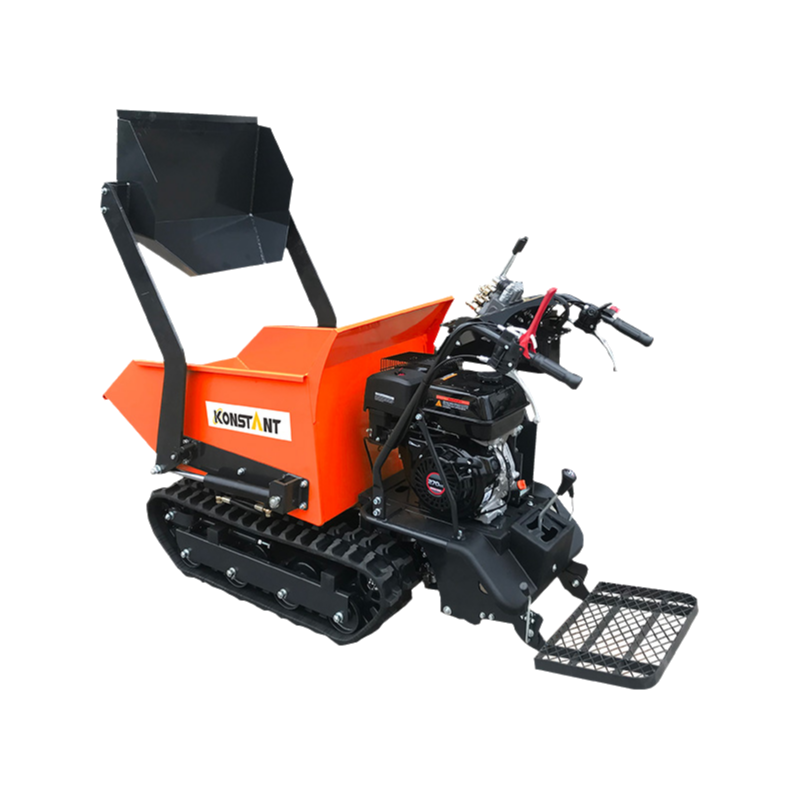
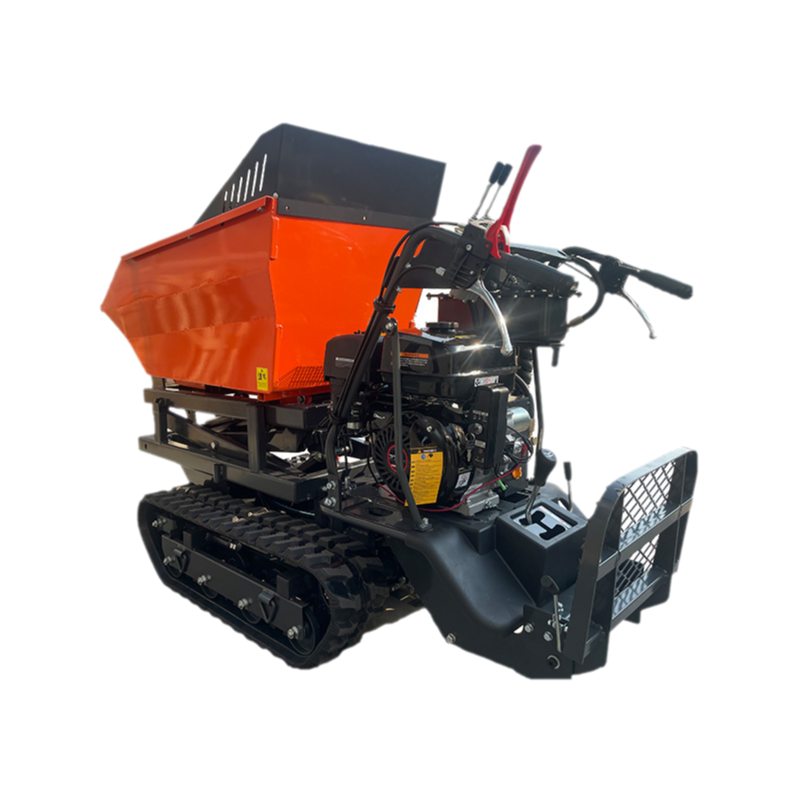
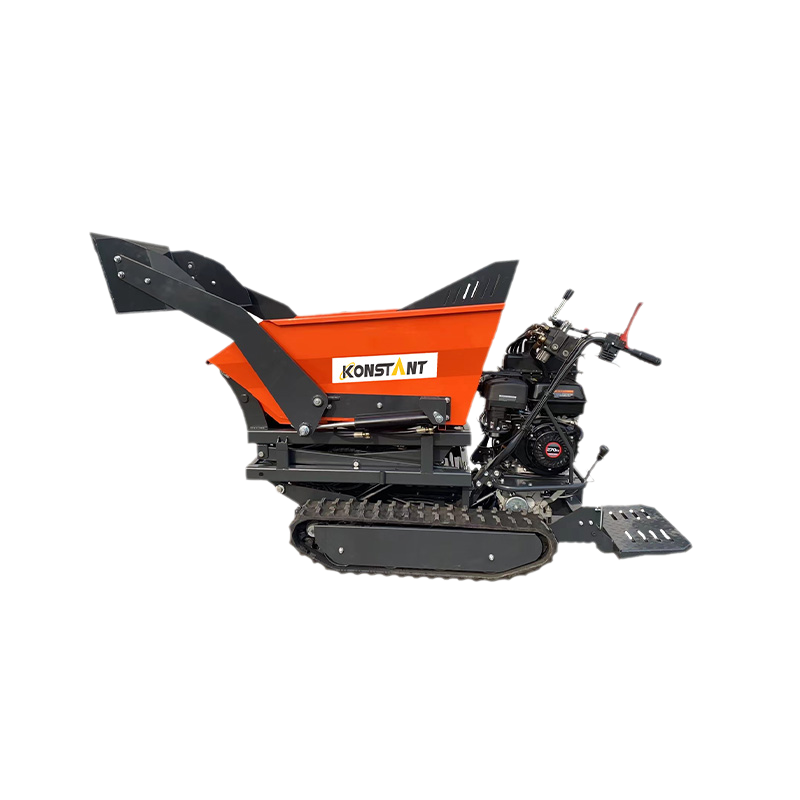
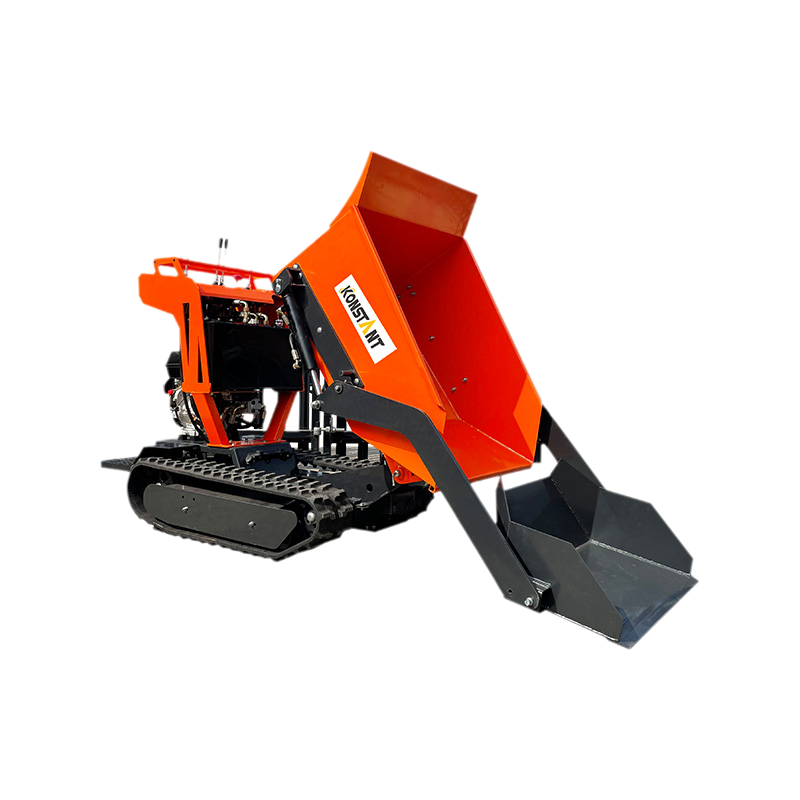
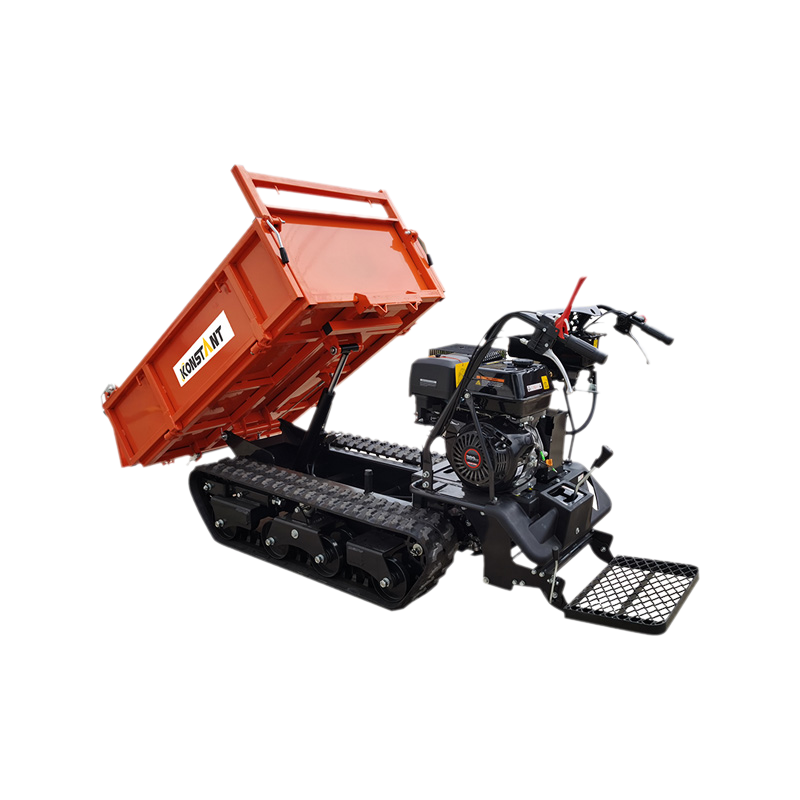
Provide you with the latest enterprise and industry news
How to Maintain the Tracks of a Crawler Mini Dumper
Update:20-11-2026
Posted by Admin
Content
- 1 Inspecting the Tracks Before and After Daily Operation
- 2 Cleaning Dirt and Debris from the Track and Undercarriage
- 3 Checking Track Tension and Alignment for Smooth Running
- 4 Examining Track Rollers, Sprockets and Idlers Together
- 5 Using Operating Practices That Reduce Unnecessary Track Wear
- 6 Storing the Machine and Scheduling Undercarriage Care
- 7 Track Care Tasks and Their Purpose
- 8 Safety Notes Around Undercarriage Work
- 9 Inspection, Cleaning and Care for Long Track Service
Inspecting the Tracks Before and After Daily Operation
Tracks take the full weight of the machine and everything in the skip. Regular visual checks catch cuts, cracks, missing rubber or plate sections and odd bulges before a small defect becomes a roadside stop. Looking at both tracks side by side shows whether one side is wearing faster, which can point to alignment, tension or operating-habit issues rather than simple age.
Inspection is more effective when mud is not hiding the surface. A quick walk-around before start-up and another after the shift, once loose dirt is knocked off, is enough to spot new damage. Unusual deformation—flattened segments, exposed cords or links that no longer sit evenly—deserves attention before the next loaded run. Neglect turns a replaceable track problem into damage on rollers and sprockets that costs more time.
Cleaning Dirt and Debris from the Track and Undercarriage
Soil, mud, stones and construction debris pack into track grooves and around rollers. Packed material hardens, raises local stress and can hold moisture against metal parts. Clearing trapped matter from grooves, roller paths and the spaces beside the idlers keeps the track free to flex and engage the drive the way it was designed to.
Cleaning after work in wet clay or demolition rubble prevents the next day's initial metres from grinding grit through the undercarriage. Hand tools suited to the machine, water where appropriate and care not to force stones deeper into the mechanism are ordinary practice. Regular cleaning helps stop buildup from affecting track movement and from throwing the machine off line when one side packs harder than the other.
Checking Track Tension and Alignment for Smooth Running
Track tension keeps the belt or link chain engaged with the sprocket without excessive slap or constant stretch. Too loose and the track can jump or whip; too tight and bearings, pins and the track itself wear early while the machine feels sluggish. Correct tension supports smooth movement and proper drive engagement across the terrain the dumper is built for.
Adjustment should follow the equipment manufacturer's instructions for that model—measurement points, procedures and any temperature notes included in the manual. Guesswork based on other machines leads to chronic mis-tension. Alignment issues show as edge wear or a track that wants to climb the rollers; those symptoms need inspection of idlers, frames and recent impacts, not only a tension tweak. A Crawler Mini Dumper depends on that balance of tension and alignment for predictable steering and traction.
Examining Track Rollers, Sprockets and Idlers Together
Rollers support the machine's weight along the bottom run of the track. Sprockets transmit drive into the track. Idlers guide the track at the ends of the run and often take part in tensioning. Wear, flat spots, loose shafts, missing retention hardware or odd side play on any of these parts changes how the track sits and how loads spread.
Checking undercarriage components together with the track explains many tracking problems. A sharp sprocket tooth profile, a seized roller or a bent idler bracket will destroy a new track quickly if left in place. Visible metal dust, grease loss where seals should hold and noise that changes with speed are practical prompts for closer inspection or workshop attention. Track life and undercarriage life are linked; maintaining one while ignoring the other wastes both.
Using Operating Practices That Reduce Unnecessary Track Wear
Sharp spins on the spot, repeated hard reversals and turning at full lock on abrasive concrete increase scrub between track and ground. Avoiding those habits where the job allows stretches the life of the tread and the pins. Steering with wider arcs and planning approaches so that the machine does not have to pivot on gravel or crushed stone reduces the same stress.
Sharp objects—rebar offcuts, steel banding, jagged demolition scrap—cut tracks. Routes that avoid obvious hazards, and clearing them when avoidance is impossible, protect the surface. Smooth throttle use and limiting prolonged spin when traction is lost also help; spinning a track in place grinds both the track and the surface underneath. Operating practice is free maintenance compared with early track replacement.
Storing the Machine and Scheduling Undercarriage Care
Mud left on the undercarriage holds water against shoes, links and roller faces. Cleaning before storage, especially before long idle periods or freezing weather, reduces corrosion and frozen pack that strains the drive on next start. Parking on a stable, relatively clean surface keeps the tracks off standing water and sharp debris.
Routine maintenance inspections should include the track system, not only the engine and hydraulics. Damaged sections, worn sprockets and failed rollers need replacement when inspection shows they are beyond safe use; delaying only multiplies the parts list. Hydraulic Mini Dumper models that share crawler undercarriages still rely on this same discipline of clean, inspect, tension and operate carefully. Scheduling keeps small jobs from becoming unplanned downtime on a pour day.
Track Care Tasks and Their Purpose
| Care task | Purpose | Practical tip |
|---|---|---|
| Visual inspection both sides | Find cuts, cracks, uneven wear early | Compare left and right after cleaning |
| Remove packed dirt and stones | Free movement; less abrasive grinding | Clear grooves and roller paths after wet work |
| Tension check per manual | Proper drive engagement; less slap or overload | Use specified method; avoid guesswork |
| Roller, sprocket, idler check | Protect track from damaged hardware | Listen for noise; look for flat spots and play |
| Smooth operating habits | Lower scrub and impact loads | Wider turns; avoid spinning on hard abrasive ground |
| Clean storage and planned service | Limit corrosion; catch wear in time | Park clean and dry; replace parts when due |
Safety Notes Around Undercarriage Work
Inspection and cleaning are done with the machine stable, the engine off unless the manual requires otherwise for a specific check, and residual energy released according to the manufacturer's guidance. Supporting the machine properly if tracks must be lifted is essential; improvising with unstable props is not. Hands and clothing stay clear of sprockets and rollers whenever the track can move.
Inspection, Cleaning and Care for Long Track Service
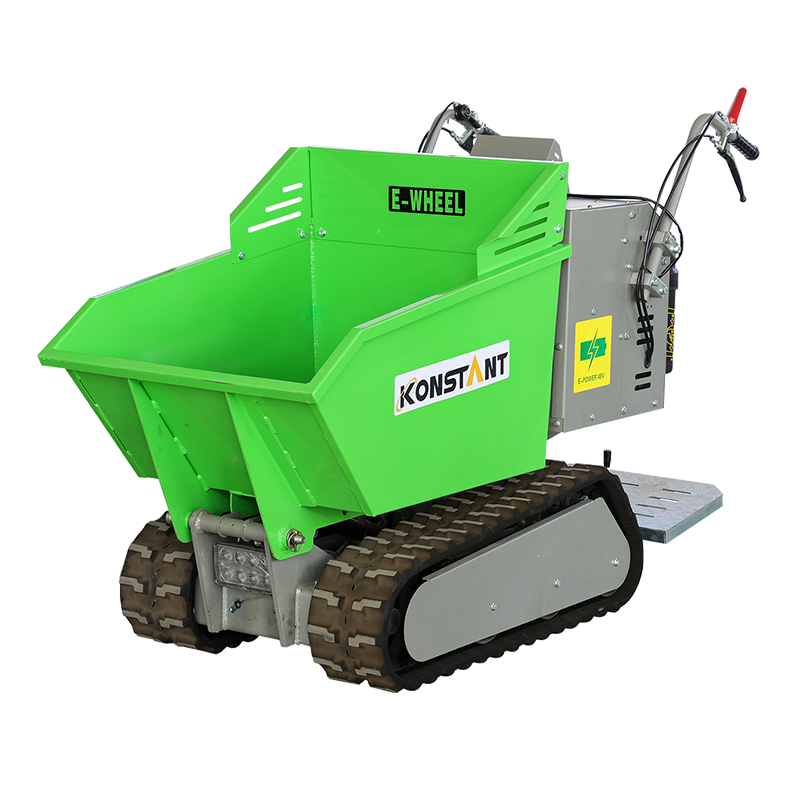
Maintaining crawler mini dumper tracks rests on regular inspection, removal of packed debris, correct tension and alignment, attention to rollers, sprockets and idlers, considerate operating habits and clean storage with scheduled part replacement. WUXI KONSTANT POWER TECH CO., LTD produces crawler mini dumpers and related material-handling machines for construction and landscaping use. Review of the operator manual, site ground conditions and daily inspection routines supports track systems that stay serviceable through ordinary working life.
Related products

Latest Updates
-
How to Maintain the Tracks of a Crawler Mini Dumper
Inspecting the Tracks Before and After Daily Operation Tracks take the full weight of the machine an...
-
What are the Benefits of a Mini Dumper with Hydraulic Tipping and a Front Shovel
Easier Material Loading with an Attached Front Shovel Loose soil, sand, gravel and mixed constructio...

-
Welcome To Visit Us
No.30, Third Furong Road, Wuxi City, Jiangsu. 214100, China.
-
Call Us
Phone: +86 181-1889-1139
Phone: +86 181-1889-2139
-
Contact Us Online
E-mail: sales@konstantpm.com
E-mail: marketing@konstantpm.com
Copyright WUXI KONSTANT POWER TECH CO., LTD All Rights Reserved
 China Mini Dumpers Manufacturers Power Wheelbarrow Factory