
 English
 русский
 Français
 Español
 Deutsch

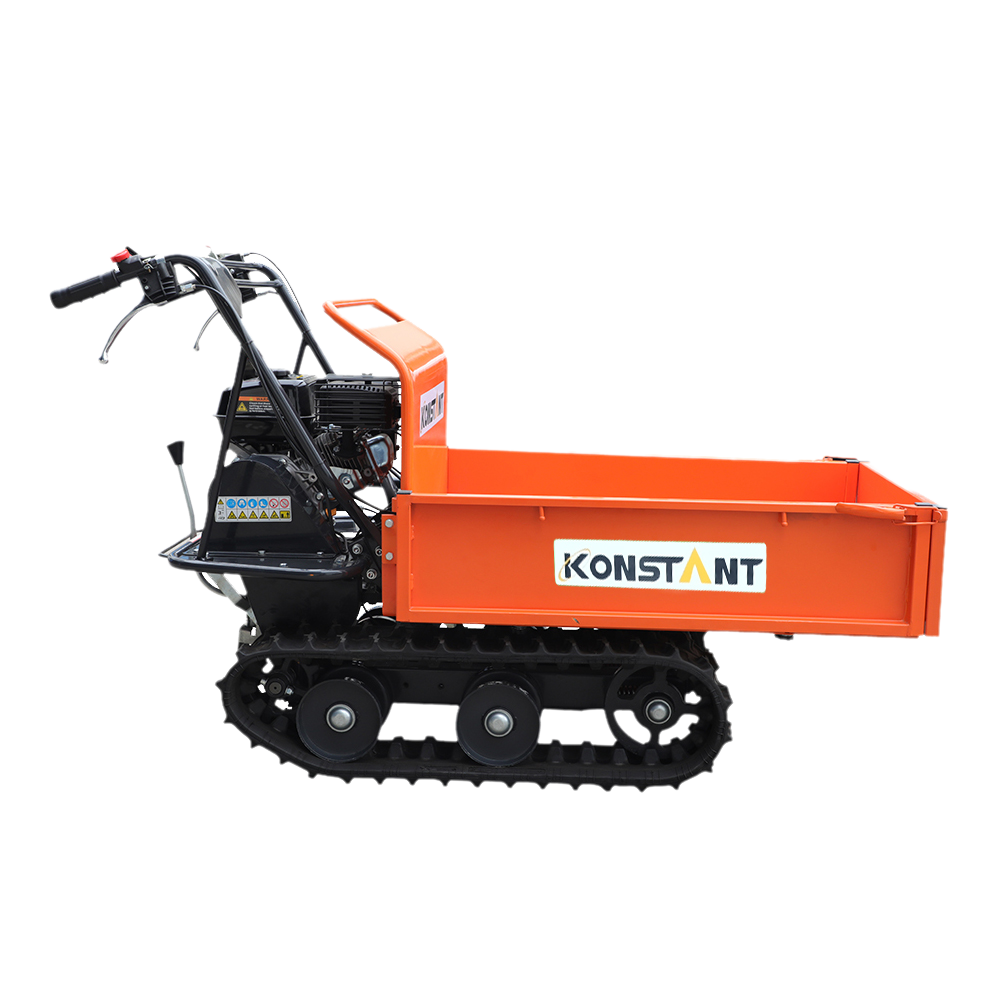
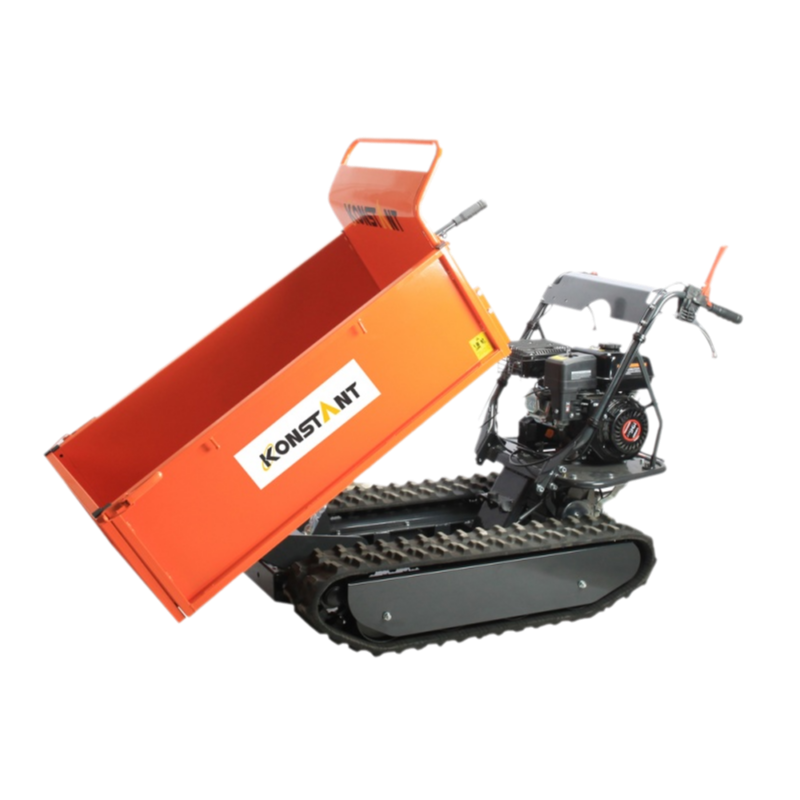
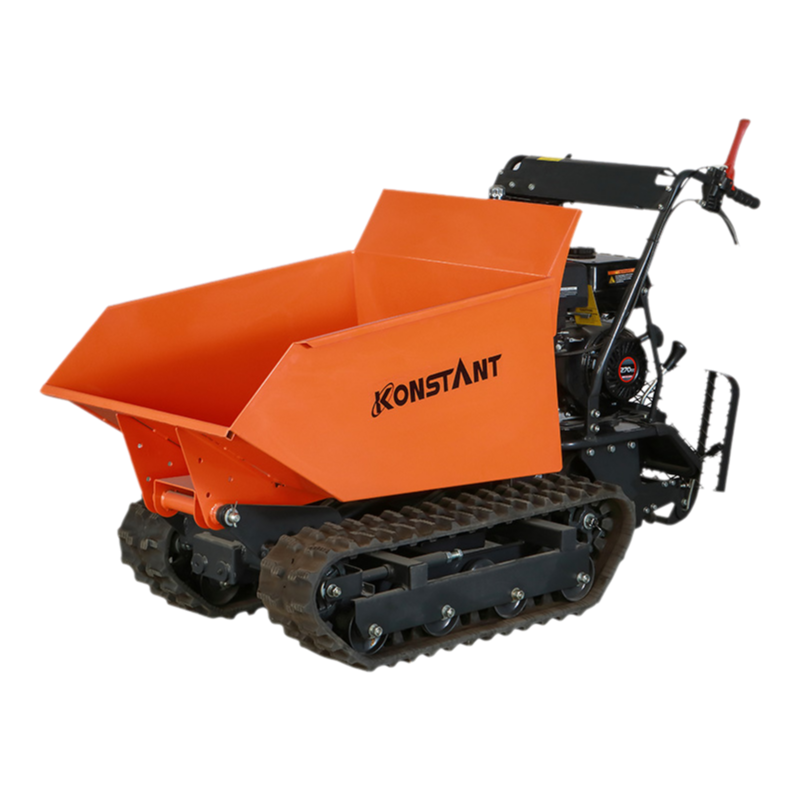
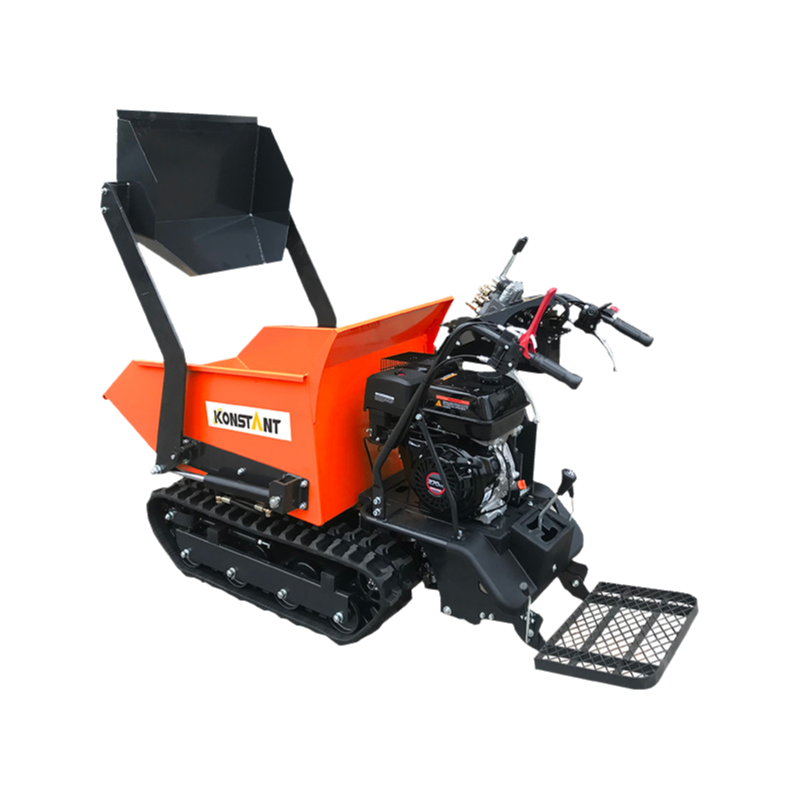
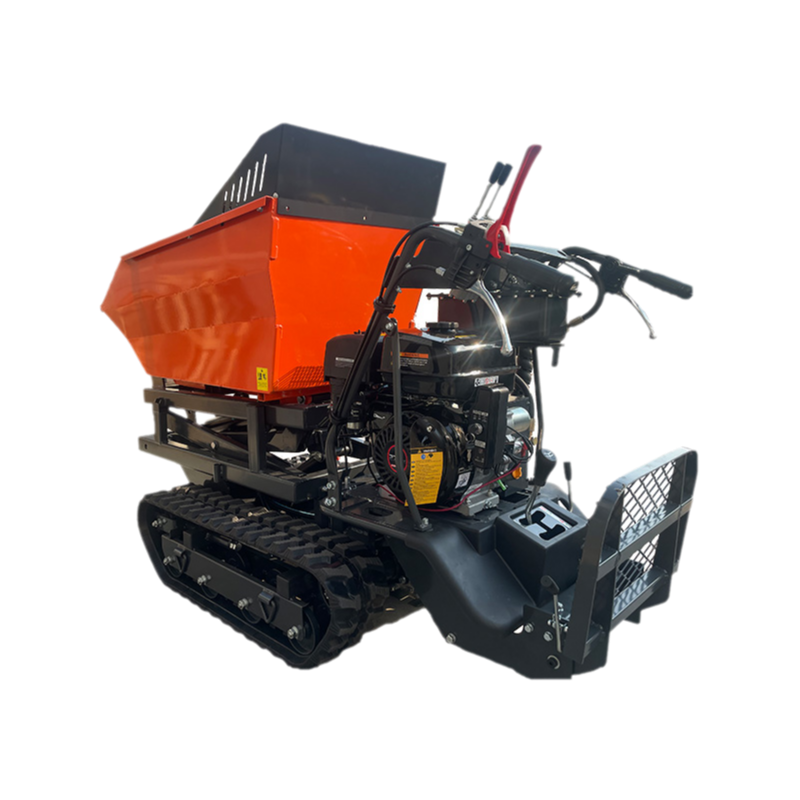
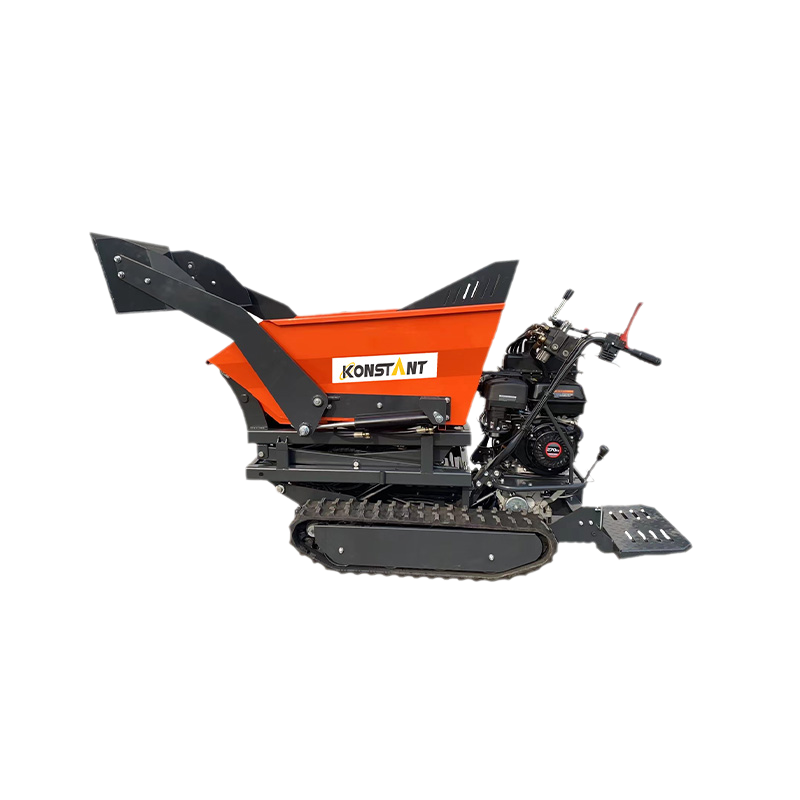
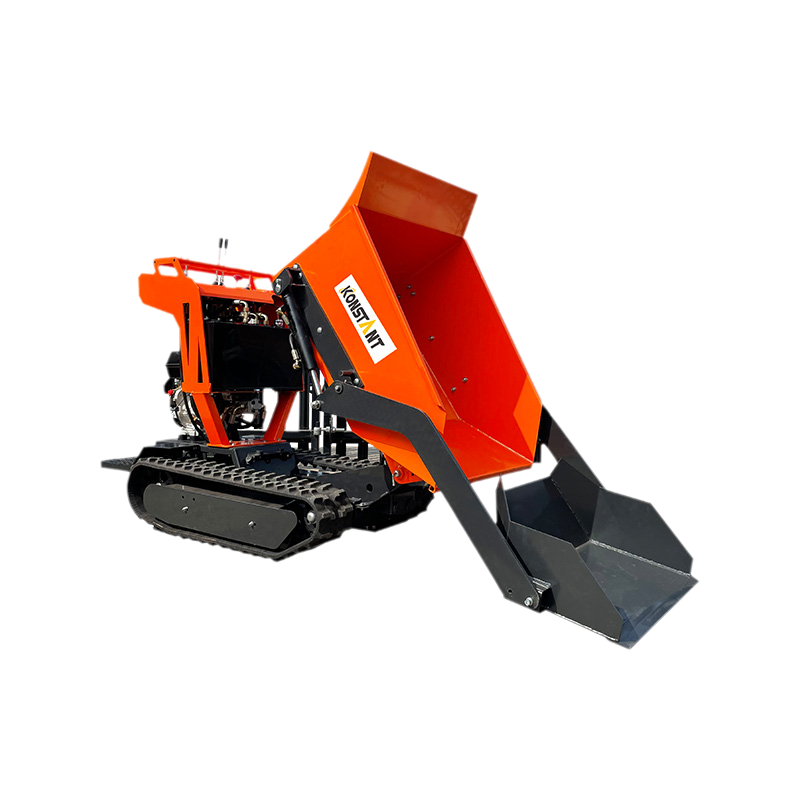
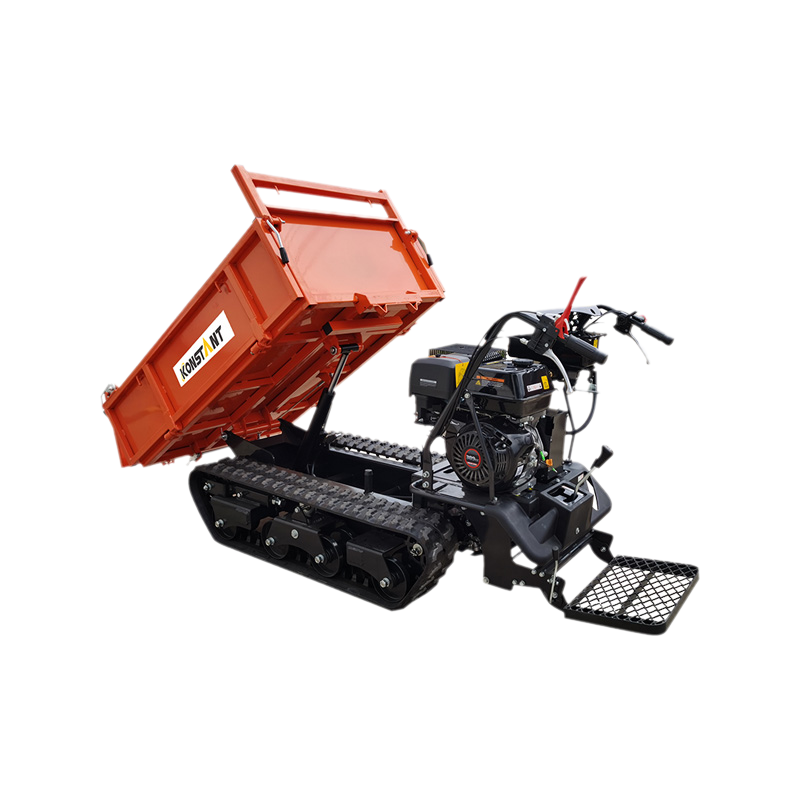
Provide you with the latest enterprise and industry news
Petrol Power Barrow Maintenance Tips
Update:31-08-2026
Posted by Admin
Content
- 1 Why does regular maintenance matter for a petrol power barrow ?
- 2 What should you check before using a petrol power barrow?
- 3 How can you maintain the engine of a petrol power barrow?
- 4 What cleaning practices help extend the life of a power barrow?
- 5 How should you care for the tires and movement system?
- 6 What maintenance habits help reduce common problems?
- 7 How often should a petrol power barrow receive maintenance?
- 8 What storage tips can protect a petrol power barrow?
- 9 How can users improve safety through maintenance?
- 10 What role does maintenance play in long-term equipment value?
Why does regular maintenance matter for a petrol power barrow ?
A petrol power barrow earns its keep by taking the grunt work out of hauling soil, tools, and materials across a job site. But like anything with an engine and moving parts, it only keeps performing well if someone's actually looking after it — skip that, and even the tough machine starts letting you down when you least expect it.
Good maintenance isn't just damage control after something breaks. It's really about heading off problems before they ever show up. A barrow that's been properly cared for runs smoother, breaks down less often, and honestly, tends to be a lot safer to operate day to day.
It's easy to get fixated on how much load a machine can handle and forget the boring stuff — the routine checks that actually keep it running. But those small habits add up more than people expect. A five-minute look-over before and after use catches a lot of issues while they're still minor.
Whether you're running one on a construction site, a farm, or just around a big garden project, a power barrow holds up a lot better with some consistent attention behind it.
What should you check before using a petrol power barrow?
Getting into the habit of a quick pre-use check pays off — it's the easiest way to catch something off before it turns into a bigger headache mid-job.
| Check Area | Purpose |
|---|---|
| Exterior condition | Identify visible damage or loose parts |
| Fuel condition | Ensure the machine is ready for operation |
| Moving parts | Confirm smooth movement |
| Tires or tracks | Check stability and handling |
| Controls | Make sure operation feels normal |
None of this requires special expertise — just a careful eye. Look for leaks, odd wear patterns, or anything that looks damaged, and you'll head off a lot of problems before they start.
Worth factoring in too: the environment the barrow's working in. Dust, mud, and rough terrain wear on a machine a lot faster than clean, occasional use would. A barrow grinding through a muddy construction site needs more frequent attention than one that only comes out for the occasional weekend garden job.
Building a simple pre-use routine, even just a minute or two, goes a long way toward keeping the equipment reliable.
How can you maintain the engine of a petrol power barrow?
The engine's obviously the heart of the machine, and keeping it in good shape is what keeps performance consistent over time.
Something as basic as keeping the engine area clean actually matters more than people give it credit for. Outdoor work — especially construction or farm settings — piles on dirt and debris fast, and staying on top of that keeps key components visible and easy to inspect.
Fuel management deserves attention too. Storing fuel properly and steering clear of old or contaminated fuel does a lot to keep the engine running smoothly.
Watch for these warning signs that something might need attention:
- Trouble starting
- Unusual sounds coming from the engine
- Noticeably reduced power during use
- Irregular or inconsistent running
None of these necessarily point to a major problem, but they're not worth ignoring either. Catching them early usually means a quick fix — cleaning, a small adjustment — rather than a trip to a professional service center down the line.
What cleaning practices help extend the life of a power barrow?
Between dirt, moisture, and general debris, a petrol power barrow deals with a rough environment on a regular basis. Cleaning it consistently protects the machine and makes spotting problems a lot easier.
After wrapping up work, it's worth clearing away:
- Soil buildup
- Mud caked around moving parts
- Surface dust
- Material residue left in the loading section
Just be careful with water — some components don't hold up well against too much moisture, so it's worth being deliberate about where and how you clean.
Storage matters here too. Leave a machine outside for extended stretches and weather exposure starts taking its toll. A dry, covered storage spot cuts down on unnecessary wear considerably.
Cleaning isn't just about keeping the thing looking decent — it's genuinely one of the easiest ways to catch small issues before they turn into expensive ones.
How should you care for the tires and movement system?
The movement system plays an important role in how a petrol power barrow performs on different surfaces. Uneven ground, heavy loads, and frequent movement can gradually affect these parts.
Regular checks can include:
- Looking for visible wear
- Checking whether movement feels stable
- Removing trapped materials
- Inspecting areas that experience frequent contact
Good movement performance helps users control the machine more comfortably. If the equipment feels different during operation, it may indicate that some parts require attention.
For users working on slopes, gardens, or construction areas, movement checks become even more important. A stable machine supports better handling and helps create a safer working environment.
What maintenance habits help reduce common problems?
A lot of equipment issues don't come out of nowhere — they build up gradually from small warning signs that got brushed off. A few consistent habits go a long way toward avoiding that.
Keep a cleaning schedule
Letting dirt pile up makes cleaning a much bigger chore later. Staying on top of it regularly keeps the machine easier to manage overall.
Store the equipment properly
A decent storage spot shields the machine from moisture and general weather exposure between uses.
Follow operating instructions
Using the equipment the way it's meant to be used cuts down on unnecessary stress across its various components.
Check unusual changes
Any shift in sound, movement, or general performance deserves a quick look rather than being written off.
Avoid unnecessary overload
Sticking within the machine's intended working limits keeps pressure on its components reasonable.
None of these habits are complicated, but together they add up to genuinely solid long-term equipment care.
How often should a petrol power barrow receive maintenance?
There's no single fixed schedule that works for everyone — it really comes down to how often the machine gets used and what kind of conditions it's working in.
A barrow grinding through daily use on a demanding job site needs a lot more frequent attention than one that only comes out occasionally for light garden work.
A practical way to think about it is breaking maintenance into a few natural tiers:
| Maintenance Type | Typical Focus |
|---|---|
| Before use | Visual checks and basic inspection |
| After use | Cleaning and condition review |
| Regular care | Component checks and adjustments |
| Professional service | More detailed inspection when needed |
Organizing maintenance this way makes it a lot easier to stay consistent. Rather than reacting to problems as they crop up, it's a routine that fits naturally into however the equipment normally gets used.
What storage tips can protect a petrol power barrow?
Storage is one of those maintenance basics that's easy to overlook, but even a hard-working machine holds up noticeably better when it's stored with a bit of care.
Choose a dry location
Moisture is genuinely tough on metal components over time — keeping the barrow somewhere dry between uses makes a real difference.
Clean before storage
Clearing off dirt and residue right after work stops buildup from setting in during idle stretches.
Protect from extreme conditions
Extended exposure to harsh weather accelerates wear — a covered storage spot offers meaningful extra protection.
Prepare before long breaks
If the machine's going to sit unused for a while, a little extra prep beforehand keeps it ready to go when it's needed again.
Good storage habits ultimately mean less prep work whenever the barrow comes back into service.
How can users improve safety through maintenance?
Maintenance and safety go hand in hand more than people often realize — a machine that's in good shape is simply easier and safer to operate.
Before firing up a Power Barrow , it's worth checking for:
- Loose components
- Any visible damage
- Unusual behavior during operation
- Sluggish or inconsistent movement response
- Anything fuel-related that seems off
Letting maintenance issues slide doesn't just risk breakdowns — it introduces real safety risks on top of that. Staying on top of regular checks gives users a genuinely clearer picture of their equipment's condition, which makes for better decisions on the job.
Safe operation goes beyond maintenance alone, too — using the machine as intended, loading it sensibly, and following sound working practices all play into how well it performs and how safely it runs.
What role does maintenance play in long-term equipment value?
A petrol power barrow is an investment for many users. Proper care helps protect that investment by keeping the machine useful for longer.
Maintenance does not need to be complicated. Many important actions are basic steps that fit easily into normal work routines.
Cleaning after use, checking important areas, storing the equipment properly, and responding to early warning signs can all support better ownership experiences.
As powered handling equipment becomes more common in construction, landscaping, and agricultural work, maintenance knowledge becomes increasingly important. Users who understand how to care for their equipment can make better use of their tools and reduce unnecessary disruptions.
Related products

Latest Updates
-
How Tracked Mini Transport Machines Perform on Muddy and Uneven Ground
Construction sites, landscaping work, and outdoor material movement often take place where the groun...
-
Mini Dumper Purchases: Include the Charging Plan in the Enquiry
A battery powered mini dumper may be selected for its size and payload, while charging is left as a ...

-
Welcome To Visit Us
No.30, Third Furong Road, Wuxi City, Jiangsu. 214100, China.
-
Call Us
Phone: +86 181-1889-1139
Phone: +86 181-1889-2139
-
Contact Us Online
E-mail: sales@konstantpm.com
E-mail: marketing@konstantpm.com
Copyright WUXI KONSTANT POWER TECH CO., LTD All Rights Reserved
 China Mini Dumpers Manufacturers Power Wheelbarrow Factory