
 English
 русский
 Français
 Español
 Deutsch

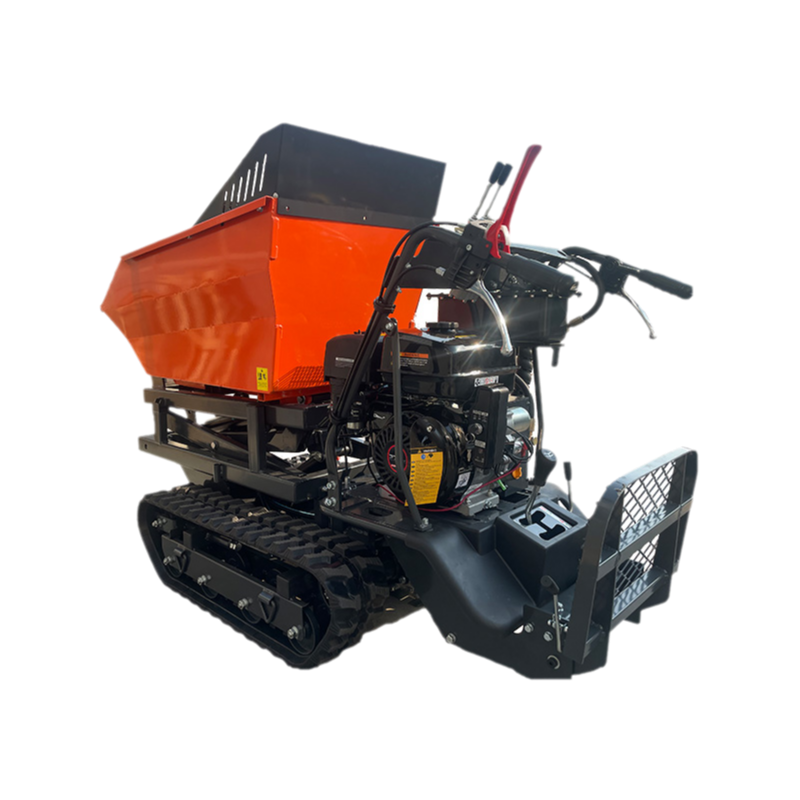
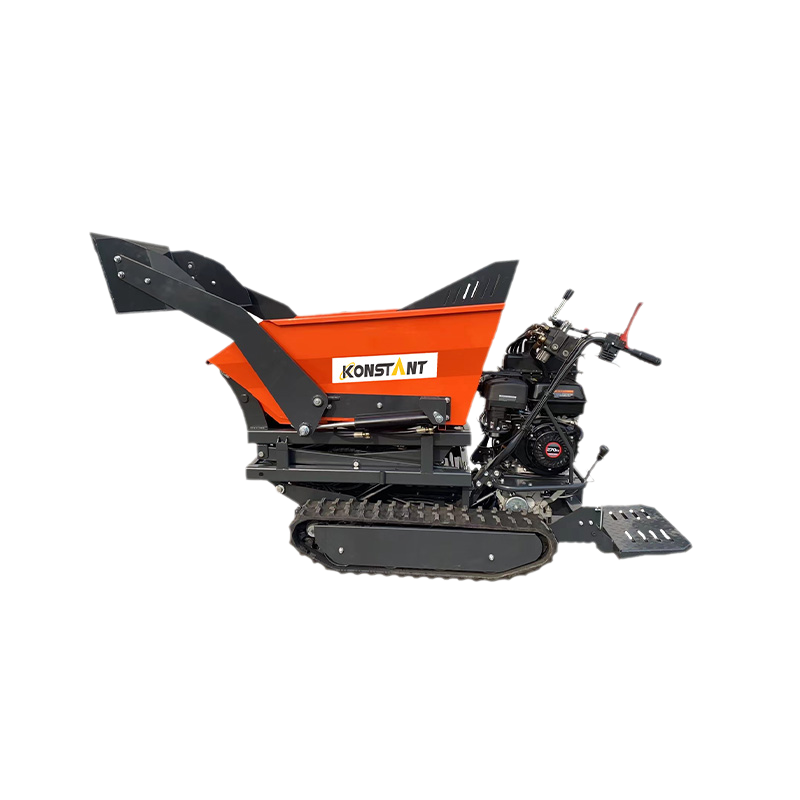
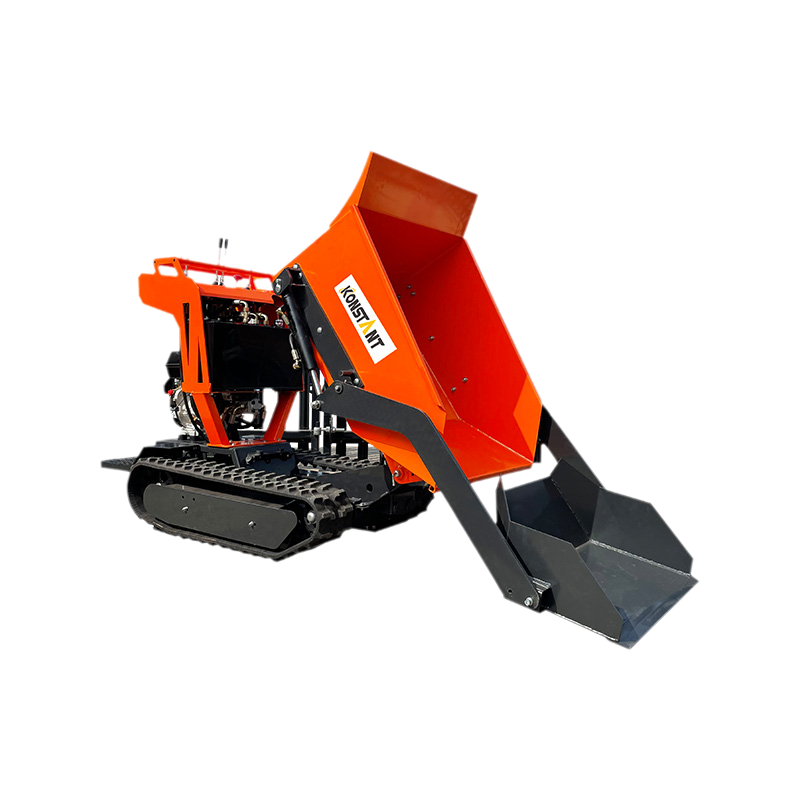
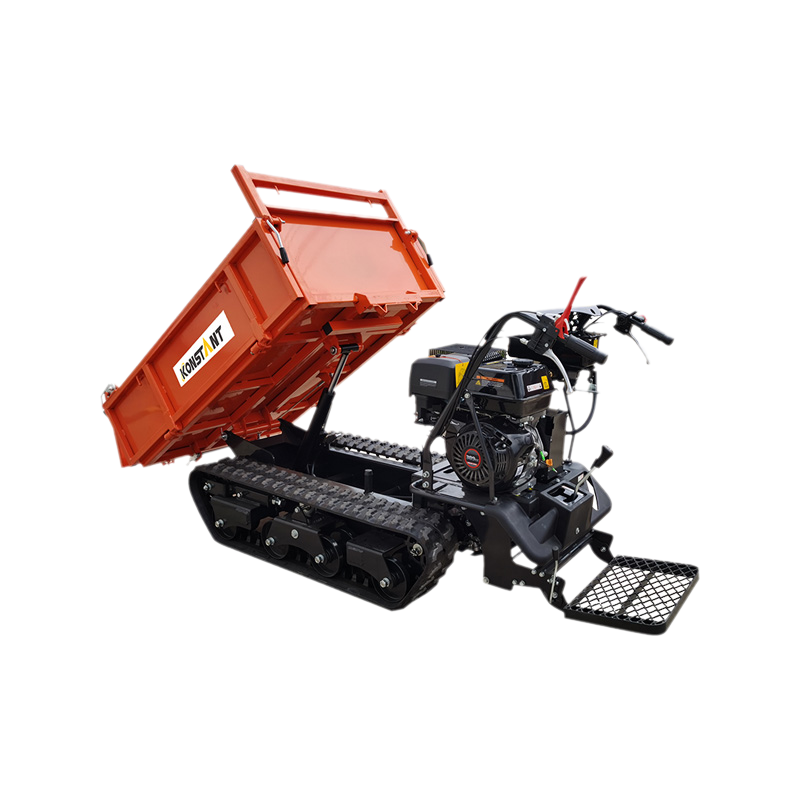
Provide you with the latest enterprise and industry news
Which Projects Can Benefit from a Battery Powered Barrow
Update:04-09-2026
Posted by Admin
Content
- 1 What Types of Projects Can Use a Battery Powered Barrow ?
- 2 How Can Landscaping Projects Benefit from a Battery Powered Barrow?
- 3 Why Can Gardening Projects Use Battery Powered Barrows?
- 4 Where Can Battery Powered Barrows Fit Into Construction Work?
- 5 Can Agricultural Projects Benefit from Battery Powered Barrows?
- 6 What Role Can Battery Powered Barrows Play in Property Maintenance?
- 7 How Can Battery Powered Barrows Help on Uneven Outdoor Ground?
- 8 Which Small Projects Can Benefit From a Battery Powered Barrow?
- 9 What Should Project Managers Consider Before Using a Battery Powered Barrow?
Material handling can quietly take up a large part of an outdoor project. Soil has to reach a planting area. Mulch needs to be spread across a garden. Stones may need to be moved toward a new path. Construction waste has to leave the work area.
A traditional wheelbarrow can handle many of these jobs. Yet repeated trips can make some projects tiring. A battery powered barrow offers another approach. It uses electric power to assist material movement while the operator guides the equipment around the work area.
Interest in battery powered equipment has also grown across landscaping, gardening, property care, and small construction work. For many users, the attraction is not simply power. It is the possibility of making routine material movement easier to organize.
The right application depends on the project. A small task may not need powered equipment. A larger outdoor job with repeated transport can have a different set of needs.
What Types of Projects Can Use a Battery Powered Barrow ?
It is generally useful where materials need to be moved repeatedly around an outdoor work area.
The material may be loose or solid. Soil, compost, mulch, stones, garden waste, and construction materials are common examples. The distance may also vary. Some projects involve movement across a small yard, while others cover a larger property.
The main advantage is the change in how the work is handled. Instead of relying entirely on physical effort to move a loaded barrow, the operator can use the powered system to assist the journey.
Several project categories can make use of this approach.
| Project Type | Common Material Handling Tasks |
|---|---|
| Landscaping | Moving soil, mulch, stones, and garden materials |
| Gardening | Transporting compost, plants, soil, and green waste |
| Construction | Moving loose materials and site debris |
| Property Maintenance | Clearing waste and relocating outdoor materials |
| Agriculture | Moving soil, vegetation, feed, and supplies |
| Renovation | Transporting debris and materials around the work area |
| Ground Preparation | Moving soil, gravel, and other loose materials |
These applications have something in common. Material movement is an important part of the job.
The equipment does not replace the work itself. Landscaping still requires planning and planting. Construction still requires skilled workers. Garden maintenance still requires regular care.
The barrow simply becomes part of the material-handling process.
How Can Landscaping Projects Benefit from a Battery Powered Barrow?
Landscaping can involve a surprising amount of material movement.
A garden may need fresh soil in one area and mulch in another. Decorative stone may need to be moved toward a path. Existing material may need to be removed before new features are installed.
These jobs can involve many trips.
A battery barrow can help transport materials between storage points and active work areas. The operator can guide the equipment along the planned route rather than carrying every load manually.
This can be useful during garden redesigns.
Imagine a property where an old lawn is being replaced with planting beds. Soil needs to be removed from some areas. New soil and organic material then need to be brought in. Decorative materials may follow later.
The transport task continues throughout the project.
A powered barrow can fit into this workflow. Materials can be moved when needed, helping keep the work area more organized.
Landscaping contractors may also work on different types of properties. Residential gardens, commercial grounds, outdoor facilities, and public spaces can all create different material-handling needs.
A flexible transport tool can therefore have more than one role.
Why Can Gardening Projects Use Battery Powered Barrows?
Gardening projects are not always small or simple.
A large garden may contain planting areas, pathways, trees, lawn sections, and storage spaces. Maintaining these areas can require regular movement of materials.
Compost may need to be delivered to planting beds. Soil can be moved during replanting. Mulch may need to be distributed around trees. Removed vegetation has to be collected and taken away.
These tasks are repetitive.
A petrol barrow can assist with the movement of these materials while allowing the operator to focus on guiding the load.
Garden maintenance businesses may find this type of equipment useful when several transport tasks occur during the same job.
Homeowners can also encounter situations where powered assistance makes sense. A major garden renovation can create far more material movement than ordinary seasonal maintenance.
The decision should still be based on the actual workload. If a project involves only a small amount of material, a traditional wheelbarrow may remain sufficient.
When material movement becomes a regular part of the work, a battery powered option can become more relevant.
Where Can Battery Powered Barrows Fit Into Construction Work?
Construction sites often need materials to move short distances within the work area.
Soil may be removed during preparation. Sand, gravel, or other materials may need to reach another section. Debris can accumulate as work progresses.
Not every site has room for large transport equipment. Smaller projects may also need a compact way to move materials without interrupting other activities.
This creates an opportunity for powered barrows.
A powered barrow can be used for tasks such as:
- Moving loose construction materials
- Transporting site debris
- Clearing outdoor work areas
- Relocating soil and gravel
- Supporting small renovation projects
- Moving materials between storage and work zones
The exact application depends on the site and material.
For example, a small building project may have materials stored at one side of the property while the active work area is elsewhere. Repeatedly carrying materials can interrupt other tasks.
A powered barrow can help connect these areas.
Renovation work can create similar situations. Old paving, soil, garden materials, or construction waste may need to be removed before replacement work begins.
The barrow becomes part of the supporting workflow.
Can Agricultural Projects Benefit from Battery Powered Barrows?
Agricultural work covers many different environments. Small farms, nurseries, orchards, and other rural operations often need to move materials across outdoor areas.
Soil, plants, vegetation, feed, tools, and other supplies may need to travel between different parts of a property.
It can support these smaller transport tasks.
A plant nursery is one example. Soil and planting materials may need to move from storage areas to growing spaces. Plants may also need to be relocated as part of routine work.
An orchard presents another type of application. Fallen branches and vegetation can be collected and moved away from working areas. Soil or other materials may also need to be transported during property maintenance.
Small agricultural operations may value equipment that can support different jobs instead of being dedicated to one task.
The suitability of a powered barrow still depends on the working environment. Ground conditions, material type, route layout, and weather can affect how equipment should be used.
Good planning remains important.
What Role Can Battery Powered Barrows Play in Property Maintenance?
Property maintenance often includes many small transport jobs.
A property owner may need to clear garden waste, move mulch, relocate soil, or transport materials during outdoor improvements.
None of these tasks is necessarily difficult on its own. The problem can come from repetition.
A large property may require many trips between different areas. The distance between a storage point and a work area can also make manual transport less convenient.
It can help organize these movements.
| Maintenance Activity | Potential Material Movement |
|---|---|
| Garden Cleanup | Leaves, branches, and green waste |
| Mulching | Moving mulch to planting areas |
| Soil Replacement | Removing old soil and bringing in new material |
| Path Work | Moving gravel and related materials |
| Yard Renovation | Transporting soil, stones, and waste |
| Outdoor Cleanup | Collecting and relocating debris |
Property maintenance companies may use equipment across different job types. A transport tool that can handle several common tasks can fit naturally into this type of work.
For homeowners, the situation depends on the scale of the property and the amount of work planned.
A small yard may require only occasional manual handling. A large property with ongoing landscaping may create more frequent transport needs.
How Can Battery Powered Barrows Help on Uneven Outdoor Ground?
Outdoor projects rarely take place on completely uniform surfaces.
Grass, soil, gravel, slopes, and rough areas can all appear within the same property. A material pile may also be located away from the final work area.
This can make repeated manual transport less convenient.
It can be useful when materials need to travel through an outdoor work area. The operator guides the equipment while the powered system assists movement.
However, the ground should always be considered before work begins.
An area with loose soil may behave differently from a compacted path. A slope may require more attention than a flat surface. Obstacles can also affect the route.
Operators should follow the instructions provided for the specific equipment and assess whether the site is suitable.
Route planning can make a major difference.
Removing unnecessary obstacles can create a clearer path. Materials can also be placed in locations that reduce unnecessary travel.
The machine is part of the solution, but site organization remains important.
Which Small Projects Can Benefit From a Battery Powered Barrow?
A project does not have to be large to involve repeated material handling.
A homeowner may redesign a backyard. A small landscaping team may rebuild a garden bed. A contractor may renovate an outdoor area. A nursery may reorganize its growing spaces.
Each project can create repeated trips.
The real question is not simply how large the project is. It is how much material needs to move and how often that movement occurs.
Consider two projects.
One large project may require only a few material deliveries because the materials are placed close to the work area.
A smaller project may involve constant movement between a distant storage area and several work zones.
The smaller project may have a stronger reason to consider powered material handling.
Several practical questions can help users assess the situation:
How often will materials be moved?
Frequent trips can make powered assistance more useful.
What materials need to be transported?
Soil, mulch, gravel, vegetation, and construction materials can all create different handling requirements.
How is the work area arranged?
A clear route can make material movement easier.
What type of ground is involved?
Outdoor surfaces can vary throughout a project.
Will the equipment be used for more than one task?
A tool that can support several types of work may have broader value.
These questions connect the equipment with the real needs of the project rather than treating it as a general-purpose solution for every situation.
What Should Project Managers Consider Before Using a Battery Powered Barrow?
The choice of powered transport should fit the workflow.
Battery powered equipment can be attractive for outdoor projects because it does not require the same type of fuel handling associated with petrol-powered equipment. It can also fit work areas where users prefer a quieter operating environment.
At the same time, battery-powered equipment has its own operating considerations. Charging arrangements, work duration, storage, and maintenance should be considered before a project begins.
The worksite also matters.
A suitable route should be identified. Materials should be positioned sensibly. Operators should understand how the equipment is intended to be used.
Safety should remain part of the planning process. Loads should be handled according to the equipment's instructions. Operators should pay attention to slopes, obstacles, pedestrians, and changing ground conditions.
The goal is not simply to add another machine to a project.
The goal is to make material movement fit more naturally into the way the work is organized.
For landscaping teams, that may mean moving soil and mulch between different garden areas. For construction workers, it may mean transporting materials or clearing debris. For agricultural users, it can involve moving supplies around a nursery or small farm. For property owners, it may mean handling garden waste during a renovation.
Battery powered barrows can therefore serve different project types when repeated outdoor material movement is part of the daily workload.
Related products

Latest Updates
-
How to Operate a Crawler Mini Dumper Safely
Safe Operation Practices for Compact Tracked Material Transporters Compact tracked machines that mov...
-
What Is a Mini Dump Truck on Tracks Used For
A small machine sitting on continuous tracks carries a tipping body that lifts to empty its load. Th...

-
Welcome To Visit Us
No.30, Third Furong Road, Wuxi City, Jiangsu. 214100, China.
-
Call Us
Phone: +86 181-1889-1139
Phone: +86 181-1889-2139
-
Contact Us Online
E-mail: sales@konstantpm.com
E-mail: marketing@konstantpm.com
Copyright WUXI KONSTANT POWER TECH CO., LTD All Rights Reserved
 China Mini Dumpers Manufacturers Power Wheelbarrow Factory