
 English
 русский
 Français
 Español
 Deutsch

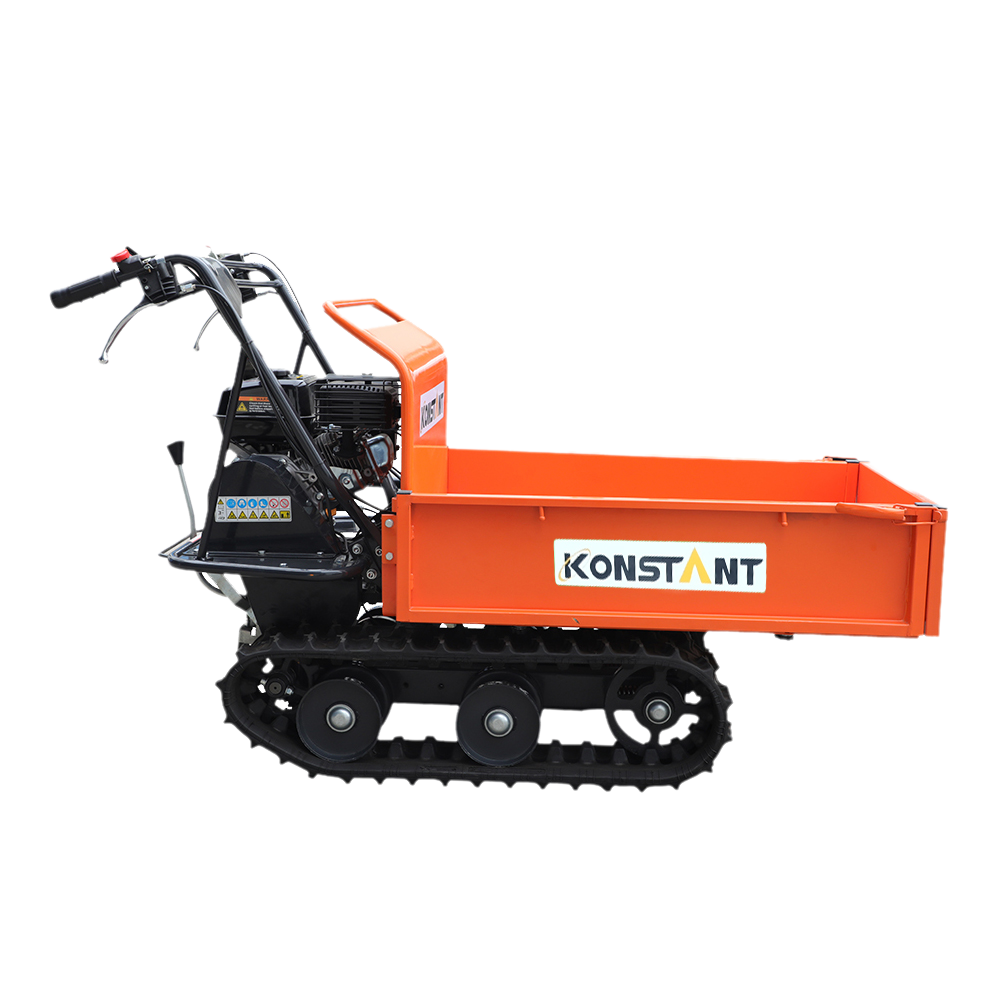
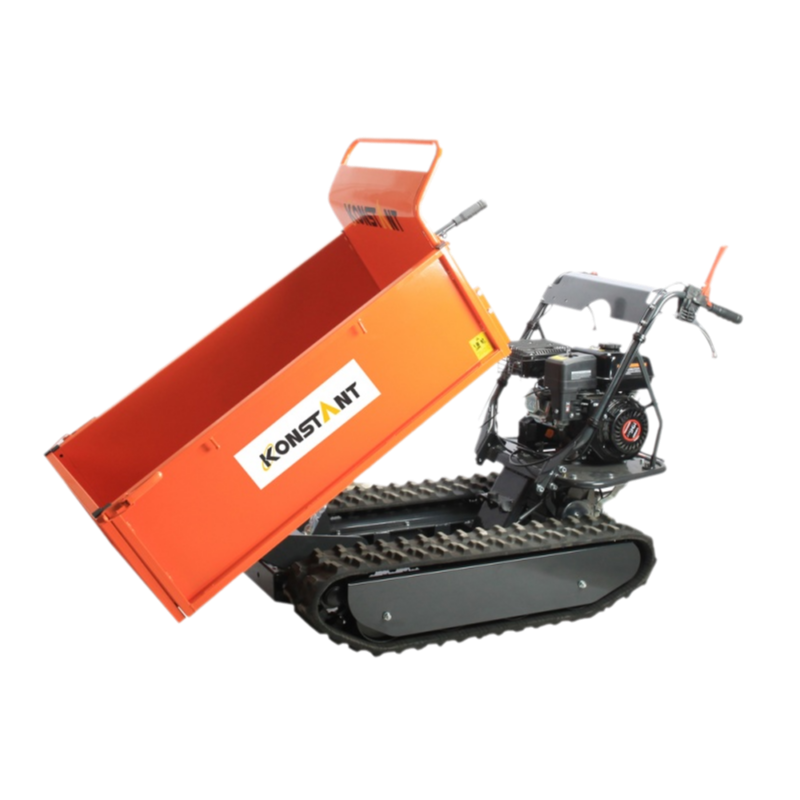
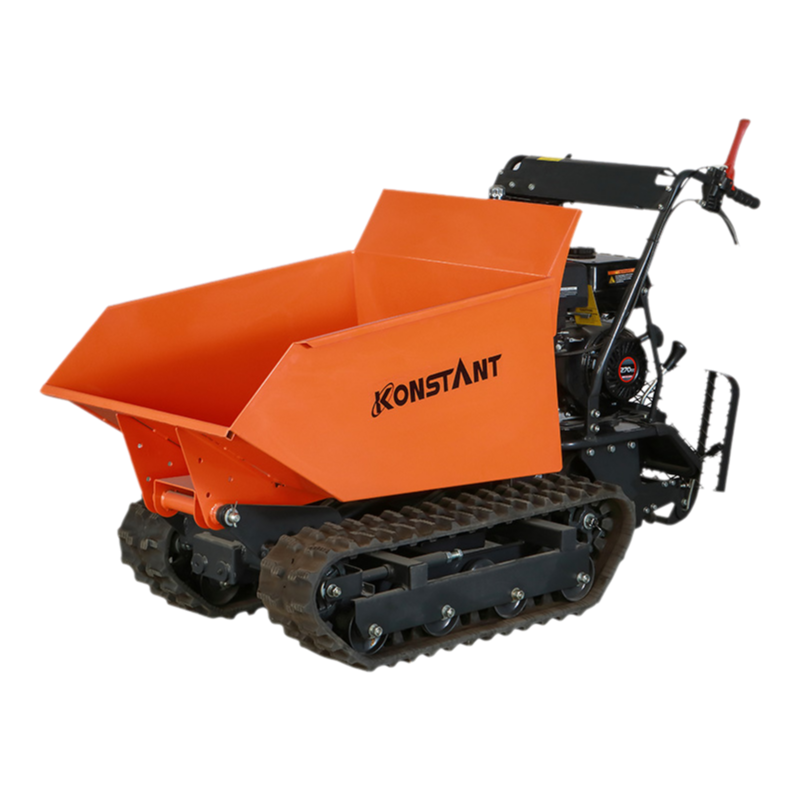
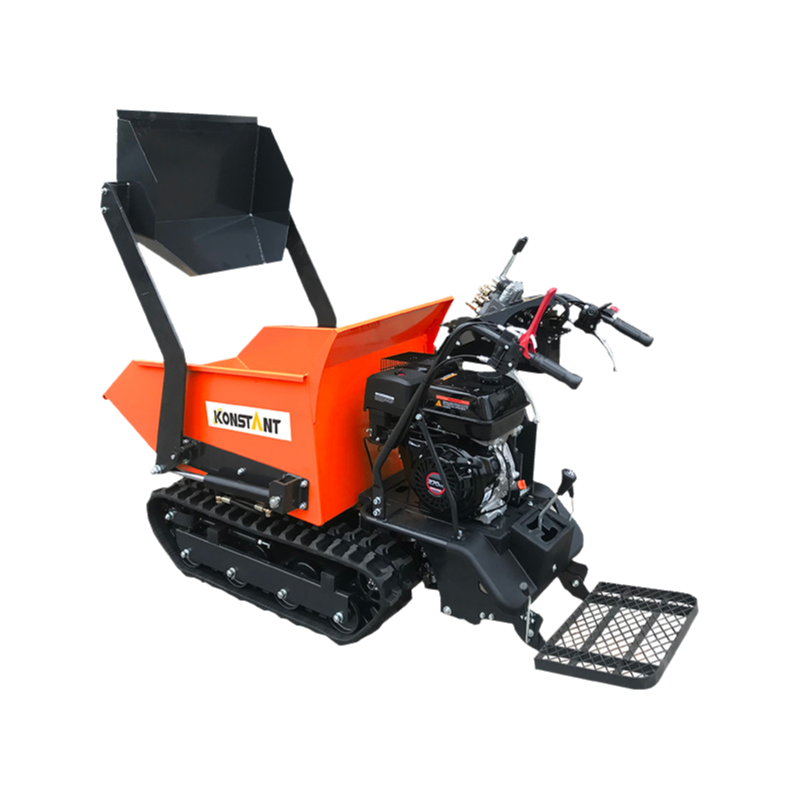
Provide you with the latest enterprise and industry news
Could a Wheel Barrow Motor Help Reduce Repetitive Pushing Work
Update:07-09-2026
Posted by Admin
Content
- 1 Why Is Repetitive Pushing a Concern in Material Handling?
- 2 How Can a Wheel Barrow Motor Change the Pushing Process?
- 3 Where Could Motorized Wheelbarrows Reduce Repetitive Work?
- 4 Could a Wheelbarrow Motor Help on Slopes and Uneven Ground?
- 5 How Does a Motor Affect Repeated Loading and Transport Tasks?
- 6 What Should Workers Consider When Choosing a Wheelbarrow Motor?
- 7 Can Powered Assistance Change Workshop Productivity?
- 8 How Should Operators Maintain a Wheelbarrow Motor During Regular Use?
- 9 What Could Make a Motorized Wheelbarrow a Practical Choice?
Moving materials by wheelbarrow is a familiar part of construction, landscaping, gardening, farming, property maintenance, and many workshop tasks. The tool is simple. The work can be less simple when the same route is repeated throughout the day.
A worker may load material, move it across a site, unload it, and return for another load. The cycle can continue for hours. On flat ground, the task may feel manageable. Uneven surfaces, narrow paths, slopes, loose soil, or heavier loads can make the same movement more demanding.
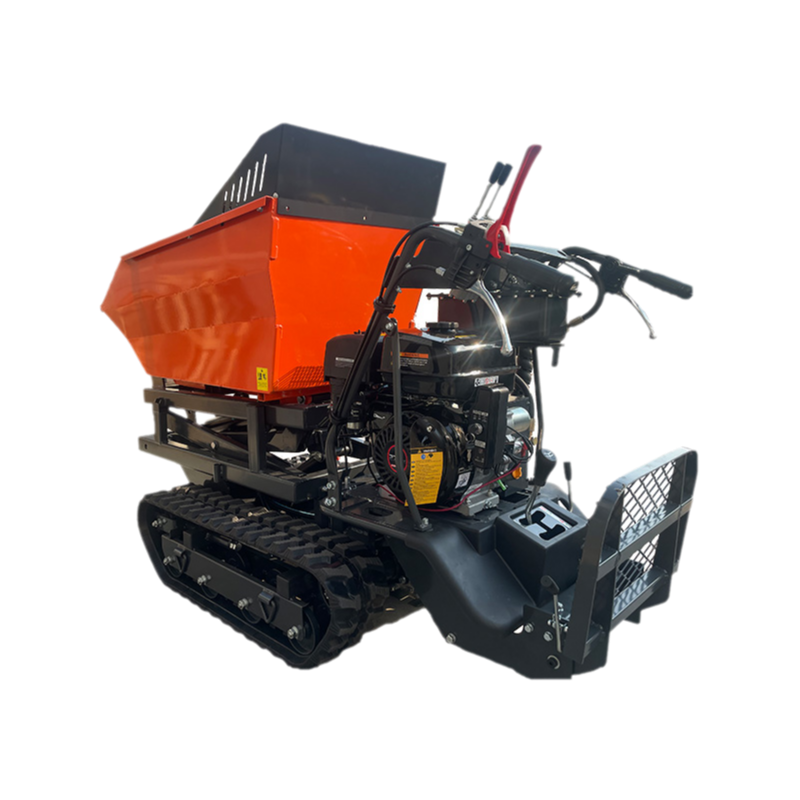
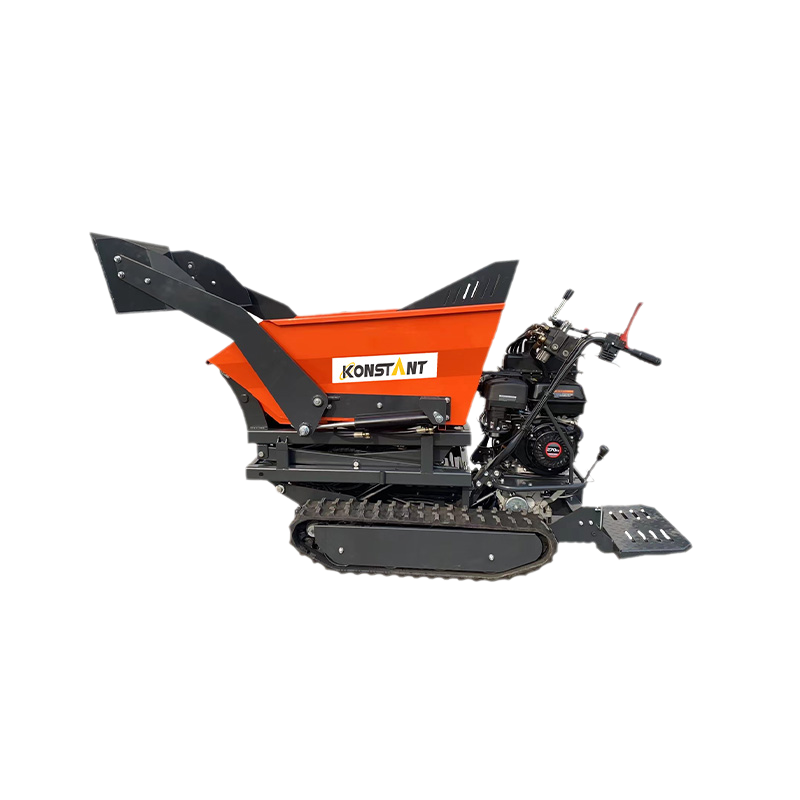
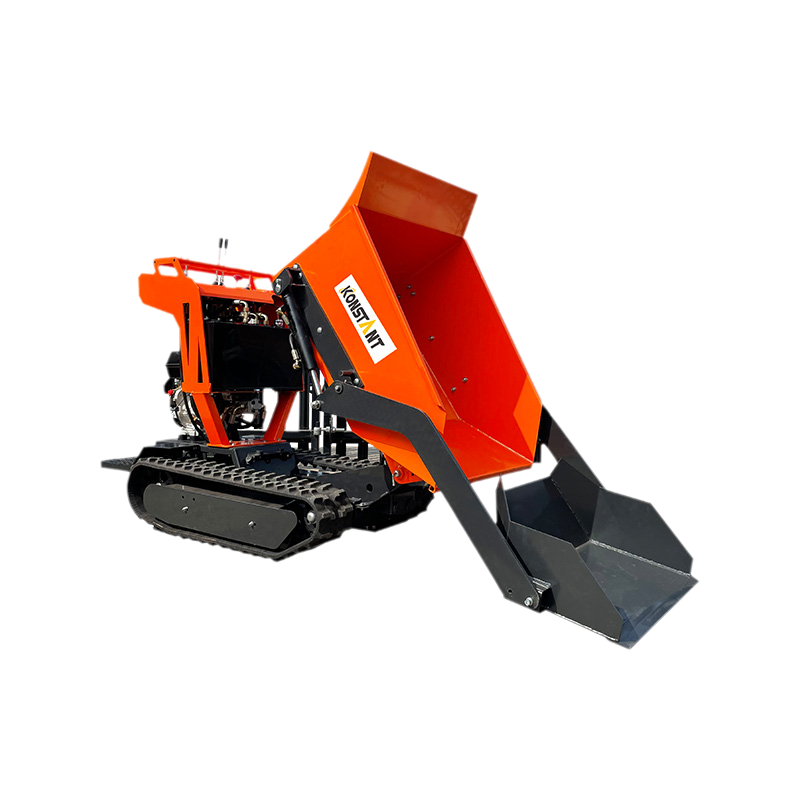
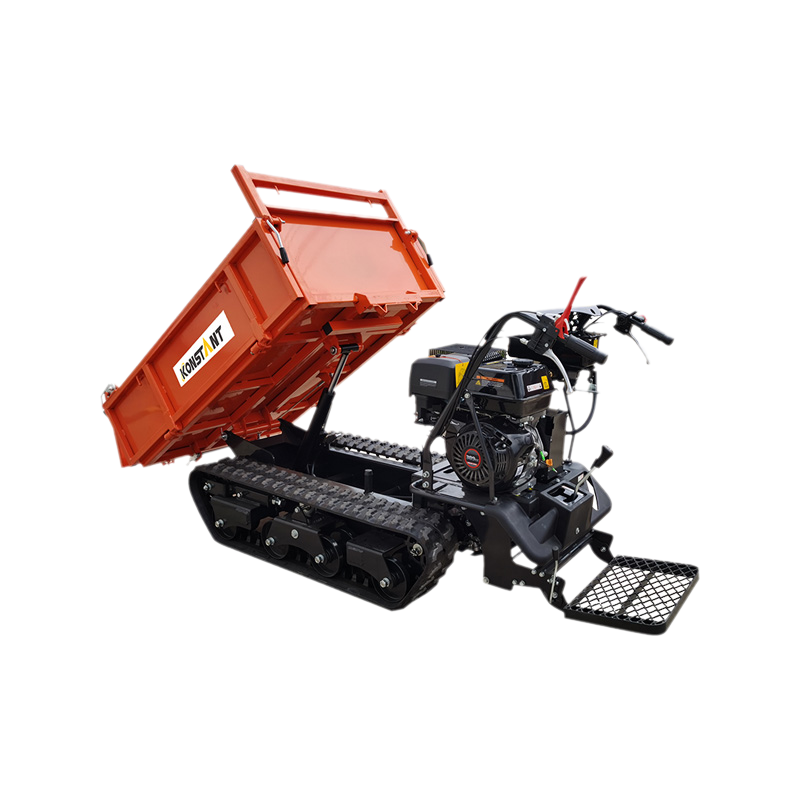
This is where the wheelbarrow motor has attracted attention. Adding powered assistance changes the way the wheelbarrow moves. Instead of relying entirely on the operator to push the load, the motor can provide driving support while the user guides the machine.
The idea is not to remove the worker from the process. It is to change the physical role of the operator. The worker still needs to steer, position, load, unload, and monitor the surrounding area. The motor becomes an additional source of movement during transport.
Why Is Repetitive Pushing a Concern in Material Handling?
Repetitive pushing can become tiring because the same physical action is performed again and again. A single trip with a wheelbarrow may not seem demanding. The experience can be different when the route is repeated many times during one work session.
The situation can become more noticeable when the ground is uneven. Loose soil, gravel, grass, construction debris, and sloped surfaces can require more effort from the person operating the wheelbarrow. Turning, starting, and keeping the load moving can also affect how the work feels.
Different jobs create different levels of physical demand. A gardener moving light material across a short path faces a different situation from a construction worker transporting material between several work areas. There is no universal answer to how much assistance a person needs.
Several conditions can influence the amount of effort involved:
- Distance between loading and unloading areas
- Ground condition
- Slope and changes in elevation
- Weight and distribution of the load
- Number of repeated trips
- Width and condition of the travel path
- Operator position and handling method
These factors explain why powered wheelbarrows are being considered for more than simple convenience. The discussion is increasingly about how tools can fit into repetitive material-handling routines without changing the basic purpose of the wheelbarrow.
How Can a Wheel Barrow Motor Change the Pushing Process?
A motor changes the source of movement. With a traditional wheelbarrow, the operator provides the force needed to move the load. With a powered design, the motor assists with movement while the operator remains responsible for control.
This can change the physical experience of a repeated task. Instead of continuously providing the force needed to move the wheelbarrow forward, the worker can focus more on guiding the machine along the intended route. The amount of assistance depends on the design of the particular wheelbarrow motor and how it is integrated with the machine.
The difference can be particularly noticeable during repeated trips. A worker may move the same material several times between two locations. Powered assistance can make each individual trip feel different from manually pushing the same load.
A motor does not eliminate physical work, however. Operators still need to:
- Load materials safely.
- Position themselves correctly.
- Guide the wheelbarrow.
- Watch the travel path.
- Control the machine during turns and stops.
- Unload the material at the intended location.
The motor supports transportation. It does not replace good handling practices or operator awareness.
Where Could Motorized Wheelbarrows Reduce Repetitive Work?
Construction sites are an obvious example. Workers may need to move soil, tools, building materials, waste, or other items between different parts of a site. The route may change as construction progresses, and the ground may not always be smooth.
Landscaping provides another practical setting. Gardeners and landscape workers often move soil, mulch, plants, stones, branches, and other materials around outdoor properties. Repeated manual pushing can become part of the daily routine, especially when material needs to travel between a storage area and several work locations.
Agricultural work can also involve frequent material movement. Feed, soil, plants, harvested material, and other supplies may need to be transported around a farm or growing area. A motorized wheelbarrow can be considered when the task involves repeated movement and the working environment suits powered equipment.
Potential applications include:
| Work Area | Repetitive Transport Examples |
|---|---|
| Construction | Soil, tools, debris, and building materials |
| Landscaping | Soil, mulch, plants, branches, and stones |
| Gardening | Compost, planting materials, and garden supplies |
| Agriculture | Farm materials, feed, and harvested items |
| Property Maintenance | Yard waste and maintenance supplies |
| Workshops | Components, materials, and equipment |
The suitability of a powered wheelbarrow still depends on the actual job. A short, occasional trip may not justify powered assistance. A task involving repeated movement across a challenging work area may present a different case.
Could a Wheelbarrow Motor Help on Slopes and Uneven Ground?
Terrain is one of the factors that can change the usefulness of powered assistance. A wheelbarrow that moves easily on a smooth surface may feel very different when used on a slope or loose ground.
On uneven terrain, the operator needs to manage more than forward movement. The wheelbarrow may need to pass around obstacles, maintain a stable path, and respond to changes in the surface. When material is being transported repeatedly, these conditions can add to the physical demands of the job.
A suitable wheelbarrow motor can provide assistance with movement in environments where manual pushing becomes more demanding. The actual capability varies by machine, motor design, load, surface, and other factors. Operators should always follow the manufacturer's instructions and avoid treating powered assistance as a guarantee of safe movement on every type of terrain.
Before using a motorized wheelbarrow outdoors, workers can consider:
- Whether the route contains steep or uneven sections
- Whether the ground is firm enough for the machine
- Whether the load is properly balanced
- Whether there is sufficient space to turn
- Whether the operator can maintain control throughout the route
These checks are particularly relevant on construction sites and outdoor properties, where ground conditions can change from one section to another.
How Does a Motor Affect Repeated Loading and Transport Tasks?
The relationship between loading and transportation is easy to overlook. A motor can assist with movement, but the material still has to be placed into the wheelbarrow and removed at the destination.
This means the entire workflow matters.
Imagine a landscaping team moving material from a storage area to several garden beds. The work includes filling the wheelbarrow, traveling to the garden, unloading, returning, and repeating the process. Powered movement addresses only the travel portion, but that portion may account for a significant part of the repeated activity.
The operator can therefore spend less effort on pushing while continuing to handle the other stages of the job.
Good load organization remains important. Material should be distributed in a way that keeps the wheelbarrow manageable. Loose material should not be positioned carelessly. The operator should also consider the route before beginning the trip.
A practical workflow may look like this:
- Prepare the material at the loading point.
- Place the load in a stable position.
- Check the travel route.
- Activate the powered movement according to the machine instructions.
- Guide the wheelbarrow to the destination.
- Stop and unload in a controlled manner.
- Return for the next load.
This approach shows why a wheelbarrow motor should be viewed as part of a material-handling system rather than simply as a replacement for manual pushing.
What Should Workers Consider When Choosing a Wheelbarrow Motor?
Not every motor is suitable for every wheelbarrow or working environment. The motor needs to match the machine and the type of work being performed.
The working surface is an important consideration. A wheelbarrow used mainly on a smooth property path may have different requirements from one used on loose soil or construction ground. The frequency of use also matters. A tool intended for occasional garden work may be approached differently from equipment used during repeated daily material transport.
The relationship between the motor and the wheelbarrow should also be considered. The motor needs to work with the machine's overall design, controls, wheels, frame, and load-handling arrangement.
Buyers can review:
- Application: What materials will be moved?
- Terrain: Where will the wheelbarrow operate?
- Work frequency: How often will powered movement be needed?
- Load arrangement: Can materials be carried in a stable manner?
- Control: Can the operator manage movement comfortably?
- Maintenance: Can the motor and related parts be inspected and cared for as required?
- Compatibility: Is the motor designed for the particular wheelbarrow system?
A careful match can be more useful than simply choosing a motor based on its general description.
Can Powered Assistance Change Workshop Productivity?
The impact of a wheelbarrow motor is not limited to physical effort. It can also influence how workers organize repetitive tasks.
When transportation becomes easier to manage, workers may be able to focus more attention on the work at the destination. A landscaping worker can spend more time preparing a planting area instead of concentrating on the effort required to push material there. A construction worker can focus on placement and site organization while the motor assists with movement between work areas.
This does not mean a powered wheelbarrow automatically makes a project faster. Productivity depends on many factors, including site layout, material preparation, worker coordination, and the condition of the equipment.
The more interesting change may be in task distribution.
A motorized wheelbarrow can allow workers to treat transportation as a separate part of the workflow. Materials can be prepared in batches, transported to selected locations, and unloaded according to the work plan. This can make repetitive movement easier to organize.
For businesses considering powered wheelbarrows, useful questions include:
- How often does manual pushing occur?
- How much time is spent moving materials rather than using them?
- Does the route contain slopes or uneven surfaces?
- Could powered movement fit the existing workflow?
- Can workers safely operate and maintain the equipment?
The answers can reveal whether the motor addresses a genuine workplace need.
How Should Operators Maintain a Wheelbarrow Motor During Regular Use?
A motorized wheelbarrow still needs routine care. Outdoor work can expose equipment to dust, soil, moisture, plant material, and other residue. Without regular attention, these conditions can affect the overall condition of the machine.
Cleaning should follow the manufacturer's guidance. Workers can remove visible dirt from appropriate areas after use and check whether material has collected around moving parts. Electrical or powered components should be handled according to the relevant instructions rather than being exposed to unsuitable cleaning methods.
Storage also matters. A motorized wheelbarrow left in an unsuitable location may be exposed to moisture, impact, or unnecessary contamination. Keeping the equipment in an appropriate storage area can make inspection and routine care easier.
A simple maintenance routine can include:
- Checking the wheel and frame after use
- Removing accumulated dirt or material
- Inspecting visible connections and controls
- Keeping the motor area in the condition recommended by the manufacturer
- Checking the equipment before repeated use
- Storing the wheelbarrow in a suitable location
Maintenance should become part of normal work rather than something done only after a problem appears.
What Could Make a Motorized Wheelbarrow a Practical Choice?
The main question is not whether every wheelbarrow needs a motor. It is whether powered movement makes sense for a particular type of work.
For occasional light transport on a short, smooth path, a traditional wheelbarrow may remain practical. There may be little reason to add powered equipment when manual movement is already manageable.
The situation can change when a job involves repeated trips, uneven ground, longer transport routes, or materials that make manual pushing more demanding. In these settings, a wheelbarrow motor may provide useful assistance and change how workers approach the transportation stage.
The decision can be based on a simple comparison:
| Work Condition | Manual Wheelbarrow | Motorized Wheelbarrow |
|---|---|---|
| Occasional short trips | Often practical | May offer limited added value |
| Repeated transport | More physical input required | Powered assistance may help |
| Uneven outdoor ground | Operator manages movement manually | Motor may assist movement |
| Landscaping work | Suitable for many small tasks | Useful for repeated material transport |
| Construction work | Depends on site conditions | May support regular material movement |
| Limited storage or maintenance capacity | Simple equipment may be easier | Requires additional care |
A wheelbarrow motor therefore represents more than a change in equipment. It changes the relationship between the worker and the load. Instead of supplying all the force needed to move material, the operator can guide a machine that provides movement assistance.
That distinction is particularly relevant in construction, landscaping, agriculture, gardening, and property maintenance, where repetitive transport can become a routine part of the working day
Related products

Latest Updates
-
How to Operate a Crawler Mini Dumper Safely
Safe Operation Practices for Compact Tracked Material Transporters Compact tracked machines that mov...
-
What Is a Mini Dump Truck on Tracks Used For
A small machine sitting on continuous tracks carries a tipping body that lifts to empty its load. Th...

-
Welcome To Visit Us
No.30, Third Furong Road, Wuxi City, Jiangsu. 214100, China.
-
Call Us
Phone: +86 181-1889-1139
Phone: +86 181-1889-2139
-
Contact Us Online
E-mail: sales@konstantpm.com
E-mail: marketing@konstantpm.com
Copyright WUXI KONSTANT POWER TECH CO., LTD All Rights Reserved
 China Mini Dumpers Manufacturers Power Wheelbarrow Factory