
 English
 русский
 Français
 Español
 Deutsch

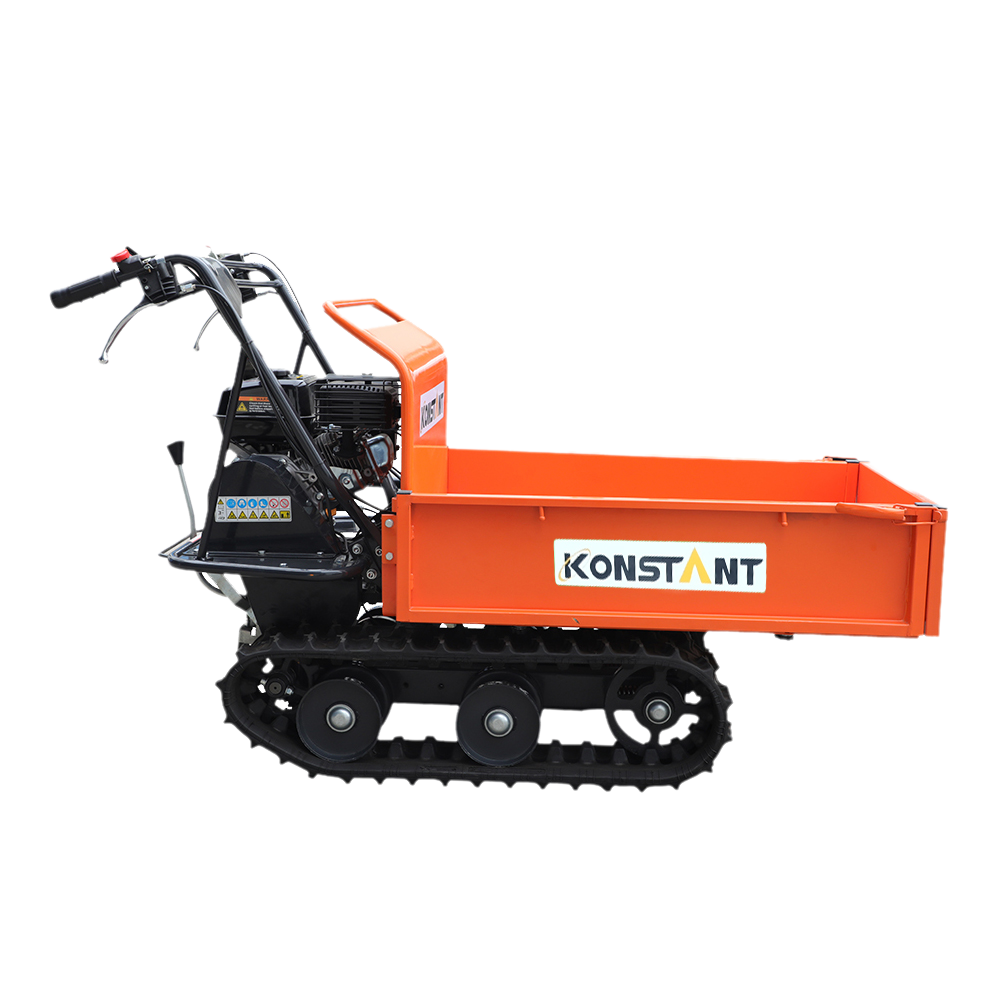
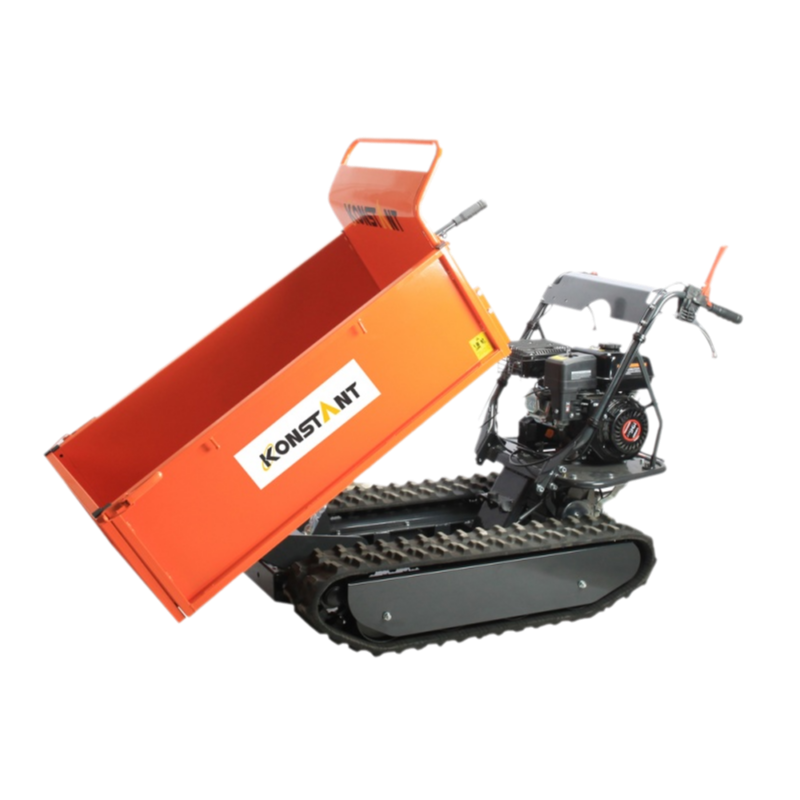
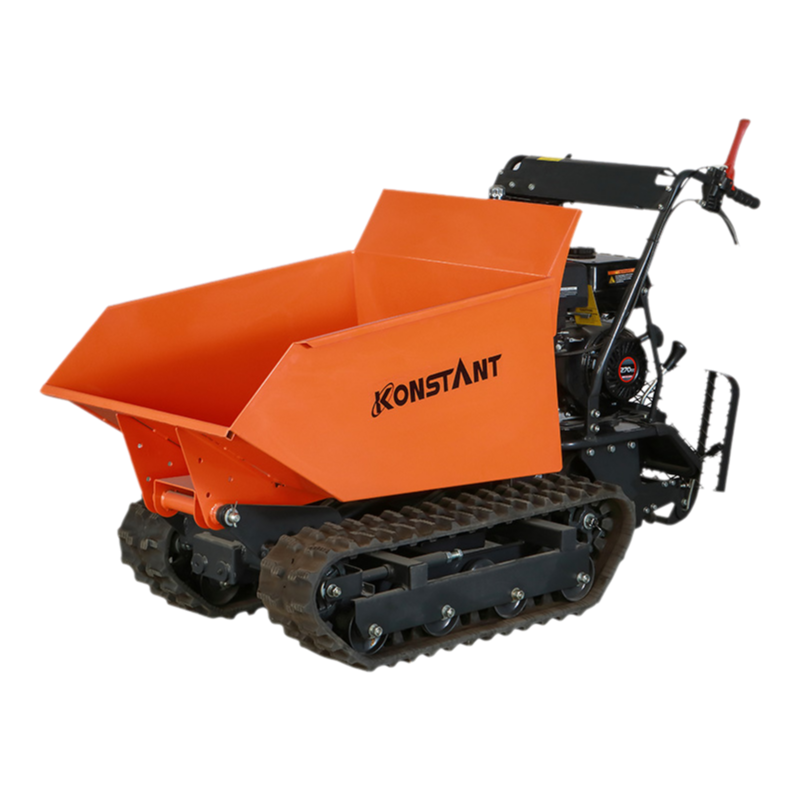
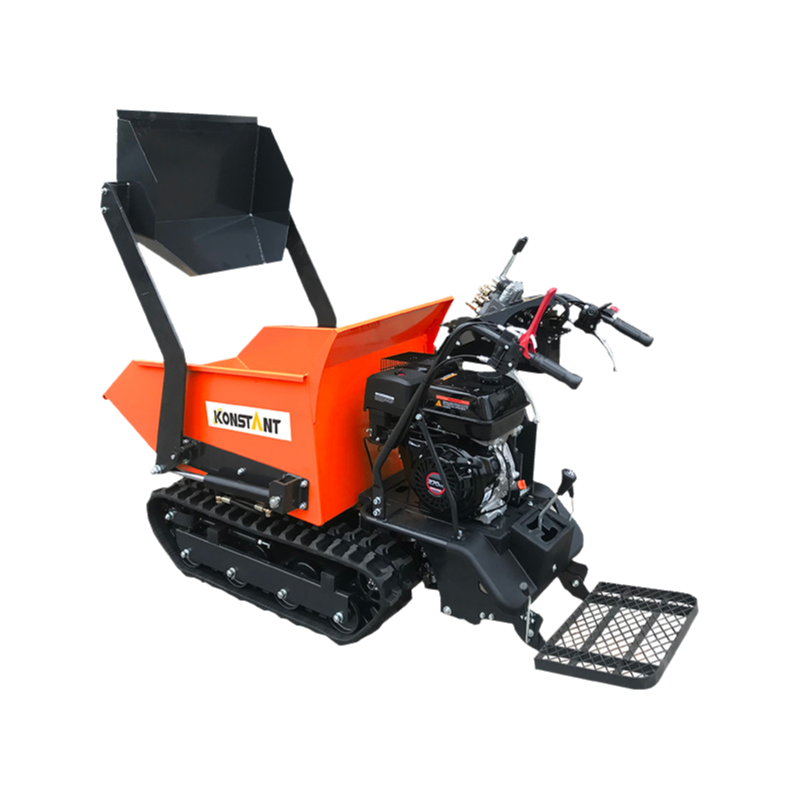
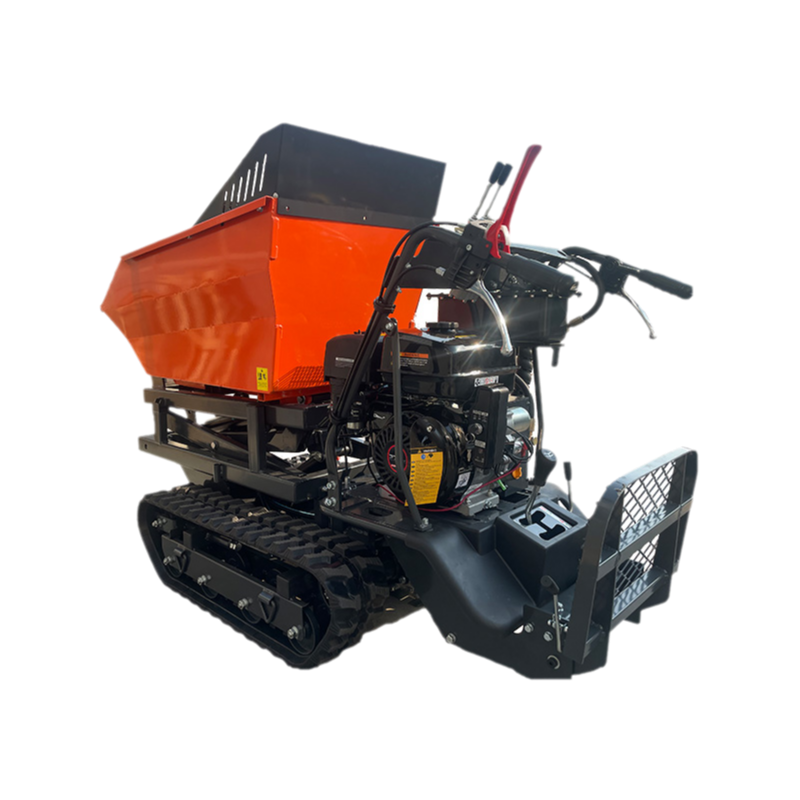
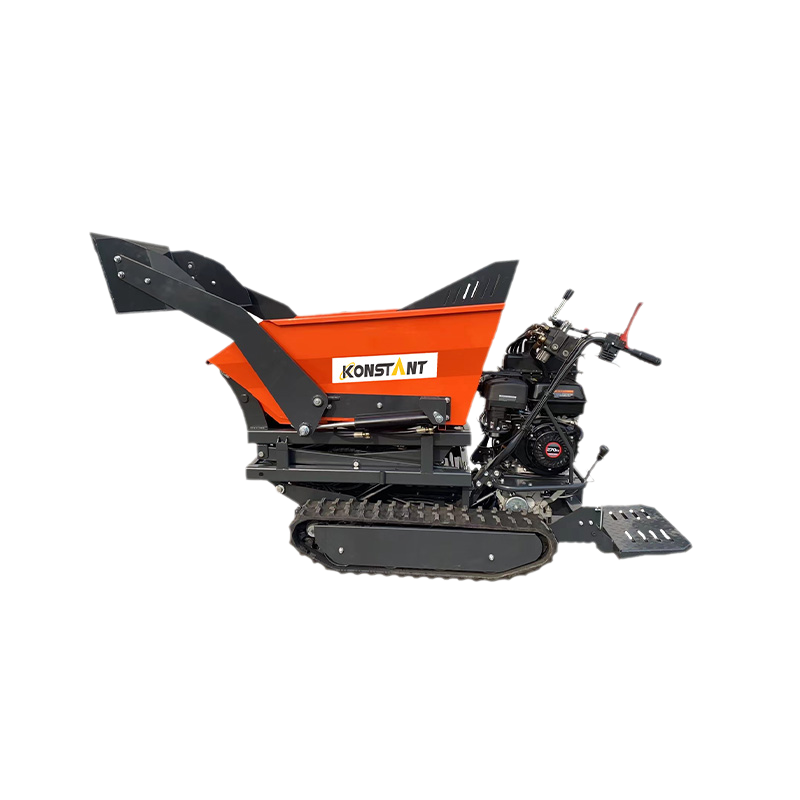
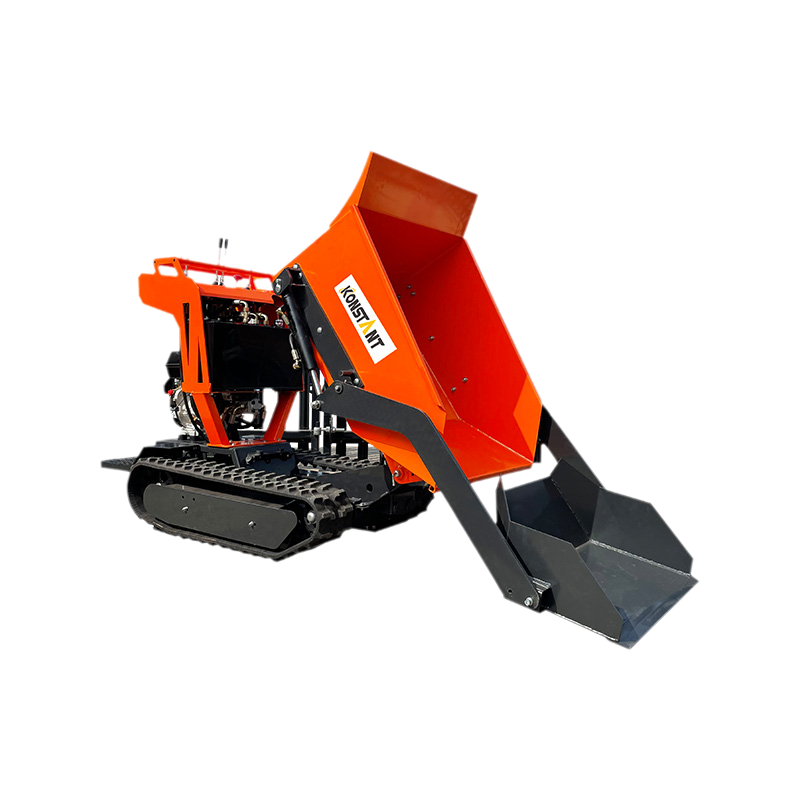
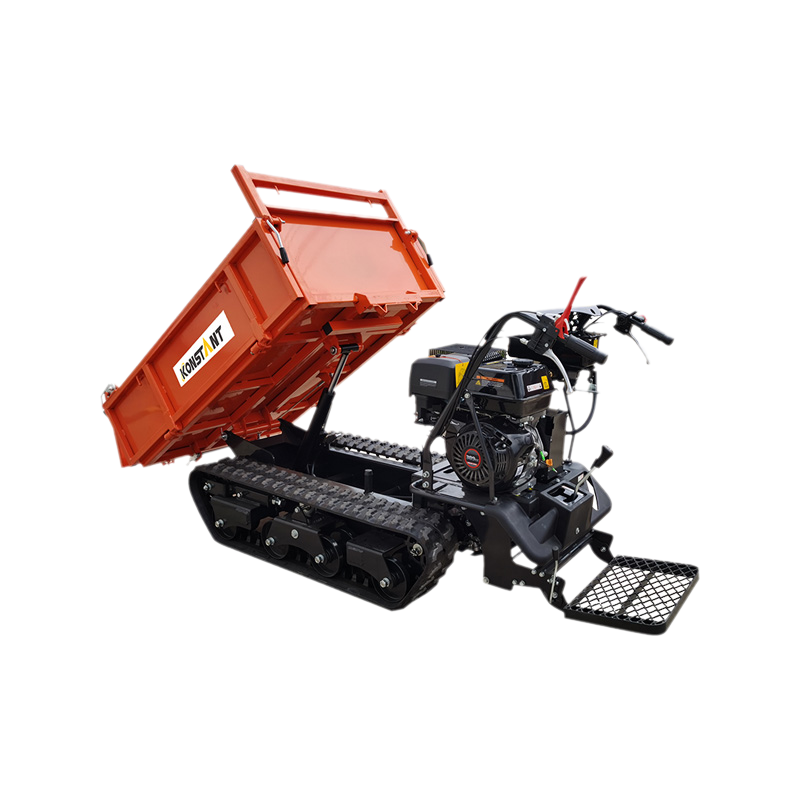
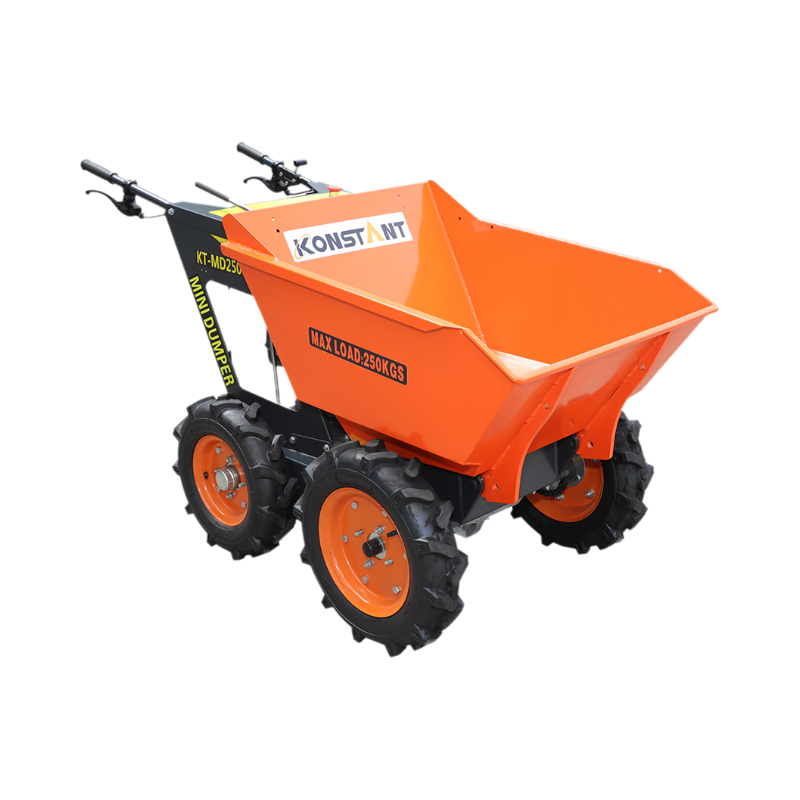
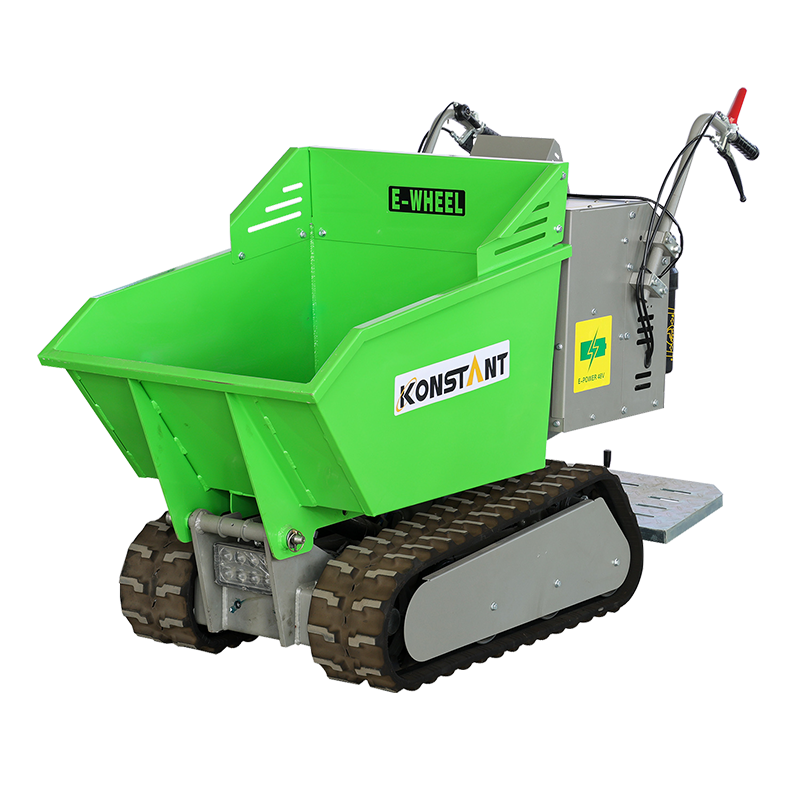
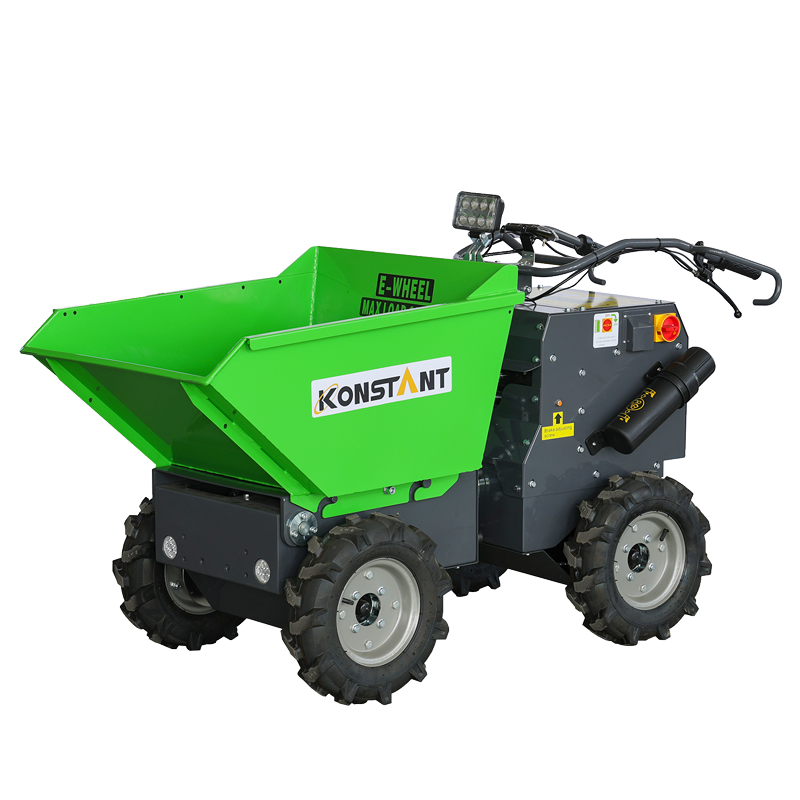
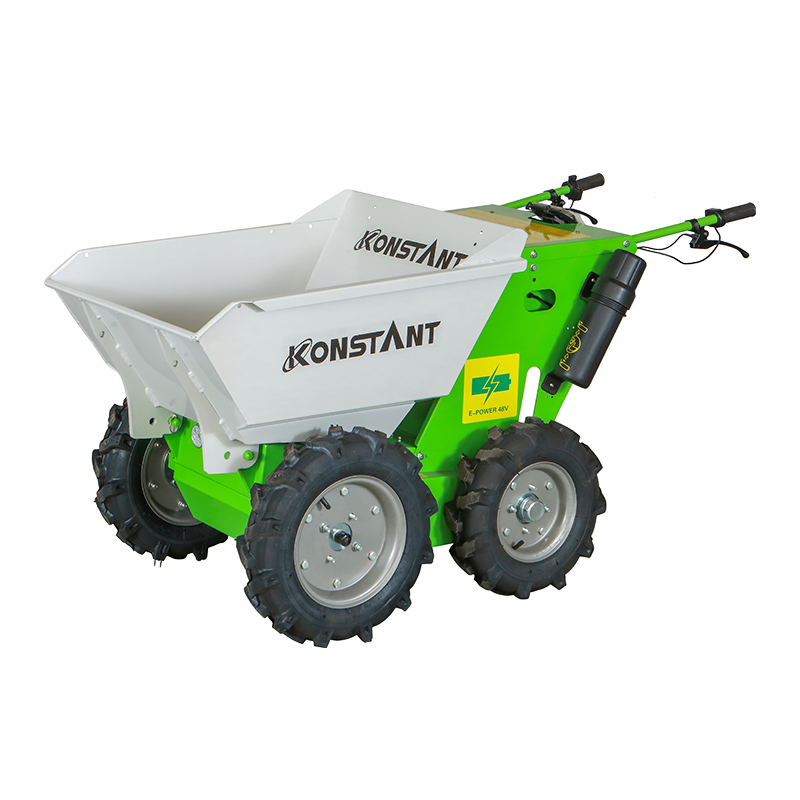
Provide you with the latest enterprise and industry news
Safety Considerations When Operating a Mini Dumper Power Barrow
Update:12-06-2026
Posted by Admin
Content
- 1 What makes this equipment behave differently from a manual wheelbarrow?
- 2 How does terrain shape safe operation?
- 3 Why is load placement more important than it seems?
- 4 What role does operator awareness play?
- 5 How should starting and stopping be handled?
- 6 What risks appear in confined or narrow spaces?
- 7 How can routine checks support safer use?
- 8 Which daily habits improve safety over time?
- 9 How does coordination with others affect safety?
- 10 What mindset supports consistent safe operation?
The steady rise of compact transport equipment has reshaped how materials move across smaller worksites. In places where space is tight and manual handling once dominated, the Mini Dumper Power Barrow now fills a practical role. It reduces physical effort and speeds up repetitive tasks. At the same time, it introduces a different set of risks that are not always obvious during daily use.
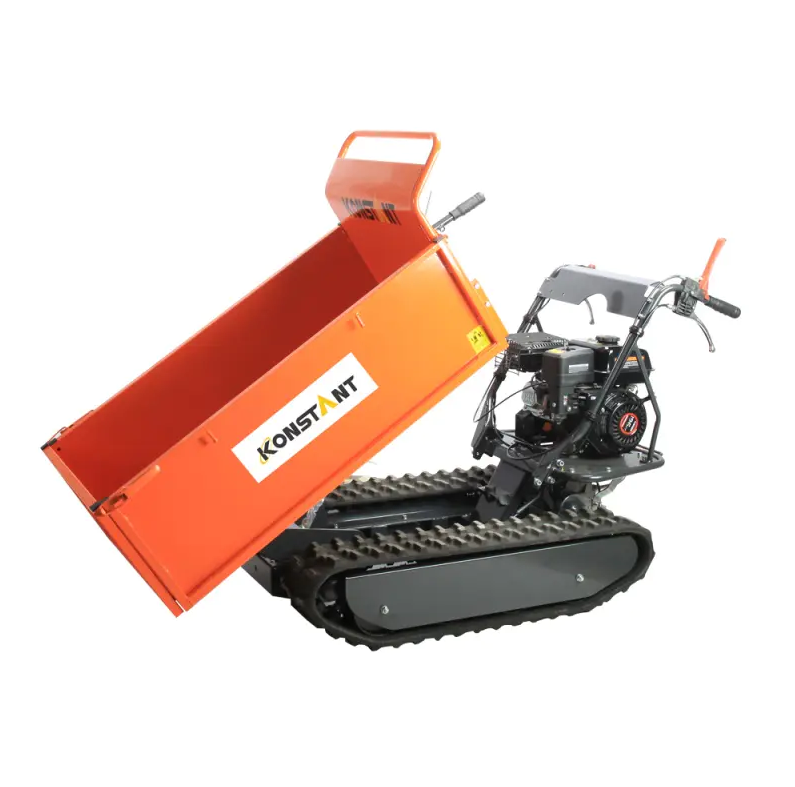
Operators often become comfortable with the machine very quickly. The controls are simple. Movement feels intuitive. Over time, that familiarity can find to less cautious behavior. Many safety issues do not come from unusual situations. They appear during routine work, when attention fades and small details are overlooked.
What makes this equipment behave differently from a manual wheelbarrow?
At a glance, the structure feels familiar. A tray, a frame, and handles. Yet the presence of powered movement changes everything. The operator is no longer pushing weight forward but guiding a moving machine.
This shift affects balance. A traditional wheelbarrow reacts directly to the user's force. A powered version continues moving once engaged. That ongoing motion requires anticipation instead of reaction.
Even when empty, the machine carries its own weight. When loaded, the combined mass changes how it responds to turns, stops, and uneven ground. The center of gravity does not always sit where the operator expects.
These differences influence how control is maintained. Small misjudgments can find to movement that feels harder to correct than with manual tools.
How does terrain shape safe operation?
Ground conditions vary from one site to another. Soil can be loose, compact, or slightly damp. Gravel shifts under pressure. Surfaces that appear stable may behave differently under load.
Powered movement allows the machine to cross ground that might slow down manual effort. That advantage can create a false sense of security. When traction changes suddenly, control can be lost before the operator has time to adjust.
Slopes introduce another layer of complexity. Moving upward requires steady control to prevent strain and imbalance. Moving downward requires careful speed management. Momentum builds quickly, especially when carrying loose material.
Turning on uneven surfaces demands attention. A slight tilt combined with a shifting load can find to instability. Reading the ground becomes a continuous task rather than a one-time check.
Why is load placement more important than it seems?
Most workers treat loading as nothing more than a basic routine task. All you do is pile supplies into the machine's tray and haul them to a different spot. That said, how you arrange those goods within the tray shapes how the whole piece of equipment handles while rolling.
If weight gets lopsided on one side, the machine will naturally pull off its straight course. This uneven weight distribution grows far more obvious whenever you make a turn. Operators often end up constantly correcting the steering without noticing they're doing it, and this extra effort adds up to serious tiredness by the end of a shift.
Loose bulk materials don't stay put the same way solid packaged goods do. They slide and shift as the machine moves, and this effect gets much worse when traveling over bumpy ground or sloped ground. Every shift of the cargo alters the machine's center of weight mid-transit.
Overfilling the tray creates another set of operating troubles. Since there aren't any obvious visual markers to signal the safe weight limit, it's simple to misjudge how much the machine can safely carry. Extra weight makes the equipment harder to steer and stretches out the distance you need to bring it to a full stop.
Spending a few extra seconds rearranging your cargo before you start moving keeps the machine from rocking or veering later on. Even tiny tweaks to how you stack your load deliver tangible improvements to stability all through the transport run.
What role does operator awareness play?
Operating a mini dumper power barrow places the user close to the machine at all times. Unlike larger equipment, there is little separation between operator and movement.
Repetitive tasks can reduce focus. Transporting materials back and forth may feel routine, which can find to slower reactions. Obstacles, edges, or nearby workers can appear suddenly in the operator's path.
Hand positioning also matters. Controls may be simple, but grip affects how quickly the machine responds. A delayed adjustment, even by a small amount, can change direction or speed more than expected.
Noise on site can reduce awareness. When multiple tools are in use, it becomes harder to notice subtle changes in the machine's behavior. Small signs of strain or imbalance may go unnoticed.
Awareness is not constant by default. It requires active attention throughout the task.
How should starting and stopping be handled?
Most operators overlook just how critical a machine's initial startup phase truly is. When carrying unbalanced or unevenly distributed loads, the slightest initial movement can shift cargo position and throw off the entire unit. Gradual, controlled starts are key to keeping the machine stable and moving on its intended path.
Kicking off operation with rapid speed boosts the likelihood of balance issues. Taking a slow, measured approach lets operators gauge the machine's real-time response first, before moving forward with full-speed operation.
The same level of caution applies when bringing equipment to a stop. Motor-powered machinery does not halt instantly, particularly when working on loose ground or sloped terrain. Mapping out your stopping position ahead of time eliminates the need for last-minute, abrupt braking.
Hard, sudden stops often push loads forward unexpectedly. This shifts the machine's center of gravity, compromises overall balance, and can even cause material spillage. Coming to a slow, gradual stop keeps both the equipment and its onboard contents secure and stable.
All transitions between moving and stationary states demand deliberate, careful operation. These short transitional moments directly define the overall safety and stability of the entire work process.
What risks appear in confined or narrow spaces?
Mini Dumper Factory are primarily designed to work in tight spaces that standard large machinery cannot access. This includes narrow walkways, indoor job sites, and cramped areas with limited entry and exit points.
Compact working areas severely limit an operator's field of vision. Walls, sharp corners, and stacked materials create constant blind spots. Maneuvering and turning become far more challenging, especially when the machine is fully loaded.
Even minor distance misjudgments can result in collisions with surrounding structures. Though these small knocks may seem trivial, they can destabilize the machine or scratch, dent, and damage nearby materials and structures.
Enclosed spaces also impact on-site working conditions through poor air circulation. Even when the machine itself does not generate emissions, the stuffy environment can wear on an operator's focus and physical comfort, indirectly raising operational risks.
Working in constrained spaces requires slow, intentional and precise control. Picking up speed in these scenarios offers no practical benefits and only amplifies safety hazards.
How can routine checks support safer use?
Regular inspection does not need to be complex. A brief check before operation can reveal visible issues that might affect performance.
Loose components, signs of wear, or unusual alignment should not be ignored. These details often appear before more noticeable problems develop.
Controls should feel consistent. If something responds differently from usual, it is worth pausing to understand why. Familiarity with the machine helps in detecting these changes early.
Cleanliness also plays a role. Dirt and debris can affect movement and obscure important details. A clean surface makes it easier to notice irregularities.
Consistency in these small checks helps reduce unexpected interruptions during work.
Which daily habits improve safety over time?
Safety is often shaped by routine behavior rather than formal rules. The way tasks are approached each day influences long-term outcomes.
Several habits stand out in daily operation:
- Pausing briefly to observe surroundings before moving
- Adjusting load placement instead of ignoring imbalance
- Matching speed to ground conditions rather than maintaining a fixed pace
- Keeping pathways as clear as possible
- Staying aware of other workers and shared spaces
These habits require attention but no additional tools. Over time, they become part of the workflow.
The table below highlights common situations and simple responses:
| Situation | Potential Risk | Practical Response |
|---|---|---|
| Uneven ground | Loss of balance | Reduce speed and adjust direction |
| Sloped surface | Increased momentum | Plan movement and control pace |
| Loose material in tray | Shifting load | Distribute weight more evenly |
| Narrow pathway | Limited maneuverability | Move steadily and avoid sharp turns |
| Repetitive transport tasks | Reduced attention | Take short pauses between cycles |
Each scenario reflects everyday working conditions. The responses rely on awareness rather than complex action.
How does coordination with others affect safety?
Worksites often involve multiple people working in close proximity. The mini dumper power barrow may share space with loaders, supervisors, or other operators.
Miscommunication can find to unexpected situations. A worker stepping into the path of the machine may not realize it is moving toward them. The operator may assume the path is clear.
Simple communication methods help reduce this risk. Eye contact, hand signals, or brief verbal cues can improve awareness among team members.
Safety becomes a shared responsibility in these environments. The actions of one person influence the conditions for others.
What mindset supports consistent safe operation?
Familiarity can reduce caution. When a task feels routine, it is easy to rely on habit rather than observation. This shift often leads to small oversights.
Maintaining a focused mindset helps balance efficiency with control. Conditions on site change throughout the day. Ground surfaces shift. Loads vary. Surroundings evolve.
Recognizing these changes requires attention. A consistent approach to awareness allows the operator to adapt without interrupting workflow.
Over time, this mindset becomes part of daily practice. It supports steady operation without adding unnecessary complexity.
Related products

Latest Updates
-
What Makes a Small Tracked Dump Truck Practical for Construction Work
Short-distance movement of soil, sand, gravel and demolition debris is a constant requirement on man...
-
What Causes Reduced Performance in an Electric Mini Dumper
Electric mini dumpers sometimes lose speed, range or climbing ability after a stretch of ordinary us...

-
Welcome To Visit Us
No.30, Third Furong Road, Wuxi City, Jiangsu. 214100, China.
-
Call Us
Phone: +86 181-1889-1139
Phone: +86 181-1889-2139
-
Contact Us Online
E-mail: sales@konstantpm.com
E-mail: marketing@konstantpm.com
Copyright WUXI KONSTANT POWER TECH CO., LTD All Rights Reserved
 China Mini Dumpers Manufacturers Power Wheelbarrow Factory