
 English
 русский
 Français
 Español
 Deutsch

Provide you with the latest enterprise and industry news
What Are the Advantages of a Power Wheelbarrow For Sale
Update:15-06-2026
Posted by Admin
Content
- 1 Why Does Reduced Physical Effort Matter So Much?
- 2 How Does It Improve Work Efficiency in Daily Tasks?
- 3 Can It Handle Uneven and Difficult Ground Better?
- 4 Why Is Load Handling More Stable?
- 5 How Does It Support Different Working Environments?
- 6 What Makes It Useful in Tight or Limited Spaces?
- 7 How Does It Reduce Long-Term Fatigue?
- 8 Why Is Material Transport More Predictable?
- 9 How Does It Influence Overall Site Organization?
- 10 Why Is It Becoming More Common in Modern Work Settings?
Worksites, farms, gardens, and small construction areas often share one common task: moving materials from one point to another. Soil, sand, gravel, tools, harvested crops. The work looks simple, but repeated carrying quickly becomes tiring.
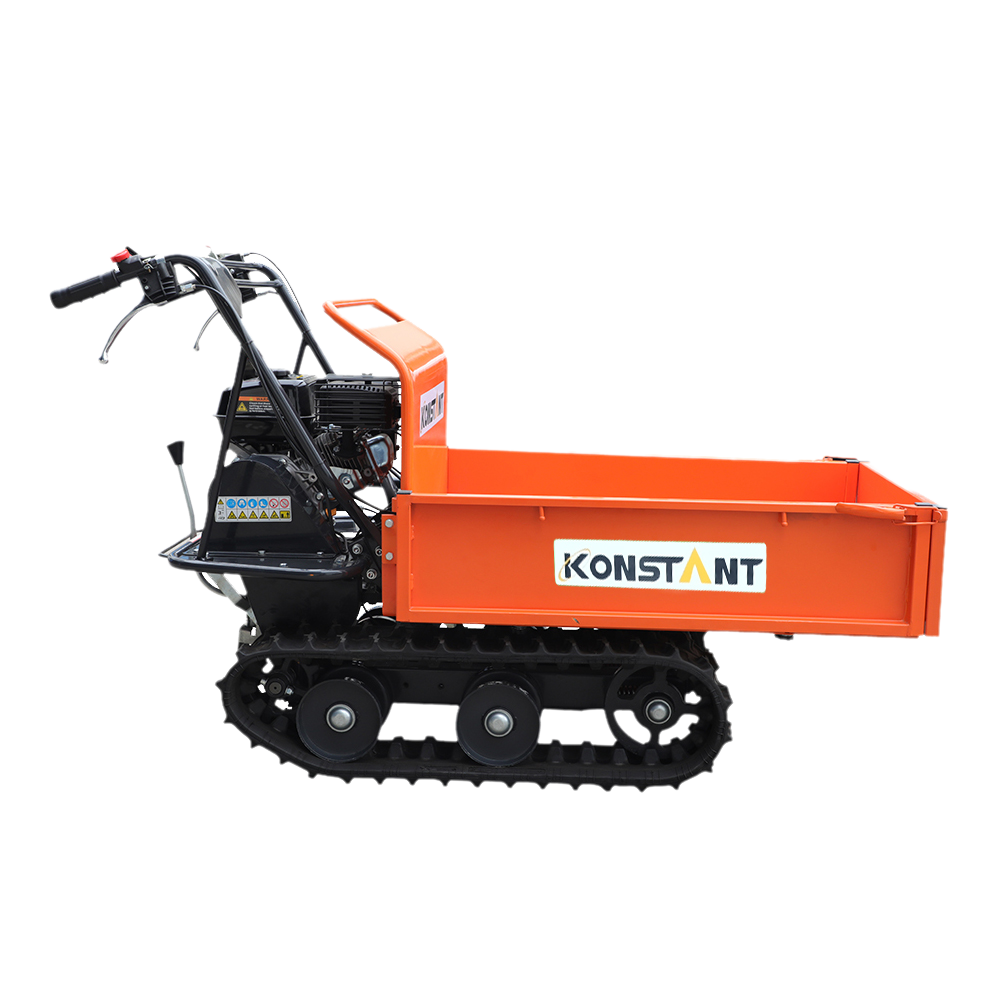
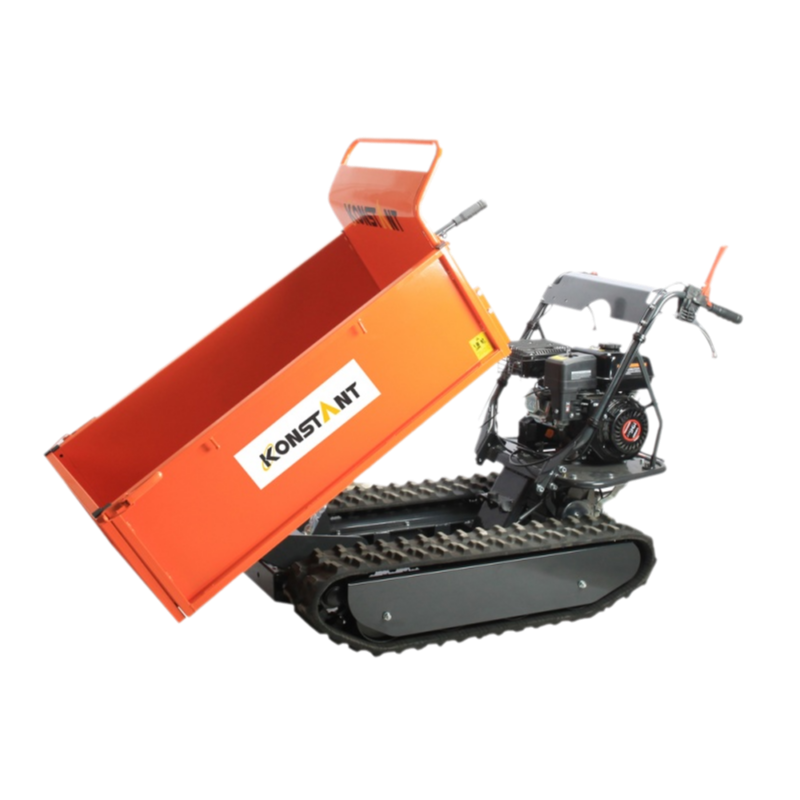
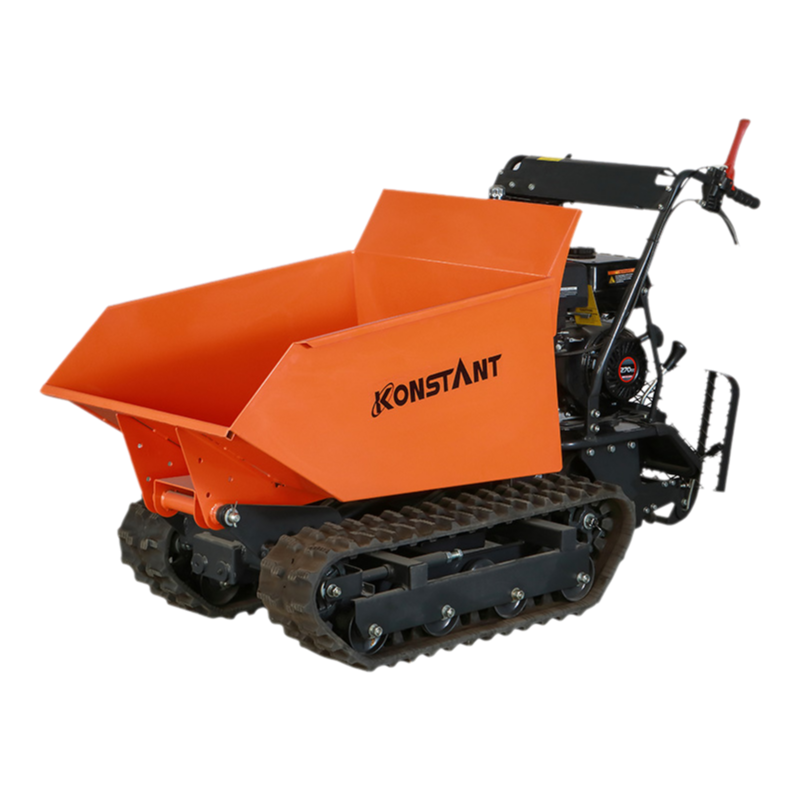
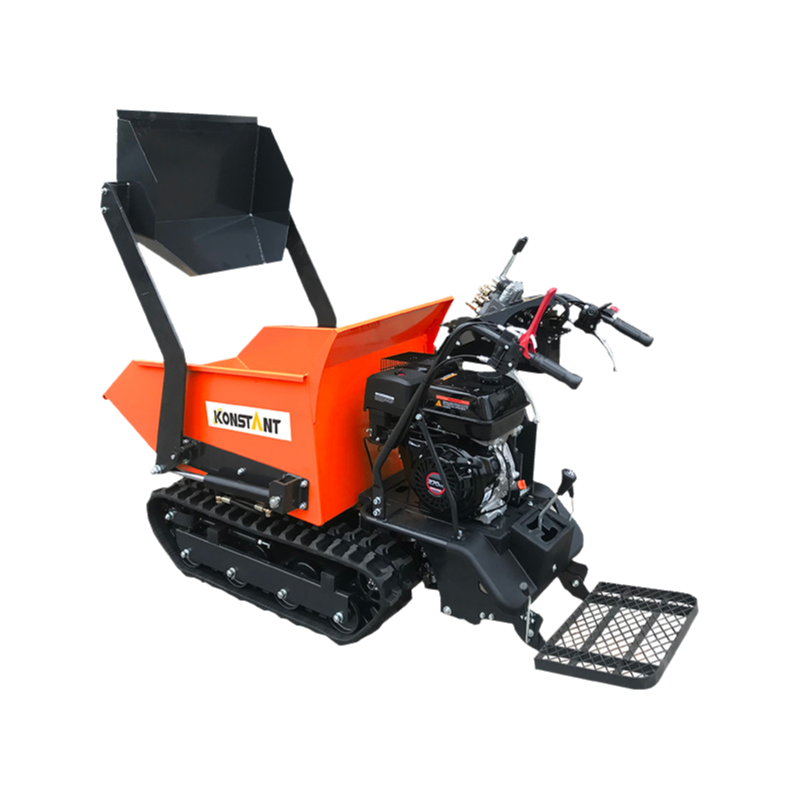
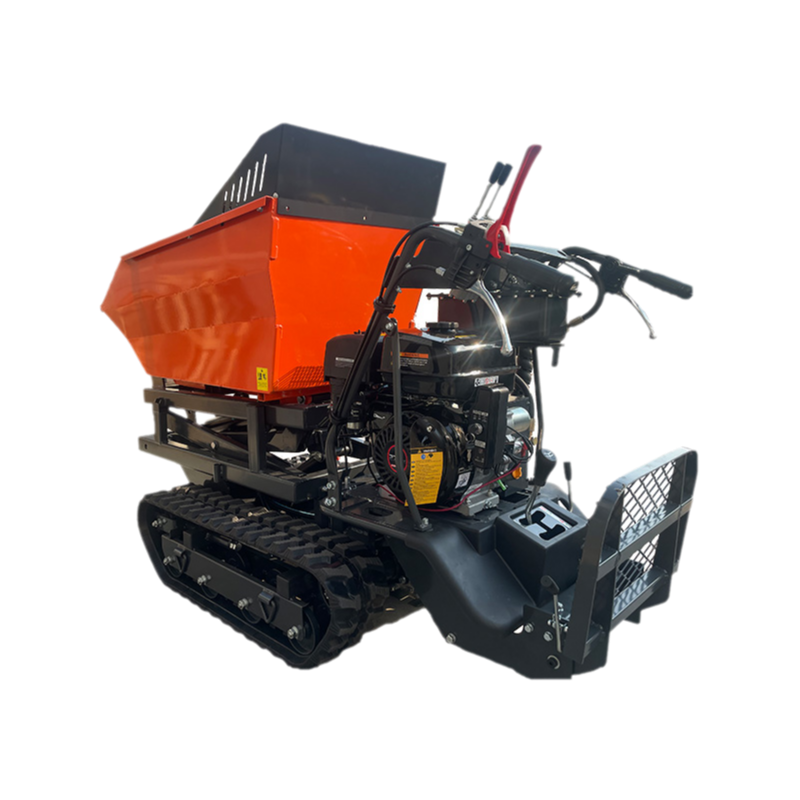
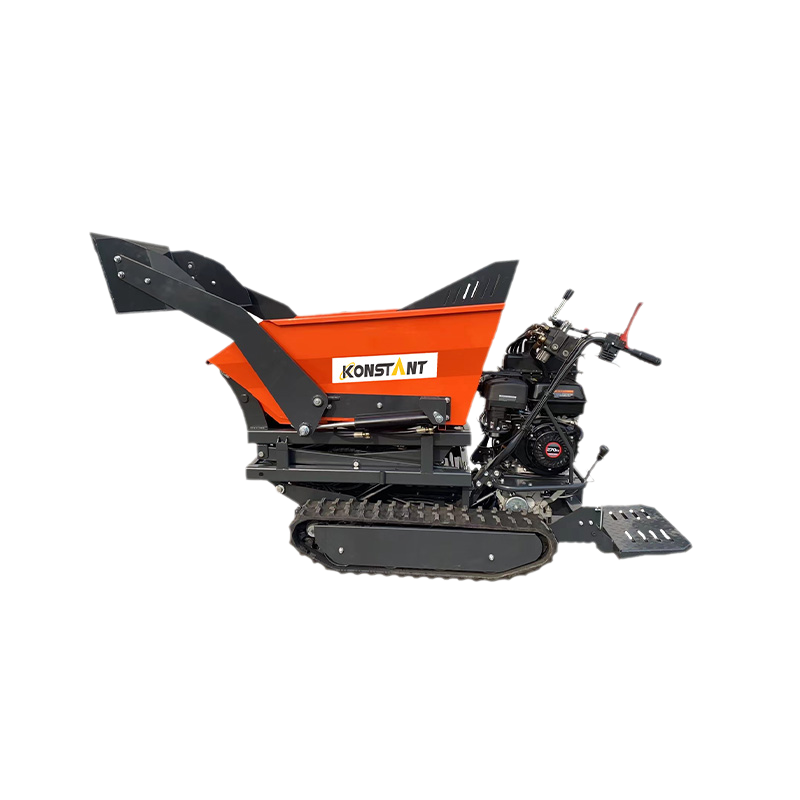
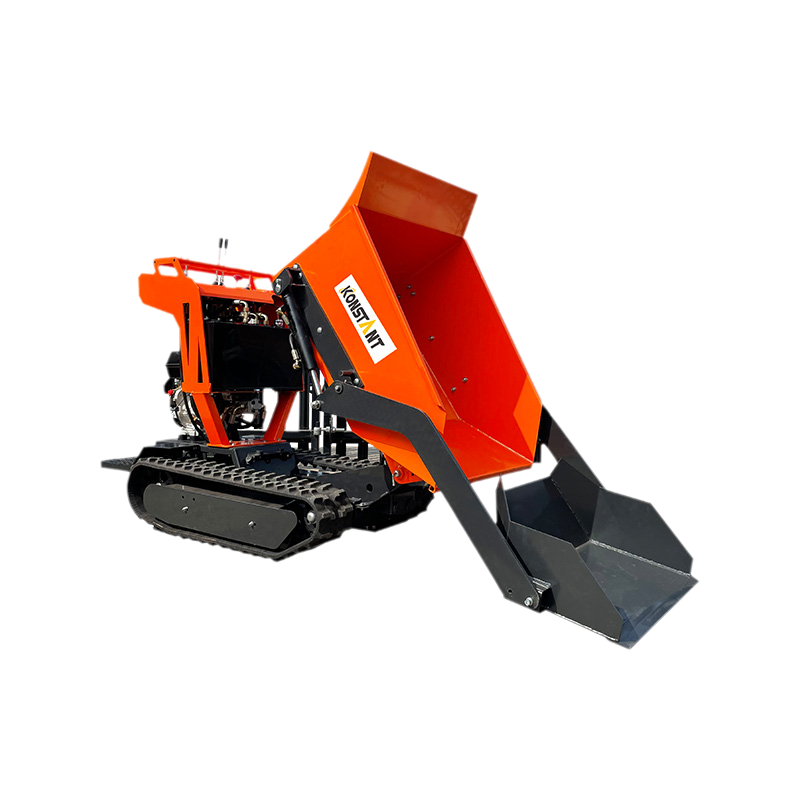
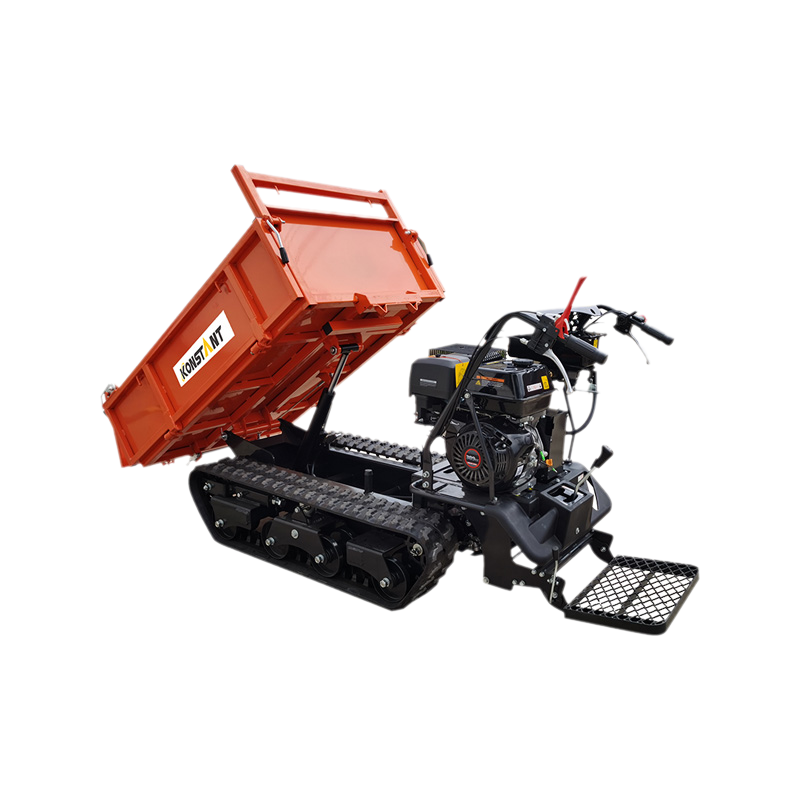
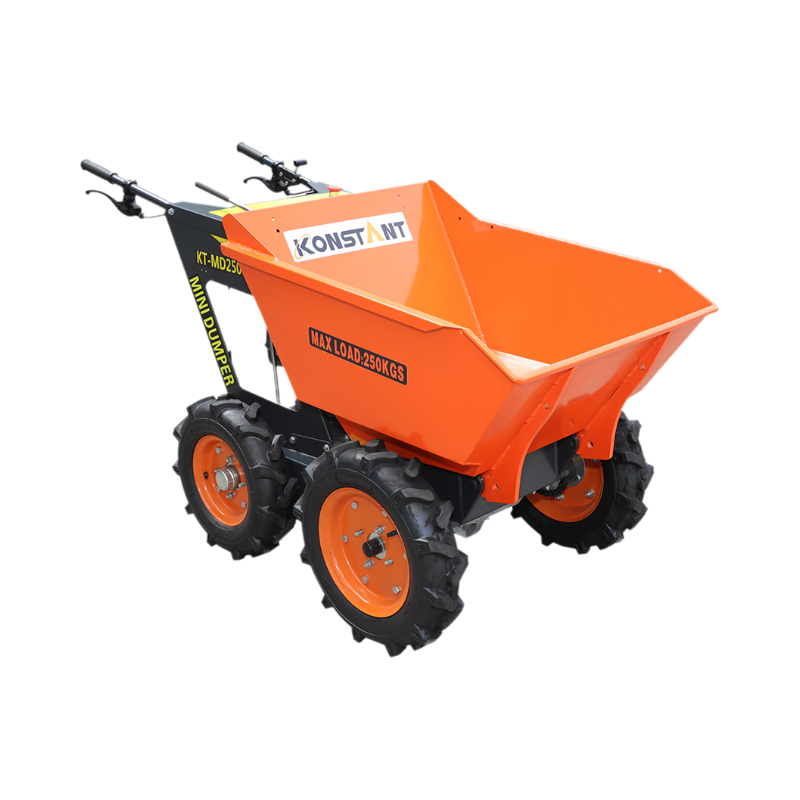
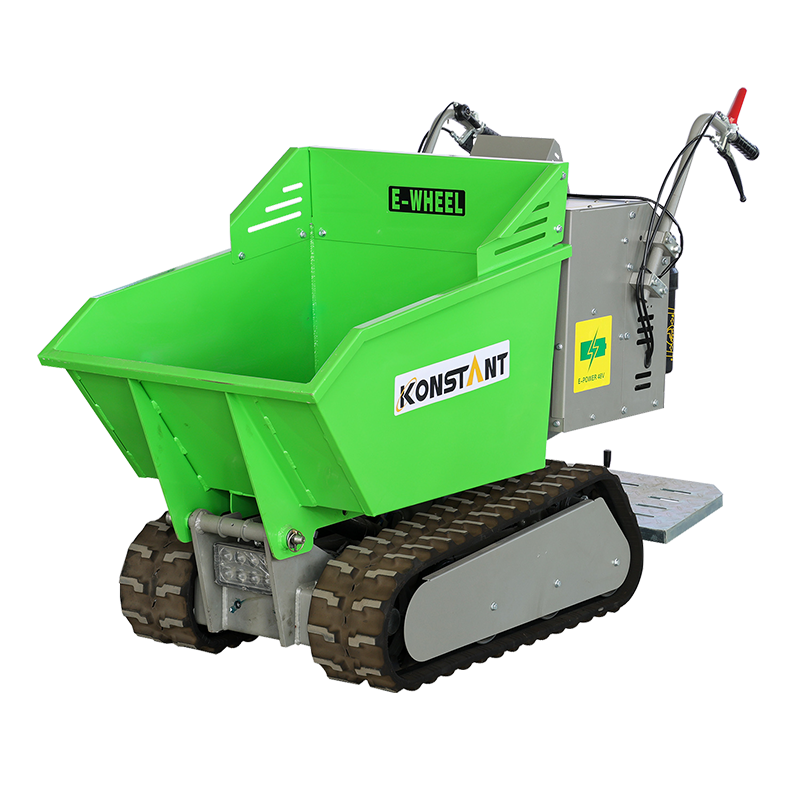
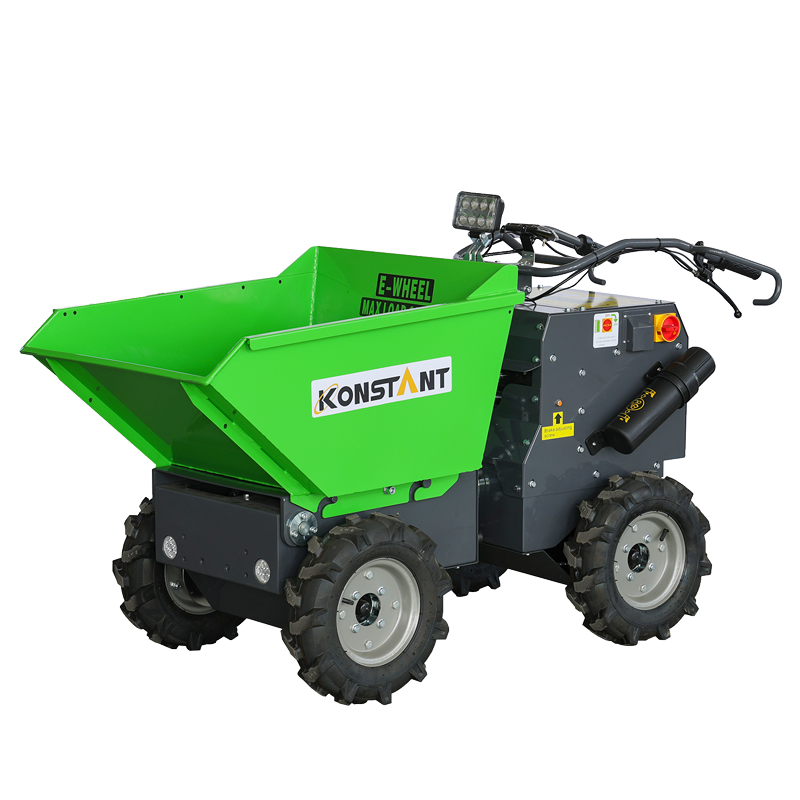
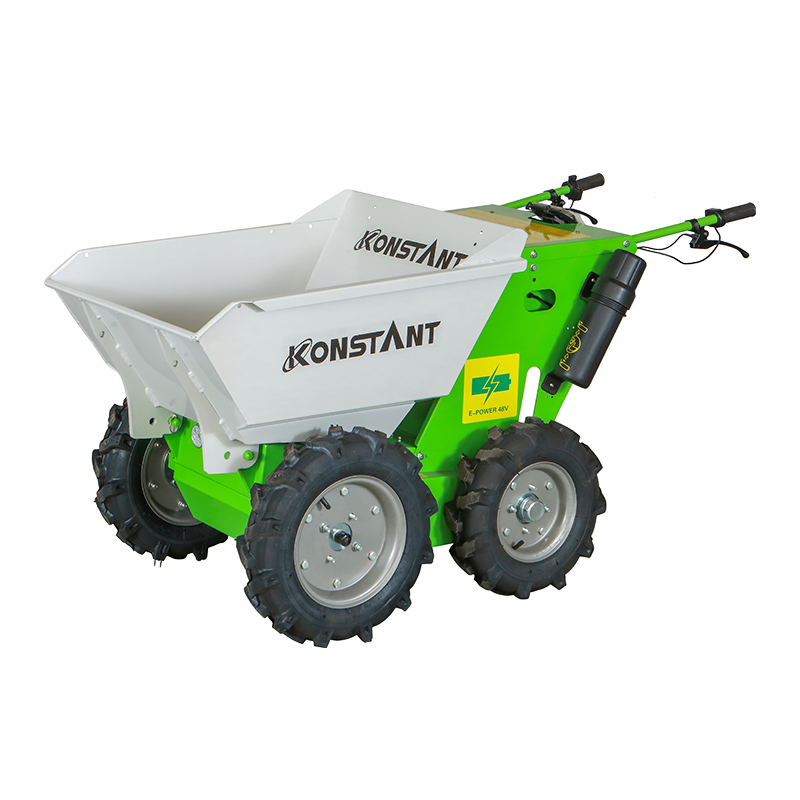
A power wheelbarrow for sale changes that routine. It adds a powered drive system to a traditional carrying tool, allowing loads to move with less physical effort. Instead of pushing and balancing heavy weight by hand, the machine takes over part of the movement.
The advantages are not only about speed. They also appear in labor, stability, terrain handling, and daily workflow.
Why Does Reduced Physical Effort Matter So Much?
Manual carrying has always depended on human strength and balance. Over time, repeated lifting and pushing can slow down work and increase fatigue.
A power wheelbarrow reduces that strain by assisting movement. The operator no longer needs to fully push the load forward, especially on uneven or sloped ground.
In real use, this leads to:
- Less physical pressure on arms and back
- Easier movement with heavy materials
- Lower fatigue during long working hours
- More consistent working rhythm
The change is not about removing effort completely. It is about shifting effort from physical pushing to simple guiding.
How Does It Improve Work Efficiency in Daily Tasks?
Efficiency in material handling often depends on repetition. Many jobs require moving similar loads many times a day.
A powered system helps reduce delays caused by manual pushing and stopping. Once the machine is loaded, movement becomes smoother and more continuous.
This creates a practical workflow advantage:
- Faster transport between work zones
- Fewer breaks caused by fatigue
- Less time spent repositioning loads
- More predictable work pace
In environments where time matters, even small improvements in each trip add up over the day.
Can It Handle Uneven and Difficult Ground Better?
Not all working areas are flat or smooth. Construction sites, farmland, and outdoor spaces often include mud, gravel, slopes, and narrow paths.
A power wheelbarrow is designed to move under these conditions with better stability than manual pushing alone.
Instead of relying fully on human balance, the machine supports forward movement. This helps reduce slipping or stopping when the surface becomes difficult.
Common working conditions include:
- Wet or muddy ground
- Gravel and loose soil areas
- Inclined paths or slopes
- Narrow or uneven passages
In these environments, control becomes easier because the machine assists movement rather than resisting terrain changes.
Why Is Load Handling More Stable?
Manual wheelbarrows depend heavily on balance. When the load shifts, the operator must adjust quickly to avoid tipping or loss of control.
A power wheelbarrow distributes movement more evenly through its drive system. This helps keep the load steady during transport.
The result is:
- Reduced risk of sudden tilting
- More controlled forward motion
- Better balance during turns
- Smoother movement over bumps
Even when carrying uneven materials like soil or mixed construction debris, stability becomes easier to manage.
How Does It Support Different Working Environments?
One of the practical strengths of a Motor Wheelbarrow Factory is flexibility. It is not limited to a single industry or task.
It can be used in many different settings:
- Construction sites for material transfer
- Farms for soil, feed, or harvest movement
- Landscaping work for soil and plant transport
- Small outdoor maintenance tasks
Each environment has different ground conditions and load types. The machine adapts by assisting movement rather than changing the work method itself.
What Makes It Useful in Tight or Limited Spaces?
Some work areas are not open or wide. Narrow paths, storage zones, and indoor-outdoor transition spaces often make movement difficult.
In these cases, large transport machines may not fit. Manual transport becomes slow and repetitive.
A power wheelbarrow offers a middle solution. It remains compact but reduces pushing effort.
This helps in situations such as:
- Moving materials through narrow passages
- Working between stacked materials or structures
- Navigating tight corners or pathways
- Handling short-distance transport repeatedly
The compact structure combined with powered movement creates a practical balance between size and function.
How Does It Reduce Long-Term Fatigue?
Fatigue does not always appear immediately. It builds over repeated movement and physical strain.
Manual wheelbarrow use requires continuous pushing, lifting, and adjusting. Over time, this can slow down work quality and consistency.
A powered system reduces this repetitive strain. Instead of using full body force for every movement, the operator mainly guides direction and speed.
This leads to:
- Lower strain during long work cycles
- More consistent physical condition throughout the day
- Reduced recovery time after heavy tasks
- Less variation in performance between early and late hours
The benefit becomes more noticeable in extended working periods rather than short tasks.
Why Is Material Transport More Predictable?
In many jobs, unpredictability creates delays. A load may shift. Ground conditions may change. Manual control must adjust repeatedly.
A power wheelbarrow helps stabilize this process. Once the load is set, movement follows a more controlled path.
This improves predictability in several ways:
- More stable travel speed
- Less interruption during movement
- Easier planning of transport cycles
- Reduced unexpected stopping
Predictability helps overall workflow planning, especially when multiple workers are involved.
How Does It Influence Overall Site Organization?
Moving raw materials around isn't just hauling goods from spot to spot; it directly changes how the whole workshop gets laid out and managed.
If hauling work gets streamlined, staff can shift stocks as needed and set them down at designated positions precisely. Piled-up junk around workstations gets cut down, and available floor space gets used more reasonably.
Gradually, the site forms a tidier operating rhythm:
- No leftover material stacks blocking walkways and operation routes
- Clear dividing lines between each independent processing area
- Tools and supplies sit within easy reach whenever needed
- Staff and goods follow orderly passing routes across the site
These improvements don't show up right away, yet they keep daily production running without unnecessary disruptions.
Why Is It Becoming More Common in Modern Work Settings?
Work environments are gradually shifting toward tools that reduce manual strain while maintaining flexibility. A power wheelbarrow fits into this shift naturally.
It does not replace all manual tasks. Instead, it supports them. It sits between fully manual transport and larger machinery.
The growing interest comes from simple needs:
- Reducing physical effort without complex equipment
- Improving transport speed in small and medium work areas
- Handling mixed terrain conditions more easily
- Supporting daily repetitive movement tasks
As work demands continue to increase, tools that simplify movement tend to become more widely used across different industries.
Related products

Latest Updates
-
What Factors Influence the Choice of a Mini Dumper Power Barrow
Moving materials is a routine part of construction, landscaping, agriculture, renovation, and othe...
-
Can a Mini Petrol Power Dumper Replace a Traditional Wheelbarrow
Material handling rarely attracts much attention until it starts taking up a large part of the worki...

-
Welcome To Visit Us
No.30, Third Furong Road, Wuxi City, Jiangsu. 214100, China.
-
Call Us
Phone: +86 181-1889-1139
Phone: +86 181-1889-2139
-
Contact Us Online
E-mail: sales@konstantpm.com
E-mail: marketing@konstantpm.com
Copyright WUXI KONSTANT POWER TECH CO., LTD All Rights Reserved
 China Mini Dumpers Manufacturers Power Wheelbarrow Factory