
 English
 русский
 Français
 Español
 Deutsch

Provide you with the latest enterprise and industry news
What Is a Gasoline Mini Dumper and How Does It Work
Update:19-06-2026
Posted by Admin
Content
- 1 Why Was the Gasoline Mini Dumper Developed?
- 2 What Are the Main Parts of a Gasoline Mini Dumper?
- 3 How Does the Engine Drive the Machine?
- 4 How Does the Loading and Dumping Process Work?
- 5 Why Is It Useful on Uneven Ground?
- 6 How Does It Improve Daily Work Efficiency?
- 7 Where Is a Gasoline Mini Dumper Commonly Used?
- 8 How Does It Handle Different Types of Loads?
- 9 What Makes It Different From Manual Wheelbarrows?
- 10 How Does It Support Different Working Speeds?
- 11 Why Is It Becoming More Common in Modern Work Sites?
- 12 What Connects All Its Functions Together?
Material handling is one of those daily tasks that looks simple until it starts repeating. Soil, gravel, sand, bricks, garden waste. Moving these items by hand or basic tools can take a lot of time and effort, especially on uneven ground.
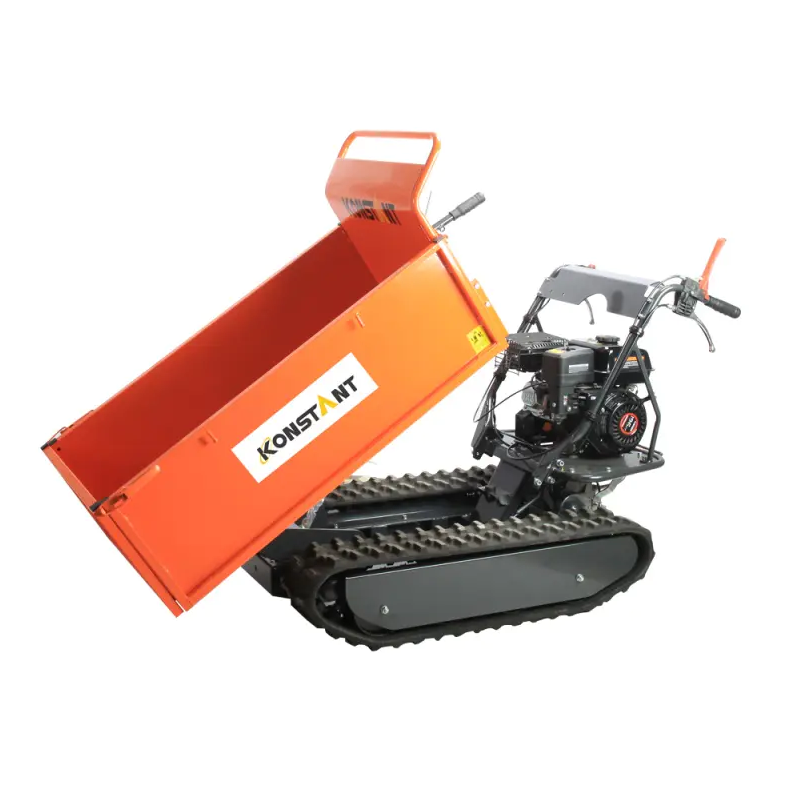
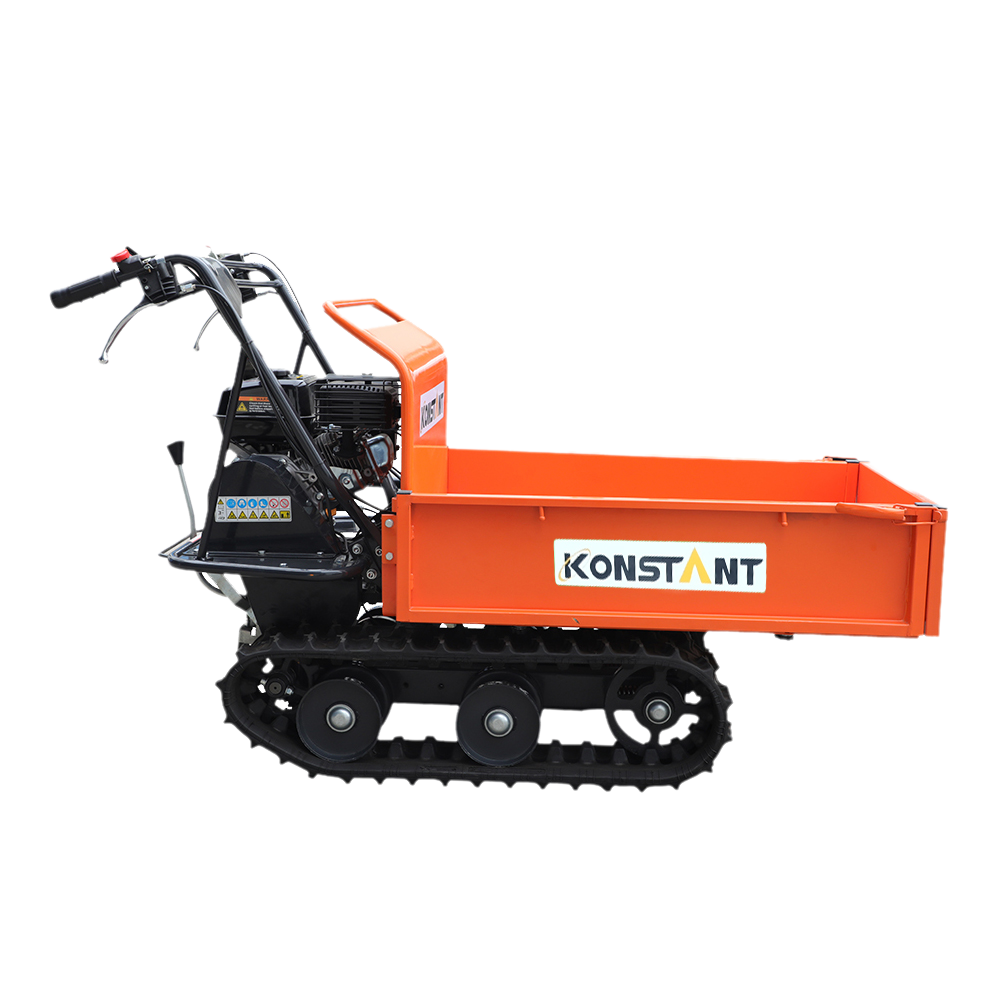
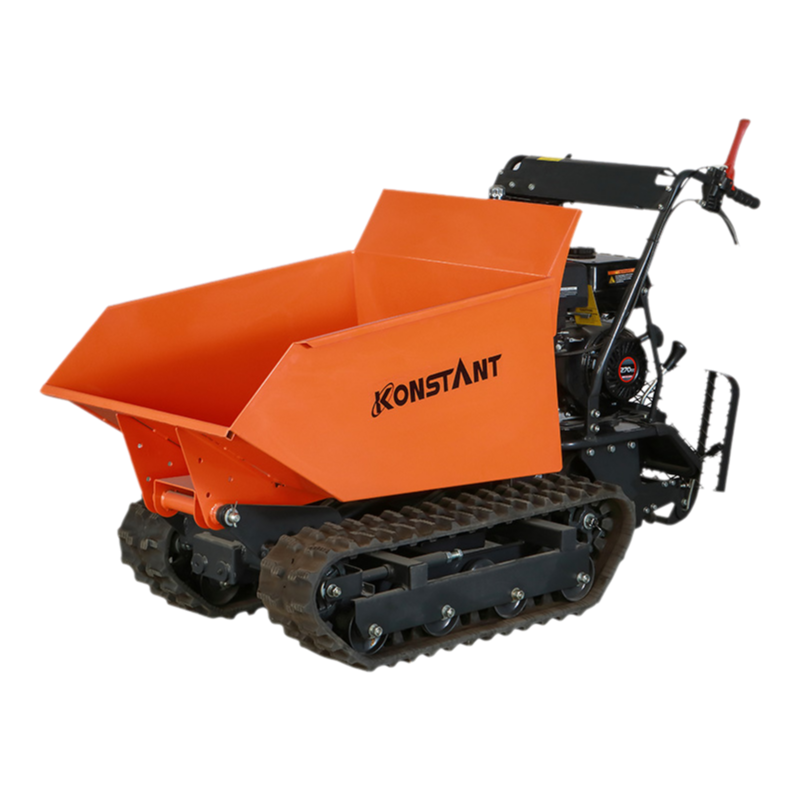
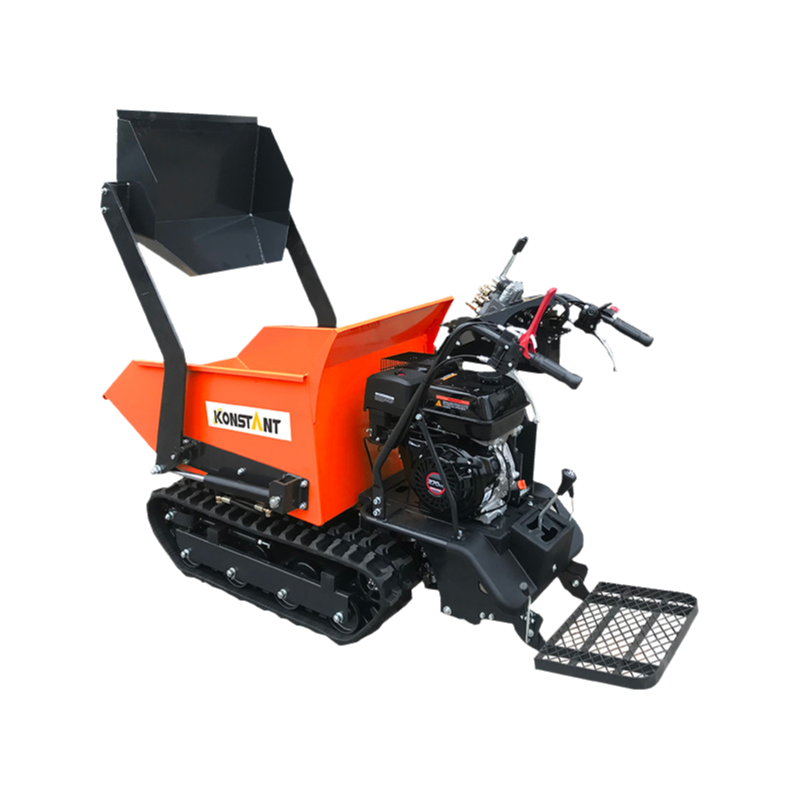
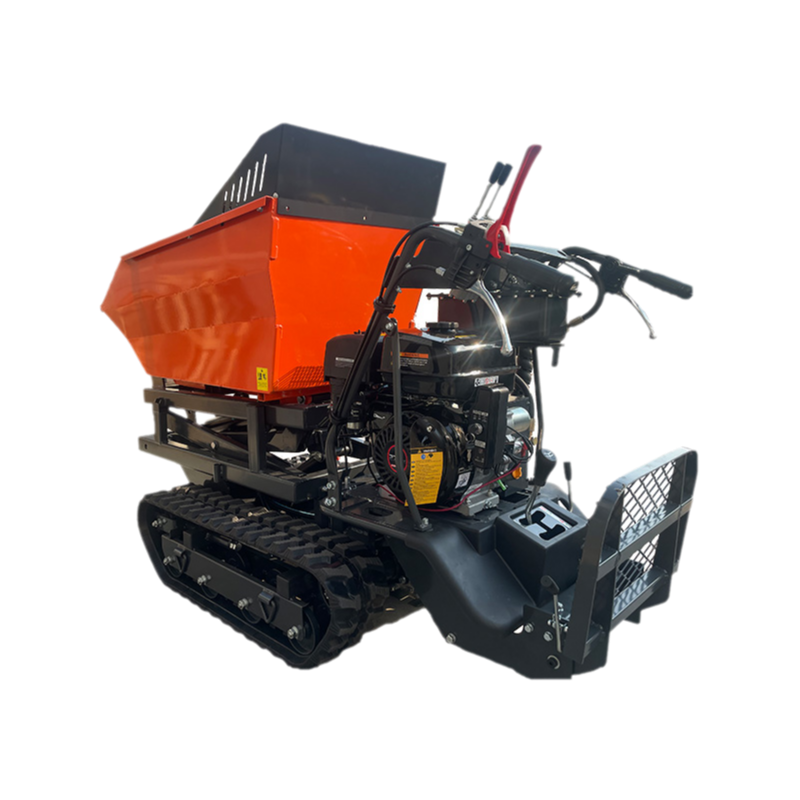
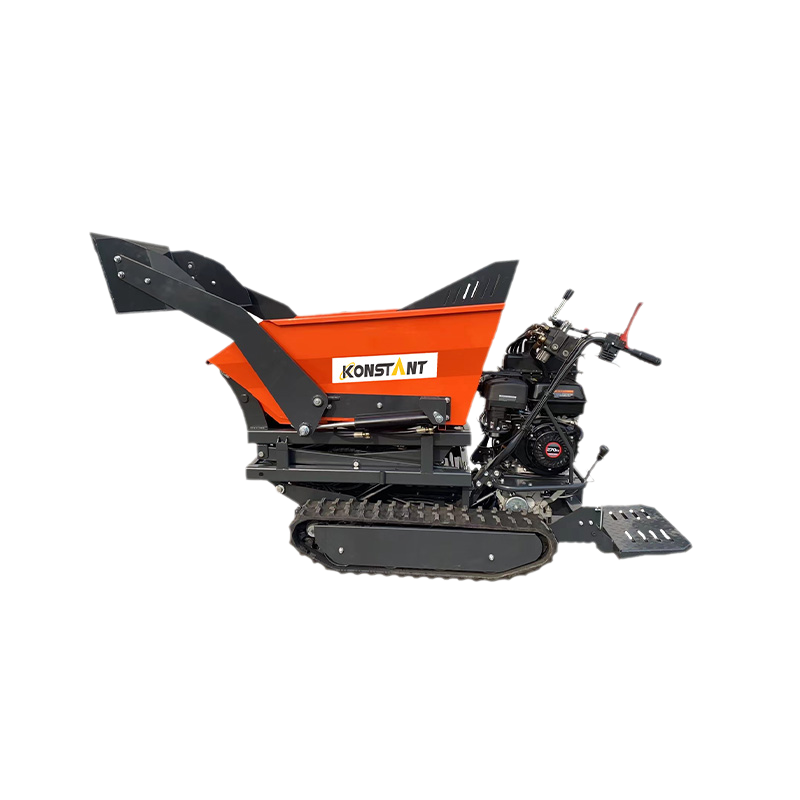
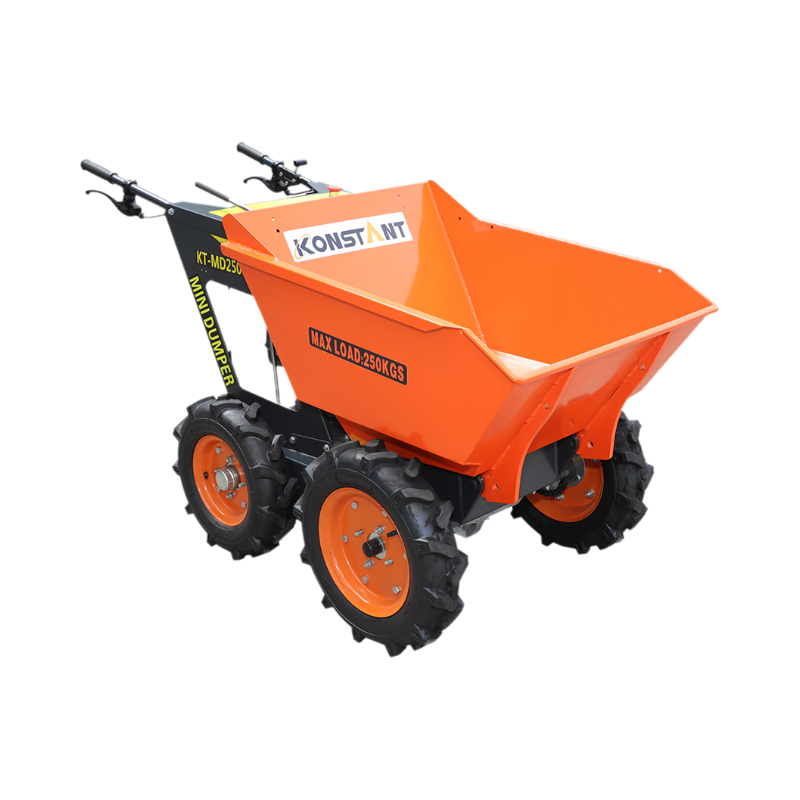
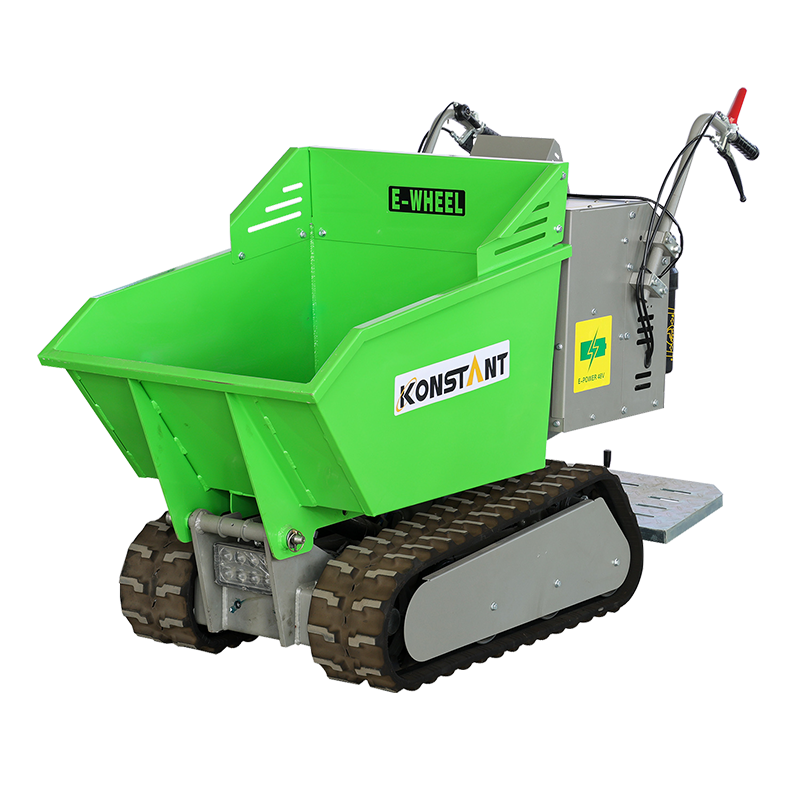
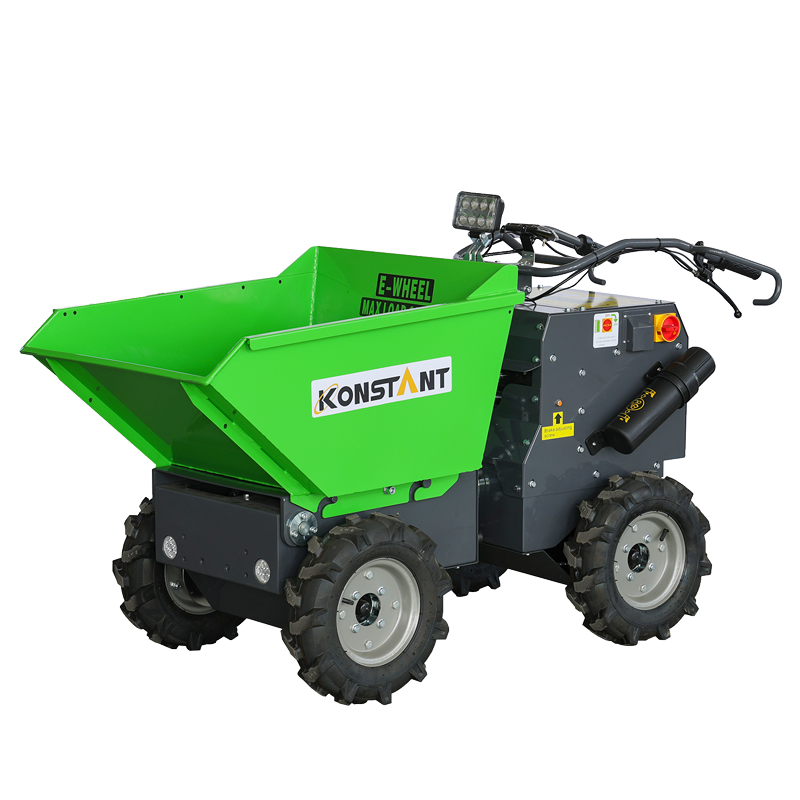
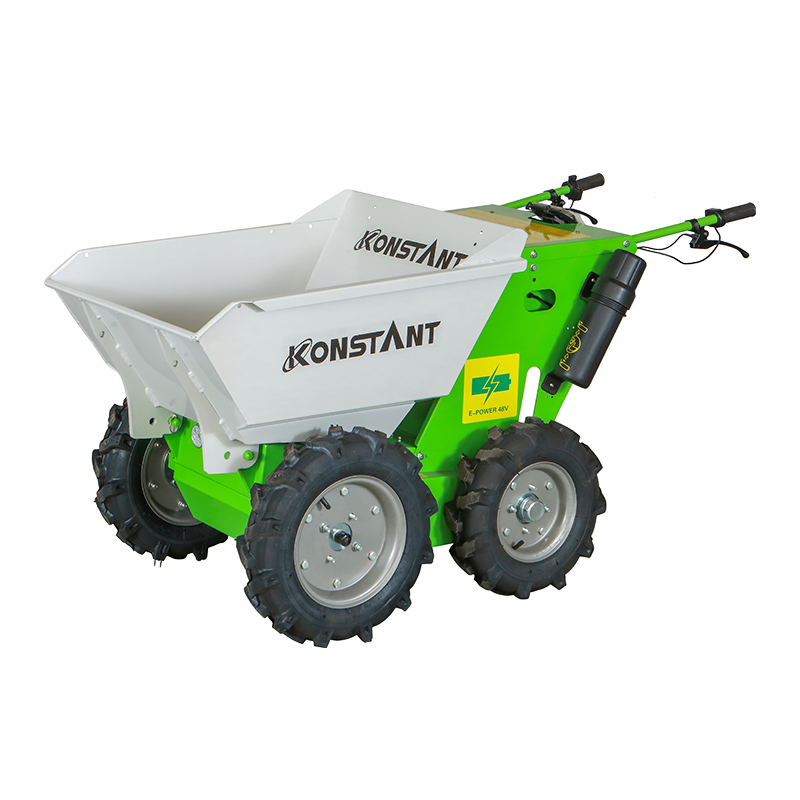
A gasoline mini dumper is designed to take over part of that workload. It is a compact transport machine powered by a small engine, built to carry and unload materials in short-distance work environments. You will often see it on construction sites, farms, gardens, and landscaping projects.
It does not replace heavy transport trucks. Instead, it fits into smaller spaces where larger machines cannot easily move.
Why Was the Gasoline Mini Dumper Developed?
Worksites have changed over time. Many tasks are now carried out in tighter spaces, mixed environments, and areas that are not fully prepared for large machinery.
In these conditions, manual carrying becomes slow and physically demanding. Repeated lifting also reduces efficiency across a full working day.
A mini dumper was developed to solve a simple gap. It needed to be small enough to enter narrow areas, but strong enough to carry heavy loads over uneven ground.
The result is a machine that focuses on short-distance movement with consistent support.
What Are the Main Parts of a Gasoline Mini Dumper?
Although the structure looks compact, several systems work together inside the machine.
Typical parts include:
- Engine unit that provides driving power
- Load bucket used for carrying materials
- Frame structure that supports weight and balance
- Movement system using wheels or tracks
- Control section for direction and speed
Each part has a clear role. The engine produces power, while the movement system transfers that power into motion. The bucket holds materials, and the frame keeps everything stable during operation.
How Does the Engine Drive the Machine?
The core of the system is the gasoline engine. It converts fuel into mechanical movement, which is then used to drive the dumper forward.
Once started, the engine creates continuous power output. That power is transferred through internal connections to the movement system.
Unlike manual pushing, the operator does not need to apply physical force to move the load. Instead, the machine carries both itself and the materials.
The key idea here is steady movement. The engine supports repeated travel without relying on human strength for propulsion.
How Does the Loading and Dumping Process Work?
A gasoline mini dumper is not only about moving materials. It also includes a simple unloading function.
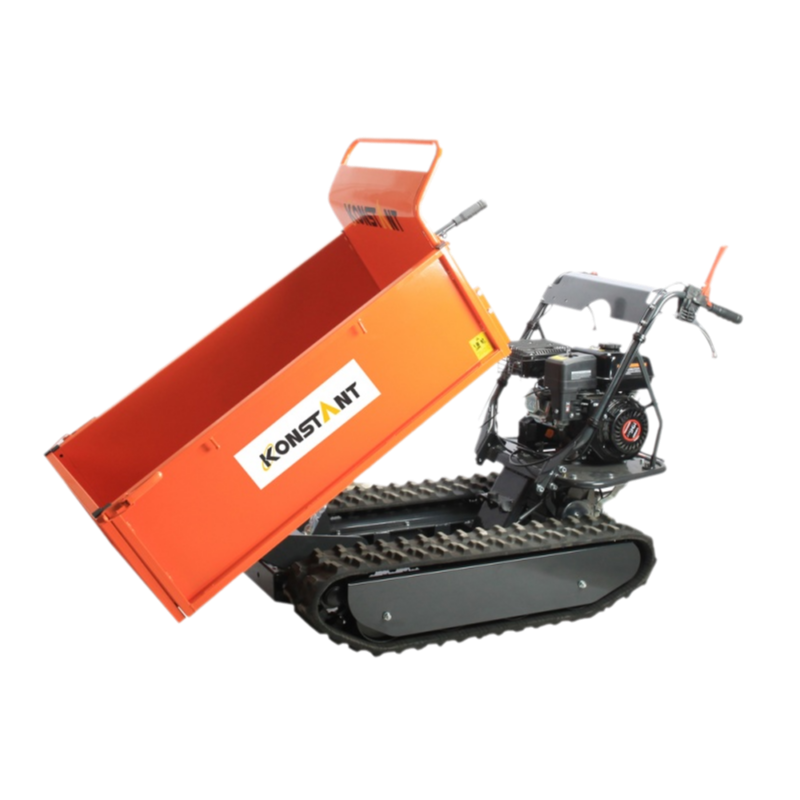
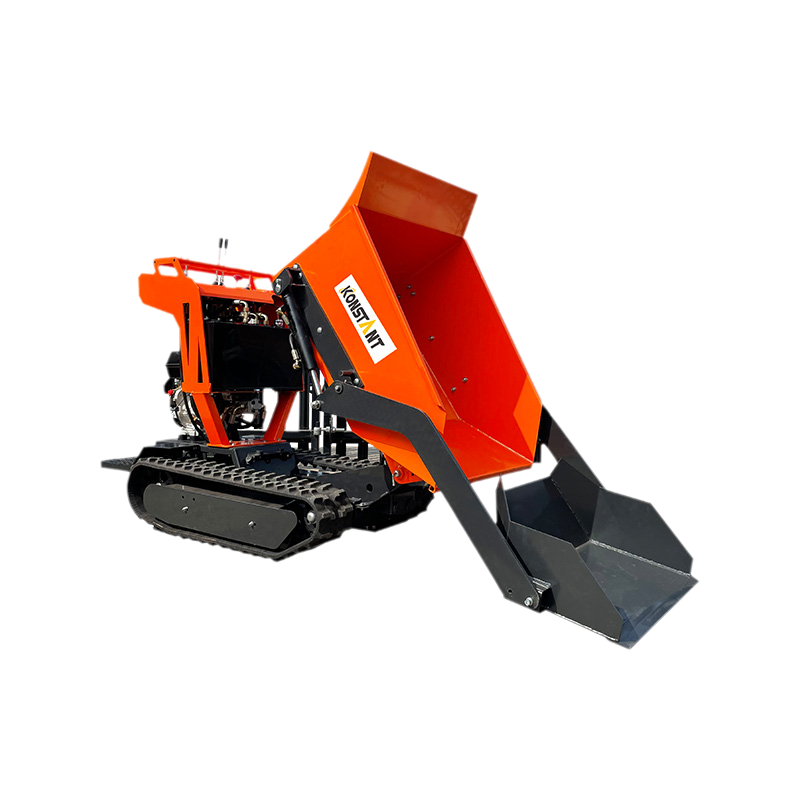
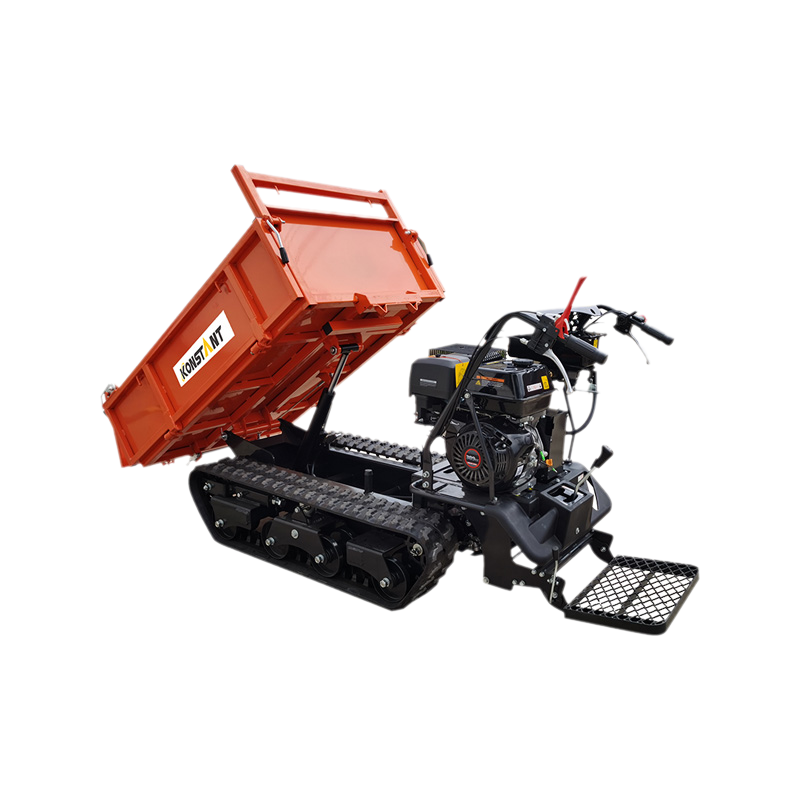
Materials are placed into the bucket. Once the destination is reached, the bucket can be tilted to release the load.
This process is designed to reduce manual lifting at the unloading point.
In typical use, the cycle looks like this:
- Load materials into the bucket
- Move across the working area
- Stop at the target position
- Tilt the bucket to release contents
The simplicity of this cycle helps keep workflow steady, especially during repeated tasks.
Why Is It Useful on Uneven Ground?
Many working environments are not flat. Construction zones, farmland, and outdoor sites often include mud, gravel, slopes, or narrow paths.
A mini dumper is designed with this in mind. Its structure allows it to maintain movement where pushing by hand becomes difficult.
In practical use, it can handle:
- Loose soil surfaces
- Sloped pathways
- Gravel-covered ground
- Narrow or irregular work routes
The powered movement reduces reliance on manual balance, which becomes especially useful when the load is heavy.
How Does It Improve Daily Work Efficiency?
Efficiency in material handling is often measured by repetition. The same load may need to be moved many times throughout a working day.
A gasoline mini dumper reduces the effort needed for each trip. Instead of focusing on pushing and balancing, the operator mainly guides direction.
This leads to:
- Faster movement between work points
- Less physical fatigue during repeated tasks
- More consistent transport speed
- Reduced delays caused by heavy loads
Over time, even small improvements in each trip can significantly affect the overall workflow.
Where Is a Gasoline Mini Dumper Commonly Used?
This small fuel-powered cart boasts a narrow body and nimble maneuverability, fitting plenty of job scenarios.
Typical application spots:
- Construction yards hauling building raw materials
- Farmland shifting topsoil and harvested crops
- Greening projects carrying dirt and nursery saplings
- Outdoor property upkeep and small-scale engineering jobs
All these working settings have one identical demand: short-distance cargo hauling that big trucks cannot navigate conveniently.
How Does It Handle Different Types of Loads?
Goods transported on site come in all sorts; some are granular loose stuff, others compact heavy bulk, and quite a few shift around while traveling.
Its cargo bucket plus sturdy chassis are engineered to cope with such varied cargo.
Regular transported materials:
- Loose dirt and fine sand
- Crushed rock and small rubble stones
- Demolition scraps from construction work
- Yard trimmings and landscaping refuse
The bucket's contained design locks cargo firmly in transit, cutting spill risks when rolling over bumpy terrain.
What Makes It Different From Manual Wheelbarrows?
At first glance, both tools serve a similar purpose. However, the working experience is quite different.
A manual wheelbarrow depends entirely on human force. Every movement requires pushing, lifting, and balancing.
A mini dumper changes this process by introducing engine-driven movement.
Key differences include:
- Powered movement instead of manual pushing
- Higher load capacity handling
- Better performance on uneven ground
- Reduced physical strain during repeated use
The shift is not only about strength. It also changes how long a task can be continued without fatigue.
How Does It Support Different Working Speeds?
Work environments are not always constant. Sometimes tasks need to move quickly. Other times, precision matters more than speed.
A gasoline mini dumper allows the operator to adjust movement based on conditions. The machine supports steady travel without forcing a fixed pace.
This flexibility is useful when:
- Navigating tight spaces
- Working near structures or materials
- Coordinating with other workers
- Managing different load types
The operator remains in control, while the machine provides consistent support.
Why Is It Becoming More Common in Modern Work Sites?
Work patterns have shifted toward tools that reduce repetitive strain while maintaining flexibility. Instead of relying only on manual effort, many sites now combine human control with mechanical assistance.
A mini dumper fits this trend naturally. It does not require complex setup or large operating space. It can be used in both small and medium work areas.
Its growing use is linked to simple needs:
- Reducing physical workload
- Improving short-distance transport speed
- Handling uneven terrain more easily
- Supporting repeated material movement
As work environments continue to evolve, tools like this become part of daily operations rather than occasional equipment.
What Connects All Its Functions Together?
Although the machine includes several parts and functions, the overall idea is simple.
It moves materials from one point to another with less physical effort and more control over uneven conditions.
The engine provides power. The structure supports load. The bucket carries materials. The movement system handles terrain. The operator guides the process.
Each part contributes to the same goal: making short-distance transport more manageable in real working conditions.
Related products

Latest Updates
-
What Factors Influence the Choice of a Mini Dumper Power Barrow
Moving materials is a routine part of construction, landscaping, agriculture, renovation, and othe...
-
Can a Mini Petrol Power Dumper Replace a Traditional Wheelbarrow
Material handling rarely attracts much attention until it starts taking up a large part of the worki...

-
Welcome To Visit Us
No.30, Third Furong Road, Wuxi City, Jiangsu. 214100, China.
-
Call Us
Phone: +86 181-1889-1139
Phone: +86 181-1889-2139
-
Contact Us Online
E-mail: sales@konstantpm.com
E-mail: marketing@konstantpm.com
Copyright WUXI KONSTANT POWER TECH CO., LTD All Rights Reserved
 China Mini Dumpers Manufacturers Power Wheelbarrow Factory